
GamersGoMakers
In GamersGoMakers, you found a little company creating the first video games in history. Create your first game with only basic sound and simple graphics available in the year 1980. You´re one of the pioneers entering the rising global market for computer games.
Sync your Steam wishlist to find the lowest game prices instantly. No login required, just paste your Steam profile URL!
⚡ Try Wishlist Radar!
Sync your Steam wishlist to find the lowest game prices instantly. No login required!
⚡ Try Wishlist Radar!
Close

上帝之城 I:监狱帝国 [City of God I - Prison Empire] on Steam
Quick menu
Hey, boy! I am the Deputy Mayor of Crist City. My secretary has already told you the purchasing price of the wardening position of Pompeii Prison, right? Come on son, make up your mind! There are a lot of people competing for this position. I don’t have time and patience to waste on you!
上帝之城 I:监狱帝国 [City of God I - Prison Empire] is a simulation, indie and rpg game
developed by Pixel Gangsta Studio
and published by Pixel Gangsta Studio and Flying Interactive.
Released on July 09th 2018 is available only on Windows.
It has received 1,903 reviews of which 1,331 were positive and 572 were negative resulting in a rating of 6.8 out of 10. 😐
The game is currently priced at 15.99€ on Steam.
The Steam community has classified 上帝之城 I:监狱帝国 [City of God I - Prison Empire] into these genres:
Media & Screenshots
Get an in-depth look at 上帝之城 I:监狱帝国 [City of God I - Prison Empire] through various videos and screenshots.
![上帝之城 I:监狱帝国 [City of God I - Prison Empire] screenshot](https://shared.fastly.steamstatic.com/store_item_assets/steam/apps/466860/ss_482fd5865d121caf43ba3a92f51e481a15533009.1920x1080.jpg)
![上帝之城 I:监狱帝国 [City of God I - Prison Empire] screenshot](https://shared.fastly.steamstatic.com/store_item_assets/steam/apps/466860/ss_589fc5ad87ae991c088b296889b023d607135af7.1920x1080.jpg)
![上帝之城 I:监狱帝国 [City of God I - Prison Empire] screenshot](https://shared.fastly.steamstatic.com/store_item_assets/steam/apps/466860/ss_1da9e58c0dbed2f19f0c21cc7e9c79d39eb7cb3a.1920x1080.jpg)
![上帝之城 I:监狱帝国 [City of God I - Prison Empire] screenshot](https://shared.fastly.steamstatic.com/store_item_assets/steam/apps/466860/ss_cb246cab272242cb6197092603fe6cf5fd3c63bd.1920x1080.jpg)
![上帝之城 I:监狱帝国 [City of God I - Prison Empire] screenshot](https://shared.fastly.steamstatic.com/store_item_assets/steam/apps/466860/ss_dc7704ff36a4065fc33c5ec65ad5b43302e26e03.1920x1080.jpg)
Load More
![上帝之城 I:监狱帝国 [City of God I - Prison Empire] screenshot](https://shared.fastly.steamstatic.com/store_item_assets/steam/apps/466860/ss_d5fc4eeb8d0bb88edf43464d447781390bf2e57e.1920x1080.jpg)
![上帝之城 I:监狱帝国 [City of God I - Prison Empire] screenshot](https://shared.fastly.steamstatic.com/store_item_assets/steam/apps/466860/ss_587718429367bc96652e8c3e34a17c2a6c22dc57.1920x1080.jpg)
![上帝之城 I:监狱帝国 [City of God I - Prison Empire] screenshot](https://shared.fastly.steamstatic.com/store_item_assets/steam/apps/466860/ss_bba7abd61f406867e352f822692666d0481e2cb9.1920x1080.jpg)
![上帝之城 I:监狱帝国 [City of God I - Prison Empire] screenshot](https://shared.fastly.steamstatic.com/store_item_assets/steam/apps/466860/ss_bb33f30a00cd0f48a7c8207d59bbfd4af664d242.1920x1080.jpg)
![上帝之城 I:监狱帝国 [City of God I - Prison Empire] screenshot](https://shared.fastly.steamstatic.com/store_item_assets/steam/apps/466860/ss_ec874784d223f1e00abd5ba68343f3c60bcc53a8.1920x1080.jpg)
![上帝之城 I:监狱帝国 [City of God I - Prison Empire] screenshot](https://shared.fastly.steamstatic.com/store_item_assets/steam/apps/466860/ss_60a12c9f70805d09e41de58e556deba287844cd3.1920x1080.jpg)
![上帝之城 I:监狱帝国 [City of God I - Prison Empire] screenshot](https://shared.fastly.steamstatic.com/store_item_assets/steam/apps/466860/ss_8ae0db8b75e4345778295723ea19be69d3de687a.1920x1080.jpg)
![上帝之城 I:监狱帝国 [City of God I - Prison Empire] screenshot](https://shared.fastly.steamstatic.com/store_item_assets/steam/apps/466860/ss_b768672c4352c2a0bc6fb6e53e9f5702b875298c.1920x1080.jpg)
![上帝之城 I:监狱帝国 [City of God I - Prison Empire] screenshot](https://shared.fastly.steamstatic.com/store_item_assets/steam/apps/466860/ss_b7f7ed474fc1191bb611749102f5a40a1aba9108.1920x1080.jpg)
![上帝之城 I:监狱帝国 [City of God I - Prison Empire] screenshot](https://shared.fastly.steamstatic.com/store_item_assets/steam/apps/466860/ss_572895083c5b5e6585c60ec848855a8af8c0d782.1920x1080.jpg)
![上帝之城 I:监狱帝国 [City of God I - Prison Empire] screenshot](https://shared.fastly.steamstatic.com/store_item_assets/steam/apps/466860/ss_437562078d5398b4cacc77ea6b72343595a58e42.1920x1080.jpg)
![上帝之城 I:监狱帝国 [City of God I - Prison Empire] screenshot](https://shared.fastly.steamstatic.com/store_item_assets/steam/apps/466860/ss_fe265727b6410b28f8c2b27d496d5acd1c098682.1920x1080.jpg)
![上帝之城 I:监狱帝国 [City of God I - Prison Empire] screenshot](https://shared.fastly.steamstatic.com/store_item_assets/steam/apps/466860/ss_eb2dcb22c1bb2a175440032c1554922810ce95ab.1920x1080.jpg)
![上帝之城 I:监狱帝国 [City of God I - Prison Empire] screenshot](https://shared.fastly.steamstatic.com/store_item_assets/steam/apps/466860/ss_5ab20edde76a21e520e936567c7dc8db2f3f85a4.1920x1080.jpg)
![上帝之城 I:监狱帝国 [City of God I - Prison Empire] screenshot](https://shared.fastly.steamstatic.com/store_item_assets/steam/apps/466860/ss_697c6fedcd9b5950e950fd0f8b299a7869ab401d.1920x1080.jpg)
![上帝之城 I:监狱帝国 [City of God I - Prison Empire] screenshot](https://shared.fastly.steamstatic.com/store_item_assets/steam/apps/466860/ss_190ebf18c6e458a906f18b9e25d30dfef7412d5d.1920x1080.jpg)
![上帝之城 I:监狱帝国 [City of God I - Prison Empire] screenshot](https://shared.fastly.steamstatic.com/store_item_assets/steam/apps/466860/ss_3120561bf7af6441085787c1621cb00d4ca26758.1920x1080.jpg)
![上帝之城 I:监狱帝国 [City of God I - Prison Empire] screenshot](https://shared.fastly.steamstatic.com/store_item_assets/steam/apps/466860/ss_98b589d92644d79031aa6cc7ce82c75f7e67b77a.1920x1080.jpg)
![上帝之城 I:监狱帝国 [City of God I - Prison Empire] screenshot](https://shared.fastly.steamstatic.com/store_item_assets/steam/apps/466860/ss_a7e89401fc4075f4cbeb17524b89f836b6812d5e.1920x1080.jpg)
![上帝之城 I:监狱帝国 [City of God I - Prison Empire] screenshot](https://shared.fastly.steamstatic.com/store_item_assets/steam/apps/466860/ss_4e1dc28d53ed39ecd602bfe47c09078ae088f2d9.1920x1080.jpg)
![上帝之城 I:监狱帝国 [City of God I - Prison Empire] screenshot](https://shared.fastly.steamstatic.com/store_item_assets/steam/apps/466860/ss_96f55a3f9f319788bd7001488f8bc7ca41c9b92d.1920x1080.jpg)
![上帝之城 I:监狱帝国 [City of God I - Prison Empire] screenshot](https://shared.fastly.steamstatic.com/store_item_assets/steam/apps/466860/ss_d6be7d1ac928ac08017c190c2dc93f123f57e29c.1920x1080.jpg)
![上帝之城 I:监狱帝国 [City of God I - Prison Empire] screenshot](https://shared.fastly.steamstatic.com/store_item_assets/steam/apps/466860/ss_af5ad2cae661af9773ebe74561e462a3793453a2.1920x1080.jpg)
![上帝之城 I:监狱帝国 [City of God I - Prison Empire] screenshot](https://shared.fastly.steamstatic.com/store_item_assets/steam/apps/466860/ss_686e00eff7d8e38707b8c3c619e955de66b0db31.1920x1080.jpg)
![上帝之城 I:监狱帝国 [City of God I - Prison Empire] screenshot](https://shared.fastly.steamstatic.com/store_item_assets/steam/apps/466860/ss_006c35ae3b6acccab32292e46dfafd6f9003267e.1920x1080.jpg)
![上帝之城 I:监狱帝国 [City of God I - Prison Empire] screenshot](https://shared.fastly.steamstatic.com/store_item_assets/steam/apps/466860/ss_9a7de3b5c554a182dc769f098d17a4fc457fce6d.1920x1080.jpg)
![上帝之城 I:监狱帝国 [City of God I - Prison Empire] screenshot](https://shared.fastly.steamstatic.com/store_item_assets/steam/apps/466860/ss_5f0407b4e109708050bc508d33fcfae3191d9b98.1920x1080.jpg)
![上帝之城 I:监狱帝国 [City of God I - Prison Empire] screenshot](https://shared.fastly.steamstatic.com/store_item_assets/steam/apps/466860/ss_019fb87fe6982d89ac08524d704d3d3e25f3abbf.1920x1080.jpg)
![上帝之城 I:监狱帝国 [City of God I - Prison Empire] screenshot](https://shared.fastly.steamstatic.com/store_item_assets/steam/apps/466860/ss_b64e2656e06d8f6403a78fc6b7bb5fa3e3a52f3d.1920x1080.jpg)
System requirements
These are the minimum specifications needed to play the game. For the best experience, we recommend that you verify them.
Windows
- OS *: Windows 7 , 8 , 10 (Best for 64 Bit)| Can't run on XP
- Processor: 1.6 Ghz
- Memory: 1 GB RAM
- Graphics: 128 MB graphics memory, capable of Shader Model 1.1
- DirectX: Version 9.0
- Storage: 1 GB available space
Steam Price & Best Deals
User reviews & Ratings
Explore reviews from Steam users sharing their experiences and what they love about the game.
City of God I - Prison Empire is an ambitious management and strategy game that takes the familiar idea of running a correctional facility and expands it into something much broader, stranger, and considerably darker. Developed by Pixel Gangsta Studio and published by Pixel Gangsta Studio and Flying Interactive, it puts you in charge of Pompeii Prison in the corrupt environment of Crist City. Rather than simply maintaining order behind prison walls, you are encouraged to transform the institution into a profitable operation while gradually becoming involved in commerce, organized crime, city politics, and other questionable activities. The prison itself remains the center of the experience. You must construct and organize facilities while ensuring inmates receive essentials such as food, water, accommodation, electricity, waste disposal, and recreation. Ignoring these needs has consequences because dissatisfied prisoners can become unproductive or cause serious disturbances. Maintaining stability therefore becomes an ongoing balancing act between spending money on acceptable living conditions and extracting as much economic value as possible from the inmate population. Expanding too quickly can create logistical problems, while excessive cost-cutting can eventually undermine the entire operation. A major part of the economy revolves around workshops. Prisoners can manufacture a large selection of products across categories such as clothing, furniture, electrical equipment, handicrafts, chemicals, and weapons. With close to one hundred different goods available, production develops into a substantial management system rather than a minor source of passive income. Raw materials have to be obtained, suitable workers assigned, and finished products sold. Market values fluctuate, creating opportunities to purchase resources cheaply and wait for favorable conditions before selling manufactured goods. The inmates themselves are particularly important because they can possess specialized occupations and criminal abilities. Tailors, carpenters, technicians, artists, and chemistry specialists can become valuable workshop employees, while people with other professional backgrounds can serve as advisers. More dangerous prisoners may have talents suited to activities outside normal prison operations. Hackers, thieves, fighters, robbers, and other specialists can be used for missions involving activities such as robbery, kidnapping, infiltration, and blackmail. Finding inmates with the right abilities consequently feels similar to recruiting personnel in a business-management game, except that the available professions fit the deliberately corrupt tone of the setting. The criminal side becomes increasingly important as your influence expands beyond Pompeii Prison. Different gangs operate throughout Crist City, and dealing with them introduces another strategic layer. Criminal organizations can provide resources, trading opportunities, and assistance, but relationships between factions also matter. Allowing one organization to become too powerful may create unwanted complications. The game therefore encourages manipulation of competing interests rather than presenting organized crime as a simple progression tree where every alliance automatically benefits the player. What makes the experience especially unusual is that the warden exists as an active character with personal development rather than functioning purely as an invisible administrator. Skill points can be earned and invested into additional opportunities, while Crist City can be explored for services and activities. Restaurants provide different foods, hotels can restore the character's condition, barbers alter appearance, and entertainment locations can improve mood. Museums, theatres, parks, nightclubs, shops, and other establishments make the surrounding city feel connected to the management simulation instead of existing merely as background decoration. This combination of prison management, economic simulation, RPG mechanics, and criminal activity gives the game impressive variety. A successful prison requires much more than constructing cells and hiring workers. Infrastructure, inmate satisfaction, production efficiency, market conditions, employee specialization, criminal operations, character development, and relationships with outside factions gradually overlap. At its best, this interconnected design creates the satisfying impression that decisions in one area can produce consequences elsewhere. The downside is that such ambition comes with considerable roughness. The interface can feel cumbersome, particularly when the player begins managing numerous interconnected systems. Information is not always communicated as elegantly as it could be, and newcomers may need time to understand how some mechanics interact. The pixel-art presentation has personality and suits the unconventional atmosphere, but overall production values remain modest. Players accustomed to highly polished modern management games may notice the difference immediately. There is nevertheless plenty of personality underneath the rough presentation. The deliberately cynical portrayal of private incarceration gives the game a distinctive identity, while the ability to mix legitimate business management with illegal operations creates considerable sandbox freedom. There is satisfaction in discovering talented inmates, reorganizing workshops, responding to changing economic conditions, expanding facilities, and gradually turning a single prison into the center of a wider network of influence. Steam achievements, statistics, leaderboards, trading cards, cloud functionality, and single-player support provide additional features surrounding the core experience. Steam Deck compatibility is less straightforward. The game currently has no confirmed official Steam Deck compatibility rating displayed as Verified or Playable, and its listed platform support centers on Windows. Because of that, it should be considered officially unverified for Steam Deck rather than guaranteed compatible. Its relatively modest technical demands may appear suitable for handheld hardware, but interface behavior, controls, Proton compatibility, and other potential issues mean Steam Deck users should expect possible configuration or usability problems rather than assuming a seamless experience. City of God I - Prison Empire ultimately succeeds more through the breadth of its ideas than through immaculate execution. It is a fascinating combination of prison simulator, economic management game, RPG, and criminal sandbox that provides an impressive number of systems to experiment with. Its interface, learning curve, and uneven polish prevent it from reaching the standards of the strongest management games, but its unconventional design gives it an identity few competitors share. Players willing to work through its rougher elements can find a surprisingly deep simulation in which managing prisoners is merely the beginning of building a much larger underground empire. Rating: 7/10
Fantastic game, Cannot believe something like this turned out to be so deep and fun. Love the gangland stuff, made me feel like I am playing Saints Row 3 from a different angle while playing Prison Architect at the same time, what an ingenious combo. Management + gang warfare. Loving it so far. Can be very daunting (see the 2 guides for some basics). Can recommend it enough if you are into these genres. (I got the full package). !!!
Prison Architect + Project Highrise + Saints Row 3 (Yeah really) = phenomenal fun game. Great little game, unigue takes on the genre. Lots of content and ability to play as you please. Pretty deep when you get into it. Management mechanics are good, gangstyle RPG elements, pretty interersting characters to choose from. Was some early concern from folks about translations, but as of now it's perfectly fine and had no problem with the translations, so, certainly English players welcomed now. The game offers three types of mode, which are: story, empire and custom. The differences between the story and empire modes are: in the Story mode you start with a substantially larger sum of money but unlocking locations in Pompeii takes longer. In the Empire mode, all locations in Pompeii are immediately available via your GPS, but you start with a lot less money. You can also customise your warden in more detail. For complete game customisation, choose the custom mode, where you have options to customise everything, from funds available at the start of the game, to how much tax you’ll pay, to how many reputation points you’ll receive by finishing a task, along with plenty of other options. I've had a lot of fun building, choosing my prison teams to do my bidding and overall fun with the atmosphere, I can certainly tell this will enter my 100+ hour games easily,..lol They made the dlc and prices more reasonable and the developers are certainly keeping the content and tweaking coming. They seem to love their game and it shows in excellent gameplay. Highly recommended. Especially the full package for 10 bucks (winter sale 2018).
City of God - Prison Empire offers three types of mode: story, empire and custom. The differences between the story and empire modes is in the Story mode you start with a substantially larger sum of money but unlocking locations in the city takes longer. In the Empire mode, all locations in the city are immediately available via your GPS, but you start with a lot less money. You can also customise your warden in more detail. For complete game customisation, choose the custom mode, where you have options to customise everything, from funds available at the start of the game, to how much tax you’ll pay, to how many reputation points you’ll receive by finishing a task, along with plenty of other options. As you play the game, tasks or orders will be delivered in the form of an e-mail and you’ll have to successfully accomplish them to receive rewards. Rewards can come in the way of goods (socks, food, drinks etc.), reputation and prestige points, money, blueprints (by learning them, you’ll be able to produce an additional product within the prison factory), and even a building permit to add more floors to your prison. The warden, will be either working on his computer collecting product, tactical and operational points, which are essential to launching new research so that the prison can produce new items, new chambers and new training facilities for the staff. It’s possible that some of these items are already being produced and stocked at the prison warehouse; otherwise the warden will need to go the city to purchase them. It’s actually pretty cool when he is in the city. He can drive through the main street, stop the car and enter businesses to purchase goods, find information or even flirt with ladies by giving them presents. The interface is pretty easy to understand and is located at the bottom of your screen. On the left-hand side is the electricity gauge, which indicates whether or not you need new power stations. Next to it is the clock (the game has a 24-hour cycle). Then there is a monitor for e-mails, and in the middle of the screen it shows how much money you have in your coffins. Next to that you can see your reputation points, as well as how many inmates and employees you have at the prison. Graphically, the game looks excellent, and the music is pretty good. It will take you some time to progress but it is fun all the way. If you like management games, City of God - Prison Empire is a game to get. THE GOOD - Good graphics - Good interface - Challenge and depth - Plenty of locations to visit in the city THE BAD - Takes time to learn how to play - Some chinese characters 9/10 DISASTER | BAD | MEDIOCRE | OKAY | GOOD | GREAT | AMAZING | MASTERPIECE If you like this review, then please consider giving it a thumbs up. I've also reviewed other games that you might find interesting. If so then[url=https://store.steampowered.com/curator/27418263/] please click here.
Similar games
View all

Gladiator School
Gladiator School is a Tycoon-style simulation game. You play as the master of a newly formed school for gladiators. Your job is to prepare and train recruits before you send them away to fight for their survival and entertain the crowd in the arena.

Boxing School
BOXING SCHOOL! Take control of a boxing gym in the 80s. You’ll hire the boxers, teach them to fight and climb the ranks. Management game made by the developers of Gladiator School.

Ninja Tycoon
Recruit Ninjas, Hire Workers, build your base, train your Ninjas and send them on Missions!

Tavern Tycoon - Dragon's Hangover
Run your fantasy RPG tavern - let travellers take shelter for the night and serve 'em the best mead of their life with a good dose of humor.

The Spatials
It's the year 5781 -- and you have been chosen to build and lead a space station in a wild corner of the galaxy! Attract visitors and explore hundreds of planets to fund your station.
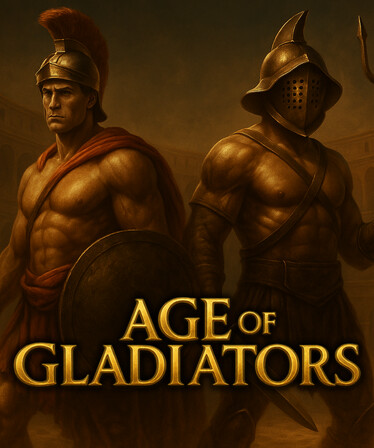
Age of Gladiators
"Age of Gladiators" is a single-player strategy/management sim set at the height of the bloody gladiatorial games in ancient Rome. As your fighters increase in level, it will be up to you to decide how to forge their attributes and abilities.

Weapon Shop Fantasy
A shop game with RPG? Or is it RPG with a shop? Collect materials, Craft weapons, Train your staff and defeat your enemy! This is Weapon Shop Fantasy!

Battle Royale Tycoon
Design and build arenas for your guests to fight in, keep them happy, your workers paid and make a profit!

Dead In Bermuda
DEAD IN BERMUDA is a survival management game with RPG and adventure elements. Lead a team of 8 survivors from a plane crash. Assign them to tasks, gain experience, develop your survival skills, research and craft new items, explore the island and solve its mysteries.

Zafehouse: Diaries
Stuck in a remote, abandoned town, you must lead five survivors with conflicting motivations, fragile relationships and fiery prejudices to safety from the roving undead. A sophisticated engine generates new survivors, towns and content so every adventure is a different experience, and you can use built-in editors to add yourself and...

Frequently Asked Questions
上帝之城 I:监狱帝国 [City of God I - Prison Empire] is currently priced at 15.99€ on Steam.
No, 上帝之城 I:监狱帝国 [City of God I - Prison Empire] is currently not on sale. You can purchase it for 15.99€ on Steam.
Yes, 上帝之城 I:监狱帝国 [City of God I - Prison Empire] received 1,331 positive votes out of a total of 1,903 achieving a rating of 6.79.
😐
上帝之城 I:监狱帝国 [City of God I - Prison Empire] was developed by Pixel Gangsta Studio and published by Pixel Gangsta Studio and Flying Interactive.
Yes, 上帝之城 I:监狱帝国 [City of God I - Prison Empire] is playable and fully supported on Windows.
No, 上帝之城 I:监狱帝国 [City of God I - Prison Empire] is not playable on MacOS.
No, 上帝之城 I:监狱帝国 [City of God I - Prison Empire] is not playable on Linux.
This information about 上帝之城 I:监狱帝国 [City of God I - Prison Empire] is not available yet.
This information about 上帝之城 I:监狱帝国 [City of God I - Prison Empire] is not available yet.
No, 上帝之城 I:监狱帝国 [City of God I - Prison Empire] does not support VR.
上帝之城 I:监狱帝国 [City of God I - Prison Empire] is a single-player game.
Yes, there are 12 DLCs available for 上帝之城 I:监狱帝国 [City of God I - Prison Empire]. Explore additional content available for 上帝之城 I:监狱帝国 [City of God I - Prison Empire] on Steam.
No, 上帝之城 I:监狱帝国 [City of God I - Prison Empire] does not support mods via Steam Workshop.
No, 上帝之城 I:监狱帝国 [City of God I - Prison Empire] does not support Steam Remote Play.
Yes, 上帝之城 I:监狱帝国 [City of God I - Prison Empire] is enabled for Steam Family Sharing. This means you can share the game with authorized users from your Steam Library, allowing them to play it on their own accounts. For more details on how the feature works, you can read the original Steam Family Sharing announcement or visit the Steam Family Sharing user guide and FAQ page.
You can find solutions or submit a support ticket by visiting the Steam Support page for 上帝之城 I:监狱帝国 [City of God I - Prison Empire].
Data sources
The information presented on this page is sourced from reliable APIs to ensure accuracy and relevance. We utilize the Steam API to gather data on game details, including titles, descriptions, prices, and user reviews. This allows us to provide you with the most up-to-date information directly from the Steam platform.
Additionally, we incorporate data from the SteamSpy API, which offers insights into game sales and player statistics. This helps us present a comprehensive view of each game's popularity and performance within the gaming community.
Last Updates| Steam data | 19 September 2026 05:10 UTC |
|---|---|
| SteamSpy data | 27 October 2026 15:05 UTC |
| Steam price | 27 October 2026 20:02 UTC |
| Steam reviews | 21 October 2026 17:50 UTC |
If you'd like to dive deeper into the details about 上帝之城 I:监狱帝国 [City of God I - Prison Empire], we invite you to check out a few dedicated websites that offer extensive information and insights. These platforms provide valuable data, analysis, and user-generated reports to enhance your understanding of the game and its performance.
- SteamDB - A comprehensive database of everything on Steam about 上帝之城 I:监狱帝国 [City of God I - Prison Empire]
- SteamCharts - Analysis of 上帝之城 I:监狱帝国 [City of God I - Prison Empire] concurrent players on Steam
- ProtonDB - Crowdsourced reports on Linux and Steam Deck 上帝之城 I:监狱帝国 [City of God I - Prison Empire] compatibility
![上帝之城 I:监狱帝国 [City of God I - Prison Empire]](https://shared.fastly.steamstatic.com/store_item_assets/steam/apps/466860/header.jpg)
Game modes
Features
Online players
2
Developer
Pixel Gangsta Studio
Publisher
Pixel Gangsta Studio,
Flying Interactive
Release
09 Jul 2018
Platforms