7th Sector on Steam - User reviews, Price & Information

Quick menu

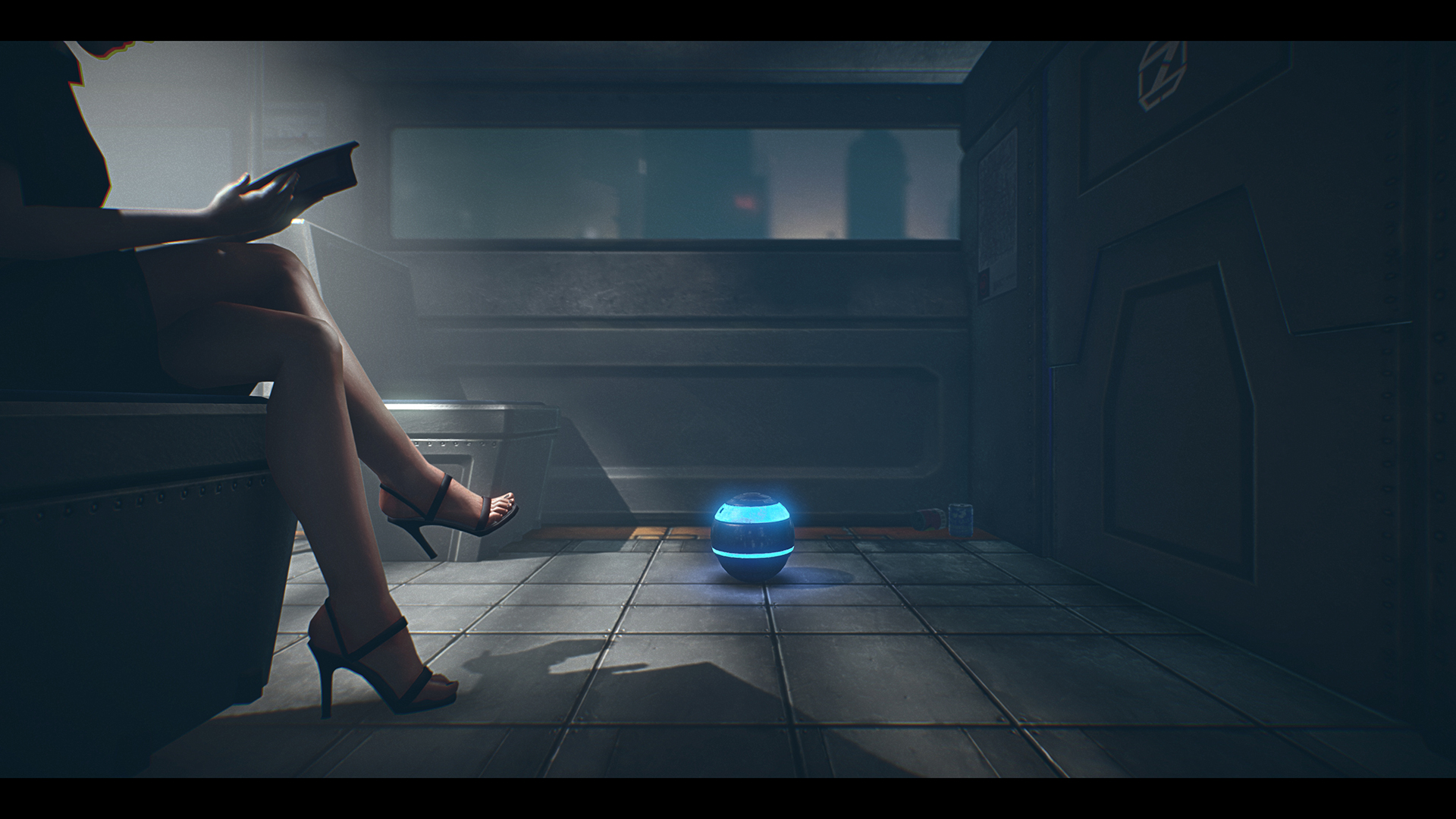
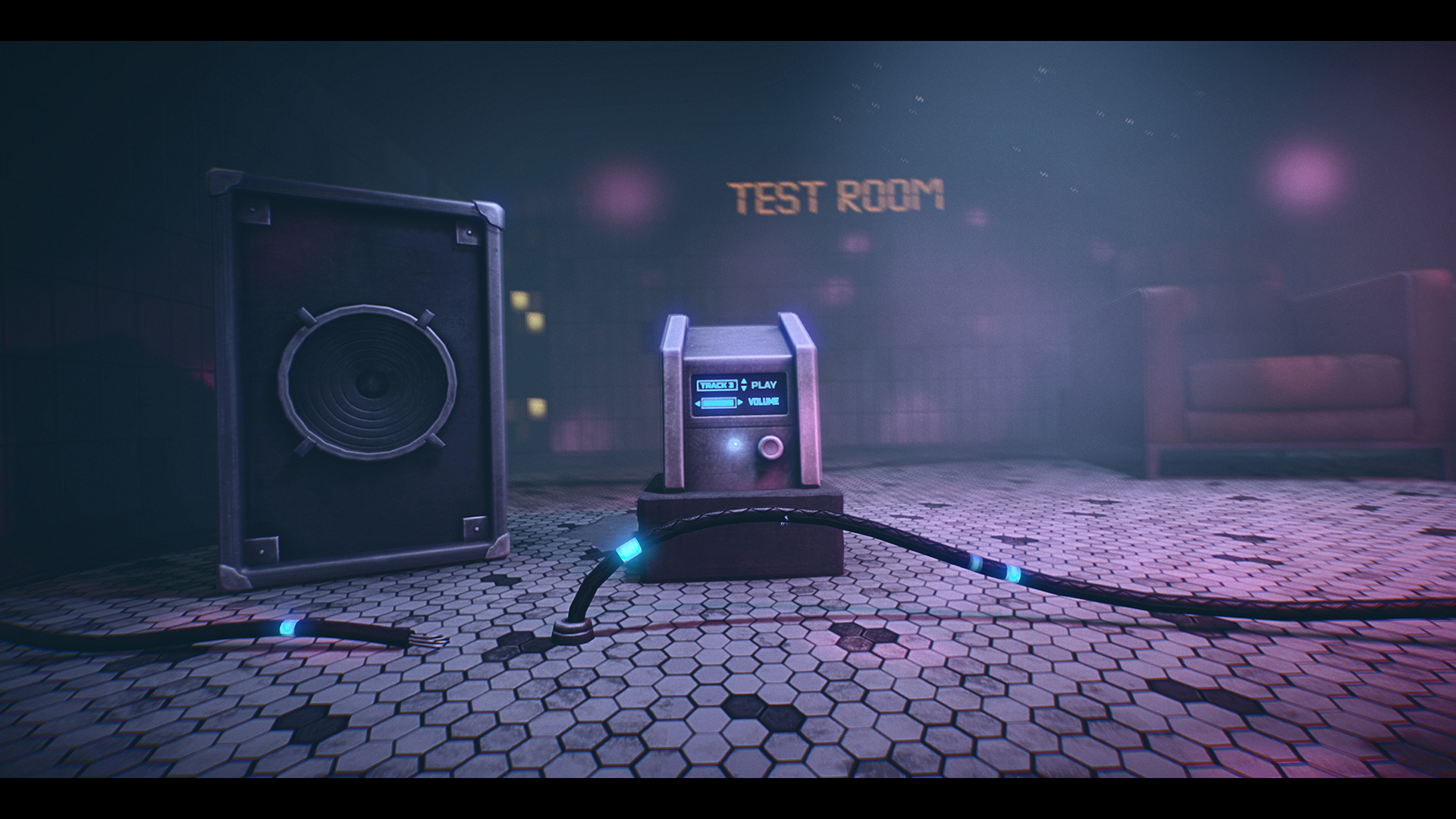
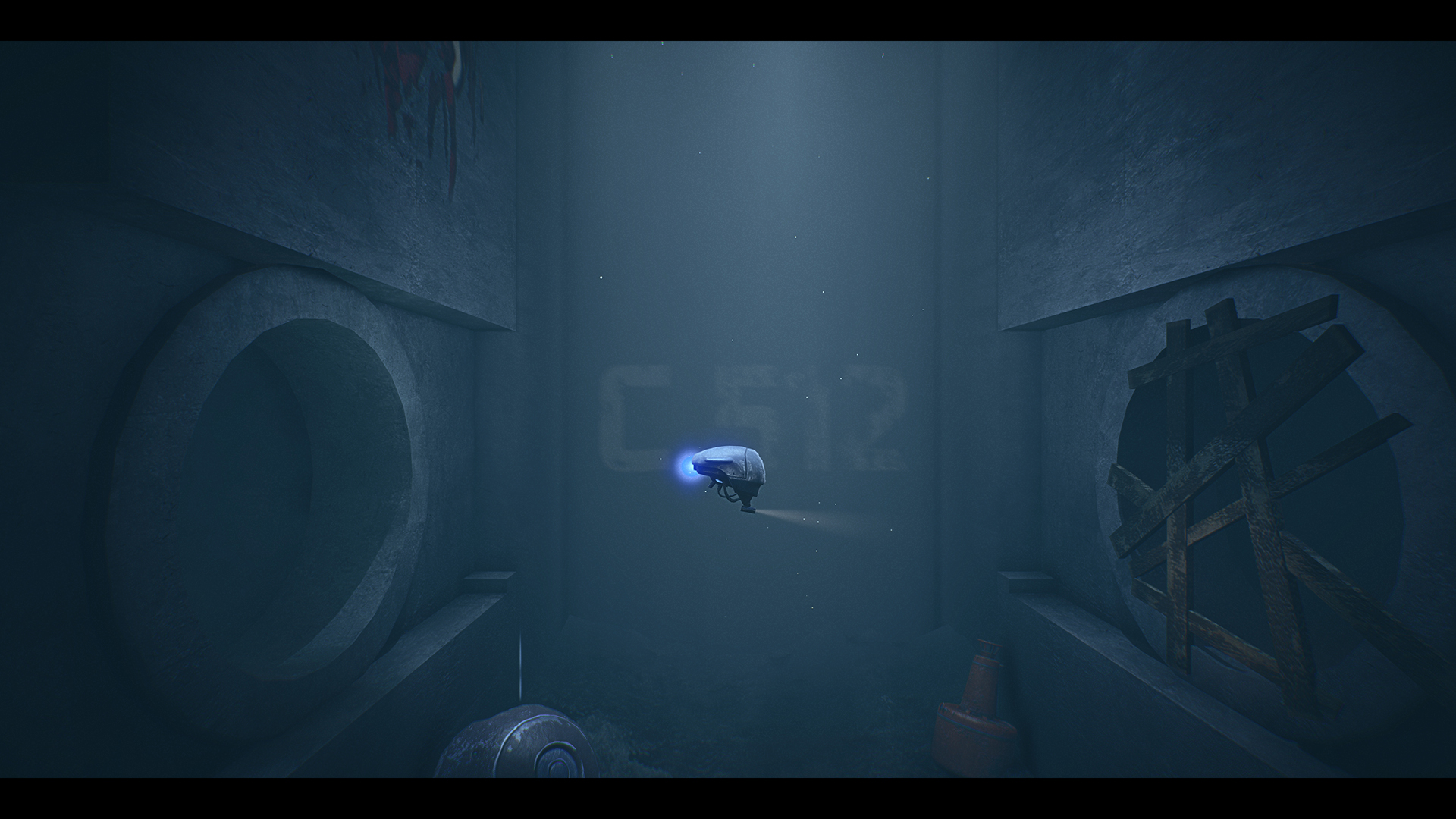
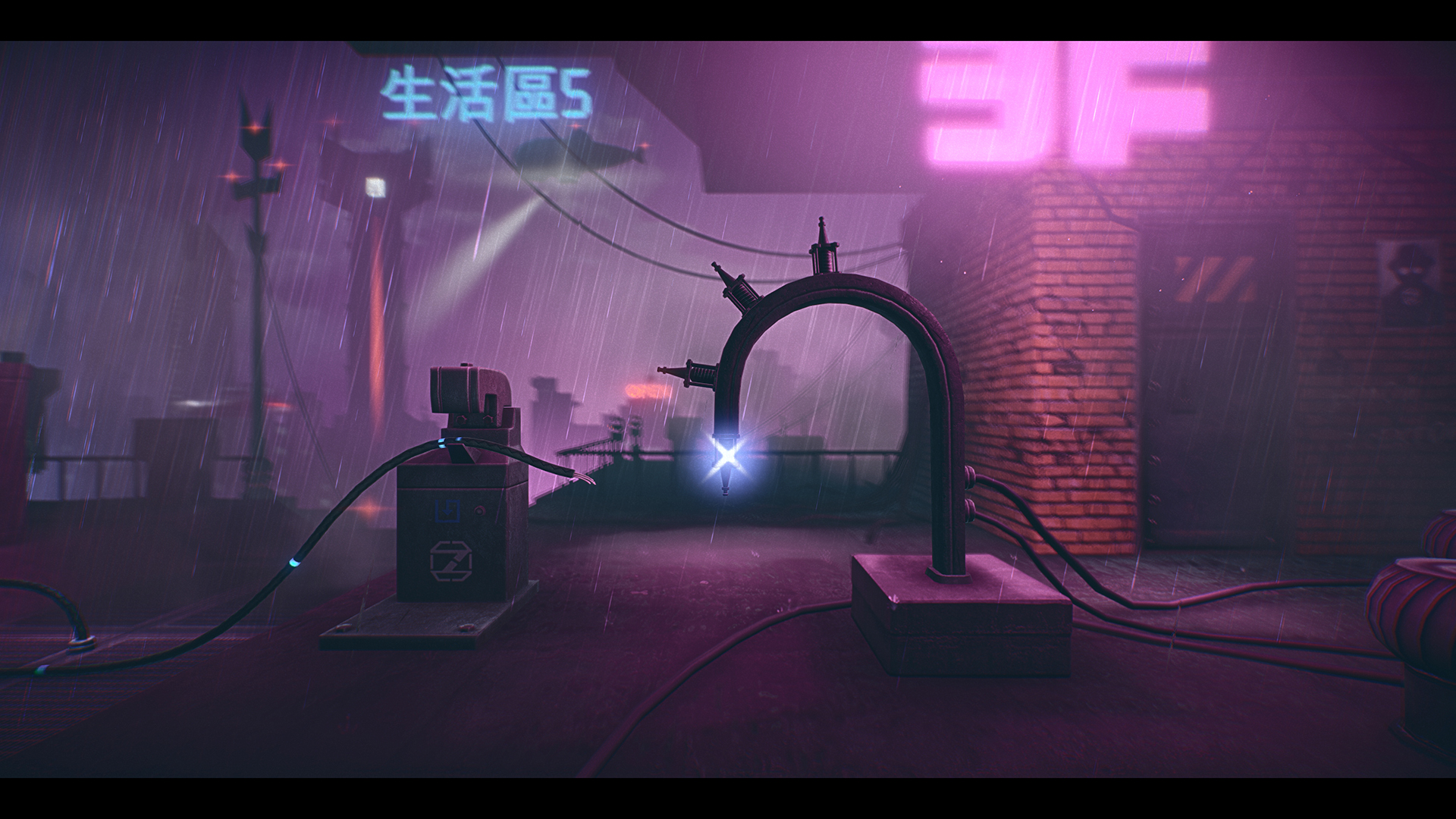
Welcome to the 7th Sector, set in a mysterious cyberpunk world. Immerse yourself on this intricate path, solving different puzzles, facing its dangers and collecting scattered information to discover the story of this world.

7th Sector is a 3d platformer, puzzle-platformer and racing game developed and published by Носков Сергей.
Released on March 05th 2019 is available only on Windows in 8 languages: English, French, German, Russian, Ukrainian, Japanese, Traditional Chinese and Simplified Chinese.

It has received 643 reviews of which 476 were positive and 167 were negative resulting in a rating of 7.1 out of 10. 😊

The game is currently priced at 10.79€ on Steam.


The Steam community has classified 7th Sector into these genres:

Media & Screenshots

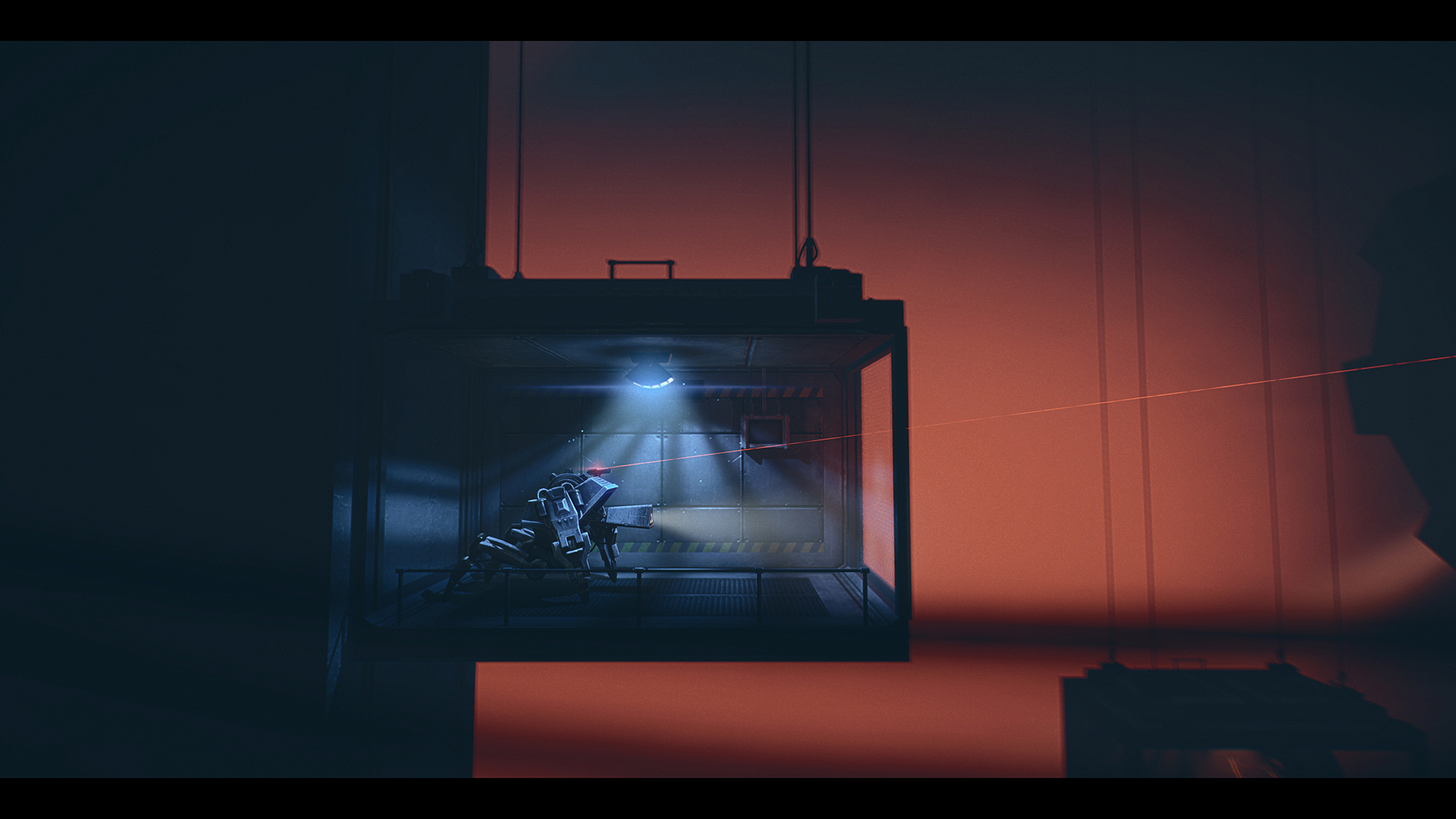
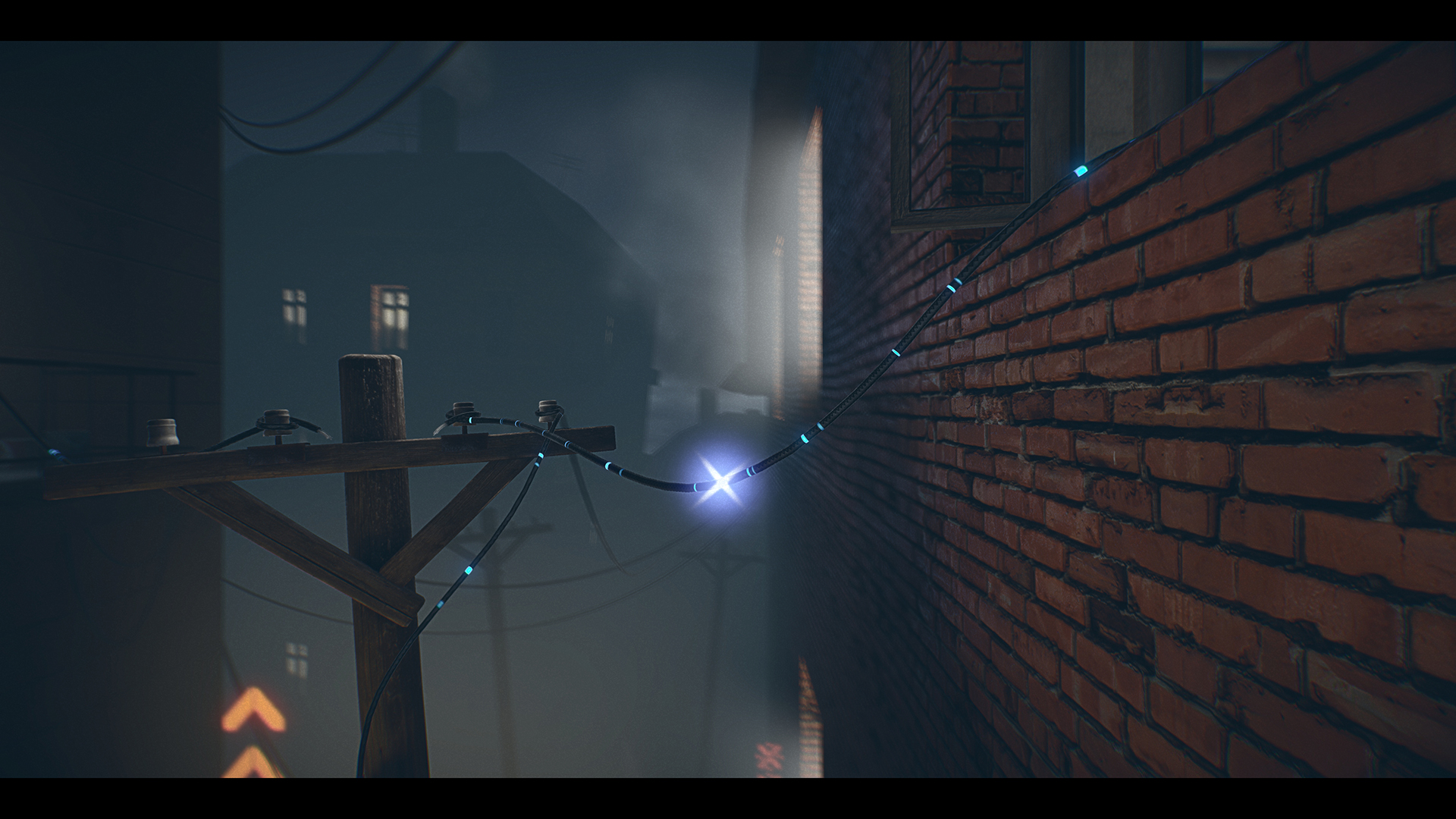
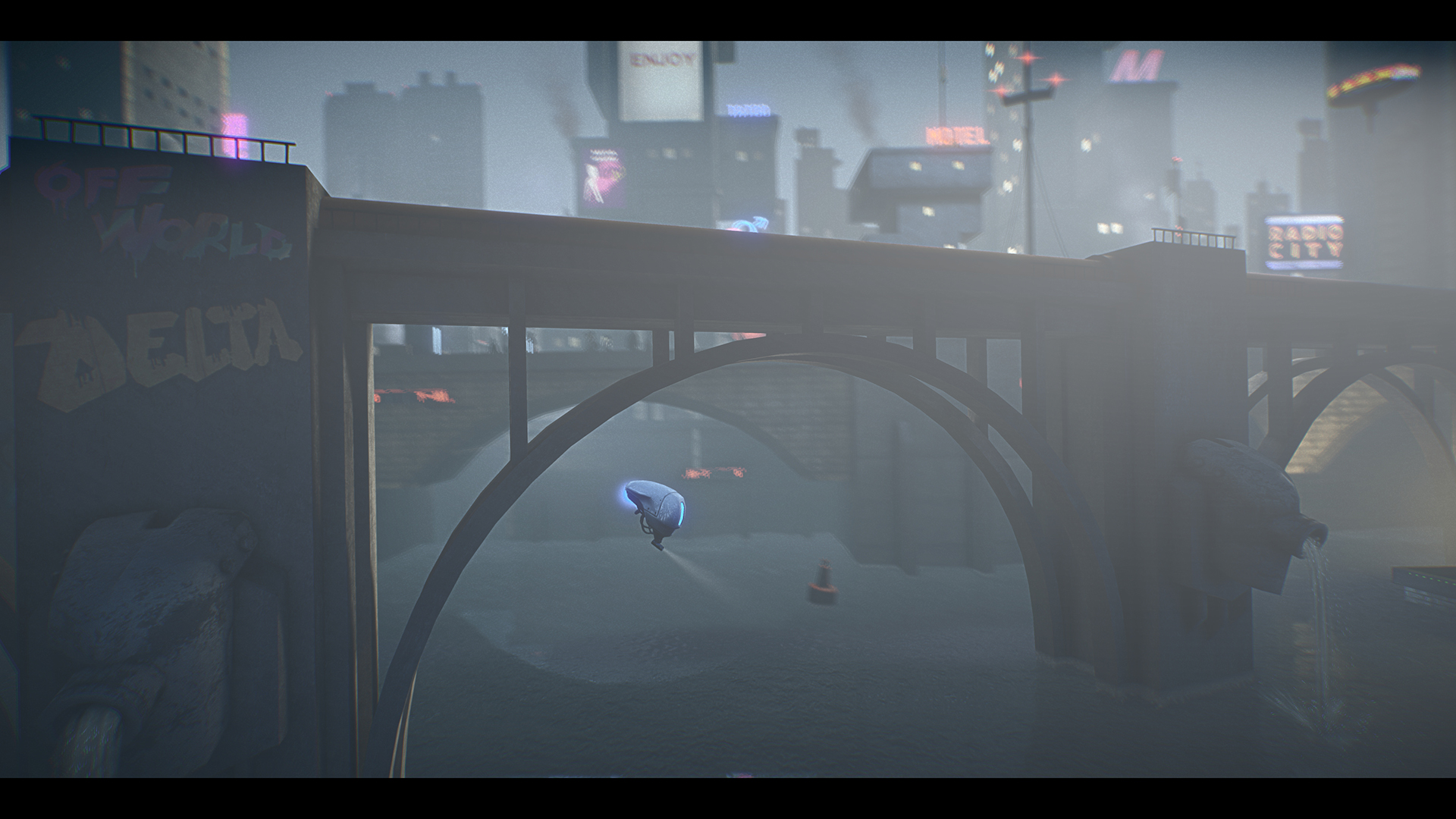
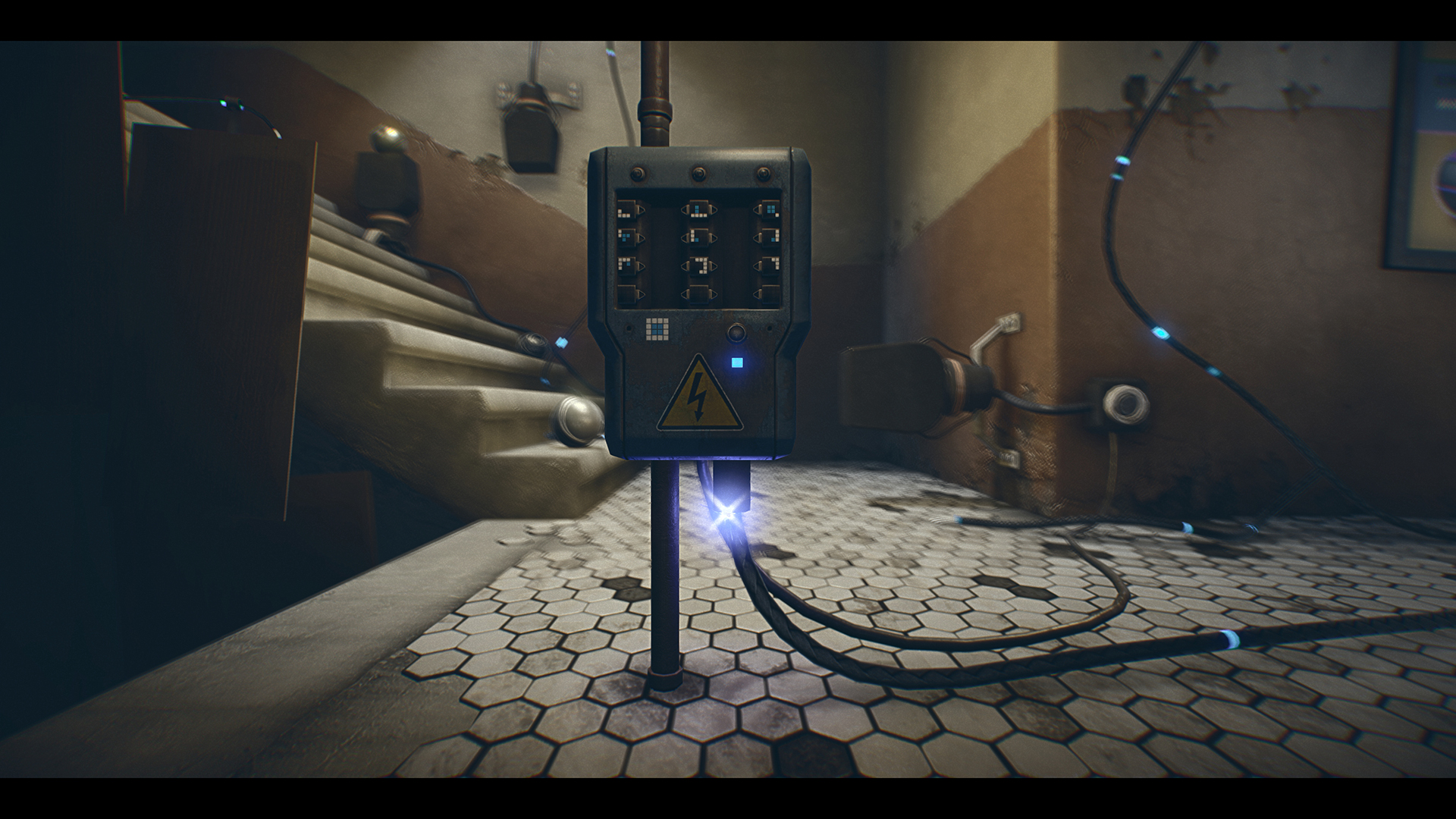
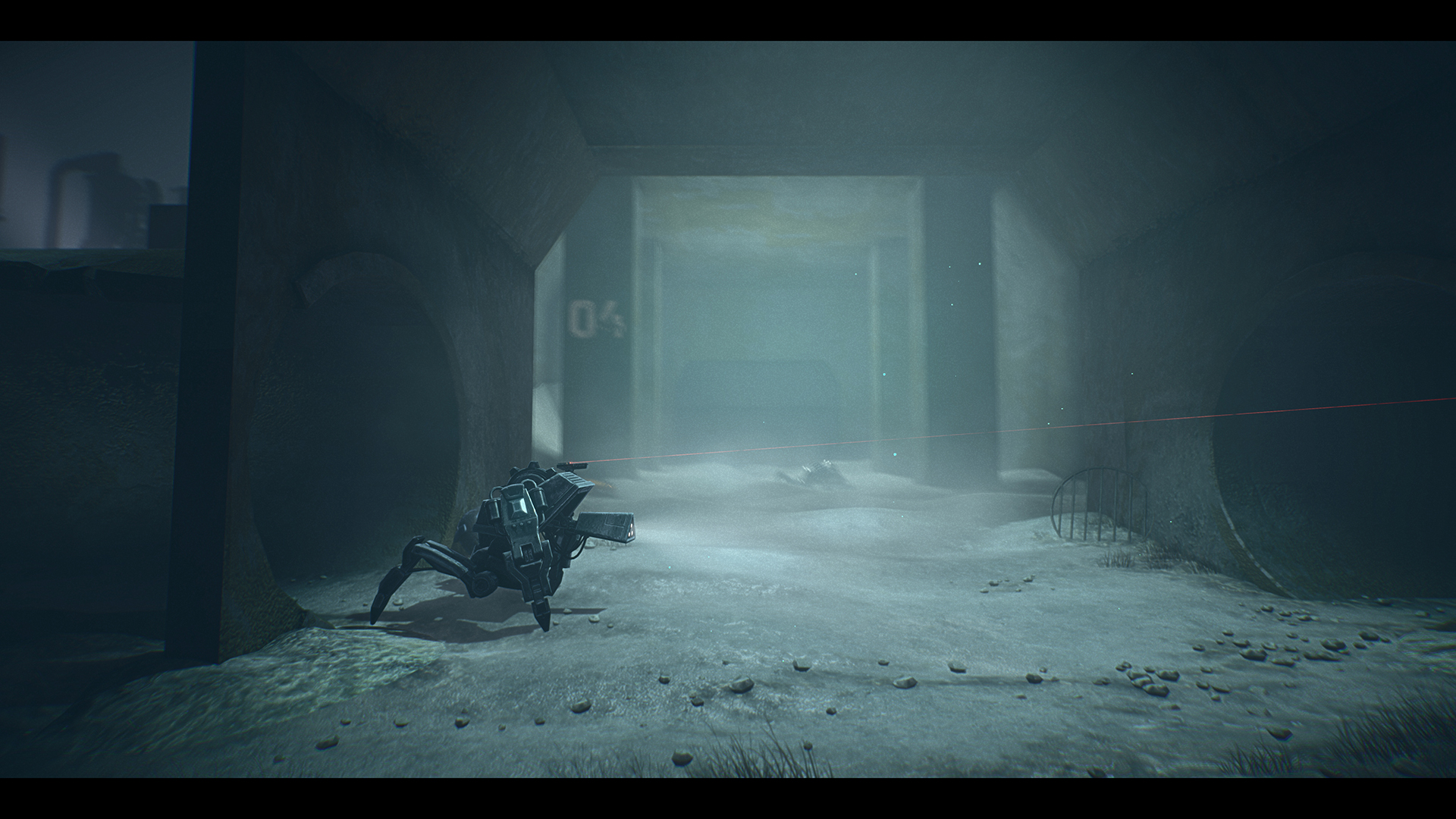
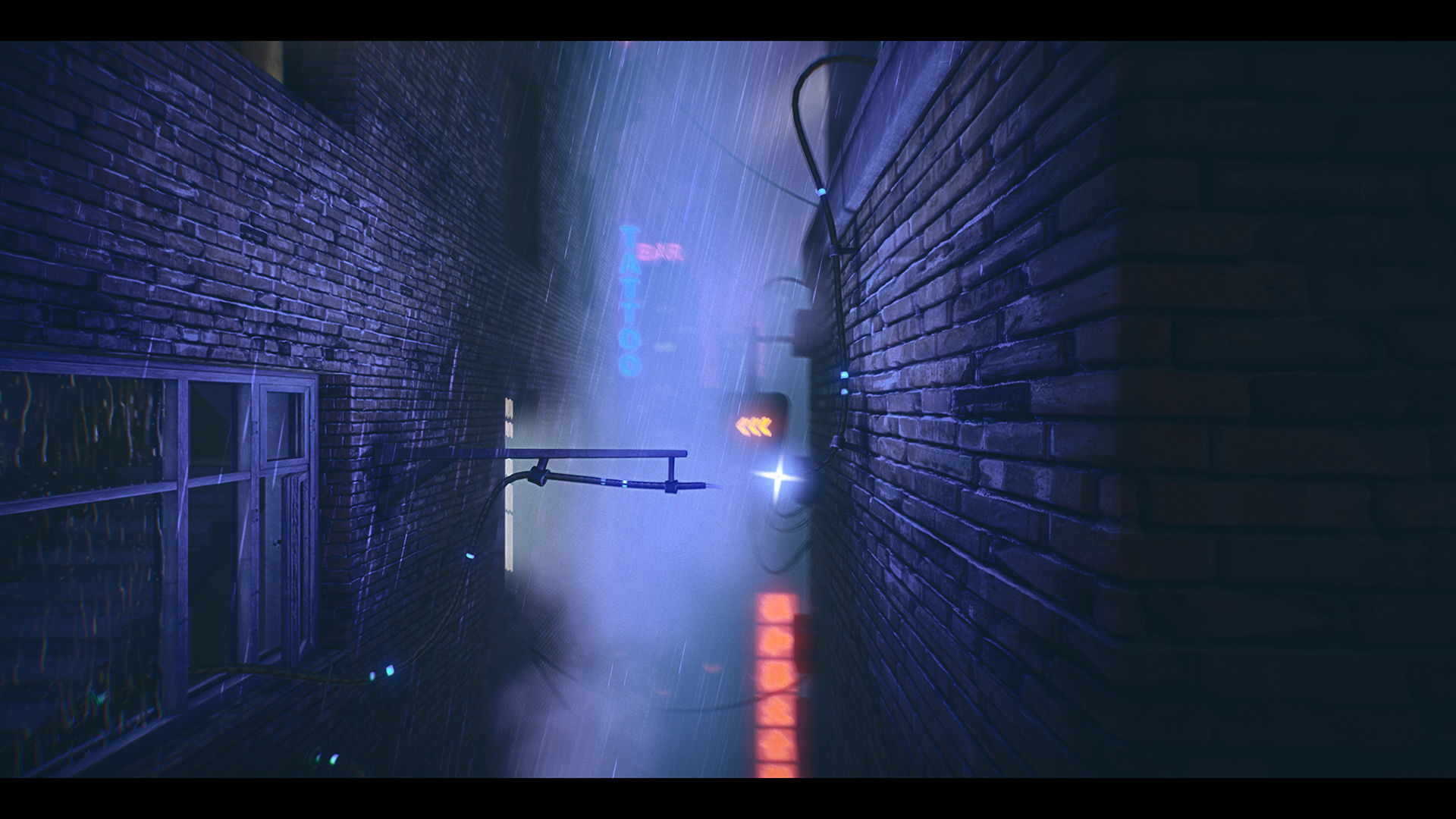
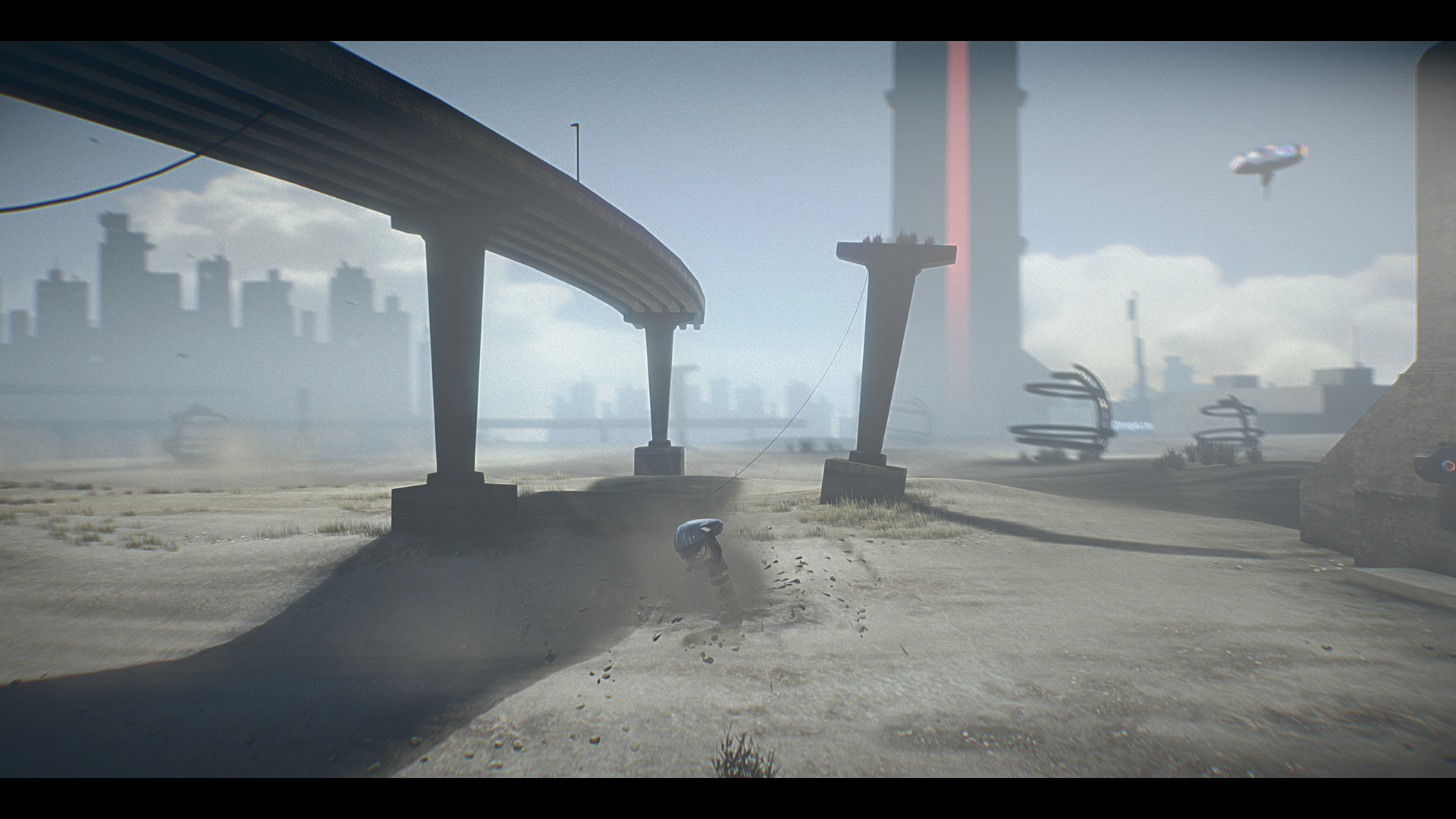
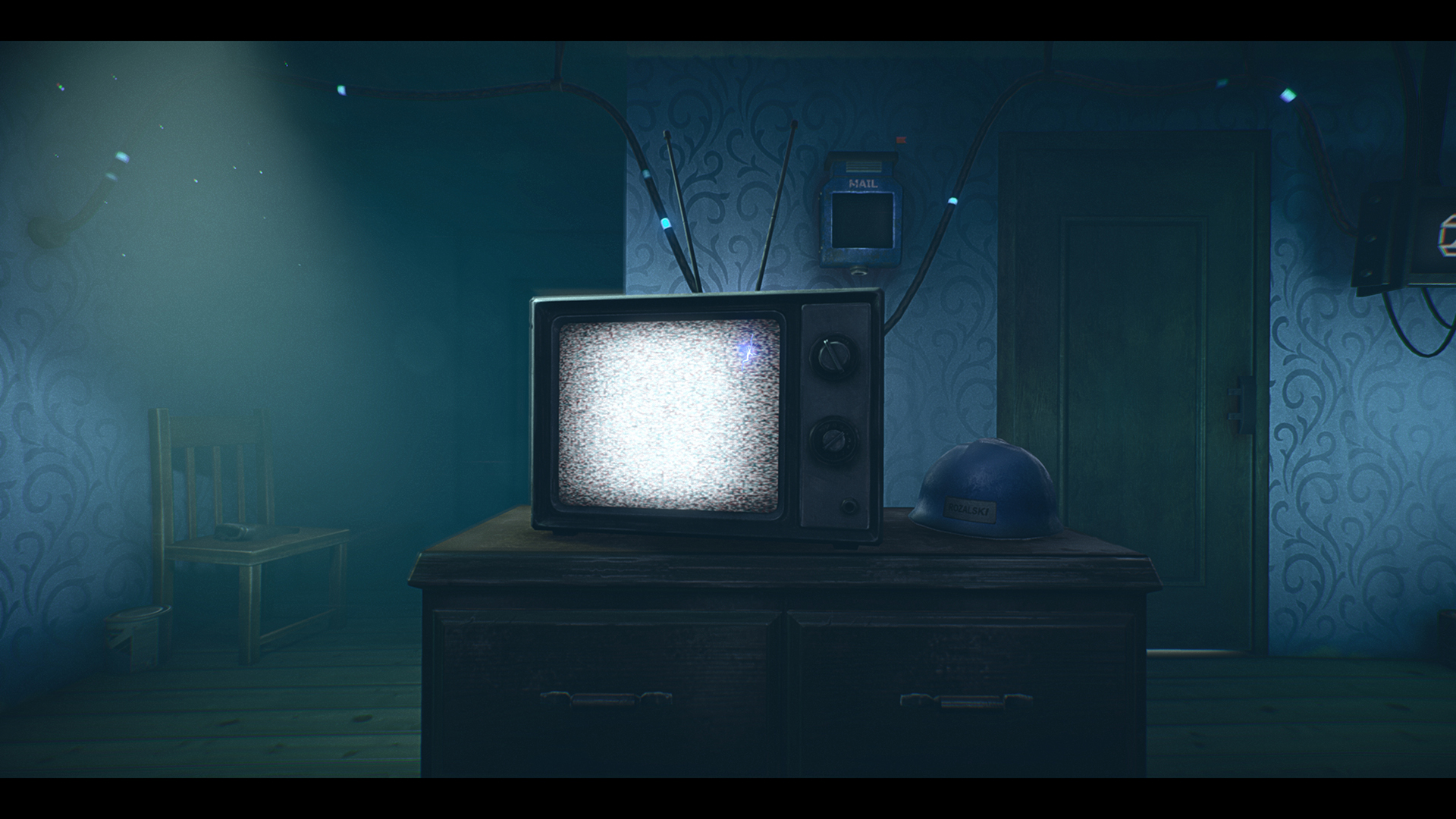
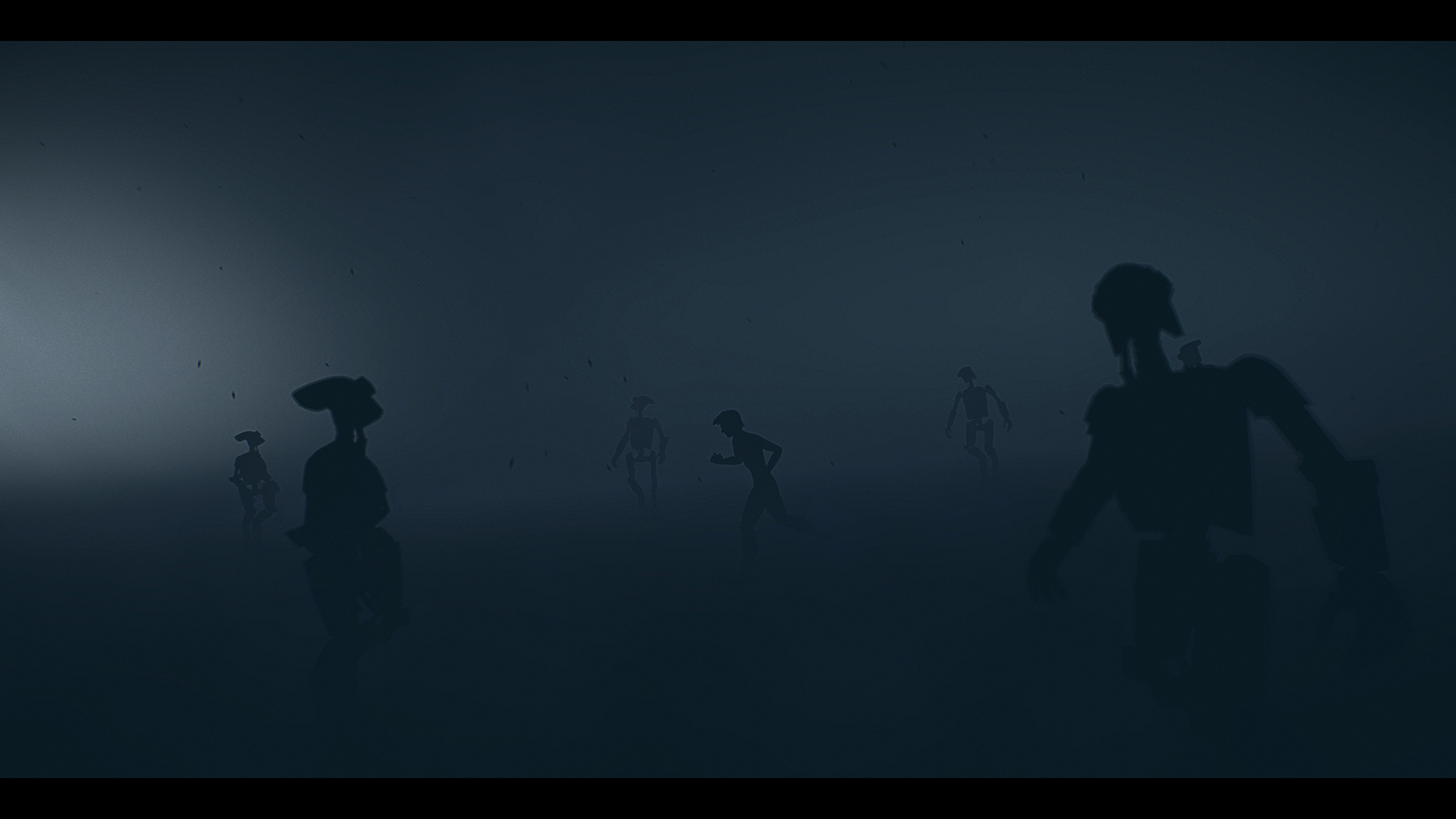
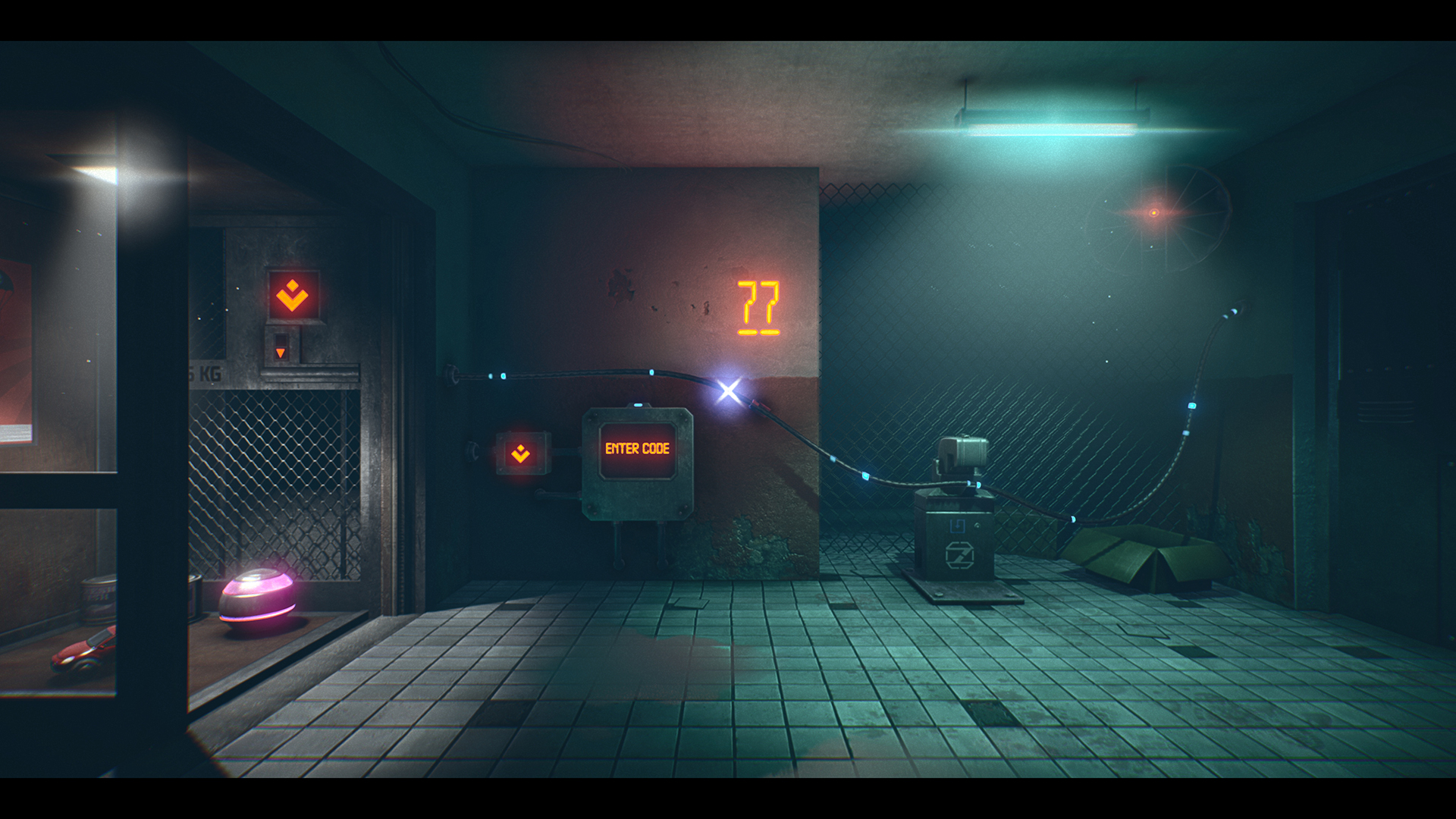
Get an in-depth look at 7th Sector through various videos and screenshots.
System requirements

These are the minimum specifications needed to play the game. For the best experience, we recommend that you verify them.

Windows
  • OS *: Windows XP / 7
  • Processor: Intel Dual-Core 2.4 GHz
  • Memory: 2 GB RAM
  • Graphics: NVIDIA GeForce GTX 275, GeForce GT
  • DirectX: Version 9.0
  • Storage: 720 MB available space

User reviews & Ratings

Explore reviews from Steam users sharing their experiences and what they love about the game.

Jan. 2026
Yes, good graphics, interesting puzzles, some kind of plot. But if you think it's something like Inside or Limbo, you're wrong. It's much harder to play here. If you are a fan of smashing keyboards, or controllers, or looking for something to just relax, then this is not your choice. Appreciators of suffering are welcome.
Expand the review
Jan. 2026
7th Sector is a thoughtfully constructed indie puzzle-adventure that distinguishes itself through atmosphere, restraint, and a strong trust in the player’s ability to observe and reason. Developed and published by Носков Сергей, the game drops players into a bleak cyberpunk world with very little explanation, immediately establishing a tone of mystery and unease. Rather than opening with exposition or dialogue, it begins with an abstract concept: you control a spark of energy navigating cables, machinery, and industrial spaces. This unconventional starting point sets the stage for a game that prioritizes environmental storytelling and discovery, asking players to piece together meaning from what they see and experience rather than what they are told. The gameplay in 7th Sector is built around a steady evolution of mechanics that keeps the experience engaging from start to finish. Early puzzles focus on logic, timing, and understanding how electrical systems function within the environment, teaching players the language of the world through interaction. As the game progresses, the spark gains the ability to inhabit different machines and devices, each introducing new rules and limitations. These shifts in perspective significantly change how puzzles are approached, forcing players to rethink movement, physics, and cause-and-effect relationships. This gradual expansion of mechanics is one of the game’s greatest strengths, as it continually refreshes the puzzle design without abandoning the core principles established early on. Puzzles themselves range from straightforward logic challenges to more abstract problems that require experimentation and careful observation. Some rely on numerical patterns or switches, while others are rooted in environmental interaction and timing. The game does not shy away from difficulty, and there are moments where the lack of explicit instruction can lead to confusion or trial-and-error progress. However, this opacity feels intentional, reinforcing the sense that the world is indifferent to the player’s understanding. Success often comes from paying attention to subtle visual cues or background events, and when a solution finally clicks, it carries a strong sense of satisfaction that more guided puzzle games often lack. Visually, 7th Sector presents a striking depiction of a dystopian future that feels alive even when the player is not directly interacting with it. Industrial backdrops, flickering lights, and distant machinery create a constant sense of motion and unrest, while muted color palettes emphasize decay and control rather than technological optimism. Background scenes occasionally depict events unfolding beyond the player’s reach, hinting at social upheaval, surveillance, and systemic collapse. The soundtrack complements this imagery with ambient, synth-driven music that enhances the mood without distracting from problem solving, making exploration feel tense and contemplative rather than purely mechanical. Narratively, the game is deliberately subtle. Story elements are revealed through the environment, optional interactions, and the consequences of player actions rather than explicit storytelling. This approach encourages interpretation and rewards curiosity, as players who pay close attention will begin to form their own understanding of the world’s history and power structures. The presence of multiple endings further reinforces this design philosophy, as the outcome of the journey depends on choices and discoveries made along the way. These endings provide meaningful replay value, inviting players to revisit the game with a deeper understanding and a desire to uncover every possible conclusion. Despite its many strengths, 7th Sector is not without rough edges. Certain puzzles can feel overly obscure, and some segments demand precise timing that can clash slightly with the game’s otherwise methodical pace. There are moments where frustration may outweigh intrigue, particularly for players who prefer clearer guidance or faster feedback. Still, these issues rarely undermine the overall experience, and for many players they will simply be part of the challenge rather than a deal-breaker. Overall, 7th Sector stands out as a confident and intelligent puzzle-adventure that values atmosphere, player agency, and thoughtful design over accessibility and hand-holding. It offers a slow-burn journey through a carefully realized cyberpunk world, rewarding patience, curiosity, and attention to detail. While it may not appeal to everyone, especially those seeking constant action or explicit storytelling, it delivers a memorable and distinctive experience for players who enjoy cerebral puzzles and narrative ambiguity. Rating: 7/10
Expand the review
Nov. 2025
I quite enjoyed this. Great visuals and atmosphere. Good controls. Fun puzzles. I actually played this six years ago but since the dev has a new game out today (Hail to the Rainbow, of which I played and enjoyed the demo), that prompted me to write this review.
Expand the review
May 2025
What a weird game... Setting is really beatifull as well as all the levels. The puzzles are a bit too much at some points. 7/10
Expand the review
May 2025
Another charming game from mr. Serghey Noskov with interesting puzzles and quite an unusual setting where you (the ball) make your way through a futuristic and dystopian, hostile world that still retains some vintage nuances of the more humane past!
Expand the review

Similar games

View all
Rolled Out! Get ready to tilt and bounce your way through Rolled Out!, a marble-rolling game with charming characters and precise controls. All you need is one joystick to roll to the goal; with over 150 hand-crafted stages to tackle, there's always a new challenge around the corner!

Similarity 56%
Price 16.79€
Rating 8.2
Release 23 Mar 2021

Frequently Asked Questions

7th Sector is currently priced at 10.79€ on Steam.

7th Sector is currently not on sale. You can purchase it for 10.79€ on Steam.

7th Sector received 476 positive votes out of a total of 643 achieving a rating of 7.06.
😊

7th Sector was developed and published by Носков Сергей.

7th Sector is playable and fully supported on Windows.

7th Sector is not playable on MacOS.

7th Sector is not playable on Linux.

7th Sector is a single-player game.

There are 2 DLCs available for 7th Sector. Explore additional content available for 7th Sector on Steam.

7th Sector does not support mods via Steam Workshop.

7th Sector does not support Steam Remote Play.

7th Sector is enabled for Steam Family Sharing. This means you can share the game with authorized users from your Steam Library, allowing them to play it on their own accounts. For more details on how the feature works, you can read the original Steam Family Sharing announcement or visit the Steam Family Sharing user guide and FAQ page.

You can find solutions or submit a support ticket by visiting the Steam Support page for 7th Sector.

Data sources

The information presented on this page is sourced from reliable APIs to ensure accuracy and relevance. We utilize the Steam API to gather data on game details, including titles, descriptions, prices, and user reviews. This allows us to provide you with the most up-to-date information directly from the Steam platform.

Additionally, we incorporate data from the SteamSpy API, which offers insights into game sales and player statistics. This helps us present a comprehensive view of each game's popularity and performance within the gaming community.

Last Updates
Steam data 22 January 2026 02:08
SteamSpy data 24 January 2026 14:49
Steam price 29 January 2026 12:42
Steam reviews 27 January 2026 07:58

If you'd like to dive deeper into the details about 7th Sector, we invite you to check out a few dedicated websites that offer extensive information and insights. These platforms provide valuable data, analysis, and user-generated reports to enhance your understanding of the game and its performance.

  • SteamDB - A comprehensive database of everything on Steam about 7th Sector
  • SteamCharts - Analysis of 7th Sector concurrent players on Steam
  • ProtonDB - Crowdsourced reports on Linux and Steam Deck 7th Sector compatibility
7th Sector
Rating
7.1
476
167
Game modes
Features
Online players
0
Developer
Носков Сергей
Publisher
Носков Сергей
Release 05 Mar 2019
Platforms
Clicking and buying through these links helps us earn a commission to maintain our services.