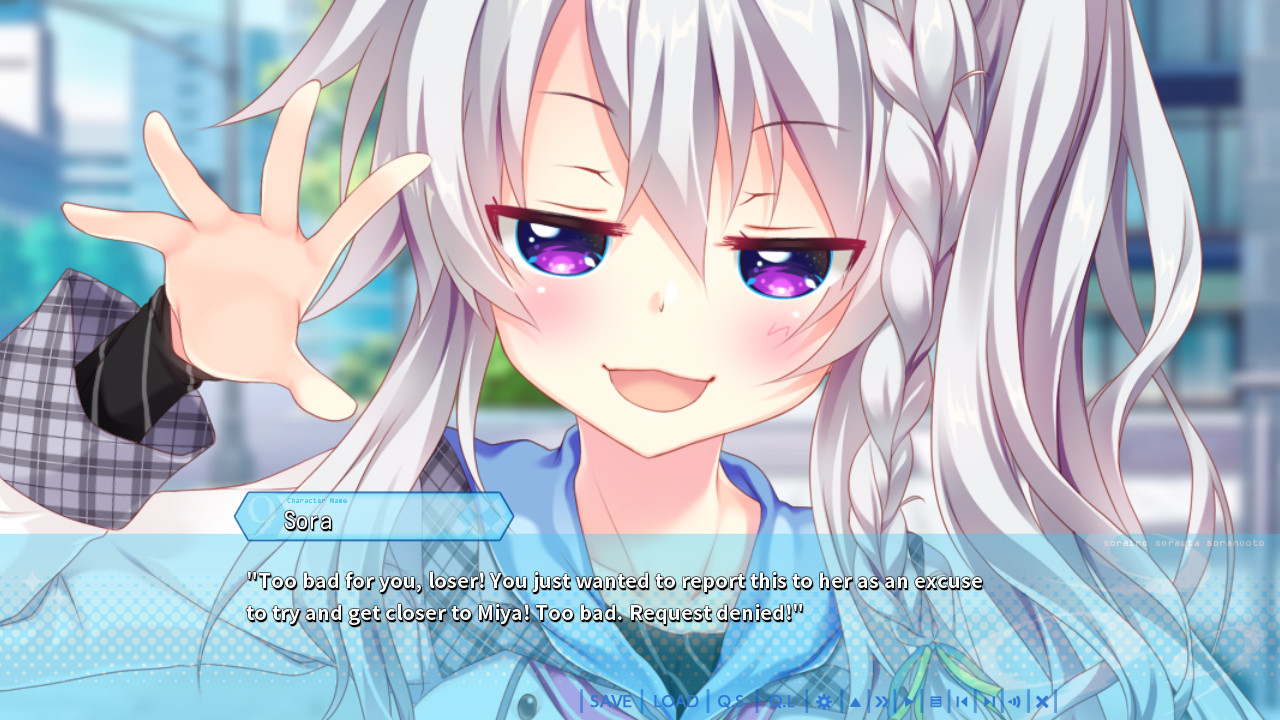
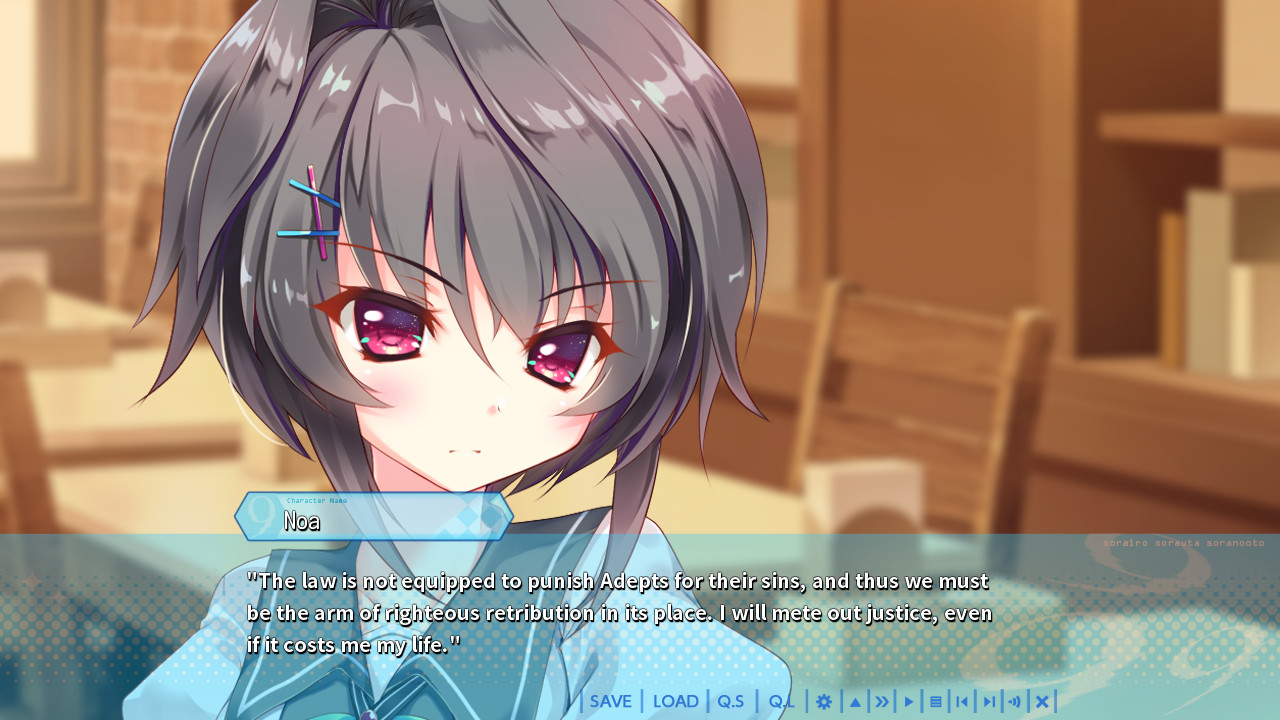
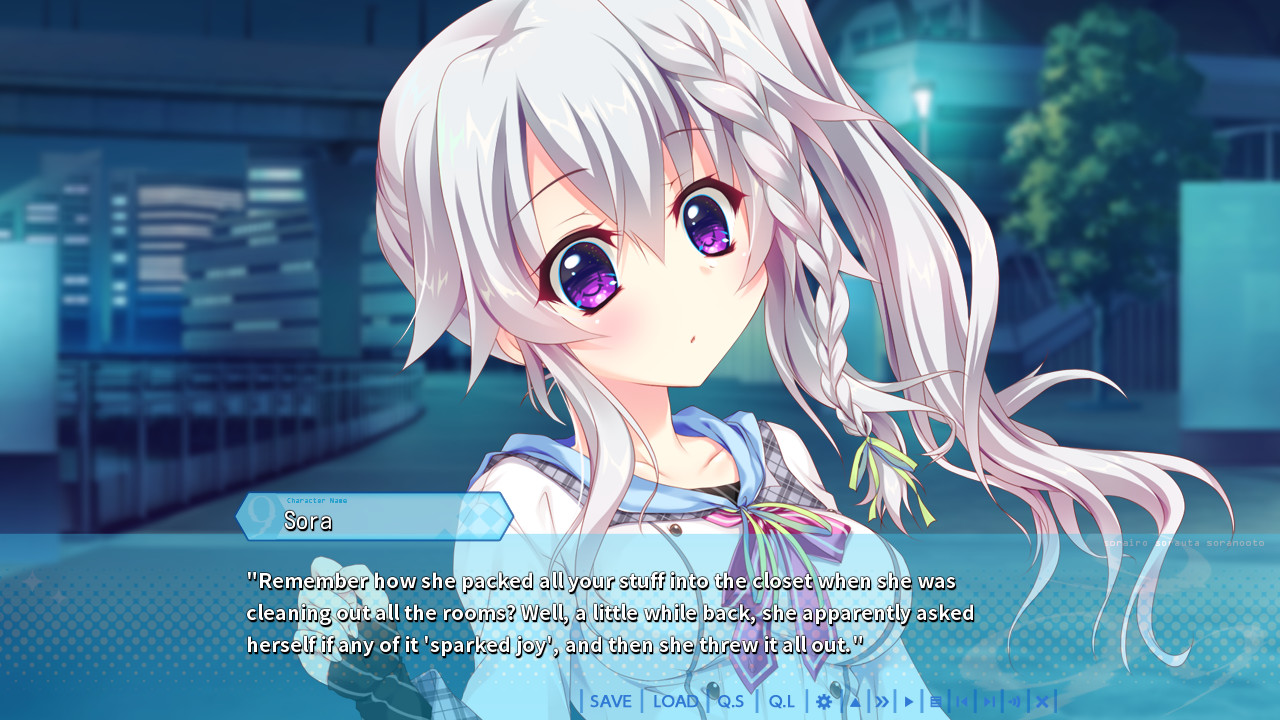
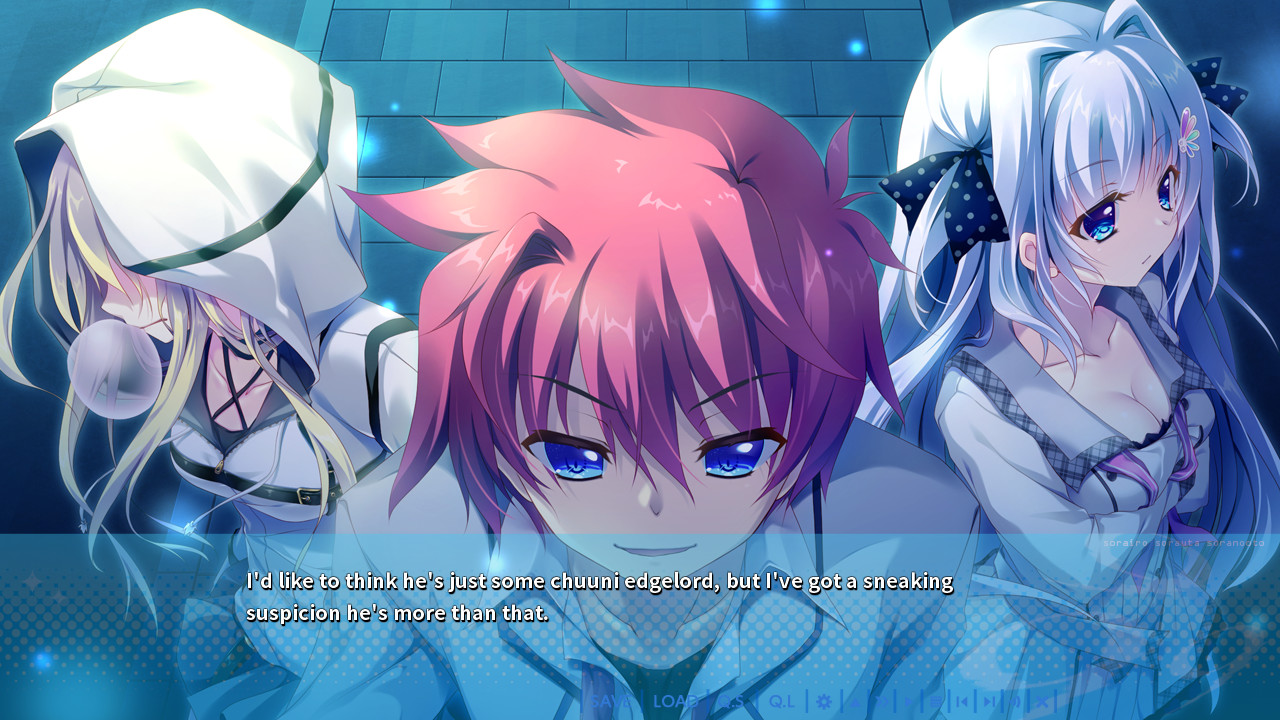
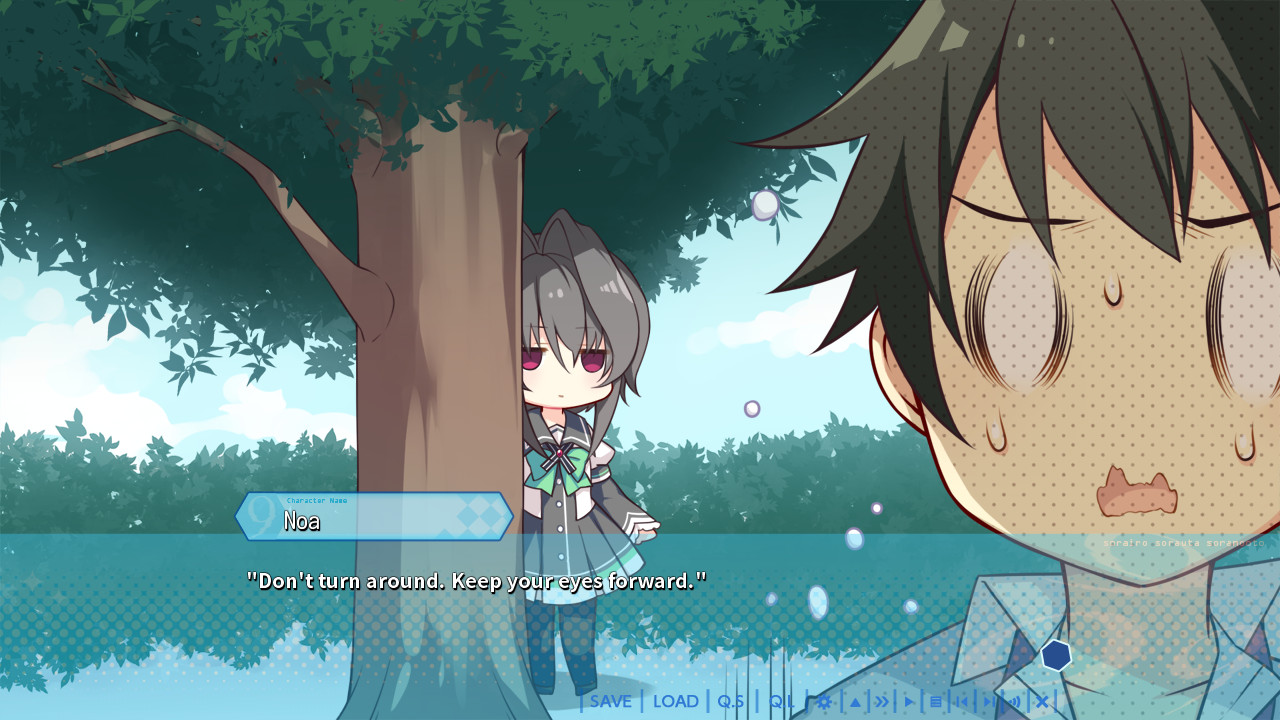
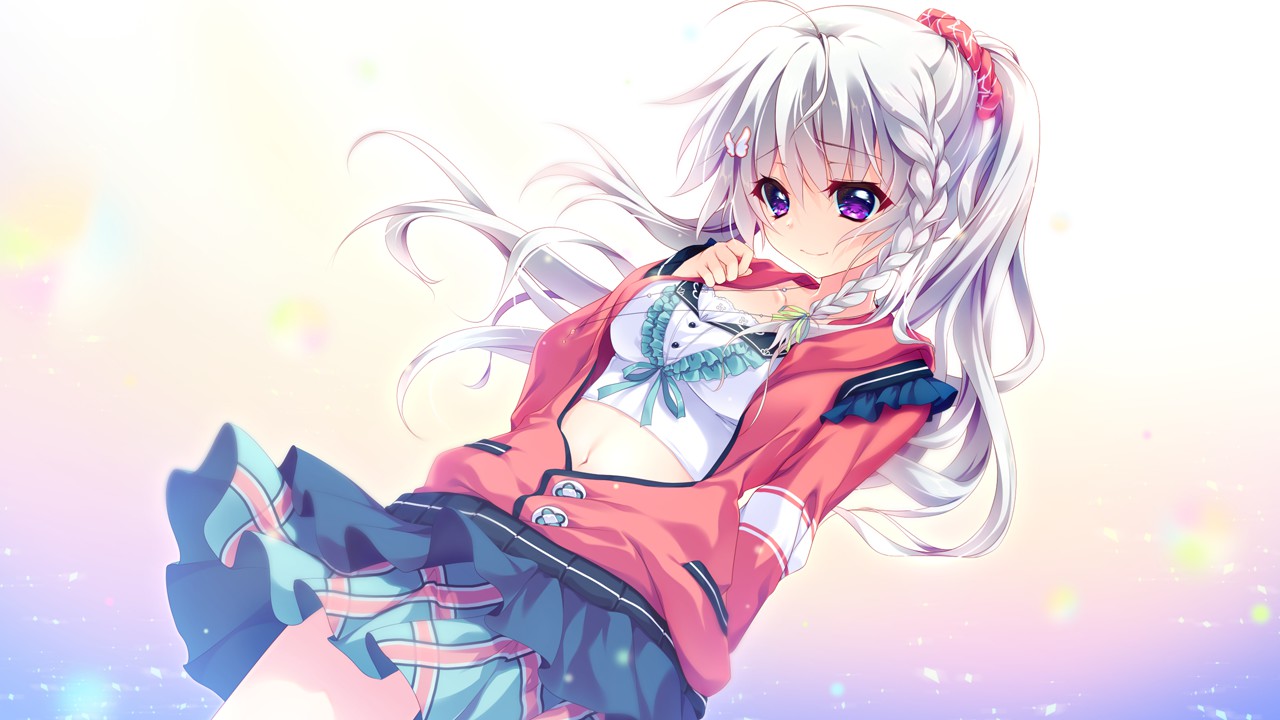
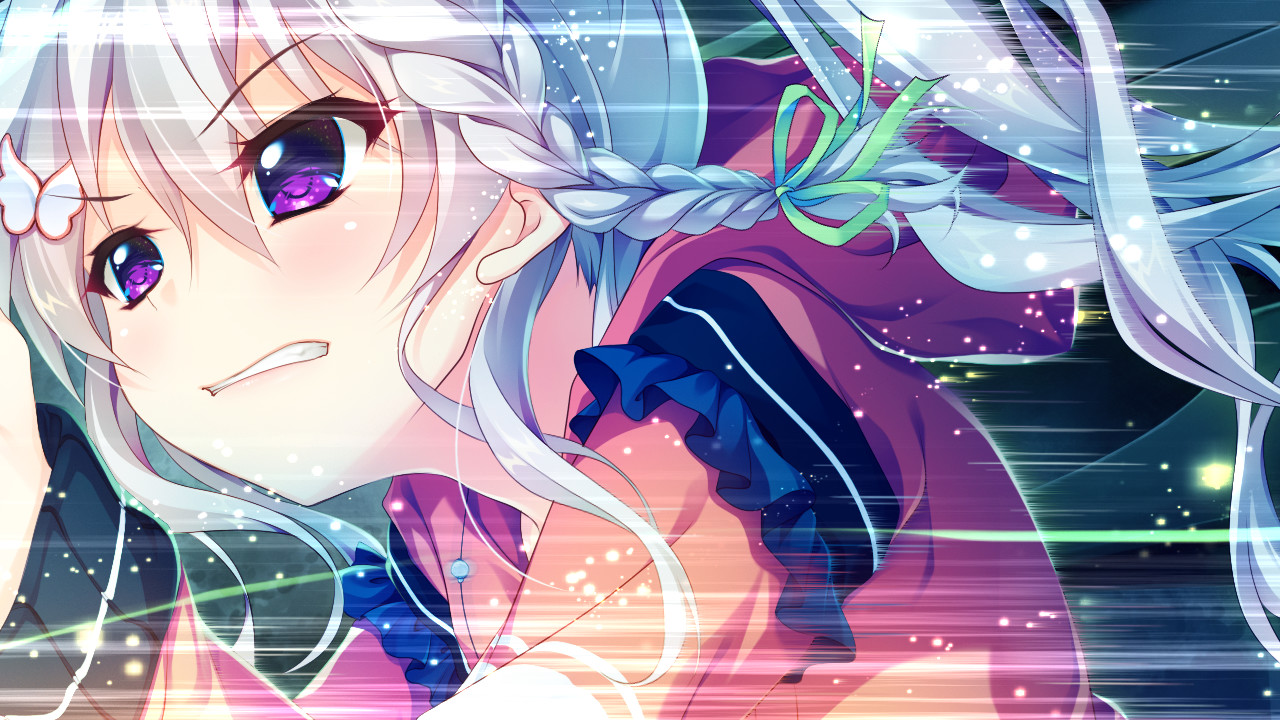
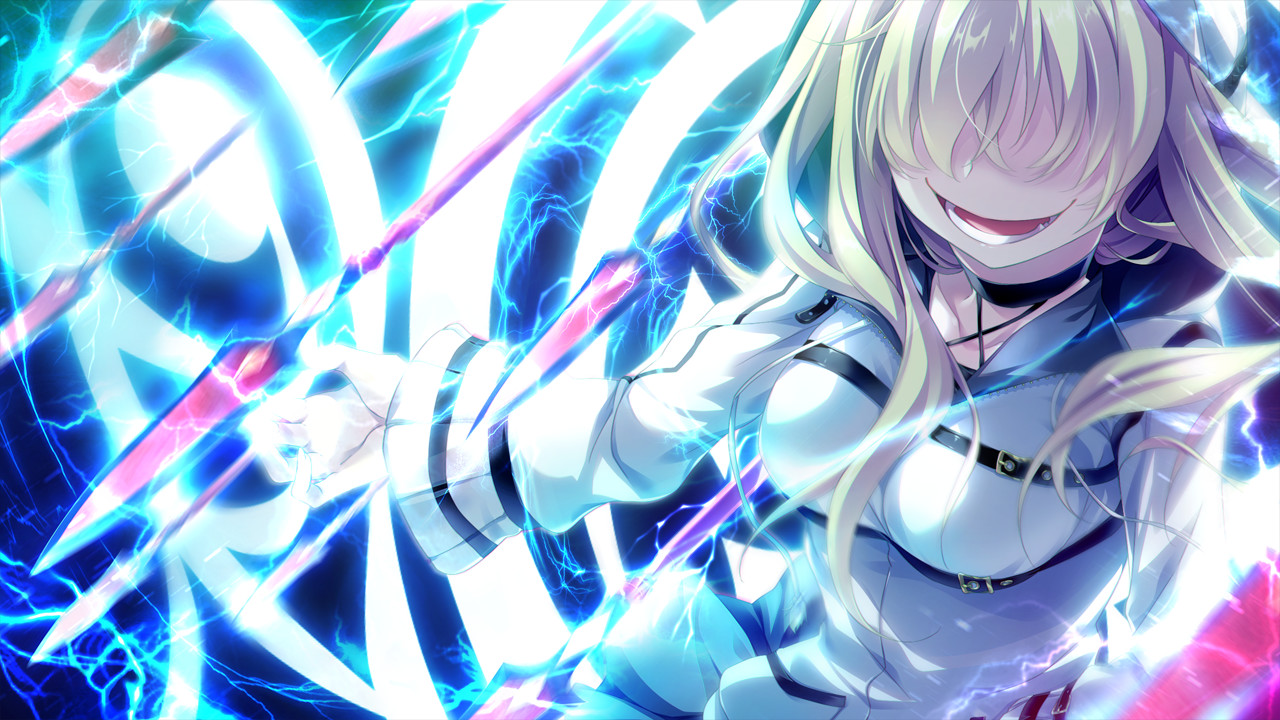
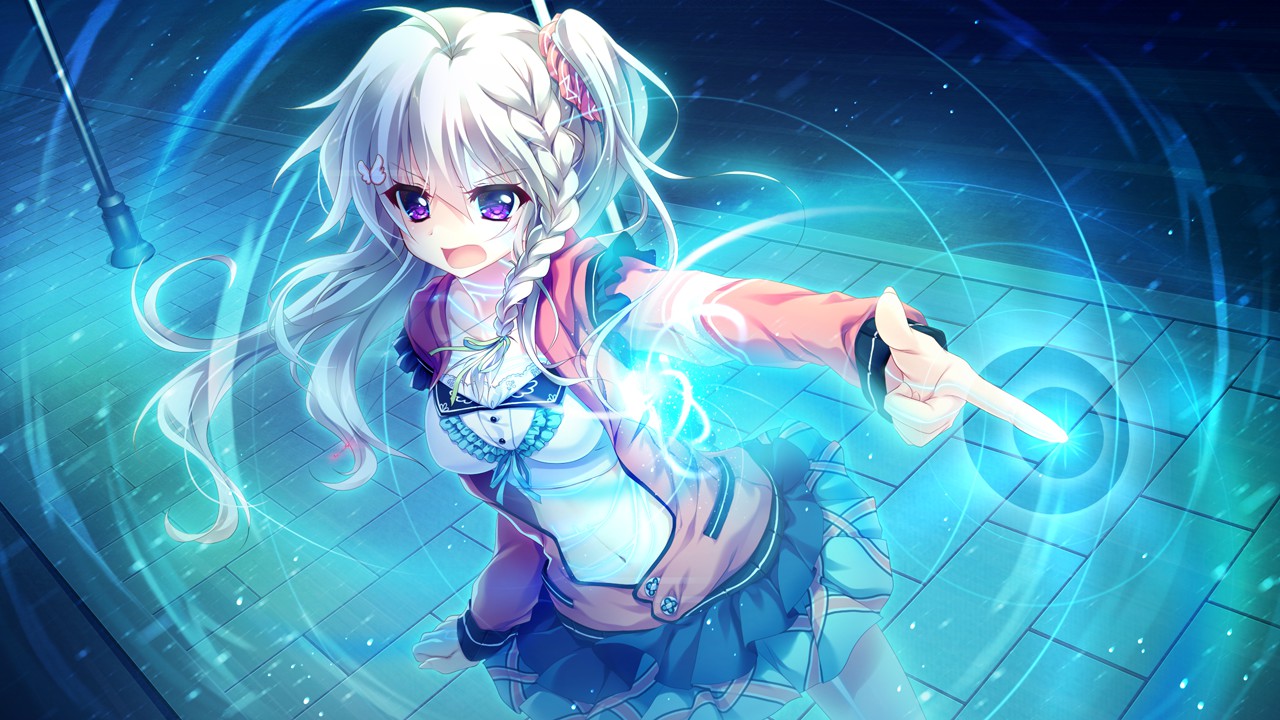
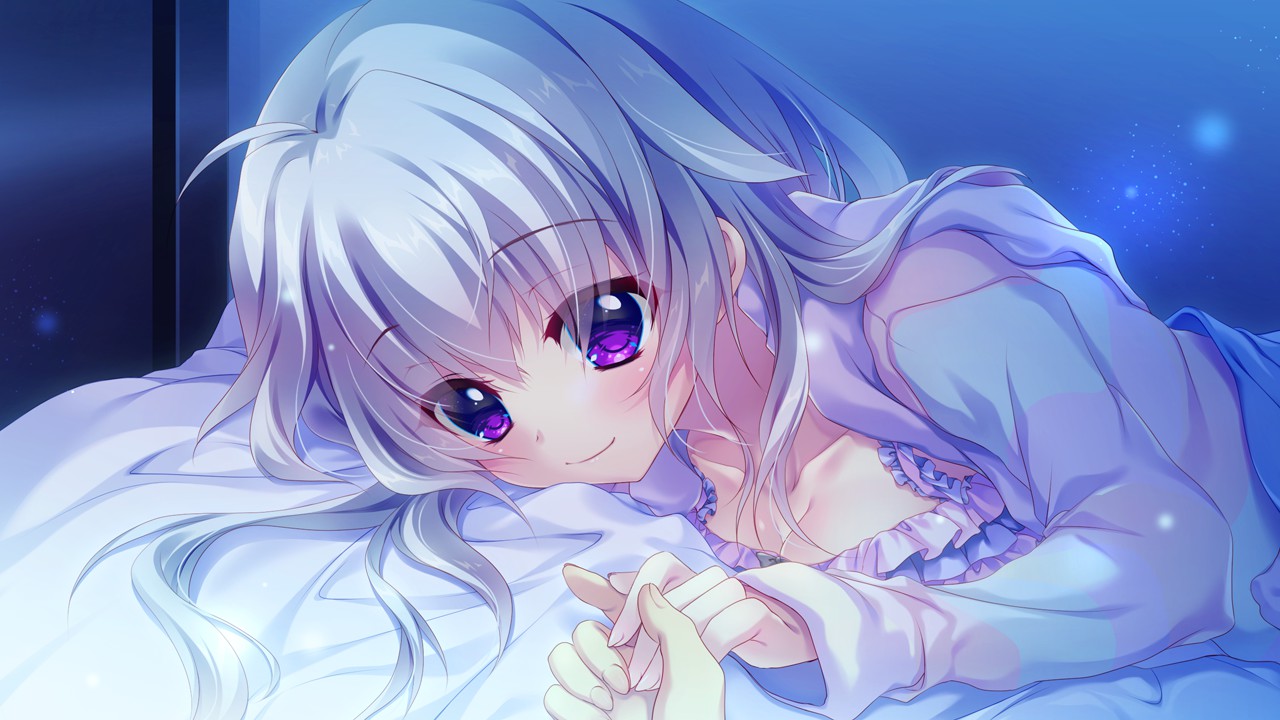
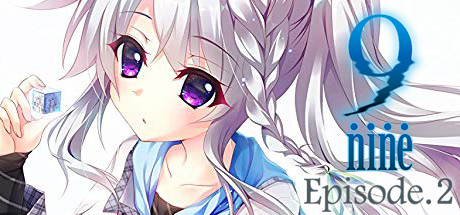
9-nine-: Episode 2, developed by PALETTE and published by Sekai Project, continues the supernatural mystery and romance that began in the first installment of the series, deepening both its emotional and narrative scope. Set once again in the quiet town of Shiromitsugawa, the story picks up after the strange earthquake that shattered a sacred artifact, releasing mysterious powers that have turned ordinary citizens into “Artifact Users.” These individuals wield abilities beyond human comprehension, and the world has subtly shifted into one where everyday life coexists uneasily with supernatural danger. This second episode centers primarily on Kakeru Niimi and his sister Sora, expanding their relationship while delving further into the mysteries surrounding the artifacts and the organizations seeking to control them. Compared to the first episode, the pacing feels tighter, the emotional stakes higher, and the tone more confident—an evolution that makes Episode 2 a richer and more rewarding experience. The narrative focuses heavily on Sora Niimi, who steps from the supporting cast into the spotlight as the primary heroine. Her bright and energetic personality contrasts with Kakeru’s more grounded demeanor, giving their dynamic both warmth and tension. What begins as a sibling bond becomes the emotional foundation for a story that explores affection, trust, and the blurred boundaries between familial closeness and romantic connection. While this theme can be provocative, it is handled with nuance and sincerity, presenting their bond as complex rather than exploitative. As the narrative unfolds, it intertwines their growing emotional connection with the overarching supernatural mystery, making Sora’s route feel both intimate and integral to the broader plot. The writing captures the balance between lighthearted banter, moments of tenderness, and bursts of tension as the two are pulled deeper into the dangerous world of artifact users and secret societies. The plot structure itself is an improvement over the first installment. Episode 2 builds on the foundation laid by its predecessor, expanding the world while introducing new layers to its mythos. The overarching mystery of the Valhalla Society, the serial killings in town, and the true nature of the artifacts take on more weight, giving the story a stronger sense of direction. There’s a feeling of progression that was somewhat missing in Episode 1—the sense that each revelation ties more meaningfully to the next, moving the narrative toward something larger and more interconnected. The supernatural elements continue to serve as metaphors for human emotion and conflict, emphasizing how power and desire can distort even the most ordinary relationships. Yet, despite these serious themes, the writing retains moments of humor and levity, ensuring that the tone never becomes overly heavy. This balance keeps the pacing brisk and engaging, sustaining player investment from beginning to end. Visually, the game is a feast for the eyes. The art direction by Izumi Tsubasu gives every character a distinctive presence, and the attention to detail in the backgrounds creates a sense of place that feels both realistic and slightly idealized. The clean, vibrant color palette complements the game’s tone, shifting seamlessly between the soft warmth of romantic scenes and the cool tension of its more dramatic moments. The character expressions are particularly well-animated, lending emotional authenticity to the dialogue-heavy format of the visual novel. Each new CG illustration feels like a reward, reinforcing the emotional beats of the story. The interface is intuitive, with quick saves, easy text navigation, and a backlog feature that lets players review earlier dialogue—small conveniences that make the experience smooth and enjoyable. Episode 2 may reuse some assets from the first game, but the visual polish remains consistently high, showcasing PALETTE’s commitment to maintaining quality across the series. The sound design complements the visuals perfectly. The full Japanese voice acting, including the protagonist, adds a cinematic touch that brings the dialogue to life. The performances are expressive without being exaggerated, matching the natural rhythm of the writing. The soundtrack blends gentle piano themes and subtle ambient melodies with more intense compositions during moments of suspense or confrontation. This dynamic use of music underscores the shifting emotional tone of each scene. The audio direction captures both the stillness of everyday life and the tension of the supernatural with precision, further immersing the player in the story’s world. Together, the art and sound elevate what might otherwise be a straightforward visual novel into something much more engaging and atmospheric. While Episode 2 stands strong as a story-driven experience, it does have its limitations. The game remains relatively short compared to larger-scale visual novels, and the branching choices, while meaningful, don’t offer vast divergence in outcomes. Its focus is narrower and more personal, prioritizing character development over narrative complexity. For players seeking extensive replayability or heavy gameplay mechanics, this approach might feel limited. However, for those invested in the characters and the overarching story of Shiromitsugawa, the focus on depth over breadth feels deliberate and rewarding. The pacing and emotional intensity compensate for its brevity, and the conclusion leaves just enough unresolved to build anticipation for the next episode. Ultimately, 9-nine-: Episode 2 refines everything that made the first entry promising, evolving from a charming introduction into a more confident and emotionally resonant story. It delivers a captivating mix of mystery, romance, and supernatural intrigue, all wrapped in a high-quality presentation that demonstrates the strength of PALETTE’s storytelling and artistic direction. The relationship between Kakeru and Sora lies at the heart of the experience, and while its unconventional nature may divide some players, it gives the story a unique emotional charge that lingers long after the credits roll. For fans of visual novels that blend heartfelt character drama with well-constructed supernatural tension, this installment is a clear step forward—a thoughtful continuation that deepens the world, sharpens the writing, and leaves players eager for what comes next in the series. Rating: 10/10
Expand the review