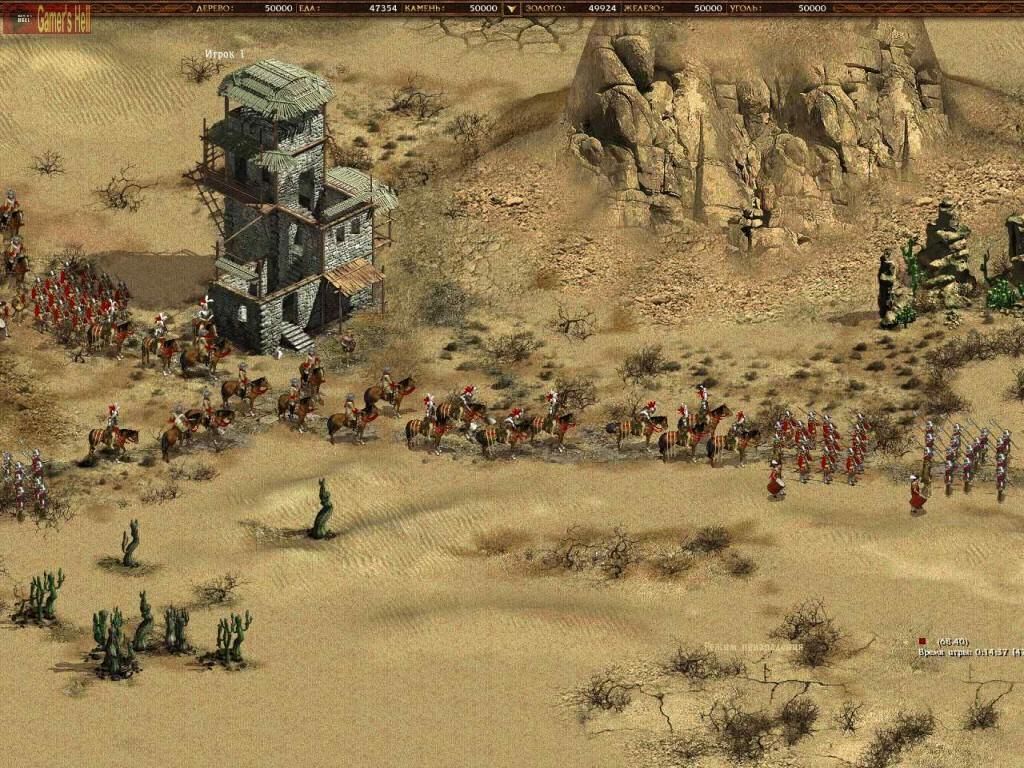
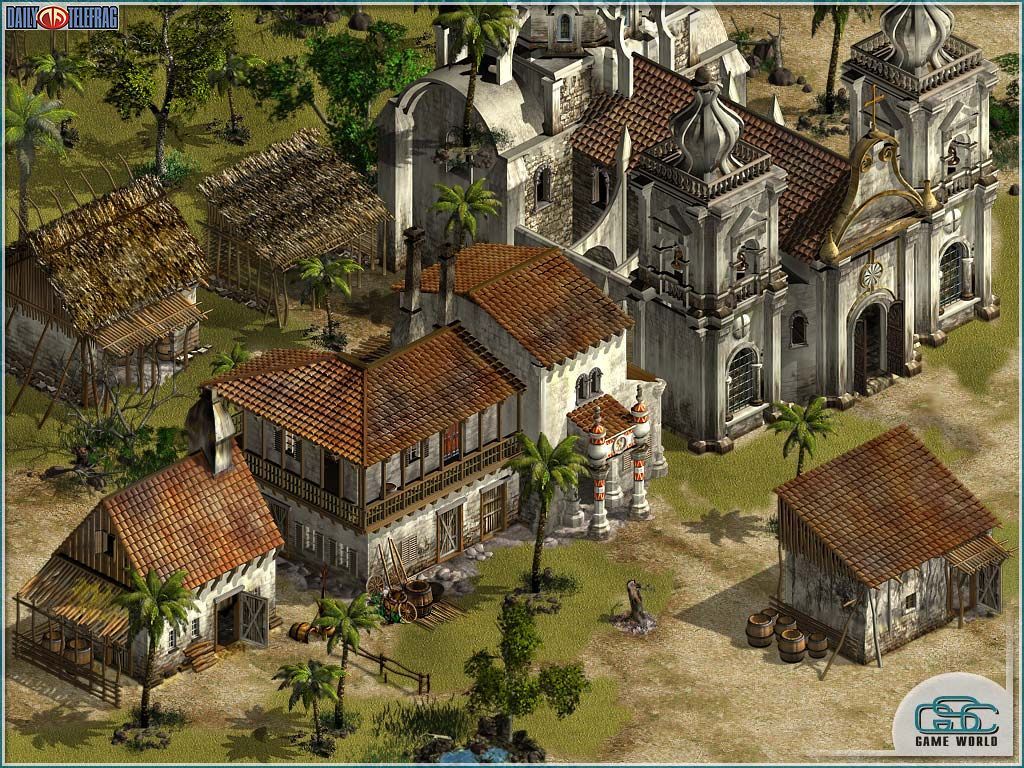
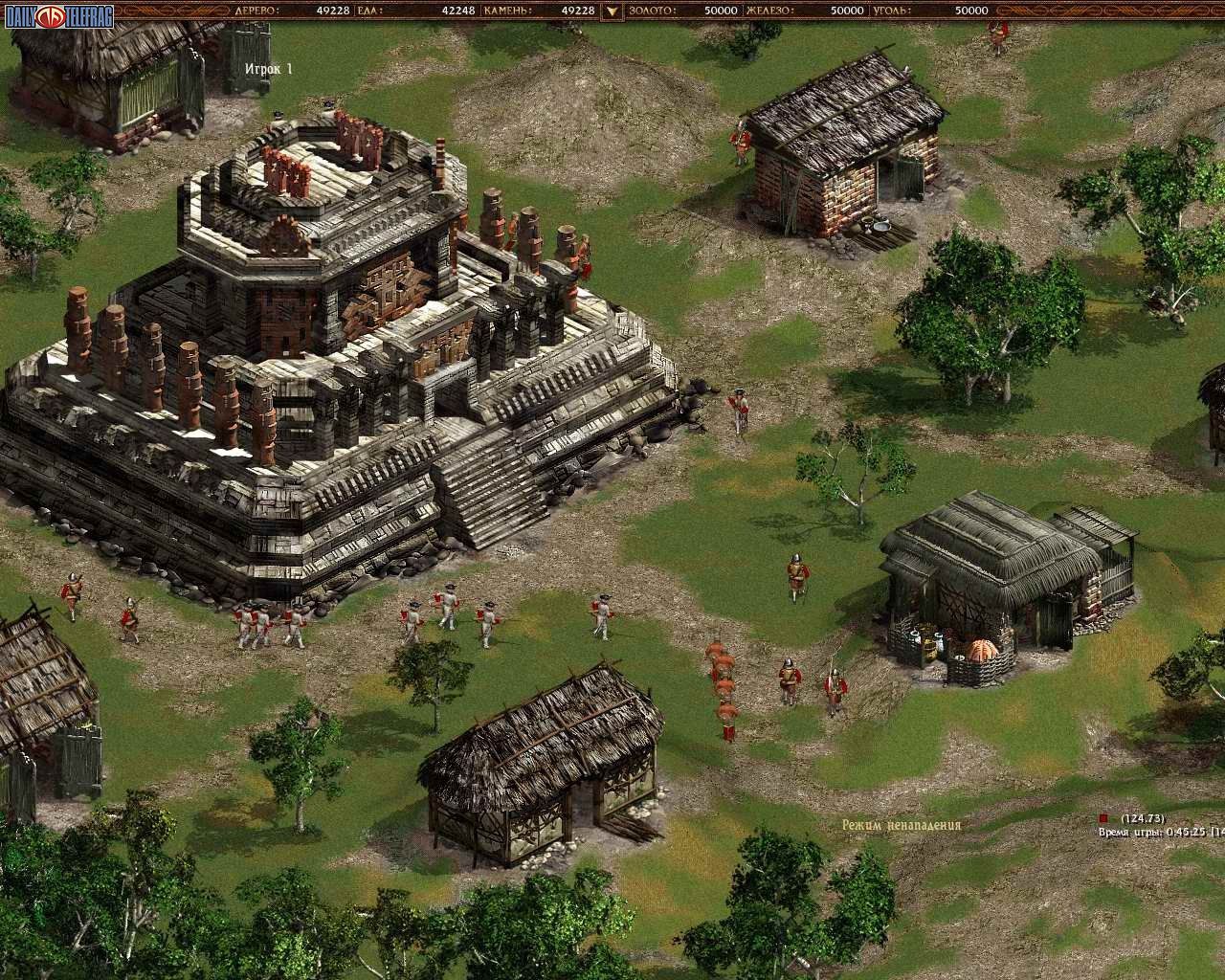
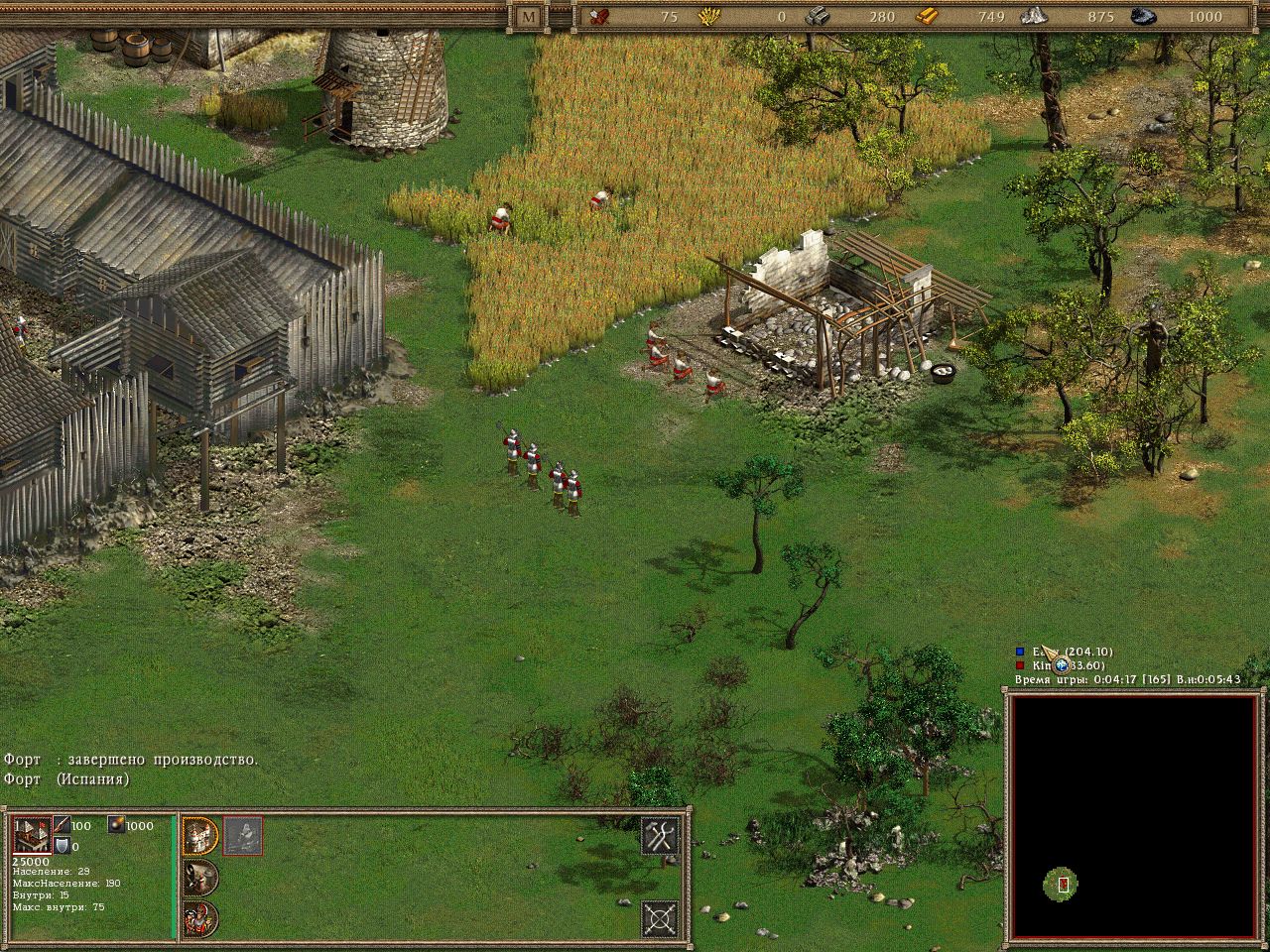
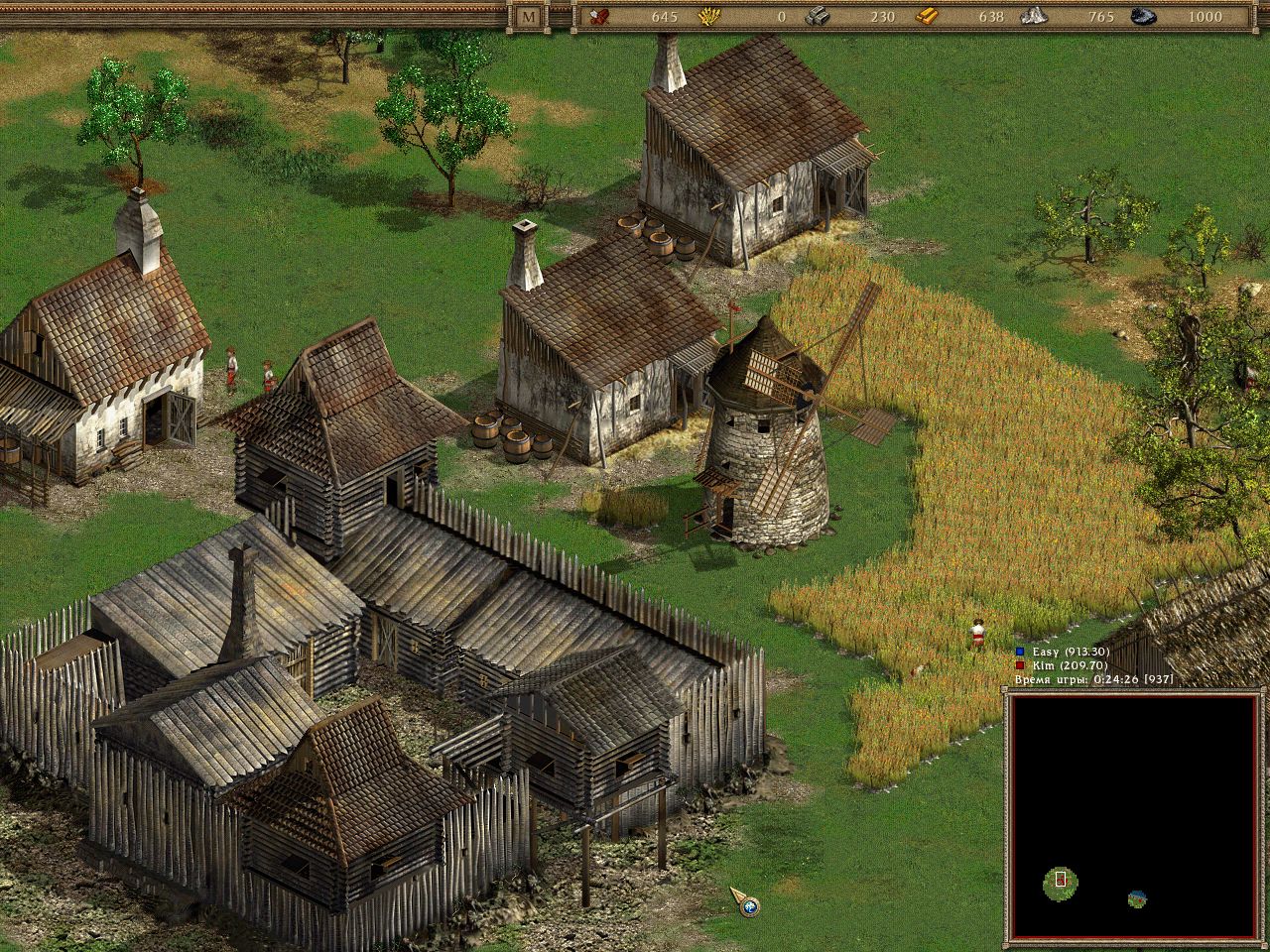
American Conquest, developed by GSC Game World and published by GSC World Publishing, is a large-scale historical real-time strategy game that transports players across more than three centuries of conflict in the Americas. Originally released in the early 2000s and later made available on digital platforms, the game stands as a classic example of early-2000s RTS design—ambitious in scope, mechanically demanding, and unapologetically complex. Covering the period from the arrival of European explorers in the late 15th century through the struggles of colonial expansion and into the era of revolution, American Conquest attempts to simulate the military, economic, and cultural clashes that shaped the New World. At its foundation, the game adheres to traditional RTS mechanics: players gather resources, construct buildings, train armies, and engage in large-scale battles. However, American Conquest distinguishes itself through the depth of its economic and military interdependence. Resources such as food, wood, gold, stone, iron, and coal must be carefully managed to sustain both civilian growth and military expansion. Unlike many strategy titles where units can be produced instantly with enough currency, this game ties military production to active laborers, meaning that economic infrastructure and manpower management are central to maintaining a war effort. This interconnected system forces players to balance expansion with defense, ensuring that rapid military growth does not cripple long-term sustainability. One of the game’s most defining characteristics is its sheer scale. Battles can feature thousands of units simultaneously, creating a sense of spectacle rarely matched in its era. Infantry lines stretch across vast maps, cavalry charges break formations, and artillery units reshape the battlefield from a distance. The scale amplifies the importance of positioning and morale. Units are influenced by officers, drummers, and standard bearers, whose presence enhances combat effectiveness and stability. Morale systems introduce the possibility of retreat or panic, making engagements feel dynamic rather than purely numerical. Victory often depends not just on army size, but on formation integrity, terrain advantage, and tactical deployment. The variety of factions further enriches the strategic layer. European colonial powers such as Spain, England, and France bring disciplined musket infantry, artillery, and cavalry formations to the battlefield. Native American civilizations—including the Aztecs, Incas, and various tribes—offer alternative playstyles that emphasize speed, numerical advantage, and unique unit types. Each faction feels distinct in composition and strategic identity, encouraging experimentation across campaigns and skirmish modes. This diversity reinforces replay value and provides historical flavor without oversimplifying the differences between cultures. The single-player campaigns guide players through pivotal moments in American history, blending historical events with structured mission objectives. These campaigns range from early exploration and conquest to later revolutionary struggles. Objectives vary between defensive sieges, resource-based survival scenarios, and open-field engagements. The narrative framework, while not heavily cinematic by modern standards, provides context that ties missions together. Scenario design often challenges players to adapt to shifting circumstances, such as limited starting resources or overwhelming enemy forces, demanding both patience and tactical foresight. Visually, American Conquest uses detailed 2D sprite-based graphics. While these visuals were impressive for their time, they inevitably reflect the technological limitations of the era. Units are clearly distinguishable, and animations capture the essence of musket volleys and cavalry charges, but modern players may find the presentation dated. Pathfinding and interface design occasionally show signs of age as well, with unit control sometimes requiring careful micromanagement to maintain order in large formations. Despite these limitations, the visual style retains a certain charm, especially for fans of classic RTS titles. The learning curve can be steep. American Conquest does not simplify its systems for accessibility. Players must understand economic chains, unit synergies, and battlefield tactics to succeed, particularly on higher difficulty settings. The absence of modern conveniences such as streamlined tutorials or automated unit management means that mastery requires time and patience. However, for strategy enthusiasts who appreciate depth, this complexity is part of the appeal. The game rewards methodical planning and punishes reckless expansion. Multiplayer and skirmish modes extend the experience beyond the campaigns. Large-scale engagements between human opponents highlight the tactical richness of the morale and formation systems. While the active player base has diminished over time, the game maintains a dedicated niche following. Community patches and compatibility updates have helped preserve its playability on modern systems, contributing to its longevity. Ultimately, American Conquest stands as a monumental RTS that captures the ambition of early 2000s strategy design. Its expansive historical scope, large-scale battles, and layered economic mechanics create an experience that feels both grand and demanding. While its presentation and interface may show their age, the depth of its strategic systems continues to resonate with players who value complexity and historical context. For fans of classic real-time strategy games rooted in historical warfare, American Conquest remains a challenging and memorable entry in the genre. Rating: 6/10
Expand the review