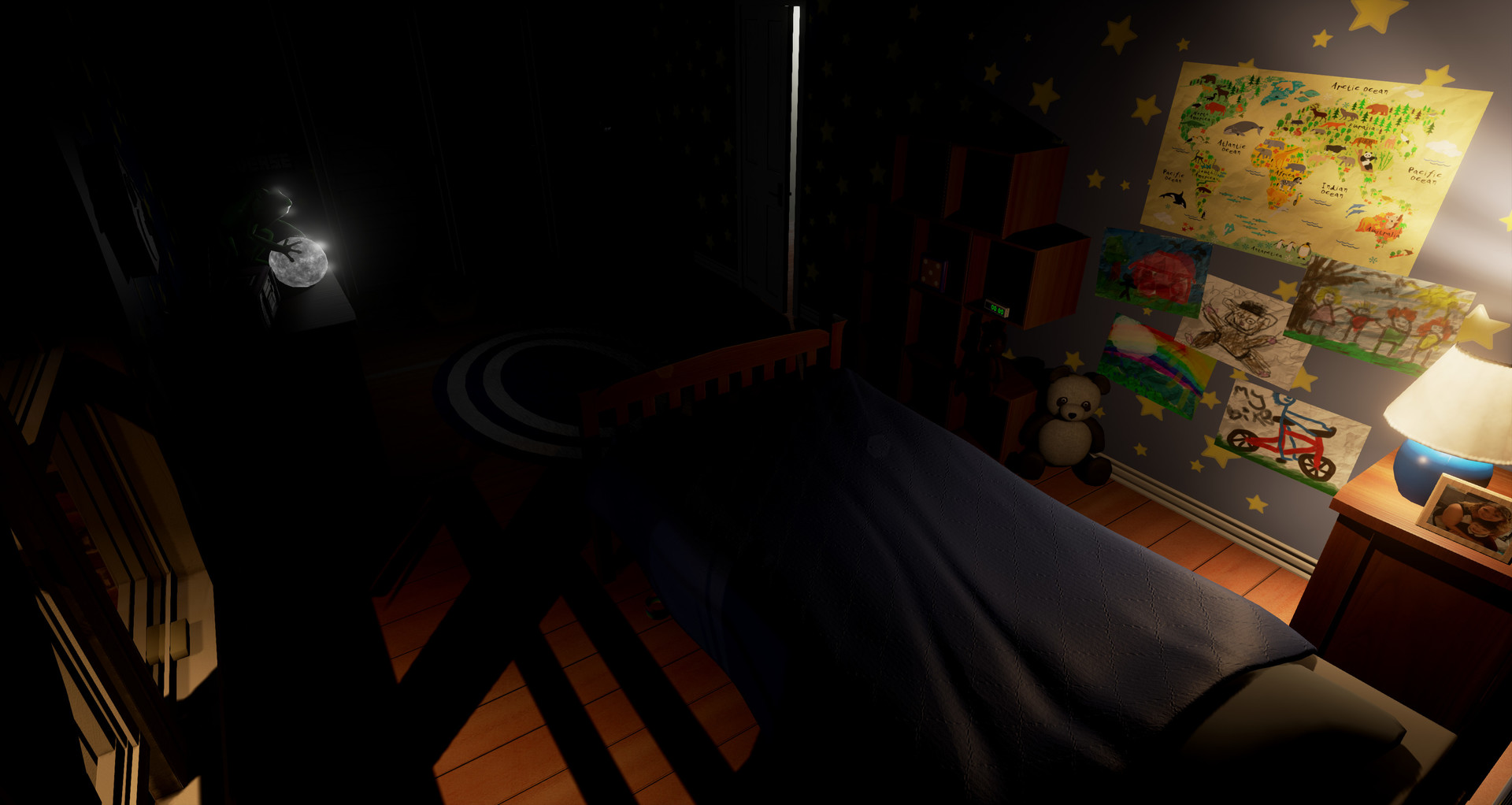
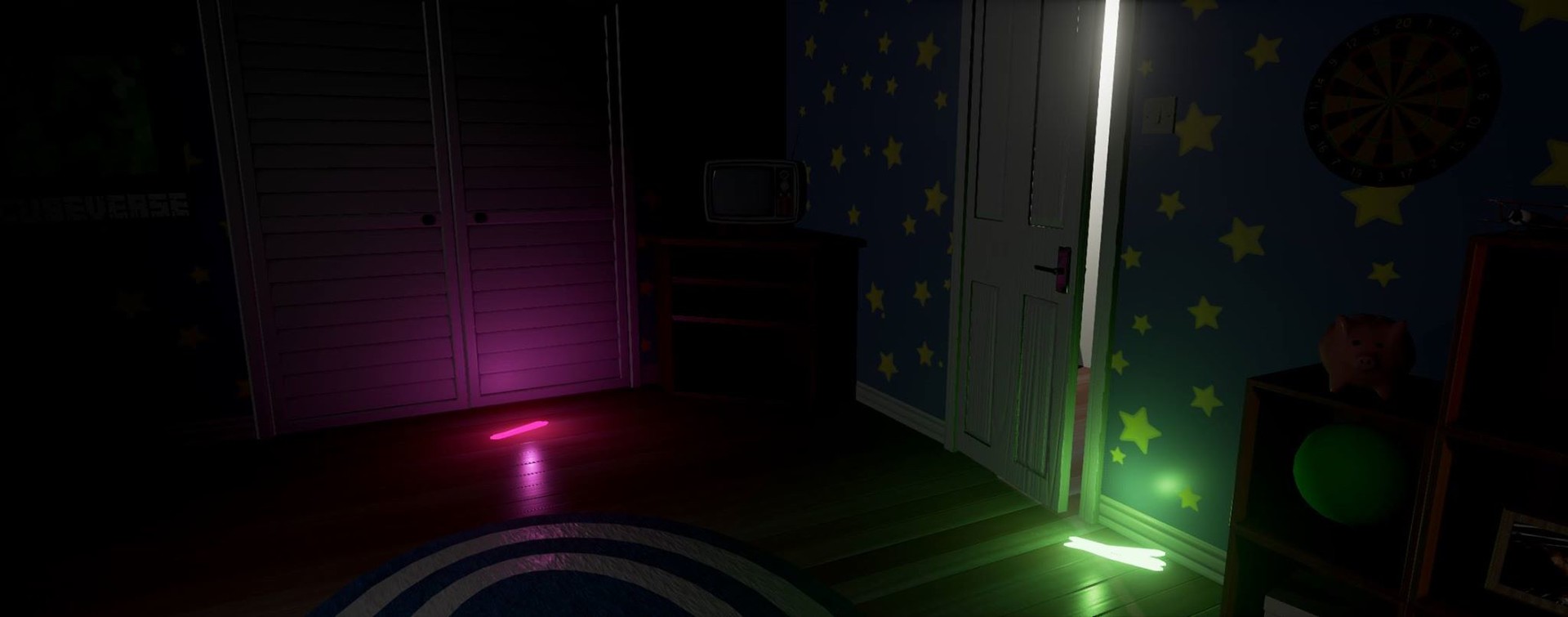
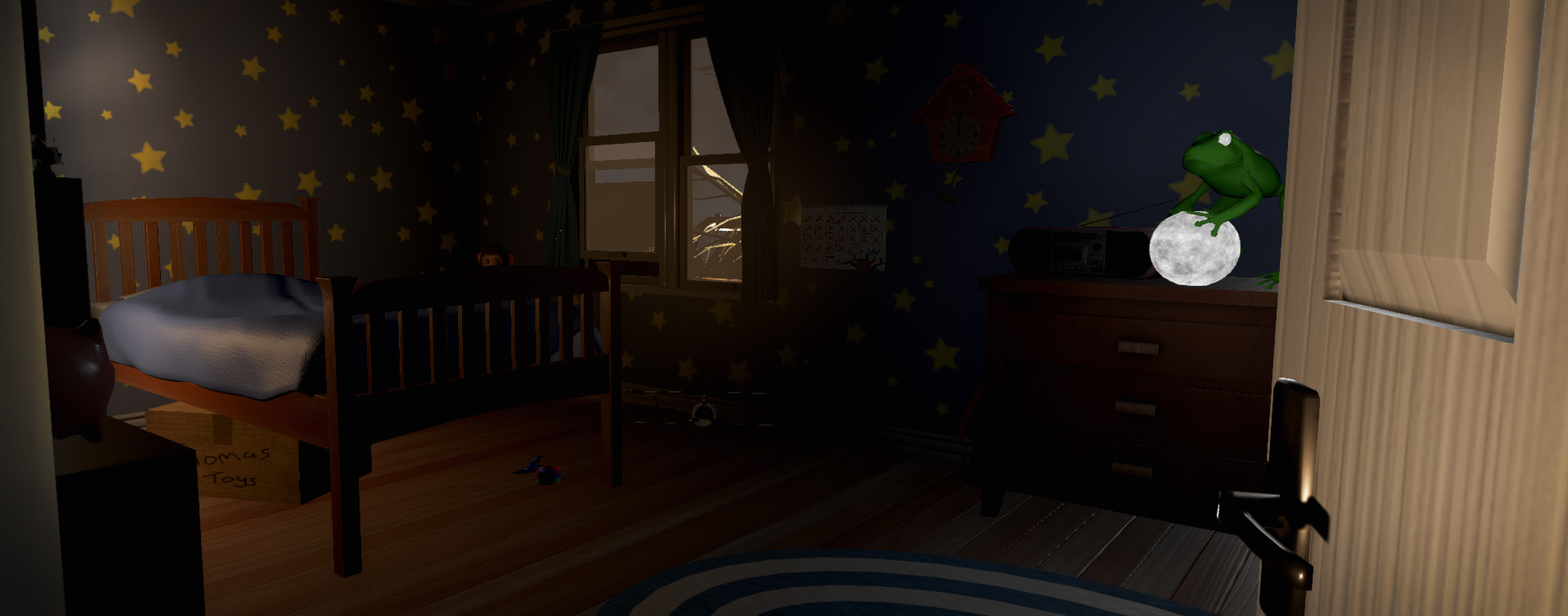
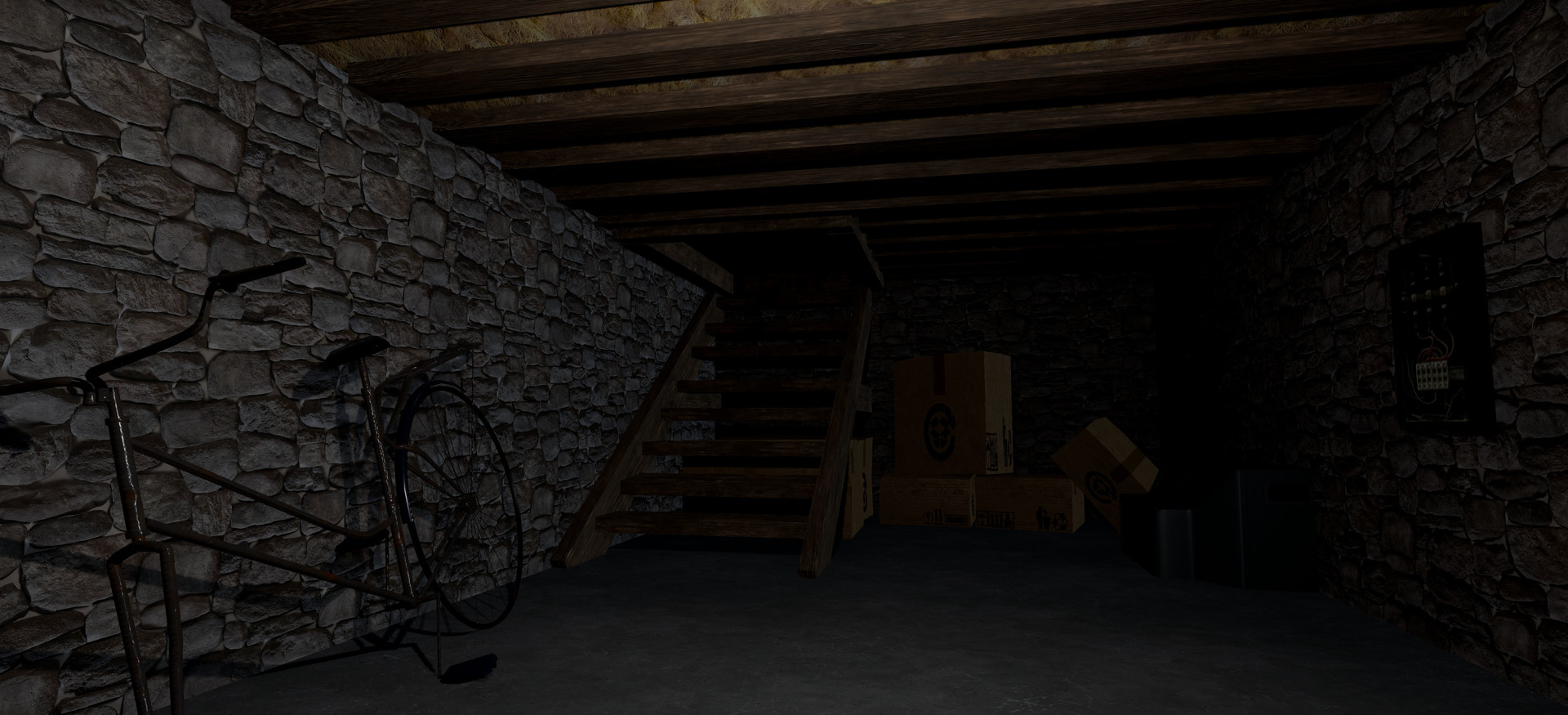
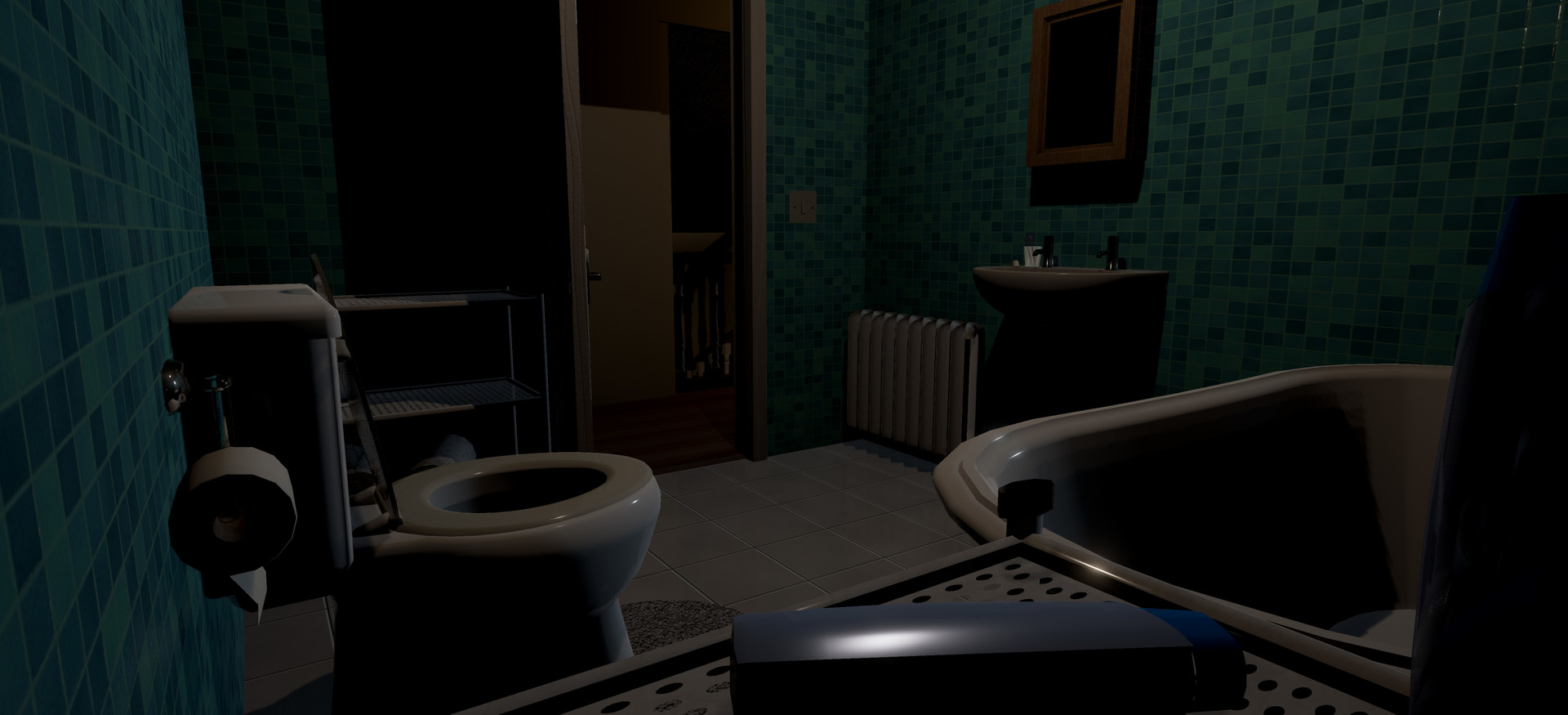
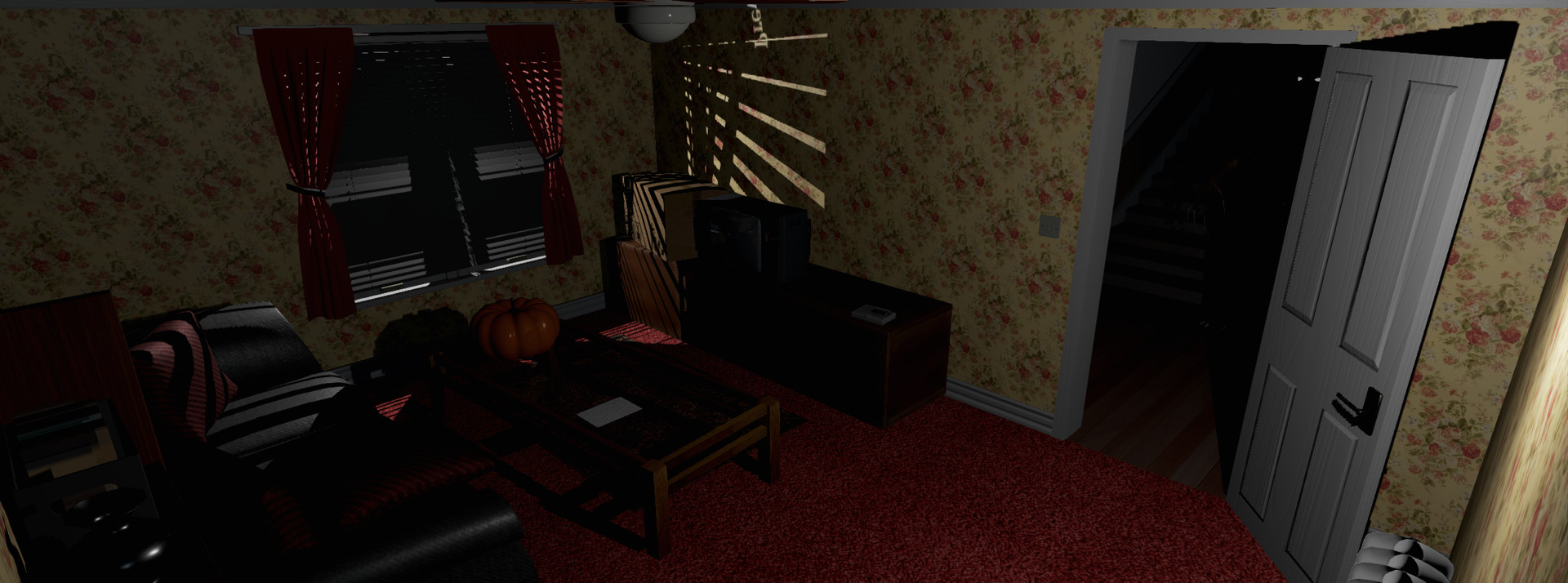
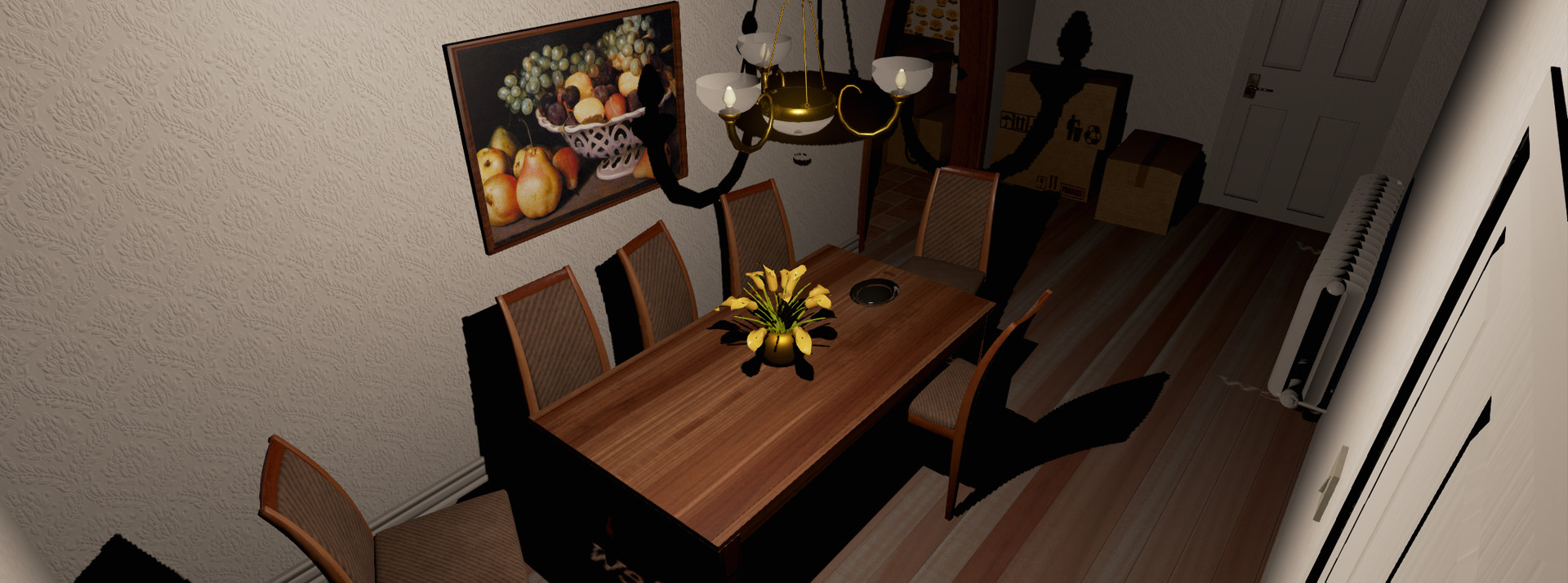
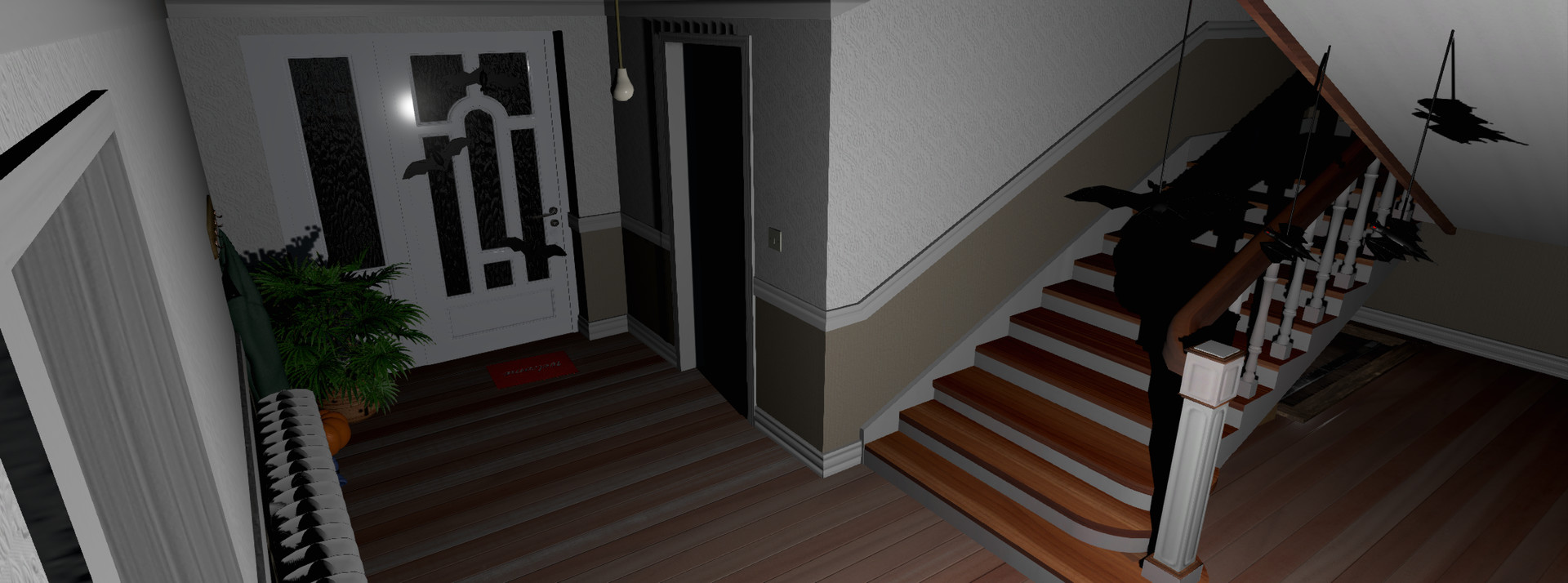
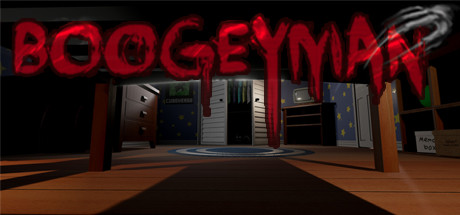
Boogeyman, developed and published by Clockwork Wolf, is a tense and atmospheric survival horror experience that transforms one of the most universal childhood fears—the monster in the dark—into a fully realized nightmare. Rather than relying on gore or complex storylines, it captures the primal terror of being alone in a dark room with something lurking just out of sight. The player takes the role of a young child confined to their bedroom, armed only with a flashlight, forced to survive through the night as the titular Boogeyman tries to break in. Every flicker of light, every creak of floorboards, and every gust of wind becomes a source of dread. The game’s strength lies not in elaborate mechanics, but in how effectively it taps into the simplicity of fear itself. The gameplay revolves around one central mechanic—using your flashlight to fend off the creature that stalks you from the shadows. This light is both your only weapon and your most limited resource. You must listen carefully for sounds that betray the Boogeyman’s location—scratching under the bed, creaking from the closet, or tapping on the window—and then shine your light in that direction before it strikes. Managing your battery becomes the core tension of the game; use it too freely and you’ll be powerless when you need it most, but conserve too much and the Boogeyman will close in. This balance of caution and instinct drives the entire experience, forcing players to rely on observation and sound rather than frantic movement or combat. It’s a formula that recalls classic horror design, where atmosphere and pacing take precedence over jump scares or action. Visually, Boogeyman makes excellent use of darkness and limited light sources. The child’s bedroom feels convincingly lived-in yet unnervingly unfamiliar once the lights go out. The environment shifts subtly as weather effects change—rain lashes against the windows, thunder rolls in the distance, toys move on their own, and shadows stretch unnaturally across the walls. These details reinforce the sense of paranoia, making every new night feel slightly different and more unpredictable. The sound design elevates this further. Every noise carries significance, demanding that players distinguish between harmless ambience and a deadly cue. The soft hum of a toy turning on by itself or the subtle thud of a door closing becomes a signal for survival. The game’s audio landscape is a masterclass in psychological manipulation, keeping you on edge from start to finish. While the game’s mechanics are minimalist, they create a surprisingly deep sense of engagement. There are no weapons to wield, no puzzles to solve, and no intricate systems to learn—just the flashlight and your instincts. Yet within that simplicity lies real depth. The Boogeyman’s behavior changes as the nights progress, becoming more aggressive and less predictable. New environmental elements, such as power outages or broken toys that emit misleading noises, increase the difficulty without breaking immersion. Each night introduces a slight variation that keeps you second-guessing your strategy. By the final stages, you’ve learned to fear silence as much as sound, as the absence of noise often means the creature is closer than you think. Boogeyman’s visual style may not be groundbreaking, but its atmosphere is remarkably effective. It captures the look and feel of an ordinary home at night, rendered terrifying through clever use of perspective and lighting. The child’s small stature and limited reach make the world feel larger and more threatening. You see only what the beam of your flashlight reveals, and this constraint forces you to imagine the rest—an approach that engages the player’s imagination as much as the senses. This deliberate lack of visual excess keeps the horror psychological rather than visceral, evoking fear through anticipation rather than shock. The game’s biggest strength is also its main limitation: its singular focus on the flashlight mechanic means that variety is limited. Once you’ve experienced a few nights, the rhythm of the game becomes familiar, and some of the initial fear begins to fade. However, the tension never fully disappears because the core design continually pressures you to make decisions under stress. The Boogeyman’s random appearances prevent complete predictability, ensuring that even experienced players can be caught off guard. While it may not have the longevity of larger horror titles, it excels as a compact, tightly focused experience that can be played in short, intense sessions. In terms of pacing and tone, Boogeyman is an exercise in restraint. It doesn’t overwhelm the player with exposition or unnecessary mechanics—it simply places you in a terrifying situation and lets your imagination do the rest. This focus gives it a purity that’s rare in modern horror games. It understands that fear is most powerful when it’s rooted in simplicity—the creak of a floorboard, the fading beam of a dying flashlight, the feeling that something is watching you from the dark. It’s a testament to the developer’s understanding of tension and atmosphere that a game built around such minimal mechanics can feel so immersive. Boogeyman is ultimately a small but striking horror experience that thrives on mood, sound, and imagination. It distills fear to its most basic elements and forces players to confront the vulnerability of being alone in the dark. While it may not offer the depth or replayability of larger horror games, it succeeds where it matters most—creating a sustained sense of dread that lingers long after the screen fades to black. It’s an example of how thoughtful design, strong atmosphere, and careful use of sound can transform a simple concept into an unnerving and memorable horror experience. Rating: 7/10
Expand the review