

Lost Lands: The Golden Curse Collector's Edition
Lost Lands: the Golden Curse is an adventurous hidden object game-quest with puzzles and mini-games scattered through the boundless spaces of the fantasy world – from the volcano valleys to the Druid forest, from the deep caves to the floating islands.
Sync your Steam wishlist to track the lowest game prices instantly. No login required, just paste your Steam profile URL!
⚡ Try Wishlist Radar!
Sync your Steam wishlist to track the lowest game prices instantly. No login required!
⚡ Try Wishlist Radar!
Close

Brink of Consciousness: Dorian Gray Syndrome Collector's Edition on Steam - User reviews, Price & Information
Quick menu
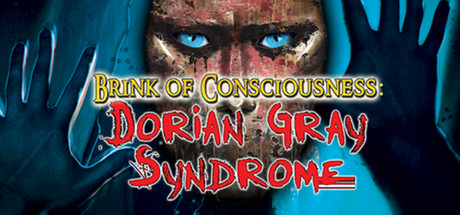
To free your beloved from captivity, you must venture into a maniacal world in this Special Collector's Edition of BRINK OF CONCIOUSNESS: DORIAN GRAY SYNDROME; an immersive tale of chilling surprise that's chock full of extras including bonus gameplay, concept art, soundtrack, and much more!
Brink of Consciousness: Dorian Gray Syndrome Collector's Edition is a casual, adventure and hidden object game
developed by MagicIndie
and published by Plug In Digital.
Released on July 18th 2014 is available only on Windows
in 9 languages: English, French, German, Spanish - Spain, Czech, Dutch, Japanese, Russian and Polish.
It has received 303 reviews of which 262 were positive and 41 were negative resulting in a rating of 8.0 out of 10. 😊
The game is currently priced at 9.99€ on Steam, but you can find it for 1.44€ on G2A.
The Steam community has classified Brink of Consciousness: Dorian Gray Syndrome Collector's Edition into these genres:
Media & Screenshots
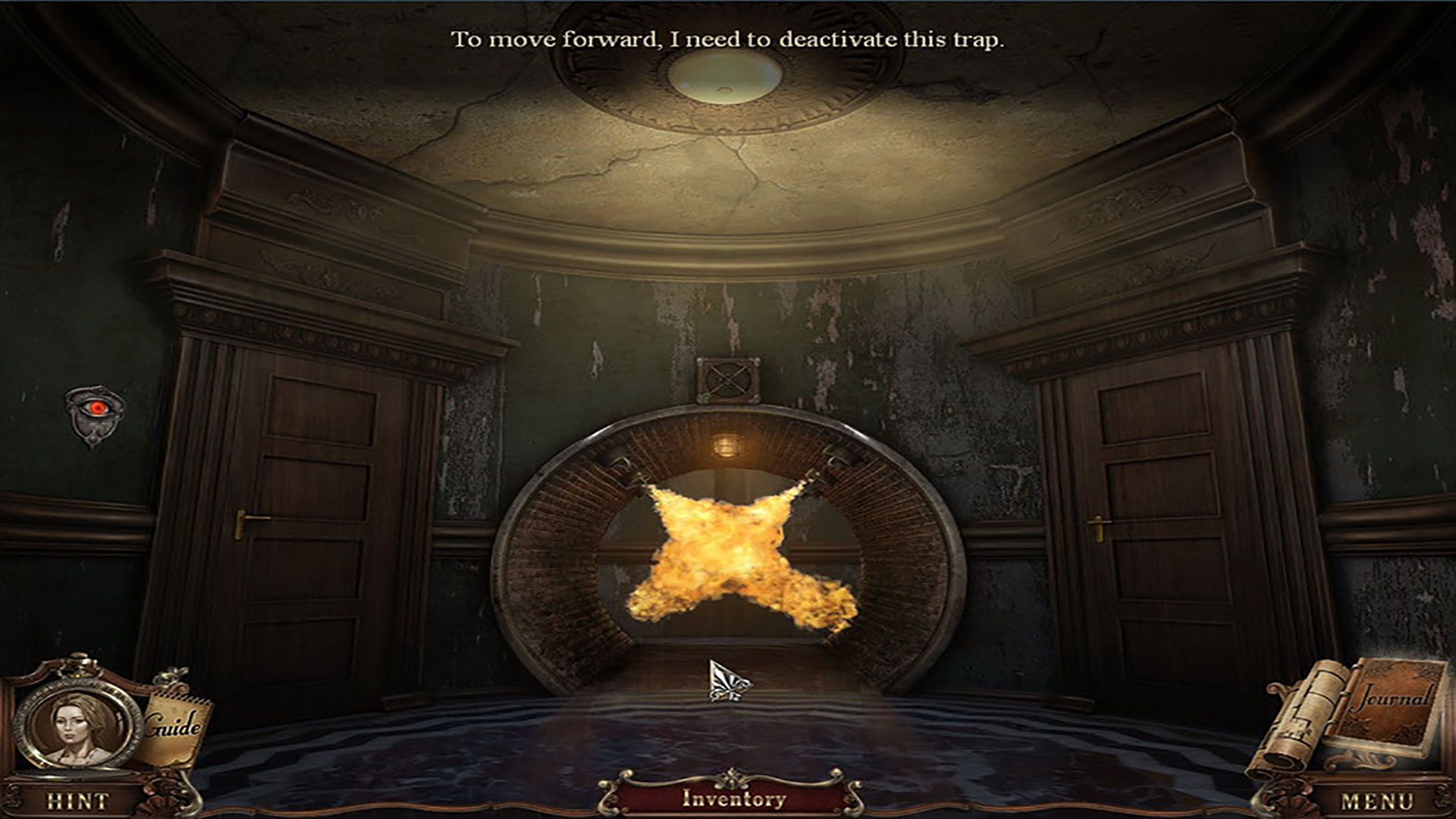
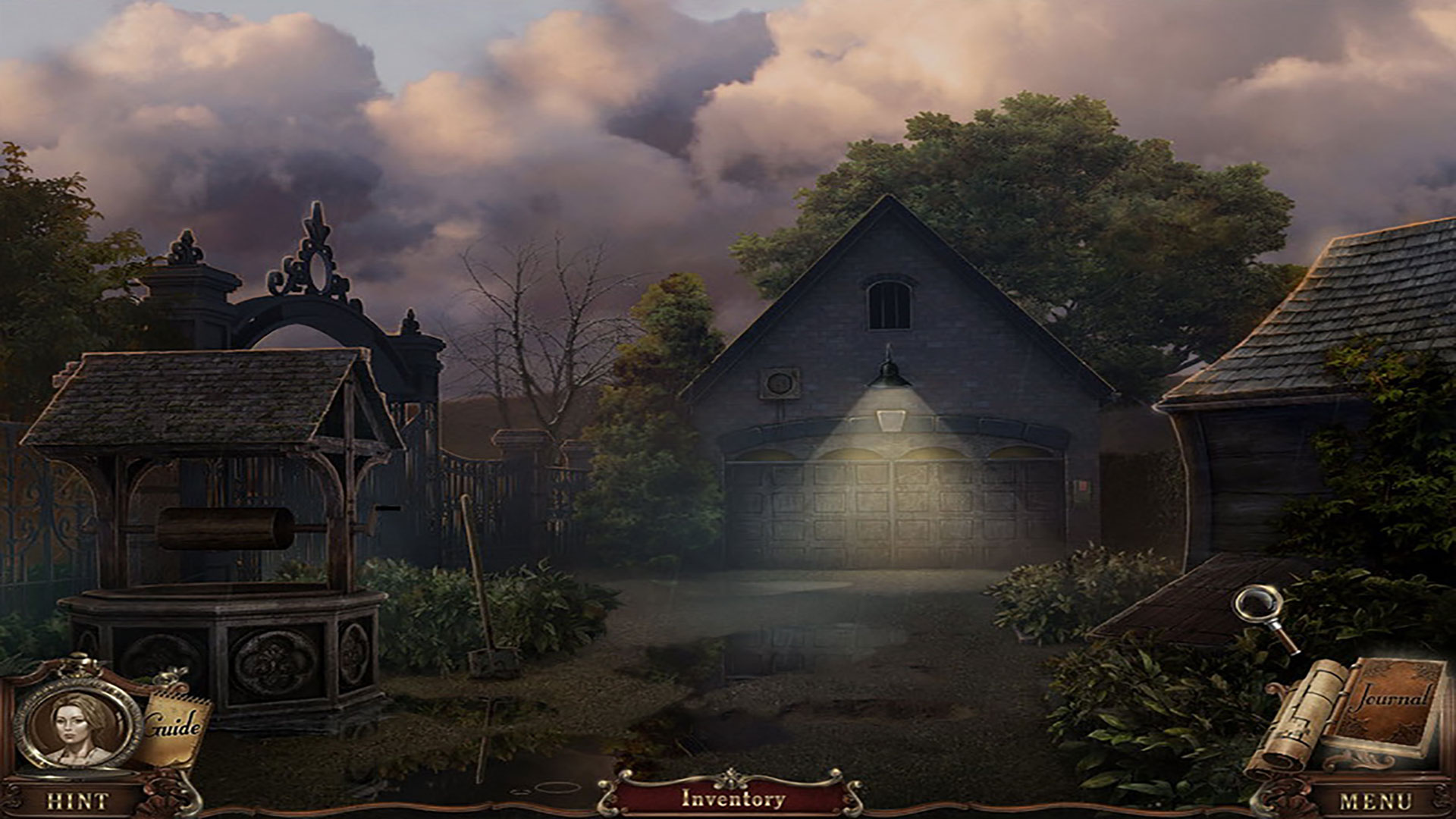
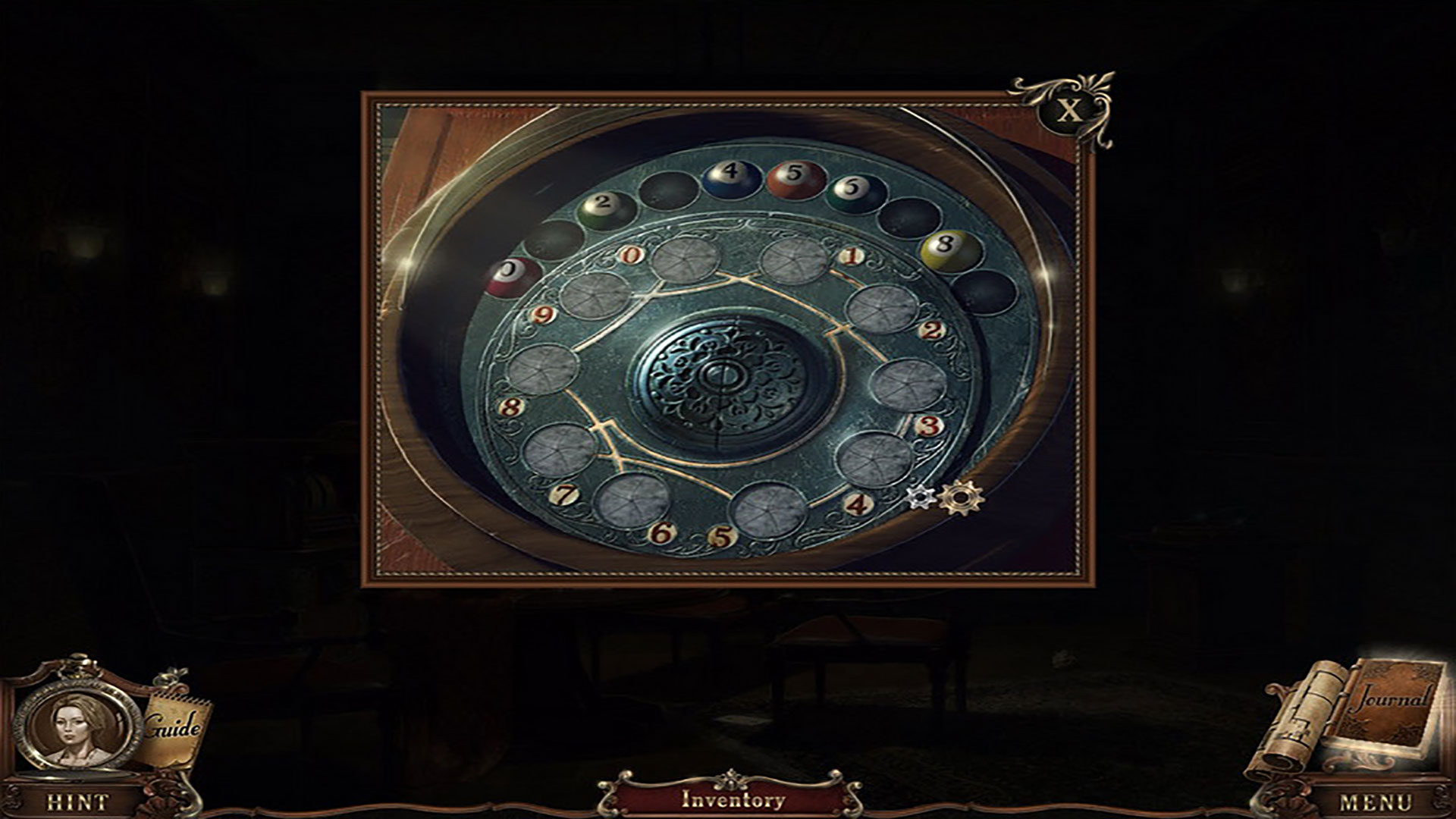
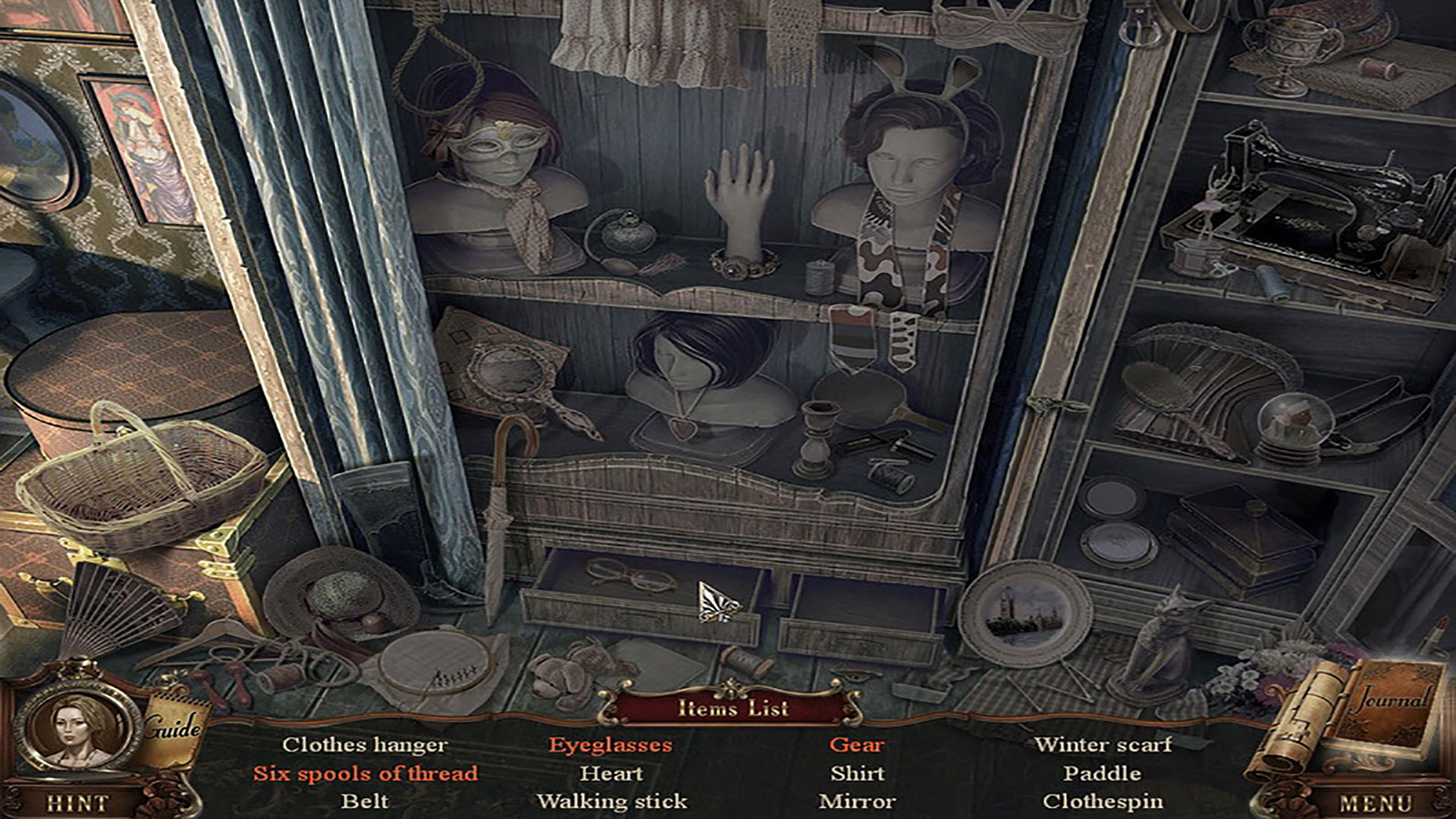
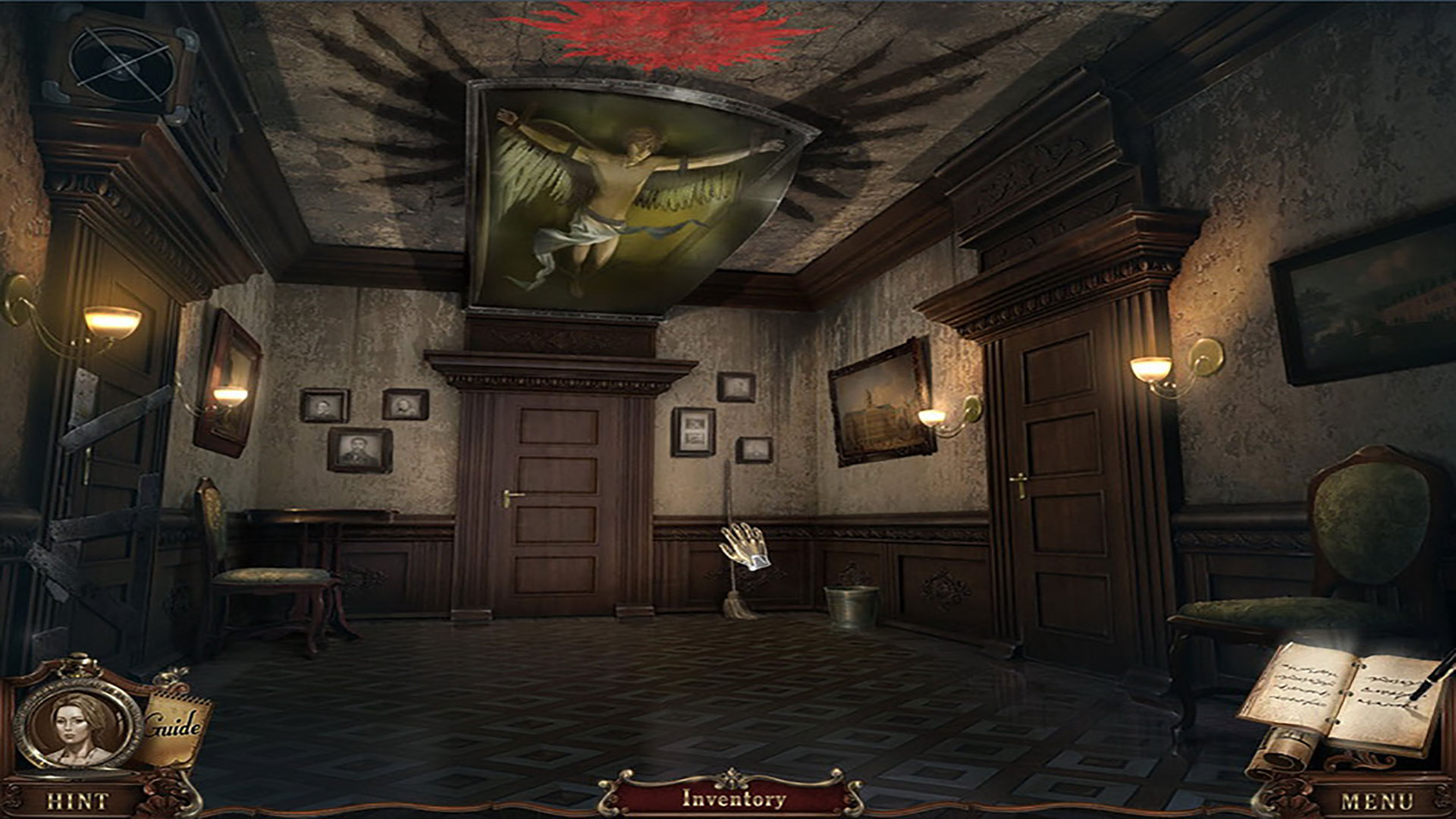
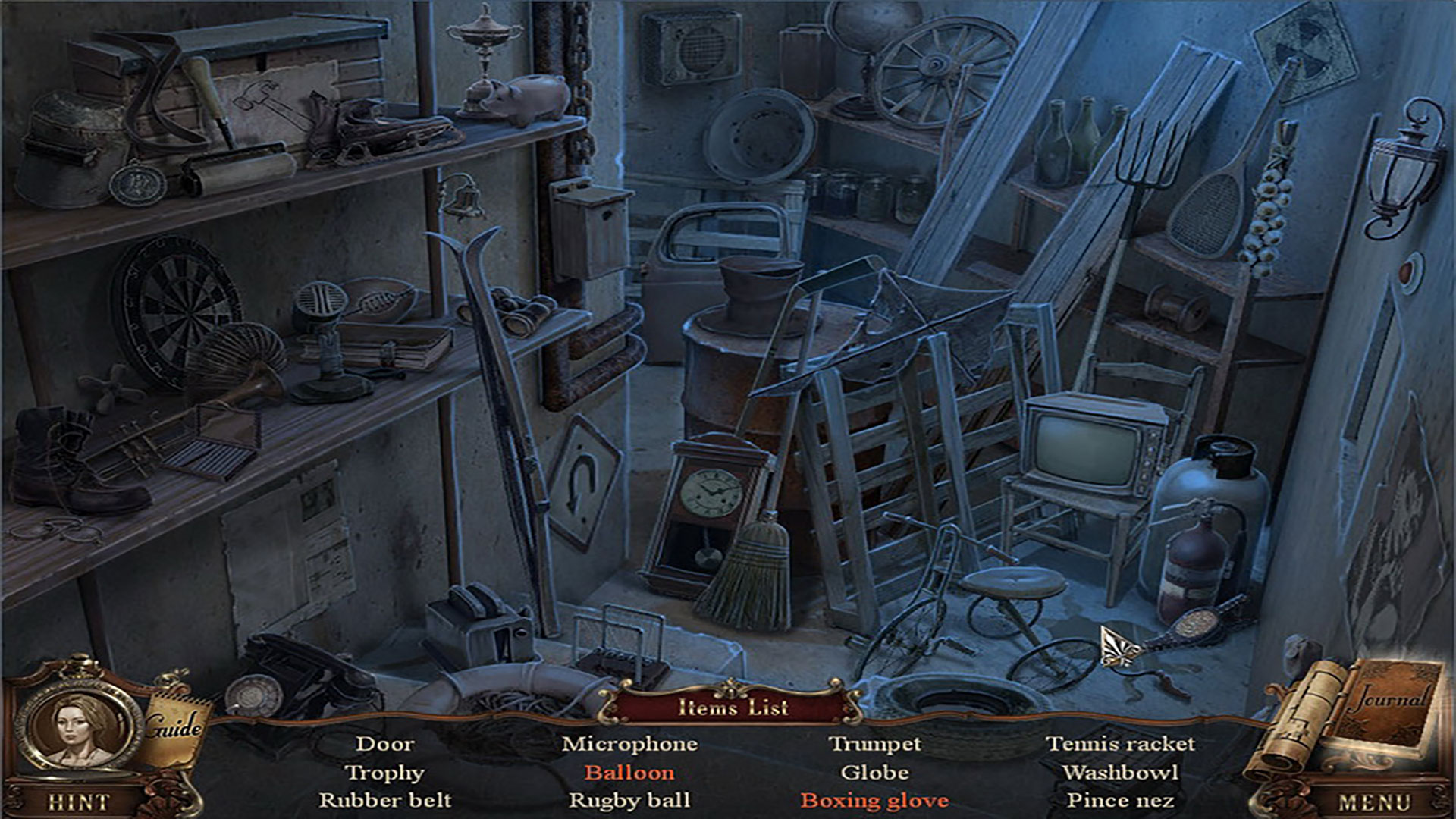
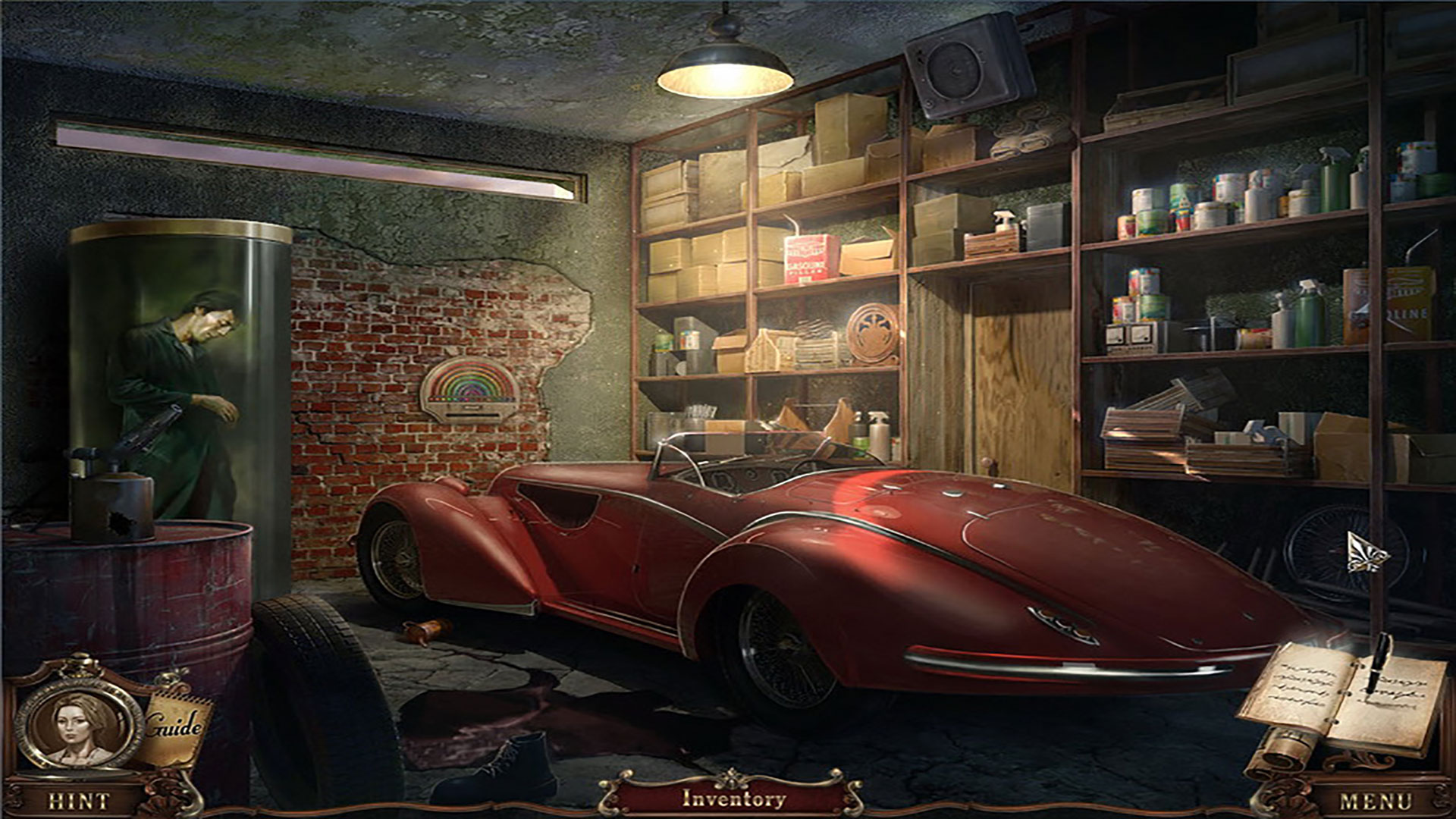
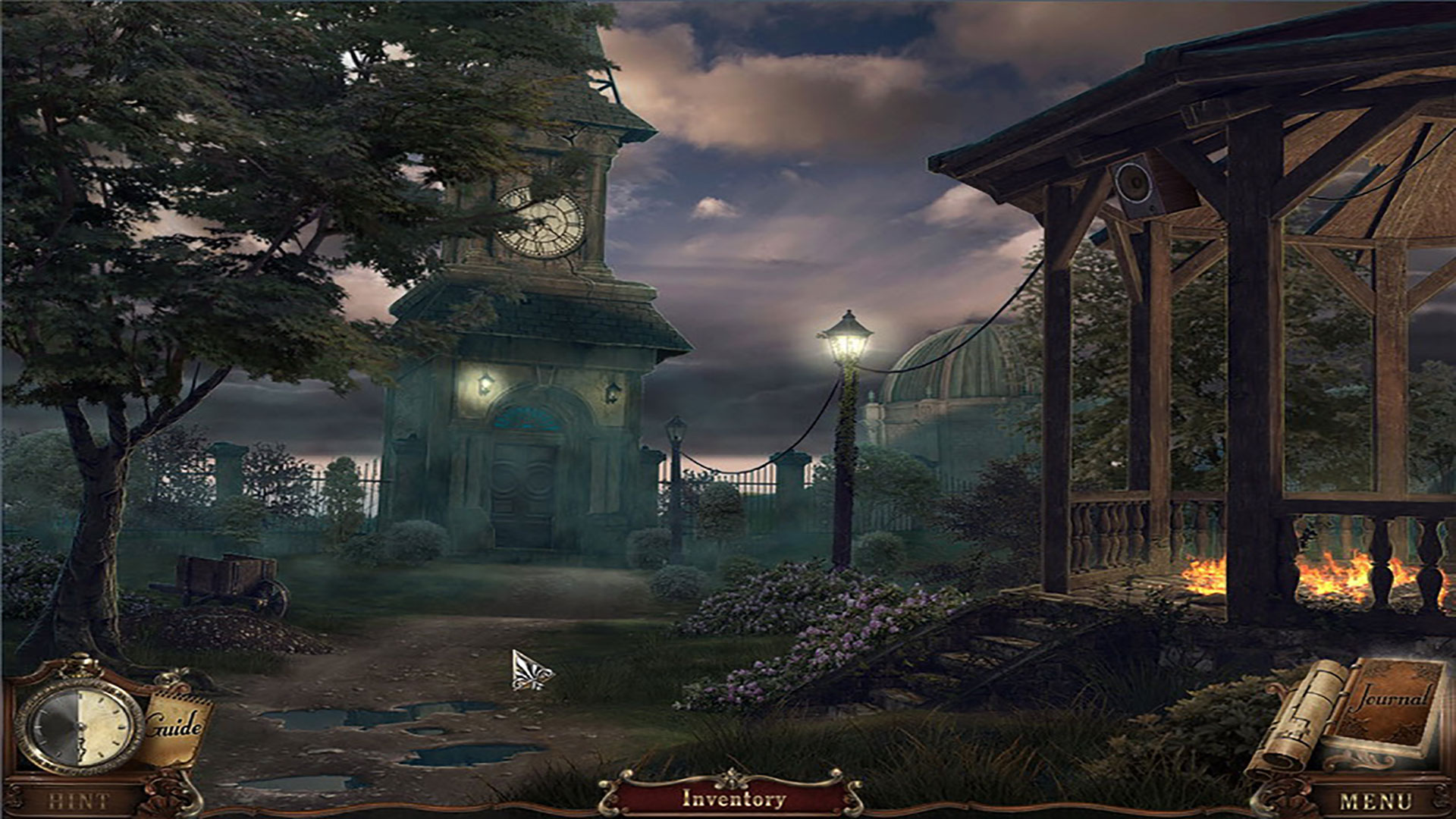
Get an in-depth look at Brink of Consciousness: Dorian Gray Syndrome Collector's Edition through various videos and screenshots.
Load More
System requirements
These are the minimum specifications needed to play the game. For the best experience, we recommend that you verify them.
Windows
- OS *: Windows® XP, Windows Vista®, Windows® 7, Windows® 8
- Processor: 1.4 GHz Processor or faster
- Memory: 512 MB RAM
- Storage: 500 MB available space
Steam Price & Best Deals
User reviews & Ratings
Explore reviews from Steam users sharing their experiences and what they love about the game.
Brink of Consciousness: Dorian Gray Syndrome Collector's Edition is a hidden-object adventure that leans heavily into psychological suspense, mystery, and a disturbing obsession with beauty. Developed by MagicIndie and published by Plug In Digital, it takes the familiar structure of a point-and-click hidden-object game and surrounds it with an unusually sinister atmosphere. Instead of presenting disconnected puzzles simply as obstacles, the game places most of its challenges inside a threatening investigation where the player constantly feels as though every discovery has been deliberately arranged by the person they are pursuing. The story follows journalist Sam Wilde as he investigates the disappearance of several young people. His involvement becomes much more personal when his beloved Anna is kidnapped, leading him to the enormous Goldvale Manor. The estate belongs to a dangerous figure whose fascination with youth and beauty has produced a trail of disturbing events. Sam must explore the property, uncover what happened to the missing victims, understand his enemy's motives, and find Anna before it is too late. The setup gives the adventure a stronger sense of urgency than the typical treasure hunt or supernatural investigation. Goldvale Manor is one of the game's greatest strengths. Its rooms are packed with strange machinery, locked compartments, hidden passages, decorative objects, clues, and unsettling details. Progress gradually opens additional areas while frequently giving the player reasons to return to previously explored locations. This produces a convincing sense of navigating one interconnected estate rather than moving through a collection of unrelated puzzle screens. Backtracking occasionally becomes tedious, but it also helps establish the mansion as a coherent environment filled with secrets. Hidden-object scenes form a substantial portion of the experience. These sequences present detailed arrangements of items and require careful observation to locate everything on the provided lists. They are generally well integrated into the environments and complement Sam's investigative role. Some objects can be difficult to distinguish because of their placement or visual similarity to the background, but that challenge is part of the traditional hidden-object formula. Players who enjoy methodically examining crowded scenes should find these sections satisfying, while anyone who strongly dislikes this mechanic will naturally have a harder time appreciating the game. The adventure also includes numerous puzzles, inventory problems, and mechanical challenges. Players regularly collect objects without immediately knowing where they belong, encouraging exploration and memory. Locked mechanisms may require components discovered elsewhere, while other obstacles involve patterns, sequences, observation, or manipulating environmental devices. Most puzzles are approachable without being completely effortless. They rarely become excessively complicated, allowing the narrative to maintain momentum while still giving players a satisfying feeling of accomplishment when a mechanism finally opens. What gives the game its personality is the psychological relationship between Sam and his opponent. The villain does not simply wait at the conclusion of the story. His influence can be felt throughout the investigation, creating the impression that Sam is being observed and manipulated. This makes the manor feel like a carefully constructed trap. The threat is primarily generated through atmosphere and anticipation rather than combat, which works particularly well with the deliberate pace of a point-and-click adventure. The Dorian Gray connection contributes themes involving youth, physical beauty, aging, mortality, and obsession, although this should not be mistaken for a direct interactive adaptation of Oscar Wilde's famous story. Instead, those ideas are incorporated into an original crime mystery. This gives the narrative a recognizable literary flavor while allowing it to develop its own characters and circumstances. The darker interpretation of beauty as something capable of inspiring obsession and cruelty fits the unsettling nature of the investigation particularly well. Visually, the game benefits from detailed hand-crafted environments. Goldvale Manor contains richly decorated interiors, shadowy spaces, elaborate machinery, and carefully composed hidden-object scenes. Some animations and character presentation inevitably show their age, but the illustrated environments remain attractive because they rely more on artistic detail than advanced technology. Music and environmental sounds further strengthen the suspense, while the voice work gives important story moments additional personality. As a Collector's Edition, the package provides more than the central adventure. Bonus gameplay extends the experience, while supplementary material such as concept artwork and a developer interview provides additional value for players interested in how the game was created. These additions are not essential to understanding the primary mystery, but they make the package more satisfying for anyone who wants to explore everything available after completing the main story. Steam Deck compatibility is officially categorized as Playable rather than fully Verified. Performance with the default graphics configuration is considered suitable, and the game can run successfully on SteamOS. However, handheld players should expect compromises. Some functionality is not fully accessible through the default controller configuration, touchscreen interaction or a community controller layout may occasionally be useful, and text entry can require manually opening the virtual keyboard. Some interface text may also appear small, while certain prompts can display keyboard, mouse, or non-Steam Deck controller icons. It is therefore functional on the Deck, but the experience is less seamless than a fully optimized handheld release. Overall, Brink of Consciousness: Dorian Gray Syndrome Collector's Edition remains an engaging choice for fans of classic hidden-object adventures who prefer darker storytelling. Its strongest elements are the oppressive manor setting, persistent villain, varied puzzle design, detailed artwork, and personal stakes behind Sam's investigation. Backtracking, dated presentation, and reliance on traditional hidden-object mechanics prevent it from feeling completely modern, yet those weaknesses do little to undermine the carefully constructed atmosphere. For players interested in psychological mysteries, sinister mansions, methodical exploration, and puzzle solving, it delivers a memorable adventure with considerably more personality than its straightforward gameplay formula might initially suggest. Rating: 8/10
Really kind of a gem as far as hidden object/puzzle games go. It's very similar to the game "11th Guest," albeit much easier. You are clicking through a manor and solving basic puzzles by finding items to use on the environment to progress. Occasionally there's a "hidden object" game which is super easy or a puzzle that requires some thought. You can breeze through the hidden object games since there's no penalty for just clicking everything, but the puzzles take time unless you choose to skip them. The game's final puzzle took me over an hour. The solution was simple but it was something you have to sort of "untangle" and if you try to force it it doesn't work. I love the villain in this game and the way constantly mocks the player. It's very funny that you are playing a hidden object game about a serial killer who embalms bodies in jars as "art pieces." If you beat the game there's also a bonus chapter on some carnival grounds that's a lot of fun. Overall I really enjoyed this and hope to one day play more like it.
Wow, this guy sure loves to hear himself talk. Lol. I played the other Brink of Consciousness first and loved it, so I tried this one out. It... It wasn't as grand as the other one, but it had its charm. This H.O.G. is done slightly differently from other standard ones. You *really* gotta remember where you can shove something into. I took a break for two days to play a different game and had to rely on my subconsciousness to remind me of things.. XD Sure there are "map hints"... But unless you go to that room, you wont know for certain. Which is great for memory training and backtracking. Don't ask how many times I got lost. It's all done in the name of a mystery and to "escape" from the narcissistic psychopath... Who talks to you in nearly every room... And after almost nearly every puzzle... I get it... But excuse me? I am doing something here... Can you just be quiet for a moment? ... Nah, that'll just motivate him to talk even more. Sigh. But I will have to point out that the puzzles are freaking hardcore in some parts. Like... I did some... And the others I was scratching my head rather hard, wondering if I can just you know... Break it instead? That would make it simpler. And obviously... In all H.O.G. nature... DO NOT get a weapon whilst you are amidst a serial killer's presence. Kay. So for a horror game it gives you one ending in the Main Game and when you play the Bonus Game... It's another one altogether... Makes you wonder, is the Scissor Blades f-nut from Outlast worse or this guy? No, no... It's still definitely the one from Outlast. The HATRED! Anywho, a mystery HOG that makes you think and remember things with some overly complicated puzzles. There.
Similar games
View all
New York Mysteries: Secrets of the Mafia Collector's Edition
A captivating detective adventure with elements of mysticism, telling a story of kidnapped children and mafia bosses.
Mountain Crime: Requital
Solve the mystery at the heart of this chilling thriller!
Sherlock Holmes and The Hound of The Baskervilles
Help Sherlock Holmes, the famed detective, investigate the legend of a supernatural hound on the fog-shrouded moorland in England of the 19th century. Immerse yourself into the dangerous world of diabolical curse and discover the truth of the monstrous creature.

Hidden Object Bundle 4 in 1
Four Hidden Object games from Alawar full of mystery, plot twists, and amazing stories!

Sacra Terra: Angelic Night
Use your cunning to defeat the demons of the Seven Deadly Sins and rescue humanity from destruction!

Alchemy Mysteries: Prague Legends
Follow orphan Eva on a trip to mystical Prague in Alchemy Mysteries: Prague Legends.
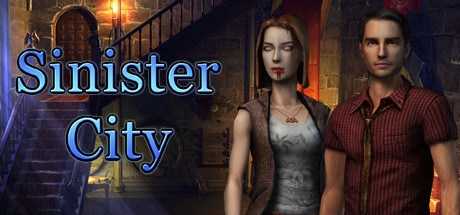
Sinister City
Who would name their town Sinister City? Vampires, of course! When John discovers his bride-to-be has been kidnapped by Sinister City's number one bloodsucker, there's only one thing to do - search for hidden objects! And kill vampires! Or at least insult them until they give your girl back.

SEASON OF MYSTERY: The Cherry Blossom Murders
Your husband Richard lies dead beneath the cherry blossoms of Old Japan, and the police are of no help. Step into history and uncover the truth when no one else will. Find devilishly hidden clues, explore exotic locales, and bring the killer to justice!

Melissa K. and the Heart of Gold Collector's Edition
Welcome to a beautiful Adventure set in a unique interactive 3D world full of mysterious puzzles and Hidden Objects. Prepare for an unforgettable experience!
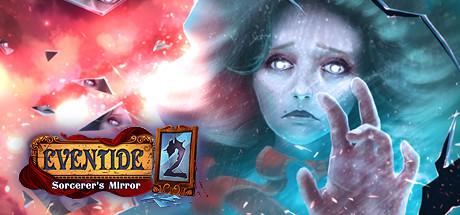
Eventide 2: The Sorcerers Mirror
Discover the magic of slavdom!
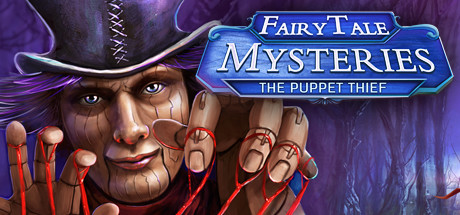
Fairy Tale Mysteries: The Puppet Thief
Discover the truth behind the myth and save the children!
Frequently Asked Questions
Brink of Consciousness: Dorian Gray Syndrome Collector's Edition is currently priced at 9.99€ on Steam.
No, Brink of Consciousness: Dorian Gray Syndrome Collector's Edition is currently not on sale. You can purchase it for 9.99€ on Steam.
Yes, Brink of Consciousness: Dorian Gray Syndrome Collector's Edition received 262 positive votes out of a total of 303 achieving a rating of 7.99.
😊
Brink of Consciousness: Dorian Gray Syndrome Collector's Edition was developed by MagicIndie and published by Plug In Digital.
Yes, Brink of Consciousness: Dorian Gray Syndrome Collector's Edition is playable and fully supported on Windows.
No, Brink of Consciousness: Dorian Gray Syndrome Collector's Edition is not playable on MacOS.
No, Brink of Consciousness: Dorian Gray Syndrome Collector's Edition is not playable on Linux.
This information about Brink of Consciousness: Dorian Gray Syndrome Collector's Edition is not available yet.
This information about Brink of Consciousness: Dorian Gray Syndrome Collector's Edition is not available yet.
No, Brink of Consciousness: Dorian Gray Syndrome Collector's Edition does not support VR.
No, Brink of Consciousness: Dorian Gray Syndrome Collector's Edition does not currently offer any DLC.
No, Brink of Consciousness: Dorian Gray Syndrome Collector's Edition does not support mods via Steam Workshop.
No, Brink of Consciousness: Dorian Gray Syndrome Collector's Edition does not support Steam Remote Play.
Yes, Brink of Consciousness: Dorian Gray Syndrome Collector's Edition is enabled for Steam Family Sharing. This means you can share the game with authorized users from your Steam Library, allowing them to play it on their own accounts. For more details on how the feature works, you can read the original Steam Family Sharing announcement or visit the Steam Family Sharing user guide and FAQ page.
You can find solutions or submit a support ticket by visiting the Steam Support page for Brink of Consciousness: Dorian Gray Syndrome Collector's Edition.
Data sources
The information presented on this page is sourced from reliable APIs to ensure accuracy and relevance. We utilize the Steam API to gather data on game details, including titles, descriptions, prices, and user reviews. This allows us to provide you with the most up-to-date information directly from the Steam platform.
Additionally, we incorporate data from the SteamSpy API, which offers insights into game sales and player statistics. This helps us present a comprehensive view of each game's popularity and performance within the gaming community.
Last Updates| Steam data | 04 September 2026 20:09 UTC |
|---|---|
| SteamSpy data | 06 September 2026 16:39 UTC |
| Steam price | 13 September 2026 02:46 UTC |
| Steam reviews | 10 September 2026 11:57 UTC |
If you'd like to dive deeper into the details about Brink of Consciousness: Dorian Gray Syndrome Collector's Edition, we invite you to check out a few dedicated websites that offer extensive information and insights. These platforms provide valuable data, analysis, and user-generated reports to enhance your understanding of the game and its performance.
- SteamDB - A comprehensive database of everything on Steam about Brink of Consciousness: Dorian Gray Syndrome Collector's Edition
- SteamCharts - Analysis of Brink of Consciousness: Dorian Gray Syndrome Collector's Edition concurrent players on Steam
- ProtonDB - Crowdsourced reports on Linux and Steam Deck Brink of Consciousness: Dorian Gray Syndrome Collector's Edition compatibility

Features
Online players
1
Developer
MagicIndie
Publisher
Plug In Digital
Release
18 Jul 2014
Platforms
Clicking and buying through these links helps us earn a commission to maintain our services.