

Budget Cuts 2: Mission Insolvency
Built from the ground-up for Virtual Reality, Budget Cuts 2 is an action-adventure stealth game where you zip, sneak, and stab your way through enemy-filled offices, trains, warehouses, and skyscrapers to take down the evil efficiency robots at TransCorp.
Sync your Steam wishlist to find the lowest game prices instantly. No login required, just paste your Steam profile URL!
⚡ Try Wishlist Radar!
Sync your Steam wishlist to find the lowest game prices instantly. No login required!
⚡ Try Wishlist Radar!
Close

Budget Cuts on Steam
Quick menu
Budget Cuts is a VR stealth game where you dexterously zip, sneak or rambo your way forward through thrilling, oil-splatter filled combat!
Budget Cuts is a action, adventure and vr game
developed by Neat Corporation
and published by Neat Corporation and Creature Label.
Released on June 14th 2018 is available on Windows and VR.
It has received 1,845 reviews of which 1,483 were positive and 362 were negative resulting in a rating of 7.7 out of 10. 😊
The game is currently priced at 11.83€ on Steam with a 20% discount, but you can find it for 10.80€ on K4G.
The Steam community has classified Budget Cuts into these genres:
Media & Screenshots
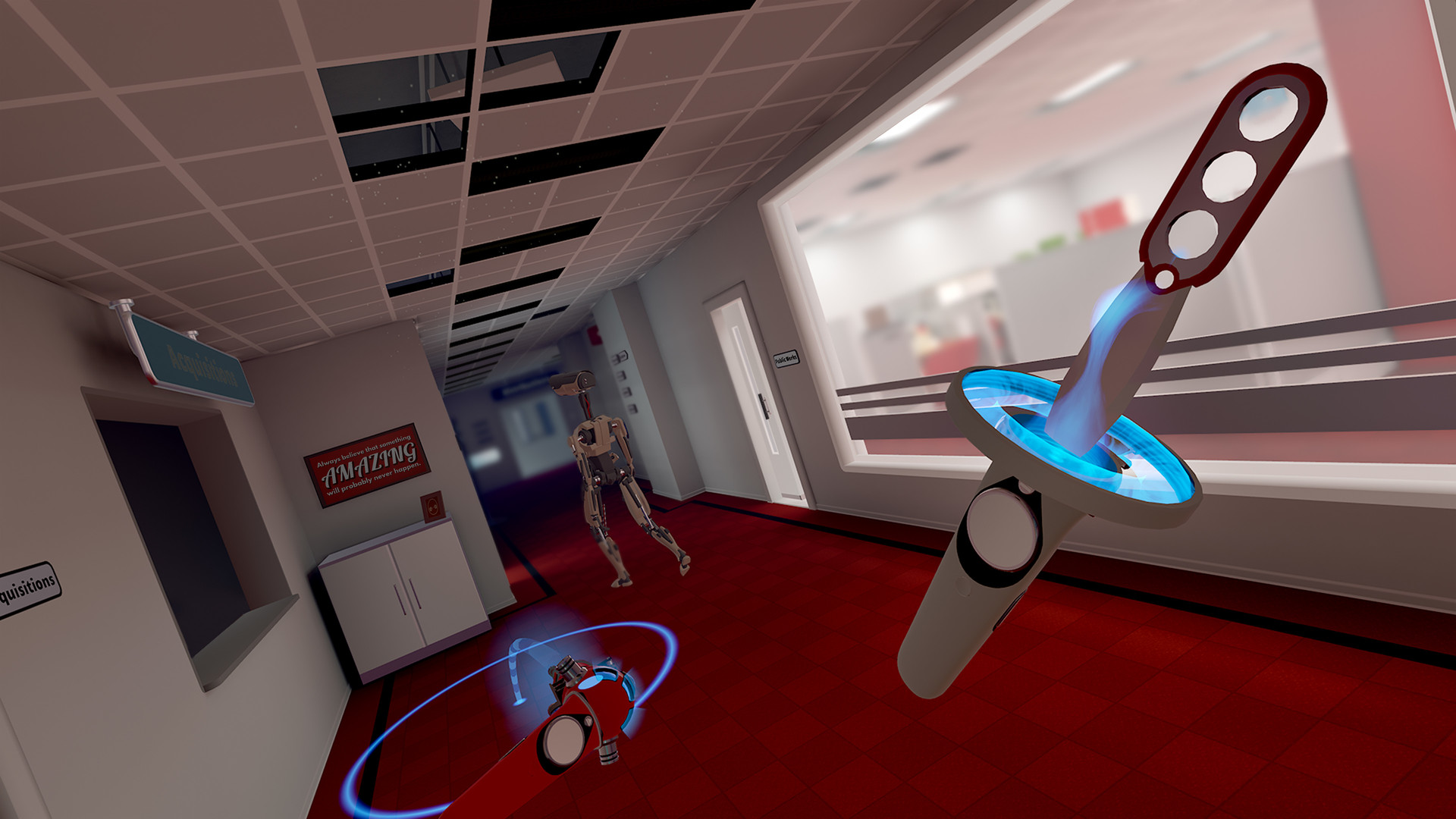
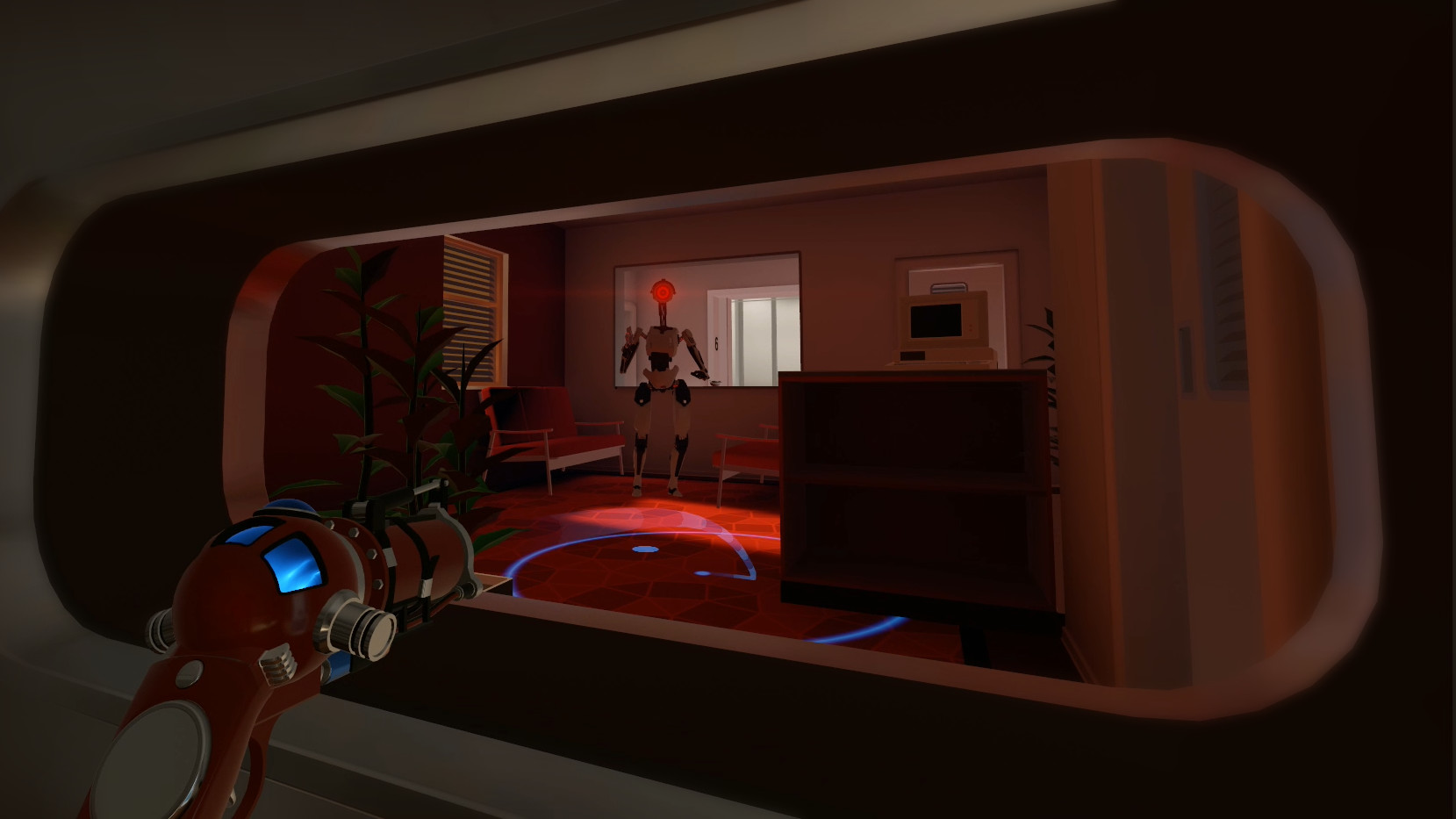
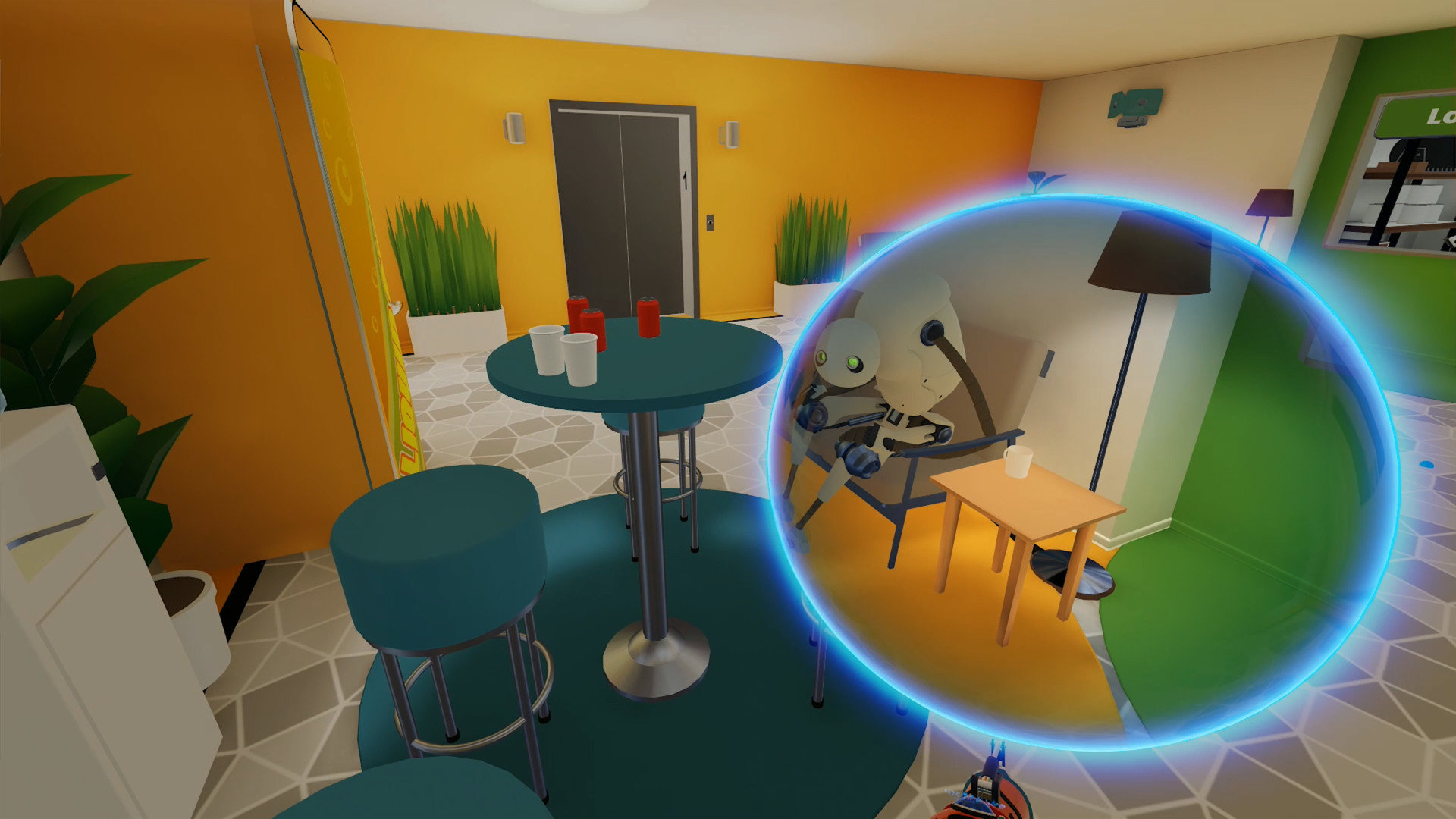
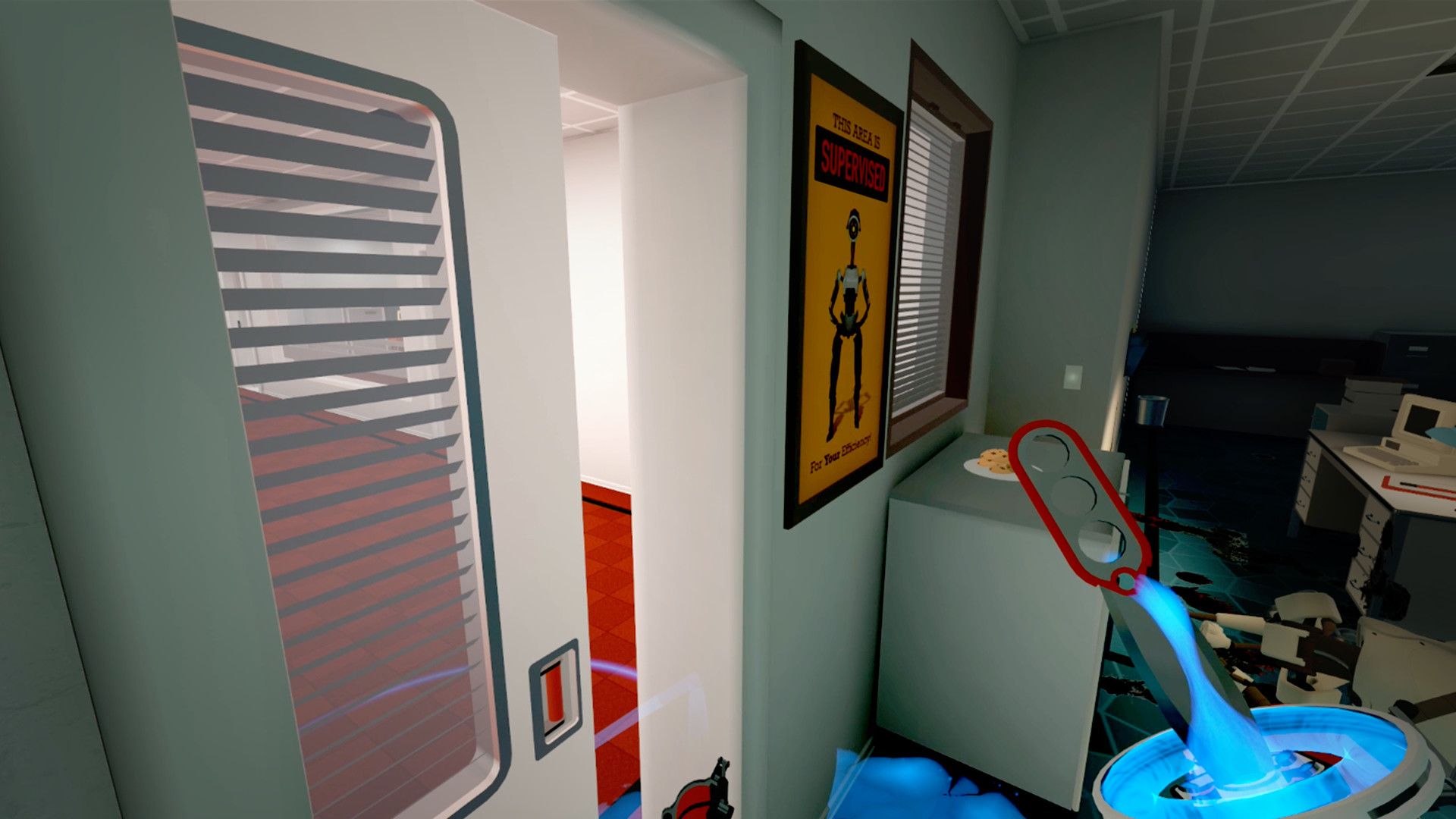
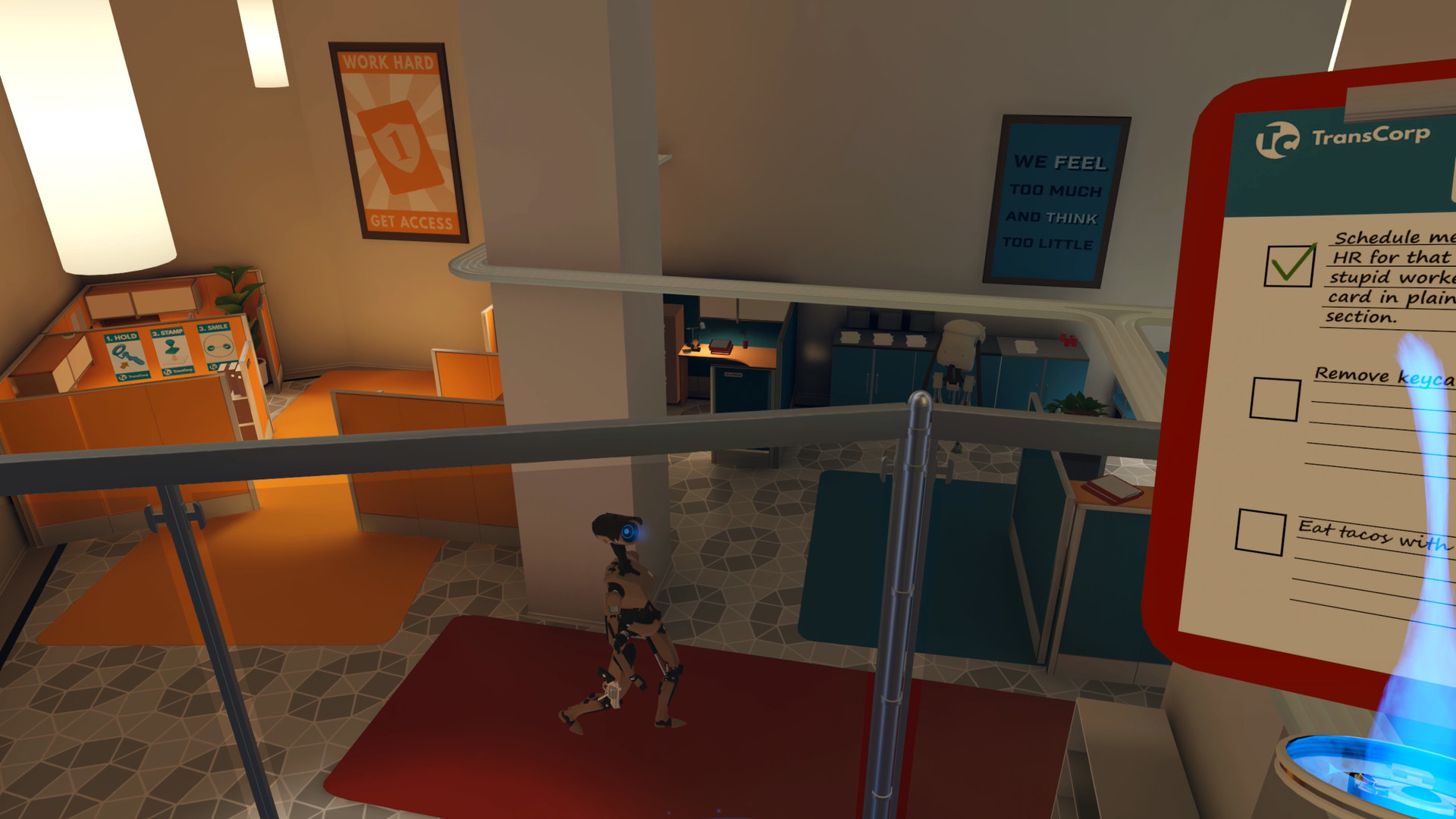
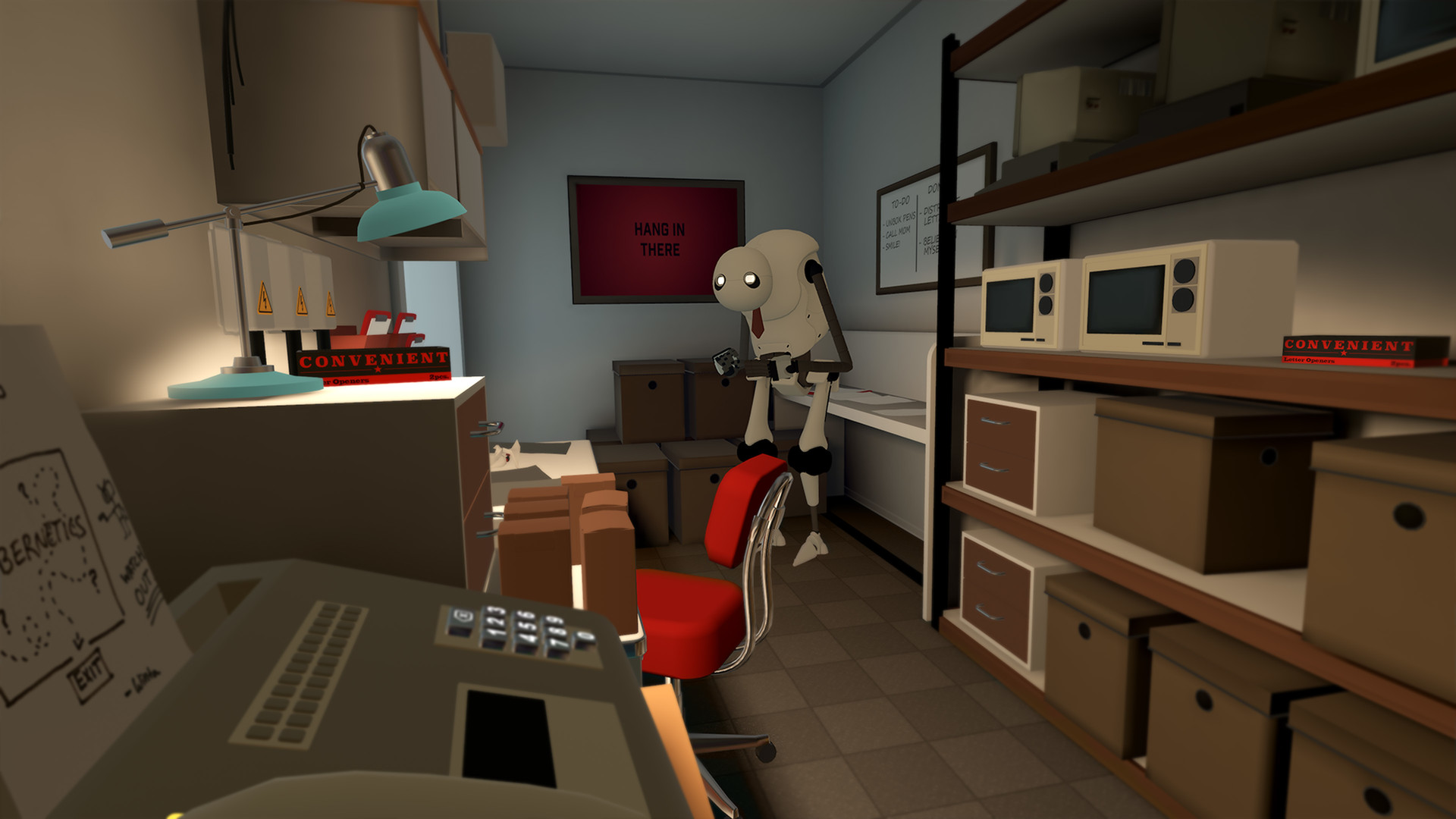
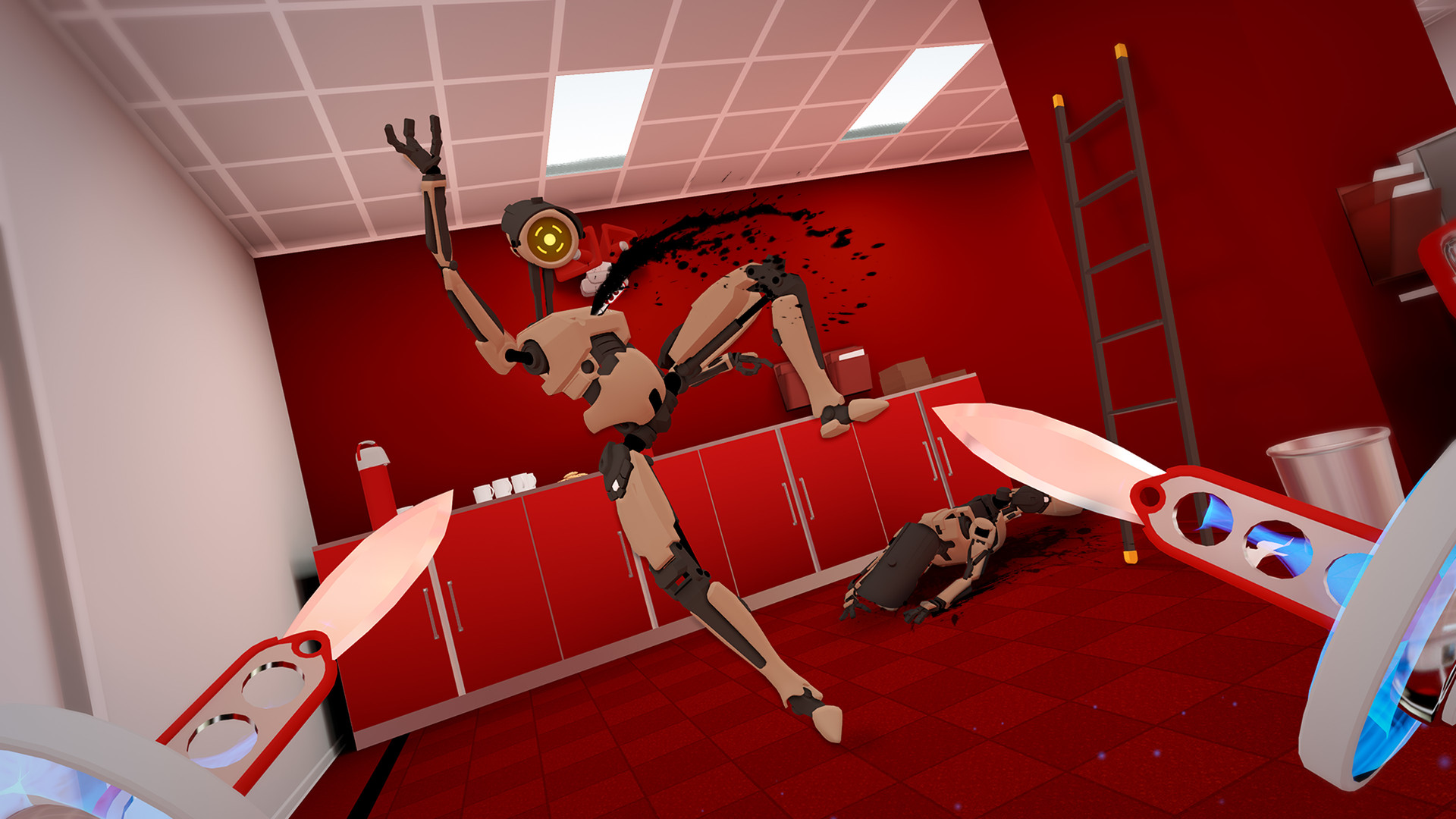
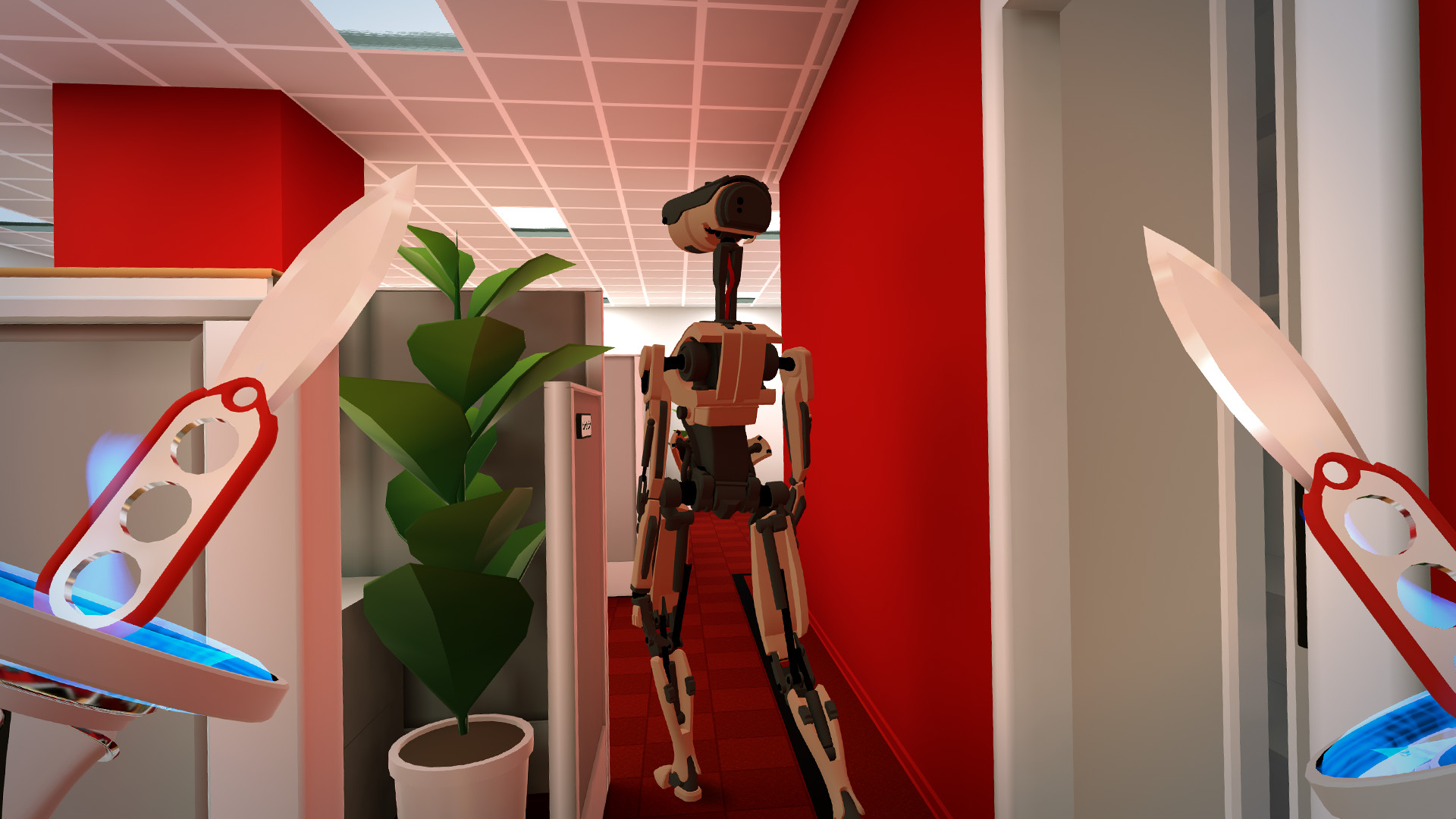
Get an in-depth look at Budget Cuts through various videos and screenshots.

Load More

System requirements
These are the minimum specifications needed to play the game. For the best experience, we recommend that you verify them.
Windows
- OS *: Windows 7 SP1 or newer
- Processor: Intel i5-4590 / AMD Ryzen 1500X
- Memory: 6 GB RAM
- Graphics: GeForce GTX 970/1060 or Radeon RX 480
- VR Support: SteamVR. Standing or Room Scale
Steam Price & Best Deals
User reviews & Ratings
Explore reviews from Steam users sharing their experiences and what they love about the game.
Budget Cuts is a distinctive virtual reality stealth game that turns the dull routines of corporate office life into an entertaining struggle for survival. Developed by Neat Corporation and published by Neat Corporation together with Creature Label, the game was released in 2018 and was designed specifically around VR rather than adapting conventional first-person gameplay to a headset. Its combination of stealth, physical interaction, dark humor, science-fiction satire, and sudden bursts of combat gives it an identity that remains easy to recognize among VR titles. The player assumes the role of an employee working for TransCorp, a massive corporation where mundane responsibilities include stamping papers and filing documents. Unfortunately, the company specializes in producing robots designed to cut expenses, and human employees have become part of the budget that management intends to eliminate. This simple premise provides an effective foundation for the game's humor and dystopian atmosphere. The ordinary office environment becomes threatening once robotic security begins hunting the player, transforming cubicles, corridors, ventilation systems, and departmental workspaces into areas that must be navigated cautiously. The centerpiece of the gameplay is the TransLocator, a teleportation device used to move around the company's facilities. Instead of treating teleportation as nothing more than a VR locomotion solution, Budget Cuts integrates it directly into stealth and exploration. Players can examine potential destinations, reposition themselves around patrols, reach concealed areas, and plan routes through hostile territory. This makes movement feel like part of the puzzle. Observing an enemy's position and determining where to teleport next can be just as important as having quick reactions during combat. Stealth is especially effective because VR gives simple actions an unusual amount of physical involvement. Looking around corners, hiding behind structures, checking rooms before entering, and keeping track of nearby robots feel more immediate when performed through natural head and body movements. The game frequently creates tension without requiring elaborate horror techniques. Hearing or spotting a robot nearby can be enough to make crossing an otherwise ordinary office corridor stressful. The colorful visual presentation and comedic premise keep the experience from becoming overwhelmingly frightening, but the sense of vulnerability remains convincing. Players are not limited to avoiding enemies. Combat provides a deliberately chaotic alternative, with knives becoming one of the game's signature weapons. Throwing them at robots is entertaining because the physical motion required by VR makes attacks more personal and unpredictable than simply pressing a conventional attack button. Players can attempt carefully controlled stealth runs or abandon subtlety when circumstances deteriorate. The contrast between cautious infiltration and frantic robot destruction gives encounters considerable personality, particularly when an initially clever plan collapses into improvisation. The office environments complement these mechanics effectively. Air vents can provide hiding opportunities, corners can conceal approaching threats, and rooms can become temporary safe zones or dangerous traps depending on enemy positions. The corporate setting also strengthens the satire. Budget Cuts takes recognizable ideas surrounding workplace automation, cost reduction, bureaucracy, and employee disposability and exaggerates them into a ridiculous science-fiction nightmare. The title itself neatly summarizes both the corporation's philosophy and the reason the protagonist is in danger. The robotic opponents are important to maintaining the balance between comedy and menace. Their mechanical appearance allows combat to remain exaggerated, complete with oil-splattered confrontations, while their patrol behavior makes them threatening enough to encourage careful movement. The game can consequently shift from amusing workplace parody to genuine suspense within moments. Its violence and frequent use of knives also explain why the developers caution against the game being played by younger children. Beyond the main adventure, Budget Cuts includes the Budget Cuts Arcade content as part of the base game. This addition expands replayability with four bonus levels, additional difficulty choices, and an arcade-oriented mode built around achieving high scores. These features work particularly well once players have mastered the fundamentals. Early sessions may involve cautious experimentation with movement and throwing mechanics, whereas experienced players can approach environments with greater speed and confidence. The inclusion of 30 Steam achievements provides another incentive for completionists to explore beyond a straightforward campaign playthrough. There are some limitations. Budget Cuts is a VR-only experience, meaning appropriate hardware is essential. Its reliance on physical interaction and teleportation also means players accustomed to smooth conventional first-person movement may require an adjustment period. Throwing objects in VR can occasionally produce results that differ from what the player intended, and repeated stealth encounters may become less intimidating once enemy behavior and environmental patterns are understood. The game's appeal therefore depends heavily on whether the player enjoys methodical movement, experimentation, and physical VR mechanics. Even with these considerations, the game's greatest achievement is how naturally its individual elements support one another. Teleportation contributes to stealth, VR strengthens spatial awareness, office architecture creates hiding opportunities, robots reinforce the automation theme, and physical combat provides an energetic contrast to careful infiltration. Very little about the central concept feels arbitrarily attached. The mechanics largely exist because they complement the setting and the type of experience Neat Corporation wanted to create. Budget Cuts ultimately succeeds as both an entertaining stealth adventure and an example of game design constructed specifically for virtual reality. Its corporate satire is amusing, its robots can be surprisingly intimidating, and its teleportation system gives exploration a tactical quality that distinguishes it from ordinary first-person games. Some mechanics reflect the experimental nature of earlier VR development, and the hardware requirement naturally limits accessibility, but the underlying concept remains imaginative and engaging. Players interested in stealth, physical interaction, environmental problem solving, humorous science fiction, and unconventional VR combat should find plenty to appreciate in TransCorp's dangerously efficient workplace. Rating: 8/10
A fun game which utilizes VR mechanics well. now there are a few places were finding out what to do is difficult or the game is exsessivly hard, but the game is great regardless. hiding under desks is scary and fun in VR, hitting an enemy is difficult and rewarding. it does a good job at keeping you one your toes, and kept my heart racing.
VR games are a dying species so I wont criticise it too hard, but budget cuts is definitely showing its age. Its still fine, it still functions and for VR that’s really all you can ask for I suppose. At the very least its a interesting game mechanically and if under the right conditions can be exceptionally enjoyable. It's just a shame it has some iffy compatibility and accessibility issues and being long abandoned I doubt we will see them resolved.
Similar games
View all

Jet Island
Slide anywhere on your hoverboard at extreme speeds! Explore the massive open world of Jet Island! Learn to skate on any surface, swing from tall buildings, fly in ways you never knew were possible! Defeat the 4 giant boss fights! Get ready to experience complete freedom in VR!

Windlands 2
Windlands 2 is a built-for-VR fantasy action adventure game, use grappling hooks and a bow to explore the vast mysterious world to take down gigantic titans alone or with friends.

Vertigo Remastered
An immersive story-driven shooter incorporating the cutting edge of VR gameplay, Vertigo Remastered is a complete overhaul and occasional reimagining of the 2016 original.
ARAYA
ARAYA is a first person horror game. Players will get a new thrilling experience inside a Thai hospital. The story will be told from the perspectives of 3 different characters. Players will explore different areas of the hospital in order to piece together the mysterious murder case of Araya.

Home - A VR Spacewalk
Home puts you at the center of the story, taking you on an emotional and personal journey while delivering beautiful, heart-stopping, and memorable moments.

Hover Junkers
Engage in multiplayer VR gunfights that capture real gun play like no FPS you've played before. Pilot and fortify Hover Junkers as you physically walk, duck, dodge and aim in cross ship combat.

Accounting+
Accounting+ is a NIGHTMARE ADVENTURE COMEDY. Experience classic virtual reality gameplay: clean up your office, take the battery out of the cooling machine, play the skeleton xylophone, and summon thousands upon thousands of demons.


The Last Tinker : City of Colors
The Last Tinker is a joyous action adventure and definitely no platformer, as there is no jump button. Koru, a boy from the slums of Colortown, must rise and stand against the Bleakness, a dark force intent on wiping out joy. Koru must use color and emotion to restore life to Colortown!
The Brookhaven Experiment
The Brookhaven Experiment has terrified players and creators like Jacksepticeye and Markiplier. A VR shooter classic with bone-chilling atmosphere and easy-to-master controls it is a perfect experience to share with friends and family. Face down waves of horrifying monsters in VR’s scariest shooter!

The Talos Principle VR
The Talos Principle VR is a virtual reality version of Croteam's critically acclaimed first-person puzzle game in the tradition of philosophical science fiction.
Frequently Asked Questions
Budget Cuts is currently priced at 11.83€ on Steam.
Yes, Budget Cuts is currently available at a 20% discount. You can purchase it for 11.83€ on Steam.
Yes, Budget Cuts received 1,483 positive votes out of a total of 1,845 achieving a rating of 7.72.
😊
Budget Cuts was developed by Neat Corporation and published by Neat Corporation and Creature Label.
Yes, Budget Cuts is playable and fully supported on Windows.
No, Budget Cuts is not playable on MacOS.
No, Budget Cuts is not playable on Linux.
No, Budget Cuts is not playable on Steam Deck.
This information about Budget Cuts is not available yet.
Yes, Budget Cuts is a VR-only title. A compatible VR headset is required to play the game.
Budget Cuts is a single-player game.
No, Budget Cuts does not currently offer any DLC.
No, Budget Cuts does not support mods via Steam Workshop.
No, Budget Cuts does not support Steam Remote Play.
Yes, Budget Cuts is enabled for Steam Family Sharing. This means you can share the game with authorized users from your Steam Library, allowing them to play it on their own accounts. For more details on how the feature works, you can read the original Steam Family Sharing announcement or visit the Steam Family Sharing user guide and FAQ page.
You can find solutions or submit a support ticket by visiting the Steam Support page for Budget Cuts.
Data sources
The information presented on this page is sourced from reliable APIs to ensure accuracy and relevance. We utilize the Steam API to gather data on game details, including titles, descriptions, prices, and user reviews. This allows us to provide you with the most up-to-date information directly from the Steam platform.
Additionally, we incorporate data from the SteamSpy API, which offers insights into game sales and player statistics. This helps us present a comprehensive view of each game's popularity and performance within the gaming community.
Last Updates| Steam data | 16 September 2026 04:17 UTC |
|---|---|
| SteamSpy data | 15 October 2026 11:12 UTC |
| Steam price | 26 October 2026 20:06 UTC |
| Steam reviews | 22 October 2026 07:53 UTC |
If you'd like to dive deeper into the details about Budget Cuts, we invite you to check out a few dedicated websites that offer extensive information and insights. These platforms provide valuable data, analysis, and user-generated reports to enhance your understanding of the game and its performance.
- SteamDB - A comprehensive database of everything on Steam about Budget Cuts
- SteamCharts - Analysis of Budget Cuts concurrent players on Steam
- ProtonDB - Crowdsourced reports on Linux and Steam Deck Budget Cuts compatibility
Game modes
Features
Online players
2
Developer
Neat Corporation
Publisher
Neat Corporation,
Creature Label
Release
14 Jun 2018
Platforms
Clicking and buying through these links helps us earn a commission to maintain our services.