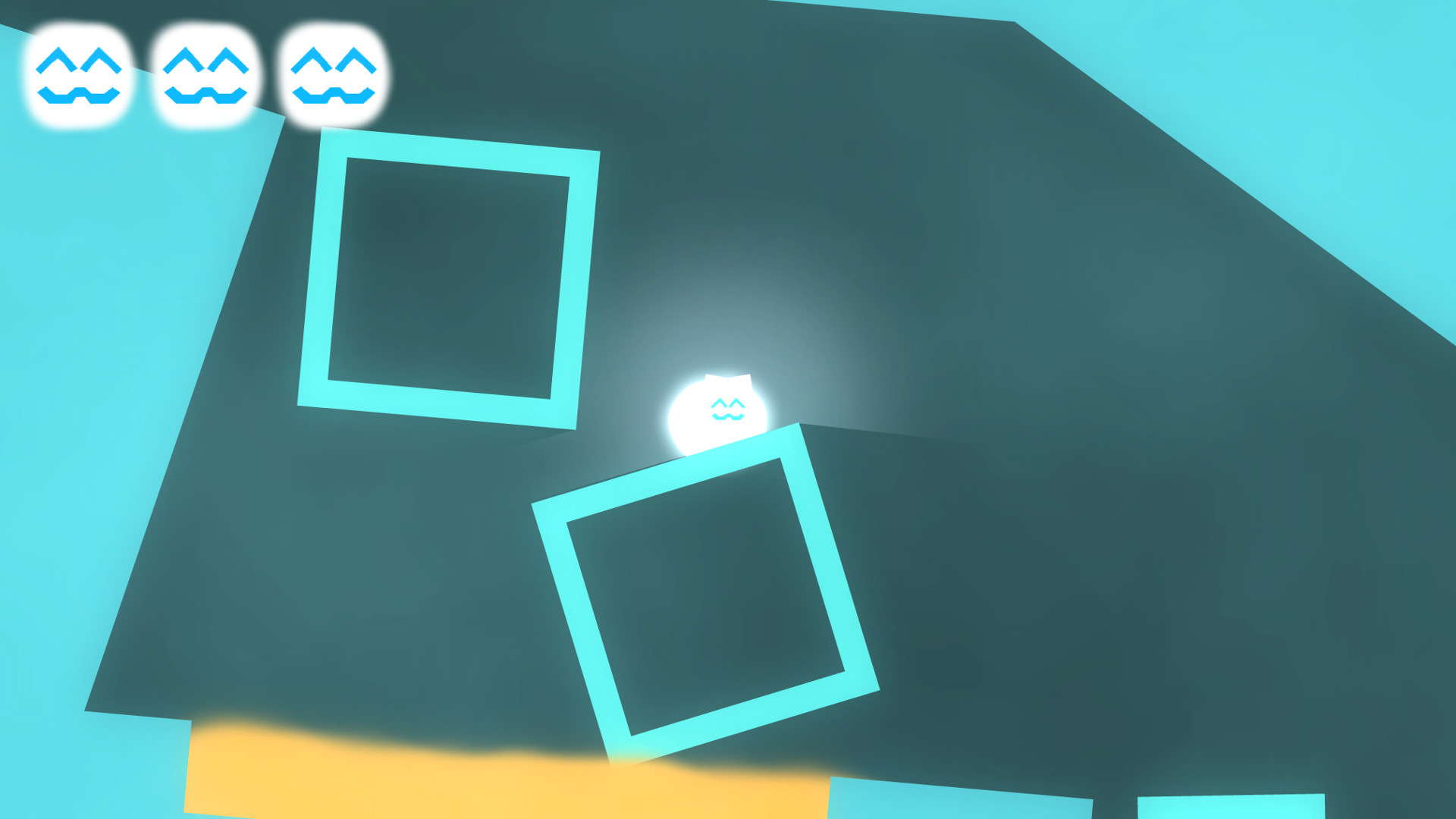
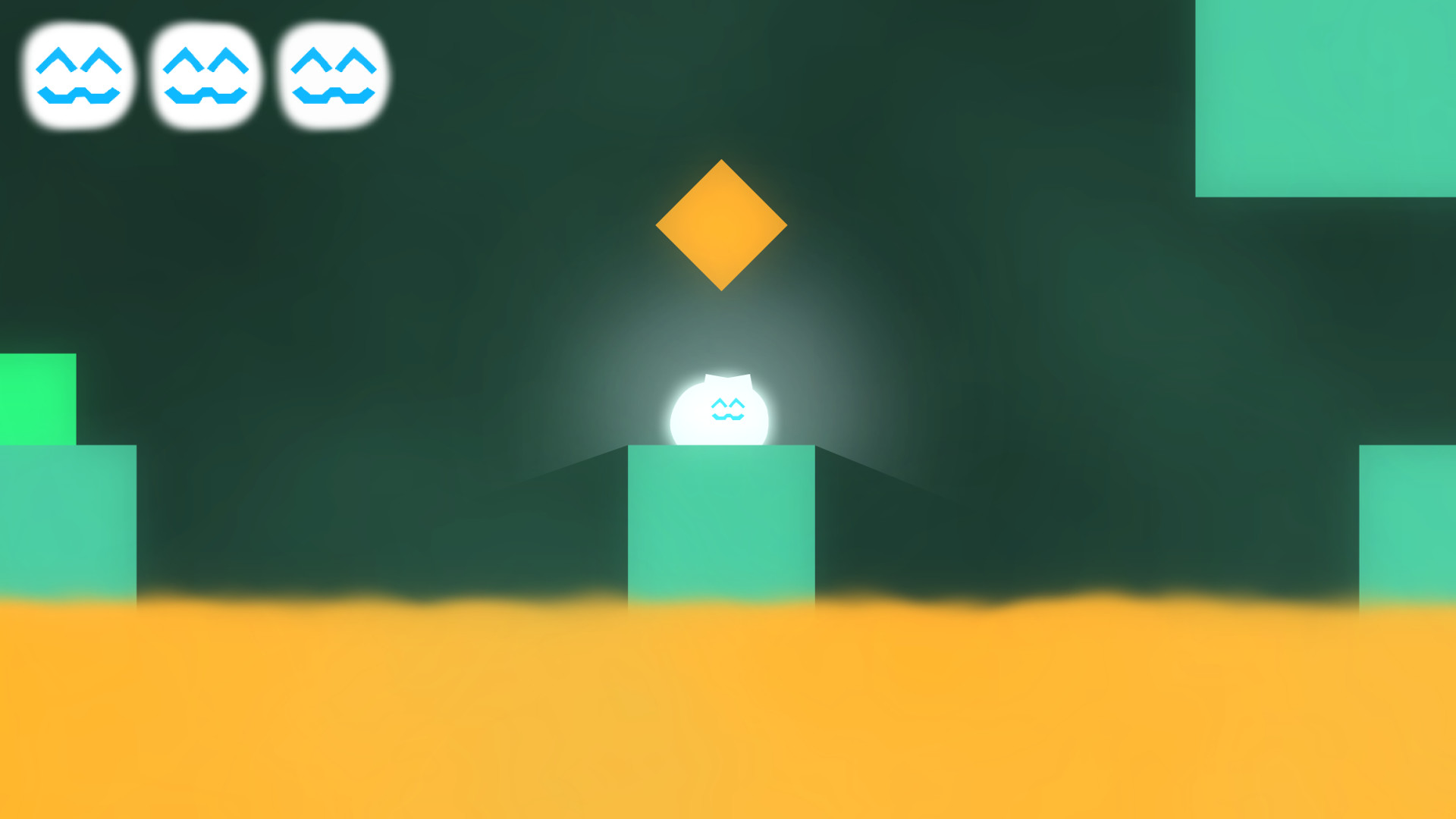
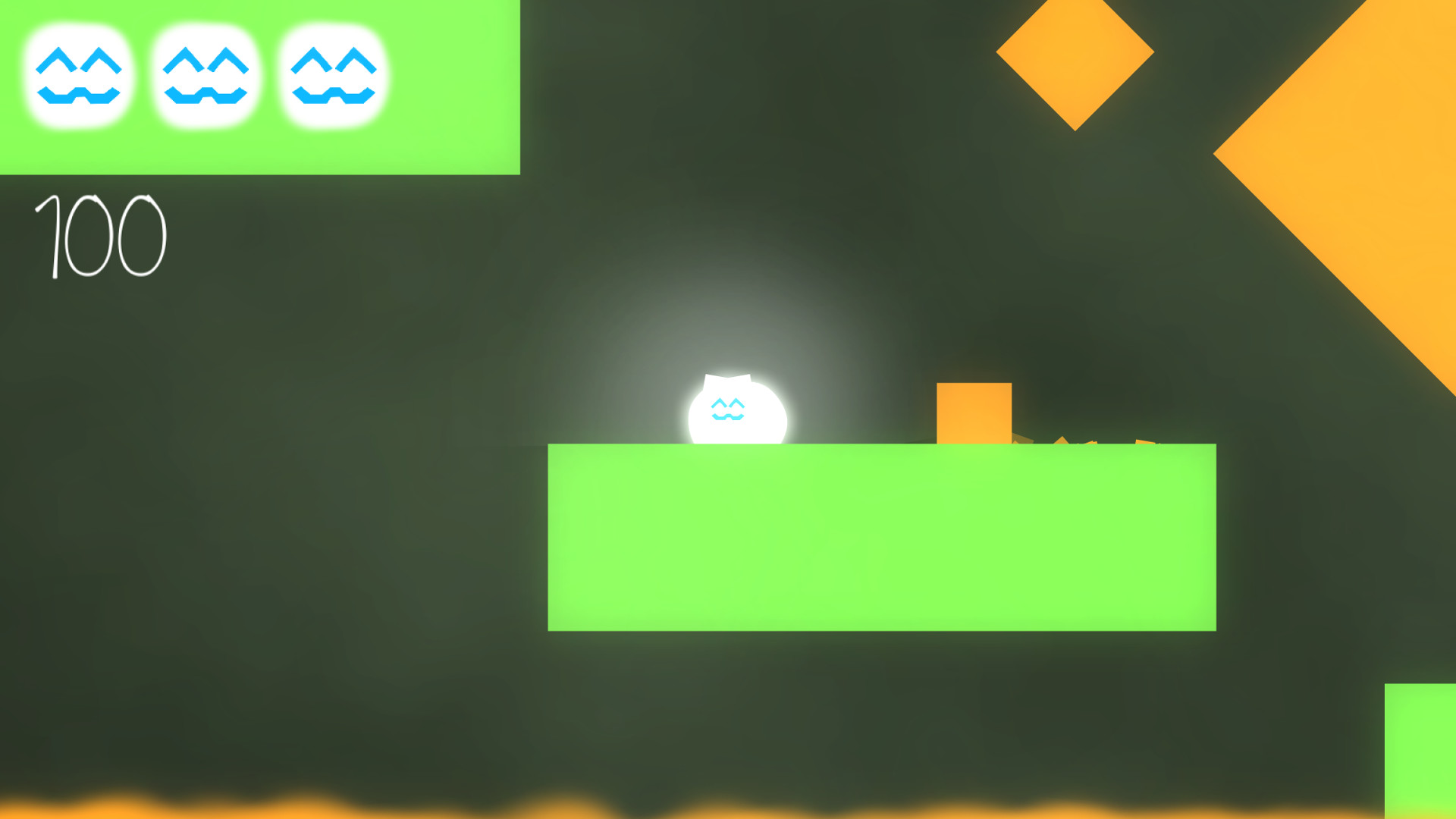
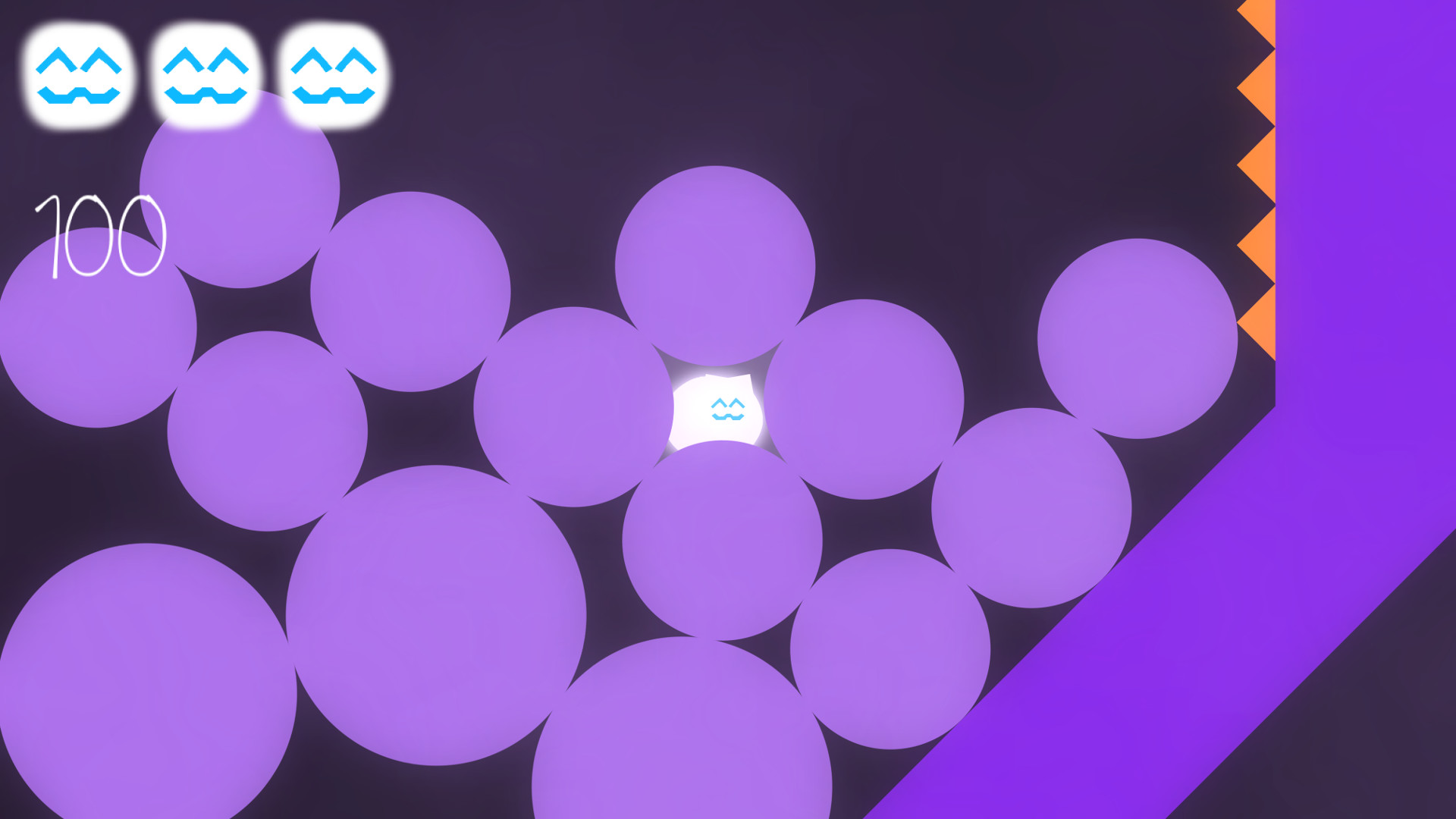
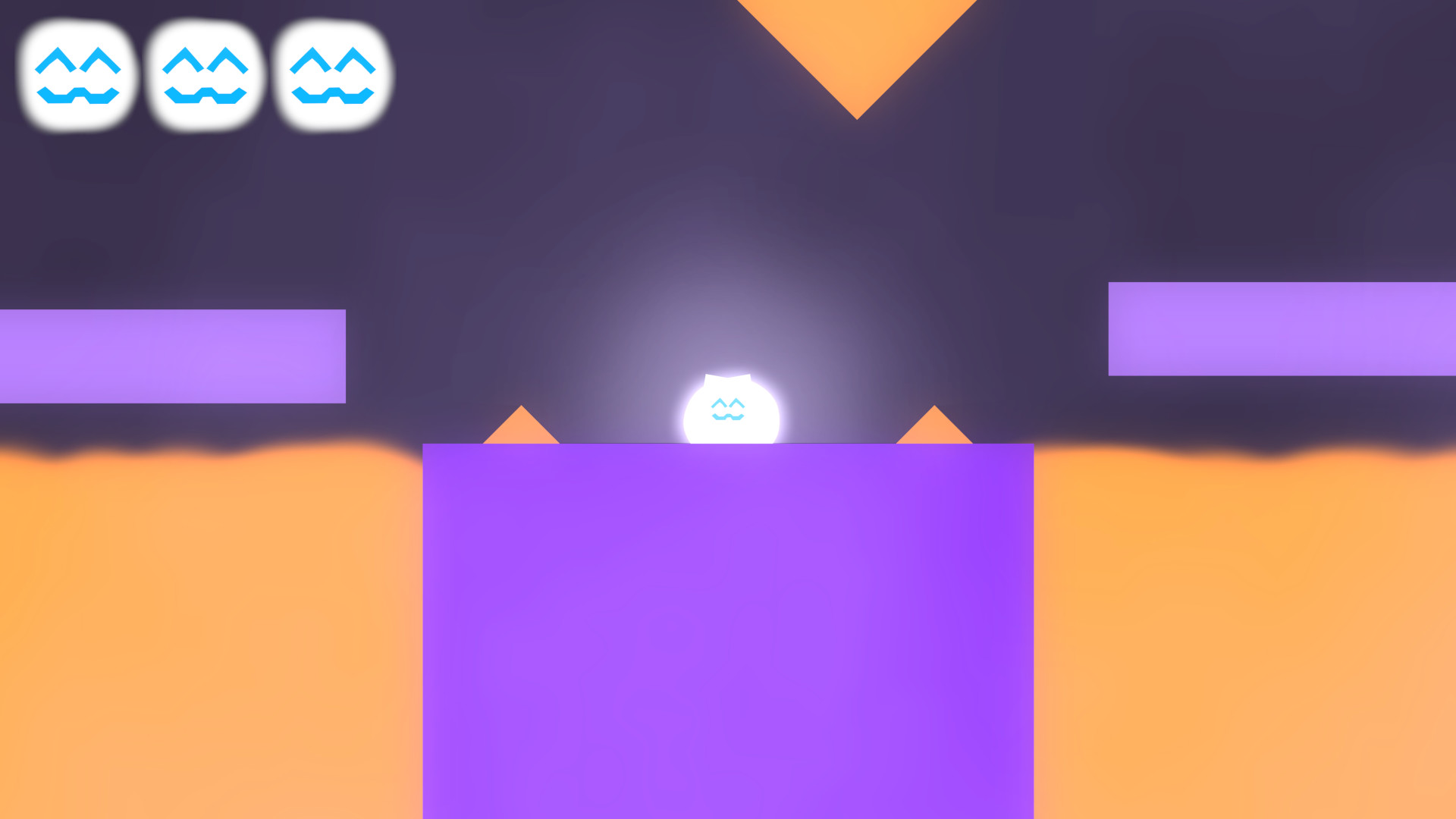
Cats Are Liquid: A Light in the Shadows, developed and published by Last Quarter Studios, is a minimalist yet emotionally layered platformer that blends elegant design with quiet introspection. At first glance, it appears to be a simple puzzle-platforming game starring a cat that can turn into liquid, but beneath its smooth mechanics lies a surprisingly poignant narrative about isolation, identity, and perseverance. The game’s premise is simple but symbolic: you control a cat trapped in a series of rooms, each connected through doors that lead deeper into an unfamiliar, often claustrophobic world. The cat’s liquid form allows her to flow through gaps, cling to walls, and reshape her surroundings in subtle ways, creating a feeling of freedom inside confinement. It’s a clever metaphor wrapped in an engaging mechanical twist, where every movement feels both fluid and deliberate. The gameplay revolves around exploration and momentum, emphasizing flow over precision. The cat’s liquid transformation is more than just a gimmick—it defines how the player perceives the world. Levels are filled with narrow passageways, floating platforms, and environmental puzzles that challenge you to think differently about space and form. You are often encouraged to experiment, to find hidden paths and manipulate your physical state to overcome barriers that initially seem insurmountable. As the game progresses, the cat gains new abilities that expand the range of movement, including the power to create temporary platforms and even summon objects of light. Each new skill feels natural, as though the cat is adapting to her environment, evolving both physically and emotionally. The gradual introduction of these abilities adds variety and maintains a sense of discovery across the game’s many rooms. Visually, Cats Are Liquid embraces simplicity to powerful effect. The clean lines, soft gradients, and muted colors contribute to a dreamlike quality that perfectly complements its tone. The world feels empty but not lifeless, reflective but not sterile. Every level feels like an extension of the cat’s state of mind—calm one moment, oppressive the next. Lighting plays a critical role in shaping mood: soft glows and flickering effects create a sense of fragility, while deeper shadows hint at melancholy. The minimalist art direction allows the focus to remain on the cat’s movements, which are animated with smooth transitions that enhance the illusion of liquid physics. The overall presentation feels cohesive, with every visual element contributing to the sensation of weightlessness and solitude. It’s the kind of atmosphere that invites introspection rather than spectacle. Sound design deepens that emotional resonance. The soundtrack, consisting of delicate ambient music, ebbs and flows like the cat’s movements. It’s soothing and sad in equal measure, evoking the loneliness of being trapped in an endless labyrinth yet hinting at small moments of peace along the way. The sound effects themselves are subtle but effective—soft splashes when you move, faint echoes when you land, and gentle tones that mark transitions between rooms. The silence between these sounds is just as important; long stretches without music allow the player to sit with the emptiness of the environment, making the eventual return of melody feel meaningful. The soundscape reinforces the narrative without ever needing words, proving that emotion can be conveyed through restraint as much as through drama. The story itself unfolds quietly and abstractly, told not through dialogue but through environmental cues and the progression of levels. The more you play, the more you begin to sense that the cat’s journey is not merely physical. The rooms become symbols for memory, fear, and self-discovery. There’s a recurring sense of confinement and release, as though each door you unlock represents a small emotional breakthrough. The game never explicitly tells you why the cat is trapped, but hints suggest that she was created or abandoned by someone, possibly the same person responsible for building the world around her. This subtle narrative thread makes the experience more than just a test of skill—it becomes a quiet meditation on loneliness and resilience. The cat’s liquid nature feels symbolic of emotional adaptability, of learning to move through spaces and situations that seem impossible to escape. Despite its tranquil tone, Cats Are Liquid is not without challenge. Some levels introduce hazards that require precision timing and patience. Spikes, lasers, and collapsing platforms punctuate the calm with moments of tension, ensuring that the experience doesn’t become monotonous. However, the difficulty curve remains fair, with most challenges designed to encourage experimentation rather than punish failure. When you die, you respawn quickly, reinforcing the sense of persistence that defines the cat’s character. This forgiving design encourages exploration and allows the player to remain immersed in the game’s rhythm without frustration. There are moments of trial and error, but they serve the pacing rather than disrupt it. Each level feels handcrafted to teach you something new, whether it’s mastering a new ability or rethinking how you interact with the environment. Narrative interpretation is left deliberately open, and that ambiguity gives the game its lingering emotional impact. Some players interpret it as a story of depression and isolation, others as one of personal growth and self-acceptance. The title itself—A Light in the Shadows—hints at this duality, suggesting that even in the darkest moments, there is something gentle and luminous guiding the cat forward. The ending, subtle and bittersweet, doesn’t offer easy answers. Instead, it invites reflection, leaving players to fill in the emotional blanks with their own understanding. This approach allows the game to transcend its minimalist structure, turning what could have been a small puzzle-platformer into something quietly profound. It’s rare for a game of such modest scope to feel so introspective and human, yet Cats Are Liquid achieves it through tone and suggestion rather than exposition. Technically, the game runs smoothly and makes efficient use of its simple assets. Controls are responsive, and the liquid transformation mechanics feel natural and intuitive. There are occasional quirks—some collision detection inconsistencies and minor bugs—but these never overshadow the overall polish. The pacing is tight, and at around a few hours long, it doesn’t overstay its welcome. Instead, it leaves you with the impression of having experienced a self-contained story that resonates well beyond its short runtime. It’s the kind of game that can be enjoyed in a single sitting but lingers in the mind long after completion. Cats Are Liquid: A Light in the Shadows stands as a quiet testament to the power of simplicity in game design. It proves that emotional storytelling doesn’t require complex graphics or elaborate dialogue—just thoughtful mechanics, atmosphere, and a willingness to let players find meaning for themselves. The game’s mix of graceful motion, understated beauty, and quiet melancholy gives it a rare poetic quality. It’s a journey of movement and reflection, where even the smallest acts—sliding through a gap, reaching a door, touching light—carry metaphorical weight. For players who appreciate introspective games that rely on subtlety rather than spectacle, Cats Are Liquid is an unforgettable experience, one that flows gently but leaves a deep impression once the screen fades to black. Rating: 9/10
Expand the review