

Epic Chef
Get ready to embark on a comedic culinary quest unlike any other as you take on the role of Zest in this story-driven adventure game; from humble beginnings you will build a farm, grow delectable ingredients, craft machinery and cook your way to becoming the most Epic Chef in Ambrosia!
Sync your Steam wishlist to find the lowest game prices instantly. No login required, just paste your Steam profile URL!
⚡ Try Wishlist Radar!
Sync your Steam wishlist to find the lowest game prices instantly. No login required!
⚡ Try Wishlist Radar!
Close

Chinese Street Food Legend on Steam
Quick menu
A heartfelt game where you run a night market stall, cooking kaolengmian (grilled cold noodles). Customers come and go, stopping by to chat and share bits of their lives, joys, frustrations, and everyday struggles. At this little stall, you cook, listen, and keep living an ordinary person’s life.
Chinese Street Food Legend is a cooking, funny and story rich game
developed by HoHo Game Studio
and published by SoloGame.
Released on August 14th 2026 is available only on Windows.
It has received 625 reviews of which 614 were positive and 11 were negative resulting in an impressive rating of 9.1 out of 10. 😍
The game is currently priced at 3.32€ on Steam with a 20% discount, but you can find it for 2.83€ on G2A.
The Steam community has classified Chinese Street Food Legend into these genres:
Media & Screenshots
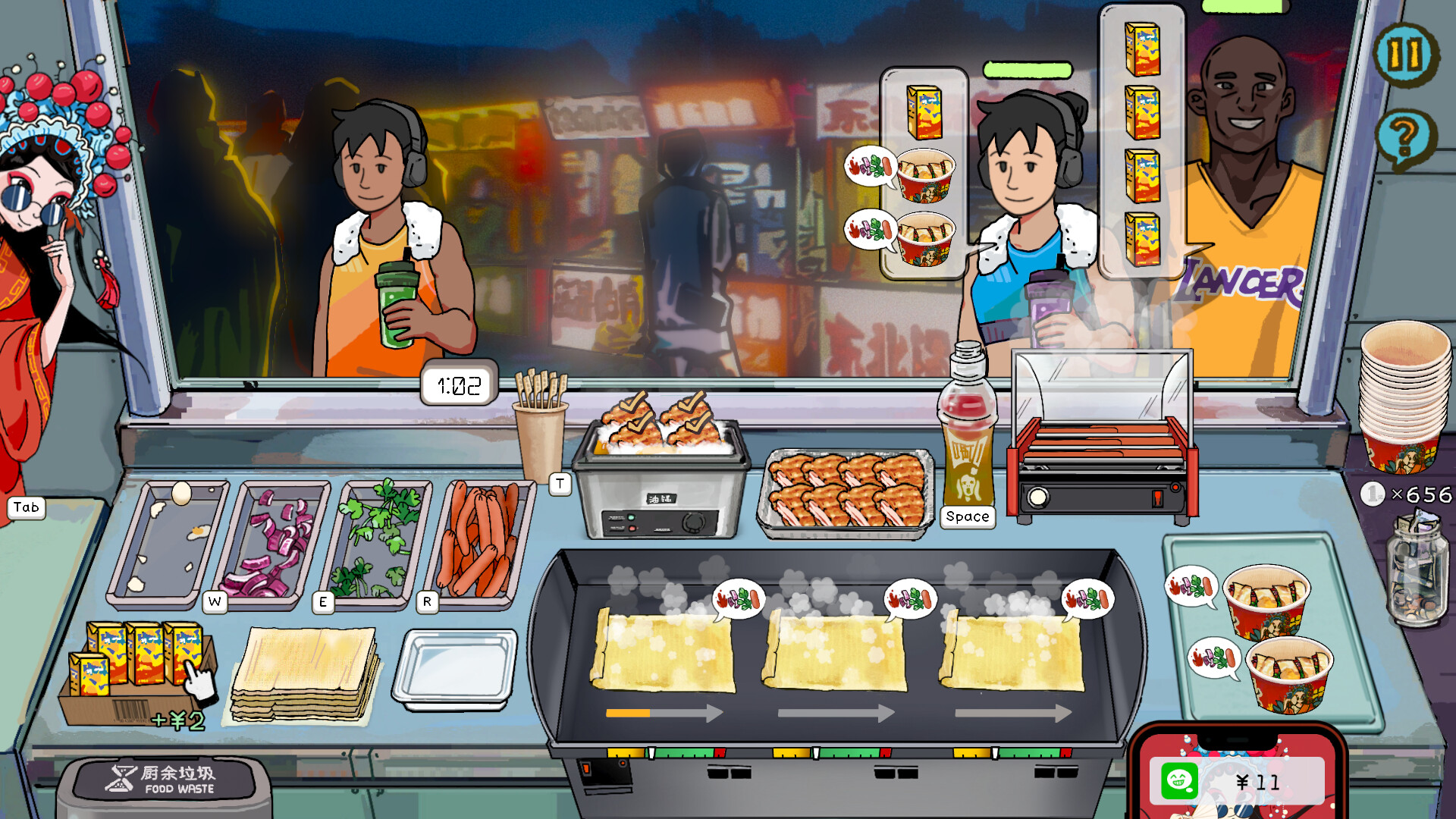
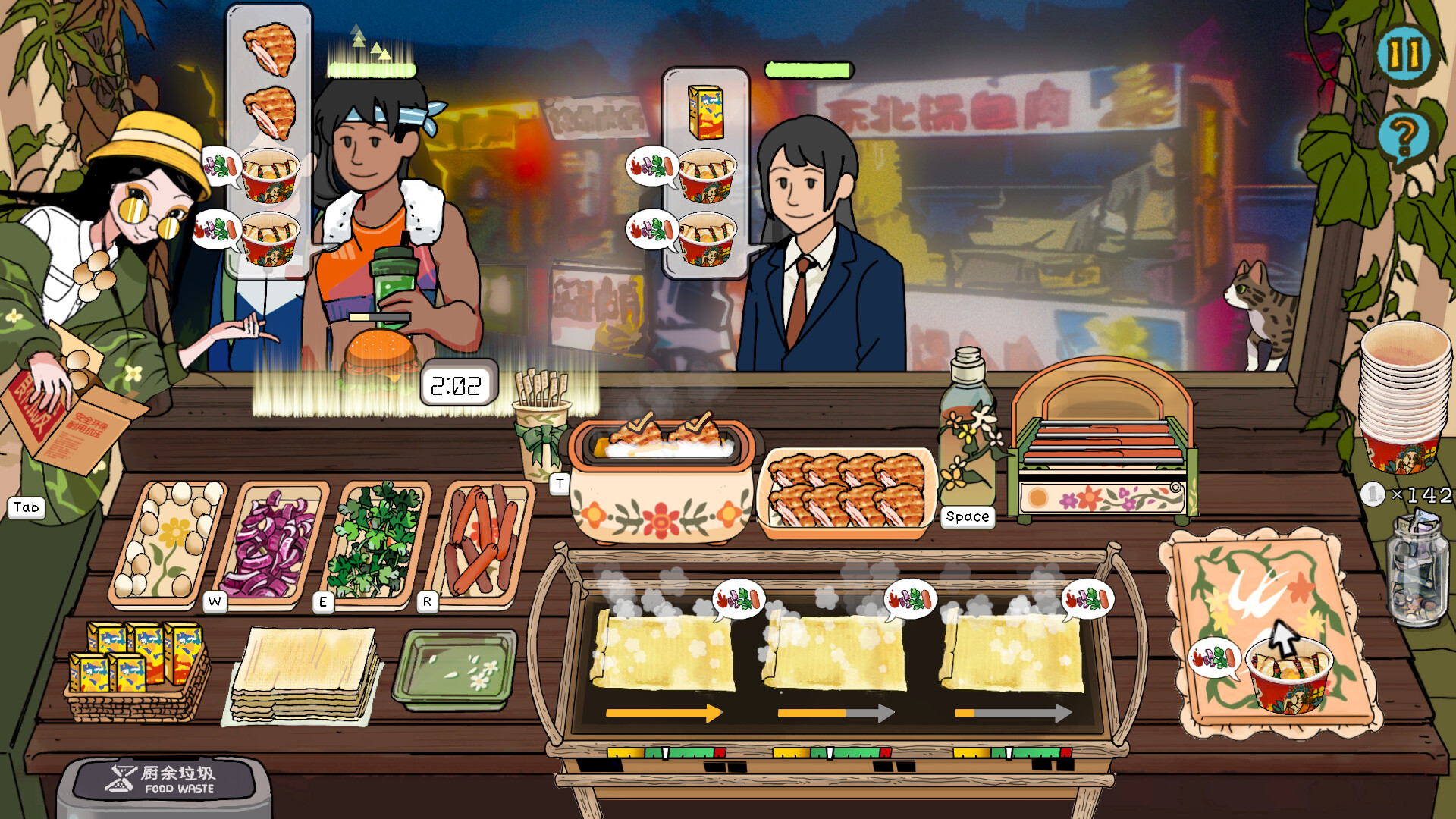
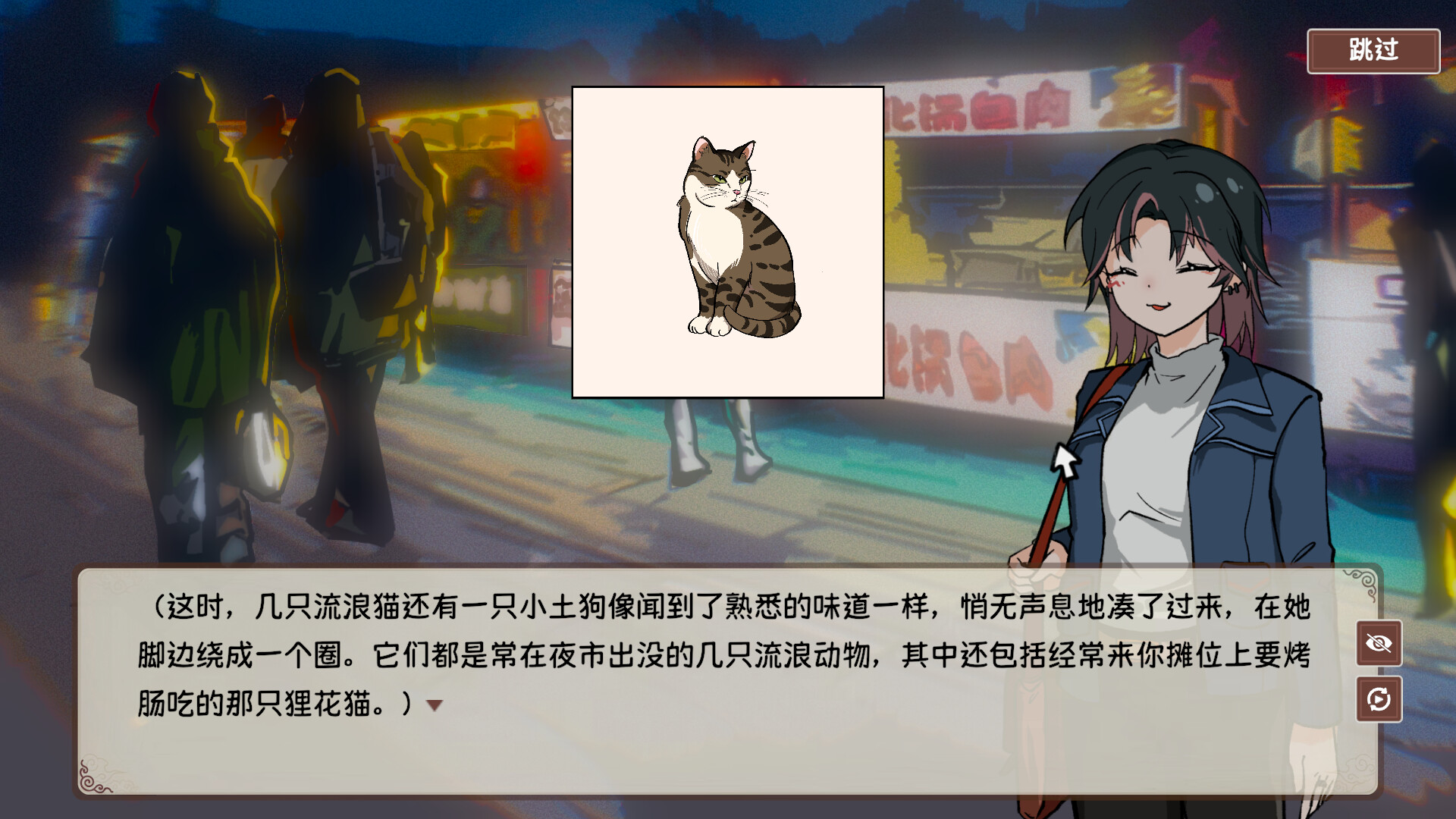
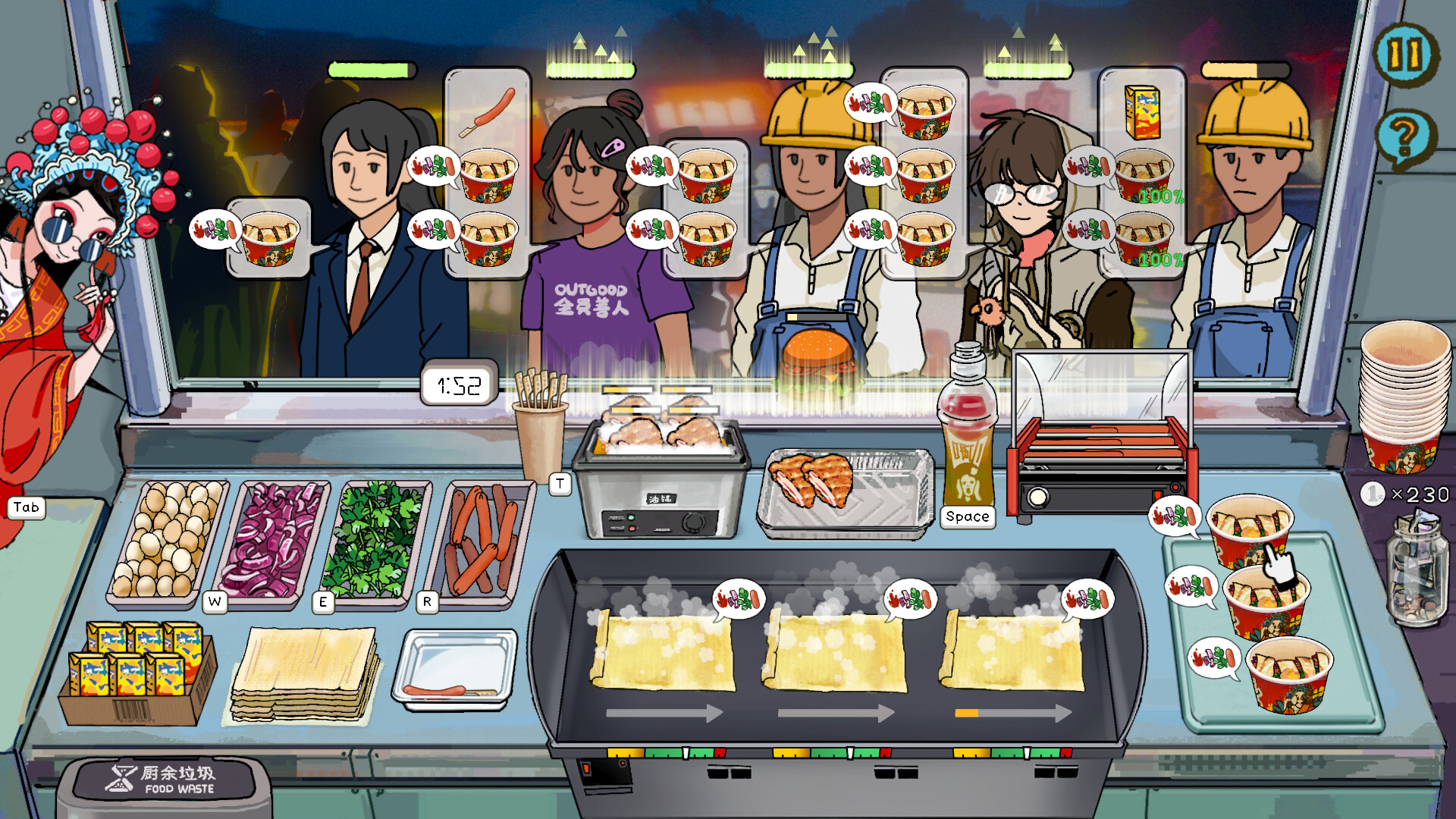
Get an in-depth look at Chinese Street Food Legend through various videos and screenshots.




Load More




System requirements
These are the minimum specifications needed to play the game. For the best experience, we recommend that you verify them.
Windows
- OS: Windows 10
- Processor: i3
- Memory: 500 MB RAM
- Graphics: Geforce 9600 GS
- Storage: 1 GB available space
Steam Price & Best Deals
User reviews & Ratings
Explore reviews from Steam users sharing their experiences and what they love about the game.
I grew up in Beijing, sneaking Kaolengmian into school. Now I'm in the States and haven't had a good Kaolengmian in years. Man, what a pleasant surprise this game is. It hits me with the perfect kind of bitter sweet nostalgia. It's also refreshing being on this side of the food stall. 8/10, solid Good gameplay loop—addicting, somewhat challenging, and relaxing when it becomes a habit. The storylines are excellent episodic storytelling that keep you hooked even after you get used to the gameplay. You'll grow to care for the characters. Customizations and upgrades are also well balanced. Different skins of the stall and Xiaoyan keep it fresh to the eyes. While the upgrades make it easier on the gameplay but never trivialize the challenge. I see potential in the dev team. Keep it up!
I waited for the release of this game! The drawings and sound effects are so cute and cool. It’s an affordable game, too. 5 stars! ⭐⭐⭐⭐⭐ P.S. Milk was such a cute cat. I was touched by your story, Creator! I hope more people will be inspired to adopt and love stray animals. ❤️
Similar games
View all
Frequently Asked Questions
Chinese Street Food Legend is currently priced at 3.32€ on Steam.
Yes, Chinese Street Food Legend is currently available at a 20% discount. You can purchase it for 3.32€ on Steam.
Yes, Chinese Street Food Legend received 614 positive votes out of a total of 625 achieving an impressive rating of 9.13.
😍
Chinese Street Food Legend was developed by HoHo Game Studio and published by SoloGame.
Yes, Chinese Street Food Legend is playable and fully supported on Windows.
No, Chinese Street Food Legend is not playable on MacOS.
No, Chinese Street Food Legend is not playable on Linux.
No, Chinese Street Food Legend is not playable on Steam Deck.
No, Chinese Street Food Legend is not playable on Steam Machine.
No, Chinese Street Food Legend does not support VR.
Chinese Street Food Legend is a single-player game.
No, Chinese Street Food Legend does not currently offer any DLC.
No, Chinese Street Food Legend does not support mods via Steam Workshop.
No, Chinese Street Food Legend does not support Steam Remote Play.
Yes, Chinese Street Food Legend is enabled for Steam Family Sharing. This means you can share the game with authorized users from your Steam Library, allowing them to play it on their own accounts. For more details on how the feature works, you can read the original Steam Family Sharing announcement or visit the Steam Family Sharing user guide and FAQ page.
You can find solutions or submit a support ticket by visiting the Steam Support page for Chinese Street Food Legend.
Data sources
The information presented on this page is sourced from reliable APIs to ensure accuracy and relevance. We utilize the Steam API to gather data on game details, including titles, descriptions, prices, and user reviews. This allows us to provide you with the most up-to-date information directly from the Steam platform.
Additionally, we incorporate data from the SteamSpy API, which offers insights into game sales and player statistics. This helps us present a comprehensive view of each game's popularity and performance within the gaming community.
Last Updates| Steam data | 06 October 2026 14:20 UTC |
|---|---|
| SteamSpy data | 25 September 2026 17:05 UTC |
| Steam price | 07 October 2026 03:25 UTC |
| Steam reviews | 25 September 2026 20:07 UTC |
If you'd like to dive deeper into the details about Chinese Street Food Legend, we invite you to check out a few dedicated websites that offer extensive information and insights. These platforms provide valuable data, analysis, and user-generated reports to enhance your understanding of the game and its performance.
- SteamDB - A comprehensive database of everything on Steam about Chinese Street Food Legend
- SteamCharts - Analysis of Chinese Street Food Legend concurrent players on Steam
- ProtonDB - Crowdsourced reports on Linux and Steam Deck Chinese Street Food Legend compatibility

Game modes
Features
Online players
5
Developer
HoHo Game Studio
Publisher
SoloGame
Release
14 Aug 2026
Platforms
Clicking and buying through these links helps us earn a commission to maintain our services.