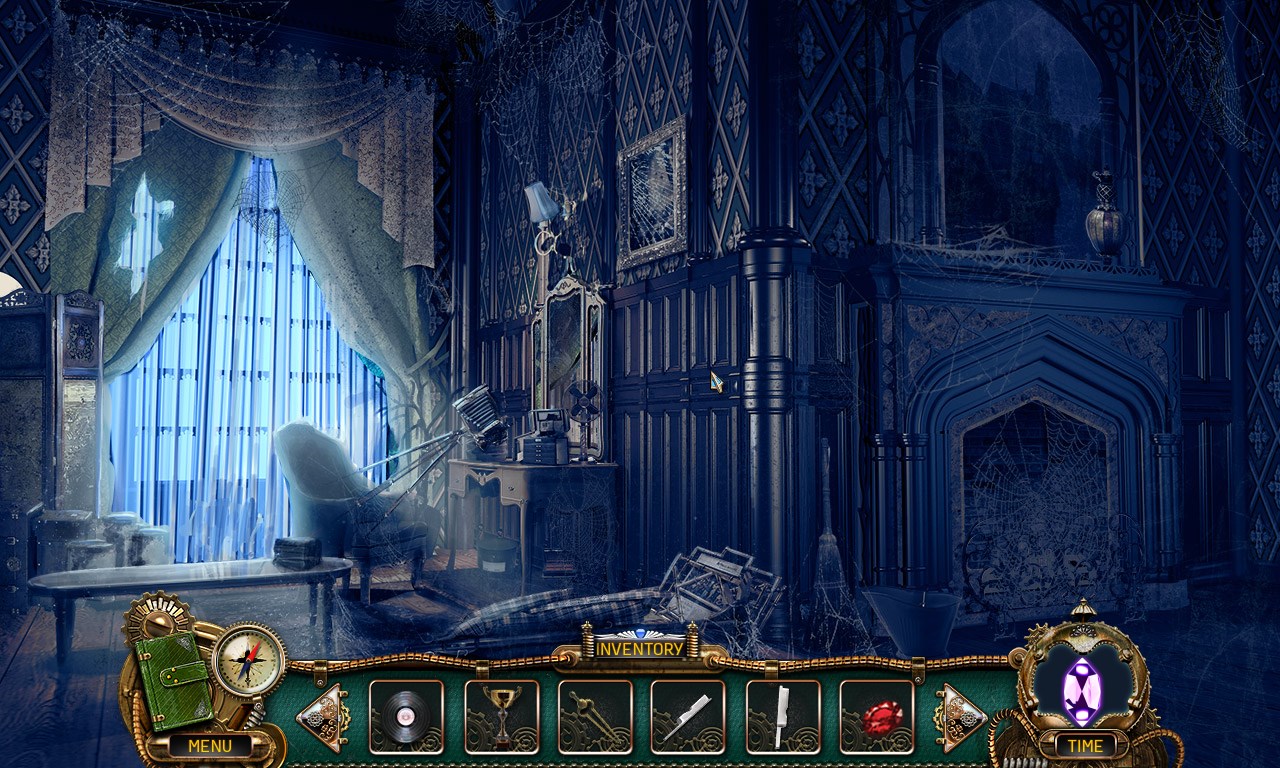
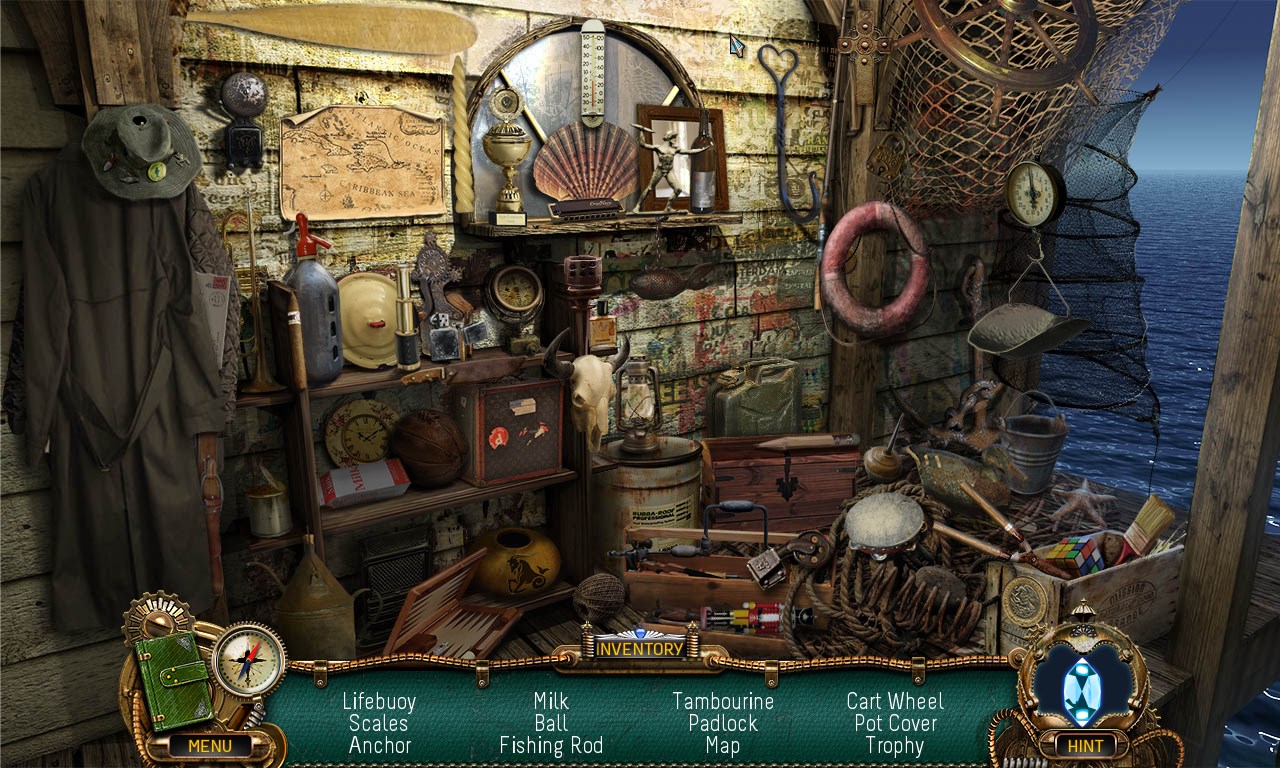
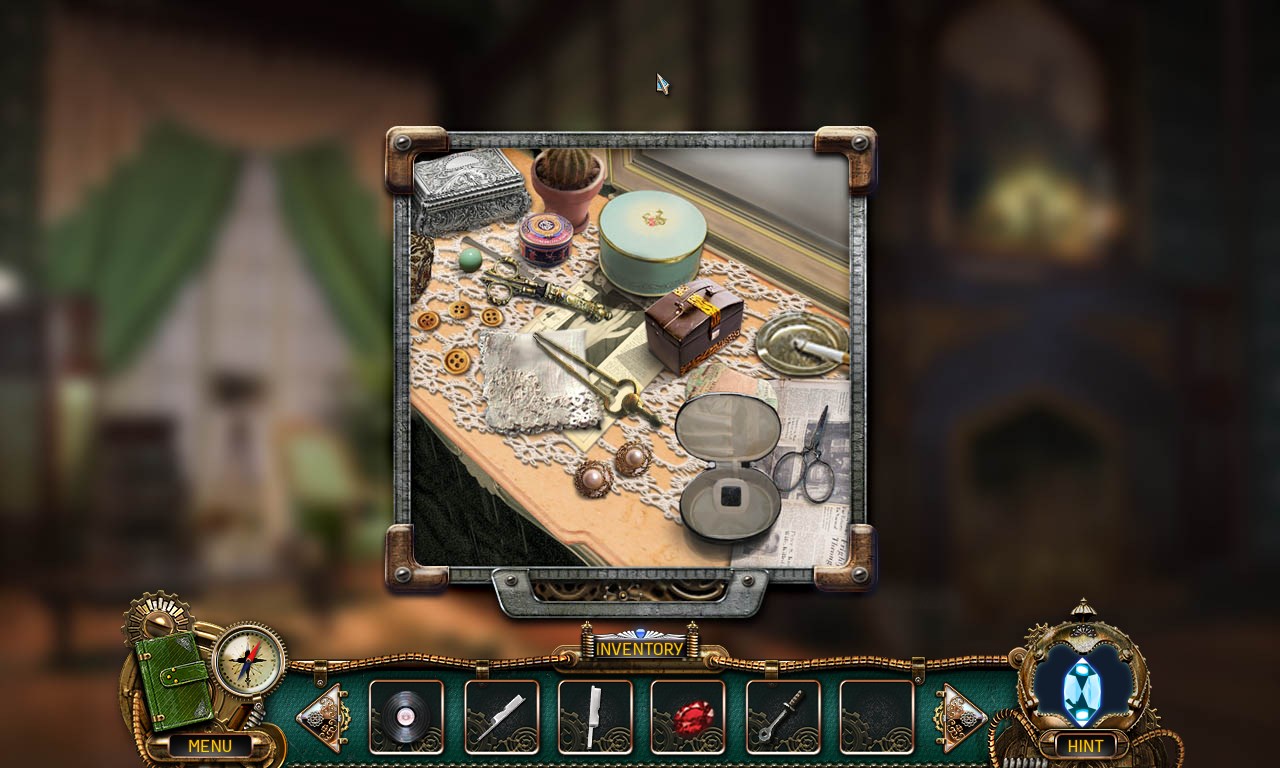
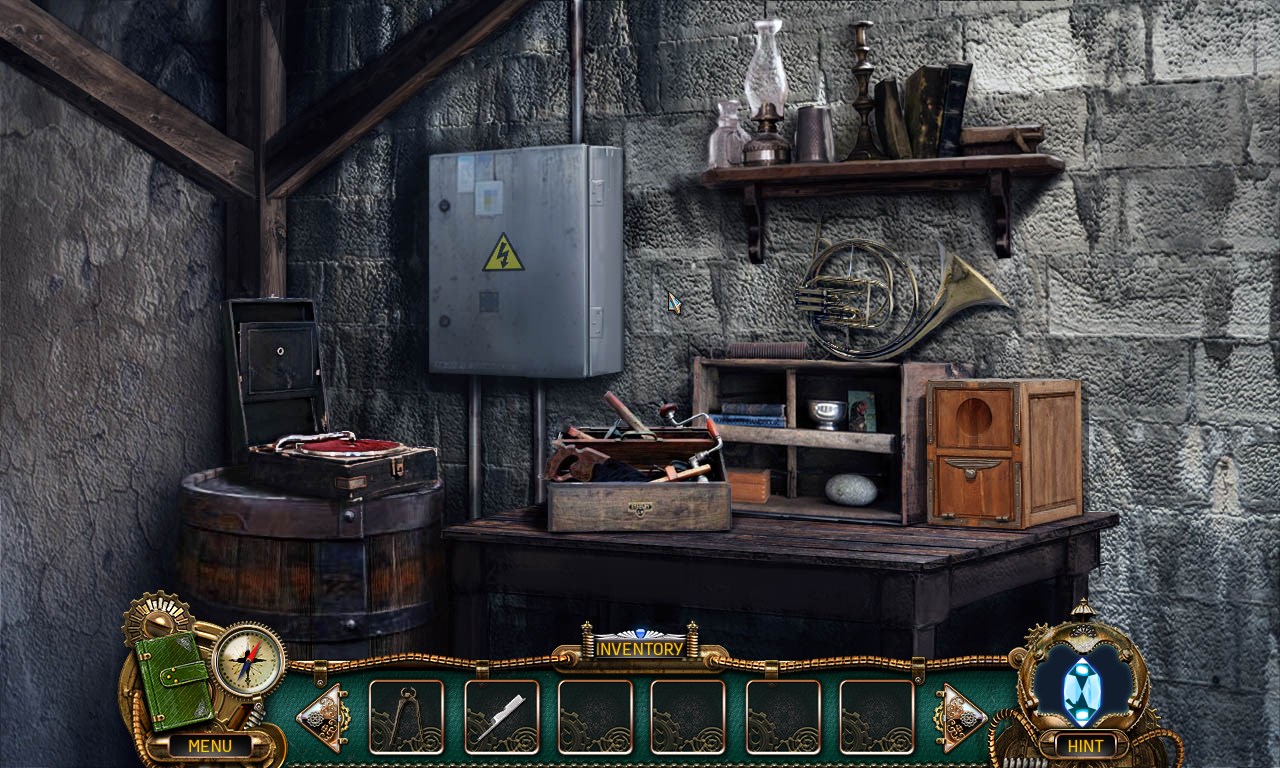
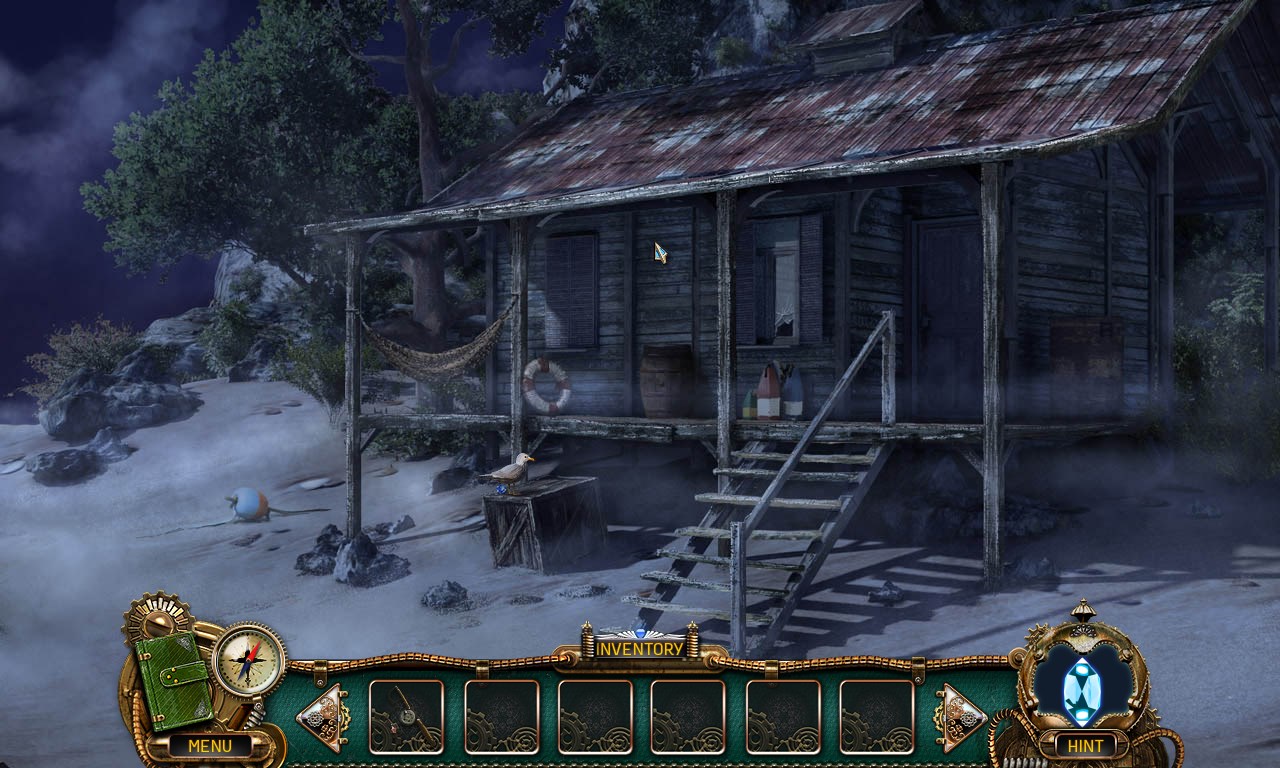
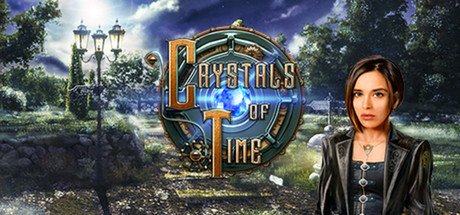
Crystals of Time, developed by RVL Games in collaboration with exosyphen studios and published by exosyphen studios, is a classic point-and-click hidden object adventure that leans heavily on atmosphere, mystery, and the sense of quiet discovery. Released on Steam in 2014, the game invites players into a world of old mansions, forgotten secrets, and temporal paradoxes through the story of Ashley Ford, a skilled thief drawn into a supernatural mystery after her father vanishes. The title’s combination of crime intrigue and time manipulation sets it apart slightly from other hidden object adventures, offering a familiar but well-executed formula that prioritizes exploration and environmental storytelling over fast-paced action. The narrative begins with Ashley being hired for a mysterious job at the ominous Three Oak Mansion, only to uncover a deeper and more personal mystery surrounding her missing father and a powerful crystal that allows her to move through time. This time-travel mechanic is central to both the plot and gameplay, serving as a clever device that allows players to explore multiple eras of the same mansion and uncover how its secrets evolved—or decayed—over centuries. It adds a layer of depth to what might otherwise have been a straightforward investigation, letting the player piece together fragments of history that ultimately connect the past and present. The story moves at a deliberate pace, unfolding through environmental clues, short dialogues, and cutscenes that maintain an air of intrigue without overcomplicating the structure. In terms of gameplay, Crystals of Time adheres closely to the traditional hidden object formula, combining item-hunting scenes with a variety of logic-based mini-games and exploration segments. Players spend most of their time scouring hand-painted environments for key objects needed to solve puzzles or advance the story. The game features over eighty illustrated scenes and more than twenty puzzles, offering enough variety to sustain engagement without becoming overly repetitive. The hidden object segments are well-integrated into the narrative and environments, avoiding the sense of randomness that often plagues the genre. Mini-games, while generally simple, serve as pleasant diversions between exploration sequences, including tasks such as repairing broken mechanisms, decoding symbols, or reconstructing patterns. These puzzles are intuitive enough to keep the pace smooth but occasionally lack the complexity that might satisfy players seeking a tougher challenge. Visually, Crystals of Time excels in creating a consistent and immersive atmosphere. The mansion’s design evokes classic gothic imagery—dimly lit hallways, ornate furniture, and weathered portraits that seem to follow you with their eyes. Each scene is meticulously drawn, with subtle details that reward observation. The muted color palette reinforces the sense of age and mystery, while occasional shifts in lighting and time period add texture to the experience. The sound design complements this visual tone perfectly, using quiet ambient tracks and haunting melodies to immerse players in a mood of slow-burning suspense. The result is a game that feels cohesive and visually inviting, even if its presentation lacks the technical polish of higher-budget titles. However, Crystals of Time is not without flaws. Despite its intriguing premise, the time-travel mechanic is underutilized in gameplay; while it supports the story thematically, it doesn’t significantly alter the structure of the puzzles or exploration. The pacing, though suitable for a relaxed hidden object experience, can sometimes feel sluggish, particularly in backtracking sequences where players revisit familiar areas with minimal new content. The interface, while functional, can be a bit clunky—some object interactions require overly precise clicks, and transitions between scenes are occasionally slow. These small issues accumulate, reminding the player that this is a lower-budget title operating within its limitations. Yet, these shortcomings do not overshadow the game’s charm; rather, they serve as reminders of its indie nature and the genre’s deliberate, unhurried style. The game’s overall length is modest, typically offering around three to four hours of playtime depending on how thorough the player is in searching each scene. For its price point, this duration feels appropriate, providing a concise but complete experience. It’s the kind of game that invites short sessions rather than long marathons, making it ideal for players who enjoy winding down with a relaxing mystery. The accessibility is another plus—the controls are intuitive, the puzzles fair, and the requirements minimal, meaning it can run smoothly on even older systems. While it may not reinvent the genre, it respects its audience by providing exactly what fans of hidden object adventures expect: a polished, atmospheric, and comfortably paced journey through mystery and discovery. Crystals of Time ultimately stands as a solid example of what makes the hidden object genre appealing. It’s a game defined not by complexity or innovation, but by craftsmanship and tone. The combination of its gothic setting, time-travel narrative, and approachable puzzle design creates a gentle rhythm that balances intrigue with relaxation. Ashley Ford’s story may not be groundbreaking, but it provides just enough emotional and thematic weight to keep players invested until the end. For those who enjoy atmospheric mysteries filled with beautiful artwork, soft music, and the satisfaction of piecing together clues at their own pace, Crystals of Time offers an enjoyable and quietly memorable experience. It’s a modest gem in the hidden object library—a reminder that even the smallest adventures can leave a lasting impression when told with care and imagination. Raing: 6/10
Expand the review