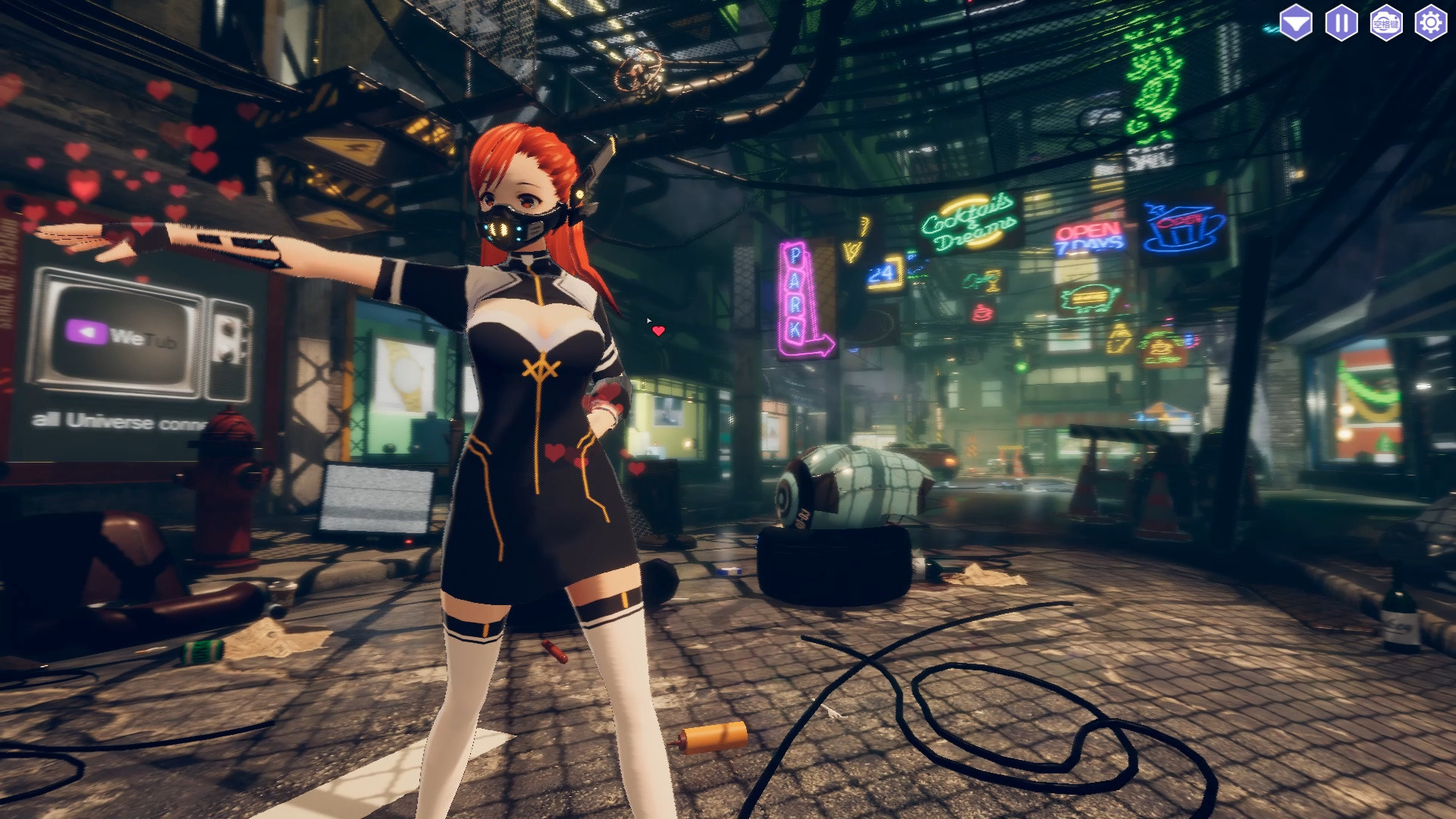
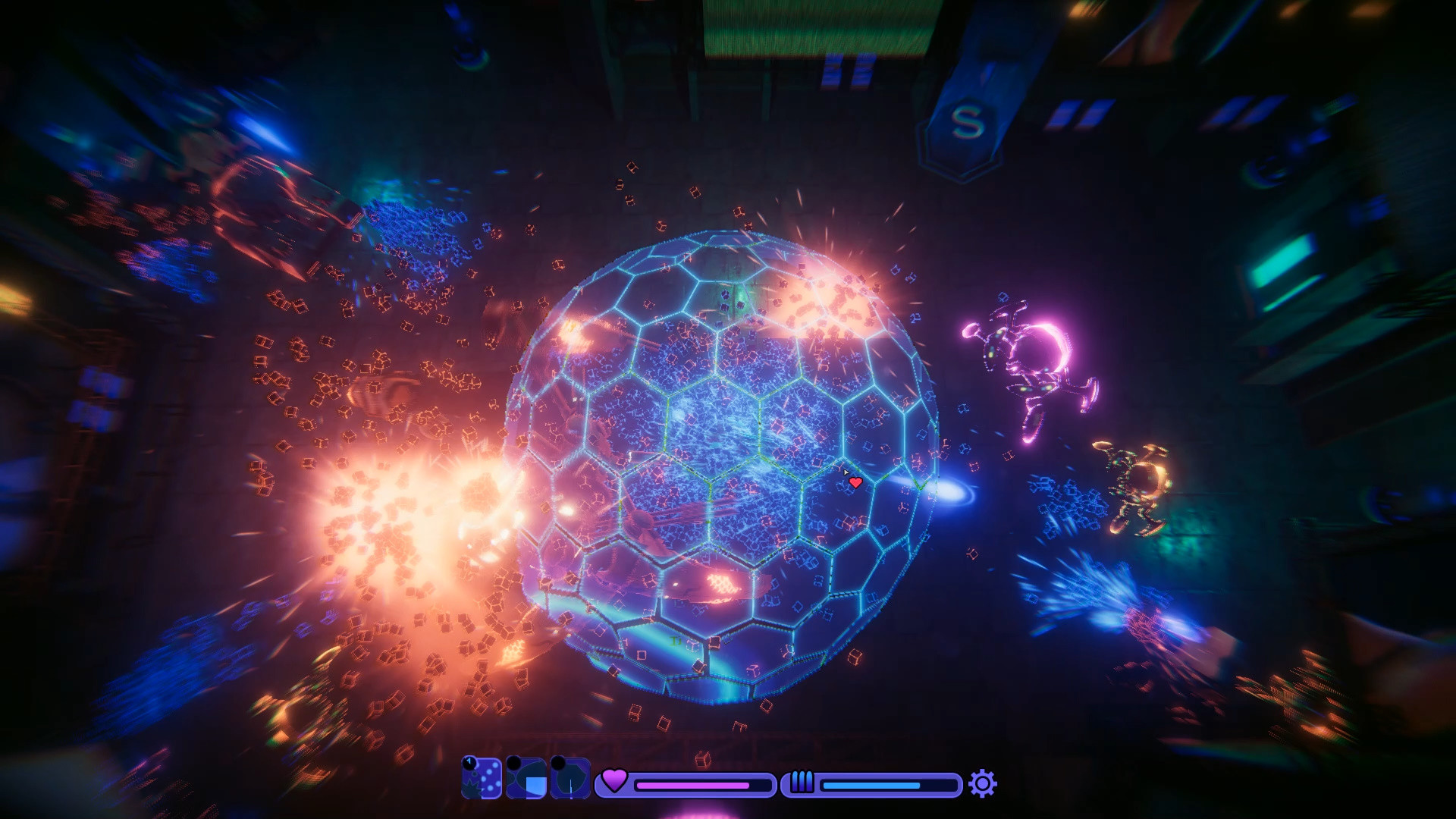
Cyber Agent, developed by BambuseaeGames and published by DigitalDream, is a small-scale hybrid of shooter and tower-defense elements that takes place within a neon-tinged cyber world filled with mechanical enemies and anime-inspired combat heroines. It’s a game that doesn’t pretend to be something it’s not; it delivers quick, arcade-style action wrapped in a modestly produced package that focuses on fast gameplay and visual flair over depth. Players step into the role of an agent tasked with defending a base or checkpoint from waves of robotic invaders, armed with a limited arsenal of weapons, a set of active abilities, and a handful of upgradable tools. What distinguishes Cyber Agent from other entries in the genre is its unapologetic focus on style and accessibility—it’s designed to be easy to pick up, light on systems, and straightforward in its objectives. The game’s presentation leans heavily on a cyberpunk aesthetic fused with anime sensibilities. The environments are clean but simple—sterile corridors, metallic arenas, and glowing digital textures that reflect the low-budget indie roots of the project. The character designs, however, are given much more attention. Each playable agent and companion character is rendered in a colorful anime-inspired style, complete with futuristic costumes and weapons that blend science fiction and fantasy. These designs are clearly targeted toward fans of Japanese aesthetics and feature fan-service elements that the developers emphasize as part of the game’s identity. While the visuals are not technically impressive by modern standards, the game compensates through charm and a consistent tone that ties its futuristic world together. The music complements the experience with upbeat electronic beats and combat rhythms that sustain the pace during each defense phase. Gameplay in Cyber Agent revolves around short, contained missions that can be completed in quick bursts. There are eight levels in total, each introducing slightly different patterns of enemy spawns and layouts. Players control their character from a third-person perspective, using automatic fire or defensive turrets to fend off increasingly aggressive waves. The mechanics mix shooter reflexes with defensive placement: positioning and timing play key roles in surviving longer encounters. Though the game borrows from tower-defense conventions, it feels closer to a stationary shooter or arena defense experience. The limited set of skills—three in total—adds some variety to combat, while the handful of items and upgrades serve to modify your approach between stages. It’s a system that’s simple and functional but not particularly deep. Once you’ve mastered the core mechanics, the repetition begins to show, as new enemies and environments do little to alter the overall rhythm of play. The pacing of Cyber Agent reflects its arcade inspirations. Rounds are fast, feedback is immediate, and the learning curve is gentle. For casual players or those looking for a quick action fix, the straightforward design works well—it’s easy to jump in, experiment with skills, and enjoy brief sessions without committing to a long campaign. However, for anyone expecting strategic complexity or evolving gameplay loops, the experience may feel thin. There are only a few enemy types, and after several stages, the flow becomes predictable. The progression system lacks depth, relying more on score chasing and minor stat boosts than on meaningful customization or strategy. Yet, within this simplicity lies a certain charm. The game knows its limits and operates comfortably within them, delivering just enough action to be entertaining without overstaying its welcome. A significant aspect of Cyber Agent’s appeal comes from its character presentation and adult-oriented content. Between missions, players can unlock images and visual novel-style scenes featuring the game’s heroines. These segments are clearly designed as a reward system, offering fan-service moments that align with the anime tone of the game. For players who enjoy this style, these additions provide incentive to continue clearing levels and improving performance. For others, they might feel like an unnecessary distraction that doesn’t meaningfully tie into the gameplay. The narrative that ties the missions together is minimal and largely inconsequential—dialogue is sparse and often awkwardly translated, serving primarily as a pretext for the action rather than a cohesive story. Performance-wise, Cyber Agent runs smoothly even on low-end hardware, which makes it accessible to nearly any player. The controls are responsive, though somewhat stiff, and the user interface is clean if basic. There are occasional quirks in camera angles and targeting precision, but nothing game-breaking. The overall polish is in line with its small development scale, and despite its simplicity, the game maintains a functional level of consistency. The developers’ inclusion of multiple language options also helps it reach a global audience, though the translation quality varies. In the end, Cyber Agent stands as a modest but self-aware indie project—one that caters to a specific audience rather than striving for broad appeal. Its short campaign, limited content, and reliance on repetitive design make it unlikely to satisfy players seeking deep strategy or narrative engagement, but it succeeds at delivering quick, accessible action for those who want a casual, visually stylized shooter experience. It’s a title that thrives on immediacy: jump in, shoot some enemies, unlock some artwork, and move on. While it doesn’t break new ground, its straightforward execution and unapologetic niche focus give it a certain low-budget charm. For fans of simple arcade-style defense games infused with anime flair, Cyber Agent provides a brief but enjoyable diversion—a light, flashy cyber-fantasy that delivers exactly what it promises. Rating: 7/10
Expand the review