
Narcissu 10th Anniversary Anthology Project
"Life is like a waiting room, except people don't leave in the order they enter." Narcissu is a thought provoking visual novel series about terminal illness, living, dying, and the relationship between those leaving and those left behind. There are no miracles, no heroes, no villains in this story.
Sync your Steam wishlist to find the lowest game prices instantly. No login required, just paste your Steam profile URL!
⚡ Try Wishlist Radar!
Sync your Steam wishlist to find the lowest game prices instantly. No login required!
⚡ Try Wishlist Radar!
Close

Dear Devere on Steam
Quick menu
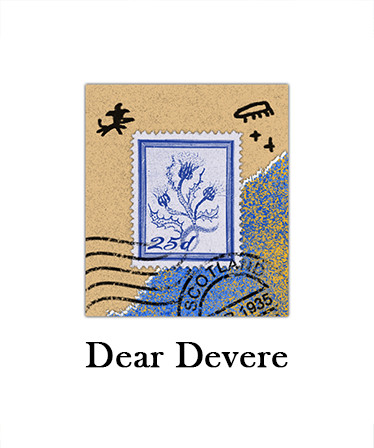
A romance/mystery visual novel set in 1930s Scotland, told through a letter correspondence.
Dear Devere is a indie, casual and visual novel game
developed and published by Jasmine Osler.
Released on May 29th 2020 is available on Windows, MacOS and Linux
in 2 languages: English and Simplified Chinese.
It has received 348 reviews of which 331 were positive and 17 were negative resulting in a rating of 8.7 out of 10. 😎
Among its top reviewers, the game has a median playtime of 2 hours, offering a realistic snapshot of how much time players typically invest rather than strict completion time.
The game is free to play on Steam.
The Steam community has classified Dear Devere into these genres:
Indie
Casual
Visual Novel
Romance
Story Rich
Historical
Atmospheric
Great Soundtrack
Emotional
Singleplayer
Magic
Beautiful
Mystery
Relaxing
Surreal
Stylized
Interactive Fiction
Minimalist
Realistic
Photo Editing
Here is the detailed breakdown of supported languages for Dear Devere:
| UI | Subtitle | Audio | |
|---|---|---|---|
| English | |||
| Simplified Chinese |
Media & Screenshots
Get an in-depth look at Dear Devere through various videos and screenshots.
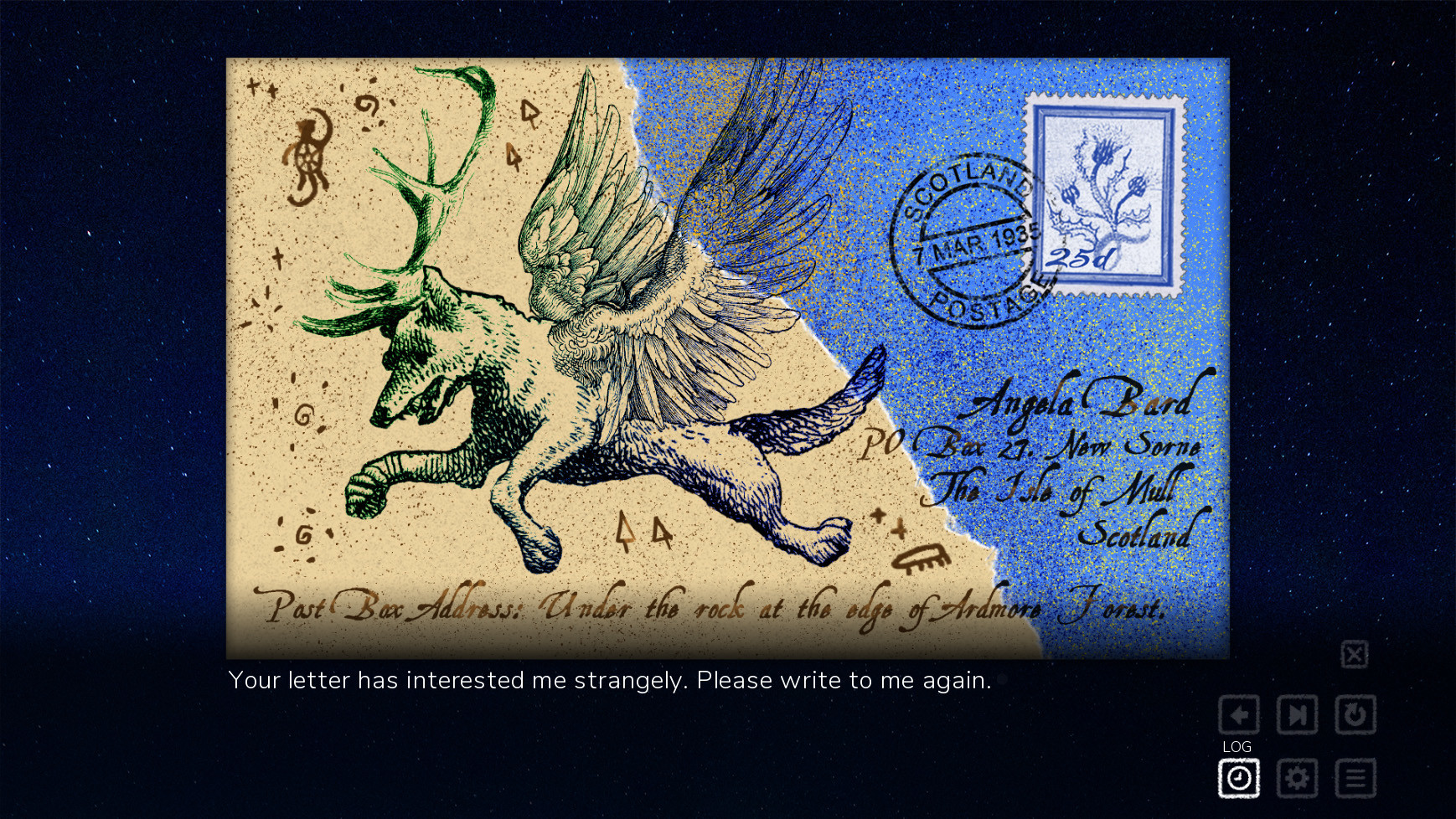
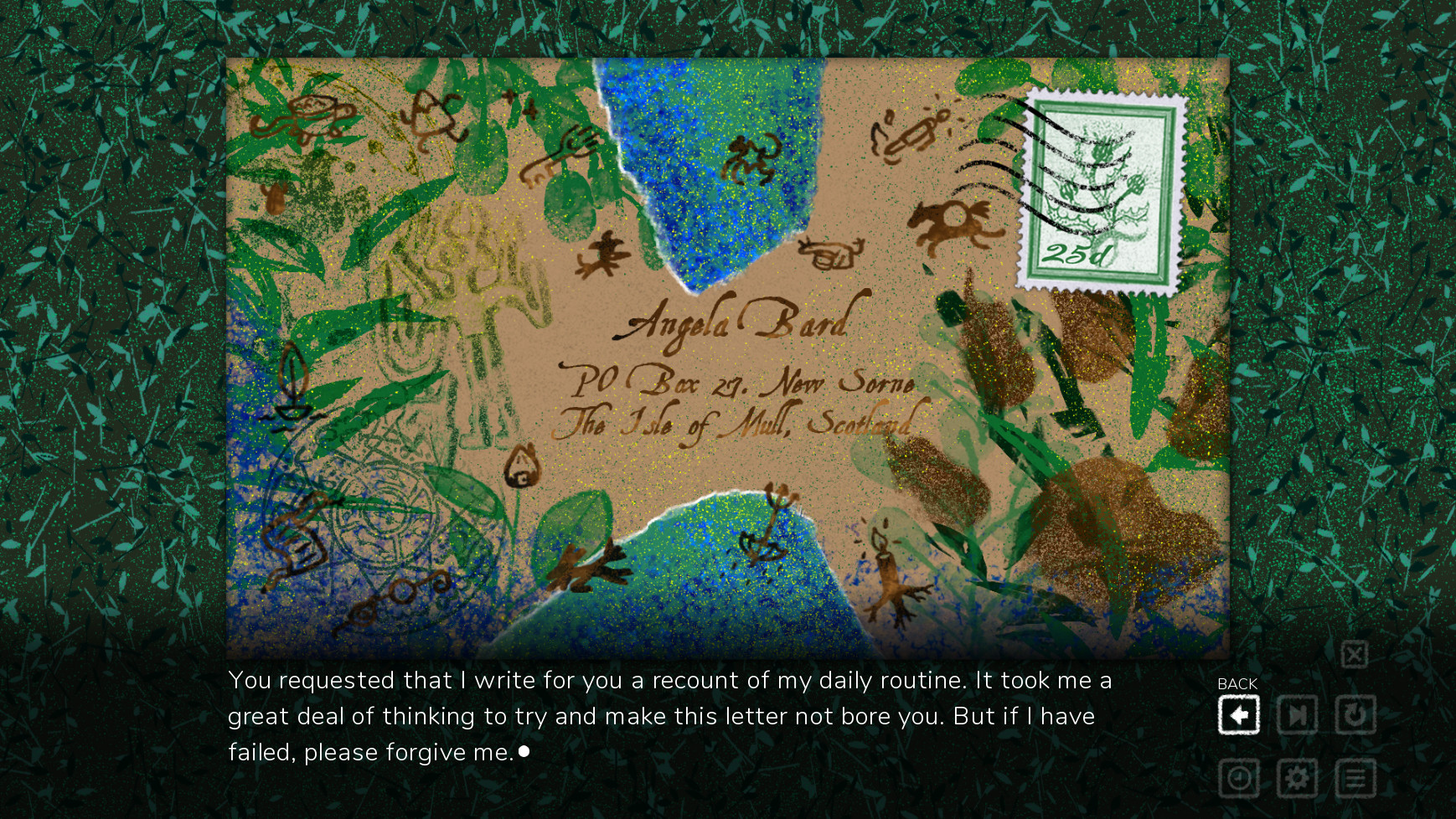

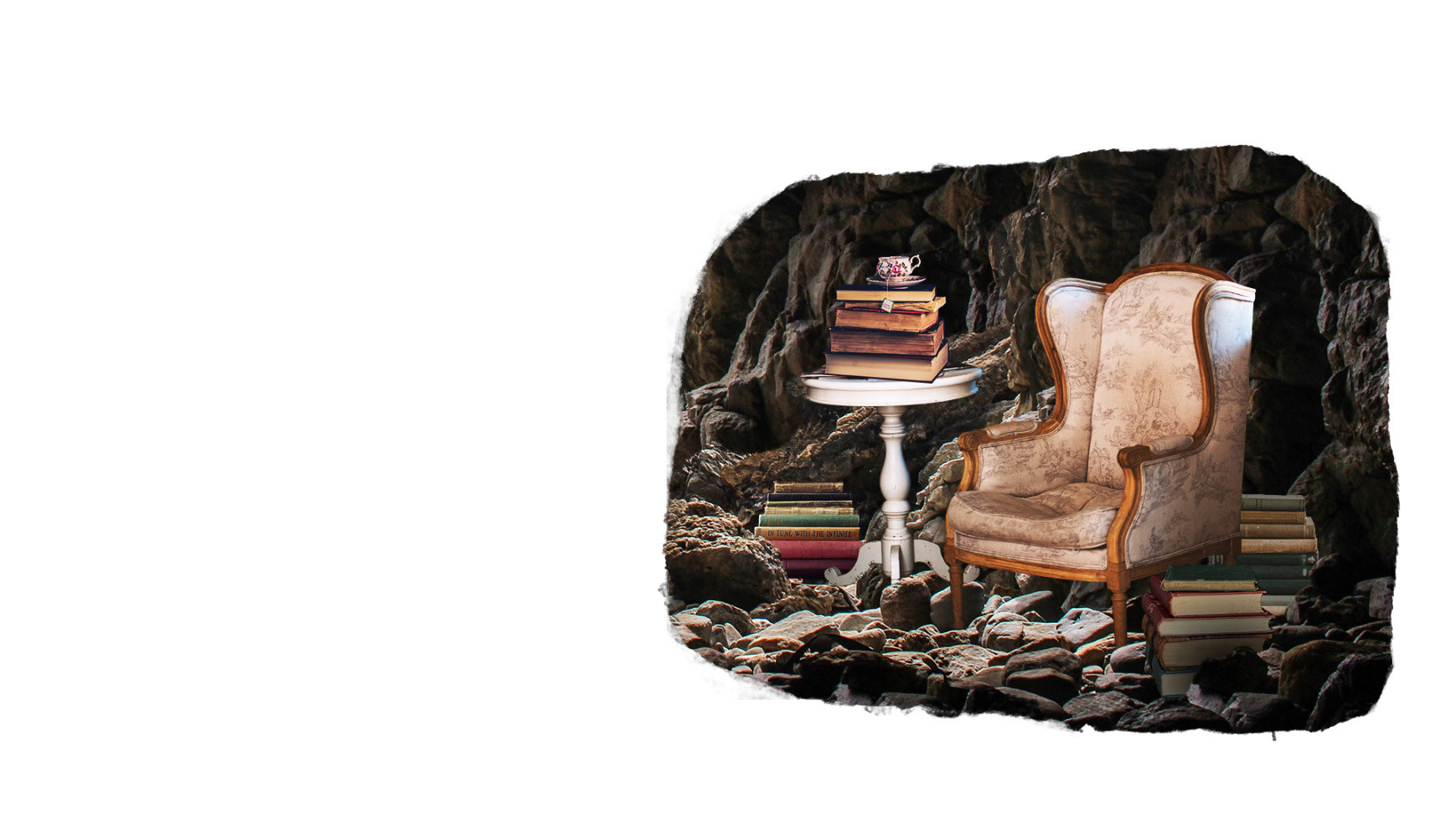
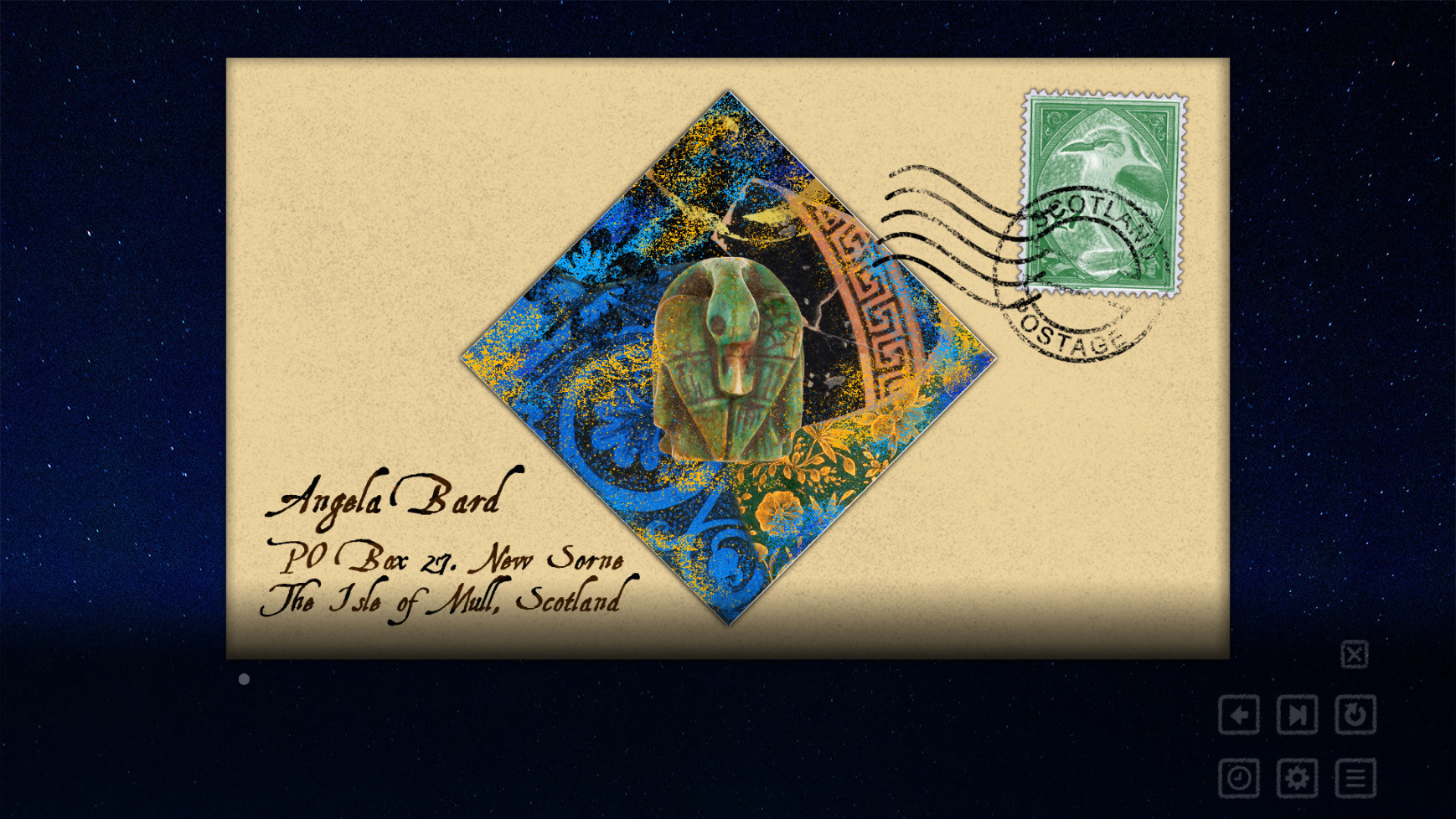
System requirements
These are the minimum specifications needed to play the game. For the best experience, we recommend that you verify them.
Windows
- OS *: Windows 7
- Processor: 1 GHz
- Memory: 520 MB RAM
- Storage: 520 MB available space
MacOS
- OS: Mac OS X 10.6+
- Processor: 1 GHz
- Memory: 520 MB RAM
- Storage: 520 MB available space
Linux
- OS: Linux x86/x86_64
- Processor: 1 GHz
- Memory: 520 MB RAM
- Storage: 520 MB available space
Steam Price & Best Deals
User reviews & Ratings
Explore reviews from Steam users sharing their experiences and what they love about the game.
CONTAINS SPOILERS!!! Dear Devere A short visual novel about a magical creature and a human girl falling in love on a Scottish island in the mid 30s. The game has a beautiful artstyle. I loved seeing the letters whenever a new one appeared. The characters shined through how they styled their letters. From Calwood's empty and soulless letters to Mr. Devere's beautiful pieces of art. I loved the dialogue. It was well written and the voice acting was amazing. I was confused at first when I read the non-love letters but I love that detail. I really liked the plot about the agents who were involved due to the era. I was wondering when I first saw the setting if there would be any war references and there indeed were. Overall this is a great game that I highly recommend. I finished it in 28 minutes but i may have been semi speedrunning it. If you have some free time download it and give it a try. Thank you for the experience Jasmin.
Dear Devere is a quiet and emotionally driven visual novel that builds its entire narrative around handwritten letters exchanged between two lonely individuals living in 1930s Scotland. Instead of relying on complicated gameplay mechanics, branching choices, or dramatic action sequences, the game focuses almost entirely on atmosphere, emotional intimacy, and the gradual development of trust between strangers separated by distance and personal hardship. What begins as a simple correspondence slowly evolves into a touching romance layered with melancholy, mystery, and genuine emotional warmth. Despite its relatively short length, the experience leaves a surprisingly strong emotional impact because of how sincere and carefully written it feels. The story follows Angela Bard, a woman living a quiet and isolated life on the Scottish isles. Her routine changes after she sends a letter that unexpectedly receives a response from the mysterious Mr. Devere. From there, the entire narrative unfolds through their exchanged correspondence as the two characters slowly reveal their fears, memories, loneliness, and hopes. The game’s unusual structure works remarkably well because every emotional connection is built entirely through conversation and written words. Players never rely on flashy scenes or constant visual spectacle to understand the relationship. Instead, the emotional attachment grows naturally through thoughtful dialogue and subtle character development. One of the strongest aspects of Dear Devere is the quality of its writing. The conversations feel personal and believable, capturing the awkwardness, curiosity, and vulnerability of two people slowly learning to trust each other. The dialogue avoids exaggerated melodrama and instead focuses on smaller emotional moments that feel surprisingly authentic. As the letters continue, the relationship develops gradually and convincingly, making the growing affection between Angela and Devere feel earned rather than forced. The historical setting contributes heavily to the atmosphere. The game captures the feeling of a slower era where letters carried emotional weight because communication required patience and effort. The isolated Scottish environment creates a sense of loneliness that perfectly supports the emotional tone of the story. Rainy coastlines, quiet villages, and distant landscapes all reinforce the feeling that both characters are emotionally disconnected from the world around them before finding comfort in each other’s words. Visually, the game uses a minimalist but elegant presentation style that fits the narrative perfectly. Instead of overwhelming players with constant animation or excessive visual effects, Dear Devere focuses on beautifully designed letters, soft environmental artwork, and subtle imagery that supports the emotional atmosphere. The visuals maintain a dreamlike and almost nostalgic quality throughout the experience, helping the story feel intimate and timeless. The soundtrack deserves particular praise because it strengthens the emotional atmosphere without becoming intrusive. Calm piano melodies and soft ambient music accompany the conversations beautifully, creating a relaxing but slightly melancholic mood that fits the narrative perfectly. The audio design understands when to remain subtle, allowing the emotional writing to remain the main focus. Voice acting is another major highlight. The performances add warmth and personality to the characters, making the conversations feel far more intimate than simple text alone could accomplish. Angela and Devere both sound emotionally believable, with performances that communicate loneliness, uncertainty, affection, and vulnerability naturally. The voice work helps transform the correspondence into something that genuinely feels human and emotionally sincere. One of the more interesting aspects of the story is how it quietly introduces elements of mystery and the supernatural beneath the romantic narrative. The game slowly hints that there may be more to Devere than initially appears, adding a layer of intrigue that prevents the story from becoming purely straightforward romance. These mysterious undertones never overpower the emotional core of the narrative, but they give the story additional atmosphere and curiosity. The pacing works extremely well because the game never stretches itself beyond what the story requires. Every conversation contributes directly to character development or emotional progression, keeping the experience focused and emotionally engaging throughout most of its runtime. The shorter structure actually benefits the game because it prevents unnecessary filler and allows the emotional moments to remain impactful from beginning to end. However, Dear Devere will not appeal equally to every player. Those expecting a traditional visual novel with major branching routes, multiple endings, or extensive player choice may find the experience too linear. The story unfolds exactly as intended by the developers, leaving little room for interactivity beyond progressing through the narrative. The gameplay itself is also extremely minimal. Much of the experience simply involves reading letters, listening to conversations, and absorbing atmosphere. Players looking for puzzles, gameplay systems, or complex mechanics may find the overall structure too passive. The short runtime may also leave some players wanting more. The emotional connection between the characters becomes surprisingly strong considering the game’s length, but the story concludes relatively quickly once players become fully invested in the world and relationship. Some may wish the narrative explored its supernatural elements and emotional conflicts in greater detail. The slower pacing could also feel uneventful for players who prefer more dramatic visual novels filled with constant twists and larger casts of characters. Dear Devere intentionally focuses on quiet emotional intimacy rather than high-stakes conflict or fast-moving storytelling. What ultimately makes Dear Devere so memorable is its sincerity. The game never relies on shock value or excessive drama to create emotional impact. Instead, it focuses entirely on loneliness, connection, vulnerability, and the emotional comfort people can find through communication and understanding. That emotional honesty gives the experience a warmth that lingers long after the story ends. Dear Devere is a beautifully written and emotionally heartfelt visual novel that transforms a simple exchange of letters into a touching romance filled with atmosphere, mystery, and emotional depth. Its elegant presentation, strong writing, memorable voice acting, and intimate storytelling make it one of the more quietly powerful indie narrative experiences available for players who appreciate slower and more emotionally focused visual novels. Rating: 8/10
Similar games
View all

Mhakna Gramura and Fairy Bell
Written in the style of a children’s book, Mhakna Gramura and Fairy Bell is a Cinematic Novel about two children named Mhakna and Sebiarno that escape the wretched Mullbear Orphanage with the help of a Fairy named Bell, who promises eternal happiness as long as they agree to never grow up.
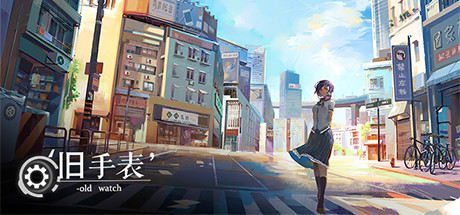
旧手表 - Old Watch
This is an Visual Novel game. It's a story about time leap.

女巫与六便士 the sibyl and sixpence
It's a 15-minute experimental visual novel about a love affair as weak as tea. Story consists of two chapters, formed by a mixture of four clues. It tells a love story about the sibyl and the prince.
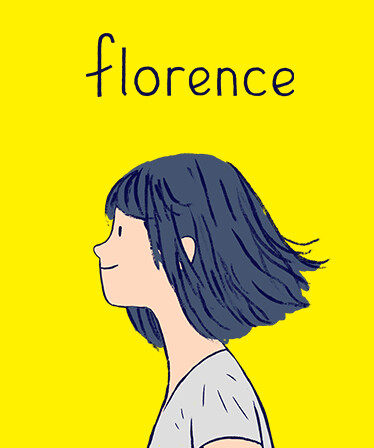
Florence
Florence Yeoh feels a little... stuck. Her life is an endless routine of work, sleep, and spending too much time on social media. Then one day, she meets a cello player named Krish who changes everything about how she sees the world and herself.
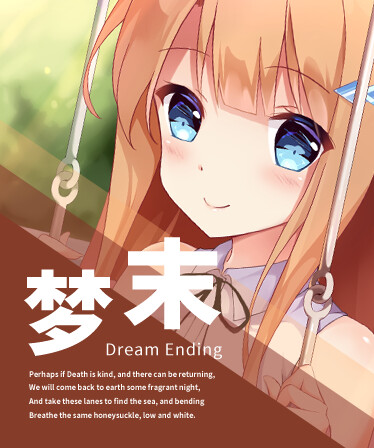
Dream Ending
This is a small tale from the end. The leftovers of mankind are destined to perish as the Arks break orbit. Suddenly, however, she's making me ask her out, an invitation to face the apocalypse together... a short but exquisite visual novel, "Dream Ending" is humanity's last love story.

Juniper's Knot
Juniper's Knot is a short (~30 mins) kinetic novel about the meeting of a demon and a boy. A kinetic novel is a game that uses text, sound, and illustrations to tell a story.

Season of 12 Colors
--The way it was, Just like it is now, On a bright, bright summer day. "That's a promise, right?" The girl in a white dress said. Sunny sky. A paper plane slid across it, riding on blue winds.

Last Day of June
A deep, interactive adventure about love and loss, beautifully depicted and offering an intense cinematic experience. What would you do to save the one you love?

Narcissu 1st & 2nd
This is a story of disease and suffering; of medication and adverse effects; of thoracotomy scars and cellular poisons; of the living who cannot help but to die and of the dying who cannot help but to live; of a resting place other than "on 7F" or "at home".
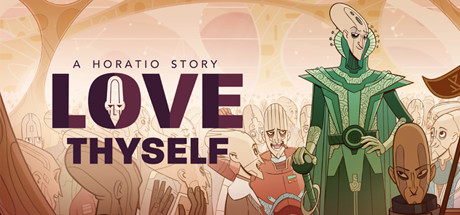
Love Thyself - A Horatio Story
In a society where everyone is a clone of the Emperor, can you survive long enough to find out who you truly are? Try out the brand new visual novel set in the Endless Universe!

True Love ~Confide to the Maple~
Guo Hengyi and Yao Fengyi are childhood sweetheart. But their relationship goes far gradually after divided into different classes and the great college entrance exam pressure. Tang Haiyin and Yao Fengxi came to his life as well. An unexpected accident had involved them together.
Frequently Asked Questions
Yes, Dear Devere is free to play on Steam.
Dear Devere is not on sale because is already free to play on Steam.
Yes, Dear Devere received 331 positive votes out of a total of 348 achieving a rating of 8.74.
😎
Dear Devere was developed and published by Jasmine Osler.
Yes, Dear Devere is playable and fully supported on Windows.
Yes, Dear Devere is playable and fully supported on MacOS.
Yes, Dear Devere is playable and fully supported on Linux.
This information about Dear Devere is not available yet.
This information about Dear Devere is not available yet.
No, Dear Devere does not support VR.
Dear Devere is a single-player game.
Yes, there is a DLC available for Dear Devere. Explore additional content available for Dear Devere on Steam.
No, Dear Devere does not support mods via Steam Workshop.
No, Dear Devere does not support Steam Remote Play.
Yes, Dear Devere is enabled for Steam Family Sharing. This means you can share the game with authorized users from your Steam Library, allowing them to play it on their own accounts. For more details on how the feature works, you can read the original Steam Family Sharing announcement or visit the Steam Family Sharing user guide and FAQ page.
You can find solutions or submit a support ticket by visiting the Steam Support page for Dear Devere.
Data sources
The information presented on this page is sourced from reliable APIs to ensure accuracy and relevance. We utilize the Steam API to gather data on game details, including titles, descriptions, prices, and user reviews. This allows us to provide you with the most up-to-date information directly from the Steam platform.
Additionally, we incorporate data from the SteamSpy API, which offers insights into game sales and player statistics. This helps us present a comprehensive view of each game's popularity and performance within the gaming community.
Last Updates| Steam data | 08 October 2026 07:16 UTC |
|---|---|
| SteamSpy data | 17 November 2026 15:15 UTC |
| Steam price | 08 October 2026 07:16 UTC |
| Steam reviews | 22 November 2026 23:05 UTC |
If you'd like to dive deeper into the details about Dear Devere, we invite you to check out a few dedicated websites that offer extensive information and insights. These platforms provide valuable data, analysis, and user-generated reports to enhance your understanding of the game and its performance.
- SteamDB - A comprehensive database of everything on Steam about Dear Devere
- SteamCharts - Analysis of Dear Devere concurrent players on Steam
- ProtonDB - Crowdsourced reports on Linux and Steam Deck Dear Devere compatibility
Game modes
Features
Median playtime
2h
Online players
0
Developer
Jasmine Osler
Publisher
Jasmine Osler
Release
29 May 2020
Platforms