


Orborun
Orborun is a 3D action skill run & roll game! Control your Orbot, avoid the obstacles and escape the hazardous Orbo-world. More than 100 levels, local co-op multiplayer, feeling of speed and twisted levels in haste/puzzle and hazard shaped different worlds makes this game fun to play for ages!
Sync your Steam wishlist to track the lowest game prices instantly. No login required, just paste your Steam profile URL!
⚡ Try Wishlist Radar!
Sync your Steam wishlist to track the lowest game prices instantly. No login required!
⚡ Try Wishlist Radar!
Close

Dub Dash on Steam - User reviews, Price & Information
Quick menu
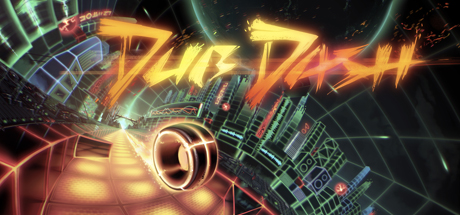
Dub Dash is a fast-paced rhythm based action game including music from Bossfight and the DJs of Geometry Dash. Spin your crazy wheel in harmony with the song and keep dodging left and right avoiding obstacles at high speed. Do you rock the funky roads of Dub Dash?
Dub Dash is a action, racing and indie game
developed by Incodra
and published by Headup.
Released on February 16th 2016 is available on Windows, MacOS, Steam Deck and Steam Machine
in 13 languages: English, French, Italian, German, Spanish - Spain, Dutch, Japanese, Korean, Russian, Simplified Chinese, Traditional Chinese, Portuguese - Brazil and Turkish.
It has received 310 reviews of which 220 were positive and 90 were negative resulting in a rating of 6.7 out of 10. 😐
The game is currently priced at 4.99€ on Steam, but you can find it for 0.82€ on K4G.
The Steam community has classified Dub Dash into these genres:
Media & Screenshots
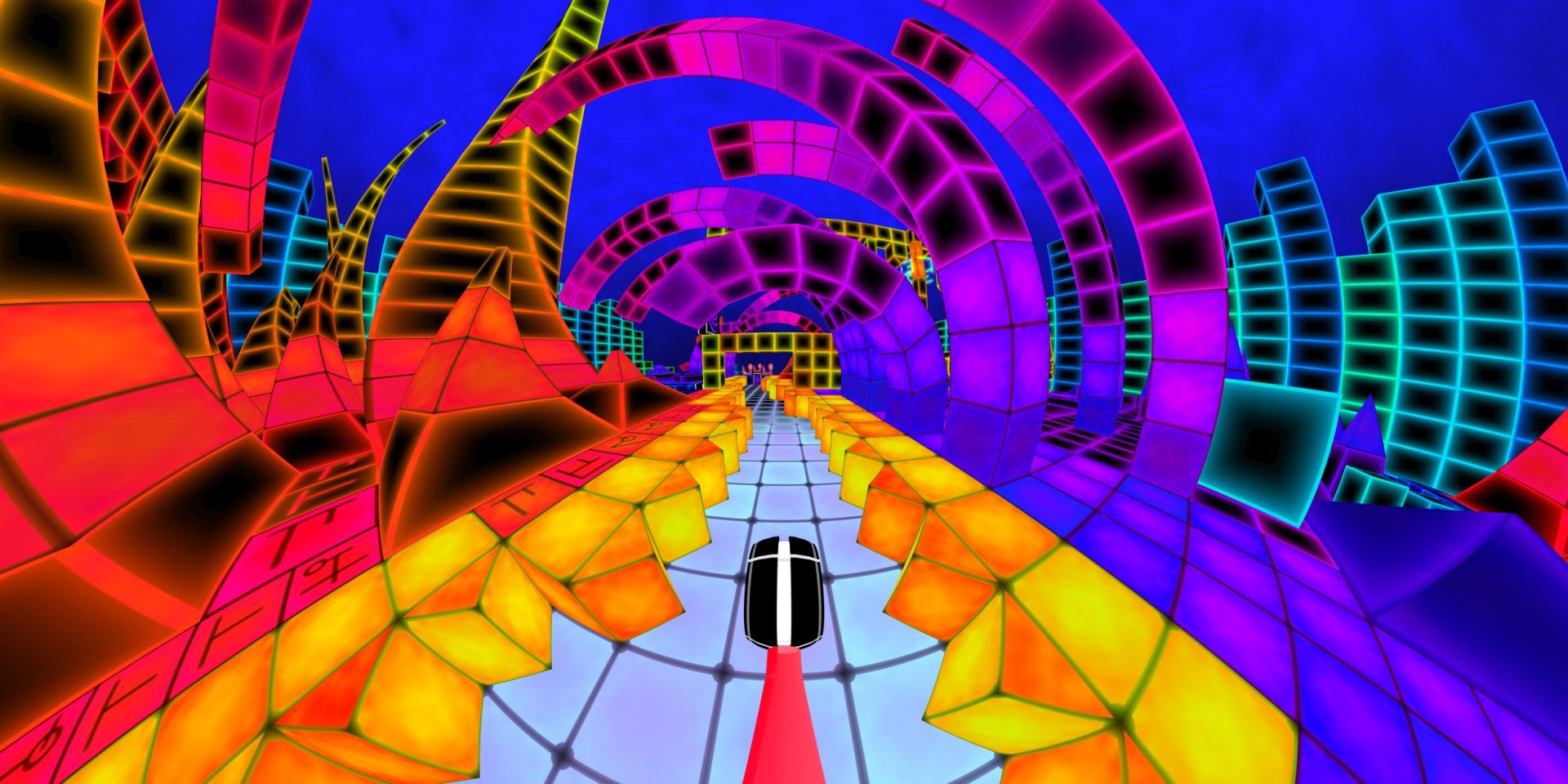
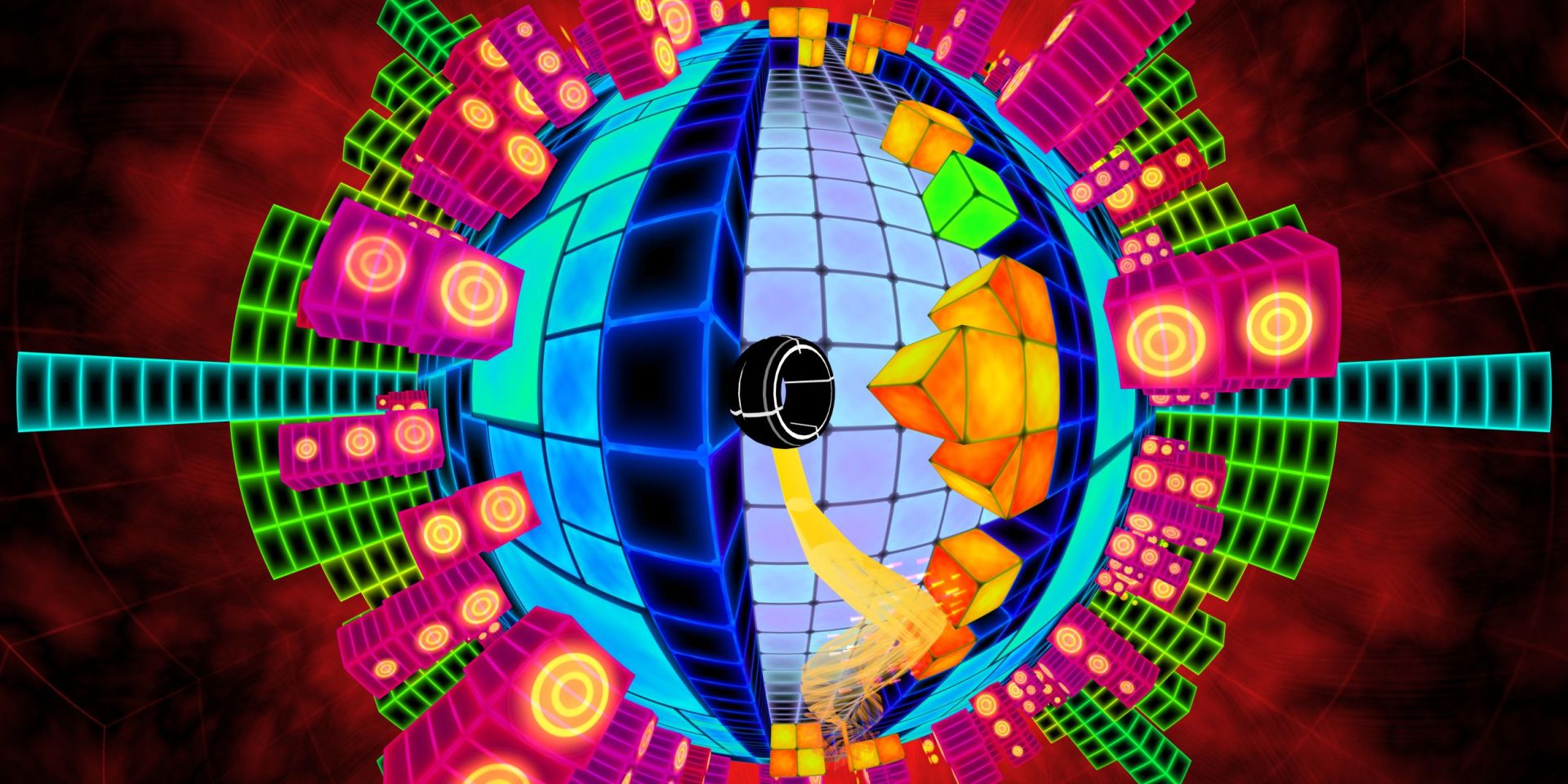
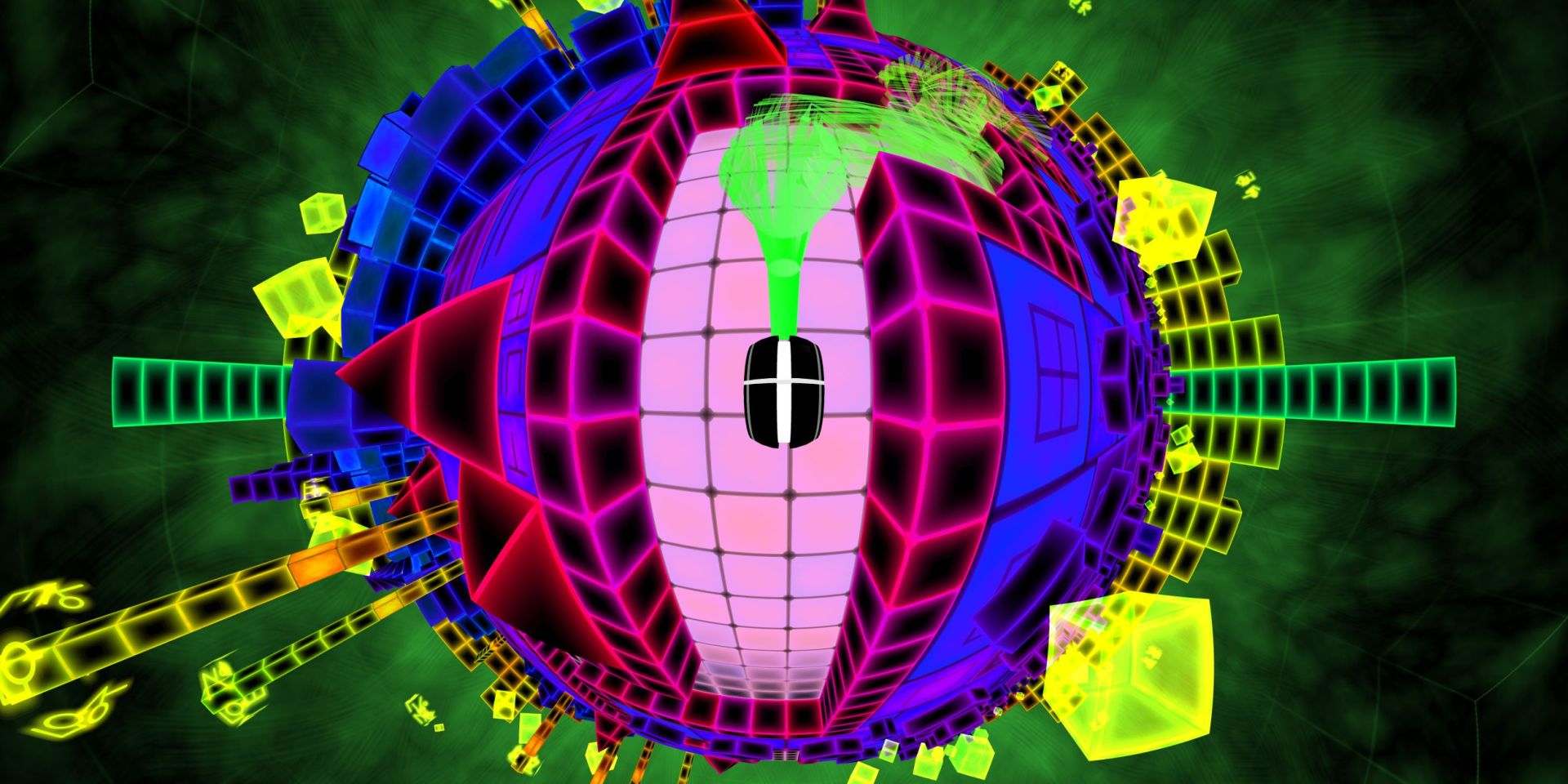
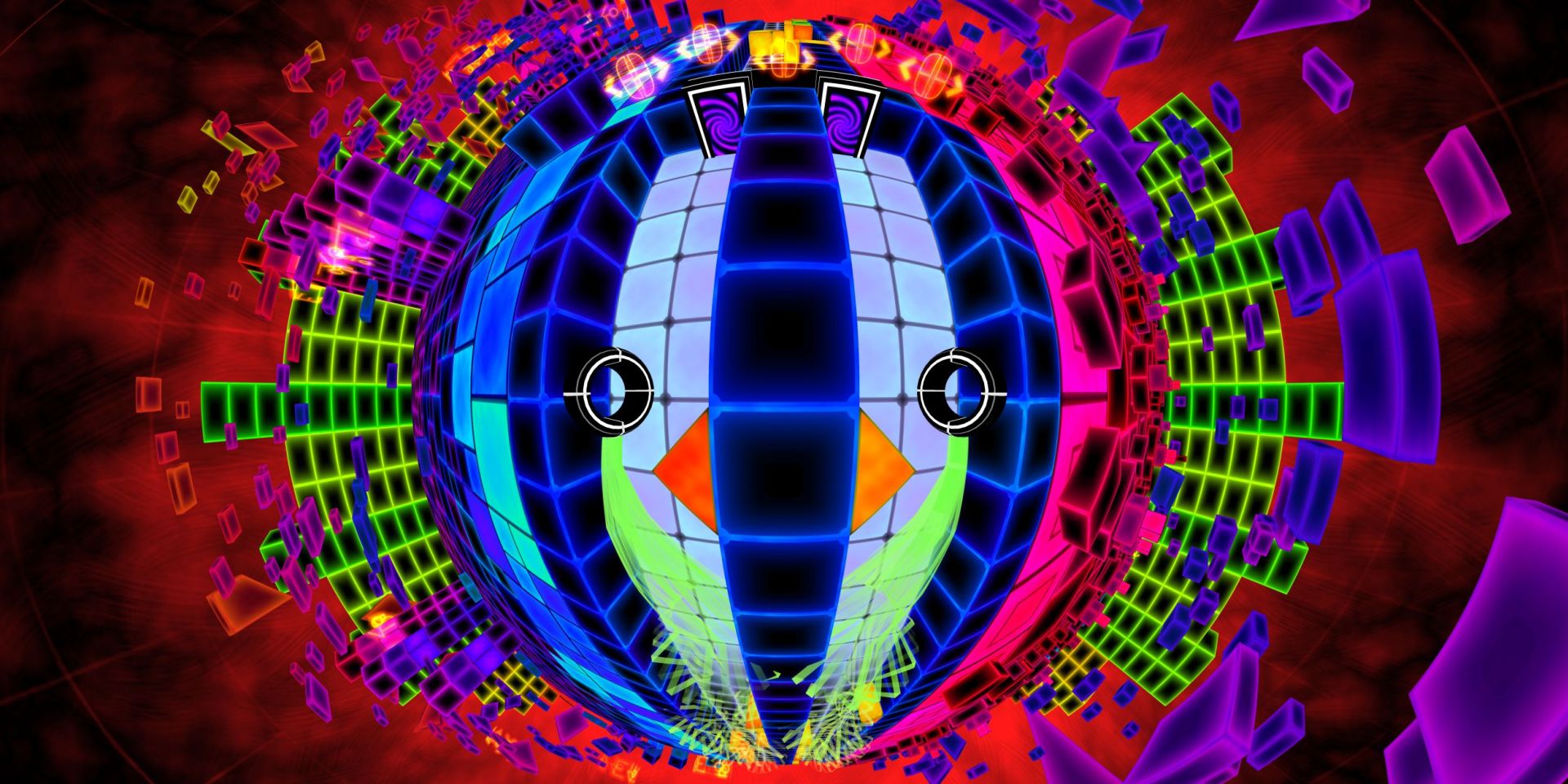
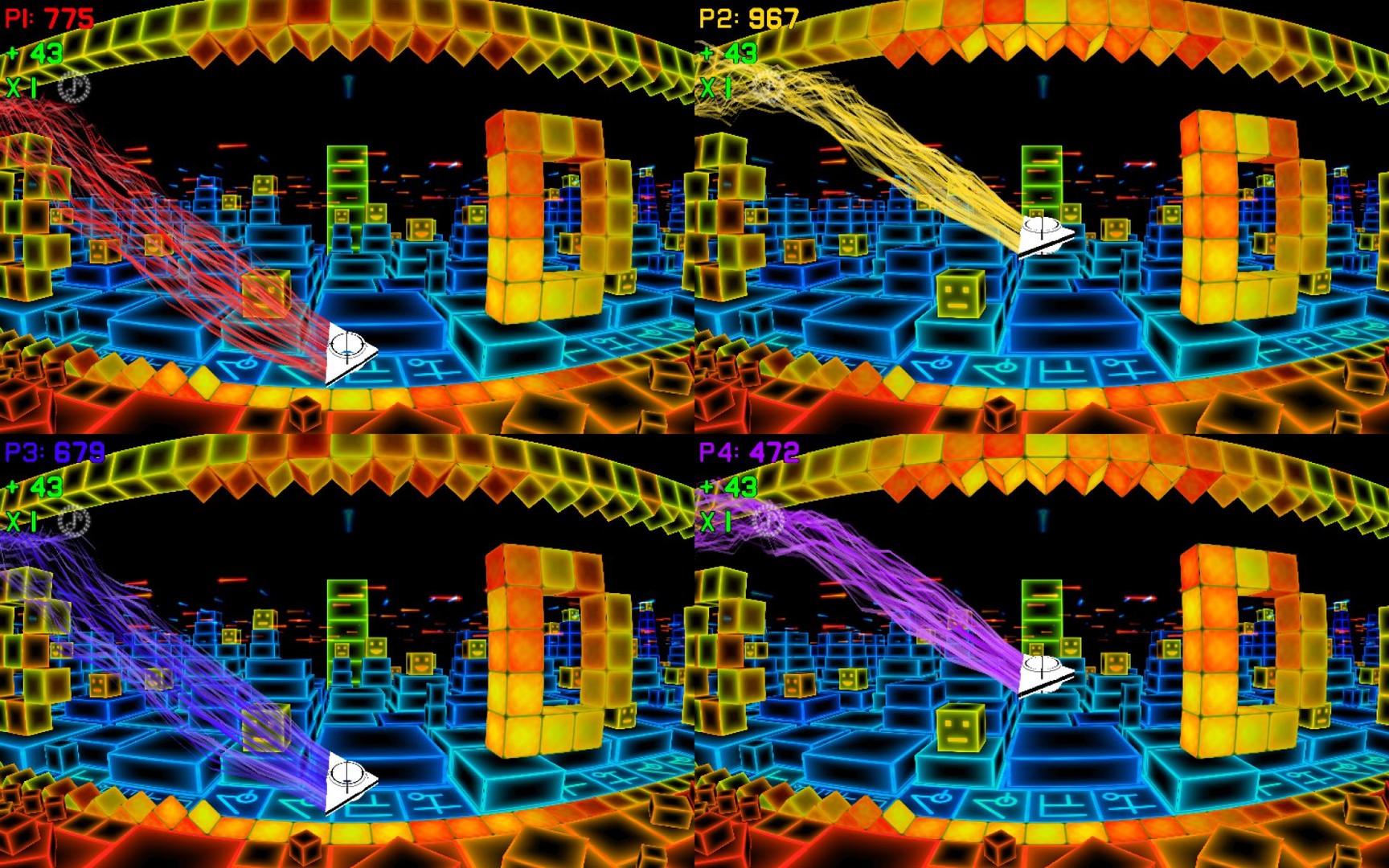
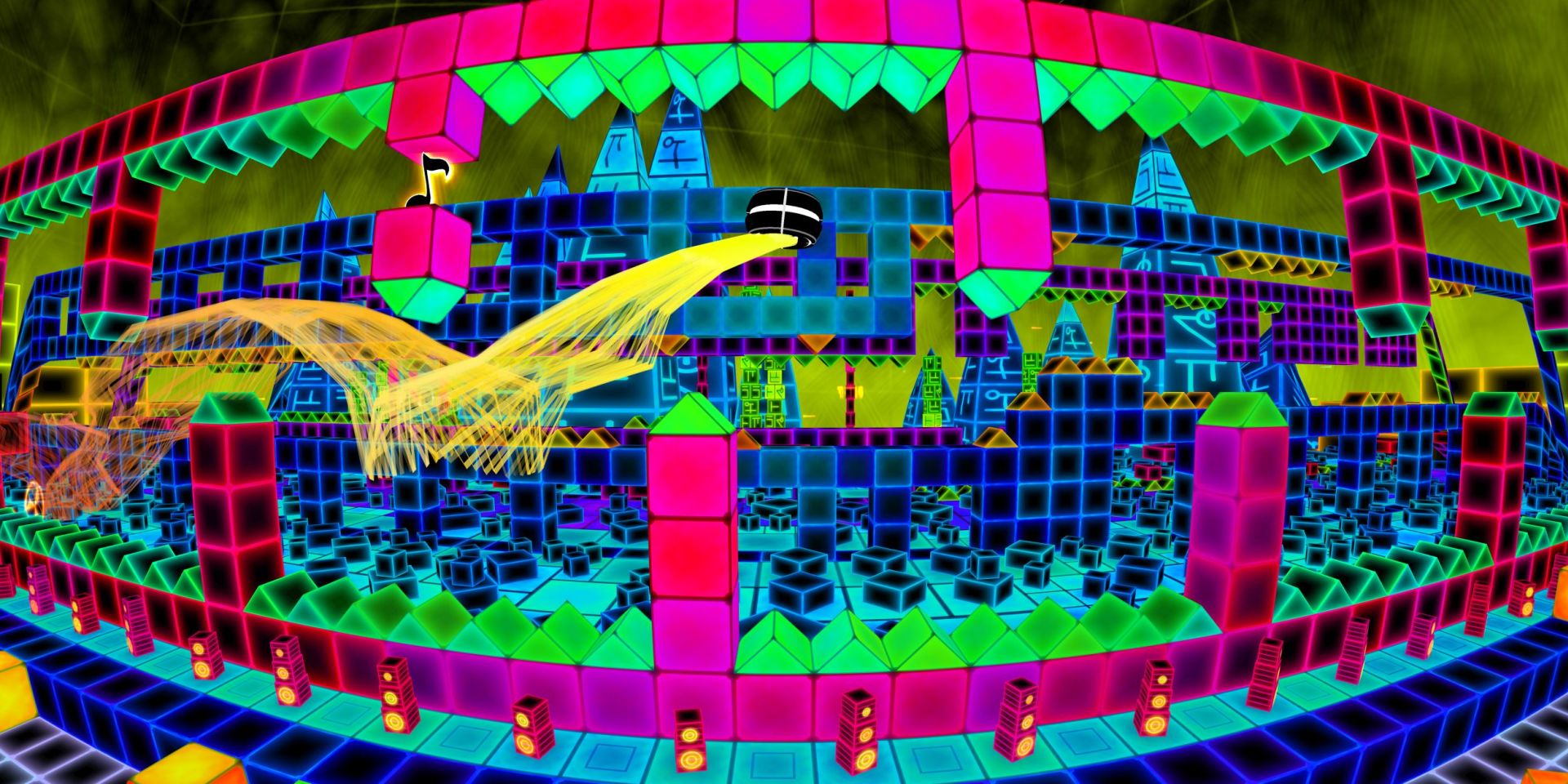
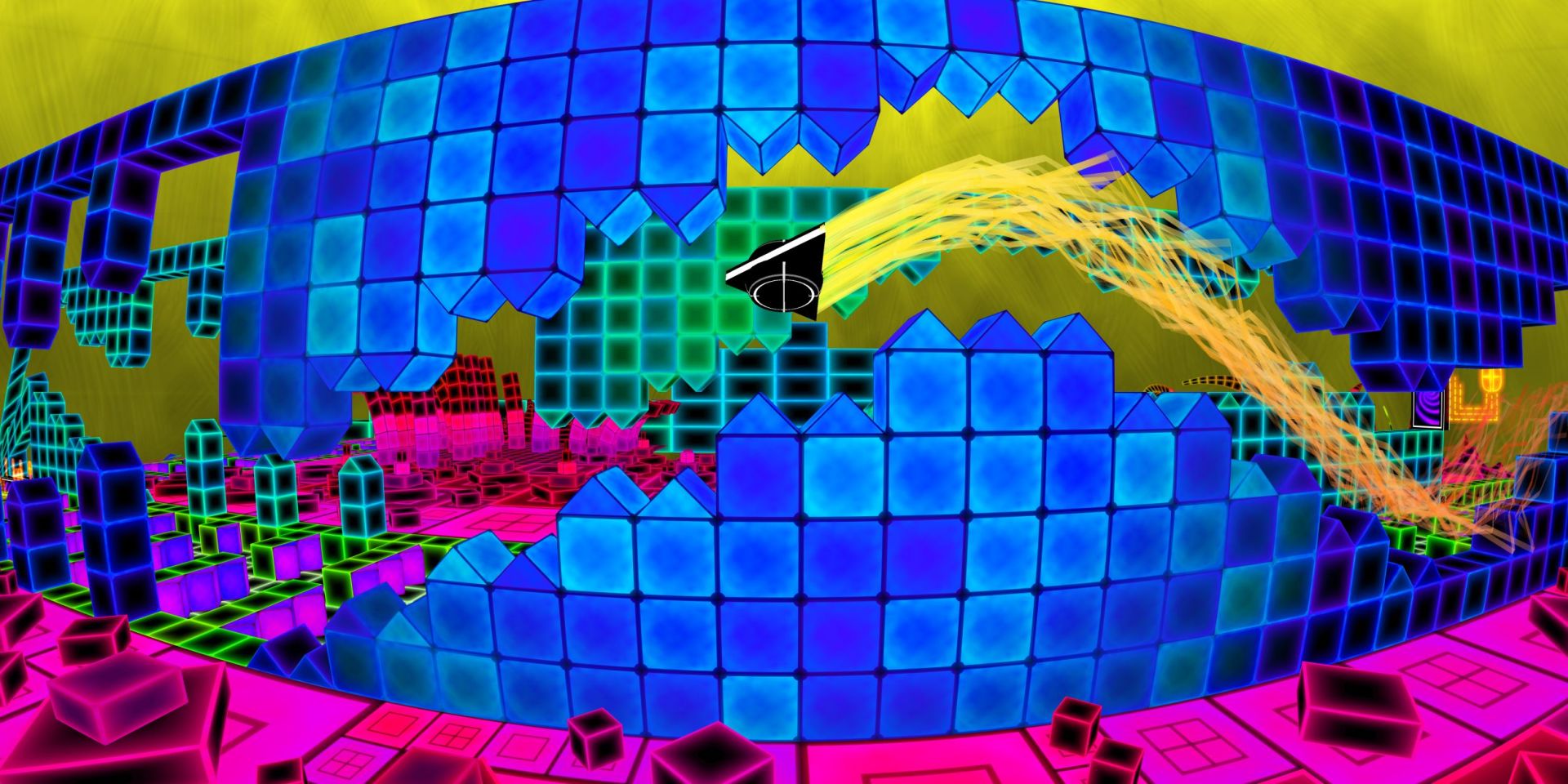
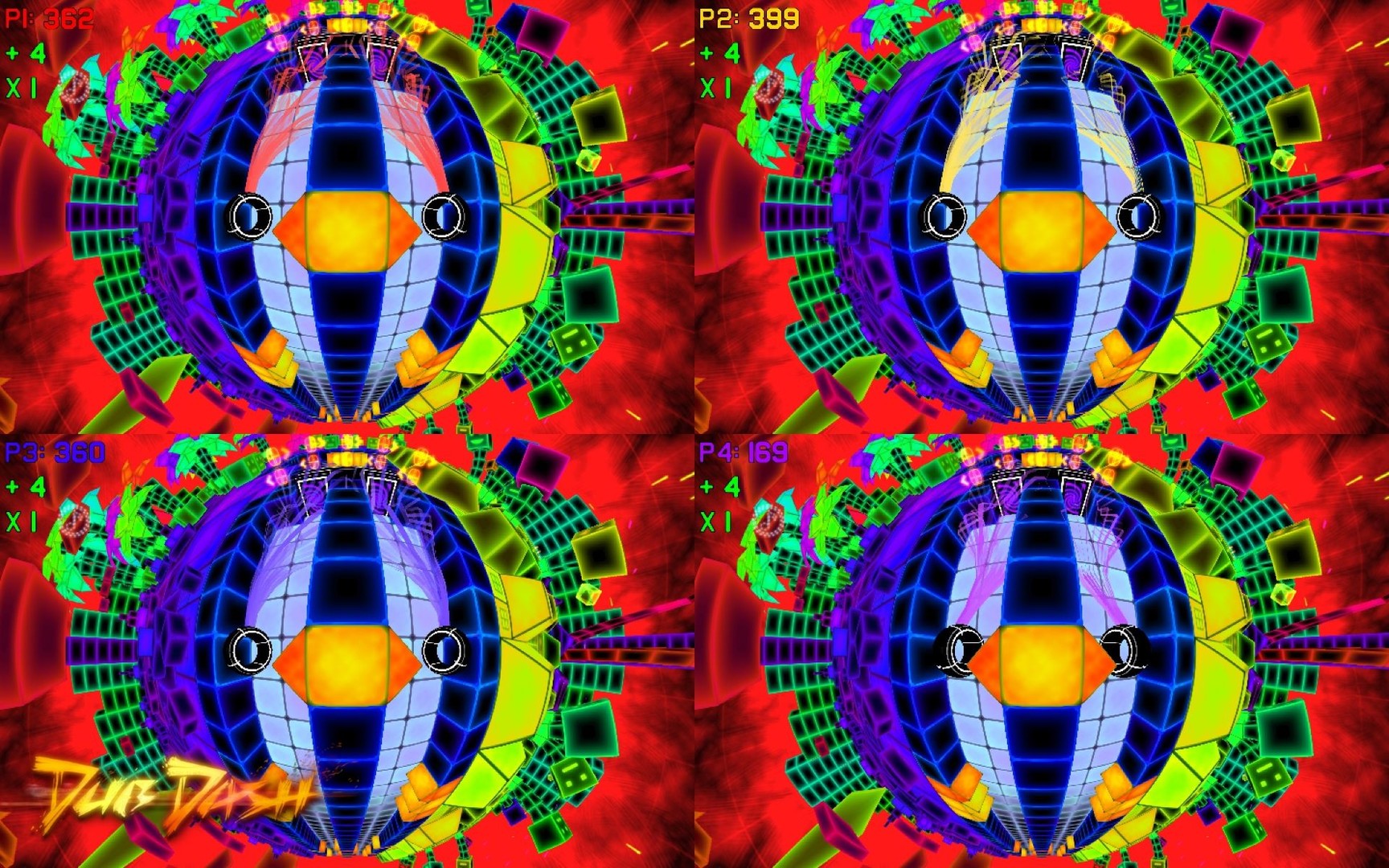
Get an in-depth look at Dub Dash through various videos and screenshots.
Load More
System requirements
These are the minimum specifications needed to play the game. For the best experience, we recommend that you verify them.
Windows
- OS *: Windows 7
- Processor: 1.5+ GHz
- Memory: 512 MB RAM
- Graphics: OpenGL 2.1 support
- Storage: 100 MB available space
MacOS
- OS: Mac OS X 10.8
- Processor: 1.5+ GHz
- Graphics: OpenGL 2.1 support
Steam Price & Best Deals
User reviews & Ratings
Explore reviews from Steam users sharing their experiences and what they love about the game.
Dub Dash is an energetic rhythm-action game that transforms electronic music into a series of fast-moving obstacle courses where timing, concentration, and persistence matter just as much as raw reflexes. Developed by Incodra and published by Headup, it takes a straightforward arcade concept and gives it variety through constantly changing gameplay styles. Rather than following conventional rhythm-game prompts, players control different forms of movement through environments synchronized with the soundtrack, making each stage feel like an interactive interpretation of the music. The game is built around multiple gameplay mechanics that can change during the course of a single track. One moment may involve guiding a wheel along a hazardous path, while another introduces flying, rapid directional changes, or zigzag movement. There are seven distinct gameplay styles overall, and their frequent transitions keep players alert. Learning how each mode behaves is relatively easy, but successfully adapting when the game suddenly switches between them is where much of the challenge comes from. These transitions also help prevent the experience from feeling like the same obstacle course repeated with different music. Difficulty is one of the defining characteristics of Dub Dash. The controls themselves are uncomplicated, yet the stages demand accurate timing and quick reactions. Obstacles can arrive rapidly, and unfamiliar sequences are often difficult to overcome through reflexes alone. Repeated attempts gradually reveal patterns, turning seemingly overwhelming passages into recognizable routines. This creates a satisfying progression where improvement comes from understanding the stage rather than simply increasing character statistics or unlocking stronger abilities. Because memorization plays such an important role, the practice system is especially valuable. Checkpoints allow difficult portions of a level to be attempted repeatedly without requiring a complete restart every time. This greatly reduces unnecessary frustration and encourages players to master individual sequences before attempting a full successful run. The process can become addictive for anyone who enjoys precision-based games, as a section that initially seems impossible can eventually become almost automatic after enough practice. Music is naturally one of the game's strongest elements. Its electronic soundtrack includes music from Bossfight alongside tracks connected to artists familiar to the Geometry Dash community. The compositions fit the high-speed gameplay extremely well, particularly because hazards, movements, environmental effects, and transitions are closely tied to musical rhythms. Learning a song therefore has practical value. Recognizing a beat or anticipating a change in the composition can help prepare for the obstacles that accompany it. The visual presentation follows the same philosophy of intensity. Environments are colorful, abstract, and filled with movement, flashing effects, and rapid transitions. When everything aligns properly, the combination of sound and imagery creates an exciting audiovisual spectacle. However, this presentation can occasionally make hazards harder to distinguish, especially during faster sections. The heavy use of flashing imagery also makes the photosensitivity warning particularly relevant for sensitive players. Challenge mode offers an alternative to repeatedly practicing the standard tracks by introducing randomly generated levels. These sections place greater emphasis on immediate reactions because their layouts cannot be memorized in quite the same manner. Players can also earn additional lives through this mode, giving it a practical purpose alongside the added variety. It complements the structured stages nicely by testing whether players have genuinely developed their reflexes rather than simply memorized individual obstacle patterns. Local multiplayer adds further replay value, with split-screen competition supporting up to four players. The simple underlying controls make it reasonably approachable for multiplayer sessions even when the stages themselves remain demanding. Remote Play Together support also expands the usefulness of this feature. Meanwhile, achievement hunters have a collection of Steam achievements to pursue, and Steam Cloud support provides convenient synchronization between systems. The game supports several control methods, including keyboard, mouse, controllers, and even racing-wheel configurations. A conventional controller is particularly comfortable for many of the rapid directional movements. Having multiple options is useful because different gameplay sections can feel noticeably different depending on the chosen input method. On Steam Deck, Dub Dash is classified as Playable rather than Verified. The game itself can be played on the handheld, but users should expect some minor configuration inconveniences. Certain interactions may require the touchscreen or virtual keyboard, and the game can display keyboard, mouse, or non-Steam-Deck controller prompts. Controller functionality may also need to be enabled manually through the game's settings. Text remains readable on the Deck's display, and once the controls are configured appropriately, the gameplay is well suited to shorter portable sessions. It is therefore a workable Steam Deck experience, although not completely seamless. Dub Dash is ultimately aimed at players who enjoy overcoming demanding sequences through repetition and gradually turning failure into mastery. Its combination of seven gameplay styles, synchronized electronic music, practice checkpoints, randomized challenges, multiplayer support, and vivid presentation gives the relatively simple concept considerable personality. Its reliance on memorization and its sometimes overwhelming visual effects can make it frustrating, but those same qualities contribute to the intense arcade character that distinguishes it. For rhythm-game enthusiasts who appreciate difficult, fast-paced challenges and do not mind replaying sections until their timing is nearly perfect, it offers an entertaining and satisfyingly demanding experience. Rating: 7/10
Similar games
View all
Zero Gear
Zero Gear is physically-fueled, online multiplayer kart combat madness. Deck out your kart and character before jumping into one of many different game modes. Outrageous kinematic gameplay and weapons make every round a blast. The potential for tiny vehicular mayhem has never been so humongous!

Rhythm Fighter
This is a Roguelike Horizontal Action game that players need to follow the beat to defeat opponents. Beat to follow, fist to the bone. Face the foe, and dance to kill!
AUDICA: Rhythm Shooter
AUDICA™ is a VR “rhythm shooter” that combines Harmonix’s award-winning music gameplay with precision shooting mechanics and a 33-song soundtrack, all set in a mesmerizing cosmic arena.
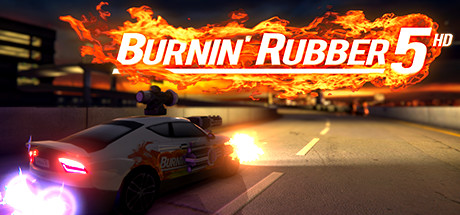
Burnin' Rubber 5 HD
Burnin' Rubber 5 HD is a remastered update of one of the most played action games on the web. Unlock over 30 challenges, 50 cars and multiple explosive weapons. Master 3 different challenge modes and hone your skills to take on the biggest end boss ever.

Retro/Grade
Play a classic Shoot 'Em Up... in reverse!
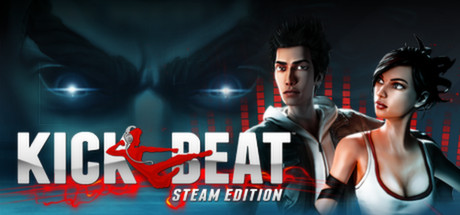
KickBeat Steam Edition
From indie pioneers Zen Studios (makers of Pinball FX2 and CastleStorm) comes KickBeat, an innovative rhythm game with a Kung Fu theme, featuring fully 3D characters and high-energy music! You can use your own music to create custom KickBeat tracks, allowing you ultimate replayability!
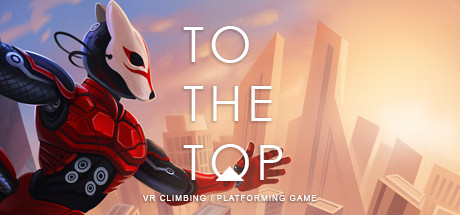
TO THE TOP
VR Platforming Game, that gives you the freedom to move across the environment with superhuman abilities. Conquer over 35 levels with new obstacles and challenges. Compete for the fastest times or explore the environment. Experience the freedom of movement.
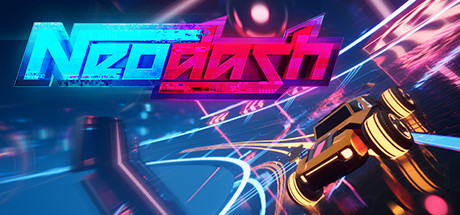
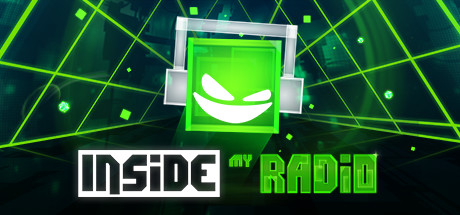
Inside My Radio
Can you beat the beat? Journey as a green LED mysteriously trapped inside a dying boombox and play the ultimate musical experience. In this rhythmic platform adventure where your every action needs to be right on the beat, bring electro, dub and disco music back to life!
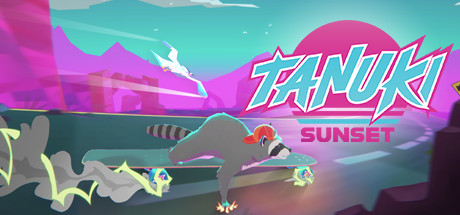
Tanuki Sunset
Master the longboard as you drift through stunning mountain ranges, swerve through bustling city streets, and along the sandy beaches of Sunset Island. Train to perform epic tricks, from jumping off-ramp to longboarding backwards. Grab Your Longboard and Race to the Top in Tanuki Sunset!
Frequently Asked Questions
Dub Dash is currently priced at 4.99€ on Steam.
No, Dub Dash is currently not on sale. You can purchase it for 4.99€ on Steam.
Yes, Dub Dash received 220 positive votes out of a total of 310 achieving a rating of 6.72.
😐
Dub Dash was developed by Incodra and published by Headup.
Yes, Dub Dash is playable and fully supported on Windows.
Yes, Dub Dash is playable and fully supported on MacOS.
No, Dub Dash is not playable on Linux.
Yes, Dub Dash is playable on Steam Deck, though it might require a few minor tweaks. Make sure to check the Steam store page and community feedback on ProtonDB for exact compatibility details.
Yes, Dub Dash is playable on Steam Machine, though it might require a few minor tweaks. Make sure to check the Steam store page and community feedback on ProtonDB for exact compatibility details.
No, Dub Dash does not support VR.
Dub Dash offers both single-player and multi-player modes.
Dub Dash offers both Co-op and PvP modes.
No, Dub Dash does not currently offer any DLC.
No, Dub Dash does not support mods via Steam Workshop.
Yes, Dub Dash supports Remote Play Together. Discover more about Steam Remote Play.
Yes, Dub Dash is enabled for Steam Family Sharing. This means you can share the game with authorized users from your Steam Library, allowing them to play it on their own accounts. For more details on how the feature works, you can read the original Steam Family Sharing announcement or visit the Steam Family Sharing user guide and FAQ page.
You can find solutions or submit a support ticket by visiting the Steam Support page for Dub Dash.
Data sources
The information presented on this page is sourced from reliable APIs to ensure accuracy and relevance. We utilize the Steam API to gather data on game details, including titles, descriptions, prices, and user reviews. This allows us to provide you with the most up-to-date information directly from the Steam platform.
Additionally, we incorporate data from the SteamSpy API, which offers insights into game sales and player statistics. This helps us present a comprehensive view of each game's popularity and performance within the gaming community.
Last Updates| Steam data | 09 September 2026 04:18 UTC |
|---|---|
| SteamSpy data | 06 September 2026 16:10 UTC |
| Steam price | 12 September 2026 18:46 UTC |
| Steam reviews | 12 September 2026 06:00 UTC |
If you'd like to dive deeper into the details about Dub Dash, we invite you to check out a few dedicated websites that offer extensive information and insights. These platforms provide valuable data, analysis, and user-generated reports to enhance your understanding of the game and its performance.
- SteamDB - A comprehensive database of everything on Steam about Dub Dash
- SteamCharts - Analysis of Dub Dash concurrent players on Steam
- ProtonDB - Crowdsourced reports on Linux and Steam Deck Dub Dash compatibility
Game modes
Features
Online players
1
Developer
Incodra
Publisher
Headup
Release
16 Feb 2016
Platforms
Remote Play
Clicking and buying through these links helps us earn a commission to maintain our services.