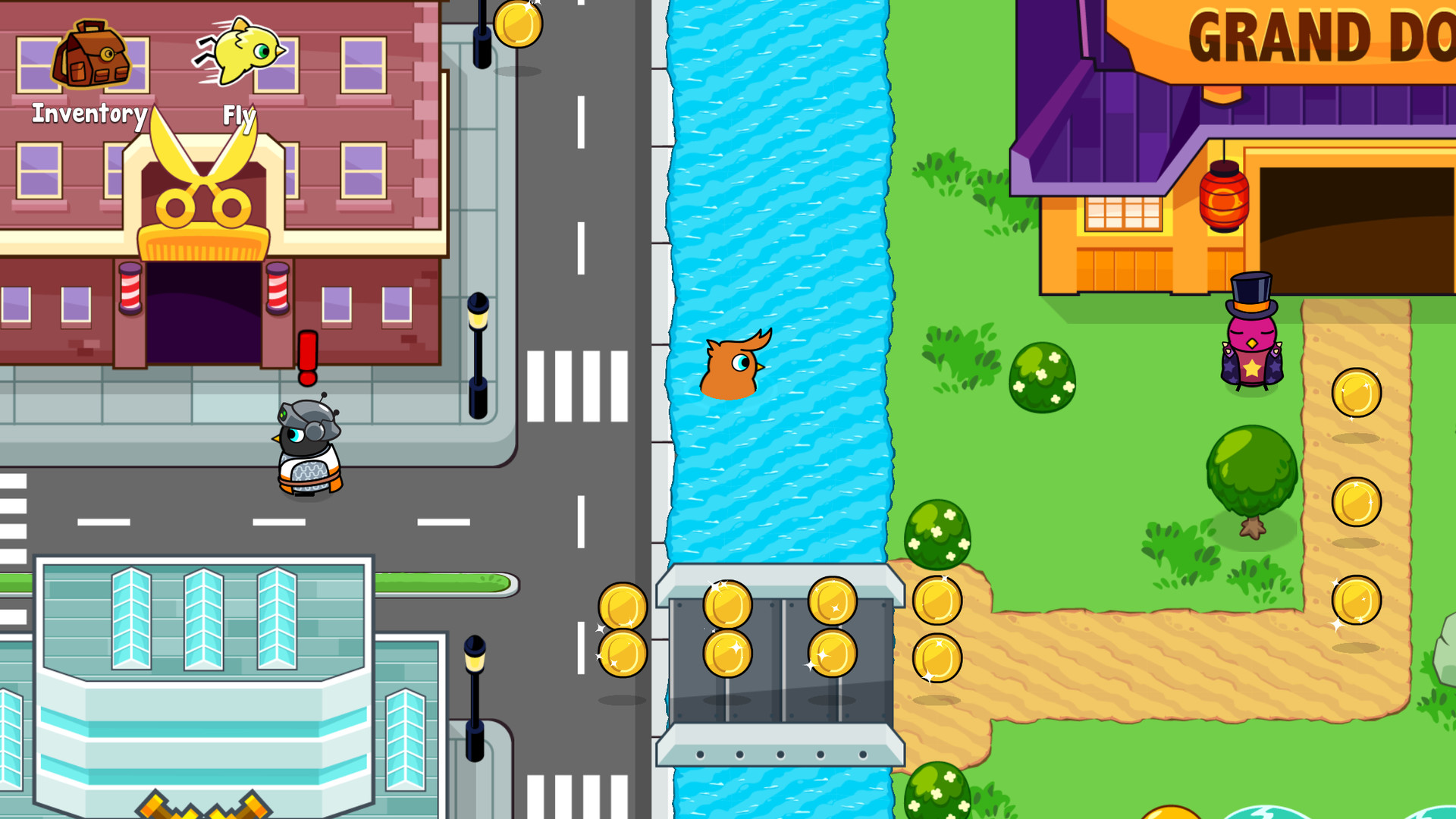
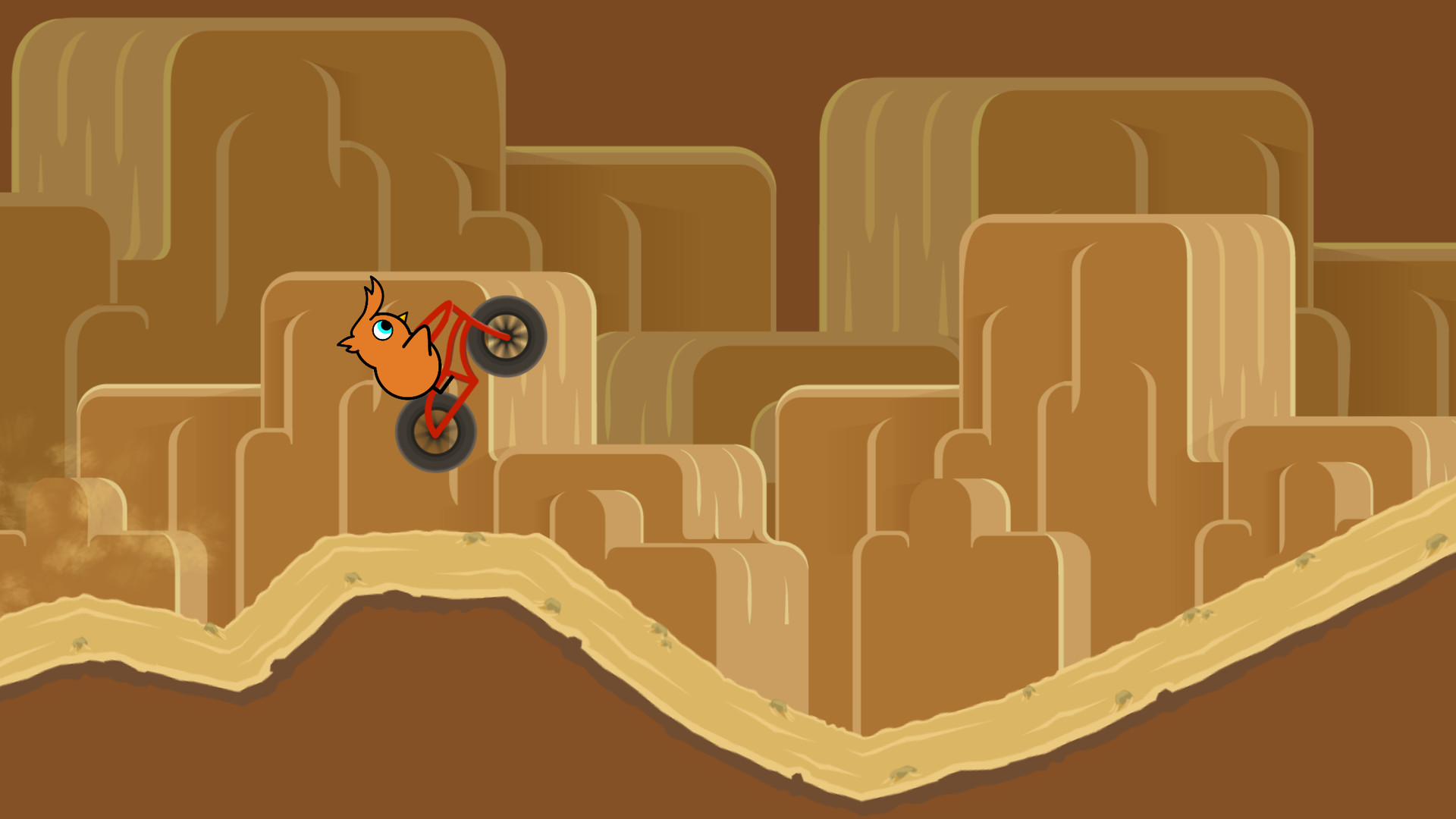
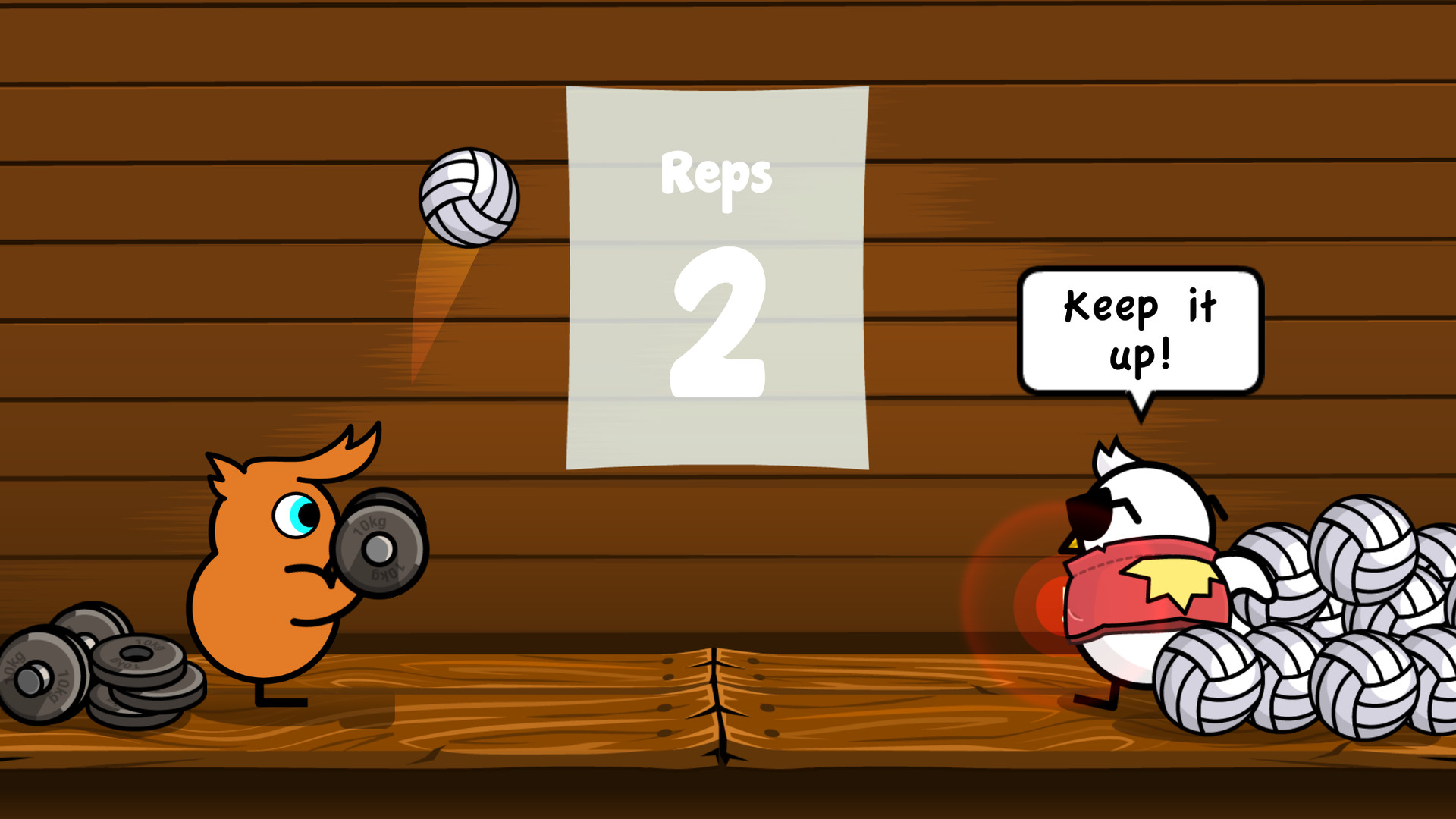
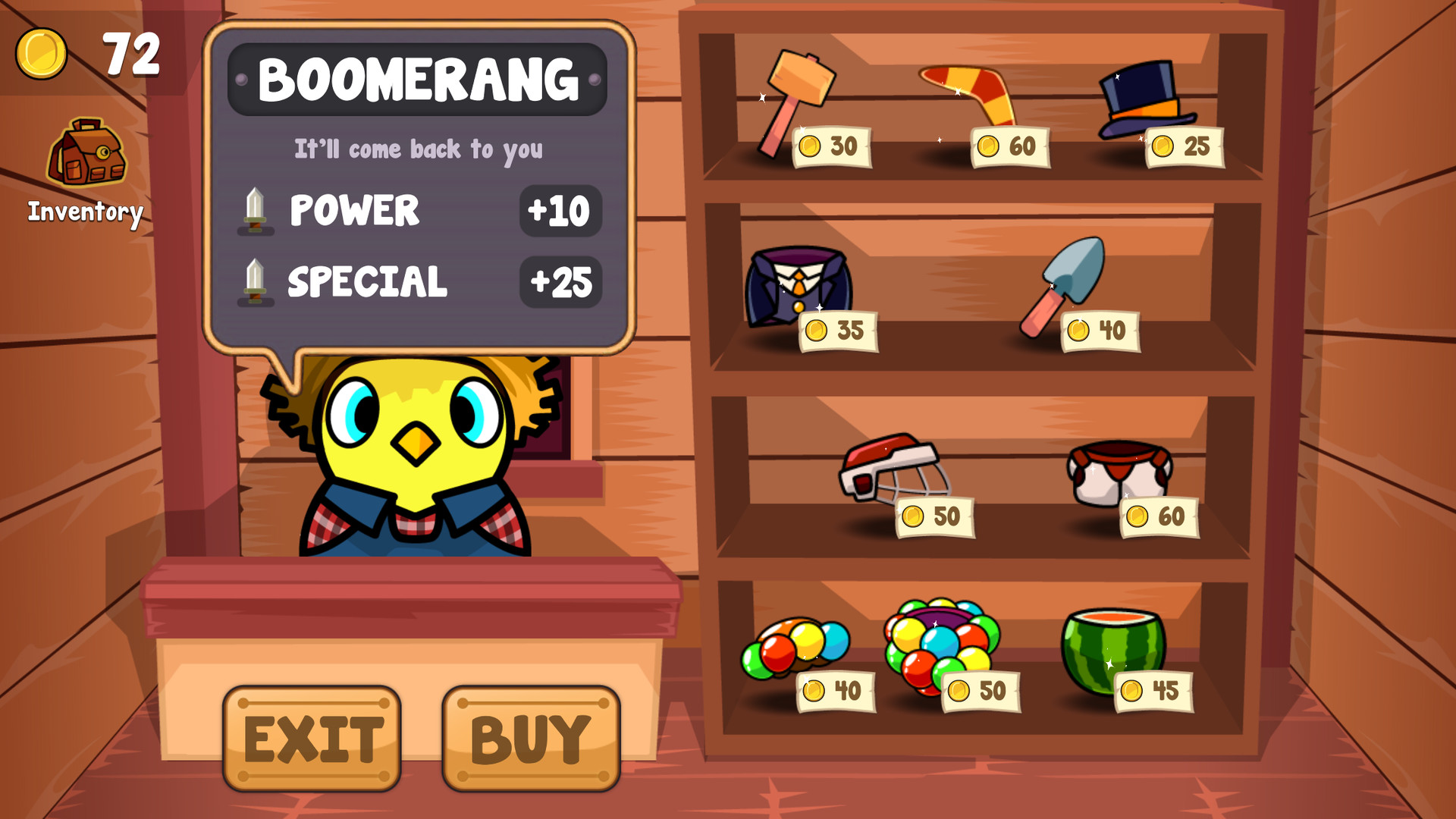
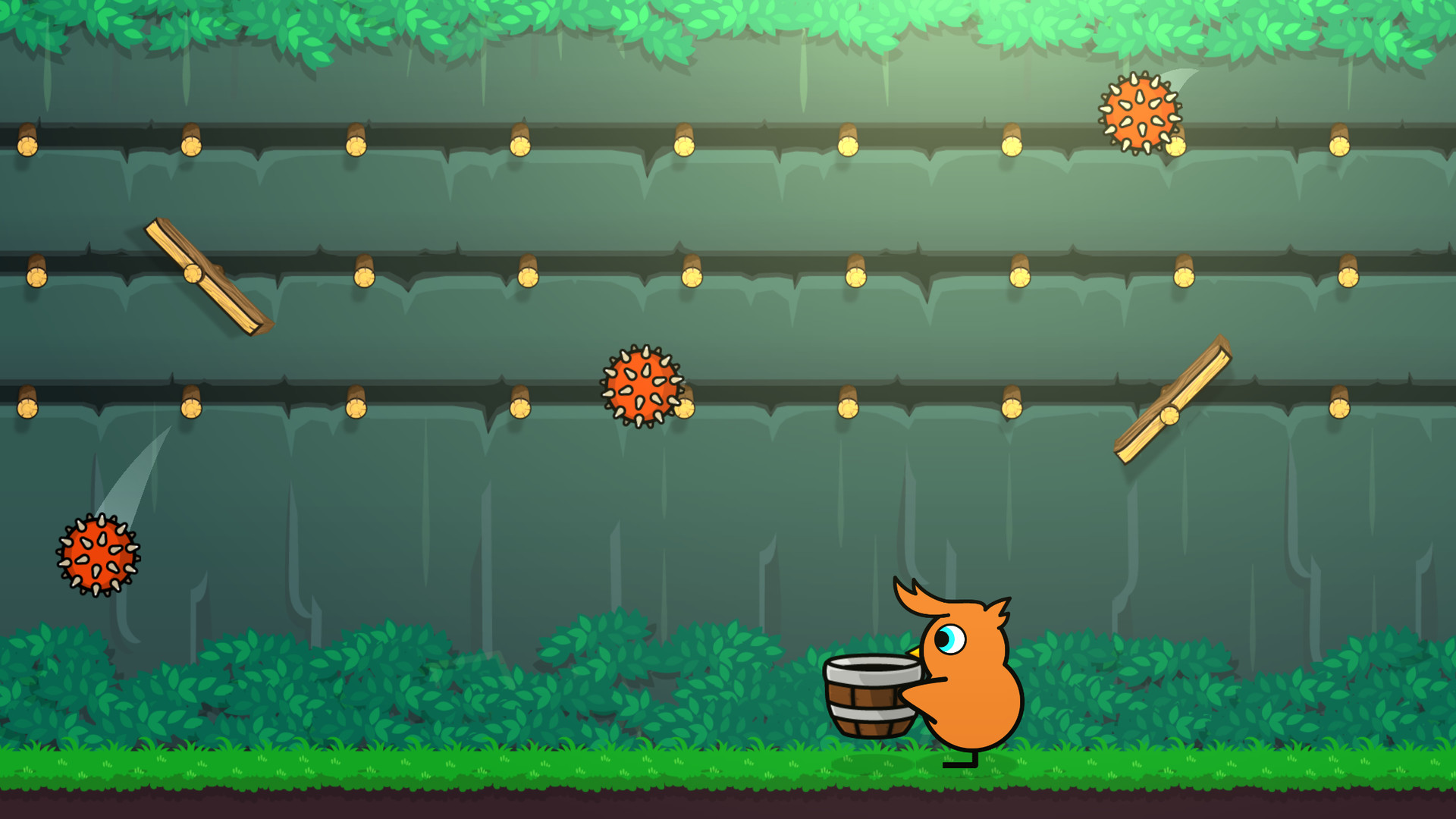
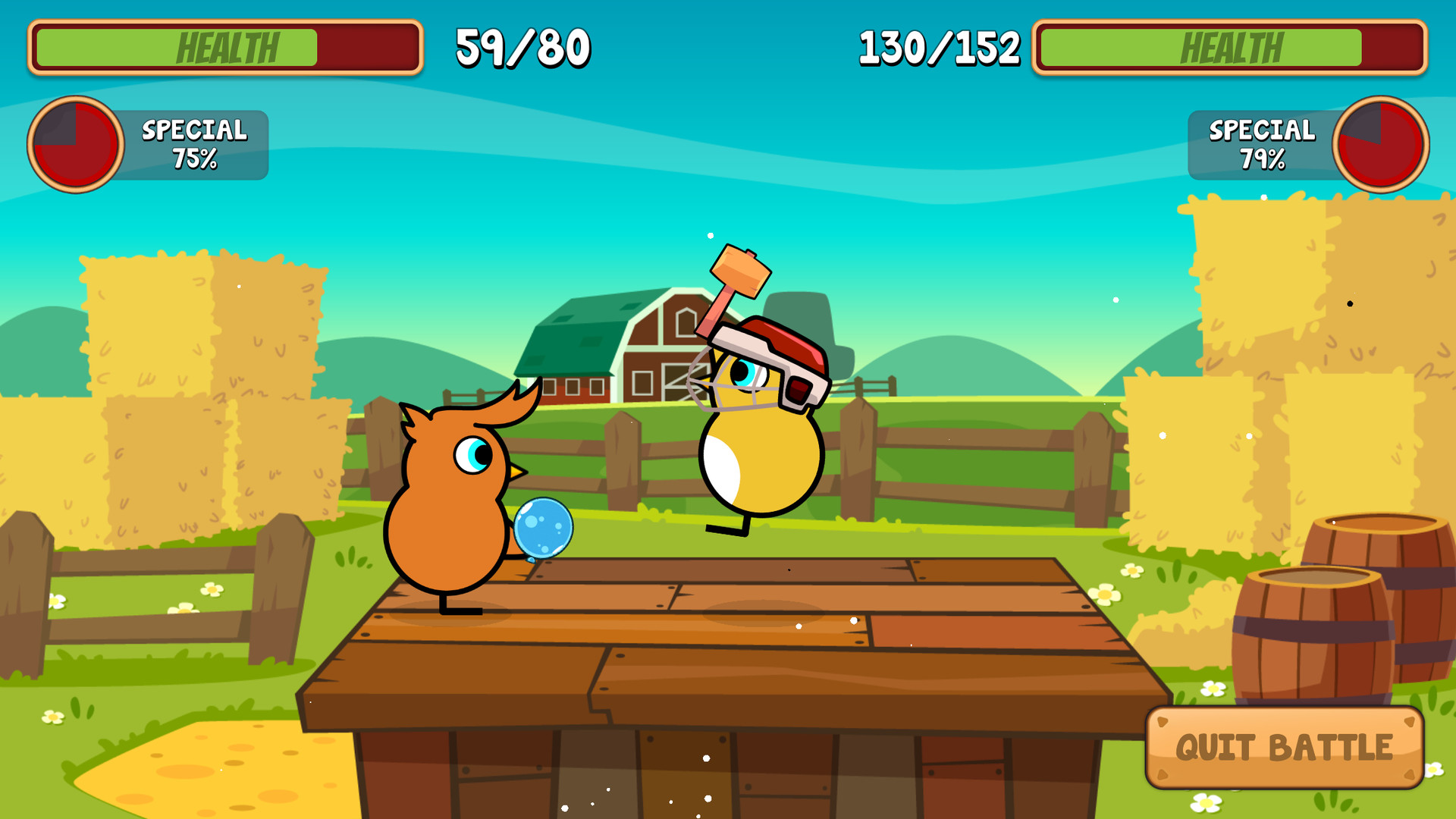
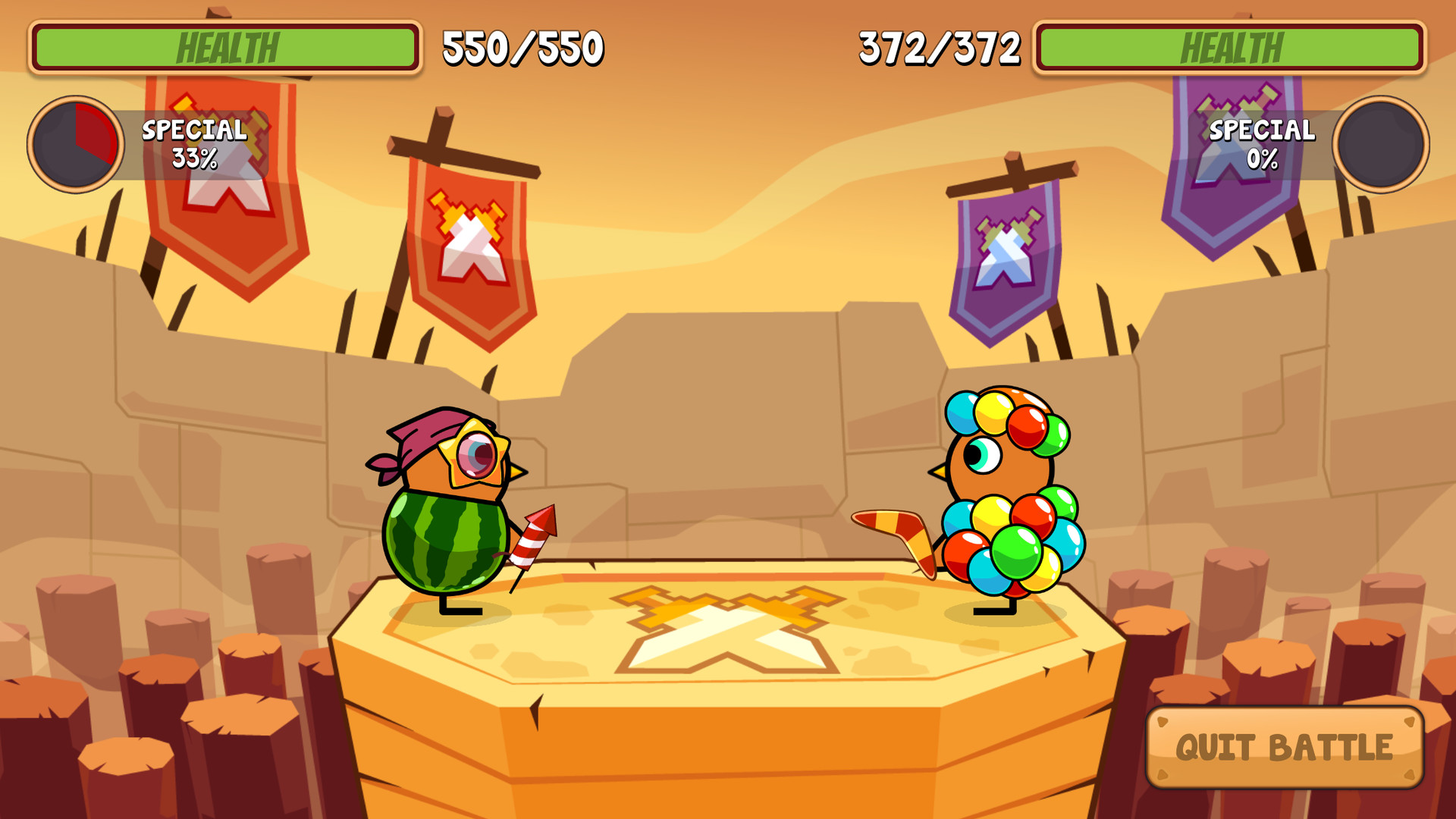
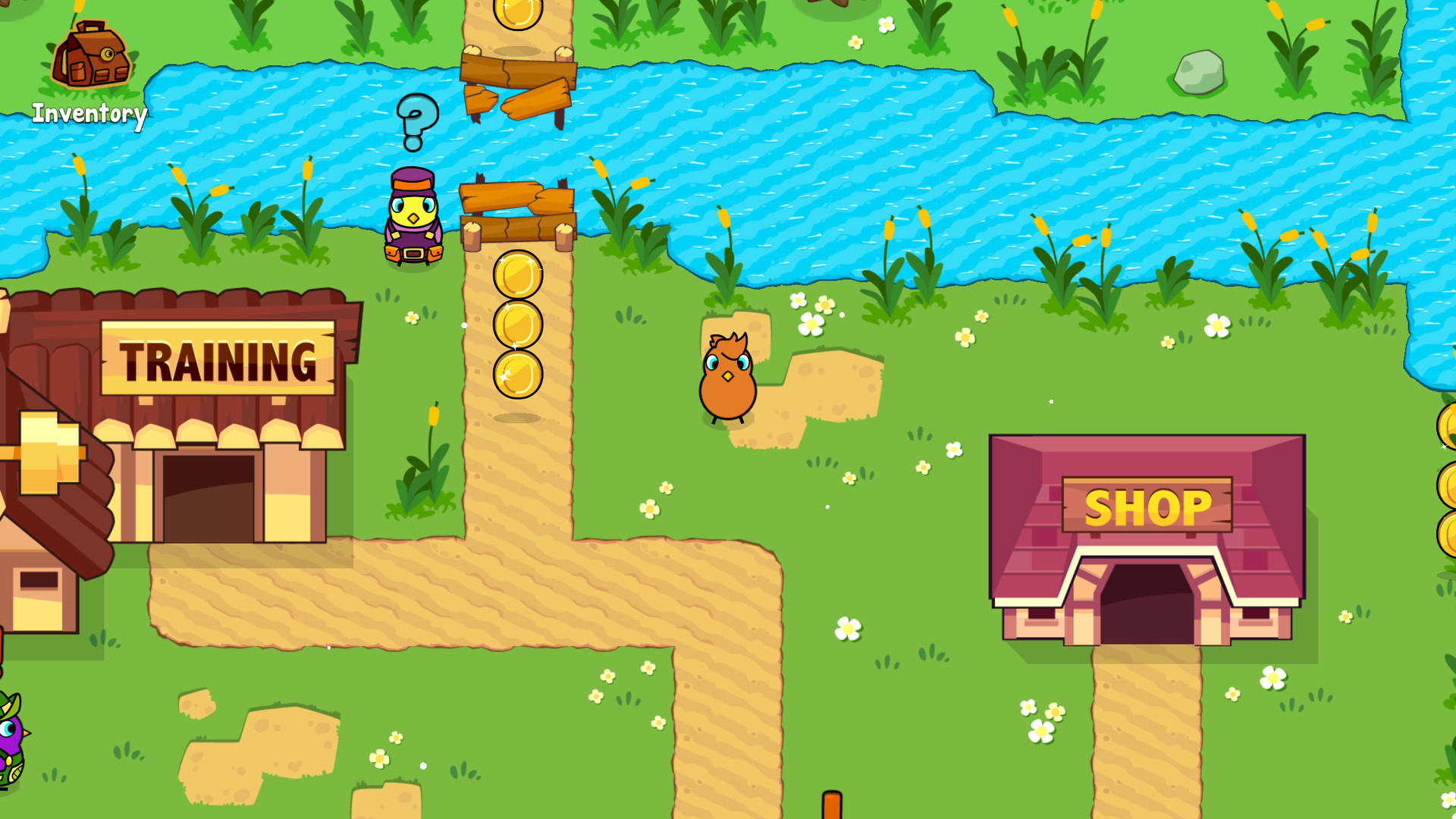
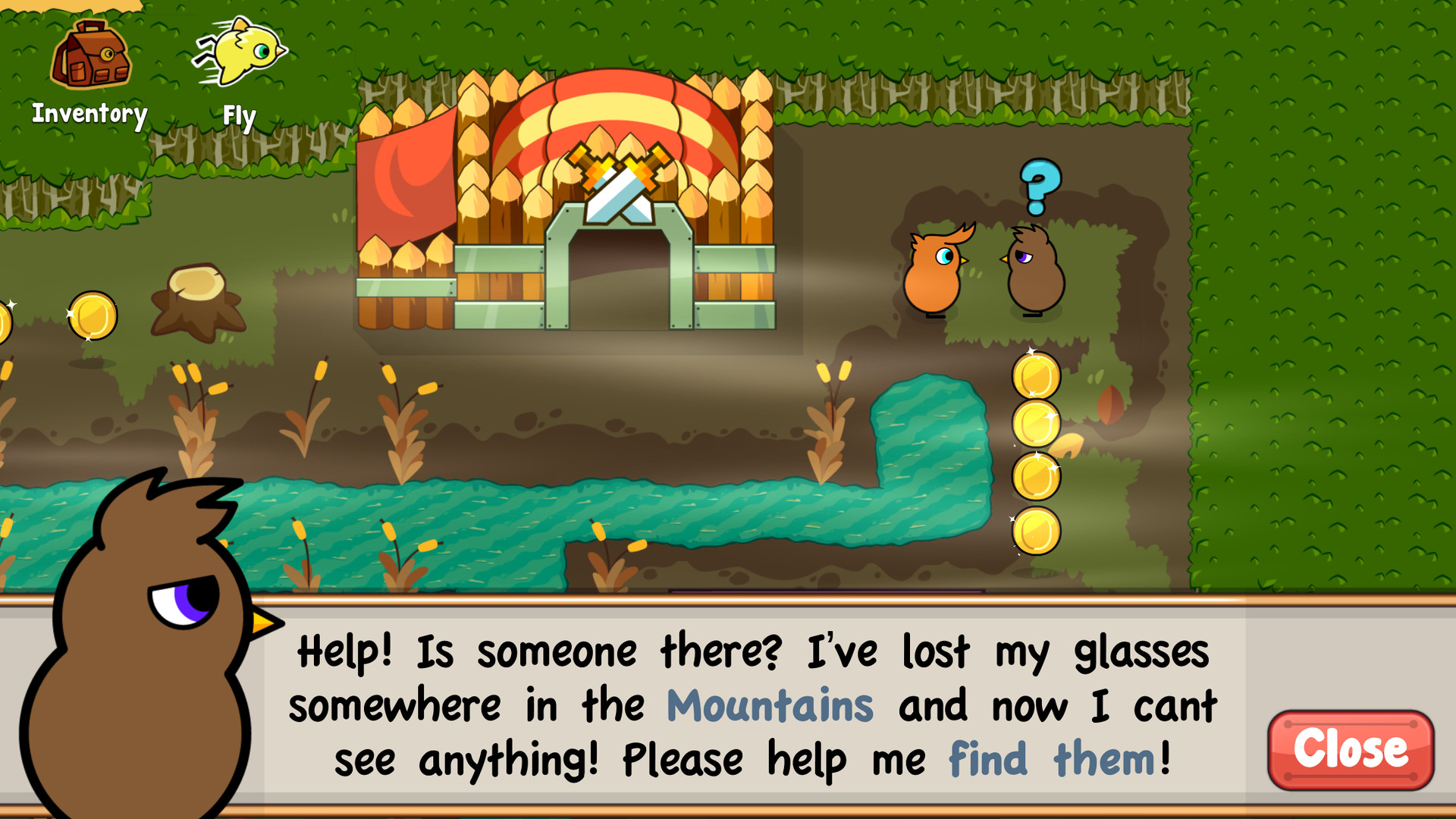
Duck Life 7: Battle takes one of the most recognizable ideas from the Duck Life series, training an ordinary duck into an exceptional competitor, and reshapes it around fighting rather than racing. The result is a lighthearted mixture of RPG progression, exploration, mini-games, customization, and combat that feels familiar while still giving this installment its own personality. Developed by Wix Games and MAD.com and published by MoFunZone Inc, the game maintains the colorful simplicity of its predecessors while introducing a broader emphasis on character statistics, equipment, battles, and tournaments. The central progression system revolves around developing five attributes: power, health, defence, speed, and special attack. Instead of simply gaining experience and distributing points through menus, players improve their duck by participating in training mini-games. There are five training dojos to discover, with five activities associated with each dojo, creating 25 training games altogether. This approach makes character development more interactive because improvement depends on actually completing activities rather than watching numbers automatically increase. It also preserves the arcade-like character of Duck Life despite the stronger RPG influence. Training naturally involves repetition, and that becomes both a defining strength and a potential drawback. Watching a weak character gradually develop into a capable fighter is satisfying, particularly because each statistic contributes toward the larger objective of defeating increasingly formidable opponents. The mini-games provide enough variation to keep the early and middle portions entertaining, while high-score chasing gives dedicated players another objective. However, anyone who dislikes repeating short activities to improve statistics may eventually find the progression somewhat grind-heavy. The game is deliberately built around gradual improvement, so training is not merely optional side content. Exploration adds welcome variety between these sessions. The adventure is divided across six areas containing characters to meet, objectives to pursue, dojos to locate, and opponents to challenge. More than 40 battles provide frequent opportunities to test whether the latest training sessions and equipment upgrades have actually strengthened your duck. The environments are not intended to provide the complexity of a large traditional RPG, but they give the campaign a sense of movement and discovery that prevents it from feeling like a disconnected collection of mini-games. Combat is relatively straightforward, with the greater strategic emphasis placed on preparation and character development rather than complicated moment-to-moment fighting mechanics. This works surprisingly well with the overall structure. Training improves the duck, exploration produces opportunities and rewards, equipment offers further development, and battles serve as examinations of everything accomplished beforehand. Tournaments provide larger milestones and help reinforce the fantasy of progressing from an inexperienced fighter into a champion. Customization is another enjoyable component. Players can design their duck and collect from a selection of 100 weapons and costumes. The equipment system gives exploration and progression a more tangible reward because improvement is represented visually as well as statistically. It also complements the game's deliberately silly premise. A cute cartoon duck carrying weapons and wearing increasingly elaborate equipment captures the playful tone perfectly, preventing the combat theme from becoming overly serious. Quests further expand the campaign by providing smaller goals beyond training and fighting. These activities encourage players to interact with characters throughout the world and provide additional rewards along the way. The resulting gameplay cycle is simple but effective: explore, complete objectives, train, collect equipment, fight stronger opponents, and prepare for tournaments. None of these systems is particularly complicated by itself, but together they create a steady sense of advancement that suits a casual RPG. Presentation remains one of the game's most immediately appealing qualities. The bright environments, adorable characters, straightforward animations, and cartoon aesthetic give Duck Life 7: Battle a welcoming personality. Its graphics prioritize readability and charm rather than visual complexity, which suits the game's accessible design. The music similarly contributes to its energetic and cheerful atmosphere. The contrast between the innocent-looking ducks and their determination to become powerful fighters gives the adventure much of its humor. Online high scores provide another incentive to master the training activities, particularly for players interested in achieving the best possible rankings. Trying to earn an A+ across the training games turns otherwise routine character development into a score-focused challenge. The Steam description also references online battles with friends, although the current Steam feature listing prominently identifies the title as single-player with Steam Leaderboards. Because of that discrepancy, the game is better purchased primarily for its single-player progression rather than specifically for multiplayer. Steam Deck compatibility deserves particular caution. Duck Life 7: Battle is currently categorized as Unsupported for Steam Deck in Steam compatibility metadata, with Valve's testing information indicating that support is still being worked on. The compatibility data does identify gamepad input and Proton Stable, but it also notes issues such as manually invoking the keyboard, non-Deck button glyphs, and small text. Consequently, Steam Deck owners should not consider this a verified handheld experience. It may be possible to experiment with Proton and control configurations, but dependable Deck compatibility should not be assumed. The greatest weakness is that the game's simplicity eventually exposes repetition in both training and progression. Players expecting sophisticated tactical combat, a deep storyline, extensive RPG decision-making, or complex character builds will probably find the mechanics limited. Duck Life 7: Battle is much more interested in providing accessible progression and short activities than demanding strategic mastery. For its intended audience, however, that simplicity is part of the attraction. Overall, Duck Life 7: Battle successfully transforms the series' familiar training formula into a charming combat-focused adventure. Its 25 training mini-games, five character attributes, six explorable areas, more than 40 battles, quests, tournaments, customization, and large collection of weapons and costumes provide a satisfying amount of content within an intentionally straightforward structure. Repetition and relatively shallow combat prevent it from becoming a particularly deep RPG, while the Unsupported Steam Deck status limits its appeal as a guaranteed handheld experience. Nevertheless, its cheerful personality and addictive sense of incremental improvement make training a tiny duck into a powerful battler surprisingly entertaining. Rating: 7/10