
The Stillness of the Wind
A quiet game of life and loss. One by one, everyone left the village for the city. Everyone, except Talma. Approaching her final years, she maintains a simple way of life tending to her homestead, surviving, subsisting, whilst increasingly disturbing letters arrive from her family in the city.
Sync your Steam wishlist to find the lowest game prices instantly. No login required, just paste your Steam profile URL!
⚡ Try Wishlist Radar!
Sync your Steam wishlist to find the lowest game prices instantly. No login required!
⚡ Try Wishlist Radar!
Close

Elsinore on Steam
Quick menu
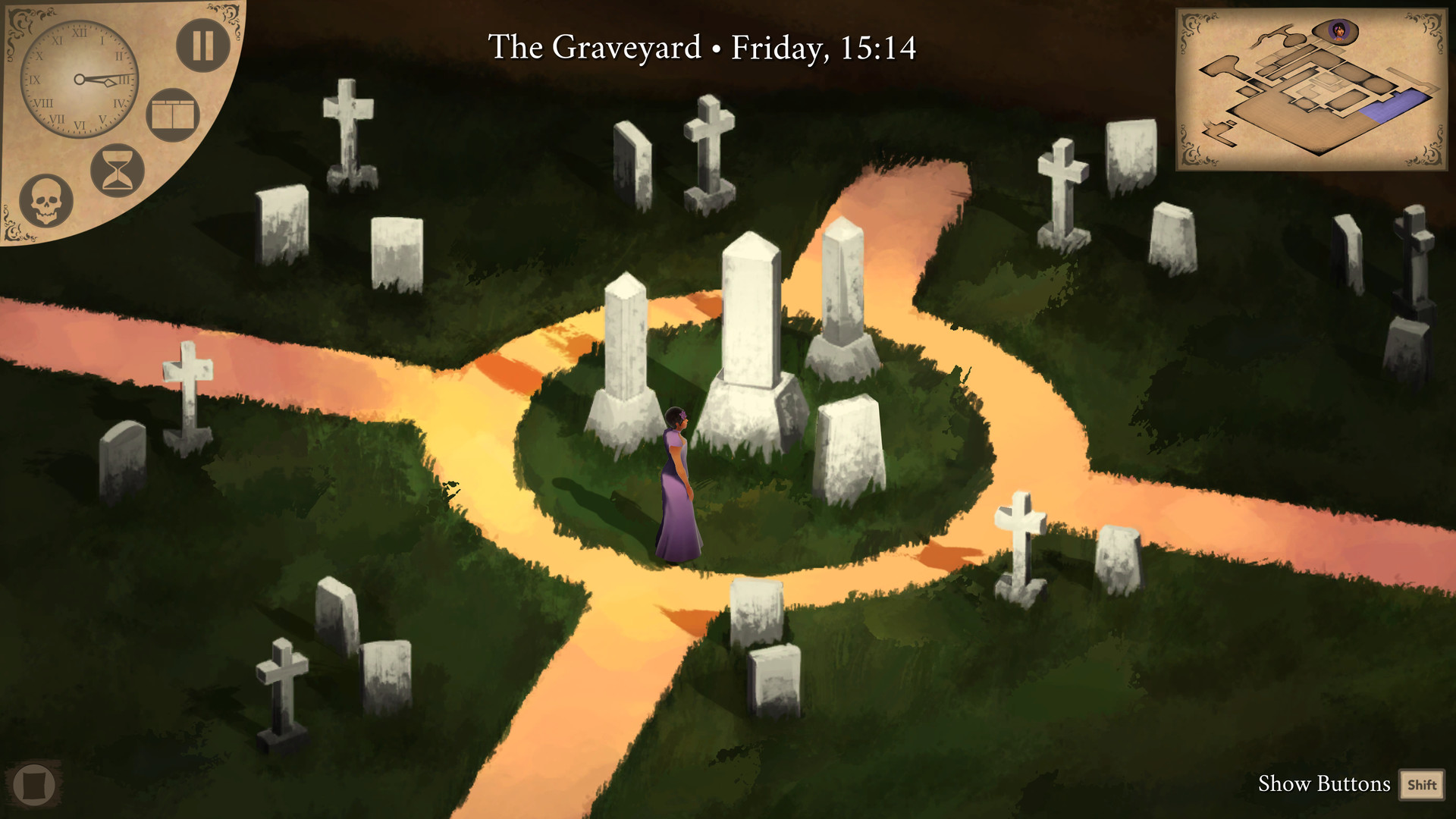
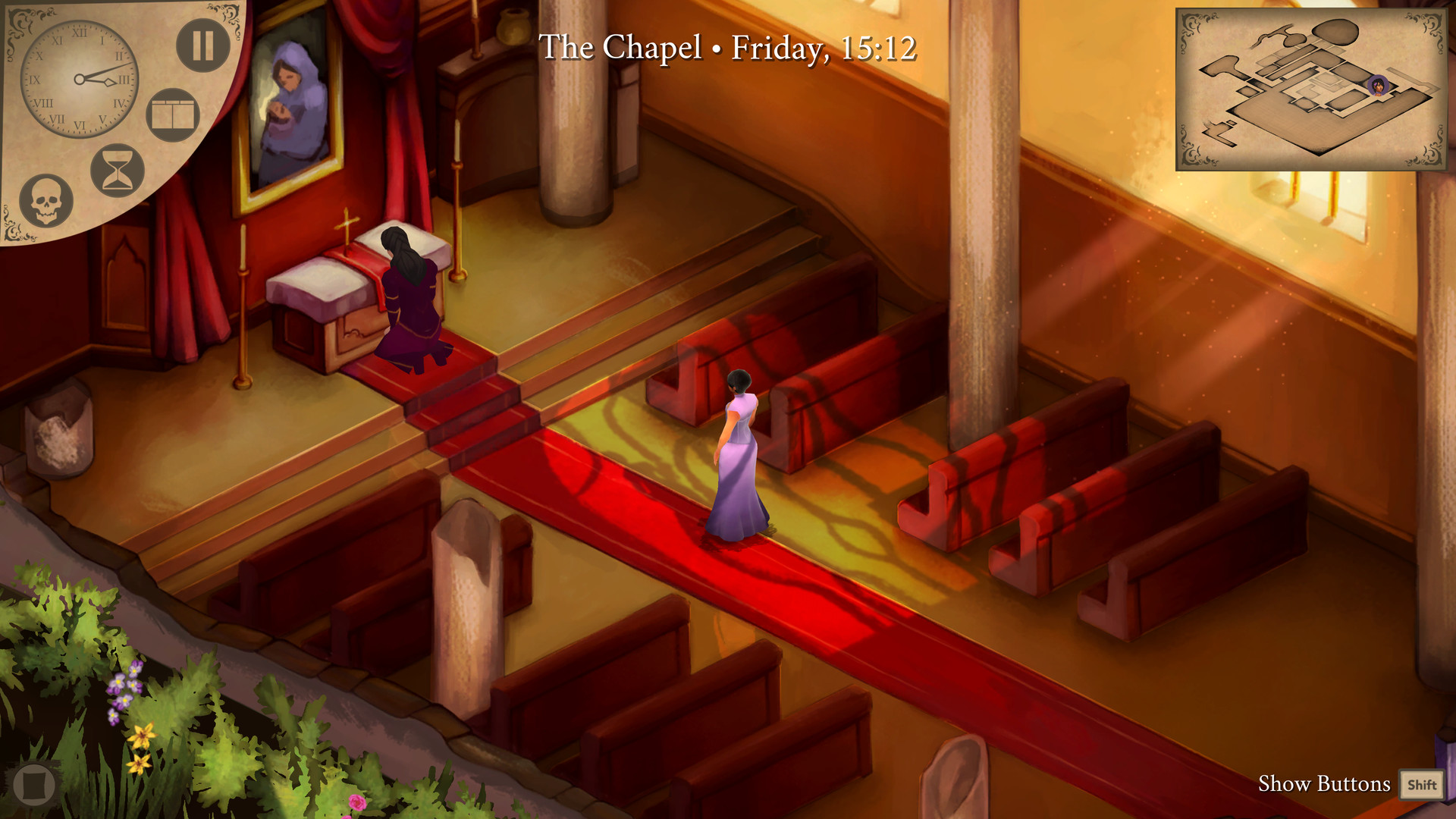
Elsinore is a time-looping adventure game set in the world of Shakespeare's Hamlet. Elsinore combines strong social simulation elements, a dynamic story that reacts immediately to player decisions, and a world full of diverse characters with secrets to uncover.
Elsinore is a indie, adventure and simulation game
developed and published by Golden Glitch.
Released on July 23rd 2019 is available on Windows, MacOS, Linux, Steam Deck and Steam Machine.
It has received 345 reviews of which 328 were positive and 17 were negative resulting in a rating of 8.7 out of 10. 😎
The game is currently priced at 8.19€ on Steam.
The Steam community has classified Elsinore into these genres:
Indie
Adventure
Simulation
Story Rich
Choices Matter
Time Travel
Female Protagonist
Point & Click
Singleplayer
Atmospheric
Great Soundtrack
Investigation
Time Management
Multiple Endings
Time Manipulation
Controller
LGBTQ+
Here is the detailed breakdown of supported languages for Elsinore:
| UI | Subtitle | Audio | |
|---|---|---|---|
| English |
Media & Screenshots
Get an in-depth look at Elsinore through various videos and screenshots.
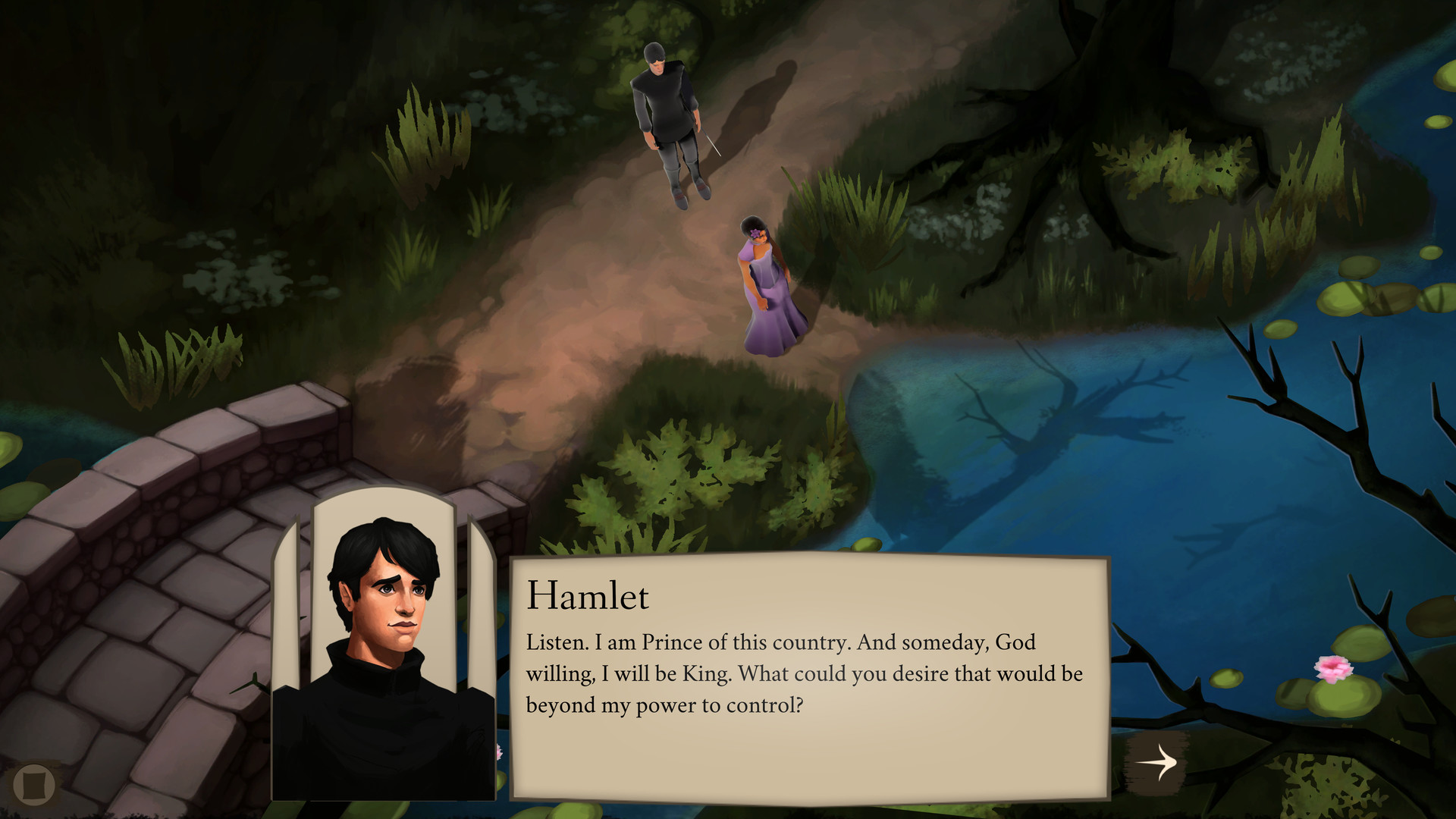
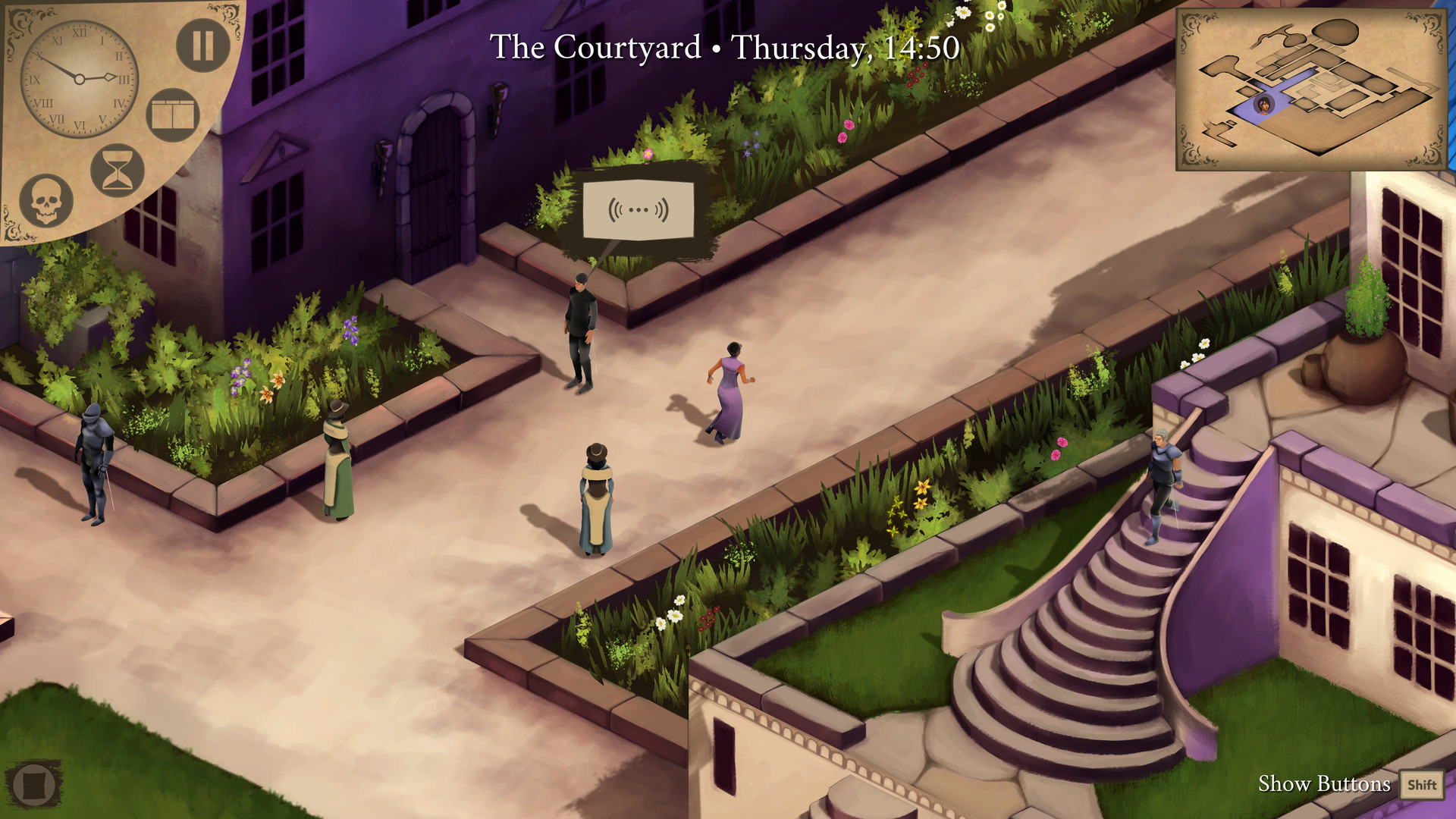
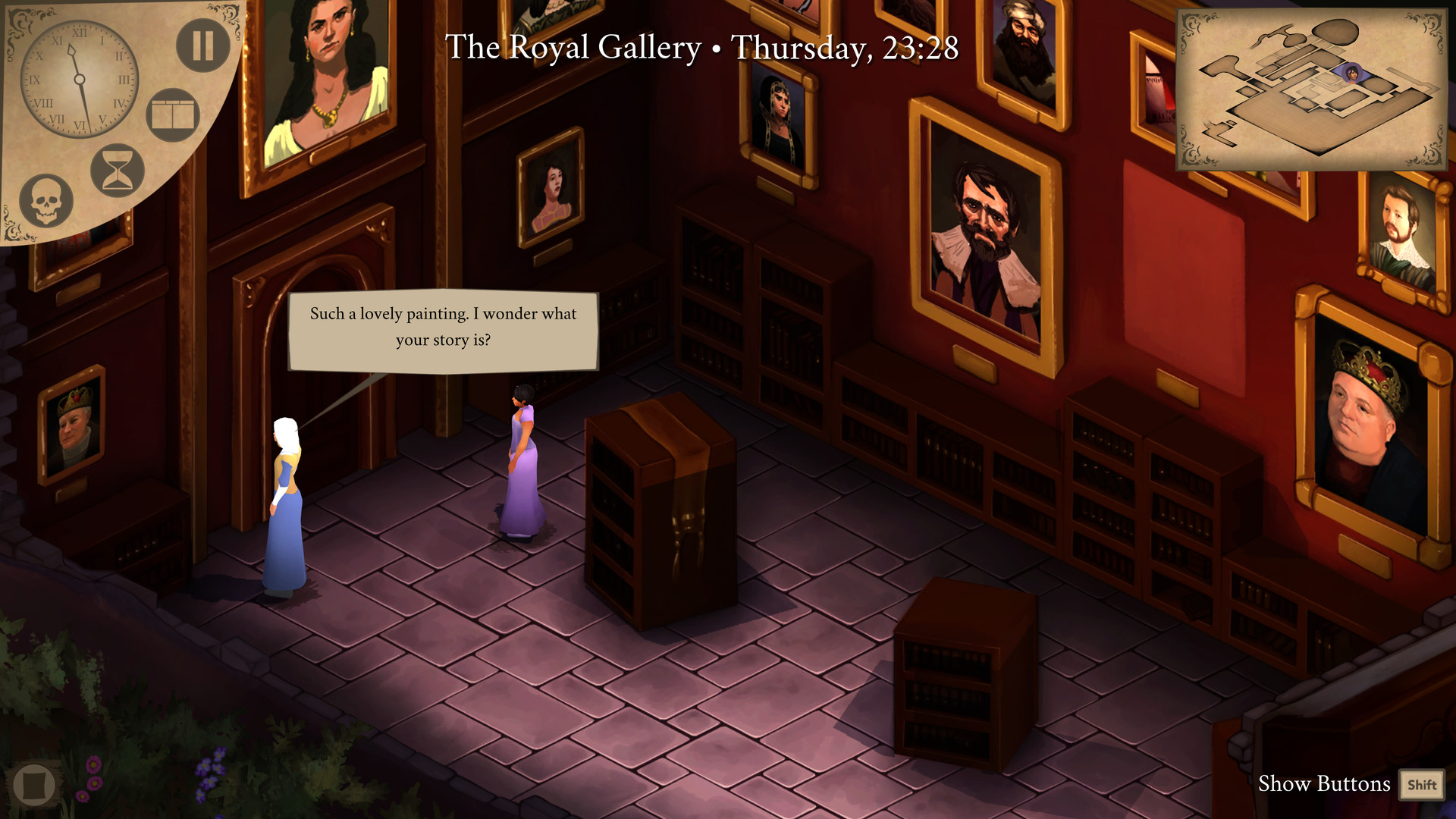
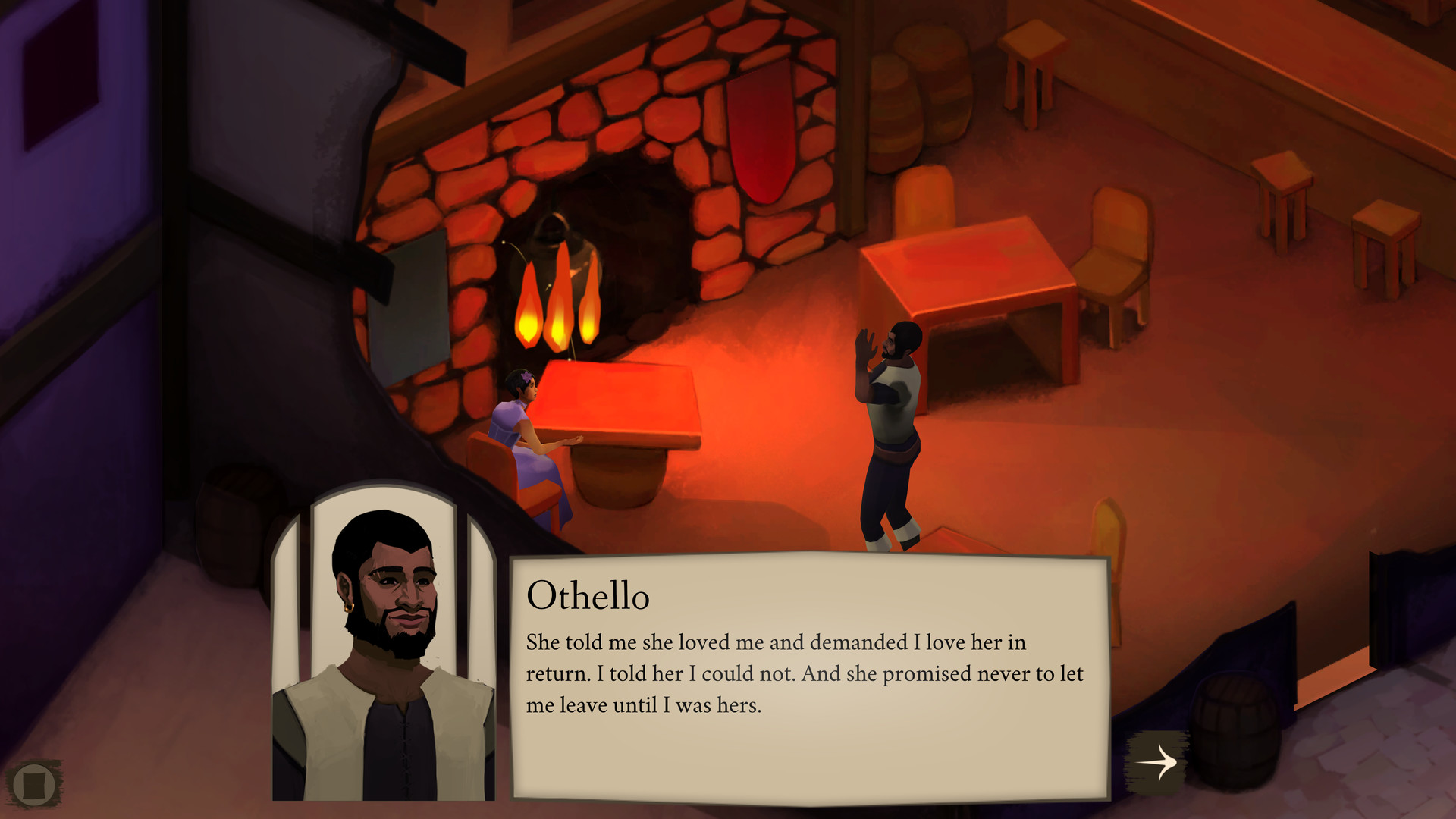

Load More




System requirements
These are the minimum specifications needed to play the game. For the best experience, we recommend that you verify them.
Windows
- Requires a 64-bit processor and operating system
- OS *: Windows 7
- Processor: 2 GHz Intel Core i5 or better
- Memory: 4 GB RAM
- Graphics: Intel HD Graphics 4000
- DirectX: Version 11
- Storage: 1600 MB available space
MacOS
- OS: macOS High Sierra or Mojave
- Processor: 2 GHz Intel Core i5 or better
- Memory: 4 GB RAM
- Graphics: Intel HD Graphics 4000
- Storage: 1600 MB available space
Linux
- OS: Ubuntu 18.04.2 LTS
- Processor: 2 GHz Intel Core i5 or better
- Memory: 4 GB RAM
- Graphics: Intel HD Graphics 4000
- Storage: 1600 MB available space
Steam Price & Best Deals
User reviews & Ratings
Explore reviews from Steam users sharing their experiences and what they love about the game.
An incredible time loop puzzle game. Captures the feeling of everyting getting worse the more you try to fix things of groundhogs day-type movies incredibly well. Exploring the different cascading effects of ones choices and diverging timelines was a delight, I only wish they included some option to fast forward through already seen dialogue, got slightly annoying when working on some of the last puzzles.
Really enjoyed this game, not only as a Hamlet fan, but also for the rich and layered expansions and retellings and connections contained in this story! I enjoyed simply following people around as much as trying to figure out the overall mysteries. Controls are pretty intuitive and fluid. The art style is also very beautiful and the voice acting is great! One of my favorite games.
Elsinore is a fascinating narrative adventure that reimagines Shakespeare's Hamlet through an inventive combination of time manipulation, social simulation, and branching storytelling. Developed and published by Golden Glitch, the game places players in the role of Ophelia, who becomes trapped in a repeating four-day cycle after witnessing a terrifying vision of everyone in Elsinore Castle dying. Rather than accepting this tragic destiny, she attempts to rewrite the future by uncovering secrets, influencing relationships, and making decisions that fundamentally alter the unfolding events. This unusual premise creates a compelling experience where curiosity, observation, and understanding human behavior are more important than conventional puzzle-solving skills. The central time-loop mechanic is easily one of the game's strongest features. Every four days, the world resets, but Ophelia retains the information gathered during previous cycles. This transforms knowledge into a valuable resource, allowing players to approach familiar conversations with entirely new perspectives. Discovering a hidden relationship, learning about someone's intentions, or witnessing a particular incident can unlock opportunities that were previously unavailable. Each repetition becomes an experiment in cause and effect, encouraging players to investigate different possibilities instead of following a predetermined sequence. The satisfaction of finally understanding how seemingly unrelated events connect makes the investigative process particularly rewarding. What makes Elsinore especially impressive is its responsive narrative system. Characters follow individual schedules, pursue personal ambitions, and interact with one another independently of the player's immediate involvement. Conversations and decisions can influence their behavior, sometimes producing consequences that only become apparent much later. Players can reveal secrets, spread rumors, offer forgiveness, establish friendships, or deliberately manipulate circumstances to achieve particular outcomes. These interactions give the castle a convincing sense of activity, making its inhabitants feel like individuals with their own motivations rather than simple obstacles in Ophelia's journey. However, this complexity also means that even well-intentioned decisions can produce disastrous results. The writing deserves considerable recognition for transforming familiar literary material into an accessible and emotionally engaging interactive story. Although knowledge of Hamlet enhances appreciation of certain characters and situations, newcomers can still understand the central conflicts without studying the original play. Themes involving betrayal, loyalty, love, mortality, and personal responsibility are explored through meaningful conversations and difficult choices. Ophelia's expanded agency is particularly compelling, allowing her to challenge circumstances that traditionally define her tragic role. The supporting cast also benefits from additional characterization, with personal histories and conflicting desires creating situations where determining the morally correct decision is rarely straightforward. Gameplay primarily revolves around exploration, dialogue, information gathering, and careful time management. Unlike traditional point-and-click adventures that emphasize inventory combinations or environmental puzzles, Elsinore challenges players to understand when and how particular interactions should occur. Knowing the right information is only part of the solution, since approaching someone at the wrong moment can completely change the outcome. This approach creates a distinctive form of problem-solving that rewards patience and experimentation. Nevertheless, players who prefer mechanical challenges or action-oriented gameplay may find the heavy emphasis on conversations and narrative decisions somewhat limiting. The presentation complements the experience through expressive character artwork, atmospheric environments, and a visual style that emphasizes personality over graphical complexity. Elsinore Castle provides an appropriately dramatic setting, with its interconnected rooms and recurring activities reinforcing the sensation of participating in an elaborate theatrical production. The soundtrack contributes effectively to the atmosphere, supporting moments of mystery, tension, and emotional reflection. English voice acting further strengthens important character interactions, while the overall artistic direction maintains a consistent identity that suits the game's literary inspiration. Despite its originality, the adventure occasionally struggles with repetition and pacing. Revisiting familiar conversations and waiting for specific events can become tedious, particularly when experimenting with complicated narrative possibilities. Missing an important interaction may require another cycle, potentially forcing players to repeat activities they already understand. The interconnected storytelling can also make progression confusing when the consequences of certain decisions are not immediately obvious. Although these frustrations are understandable consequences of the game's ambitious design, they can interrupt the momentum of an otherwise absorbing mystery. Players attempting to discover every possible outcome may encounter considerably more repetition than those simply following their curiosity. Replayability remains a substantial advantage because different decisions can reveal alternative character developments, unexpected consequences, and multiple endings. The game encourages players to reconsider their assumptions and investigate possibilities that initially seem insignificant. Its branching structure gives the narrative considerable depth, although the experience is most rewarding when approached as an opportunity to explore different interpretations of the story rather than an obligation to exhaust every available dialogue option. The ability to influence events without completely controlling them reinforces the central theme that knowledge does not necessarily guarantee a favorable outcome. Steam Deck compatibility is officially rated Verified, making Elsinore suitable for Valve's handheld system. The game also features full controller support, allowing players to navigate its environments and conversations without relying exclusively on traditional mouse-and-keyboard controls. Its modest hardware requirements and dialogue-focused gameplay make it particularly appropriate for portable sessions. Players interested in experiencing an elaborate narrative adventure away from a desktop computer should find the Steam Deck version a convenient option. Overall, Elsinore is an intelligent and creatively ambitious adventure that demonstrates how established literary stories can be transformed through meaningful player interaction. Its sophisticated narrative structure, memorable characters, and inventive time-loop mechanics create an experience that feels genuinely distinctive within the adventure genre. While repetitive sequences, occasional confusion, and deliberate pacing prevent it from achieving perfection, the quality of its storytelling and the freedom to experiment with different outcomes make these shortcomings relatively minor. Anyone who appreciates character-driven mysteries, morally complicated decisions, and interactive storytelling should find plenty to admire in this imaginative reinterpretation of Shakespearean tragedy. A wonderfully inventive and emotionally engaging narrative adventure that combines literary depth, meaningful choices, and clever time-loop mechanics into a memorable experience. Rating: 9/10
I LOVE Elsinore - it's my absolutely favorite adaptation of Hamlet by far. The time loop mechanics really allow the developers to dive deep into the characters and I really like how they chose to flesh each of them out beyond what's strictly in Shakespeare's text. I've played this maybe four or five times - I would definitely recommend if you're ever looking for a Nancy Drew-esque time loop mystery, or just a good way to experience Hamlet.
Similar games
View all

Tech Support: Error Unknown
Things are not what they seem at your new tech support specialist job. While resolving customer issues, you soon find yourself in the middle of a conspiracy. Will you side with your employer, join a rogue hacktivist group bent on destroying them, assist the police or stand alone?

Blackwood Crossing
Blackwood Crossing is a story-driven first-person adventure game. An intriguing and emotive tale exploring the fragile relationship between orphaned siblings, Scarlett and Finn. When their paths cross with a mysterious figure, an ordinary train ride evolves into a magical story of life, love and loss.

Unavowed
A demon has possessed you and used your body to tear a swath of bloodshed through New York. You are now free, but life as you knew it is over. Your only path forward is joining the Unavowed - an ancient society dedicated to stopping evil. No matter what the cost.


The Lion's Song: Episode 1 - Silence
„The Lion's Song: Episode 1 – Silence" draws the player into the life of a talented young composer, Wilma, preparing for her breakthrough concert, the defining moment of her career. Searching for inspiration she escapes from the pressure for success to the solitude of the Austrian Alps.

Through Abandoned: The Forest
You continue your journey in worlds of Abandoned.
Leviathan: The Last Day of the Decade
"Leviathan: The Last Day of the Decade" is a detective story told by a dweller of a cruel dark fantasy world affected by the pandemic. The world ruled by a five noble-born kins under the suzerainty of the undead Plague King.

SIMULACRA: Pipe Dreams
A spin-off of the critically acclaimed SIMULACRA, Pipe Dreams tells a brand new story, with a new interface, live-action cast and horrors to unravel. Follow the story of Teddy as he tries desperately to break free from the hold of a cursed video game.

Legal Dungeon
Legal Dungeon is a game about organizing Police Investigation Documents. The player must review and provide an Investigation Verdict on reports ranging from petty theft to murder, in eight different criminal cases. Weigh the value of people’s lives to unlock all the collectables.
Through the Darkest of Times
Berlin 1933. “Adolf Hitler is chancellor!” We all know the consequences this message bore. Unspeakable horrors and suffering would sweep across the world. Few would stand and fight the monstrosity that was the German Reich. Will you? Lead an underground resistance group Through the Darkest of Times.

Break the Game
This game is about Kevin, He's been stuck in his gaf̶̨s̨fẃ̵̕ HEY, YOU, STAY AWA̸̧͘Y, IT'S ME KEVIN, THERE'S NO POINT, D҉Ò̷̕N̸̕͏'T-- Follow him in this adventurous and humor-filled story to d̶̢͙̟̦̺̰̫̙̋̊͐̐͑͋̈́̕̕͝ die
Frequently Asked Questions
Elsinore is currently priced at 8.19€ on Steam.
No, Elsinore is currently not on sale. You can purchase it for 8.19€ on Steam.
Yes, Elsinore received 328 positive votes out of a total of 345 achieving a rating of 8.73.
😎
Elsinore was developed and published by Golden Glitch.
Yes, Elsinore is playable and fully supported on Windows.
Yes, Elsinore is playable and fully supported on MacOS.
Yes, Elsinore is playable and fully supported on Linux.
Yes, Elsinore is playable and fully supported on Steam Deck.
Yes, Elsinore is playable and fully supported on Steam Machine.
No, Elsinore does not support VR.
Elsinore is a single-player game.
Yes, there is a DLC available for Elsinore. Explore additional content available for Elsinore on Steam.
No, Elsinore does not support mods via Steam Workshop.
No, Elsinore does not support Steam Remote Play.
Yes, Elsinore is enabled for Steam Family Sharing. This means you can share the game with authorized users from your Steam Library, allowing them to play it on their own accounts. For more details on how the feature works, you can read the original Steam Family Sharing announcement or visit the Steam Family Sharing user guide and FAQ page.
You can find solutions or submit a support ticket by visiting the Steam Support page for Elsinore.
Data sources
The information presented on this page is sourced from reliable APIs to ensure accuracy and relevance. We utilize the Steam API to gather data on game details, including titles, descriptions, prices, and user reviews. This allows us to provide you with the most up-to-date information directly from the Steam platform.
Additionally, we incorporate data from the SteamSpy API, which offers insights into game sales and player statistics. This helps us present a comprehensive view of each game's popularity and performance within the gaming community.
Last Updates| Steam data | 24 September 2026 04:33 UTC |
|---|---|
| SteamSpy data | 14 October 2026 08:47 UTC |
| Steam price | 27 October 2026 20:01 UTC |
| Steam reviews | 21 October 2026 17:56 UTC |
If you'd like to dive deeper into the details about Elsinore, we invite you to check out a few dedicated websites that offer extensive information and insights. These platforms provide valuable data, analysis, and user-generated reports to enhance your understanding of the game and its performance.
- SteamDB - A comprehensive database of everything on Steam about Elsinore
- SteamCharts - Analysis of Elsinore concurrent players on Steam
- ProtonDB - Crowdsourced reports on Linux and Steam Deck Elsinore compatibility

Game modes
Features
Online players
1
Developer
Golden Glitch
Publisher
Golden Glitch
Release
23 Jul 2019
Platforms