
Fluffy Store
A string of mysterious wind chimes brought three lovely and uninvited kemonomimi girls to this small convenience store. At such a summer night full of surprises and excitement, what lies ahead on their road of adventure?
Sync your Steam wishlist to find the lowest game prices instantly. No login required, just paste your Steam profile URL!
⚡ Try Wishlist Radar!
Sync your Steam wishlist to find the lowest game prices instantly. No login required!
⚡ Try Wishlist Radar!
Close

Endless Jade Sea -Midori no Umi- on Steam
Quick menu
A suspense with a twist, this game is made by Cabbit, sister brand of SkyFish. The special touch of the female screenplay writer has brought this game to a whole new level. A group of youngsters, who suffered from memory loss, got lost in a mansion in the woods. What will their fate be?
Endless Jade Sea -Midori no Umi- is a visual novel, anime and indie game
developed by Cabbit
and published by SakuraGame.
Released on January 23rd 2019 is available only on Windows.
It has received 428 reviews of which 360 were positive and 68 were negative resulting in a rating of 7.9 out of 10. 😊
The game is currently priced at 0.79€ on Steam with a 60% discount.
The Steam community has classified Endless Jade Sea -Midori no Umi- into these genres:
Media & Screenshots
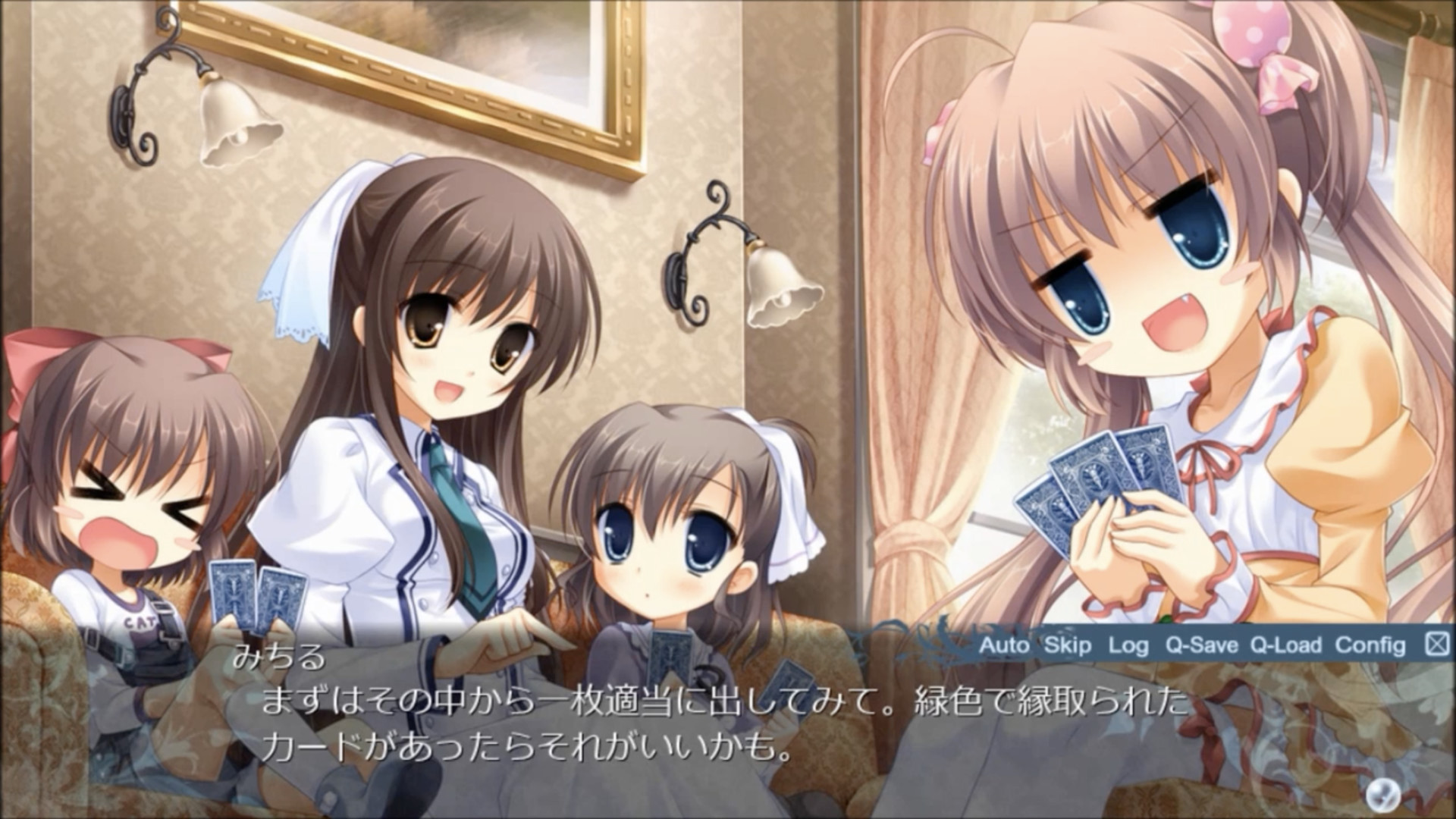
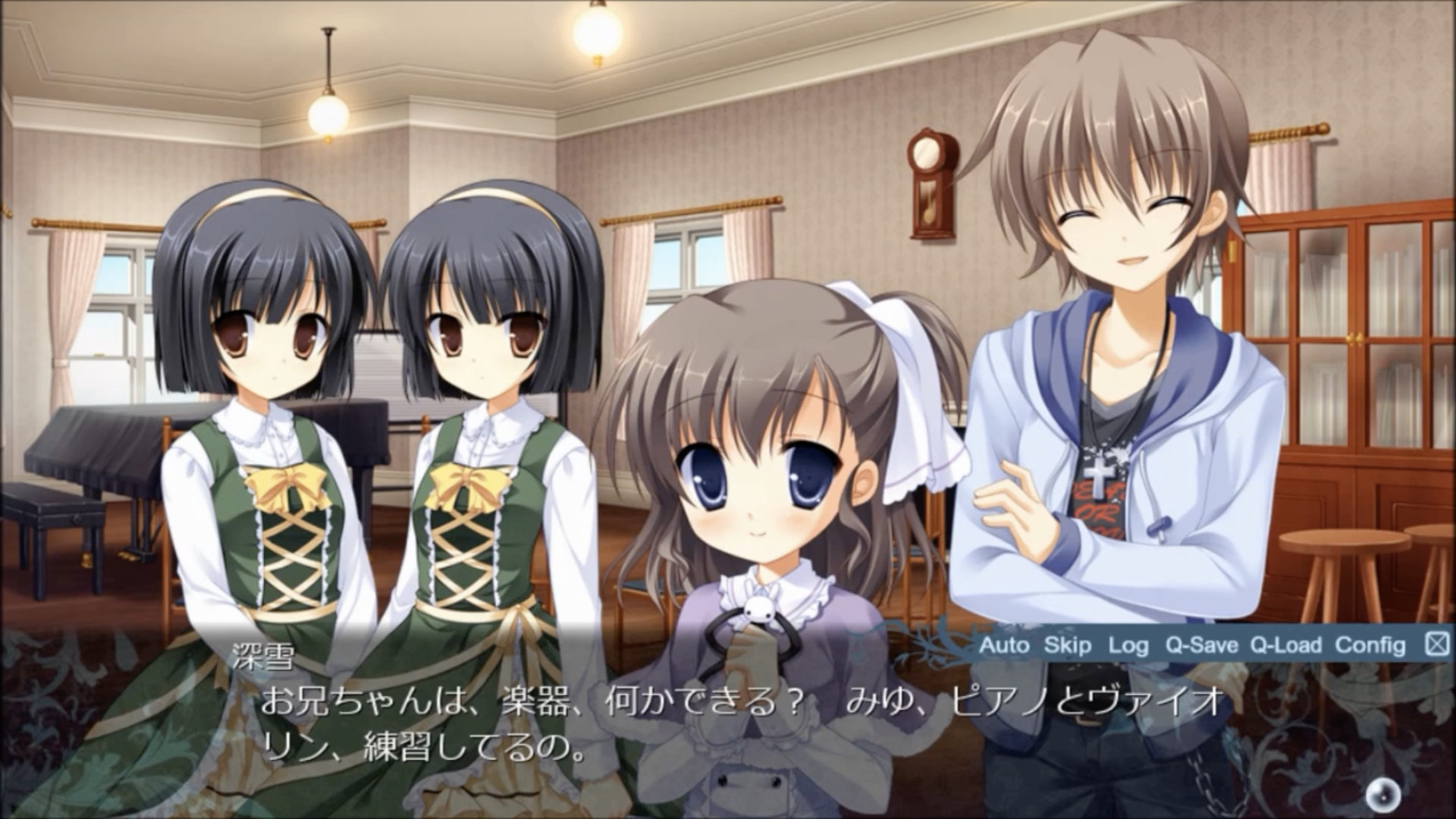
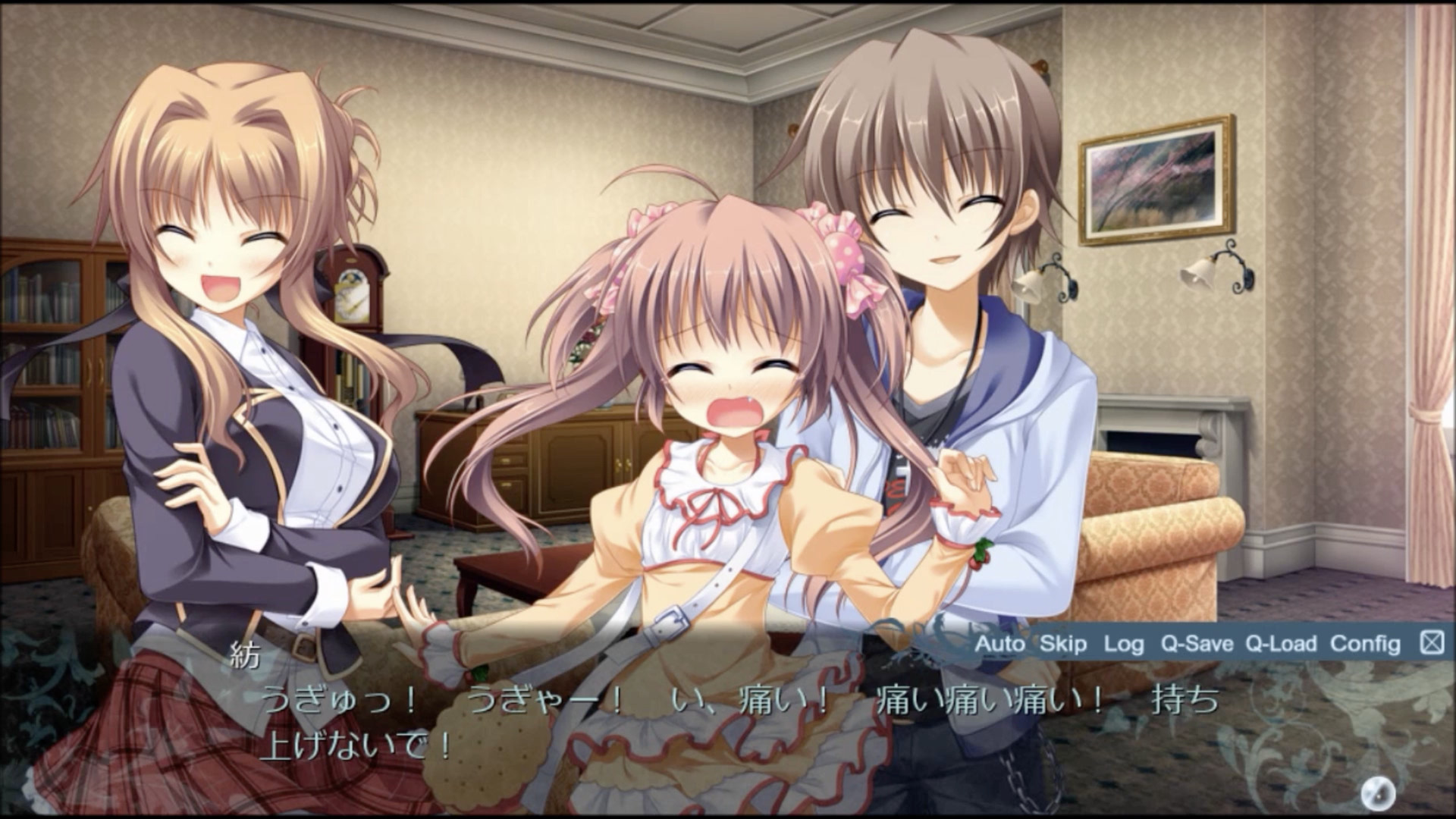
Get an in-depth look at Endless Jade Sea -Midori no Umi- through various videos and screenshots.



Load More

System requirements
These are the minimum specifications needed to play the game. For the best experience, we recommend that you verify them.
Windows
- OS *: WIN7 SP1/WIN8/WIN10/XP
- Processor: 1.2 GHz
- Memory: 2 GB RAM
- Graphics: DirectX 9 compatible graphics card
- Storage: 2 GB available space
Steam Price & Best Deals
User reviews & Ratings
Explore reviews from Steam users sharing their experiences and what they love about the game.
Endless Jade Sea -Midori no Umi- is a psychological mystery visual novel that combines romance, suspense, and emotional drama into a deeply atmospheric experience. Developed by Cabbit and published by SakuraGame, the story places players inside an isolated mansion hidden within an endless forest, where a group of strangers awaken without memories of who they are or how they arrived there. What initially appears to be a peaceful refuge slowly transforms into something unsettling and emotionally disturbing as forgotten memories resurface and hidden truths begin to emerge. The game succeeds by carefully balancing emotional intimacy with constant psychological tension, creating a narrative that becomes increasingly compelling with every route completed. The setting immediately establishes a strong sense of mystery. The mansion is beautiful, calm, and almost dreamlike, surrounded by endless greenery and a silent lake that gives the environment a strangely surreal quality. At first, the characters attempt to live together peacefully while searching for answers, but the atmosphere constantly suggests that something is wrong beneath the surface. The contrast between the elegant scenery and the growing sense of paranoia creates an uncomfortable feeling that never fully disappears. The mansion begins to feel less like a sanctuary and more like a carefully constructed trap where every peaceful moment hides an underlying danger. The storytelling is one of the game’s strongest features because it unfolds gradually and rewards patience. Rather than immediately revealing major twists, the narrative slowly feeds information through conversations, fragmented memories, and subtle hints hidden within each route. Every character seems to know more than they initially reveal, and every interaction carries a quiet sense of tension. The mystery surrounding the characters’ lost memories and the true nature of the mansion becomes increasingly fascinating as the player progresses deeper into the story. The game consistently creates curiosity by withholding just enough information to keep players questioning everything they see. The cast is impressively well-developed, with each character bringing their own emotional struggles and hidden secrets into the story. Some characters present themselves as cheerful or dependable while concealing fear and trauma beneath the surface, while others openly struggle with confusion and emotional instability. As the narrative progresses, the relationships between the characters become more complicated and emotionally charged. Trust becomes fragile, and the emotional conflicts between the cast often feel just as important as the central mystery itself. The romance routes are integrated naturally into the overall narrative rather than feeling disconnected from the suspense. Each relationship route reveals different aspects of the story and provides new insight into the characters’ motivations and pasts. The emotional connections between the protagonist and the heroines deepen the impact of the mystery because the player gradually becomes emotionally attached to the people trapped inside the mansion. Different routes reveal unique perspectives on the larger narrative, encouraging multiple playthroughs in order to uncover the complete truth behind the setting and its inhabitants. One of the game’s greatest accomplishments is its atmosphere. Endless Jade Sea creates a constant sense of emotional isolation that grows stronger with every revelation. Quiet hallways, dark forests, and calm lakeside scenery all contribute to the feeling that the characters are disconnected from the outside world entirely. Even during lighter slice-of-life scenes, there is always an underlying sense of dread lingering beneath the surface. The game excels at making peaceful moments feel fragile, as though the illusion of safety could collapse at any time. Visually, the game delivers attractive character artwork and detailed backgrounds that strengthen the emotional tone of the story. The art style captures both the beauty and unease of the setting effectively, helping the mansion feel simultaneously comforting and disturbing. Character expressions are especially well-handled during emotional scenes, allowing important moments to carry greater impact. While the visual presentation is not groundbreaking compared to larger visual novels, it consistently supports the atmosphere and narrative themes. The soundtrack also deserves praise for how effectively it reinforces the game’s emotional and psychological tone. Soft piano melodies, melancholic tracks, and tense atmospheric music constantly shift alongside the story’s emotional progression. During quieter moments, the music creates intimacy and warmth, while darker scenes become far more unsettling thanks to the soundtrack’s haunting compositions. Combined with strong Japanese voice acting, the audio design significantly enhances immersion and helps emotional scenes feel far more impactful. Psychological horror elements are another highlight of the experience. Instead of relying heavily on graphic violence or sudden jump scares, the game focuses on emotional instability, paranoia, and uncertainty. Characters begin to question their memories, their identities, and even each other. The slow collapse of trust between members of the group creates some of the story’s most disturbing moments. The horror works because it is rooted in fear of the unknown and the gradual realization that the truth may be far worse than the characters initially imagined. The pacing is generally effective, especially during later routes where the mystery becomes increasingly layered and emotionally intense. Unlocking multiple endings gradually reveals additional details about the world and the characters, making each route feel meaningful rather than repetitive. The true ending serves as a satisfying conclusion that ties together many of the story’s unanswered questions while maintaining the emotional weight built throughout the game. However, the structure does have some drawbacks. Because players revisit shared scenes during multiple routes, repetition occasionally becomes noticeable. Certain routes are also far stronger than others in terms of emotional impact and narrative importance, which can make some portions of the experience feel less essential. Some players may also find the pacing uneven during the middle sections where the story temporarily slows before major revelations occur. The game’s heavy focus on emotional drama and psychological themes may not appeal to everyone either. Certain twists become highly melodramatic, and some emotional moments are exaggerated in typical visual novel fashion. Additionally, players looking for gameplay-heavy experiences may be disappointed by the largely text-driven structure. Endless Jade Sea is focused almost entirely on storytelling, atmosphere, and character interaction rather than mechanical complexity. Endless Jade Sea -Midori no Umi- stands out as a memorable visual novel because it understands how to build tension through atmosphere and emotional uncertainty rather than relying purely on shocking twists. Its strong cast, haunting setting, emotional storytelling, and layered mystery create an experience that feels both intimate and unsettling. While the repetitive route structure and occasional pacing issues prevent it from reaching perfection, the game still delivers a compelling psychological drama that rewards players willing to fully immerse themselves in its mysterious world. Rating: 8/10
Similar games
View all

Sakura Agent
The new Sakura Game from winged cloud, Sakura Agent! Date 2 beautiful girls in this agent adventure.

The logic of the miniature garden
Guide your adventure with beautiful girls through the mysterious campus. Adventure aside, this game also draws a vivid picture of the darkness filled inside Hakoniwa City. As a human the protagonist can't do much about it, but he has been observing. What will he see?

Crimson Imprint plus -Nonexistent Christmas-
This is a story about her and him. This is also a story about meeting and parting. Perhaps it is a very simple story. It may be a very complicated story. A simple FAREWELL ...... And not a grand farewell. If you can feel the joy and sorrow we pour in, it is a great encouragement to us.


Prison Princess
Lead two captured princesses to solve puzzles and escape the Demon King's castle. Your actions alone as a hero will decide their fates, and your own! A ghostly sliver of your former self, can you rescue the princesses? A new escape game experience, with cute girls, puzzles, and 'special' events.

Your Smile Beyond Twilight:黄昏下的月台上
A story about forced smiles, coming to terms with the past, and love—but most of all, redemption.

Love's Sweet Garnish
Amidst the falling cherry blossoms, Asaki wishes to revitalize his grandmother's beloved cafe. With the appearance of Rira and Richer, two girls who wish to work at the cafe, this is the start of a bittersweet story that will intertwine them all.

NEKO-NIN exHeart
Japan. From time immemorial, there are those who possess superhuman abilities. These beings who looked like a cross between man and beast are called Demi-Humans. They acted as Ninja and served those in power.

Her Lie I Tried To Believe
Her Lie I Tried To Believe is a short kinetic novel about the persisting hatred of a boy throughout his life, the destructive relationship that was born from it, and the consequences he had to face as a direct result.

Cyber Agent
Welcome to the world of Cyber Agent! This is an easy to play, hotly fought 3D tower defense game, please use your mouse to aim at the enemy, auto shoot and make sure not to get hurt by the enemy! And pretty ladies to fight with you!

Zeliria Sanctuary
Sense of reality has not yet returned after a teleportation experiment. Purple hamsters, girls with tails, medieval knights - a fantastic world of an alien planet, where you will lead special forces soldier Maxx.
Frequently Asked Questions
Endless Jade Sea -Midori no Umi- is currently priced at 0.79€ on Steam.
Yes, Endless Jade Sea -Midori no Umi- is currently available at a 60% discount. You can purchase it for 0.79€ on Steam.
Yes, Endless Jade Sea -Midori no Umi- received 360 positive votes out of a total of 428 achieving a rating of 7.86.
😊
Endless Jade Sea -Midori no Umi- was developed by Cabbit and published by SakuraGame.
Yes, Endless Jade Sea -Midori no Umi- is playable and fully supported on Windows.
No, Endless Jade Sea -Midori no Umi- is not playable on MacOS.
No, Endless Jade Sea -Midori no Umi- is not playable on Linux.
This information about Endless Jade Sea -Midori no Umi- is not available yet.
This information about Endless Jade Sea -Midori no Umi- is not available yet.
No, Endless Jade Sea -Midori no Umi- does not support VR.
Endless Jade Sea -Midori no Umi- is a single-player game.
Yes, there are 2 DLCs available for Endless Jade Sea -Midori no Umi-. Explore additional content available for Endless Jade Sea -Midori no Umi- on Steam.
No, Endless Jade Sea -Midori no Umi- does not support mods via Steam Workshop.
No, Endless Jade Sea -Midori no Umi- does not support Steam Remote Play.
Yes, Endless Jade Sea -Midori no Umi- is enabled for Steam Family Sharing. This means you can share the game with authorized users from your Steam Library, allowing them to play it on their own accounts. For more details on how the feature works, you can read the original Steam Family Sharing announcement or visit the Steam Family Sharing user guide and FAQ page.
You can find solutions or submit a support ticket by visiting the Steam Support page for Endless Jade Sea -Midori no Umi-.
Data sources
The information presented on this page is sourced from reliable APIs to ensure accuracy and relevance. We utilize the Steam API to gather data on game details, including titles, descriptions, prices, and user reviews. This allows us to provide you with the most up-to-date information directly from the Steam platform.
Additionally, we incorporate data from the SteamSpy API, which offers insights into game sales and player statistics. This helps us present a comprehensive view of each game's popularity and performance within the gaming community.
Last Updates| Steam data | 27 September 2026 14:27 UTC |
|---|---|
| SteamSpy data | 23 October 2026 00:24 UTC |
| Steam price | 26 October 2026 19:22 UTC |
| Steam reviews | 18 October 2026 17:52 UTC |
If you'd like to dive deeper into the details about Endless Jade Sea -Midori no Umi-, we invite you to check out a few dedicated websites that offer extensive information and insights. These platforms provide valuable data, analysis, and user-generated reports to enhance your understanding of the game and its performance.
- SteamDB - A comprehensive database of everything on Steam about Endless Jade Sea -Midori no Umi-
- SteamCharts - Analysis of Endless Jade Sea -Midori no Umi- concurrent players on Steam
- ProtonDB - Crowdsourced reports on Linux and Steam Deck Endless Jade Sea -Midori no Umi- compatibility

Game modes
Features
Online players
0
Developer
Cabbit
Publisher
SakuraGame
Release
23 Jan 2019
Platforms