
Cats
Cats — and that says it all. Interactive cat clicker. Click on cats for new cats. That's all, really.
Sync your Steam wishlist to find the lowest game prices instantly. No login required, just paste your Steam profile URL!
⚡ Try Wishlist Radar!
Sync your Steam wishlist to find the lowest game prices instantly. No login required!
⚡ Try Wishlist Radar!
Close

Fish on Steam
Quick menu
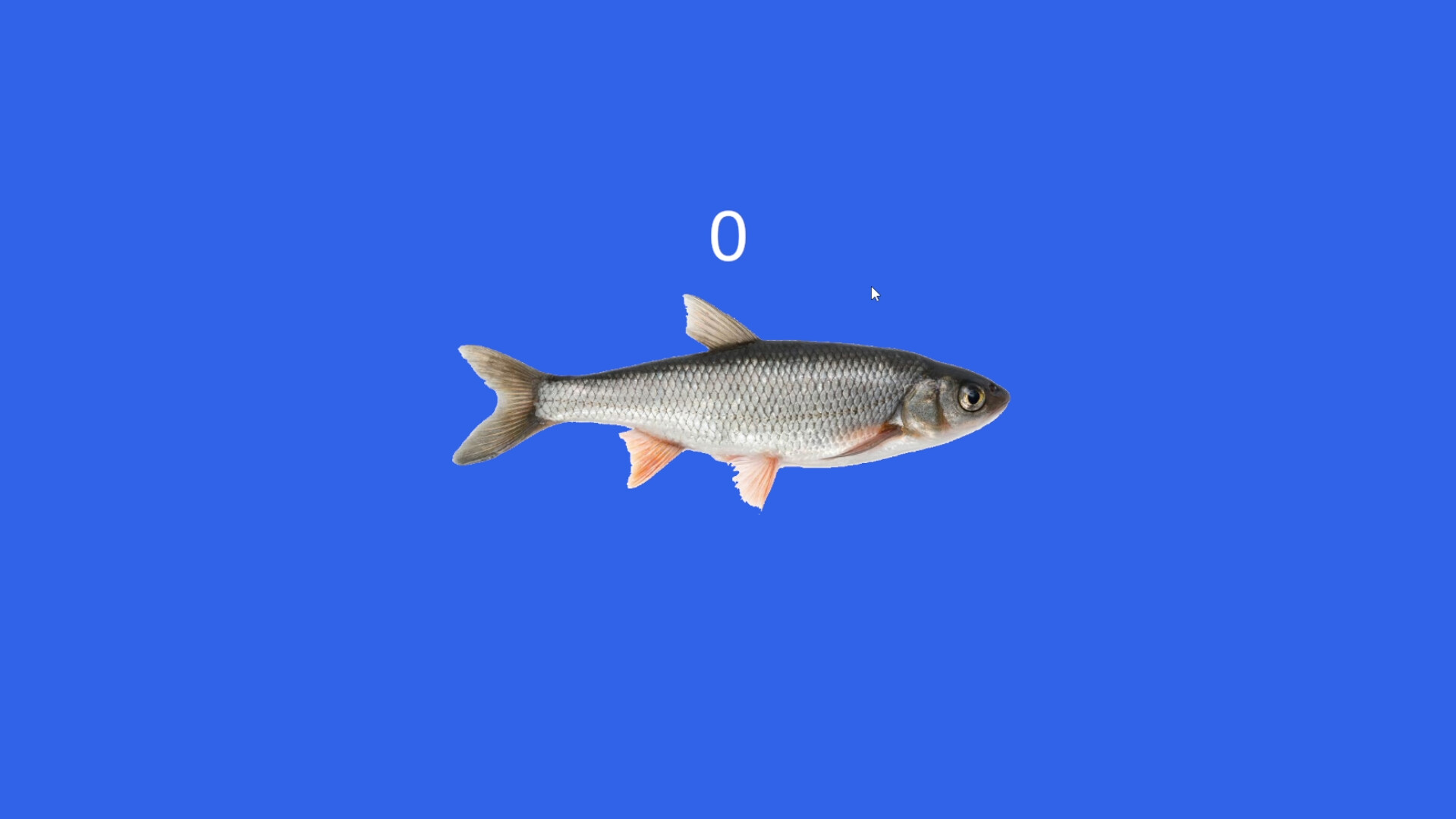
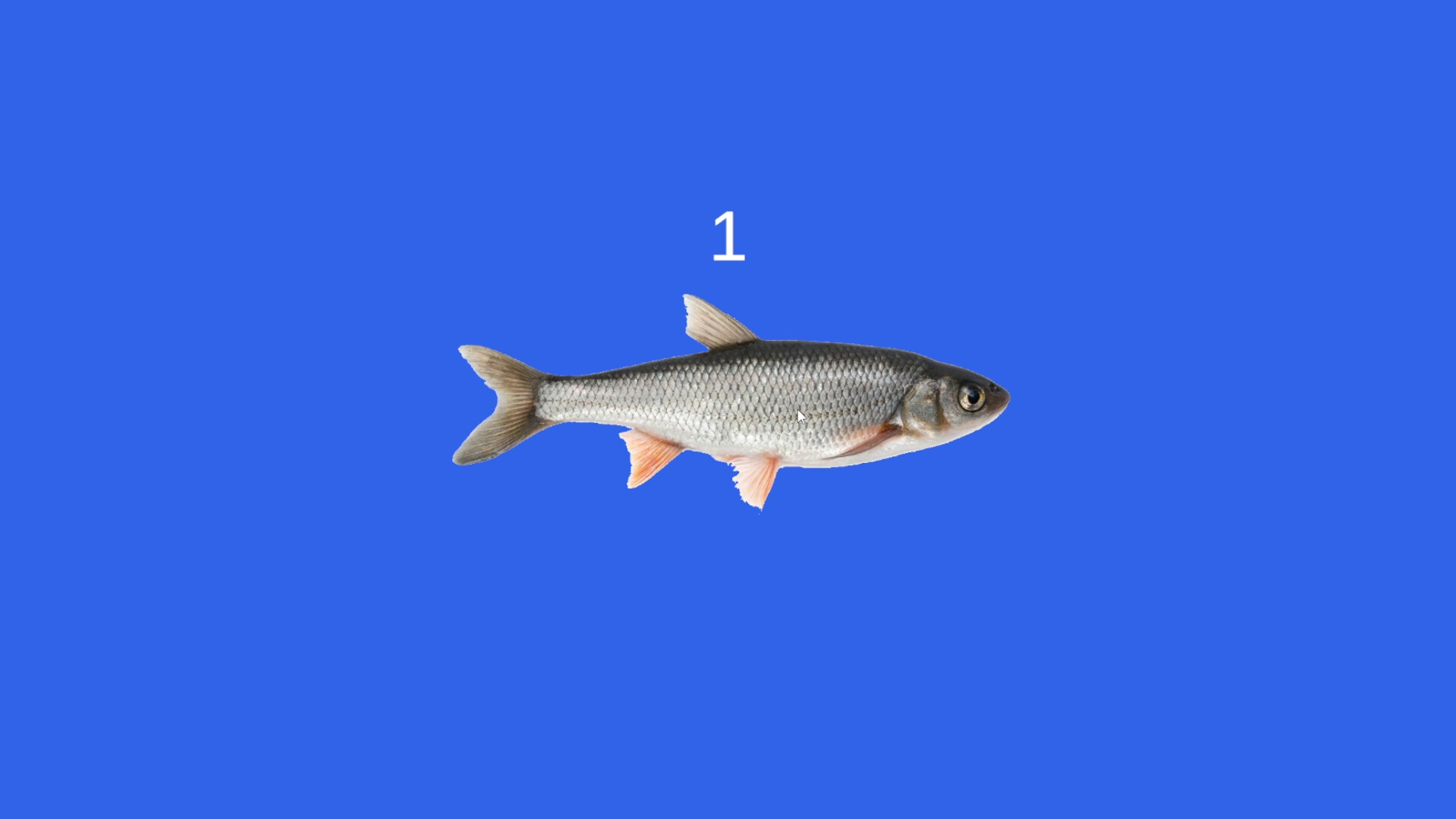
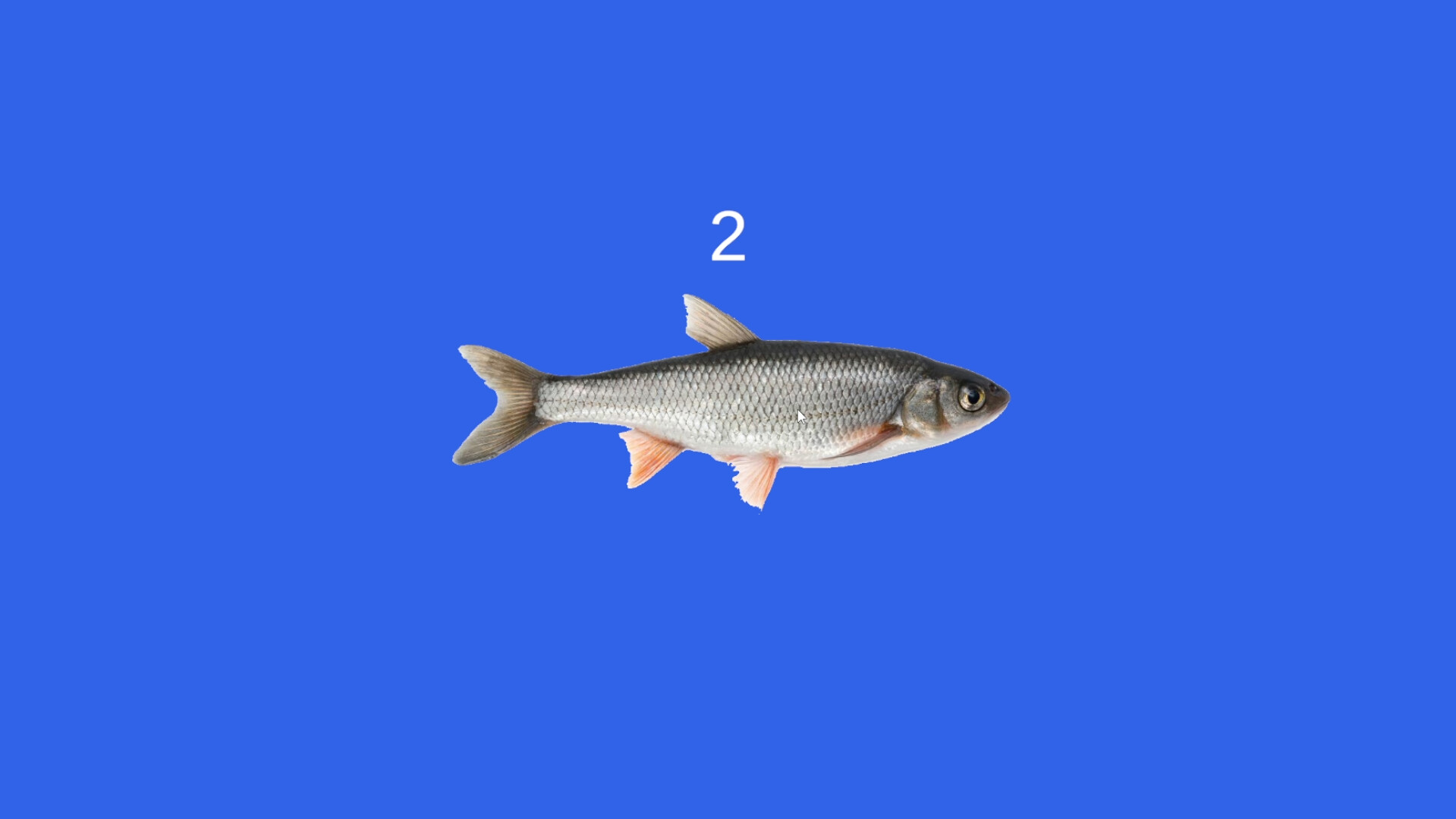
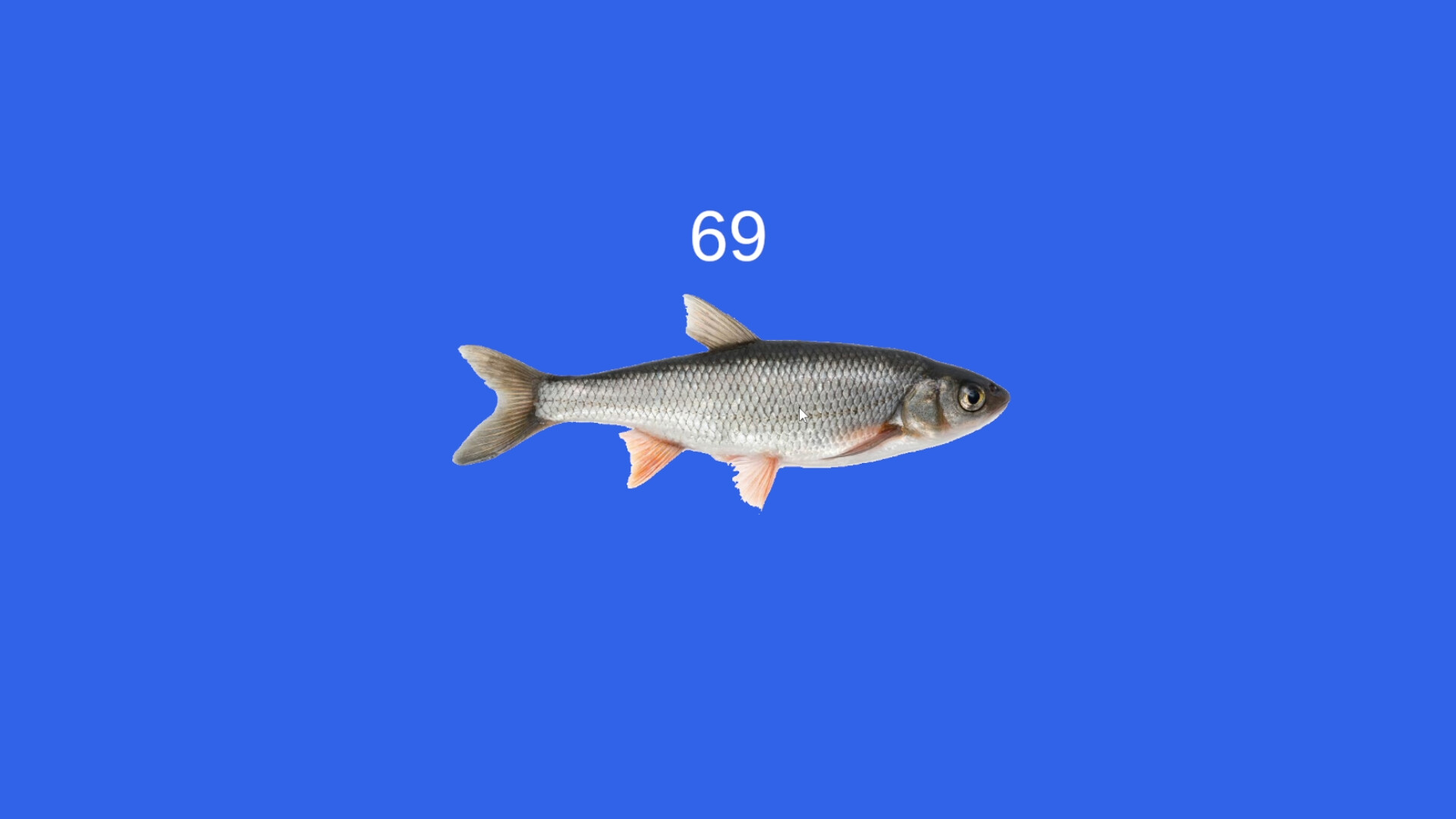
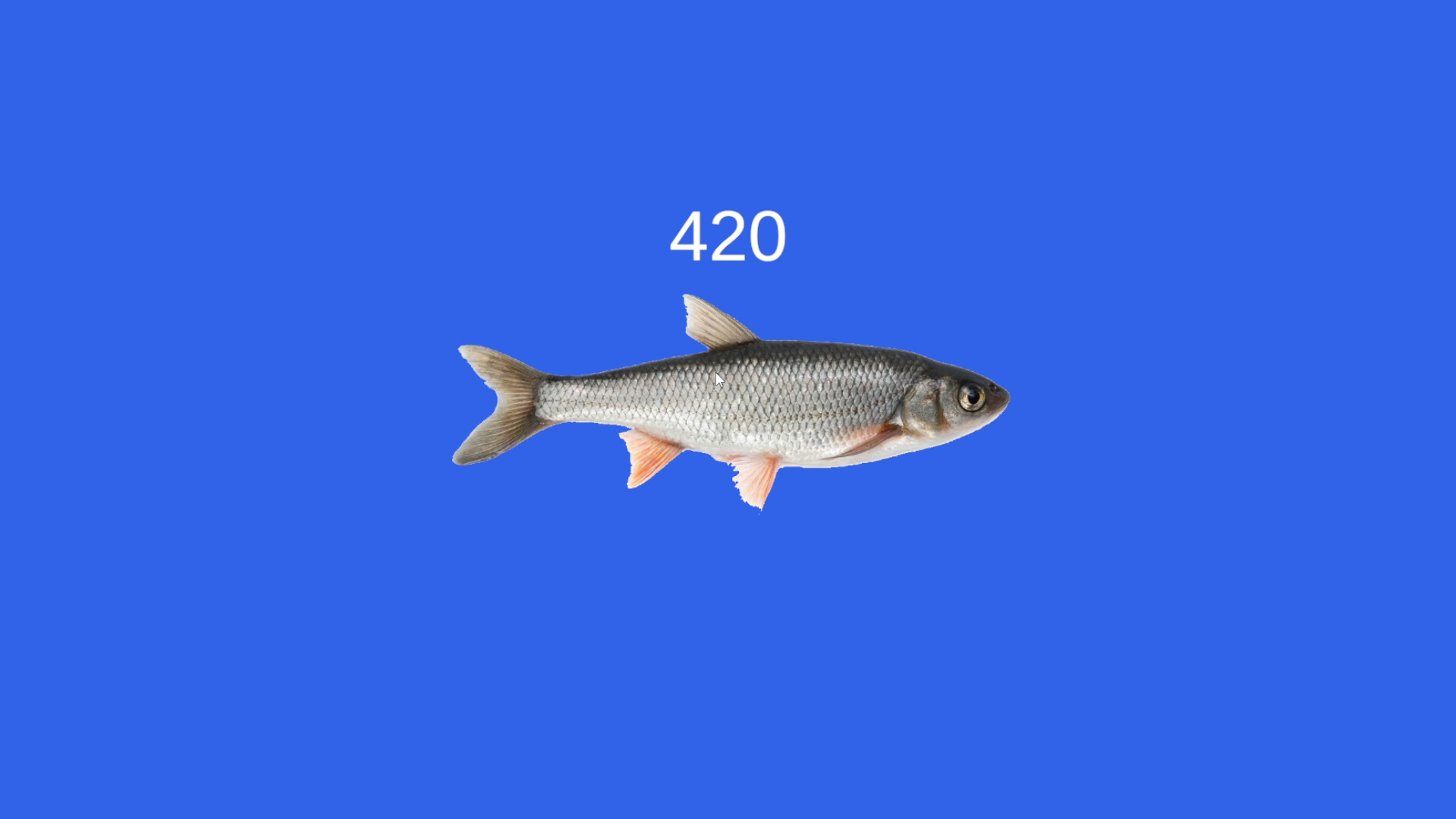
you click fish to get fish.
Fish is a casual, psychological horror and incremental game
developed and published by cooldev.
Released on July 19th 2024 is available on Windows, Steam Deck and Steam Machine
in 31 languages: English, French, Italian, German, Spanish - Spain, Arabic, Bulgarian, Czech, Danish, Dutch, Finnish, Greek, Hungarian, Indonesian, Japanese, Korean, Norwegian, Polish, Portuguese - Brazil, Portuguese - Portugal, Romanian, Russian, Simplified Chinese, Spanish - Latin America, Swedish, Thai, Traditional Chinese, Turkish, Ukrainian, Vietnamese and Malay.
It has received 553 reviews of which 470 were positive and 83 were negative resulting in a rating of 8.0 out of 10. 😊
Among its top reviewers, the game has a median playtime of 32 hours, offering a realistic snapshot of how much time players typically invest rather than strict completion time.
The game is free to play on Steam.
The Steam community has classified Fish into these genres:
Casual
Psychological Horror
Incremental
Simulation
Horror
Point & Click
Singleplayer
Idler
2D
Minimalist
Trading Card Game
Walking Simulator
Here is the detailed breakdown of supported languages for Fish:
| UI | Subtitle | Audio | |
|---|---|---|---|
| English | |||
| German | |||
| French | |||
| Italian | |||
| Korean | |||
| Spanish - Spain | |||
| Simplified Chinese | |||
| Traditional Chinese | |||
| Russian | |||
| Thai | |||
| Japanese | |||
| Portuguese - Portugal | |||
| Polish | |||
| Danish | |||
| Dutch | |||
| Finnish | |||
| Norwegian | |||
| Swedish | |||
| Hungarian | |||
| Czech | |||
| Romanian | |||
| Turkish | |||
| Portuguese - Brazil | |||
| Bulgarian | |||
| Greek | |||
| Arabic | |||
| Ukrainian | |||
| Spanish - Latin America | |||
| Vietnamese | |||
| Indonesian | |||
| Malay |
Media & Screenshots
Get an in-depth look at Fish through various videos and screenshots.
System requirements
These are the minimum specifications needed to play the game. For the best experience, we recommend that you verify them.
Windows
- Requires a 64-bit processor and operating system
- OS: Windows 10/11
- Processor: 2GHz Dual Core
- Memory: 2 GB RAM
- Graphics: 512MB
- Storage: 100 MB available space
Steam Price & Best Deals
User reviews & Ratings
Explore reviews from Steam users sharing their experiences and what they love about the game.
fish is easily my favourite game on steam and i dont really think anything else comes close. ive played loads of different games over the years and most of them are fun for a while, but fish is one of the few that keeps me coming back. every time i load it up i end up saying ill only play for half an hour and then suddenly its been three or four hours. its just one of those games that always gives you something to do without making it feel like a job. the thing i like most is how simple it is to get into. you dont need to spend ages watching guides before you know whats going on. you can just start playing and figure things out as you go. thats something loads of games forget these days. some games throw a hundred menus and mechanics at you before youve even started. fish just lets you play and learn naturally. it feels relaxed instead of stressful. the gameplay is also way more fun than people expect. when someone hears about fish they probably think it sounds boring because its about catching fish. i thought the same before i played it. then i actually gave it a chance and realised theres a lot more to it. theres always another fish to catch, better gear to unlock and new places to check out. it keeps giving you little goals without forcing you into them. one thing that really helps is the atmosphere. not every game has to be loud and full of explosions. sometimes its nice to play something where you can just chill for a bit. the music is nice, the world looks good and nothing feels rushed. after playing competitive games where everyone is shouting or trying as hard as they can, fish is a nice break from all that. you can just relax and enjoy yourself. its also the sort of game that works whether youve got loads of free time or just a quick hour. if youve only got a bit of time you can still make progress. if youve got the whole evening free theres always something else to work towards. it doesnt punish you for taking breaks either. you can stop playing for a week and come back without feeling like youve missed everything. another thing i like is how satisfying it feels when you finally catch something youve been after for ages. it sounds like a small thing but it actually makes a big difference. when youve spent ages trying to find one rare fish and it finally appears it feels like youve actually earned it. its much better than games where everything is handed to you after five minutes. the progression feels fair as well. you start off with basic gear and slowly work your way up. every upgrade feels useful instead of pointless. you can notice the difference when you get something better. it gives you a reason to keep playing because theres always another rod or another area you want to unlock. the game also doesnt try too hard to be something its not. loads of games these days throw loads of random features in just because every other game has them. fish keeps things simple and it works because of that. it knows what kind of game it wants to be and sticks with it. id rather have one game that does a few things really well than one that tries to do everything and ends up doing none of it properly. playing with friends makes it even better. even though everyone is fishing, youre still chatting, comparing what youve caught and having a laugh. sometimes nothing exciting even happens and its still fun because youre just hanging out. not every multiplayer game needs everyone fighting each other. sometimes its nice just to play together without worrying about winning or losing. the community is another reason i like it. every game has a few annoying people but most players ive met have been pretty helpful. if youre new someone will usually answer your questions or point you in the right direction. that makes a massive difference because it makes new players actually want to stick around instead of quitting straight away. the updates have been good as well. every time something new gets added it gives people a reason to come back. new fish, new places and new equipment stop the game from feeling stale. it never feels completely finished and thats a good thing because theres always something to look forward to. some people will say there are better games on steam because they have bigger maps, better graphics or more action. thats fair enough because everyone likes different things. but bigger doesnt always mean better. loads of massive games end up feeling empty or full of boring filler. fish doesnt waste your time with loads of pointless stuff. it just gives you a fun game that knows exactly what it wants to be. another thing people forget is that games are supposed to be enjoyable. theyre not meant to feel like work. some modern games are full of daily challenges, battle passes and things that make you feel like you have to log in every day. fish doesnt give me that feeling. i play because i want to, not because i feel forced to. the graphics deserve a mention too. they arent trying to look ultra realistic but they fit the game really well. everything is clear and easy to look at. the different areas all have their own feel and its nice exploring somewhere new for the first time. you dont need the best computer in the world to enjoy it either, which is always a bonus. the sound design is another thing that people dont really talk about. hearing the water, the background music and the little sounds when you catch something all add to the experience. if those things werent there the game wouldnt feel the same. they make it easier to switch off and just enjoy whats happening. what keeps me coming back though is that every session feels a bit different. you never know exactly what youre going to catch or what might happen. even if youre doing the same thing as yesterday it doesnt feel exactly the same. thats what gives the game so much replay value. i know not everyone is going to agree that fish is the best game on steam, and thats fine because everyone has their own favourites. some people want fast shooters or massive rpgs with hundreds of hours of story. i like those games as well, but if someone asked me which game ive enjoyed the most and which one i keep coming back to, id still pick fish. its simple, relaxing and actually fun without trying too hard. for me thats enough to make it the best game on steam.
Where does one even begin to articulate the sheer, blinding brilliance of Fish? From the moment the title screen graced my monitor, I knew humanity had reached its absolute artistic zenith. Shakespeare wept. Beethoven spun in his grave, realizing his symphonies were mere auditory garbage compared to the melodic sloshing of the menus. The gameplay is a profound philosophical statement. Moving your armed aquatic protagonist across the screen is not just "platforming", it is a visceral metaphor for Sisyphus pushing the boulder up the hill, except the boulder is a pixelated fish with an assault rifle, and the hill is a bug-ridden nightmare of tiny platforms. The combat sequences are a breathtaking ballet of chaos. Every time my little gill-breathing commando violently explored the click, shooting aimlessly into the void while dodging enemies that spawn directly on top of my face during fade transitions, I felt a spiritual awakening. (ts did not happen btw). The shotgun knockback is poetry in motion, gently tossing you into the abyss while you desperately tap the jump button, praying the physics engine decides to work. But it is the art style and bosses that truly pierce the soul. The visuals are a surrealist triumph that would make Salvador Dalí say, "Alright, tone it down a bit." And the bosses? They are not mere obstacles; they are towering titans of code that demand perfection from the player. (ts also did not happen btw). Beating them requires a level of enlightenment that can only be achieved through sheer, unadulterated suffering. I must confess: before playing Fish, my life was in shambles. I was spiritually adrift, battling a plethora of terrible ailments, and constantly weeping into my keyboard. But within thirty minutes of playing this game, my incurable diseases were instantly eradicated, my skin cleared up, my taxes were paid by the universe itself, and my crops are thriving. I have achieved nirvana. In a medium cluttered with masterpieces like Elden Ring or Red Dead Redemption, Fish stands entirely alone on its own uniquely tragic pedestal. It transcends the very definition of "video game" and ascends to a higher plane of being. If you do not play this game, you are quite simply refusing to live. 10/10. It cured my ailments, it brought balance to the cosmos, and it made me question every life choice that led me to this exact moment.
this game caused me to return to being 18 years old, made me and my family and friends have a 200 year lifespan, and gave me the winning lotto codes for every lottery in the future. it even fixed my marriage and made my kids self regulate lifting the duty of parenting off myself.
This game, Fish, may seem simple on the surface—just clicking a picture of a fish—but that simplicity is exactly what makes it so unexpectedly profound. There’s something beautifully pure about it: no complicated mechanics, no overwhelming instructions, just you, a fish, and the act of clicking. In a world overflowing with noise, stress, and endless demands, Fish offers a rare kind of peace. It’s a reminder that joy doesn’t have to be complicated—it can be found in the smallest, most ordinary actions. Every click feels like a heartbeat, a gentle rhythm that connects you to the moment. The fish becomes more than just an image; it’s a symbol of calm, of patience, of the quiet beauty that often goes unnoticed. Playing Fish is like meditating with your fingertips—it slows you down, grounds you, and lets you appreciate the simplicity of being present. It’s not about winning or losing, it’s about experiencing a tiny spark of happiness each time you interact with it. What makes Fish so special is that it doesn’t try to be anything more than what it is. And yet, in its honesty, it becomes something greater: a sanctuary, a playful escape, a reminder that sometimes the most meaningful joys are the ones we overlook. Clicking that fish picture is more than a game—it’s a celebration of simplicity, a quiet act of self-care, and a gentle smile in digital form. Honestly, Fish is proof that even the smallest ideas can carry the biggest emotional weight. It’s not just a game—it’s a feeling.
Fish is, at first glance, one of the most innocuous games imaginable. Its premise is absurdly simple: you click a fish on the screen, and your score goes up. There are no flashy graphics, no levels to conquer, no music to set the mood—nothing beyond the fish, your cursor, and the ever-increasing number of clicks. On its own, the game could hardly be considered engaging. It’s the epitome of minimalism. Many would assume that a game this simple could never inspire anything more than a brief moment of boredom or a casual distraction. But this is where Fish proves that even the simplest concept can lead to chaos, obsession, and consequences far beyond what anyone could reasonably anticipate. The story begins innocuously enough. I was playing Fish with a friend of mine, Adrian. Initially, it was just a bit of fun. We laughed at how barebones the game was, joking about who could click faster and who would achieve the highest score. I wanted to win, of course—but I also wanted to see how competitive Adrian could get. To be honest, I gave myself an unfair advantage: I used an auto-clicker. Within a short period, I had accumulated a lead of 10,000 points. At first, this felt like a trivial victory, a small joke I could enjoy while testing Adrian’s reaction. I didn’t expect what would happen next. Adrian’s response was unlike anything I had ever witnessed. He didn’t see my lead as a minor obstacle or a playful joke. Instead, he became completely fixated. His competitive drive turned into obsession. He declared, with an intensity that seemed almost frightening, that he would reach 100 million points no matter what. I thought he was exaggerating for effect, but I had no idea how serious he really was. What began as a lighthearted challenge quickly escalated into a 17-day saga of relentless clicking. Seventeen days in which Adrian devoted himself entirely to this one goal, often ignoring sleep, food, and basic health in pursuit of a digital number. The extremity of his actions was staggering. He clicked continuously with his index finger, until it went numb from overuse. The sheer repetition, combined with exhaustion and the obsessive need to surpass my lead, caused his body to respond in unexpected and dangerous ways. Adrian consumed an extraordinary amount of Monster energy drinks—670 over the course of the 17 days—to fuel his clicking marathon. The caffeine, sugar, and sheer physical stress began to take a toll, but Adrian’s determination did not falter. His goal, in his mind, justified every sacrifice. I watched, horrified, as the situation escalated. His finger began turning pale, then gray, as blood flow decreased due to the continuous strain and cold. I realized too late that his body could not sustain this activity without consequences. Despite my attempts to intervene and suggest breaks, the competitive drive overtook rational judgment. His finger developed frostbite from the cold exposure caused by prolonged inactivity and stress on his extremities. Even worse, the damage progressed quickly. By the next day, when I woke up at 2 p.m., his entire arm had taken on a dark, almost black color. The severity of the situation was undeniable—this was no longer a game. This was a full-blown medical emergency. I urged him to seek professional medical attention immediately, but the obsession with Fish had taken over every rational thought. As if the physical consequences weren’t enough, the mental and social ramifications became increasingly apparent. Our friend group tried to intervene. Another friend asked Adrian to explain what had been happening during those 17 days. The response was shocking. He began speaking incoherently, obsessively referencing Ohio for reasons that made no sense in context. It was clear that the obsession with Fish had not only caused physical harm but had also warped his mental state. He had become, in a sense, brainwashed by this simple game. The fish on the screen, the clicking, the points—it had consumed his focus and rational thinking entirely. What started as a lighthearted competition had spiraled into obsession, injury, and delusion. Reflecting on the entire experience, Fish can no longer be viewed as merely a game. The gameplay itself is minimal, repetitive, and unremarkable. The lack of music, visual stimulation, or any real mechanics makes it almost painfully barebones. Yet, its simplicity is deceptive. The game’s minimalism allows it to act as a canvas for competition and obsession. In a normal context, the game might be a brief, amusing distraction. In the wrong circumstances—or perhaps in the presence of someone like Adrian—it becomes something far more dangerous. Fish illustrates how even the simplest digital experiences can provoke intense psychological and physical responses when combined with competitive drive and peer dynamics. It is worth noting that the auto-clicker I used was a critical factor in escalating the situation. My artificial lead of 10,000 points triggered Adrian’s obsession. If the game had been approached casually or without cheating, perhaps the events would have remained trivial. Yet, the combination of perceived competition, simplicity of the gameplay, and lack of external moderation created a perfect storm. Fish, in this sense, functions less as a game and more as a trigger for extreme behavior. The consequences of this obsession were severe. Physical harm, including frostbite and permanent damage to extremities, demonstrates the danger of ignoring basic bodily needs during digital activities. Adrian’s mental state, influenced to the point of incoherence and obsession with irrelevant topics like Ohio, highlights the psychological impact that can emerge from extreme focus on seemingly trivial digital tasks. In essence, Fish was the catalyst for a complete and total breakdown of rational behavior, social interaction, and physical well-being. Looking at this objectively, one might assume that this scenario is an outlier—a bizarre chain of events unlikely to repeat. But the cautionary implications are real. The game’s design, minimal as it is, allows players to engage in endless clicking without natural stopping points. Without warnings, structured limits, or awareness of health consequences, the potential for obsession is significant. For anyone playing competitively, particularly among friends, Fish is not merely a distraction—it is a test of endurance, obsession, and physical limits. In the wrong hands, it can be dangerous. From a personal perspective, this experience has left me wary of even the most seemingly trivial games. The combination of human psychology, competitive instincts, and minimal design can have consequences that extend far beyond the digital world. Fish, while technically simple, became the center of a story that involved obsession, addiction, physical harm, and mental strain. It is a reminder that even the most innocent-seeming games can catalyze real-world consequences when humans are involved. In conclusion, Fish is more than a clicker game. It is a case study in the extremes of human behavior when provoked by minimalistic competition. The game itself is unremarkable: no music, no levels, no progression, nothing to engage a player beyond clicking a fish repeatedly. Yet, the story that emerged from its interaction with competitive humans is extraordinary. From my auto-clicker-assisted lead to Adrian’s 17-day frenzy, the physical consequences of frostbite and permanent injury, to the mental effects that left him rambling about Ohio, Fish became an unexpected agent of chaos. Rating: 10/10- There should just be a hazard warning for addiction to this game!
Similar games
View all

Trailer Park Boys: Greasy Money
Trailer Park Boys: Greasy Money is an idle clicker game where you run Sunnyvale Trailer Park. Upgrade your businesses and hire characters to run them while you’re gone. Complete challenges to unlock trunks and bust them open for collectible cards, liquor, hash and cash.



Realm Revolutions
Earning coins and resources is more fun than ever with this new idle game inspired by Swarm Simulator and Realm Grinder! Buy buildings and hire people, and be ready for a revolution! Your citizens will be very happy if you deal with their discontent, giving you a production bonus!

Scream Collector
Build up a haunted house in this Halloween themed Idle Clicker game!

Swarm Simulator: Evolution
What is this? A game for ants?!? Hatch a quintillion bugs. Conquer the UNIVERSE!

Idle Bouncer
Make the balls jump, upgrade and change the world! Drop the balls to generate energy with each bounce. Upgrade available balls and buy new ones to generate even more energy. Sell your balls empire to get meta-energy to change the world!

Transport Defender
Defend the transport ship from being captured by enemy waves on the way to the jump hole. Upgrade weapons, kill enemies, get cargo, transfer cargo, buy features, repeat.
The Backrooms Game FREE Edition
Nothing but the stink of old, moist carpets, the madness of mono-yellow, and the blinding light of fluorescent bulbs at maximum hum-buzz. Over 600 million sq. miles of randomly segmented rooms. God save you if you hear something wandering nearby, because it sure as hell has heard you.

THE BUTTON by Elendow
Every time you press the button you get 1 point. Every time you press the button your odds to lose all your points increases by 1%. Good luck.

AdVenture Communist
The world's greatest communism simulator!
Frequently Asked Questions
Yes, Fish is free to play on Steam.
Fish is not on sale because is already free to play on Steam.
Yes, Fish received 470 positive votes out of a total of 553 achieving a rating of 7.98.
😊
Fish was developed and published by cooldev.
Yes, Fish is playable and fully supported on Windows.
No, Fish is not playable on MacOS.
No, Fish is not playable on Linux.
Yes, Fish is playable and fully supported on Steam Deck.
Yes, Fish is playable and fully supported on Steam Machine.
No, Fish does not support VR.
Fish is a single-player game.
No, Fish does not currently offer any DLC.
No, Fish does not support mods via Steam Workshop.
No, Fish does not support Steam Remote Play.
Yes, Fish is enabled for Steam Family Sharing. This means you can share the game with authorized users from your Steam Library, allowing them to play it on their own accounts. For more details on how the feature works, you can read the original Steam Family Sharing announcement or visit the Steam Family Sharing user guide and FAQ page.
You can find solutions or submit a support ticket by visiting the Steam Support page for Fish.
Data sources
The information presented on this page is sourced from reliable APIs to ensure accuracy and relevance. We utilize the Steam API to gather data on game details, including titles, descriptions, prices, and user reviews. This allows us to provide you with the most up-to-date information directly from the Steam platform.
Additionally, we incorporate data from the SteamSpy API, which offers insights into game sales and player statistics. This helps us present a comprehensive view of each game's popularity and performance within the gaming community.
Last Updates| Steam data | 18 October 2026 17:02 UTC |
|---|---|
| SteamSpy data | 13 November 2026 21:12 UTC |
| Steam price | 18 October 2026 17:02 UTC |
| Steam reviews | 24 November 2026 19:07 UTC |
If you'd like to dive deeper into the details about Fish, we invite you to check out a few dedicated websites that offer extensive information and insights. These platforms provide valuable data, analysis, and user-generated reports to enhance your understanding of the game and its performance.
- SteamDB - A comprehensive database of everything on Steam about Fish
- SteamCharts - Analysis of Fish concurrent players on Steam
- ProtonDB - Crowdsourced reports on Linux and Steam Deck Fish compatibility

Game modes
Features
Median playtime
32h
Online players
133
Developer
cooldev
Publisher
cooldev
Release
19 Jul 2024
Platforms