
The Curious Tale of the Stolen Pets
Help your grandfather solve the mystery of the stolen pets by solving puzzles in wonderful miniature worlds crafted for VR. Use a hairdryer to melt snow in a wintery landscape! Search the wreck of a pirate ship hidden under the surface! Every world is unique, full of interactions and colorful life.
Sync your Steam wishlist to track the lowest game prices instantly. No login required, just paste your Steam profile URL!
⚡ Try Wishlist Radar!
Sync your Steam wishlist to track the lowest game prices instantly. No login required!
⚡ Try Wishlist Radar!
Close

FORM on Steam - User reviews, Price & Information
Quick menu
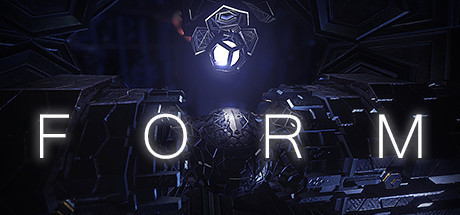
Enter a surreal adventure where puzzles are built from dreams and memories. Solve the mystery behind an ancient artifact. Advance through a world that transforms around you. Transcend this existence.
FORM is a adventure, indie and casual game
developed and published by Charm Games.
Released on June 01st 2017 is available in English on Windows and VR.
It has received 973 reviews of which 887 were positive and 86 were negative resulting in a rating of 8.6 out of 10. 😎
The game is currently priced at 12.49€ on Steam.
The Steam community has classified FORM into these genres:
Media & Screenshots
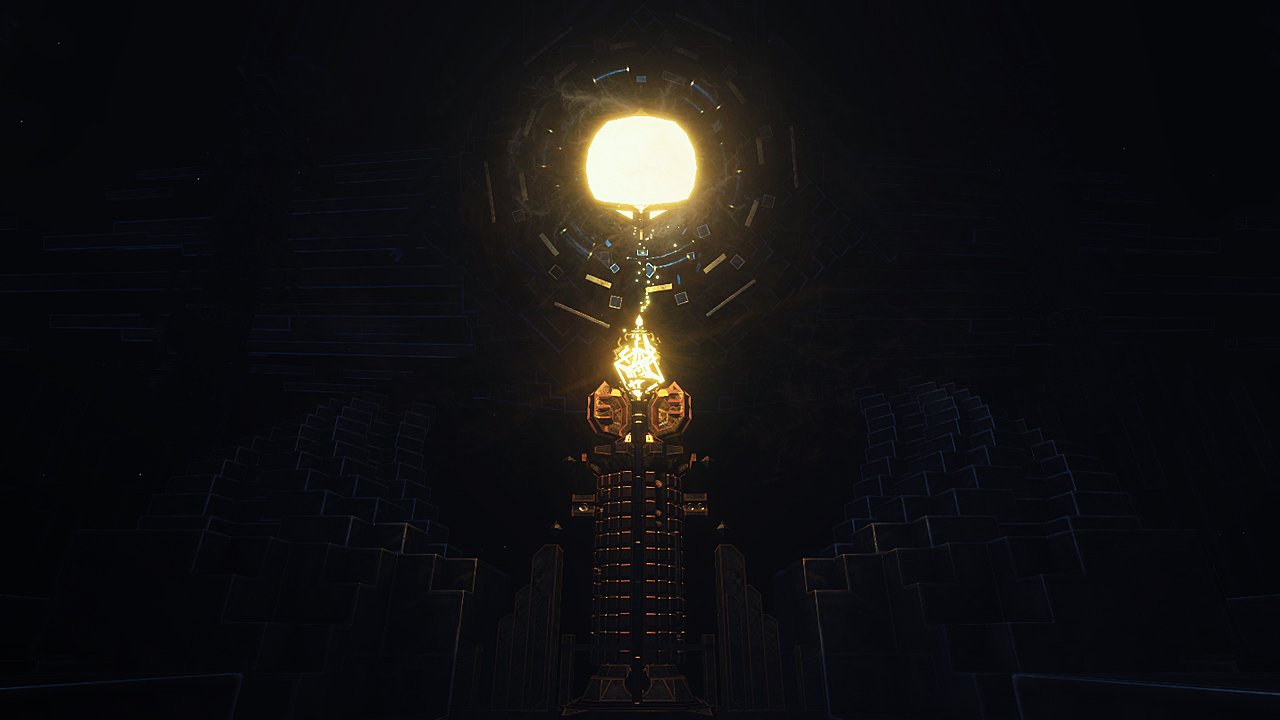
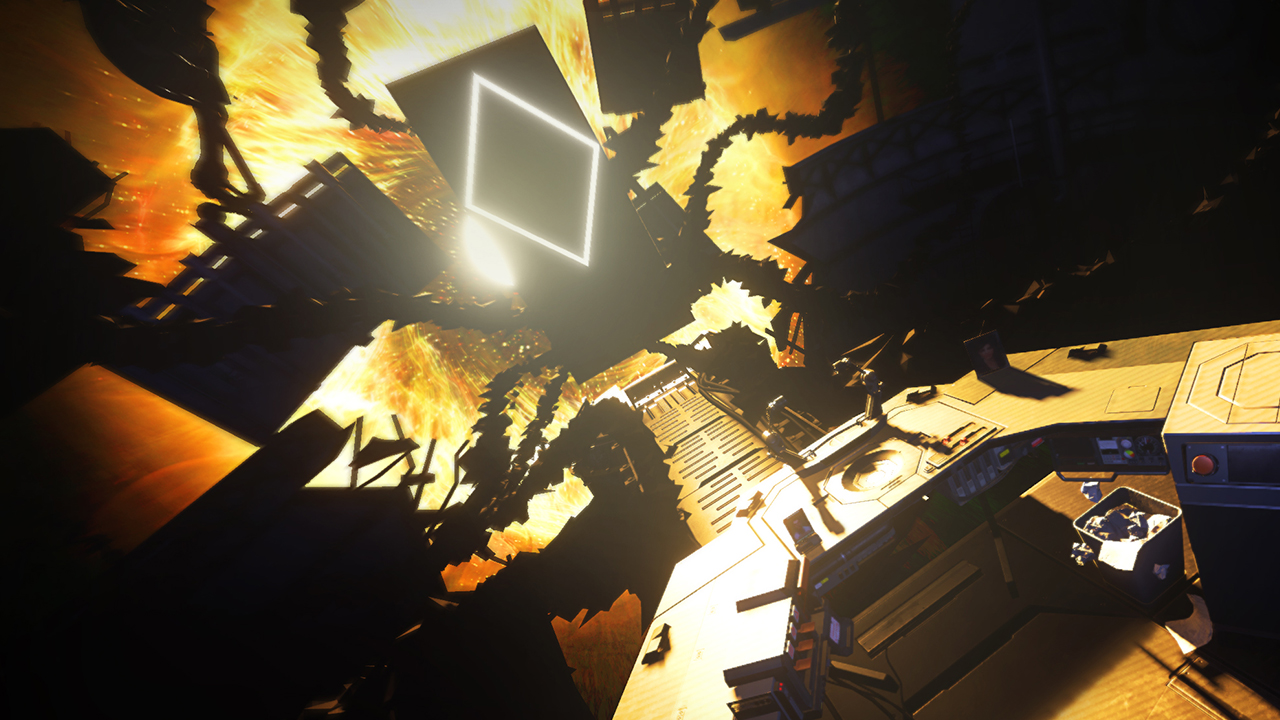
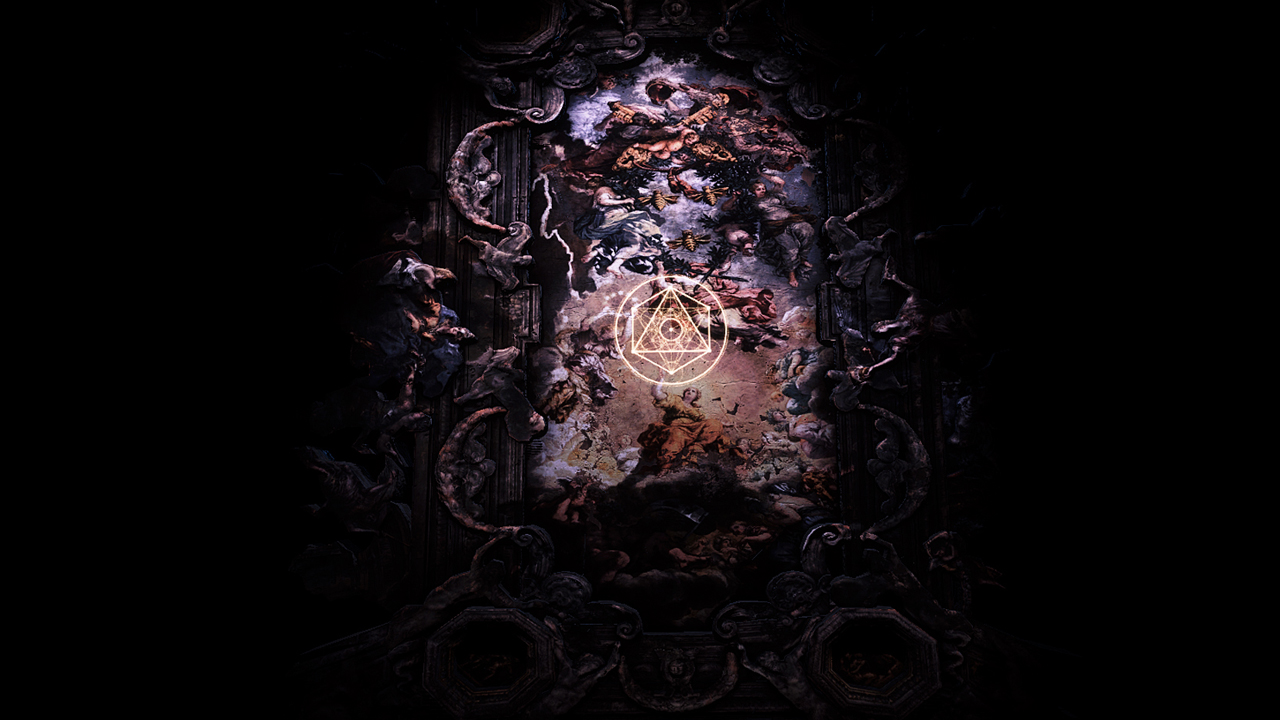
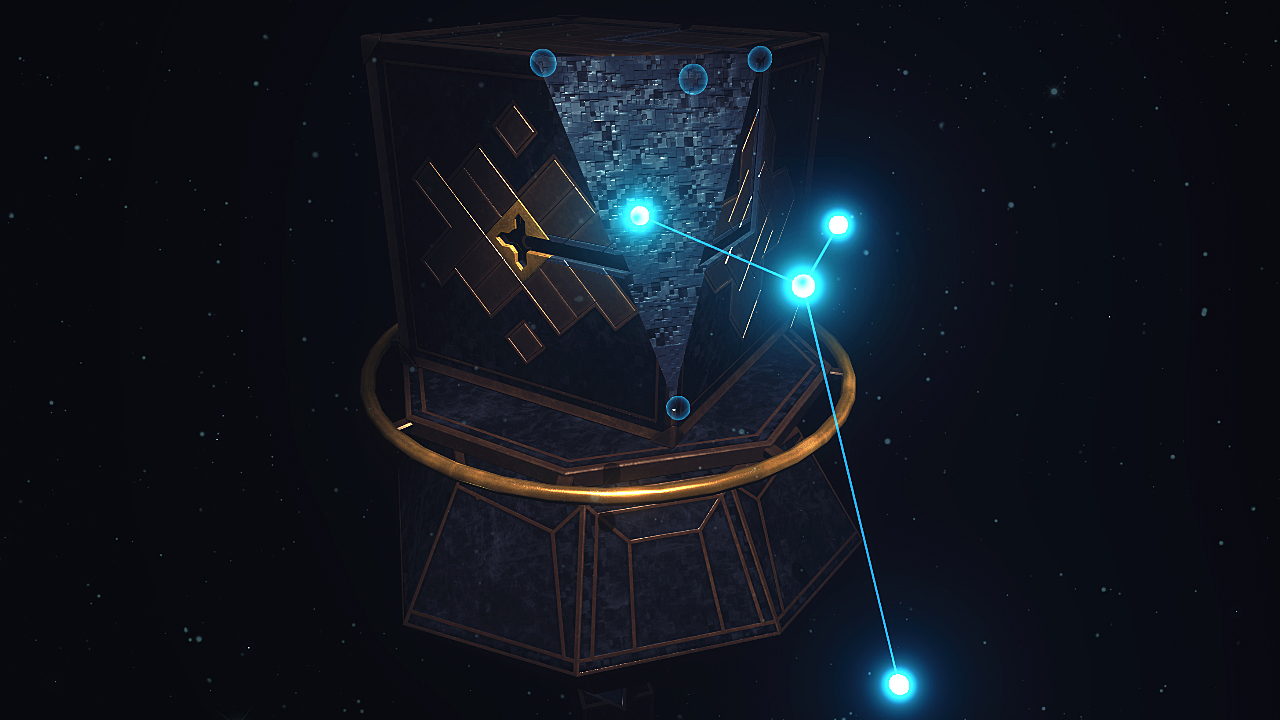
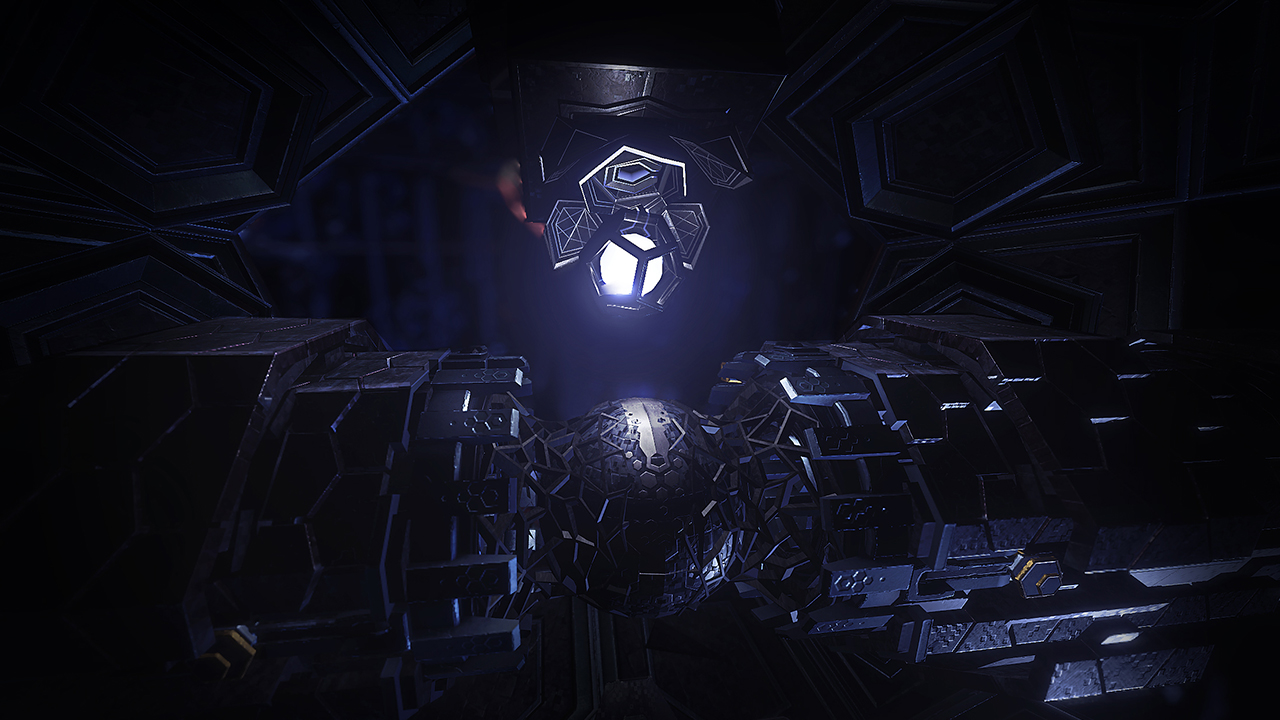
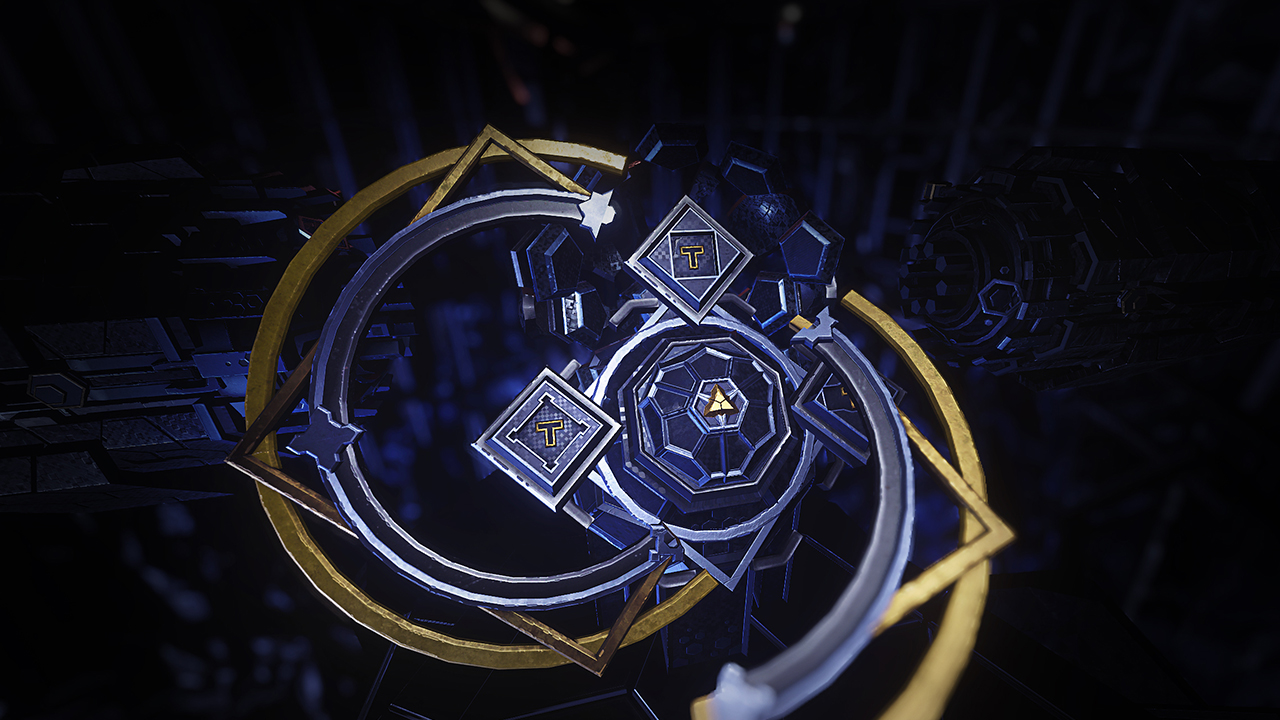
Get an in-depth look at FORM through various videos and screenshots.
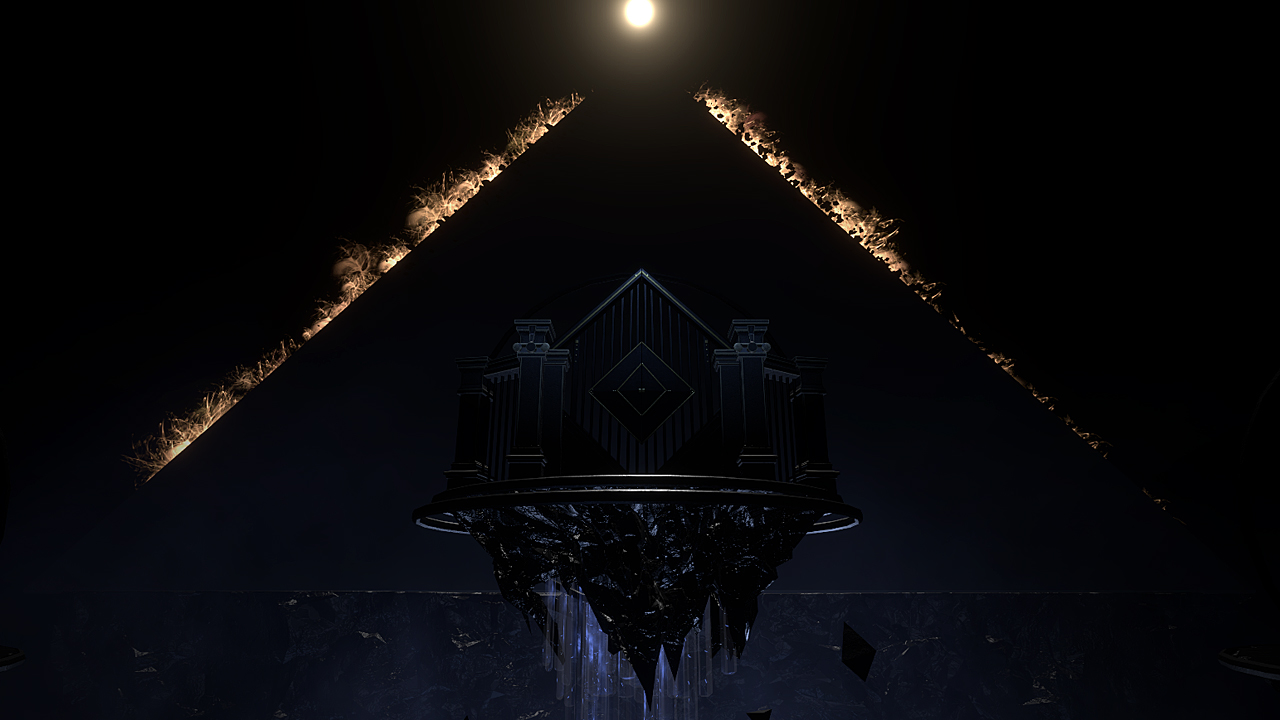
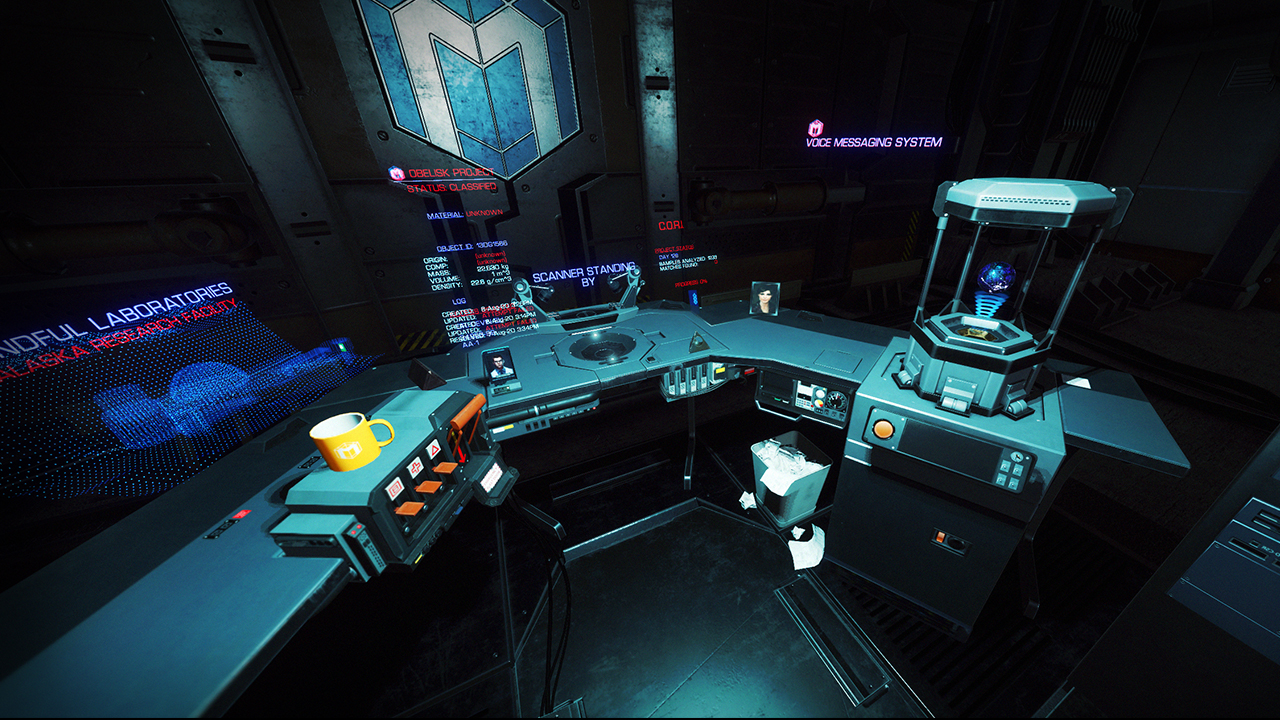
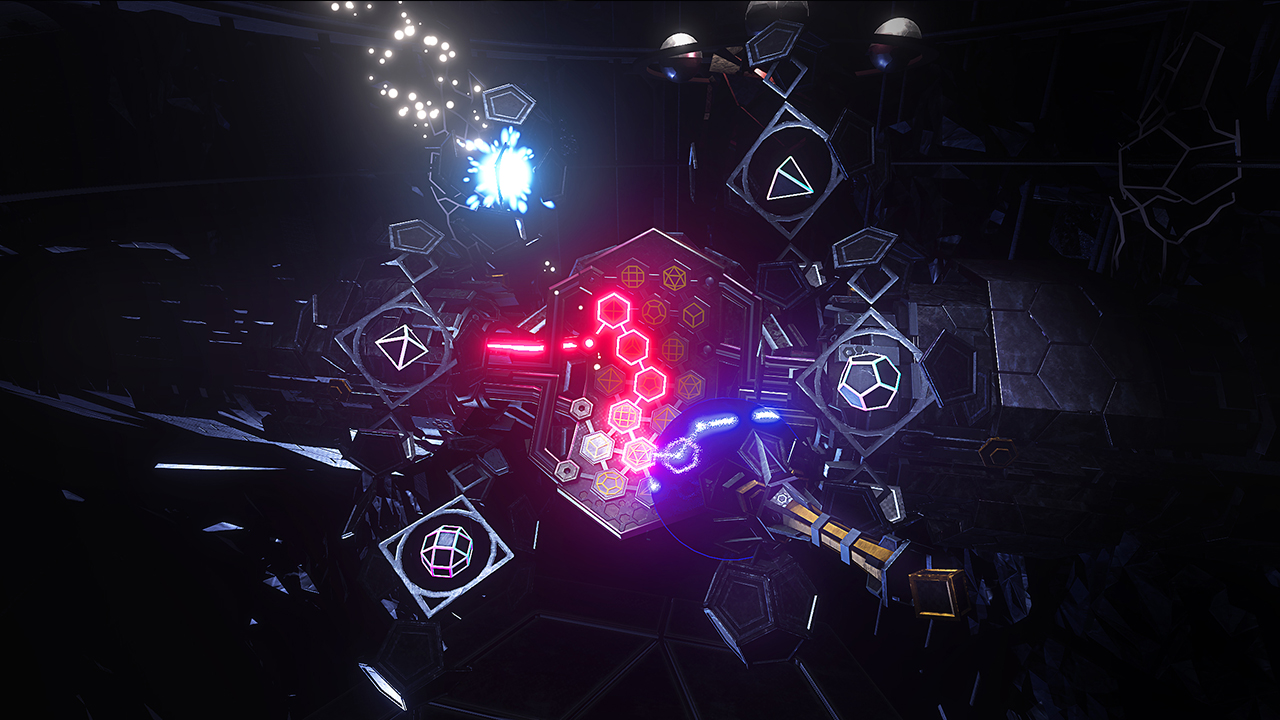
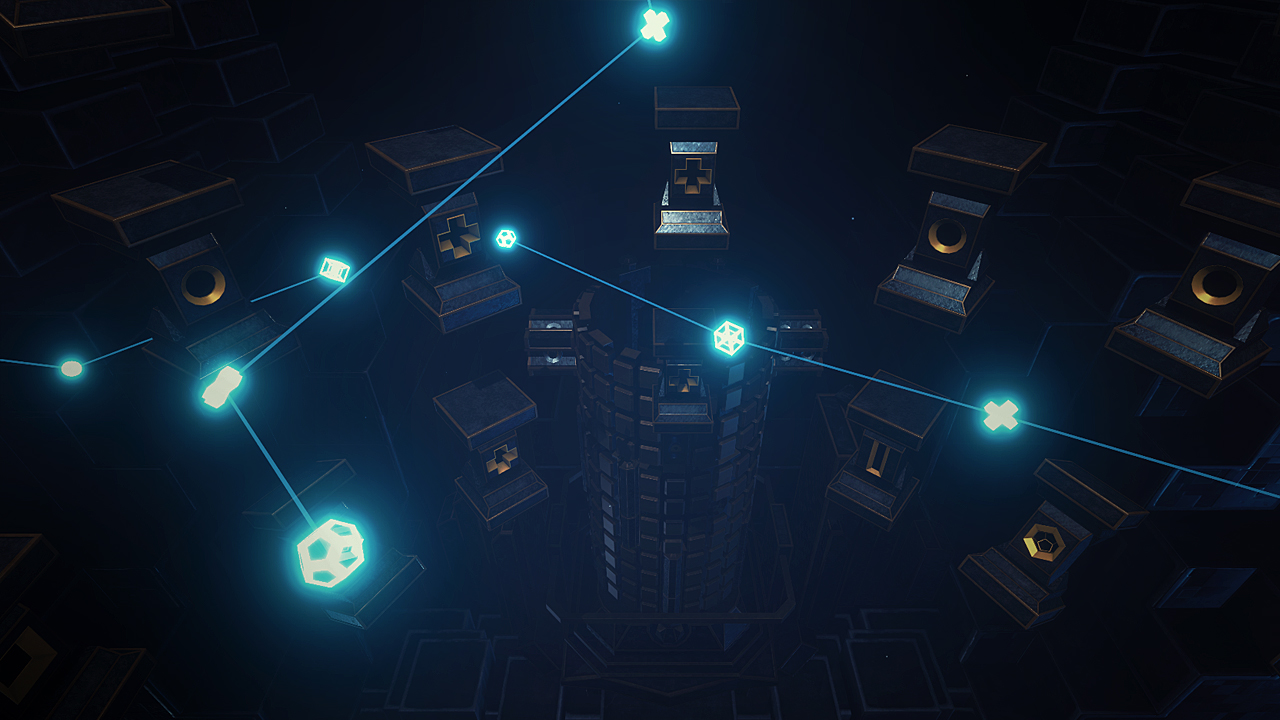
Load More
System requirements
These are the minimum specifications needed to play the game. For the best experience, we recommend that you verify them.
Windows
- OS *: Windows™ 7 SP1, Windows™ 8.1 or later or Windows™ 10
- Processor: Intel™ Core™ i5-4590 or AMD FX™ 8350, equivalent or better
- Memory: 8 GB RAM
- Graphics: GeForce GTX 970 or AMD Radeon R9 290, equivalent or better
- DirectX: Version 11
- Storage: 3 GB available space
- VR Support: SteamVR or Oculus PC. Standing Only
Steam Price & Best Deals
User reviews & Ratings
Explore reviews from Steam users sharing their experiences and what they love about the game.
FORM is a virtual reality puzzle adventure that uses surreal imagery, environmental interaction, and science-fiction mystery to create an experience centered on discovery rather than action. Developed and published by Charm Games, it places the player inside an unusual investigation where scientific experimentation gradually gives way to something more psychological and abstract. Instead of treating virtual reality as an optional presentation method, the game builds its puzzles and environments around physical interaction, making VR an essential part of its identity. The story follows Dr. Devin Eli, a talented physicist working for Mindful Laboratories at an isolated research facility in Alaska. His current assignment involves investigating a mysterious signal associated with a classified object called The Obelisk. Devin also possesses an extraordinary ability to visualize complex geometric structures, an unusual talent connected to a traumatic experience from his childhood. As his investigation progresses, the distinction between scientific reality, memory, and imagination becomes increasingly difficult to determine. The Obelisk seems capable of reaching far beyond ordinary technology, drawing Devin into strange spaces where fragments of his past coexist with impossible architecture. FORM handles its narrative with restraint. Rather than constantly interrupting exploration with lengthy explanations, it allows its environments and surreal transitions to carry much of the mystery. This approach creates a persistent feeling that the player is trying to understand something that does not obey conventional rules. The unanswered questions surrounding Devin, his memories, and The Obelisk provide enough motivation to continue, although the story ultimately feels more like an intriguing foundation than a completely developed science-fiction narrative. Puzzle solving is the central gameplay component, and Charm Games makes effective use of motion-controlled interaction. Players examine objects, manipulate mechanisms, arrange geometric components, recognize patterns, and determine how unfamiliar devices operate. Much of the satisfaction comes from experimentation. A strange object may initially appear incomprehensible, but touching, rotating, opening, or activating its individual components gradually reveals its purpose. This physical approach makes otherwise straightforward puzzles more engaging because the player is actively handling the mechanisms rather than simply selecting solutions from an interface. The puzzles generally favor accessibility over severe difficulty. There are no traditional combat encounters demanding quick reflexes, and the absence of death or restrictive timers allows the player to investigate each challenge without pressure. This creates an appropriately relaxed rhythm and helps preserve immersion. However, dedicated puzzle enthusiasts looking for extremely demanding logic problems may find the experience relatively forgiving. FORM is primarily interested in delivering the pleasure of discovery, with puzzles functioning as interactive pieces of its surreal world rather than obstacles intended to halt progress for long periods. The visual presentation is one of the game's greatest strengths. Environments can shift dramatically in scale and structure, transforming what initially appears to be a contained puzzle into something much larger and stranger. Geometric forms, futuristic machinery, abstract landscapes, scientific equipment, and dreamlike imagery combine into a coherent artistic direction. Virtual reality makes these transformations particularly effective because changes occur around the player, producing a stronger sense of scale and presence than the same scenes would likely achieve through a conventional display. Audio is equally important to the atmosphere. Ambient sounds, mechanical effects, music, and voices help turn abstract environments into believable spaces while reinforcing the uncertainty surrounding Devin's journey. At different moments, FORM can feel peaceful, mysterious, alien, or subtly unsettling without depending on conventional horror techniques. Its audiovisual design consistently supports the impression of entering increasingly remote areas of another person's consciousness. Comfort also appears to have been an important design consideration. FORM avoids building its appeal around frantic locomotion or constant action. Instead, the player spends considerable time observing the surroundings and interacting with nearby objects. This slower structure complements both the puzzle mechanics and the contemplative atmosphere. It also demonstrates that VR immersion does not necessarily require overwhelming spectacle; sometimes the simple act of reaching toward an impossible object and watching it react can provide the most memorable moment. Its most noticeable limitation is scope. The concepts surrounding Mindful Laboratories, Devin's unusual abilities, The Obelisk, and the relationship between memory and reality suggest a universe capable of supporting a considerably larger adventure. Just as the mystery becomes particularly interesting, the relatively compact nature of the experience can leave the player wishing its narrative and puzzle systems had been explored more extensively. The conclusion may consequently feel abrupt for anyone expecting a lengthy story with extensive character development and numerous complicated puzzle chains. Nevertheless, the shorter structure also prevents FORM from becoming repetitive. The experience moves efficiently from one imaginative interaction to another, introducing new visual ideas before previous concepts lose their novelty. There is very little unnecessary content, and the focused pacing makes the adventure feel closer to an interactive science-fiction installation than a conventional puzzle campaign padded for additional playtime. FORM remains an impressive example of designing specifically for virtual reality. Its strongest qualities come from the relationship between physical interaction, spatial transformation, environmental storytelling, and abstract visual design. The puzzles could have been more challenging and the fascinating narrative concepts deserve greater development, but the game compensates through atmosphere and creativity. Charm Games created an experience that understands how VR can make simple interactions feel extraordinary when the surrounding world convincingly responds to the player's presence. For players interested in atmospheric science fiction and approachable environmental puzzles, FORM offers a distinctive journey through technology, memory, and impossible geometry. Its brevity prevents it from fully realizing every idea it introduces, yet its focused execution gives the experience a memorable personality. Rating: 8/10
I loved this game from start to finish. The visuals were great and the puzzles were not overly hard. I'll admit I got a little jump scare a couple of time but that was most likely due to where I was standing ingame at the time and once due to my teenager scaring me mid game lol. Yes, the game is short and that doesn't bother me at all. Sometimes it's nice to have a short game to play and not get stuck of hours. Happy puzzle solving.
WOW. im not one to leave reviews, but idk how I couldnt with this game. This is the first and only game Ive sat through the credits for. Its a short game, but its the type of game that makes you deeply tied to the world its building, it made 2 hours feel like 10 minutes, and im begging for more. just wow
Extremely Short Puzzle game from the early days of VR. Took 1 HR to complete. Played on PSVR2 via PC adapter. Has a very light story and is very visually stunning. The Puzzles are tactilely engaging in VR, but to be honest... never really get above what you would expect a kindergartener to tackle and solve. Feels more like a short story experience, or the vertical slice for a much larger game/narrative that never got picked up to be expanded as a full release. Never the less, I enjoyed my time with it. It did not overstay it's welcome, the audio and visuals were very nice (even for such an old game), and there were no bugs/ technical difficulties. maybe check it out if you pick it up cheap.
Similar games
View all
Please, Don't Touch Anything 3D
Now with Vive Support! A cryptic, brain-racking, button-pushing non-linear puzzle game.

GNOG
GNOG is a tactile 3D puzzle game about exploring whimsical monster heads and the secret worlds inside them. Filled with eye-catching designs, lively interactions, and a rich, reactive soundtrack, the hand-crafted heads come to life as you grab, poke, spin, pull, and play with each charming contraption.
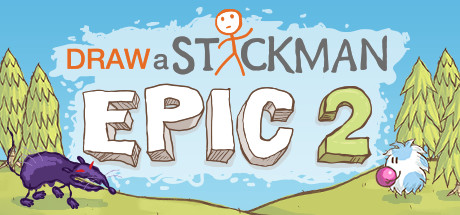
Draw a Stickman: EPIC 2
Imagination is the key, as you enter a magical storybook full of mystery and wonder, unusual creatures, and enigmatic puzzles! Create your own original Stickman and then watch it come to life in DRAW A STICKMAN: EPIC 2! Jump in to this action-packed adventure that allows for endless creativity!

Gnomes & Goblins (preview)
Explore the interactive fantasy world of Gnomes & Goblins from Jon Favreau, produced by Wevr in collaboration with Reality One. Interact with an enigmatic resident and take a first step into the lucid dream of Gnomes & Goblins and its many realms and denizens.

VITATIO 2
VITATIO 2 brings you a new take on the previous game, in this game you have to guide your crystal through the mazes, collect power crystals and bring them to the power core in order to power it up, you can pass a level with 1 power core but for the 100% achievements you will need to bring them all back
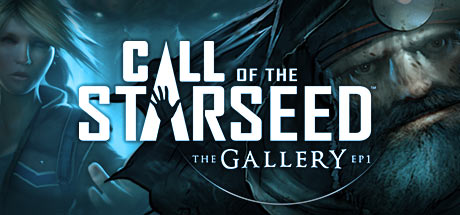
The Gallery - Episode 1: Call of the Starseed
Embark on the sci-fi epic that started it all at the dawn of modern VR, setting standards for roomscale movement and interaction for years to come. Winner of over 30 awards including "VR Game of the Year", The Gallery is VR's premier adventure series.
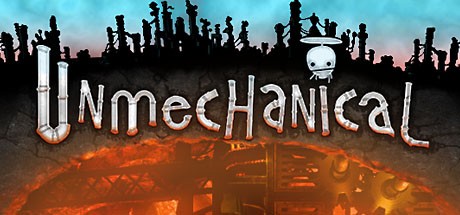
Unmechanical
A carefully created world with unique environments and an engrossing atmosphere, Unmechanical offers over 30 unique puzzles of exploration and adventure!
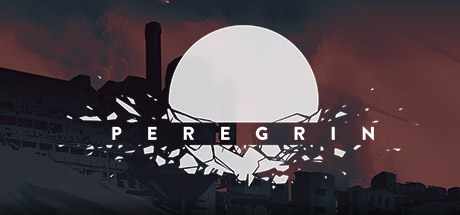
Peregrin
Peregrin is a story puzzle game. A solitary traveller undertakes a perilous voyage through the haunted ruins of a lost civilisation. Seeking to fulfil an ancient prophecy, she will have to use her arcane powers to solve puzzles and survive battles - if she is to find a way to restore the fallen world of Peregrin.

Optika
Discover the world of light physics: play with lasers, prisms, mirrors, magnets and dozens of other optical devices. Explore the world of Optika with Prof. Opticus and his assistant, Sofia! Research and complete more than one hundred challenging puzzles!
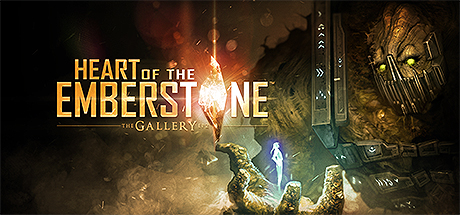
The Gallery - Episode 2: Heart of the Emberstone
Embark on the sci-fi epic that started it all at the dawn of modern VR, setting standards for roomscale movement and interaction for years to come. Winner of over 30 awards including "VR Game of the Year", The Gallery is VR's premier adventure series.
Frequently Asked Questions
FORM is currently priced at 12.49€ on Steam.
No, FORM is currently not on sale. You can purchase it for 12.49€ on Steam.
Yes, FORM received 887 positive votes out of a total of 973 achieving a rating of 8.60.
😎
FORM was developed and published by Charm Games.
Yes, FORM is playable and fully supported on Windows.
No, FORM is not playable on MacOS.
No, FORM is not playable on Linux.
This information about FORM is not available yet.
This information about FORM is not available yet.
Yes, FORM is a VR-only title. A compatible VR headset is required to play the game.
FORM is a single-player game.
Yes, there is a DLC available for FORM. Explore additional content available for FORM on Steam.
No, FORM does not support mods via Steam Workshop.
No, FORM does not support Steam Remote Play.
Yes, FORM is enabled for Steam Family Sharing. This means you can share the game with authorized users from your Steam Library, allowing them to play it on their own accounts. For more details on how the feature works, you can read the original Steam Family Sharing announcement or visit the Steam Family Sharing user guide and FAQ page.
You can find solutions or submit a support ticket by visiting the Steam Support page for FORM.
Data sources
The information presented on this page is sourced from reliable APIs to ensure accuracy and relevance. We utilize the Steam API to gather data on game details, including titles, descriptions, prices, and user reviews. This allows us to provide you with the most up-to-date information directly from the Steam platform.
Additionally, we incorporate data from the SteamSpy API, which offers insights into game sales and player statistics. This helps us present a comprehensive view of each game's popularity and performance within the gaming community.
Last Updates| Steam data | 02 September 2026 21:13 UTC |
|---|---|
| SteamSpy data | 05 September 2026 20:07 UTC |
| Steam price | 12 September 2026 18:44 UTC |
| Steam reviews | 11 September 2026 18:02 UTC |
If you'd like to dive deeper into the details about FORM, we invite you to check out a few dedicated websites that offer extensive information and insights. These platforms provide valuable data, analysis, and user-generated reports to enhance your understanding of the game and its performance.
- SteamDB - A comprehensive database of everything on Steam about FORM
- SteamCharts - Analysis of FORM concurrent players on Steam
- ProtonDB - Crowdsourced reports on Linux and Steam Deck FORM compatibility

Game modes
Features
Online players
0
Developer
Charm Games
Publisher
Charm Games
Release
01 Jun 2017
Platforms