Gone In November on Steam - User reviews, Price & Information

Quick menu

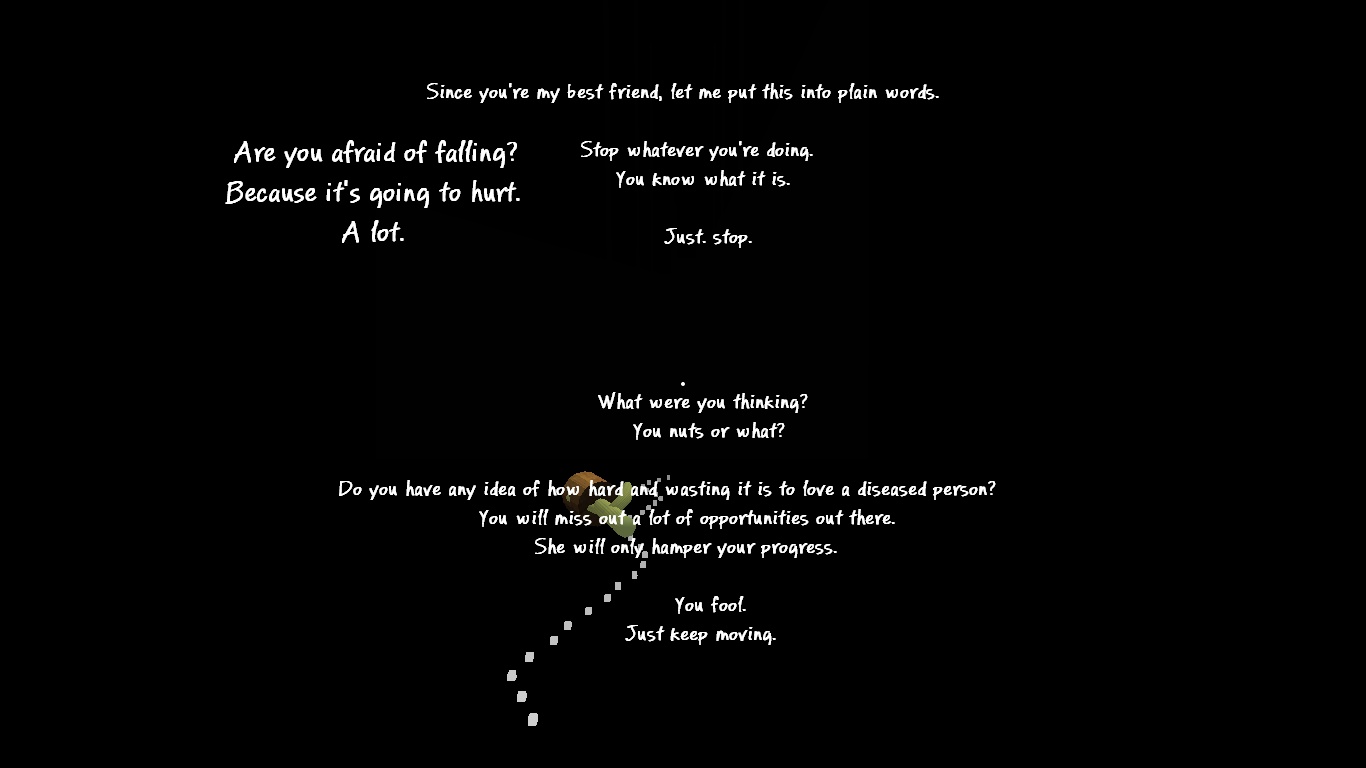
Coming home after visiting your doctor for the last time, you are told that you only have three more days to live. A sequence of short memory fragments flashing through as you try to run away from what you have done.

Gone In November is a indie, adventure and walking simulator game developed by Florastamine and published by Sometimes You.
Released on August 18th 2016 is available in English only on Windows.

It has received 395 reviews of which 248 were positive and 147 were negative resulting in a rating of 6.1 out of 10. 😐

The game is currently priced at 0.99€ on Steam, but you can find it for less on Gamivo.


The Steam community has classified Gone In November into these genres:

Media & Screenshots

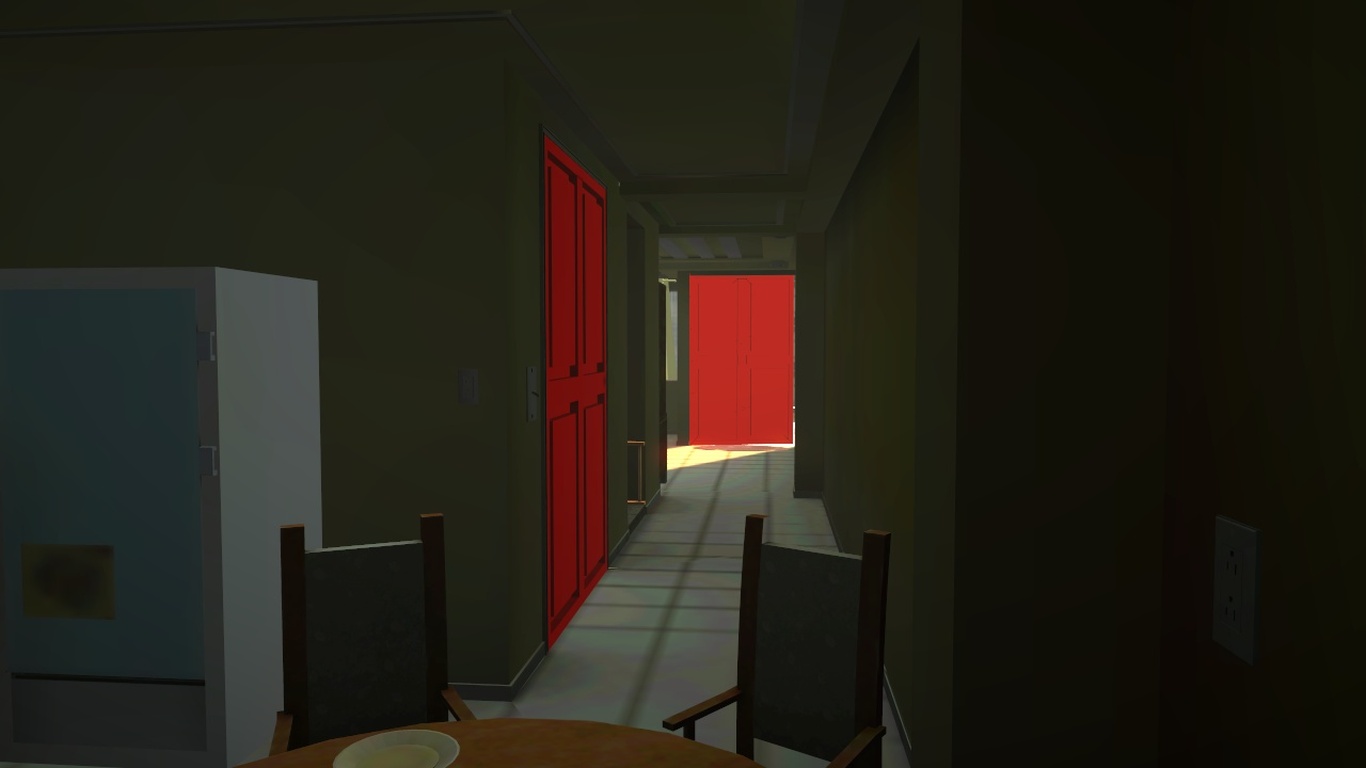
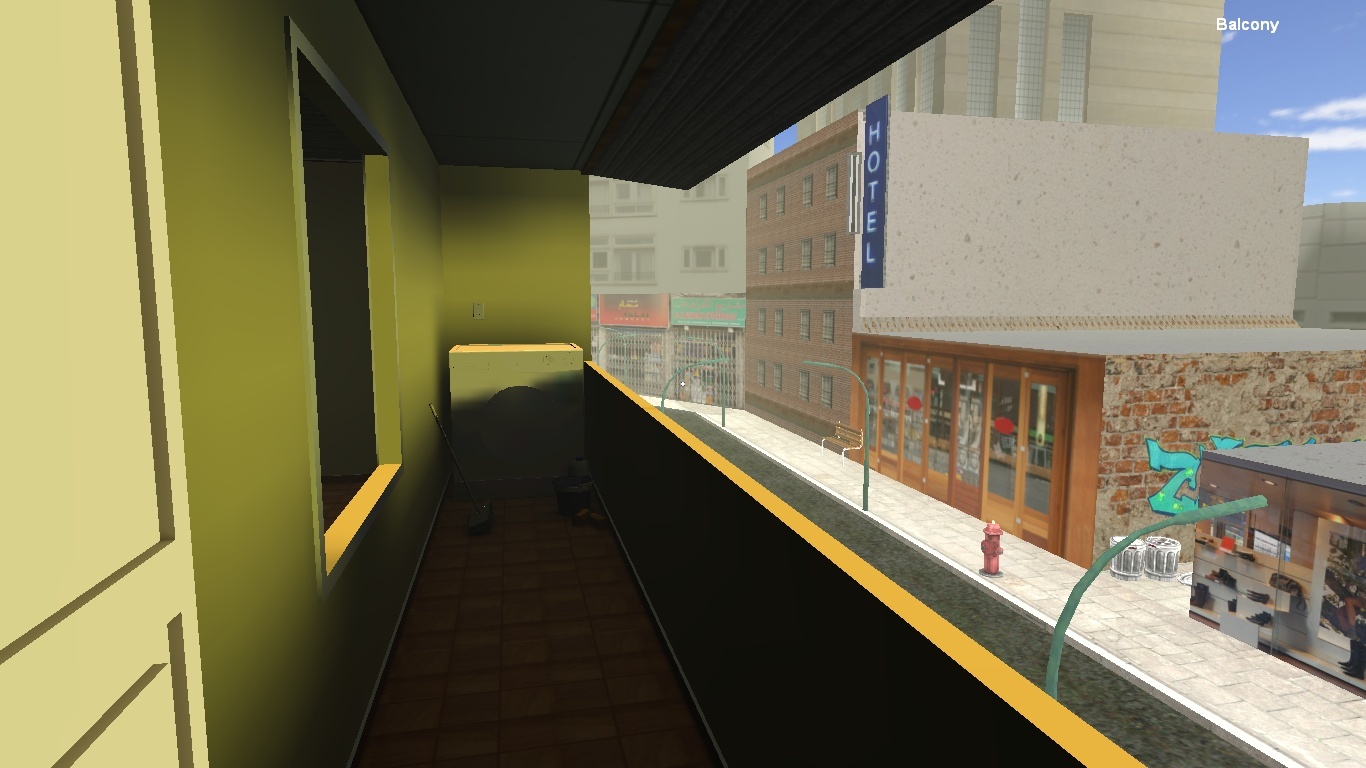
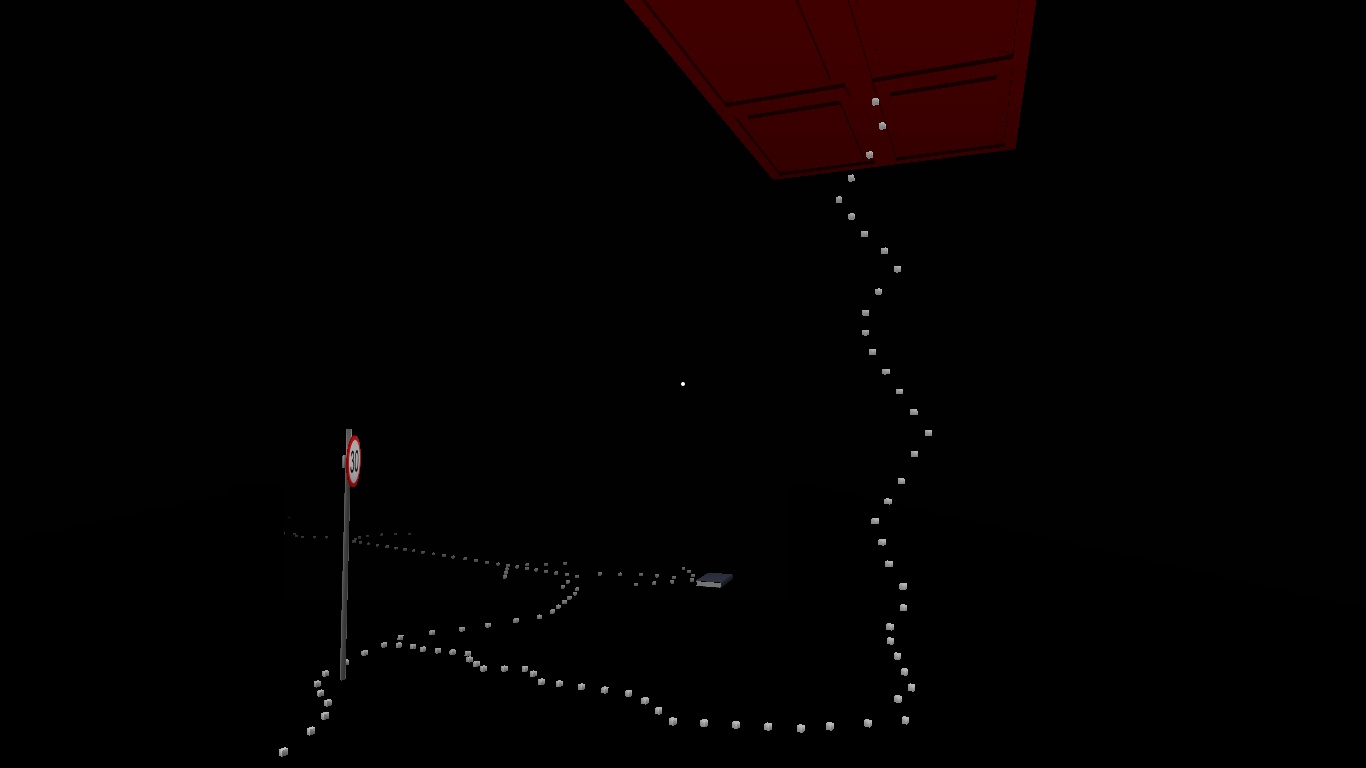
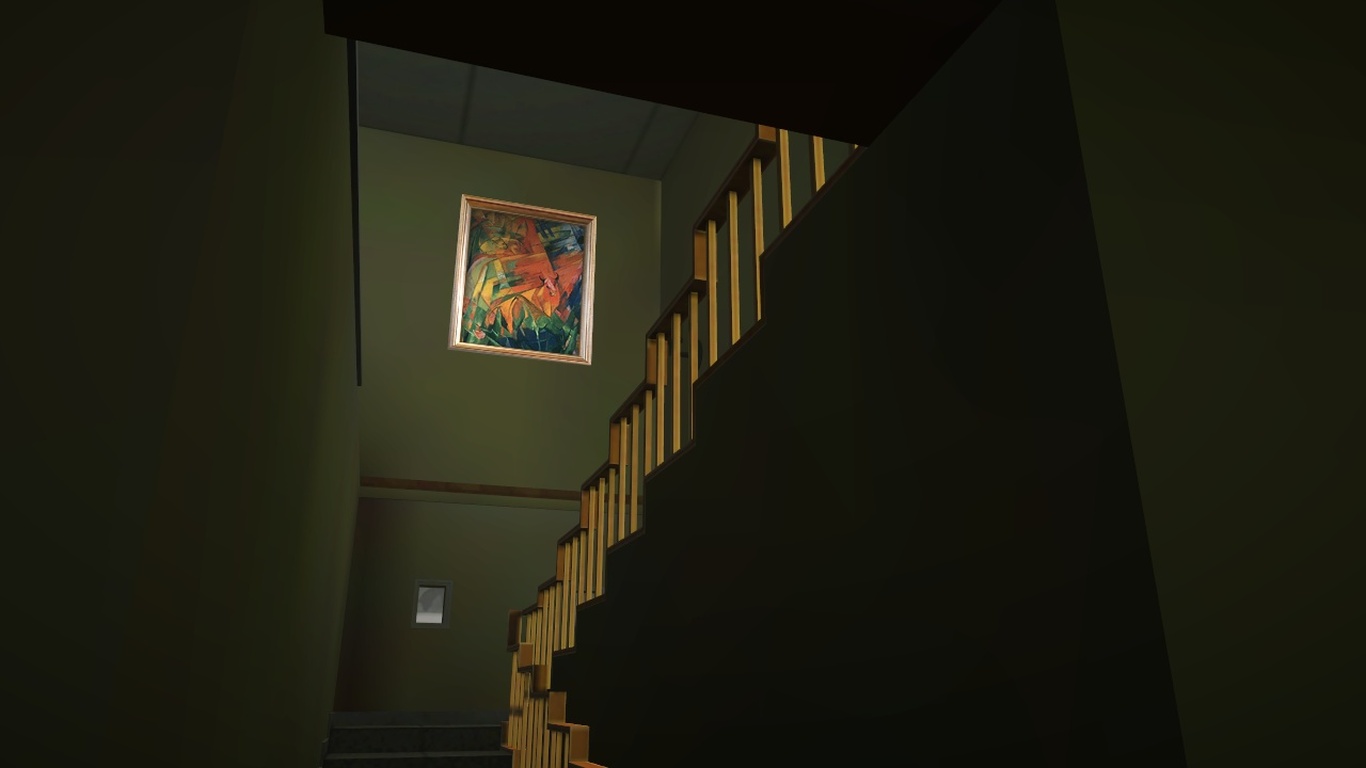
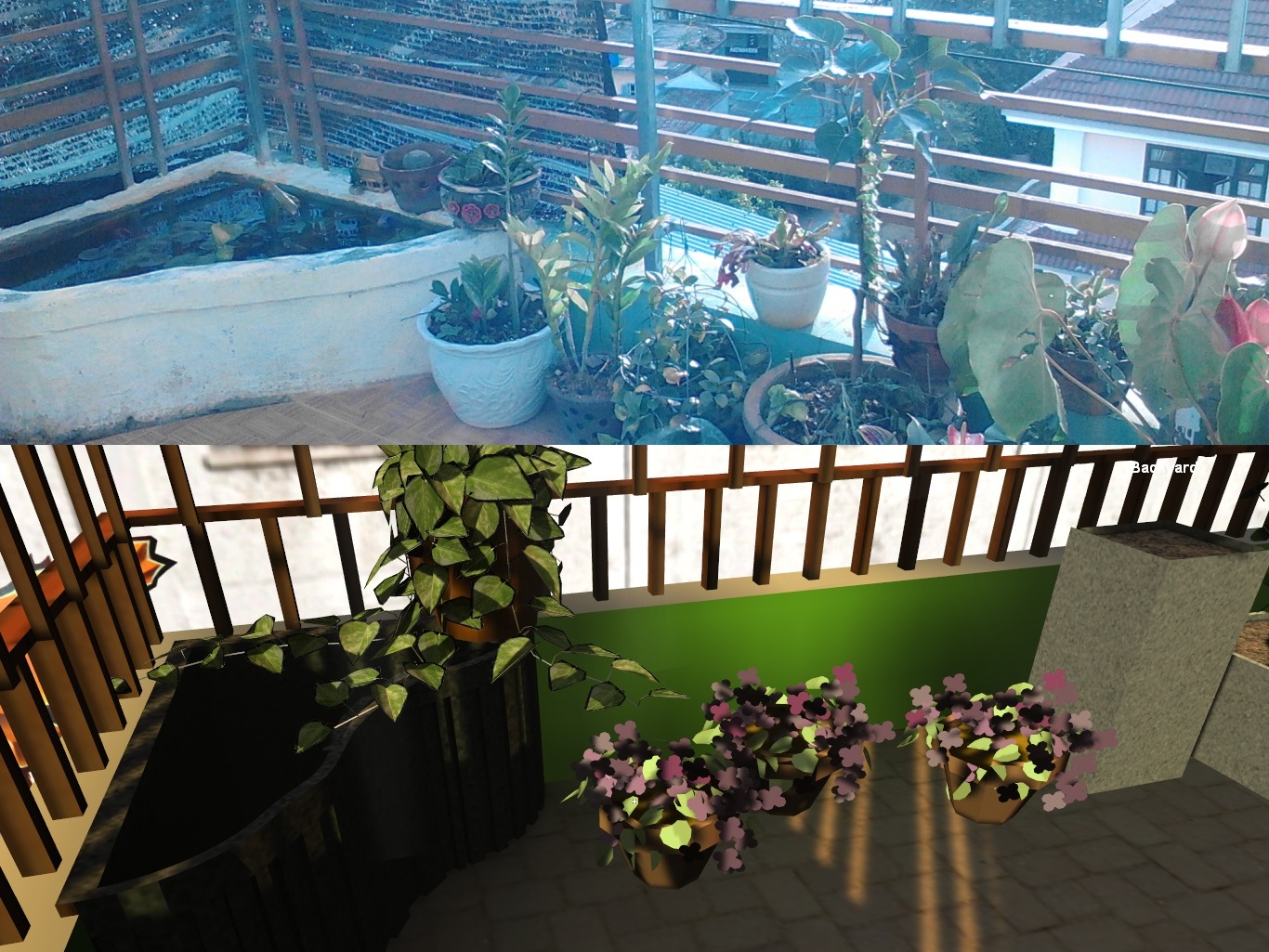
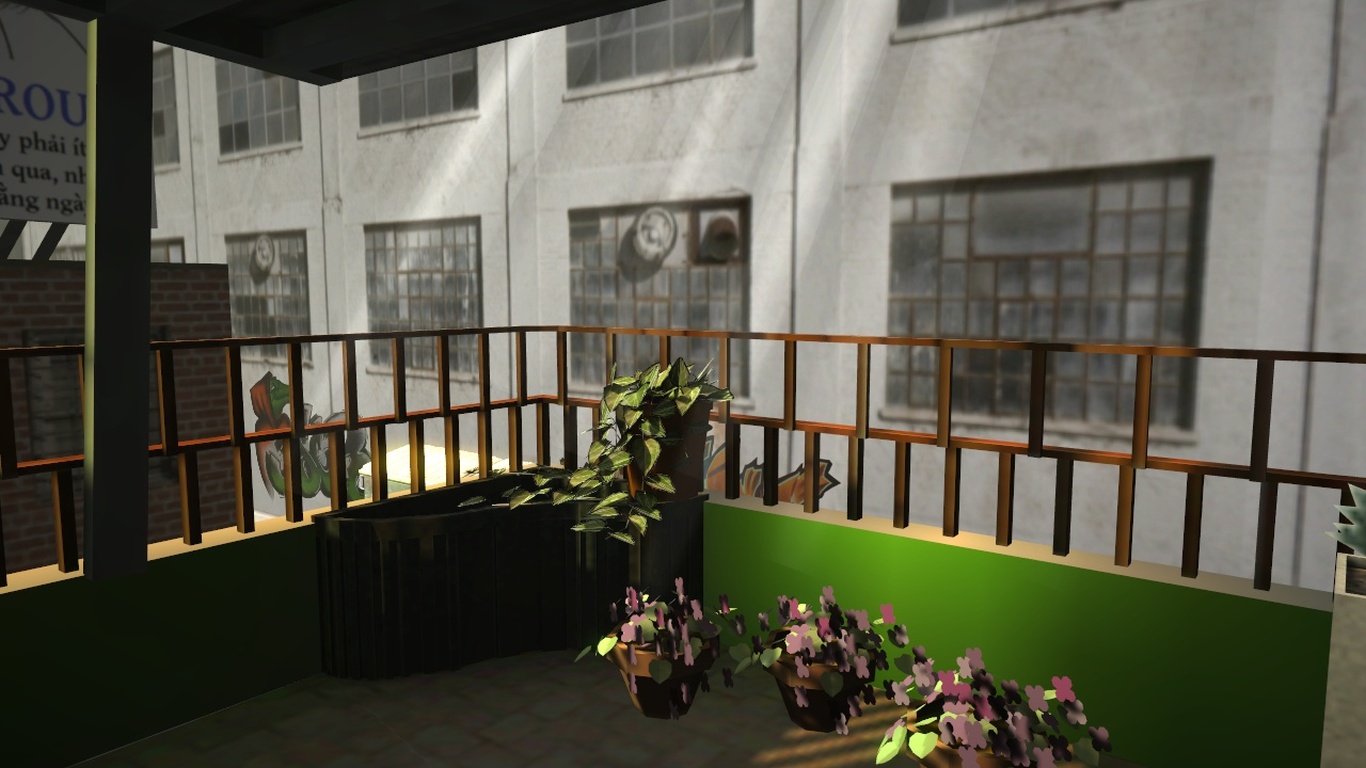
Get an in-depth look at Gone In November through various videos and screenshots.
System requirements

These are the minimum specifications needed to play the game. For the best experience, we recommend that you verify them.

Windows
  • OS *: Windows XP SP2 32-bit or higher
  • Processor: Pentium IV 2.0GHz
  • Memory: 3 GB RAM
  • Graphics: Intel HD series with 64 MB of memory or higher.
  • DirectX: Version 9.0c
  • Storage: 300 MB available space
  • Sound Card: DirectX compatible sound card

User reviews & Ratings

Explore reviews from Steam users sharing their experiences and what they love about the game.

Nov. 2025
Gone In November, developed by Florastamine and published by Sometimes You, is a somber and deeply introspective narrative game that approaches grief, depression, and psychological deterioration with stark honesty rather than metaphorical abstraction or dramatic flourishes. It belongs to a particular strain of indie storytelling in which the primary conflict exists entirely within the protagonist’s mind, and the player’s role is not to conquer enemies or solve intricate puzzles, but to witness and participate in the slow erosion of emotional stability. From the opening moments, the game signals that it is not meant to entertain in a traditional sense—it seeks to evoke empathy, discomfort, recognition, and reflection. That creative intention shapes every artistic and mechanical choice, turning a seemingly ordinary apartment into a suffocating emotional landscape. Most of the experience unfolds through quiet routine. The player guides the protagonist through everyday actions—eating, showering, attempting sleep, taking medication, walking from one room to another—but those interactions gradually become heavier, slower, and more painful to complete. The monotony is deliberate, reinforcing how grief can turn even the simplest acts into overwhelming tasks. As days pass, the environment subtly transforms: walls lose color, objects appear misplaced, lighting becomes harsher or dimmer, and the apartment’s proportions sometimes shift in ways that feel off but not immediately noticeable. That creeping surrealism mirrors the protagonist’s internal unraveling, as though the world is rejecting structure just as their emotional resilience collapses. The player is placed in the uncomfortable position of recognizing these changes but remaining powerless to stop them. Mechanically, Gone In November remains intentionally sparse. Interaction is limited to movement, observation, and acknowledging internal thoughts, which allows emotional weight—not gameplay challenge—to drive progression. The lack of branching choices or alternate outcomes reinforces the feeling of inevitability, a key theme in stories about depression. The game pushes the player to continue even when they would rather stop, mimicking the exhausting repetition experienced by someone struggling to maintain functionality after a loss. Instead of directing emotions through dramatic cutscenes, it relies on pacing, silence, and enforced stillness, trusting the audience to understand the emotional implications behind each moment of hesitation or refusal. The visual presentation plays a crucial role in expressing what the protagonist cannot articulate. The apartment feels sterile, drained of warmth, and increasingly claustrophobic. The absence of unnecessary decoration emphasizes isolation and shrinking mental space. There is no outside world—no streets, parks, workplaces, or other people—only the lingering presence of whoever is now gone. The art direction resists sensationalism, grounding the experience in painful realism rather than stylized tragedy. Sound design follows the same philosophy: long stretches of silence, faint environmental hums, and occasional musical cues heighten emotional tension without dictating it. Silence becomes a narrative device, forcing players to sit alone with the protagonist’s thoughts. Storytelling unfolds in fragments rather than exposition. Players learn about the protagonist’s past not through flashbacks or lengthy dialogue, but through discarded notes, brief thoughts, unfinished tasks, and objects that once held sentimental meaning. Florastamine avoids defining the cause of grief too precisely, giving players enough emotional context while still leaving room for personal interpretation. This openness makes the experience relatable to a wider spectrum of loss, whether romantic, familial, or existential. The narrative’s power comes not from resolution or revelation, but from its commitment to authenticity—grief does not follow a clean arc or guarantee catharsis, and the game does not pretend otherwise. Because of that, Gone In November may feel uncomfortable or even unbearable for some players. Its pacing is slow, its tone is consistently heavy, and its refusal to offer comfort can be emotionally draining. It challenges the common expectation that games should reward the player, reassure them, or provide agency. Instead, it asks them to bear witness, to sit with someone else’s pain without fixing it. That approach will not appeal to those seeking escapism, mechanical engagement, or overt narrative structure. Yet it is precisely this restraint that makes the experience so impactful—few games portray depression as an internal stillness rather than a dramatic crisis. In the end, Gone In November is less a traditional game and more an emotional exercise—an invitation to inhabit a mental state most media tends to simplify or romanticize. It offers no easy lessons, no dramatic breakthroughs, no triumphant return to normalcy. Instead, it holds space for vulnerability, exhaustion, and unresolved grief. Its quiet bravery lies in acknowledging that survival itself can feel like an impossible goal. For players willing to embrace a subdued, introspective, and psychologically raw experience, Gone In November lingers long after the screen fades, not because of what happens, but because of how honestly it mirrors the moments when life stops moving and the world becomes unbearably small. Rating: 6/10
Expand the review
Nov. 2025
It feels like a 10-minute winter sealed in a glass jar. Open it, and a chill spills out. Close it, and the cold still clings to the skin. Brief and a bit rough, yet its quiet screen leaves a bigger, clearer echo.
Expand the review
June 2025
Gone In November Has a total of 5 trading cards.
Expand the review

Frequently Asked Questions

Gone In November is currently priced at 0.99€ on Steam.

Gone In November is currently not on sale. You can purchase it for 0.99€ on Steam.

Gone In November received 248 positive votes out of a total of 395 achieving a rating of 6.07.
😐

Gone In November was developed by Florastamine and published by Sometimes You.

Gone In November is playable and fully supported on Windows.

Gone In November is not playable on MacOS.

Gone In November is not playable on Linux.

Gone In November is a single-player game.

There is a DLC available for Gone In November. Explore additional content available for Gone In November on Steam.

Gone In November does not support mods via Steam Workshop.

Gone In November does not support Steam Remote Play.

Gone In November is enabled for Steam Family Sharing. This means you can share the game with authorized users from your Steam Library, allowing them to play it on their own accounts. For more details on how the feature works, you can read the original Steam Family Sharing announcement or visit the Steam Family Sharing user guide and FAQ page.

You can find solutions or submit a support ticket by visiting the Steam Support page for Gone In November.

Data sources

The information presented on this page is sourced from reliable APIs to ensure accuracy and relevance. We utilize the Steam API to gather data on game details, including titles, descriptions, prices, and user reviews. This allows us to provide you with the most up-to-date information directly from the Steam platform.

Additionally, we incorporate data from the SteamSpy API, which offers insights into game sales and player statistics. This helps us present a comprehensive view of each game's popularity and performance within the gaming community.

Last Updates
Steam data 23 January 2026 03:22
SteamSpy data 26 January 2026 02:11
Steam price 28 January 2026 20:45
Steam reviews 27 January 2026 17:51

If you'd like to dive deeper into the details about Gone In November, we invite you to check out a few dedicated websites that offer extensive information and insights. These platforms provide valuable data, analysis, and user-generated reports to enhance your understanding of the game and its performance.

  • SteamDB - A comprehensive database of everything on Steam about Gone In November
  • SteamCharts - Analysis of Gone In November concurrent players on Steam
  • ProtonDB - Crowdsourced reports on Linux and Steam Deck Gone In November compatibility

Gone In November
Rating
6.1
248
147
Game modes
Features
Online players
0
Developer
Florastamine
Publisher
Sometimes You
Release 18 Aug 2016
Platforms
Clicking and buying through these links helps us earn a commission to maintain our services.