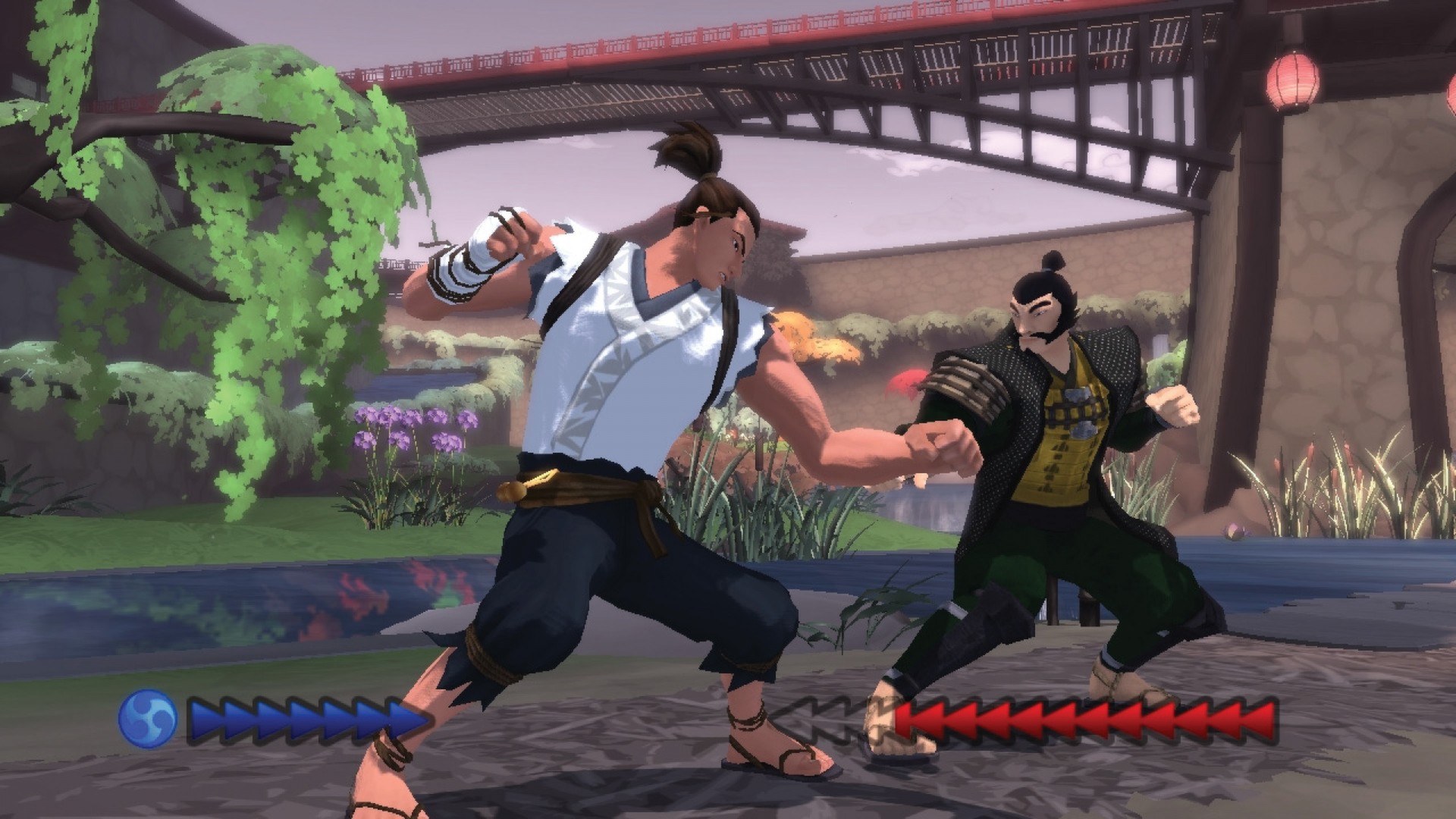
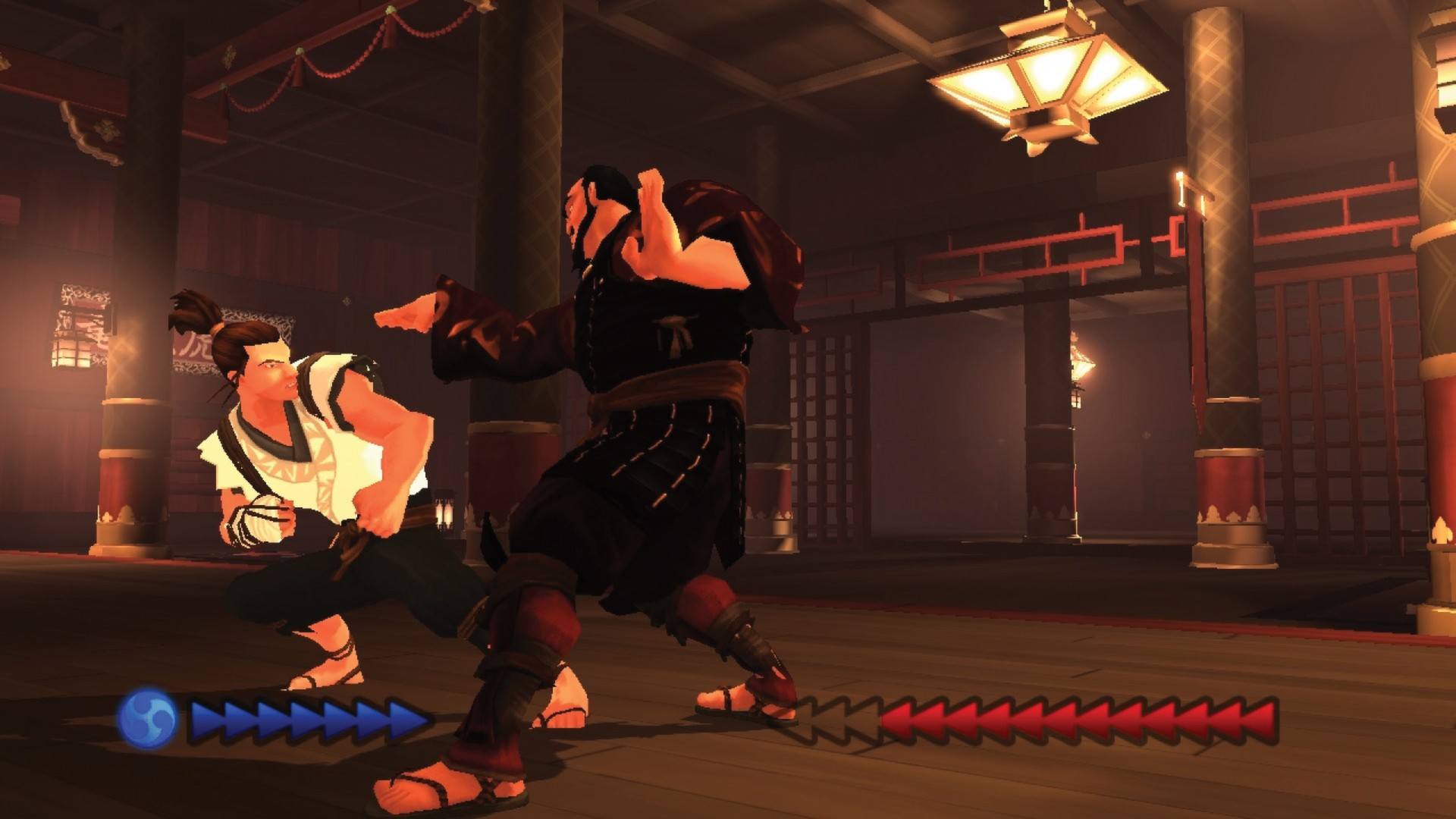
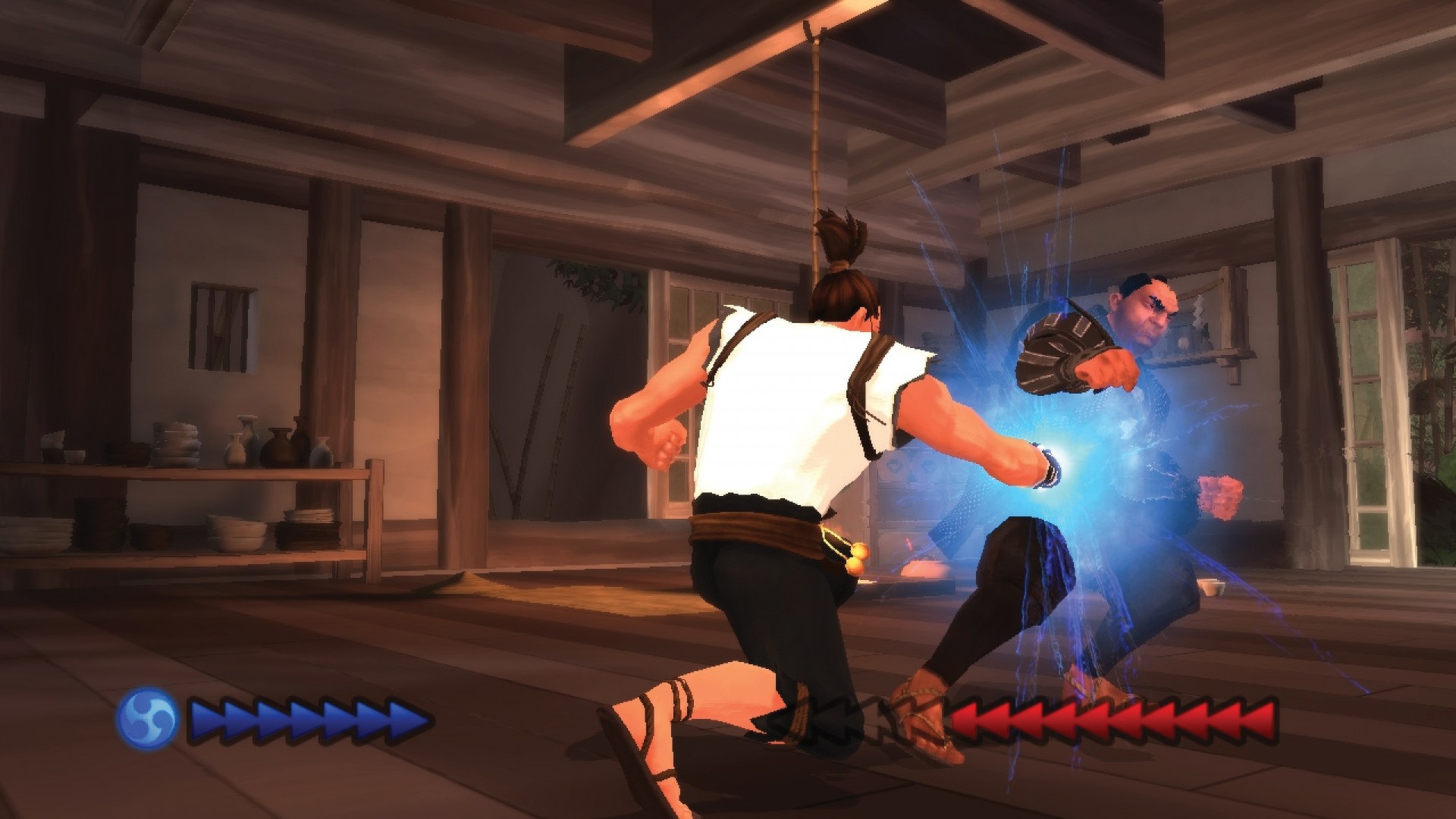
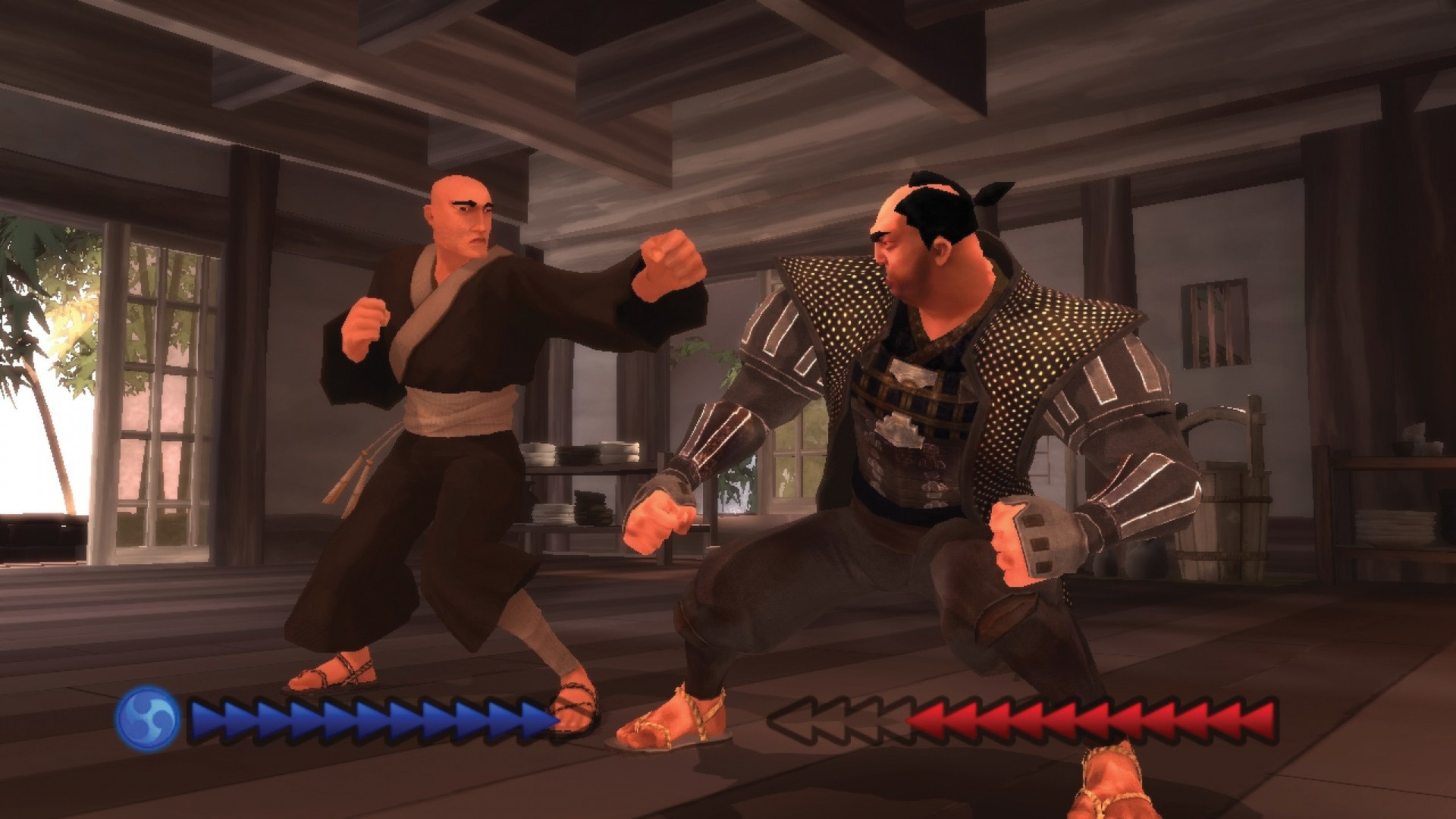
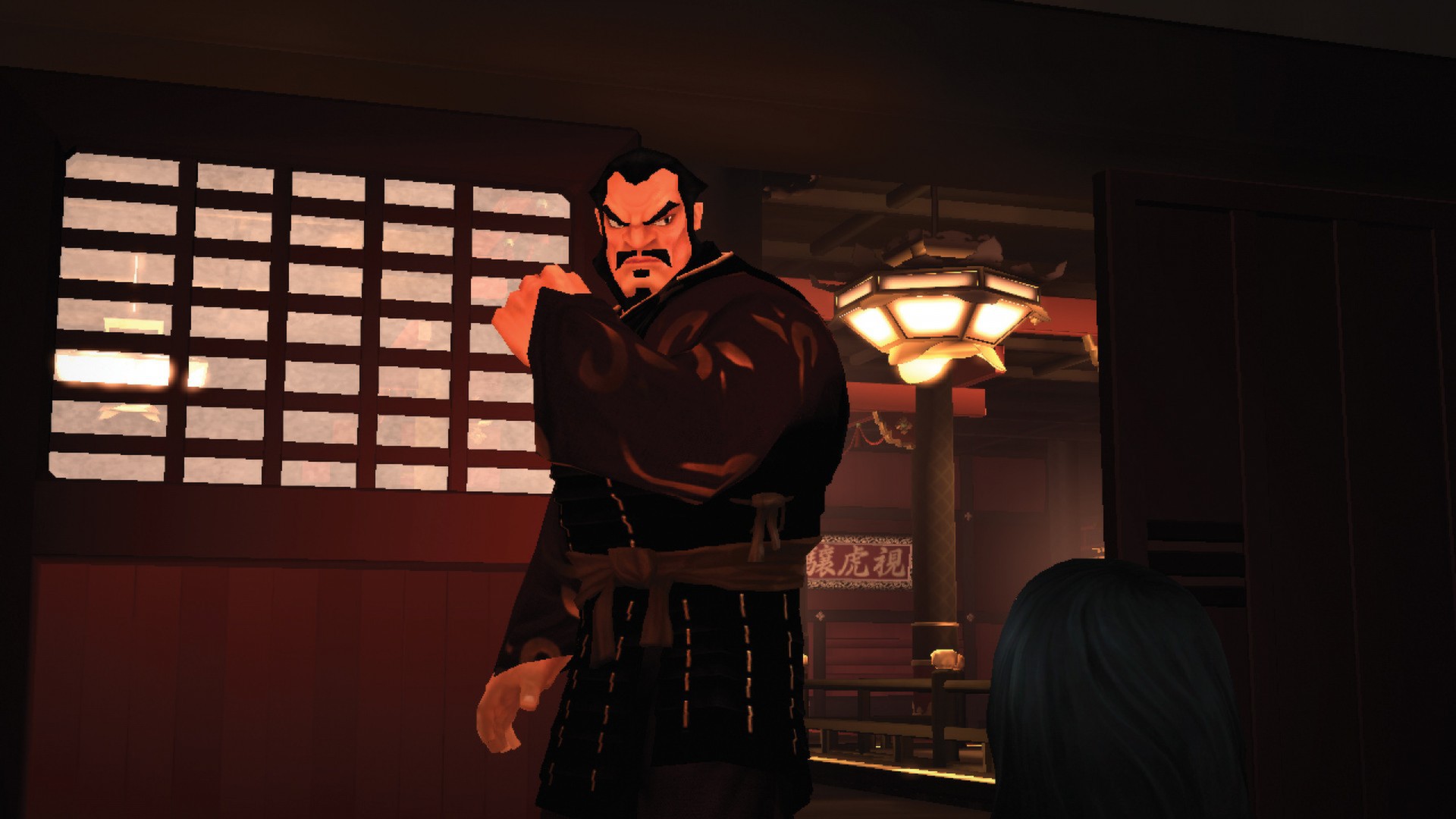
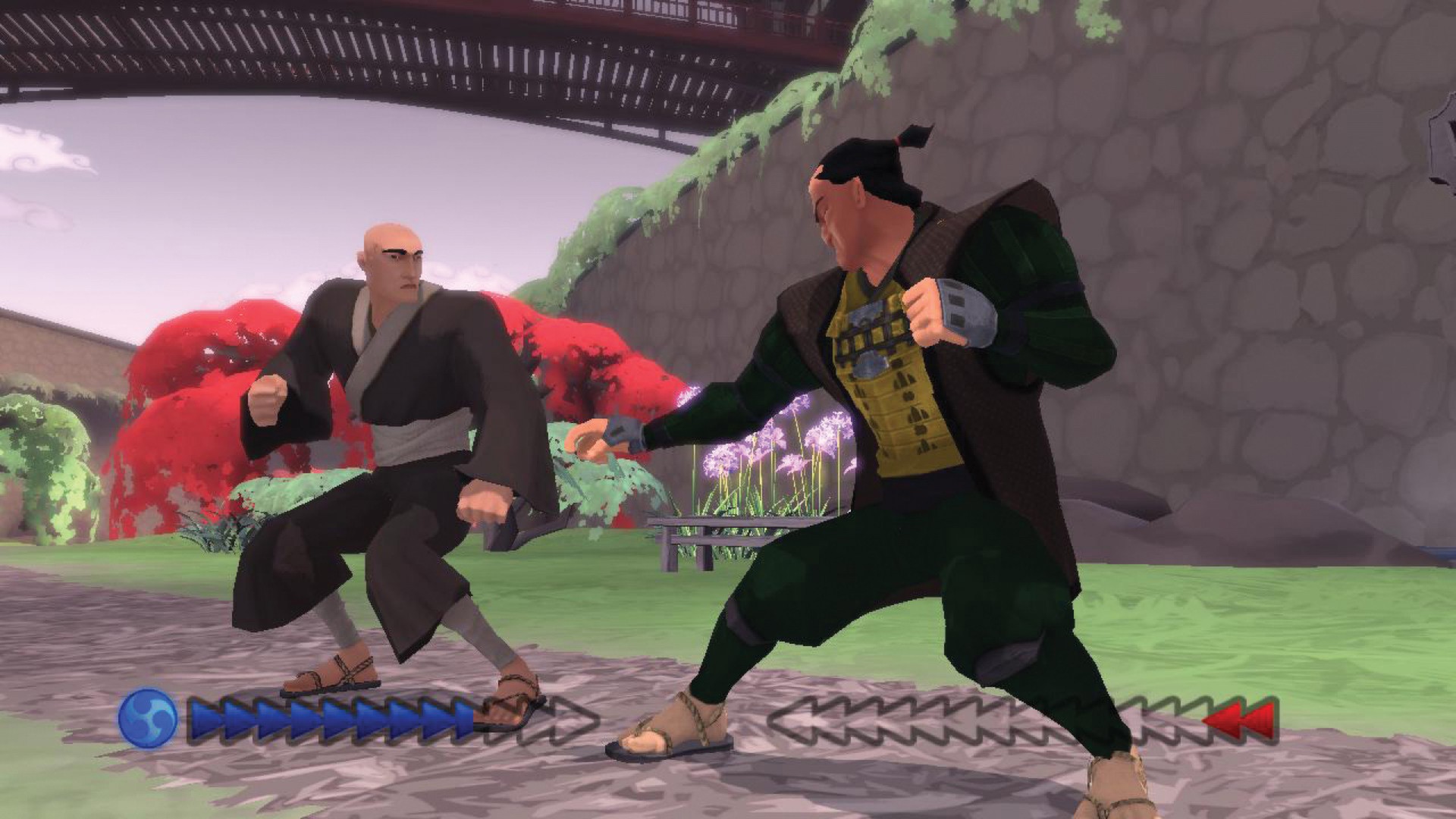
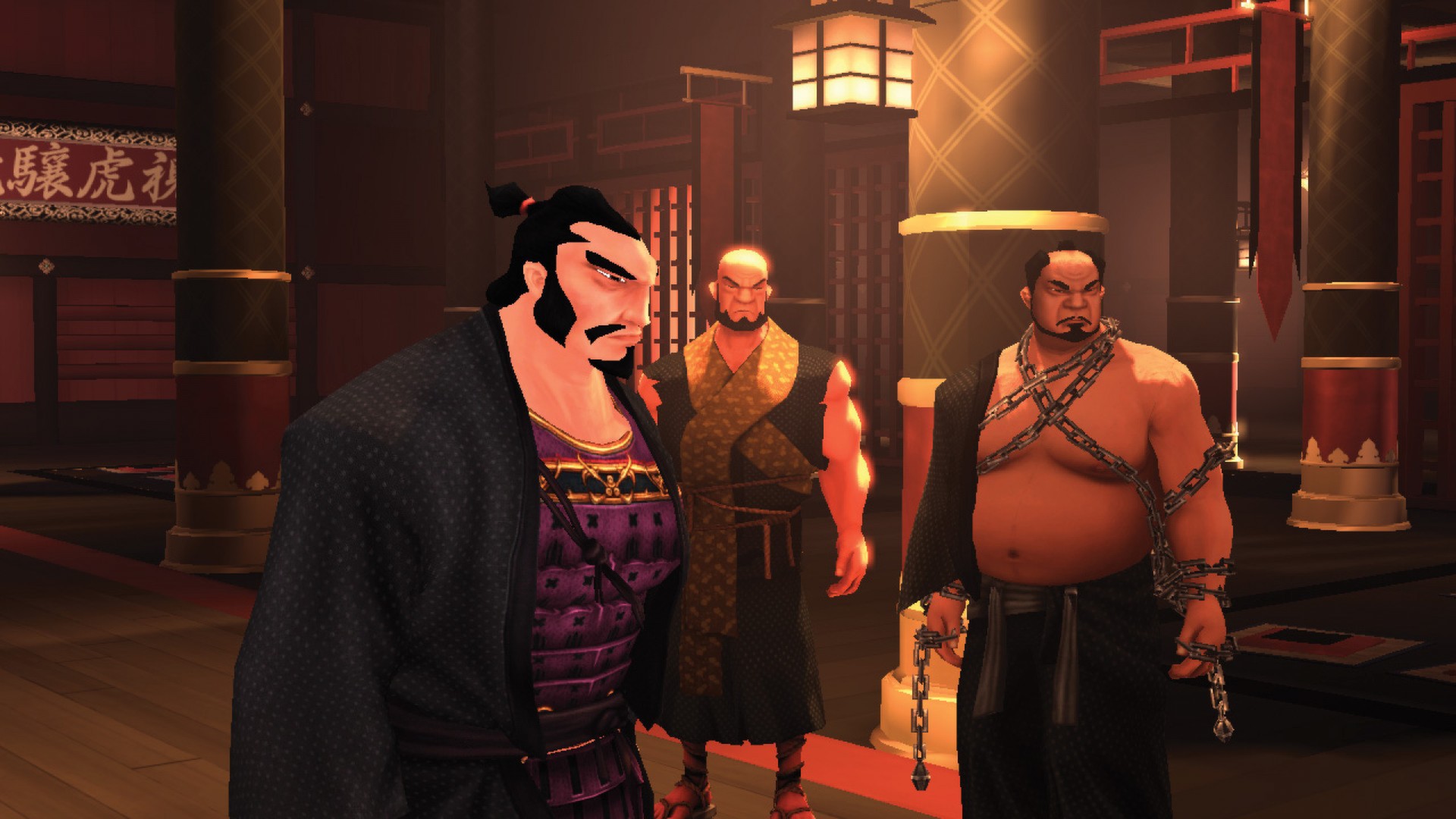
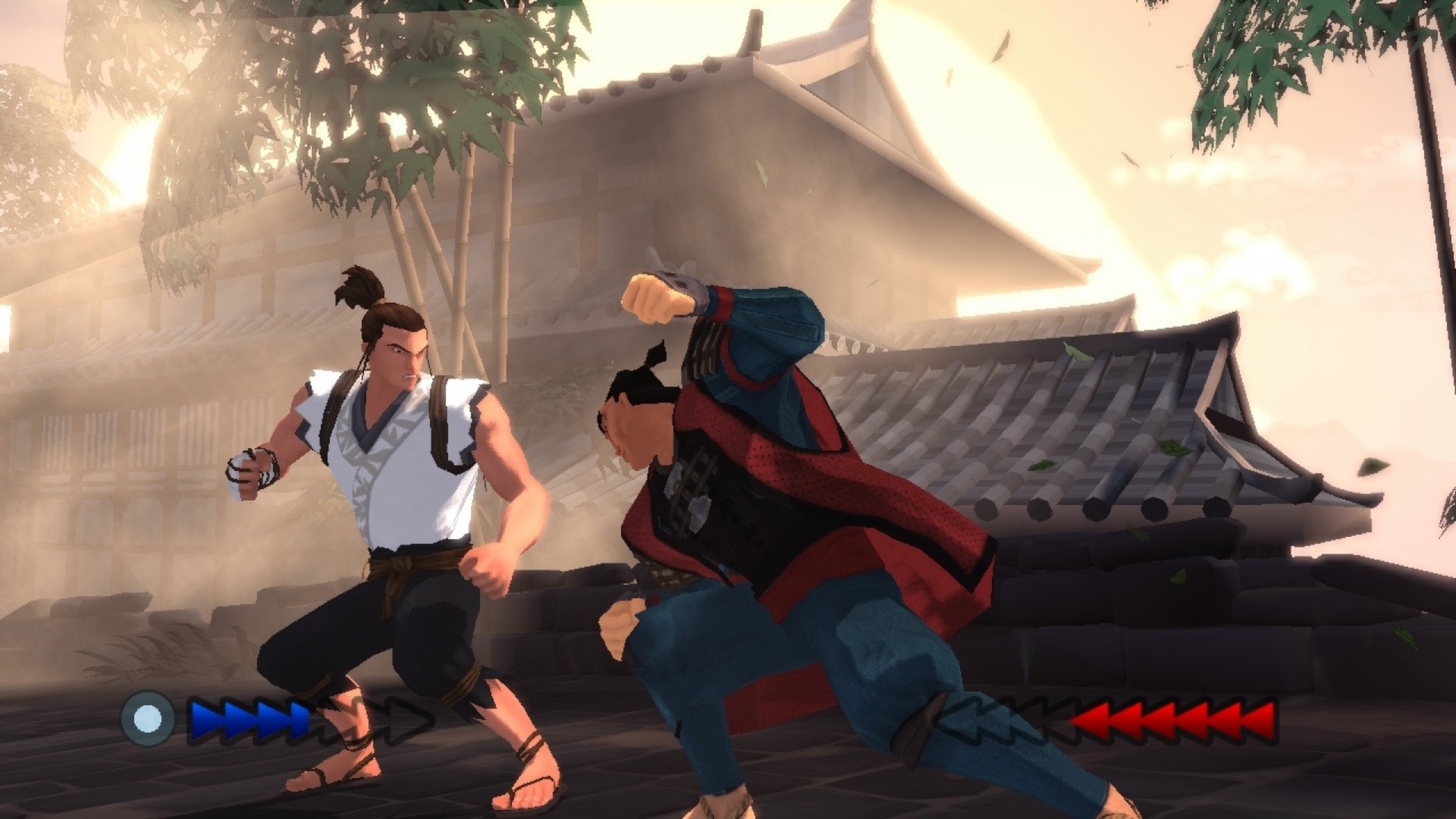
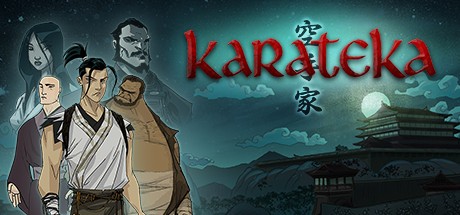
TL;DR: Good, short, rhythm-action game worth the price to pay considering the replay value. Innovative use of sound cues. Easy to play, difficult to master. Fully compatible with controllers; Don't know why the devs never added that. While this remake of Karateka is not all too close to the original 8-bit game, it holds up well as a spiritual successor and simultaneously manages to be quite fun and entertaining. The game is pretty simple in itself, but can have a bit of complexity to it, although I would not call it a technical fighting game. It's more of a rhythm game that involves fighting as opposed to a game with Quick Time Events. Make no mistakes about it, the game does require concentration and perfecting it is a difficult task. But it won't really get boring no matter how many times you play it. The tale is quite straightforward. Princess Mariko had been kidnapped by an evil warlord named Akuma and three people set forth to set her free. The first is her lover, the second is a monk, and the final one is a brute. Whoever manages to rescue Mariko will become her suitor. The rest of it just a sequence of one-on-one battle with enemies and bosses, who are just slightly more difficult enemies. Despite the Japanese names, the entire setting is distinctly Chinese, and they seem to be using various schools of Kung Fu, or Chinese Martial Arts to be more accurate, instead of Karate. The suitor that you're playing as not only determines how many lives you have left, but also how difficult the game is. The first suitor, the lover is the weakest among the three, begging you to play with utmost precision and care. He does not deal a lot of damage, meaning that you'll have to enter into more exchanges with your enemies. He also has a very small health bar and does not recover any health at all unless using Mariko's flowers. The monk deals more damage and has a larger health bar in addition to recovering health passively. Finally, the brute does not know how to use any pretty moves, but he has the largest health bar, deals a staggerring amount of damage, and recovers health almost faster than he loses it, making him the easy mode and the lover the hard mode. In order to avoid an NTR ending, you'll need to beat the game as the lover and that's a pretty tall order especially by the end. Furthermore, which suitor you're playing as also determines how many enemies you face as some enemies simply either let you pass after a few exchanges as a Monk, or in the case of the Brute, simply don't show up, probably intimidated by his sheer size. The gameplay itself involves an almost turn-based exchange of blows where you're first expected to block the oncoming attacks and then retaliate with your own. Attacking out of turn won't incur any penalties, but the attacks will simply get blocked and you'll end up spending more time in every fight. Here is where the rhythm part of the game comes in. Every attack combination, as you'll learn through experience, has a specific rhythm to it. This rhythm is made known to you through the use of sound cues right before the enemy throws their strike and you must more or less match the rhythm of the sounds to succesfully block the attacks. This usually works in most cases except for a few, just to shake things up. The bosses, on the other hand, use combinations that you've never seen before and often don't have these sound cues accompanying their attacks, at least until their second phase. Finally, I call the exchanges almost turn-based because in most cases, the flow does indeed force it to be turn based. However, in some cases, some special enemies might block your attacks, jumping in with a blockable counter-attack combination or might pause for an instant to taunt you, opening themselves up to your attack combinations. Attacking is quite as simple as button mashing and it doesn't really matter which attacks you choose anyway since all of them will land all the same and cause the same amount of damage regardless. You also have a special stunning move that lets you deal additional damage that the opponent cannot defend against and you also come across Mariko's flowers every now and then to heal after losing your health in fights. The level design is pretty linear. After all, the only way you can actually move is forward. However, the combat slowly amps up in complexity or intensity as the game progresses. It does a good job of slowly and smoothly increasing the difficulty without it seeming jarring. But every single time that it starts to get monotonous, it'll introduce these special enemies to you who attack off-rhythm and keep you on your toes. Pretty good level-design when that aspect of the game is considered. The graphics are definitely stylised, sort of cel-shaded, but they also bear the halo effect that's a trademark of Unreal Engine 3. After all, the game was made back in 2012. The soundtrack, especially combined with the sound cues is particularly what takes the cake. Not only is the ambience is apt for every "stage" of the game, but the background music accompanying every battle does a wonderful job of setting the pace both literally and figuratively. Aside from all the praise, I couldn't find too many bugs for the game, and perhaps it's a feature and not a bug wherein the block window for the Lover seems to either be a bit too precise or seemingly doesn't alway work, especially towards the end of the game. The same moves made by the same enemy can easily be blocked while playing as the monk or the brute, but somehow, using the same timing and rhythm seems to get the lover beaten up. This is especially prevalent towards the ending of the short game, but if it is a feature, winning as the Lover seems to be either rigged or incredibly difficult, forcing people to keep replaying the game for a certain number of times before the game grants them their coveted achievement. All in all, Karateka might be a short game, and despite its contextual inaccuracies, the gameplay itself is quite fun in a very addictive way. While it is very easy to pick up and even finish, mastering the game is the real challenge, even though it seems nigh impossible for some reason. The graphics are fine, but the sound, the soundtrack as well as the way that the sound cues integrate into the rhythm aspect of the game, is what is truly revolutionary about it. One could almost play the game with eyes closed. In fact, ignoring the visuals and focusing on the sound is the easier way to play it. Definitely worth picking up.