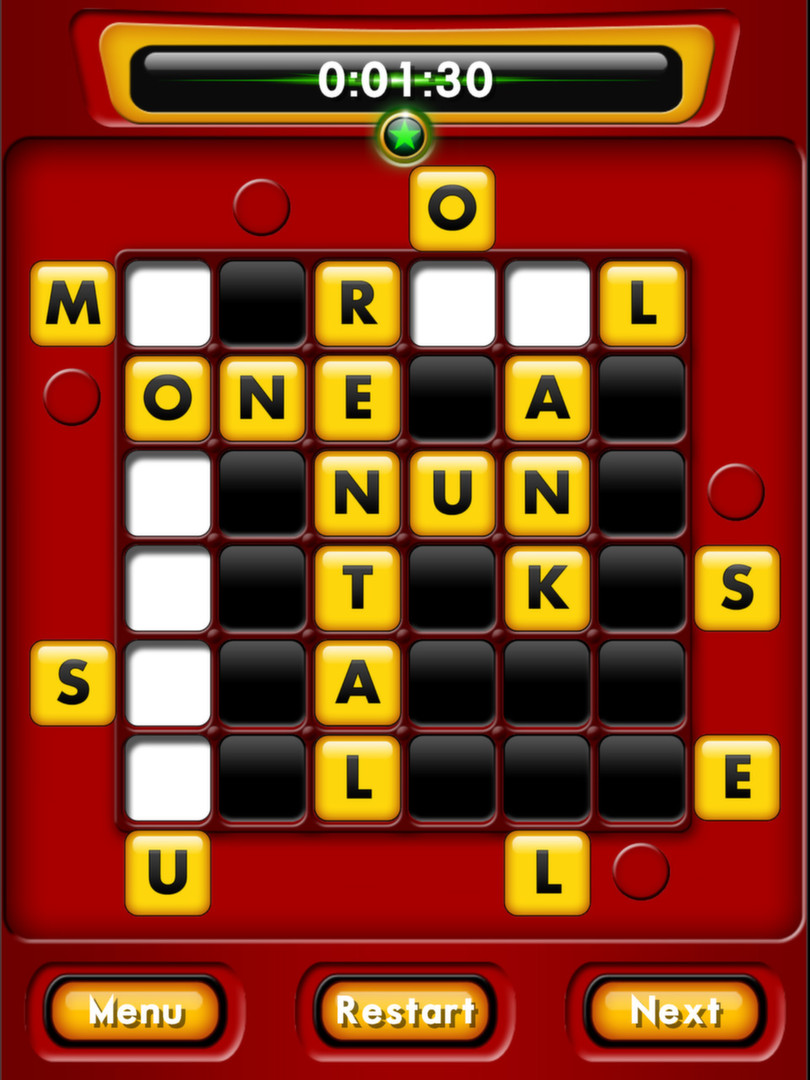
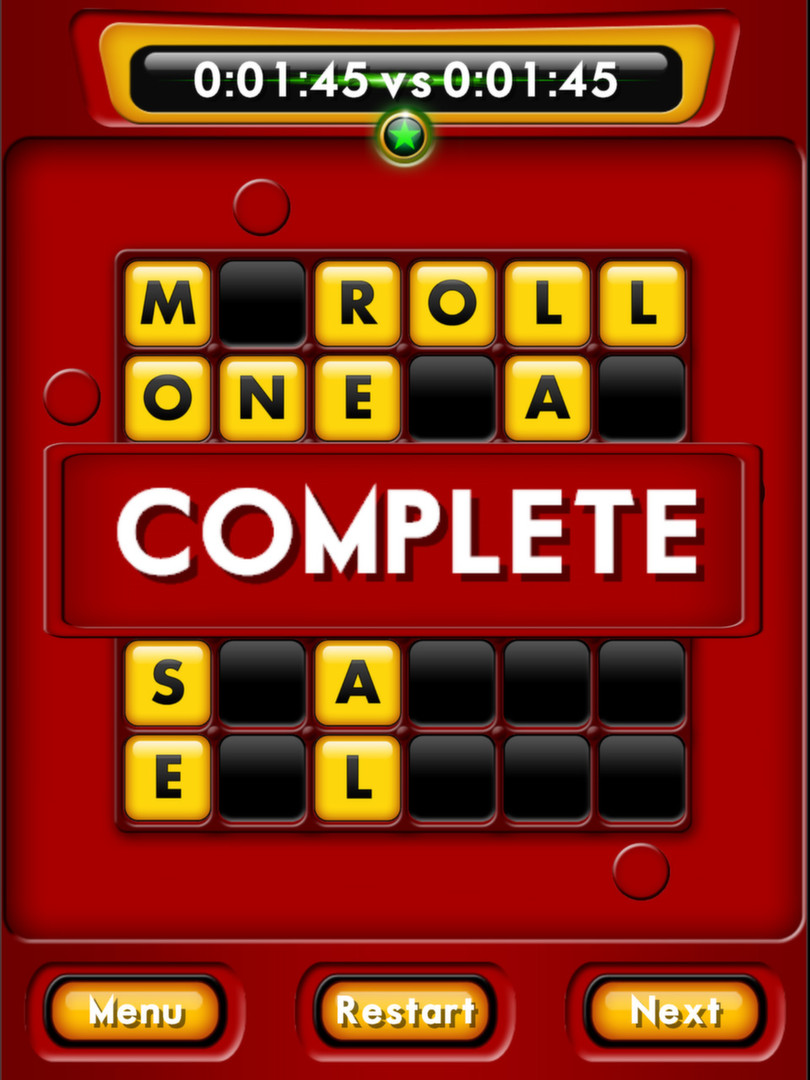
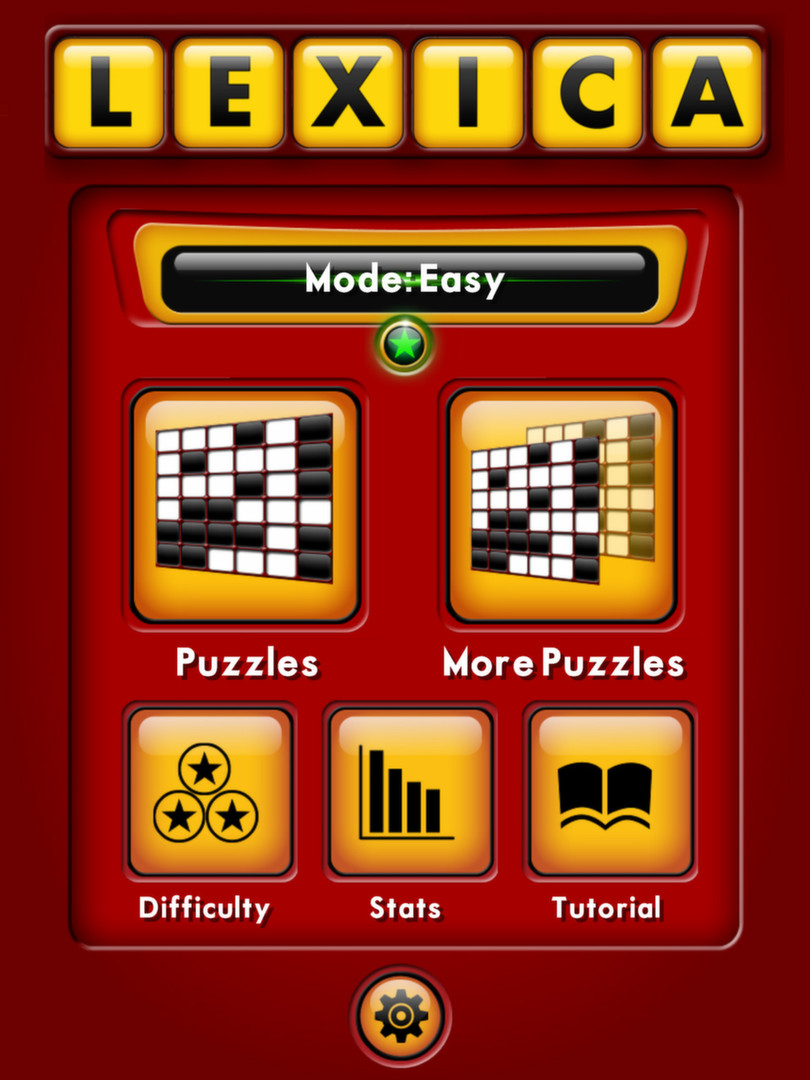
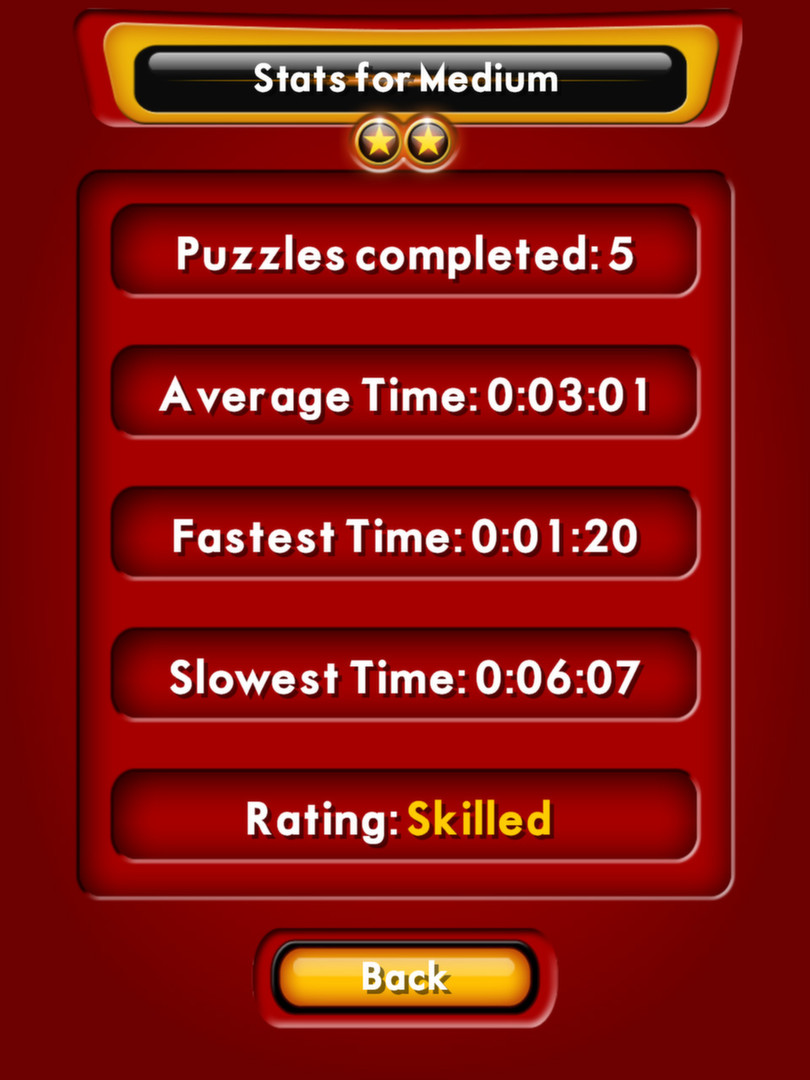
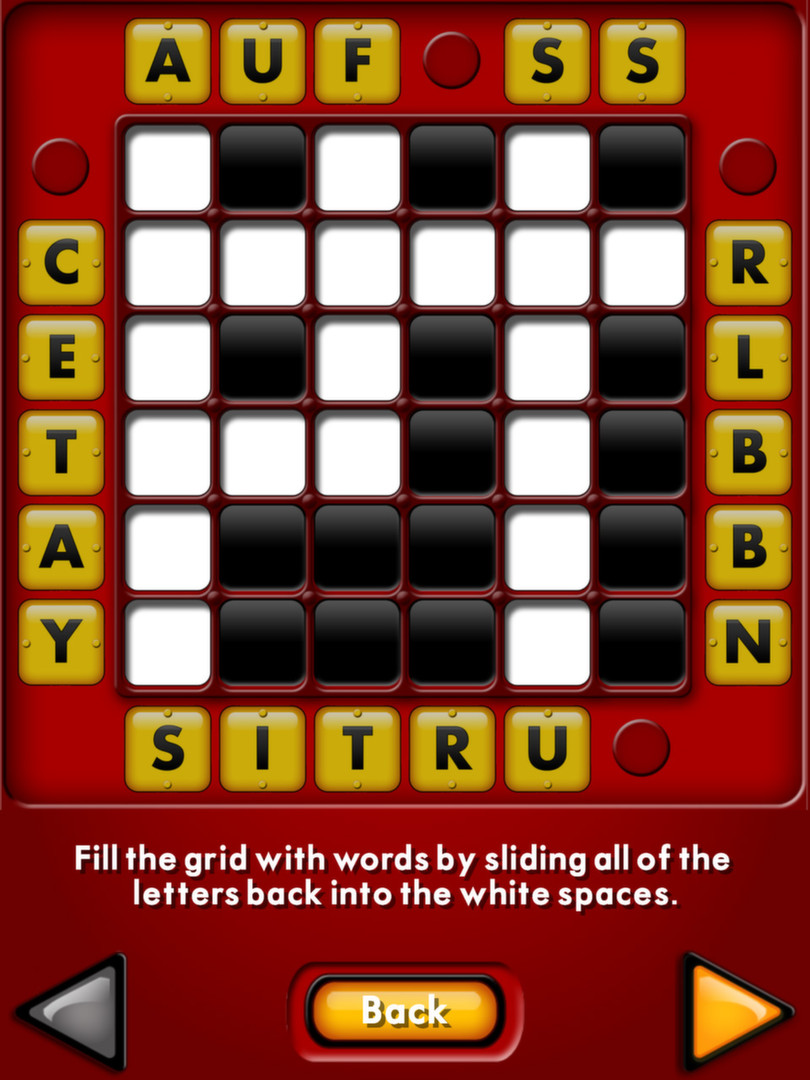
Lexica is a word puzzle game developed by d3t and published by Puzzler that takes a familiar concept and transforms it into a surprisingly addictive mental exercise. Built around vocabulary, deduction, and logical thinking, the game challenges players to complete grids of interconnected words using supplied letters rather than traditional crossword clues. The result is a puzzle experience that feels both familiar and unique, offering a satisfying blend of language-based problem solving and strategic reasoning. Although it lacks flashy presentation or elaborate features, its strength lies in the quality of its puzzle design and its ability to keep players engaged through pure intellectual challenge. At its core, Lexica revolves around reconstructing words within a grid. Players are given all the letters required to solve a puzzle, but the challenge comes from determining their correct placement. Unlike standard crosswords where clues guide each answer, Lexica requires players to analyze patterns, identify possible word combinations, and gradually build solutions through deduction. This approach creates a different type of challenge, one that rewards observation and logical thinking just as much as vocabulary knowledge. The game's learning curve is one of its most impressive qualities. New players can understand the basic rules within minutes, making the game highly approachable even for those who are not regular puzzle enthusiasts. Early challenges introduce the mechanics gradually, allowing players to become comfortable with the format before more difficult puzzles appear. As progression continues, the grids become larger and more intricate, introducing increasingly demanding combinations that require careful thought and patience. What makes Lexica particularly engaging is the way it balances accessibility and challenge. Strong vocabulary skills are certainly helpful, but they are not the sole requirement for success. Logical elimination often plays an equally important role. Players can frequently determine the placement of unfamiliar words by studying the available letters and considering how they connect with the rest of the grid. This balance prevents the game from becoming overly dependent on obscure language knowledge and makes it appealing to a wider audience. The puzzle variety contributes significantly to the overall experience. Lexica includes hundreds of puzzles spread across multiple difficulty levels, ensuring that players have a substantial amount of content to work through. The easier puzzles provide a relaxing and enjoyable experience, while the harder challenges can become genuinely demanding. This range of difficulty allows the game to accommodate both casual players seeking light entertainment and dedicated puzzle fans looking for a serious mental workout. Progression feels rewarding because the game consistently introduces more complex arrangements without altering the core formula. Rather than relying on gimmicks or additional mechanics, Lexica trusts its puzzle design to maintain interest. Every completed grid creates a small but satisfying sense of accomplishment, especially when a difficult puzzle finally falls into place after careful analysis. The game understands that the pleasure of solving puzzles often comes from simplicity executed well. One of the strongest aspects of Lexica is its clean and functional presentation. The interface is designed with readability in mind, ensuring that players can focus entirely on solving puzzles without distractions. Letters, grids, and menus are all presented clearly, making navigation effortless. This minimalist approach may not be visually exciting, but it serves the gameplay perfectly. Every design choice appears focused on supporting concentration and clarity. The game also performs well as a casual experience. Individual puzzles can often be completed in short sessions, making it ideal for breaks, commuting, or relaxing evenings. At the same time, the sheer number of available puzzles allows for much longer play sessions when desired. This flexibility is one of the reasons the game remains appealing over extended periods. Replayability is enhanced through performance tracking features. Players can revisit completed puzzles to improve completion times and overall efficiency. While the concept itself remains unchanged, the desire to solve puzzles more quickly adds an extra layer of challenge for those who enjoy mastering systems and optimizing performance. This simple feature helps extend the game's longevity beyond a single completion. The audio presentation remains understated throughout. Sound effects provide subtle feedback, while background music avoids becoming intrusive. This restrained design philosophy is appropriate because puzzle games depend heavily on concentration. The game wisely avoids overwhelming players with excessive audio stimulation, instead creating a calm environment where focus remains on the puzzles themselves. Of course, Lexica is not a game designed for everyone. Players looking for narrative content, visual spectacle, or major gameplay innovations may find its straightforward structure too limited. The core mechanic remains largely unchanged from beginning to end, and extended sessions can occasionally feel repetitive. However, these limitations are largely a consequence of the game's commitment to its concept rather than flaws in execution. What ultimately makes Lexica successful is its confidence in simplicity. It does not attempt to distract players with unnecessary systems or elaborate presentation. Instead, it delivers a carefully designed collection of word puzzles that consistently reward intelligence, patience, and logical thinking. Every challenge is built around the satisfaction of discovery, making each completed puzzle feel earned rather than handed to the player. For fans of word games, crosswords, and logic puzzles, Lexica offers a rewarding and thoughtfully designed experience. Its extensive content, well-balanced difficulty progression, clean presentation, and satisfying puzzle structure combine to create a game that remains enjoyable long after the first few hours. While it may not possess the visibility of larger puzzle franchises, it succeeds remarkably well at what it sets out to accomplish: providing a focused and engaging test of vocabulary and reasoning skills. Rating: 7/10