Listen to the Wind on Steam - User reviews, Price & Information

Quick menu

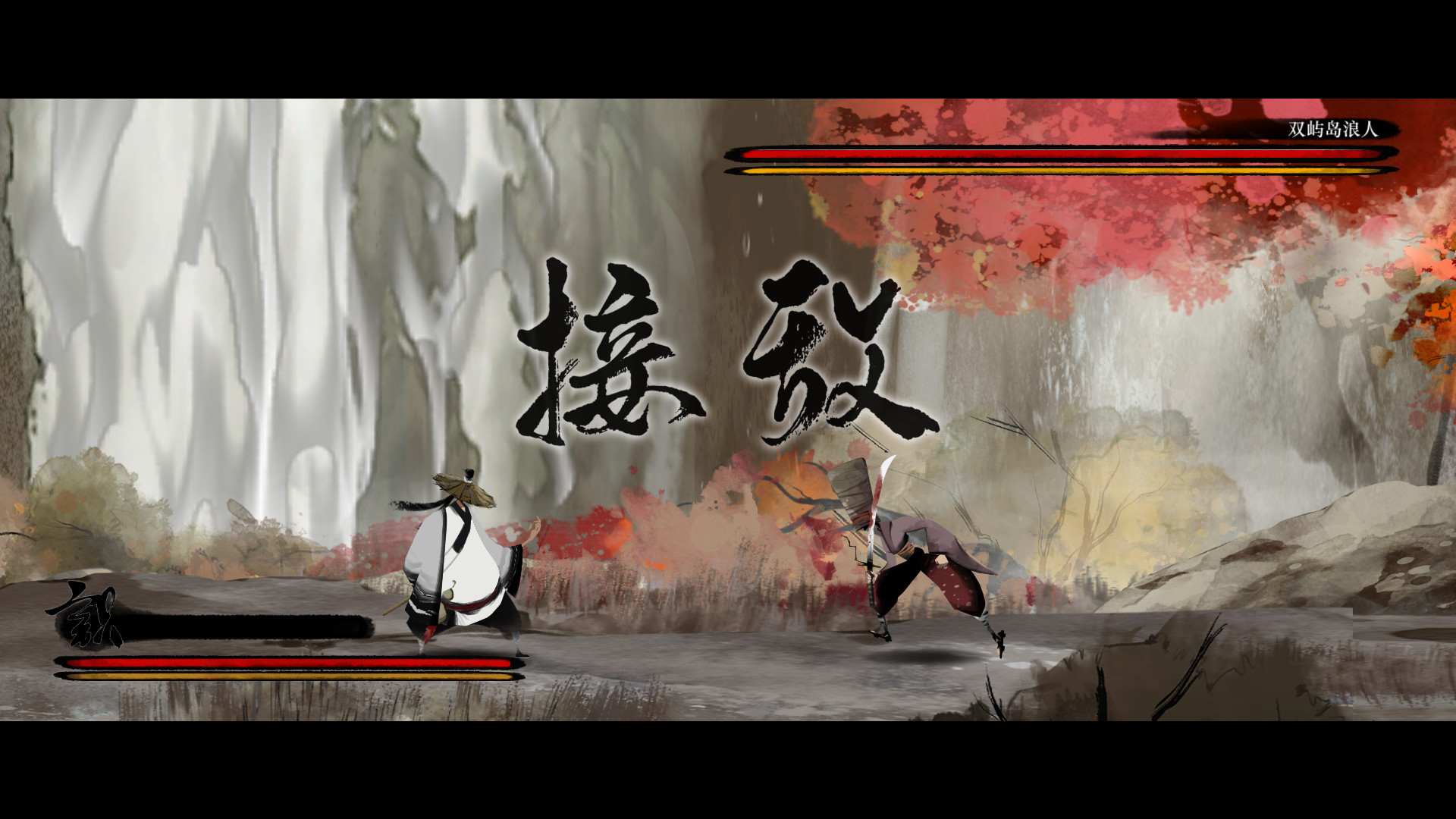
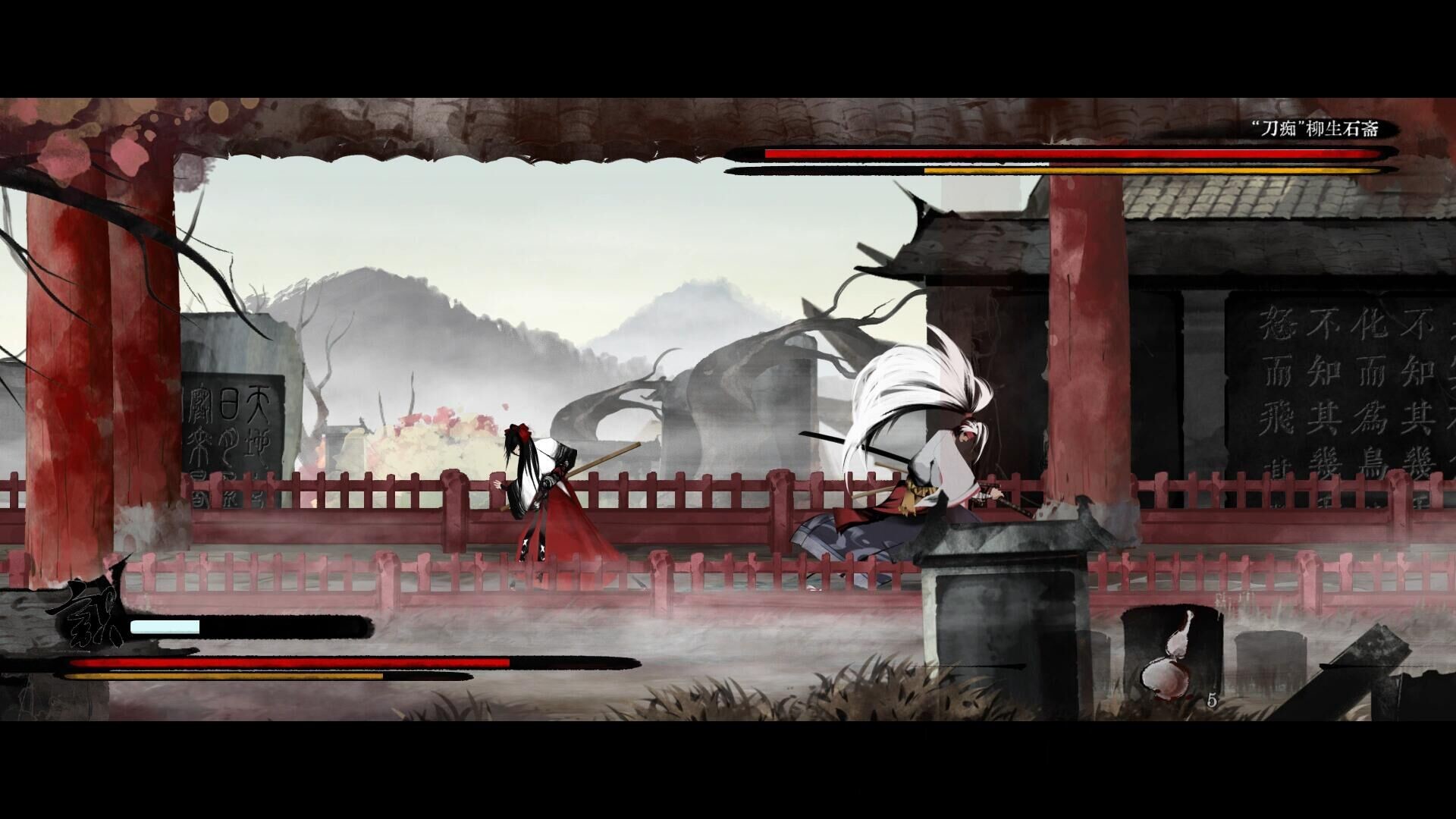
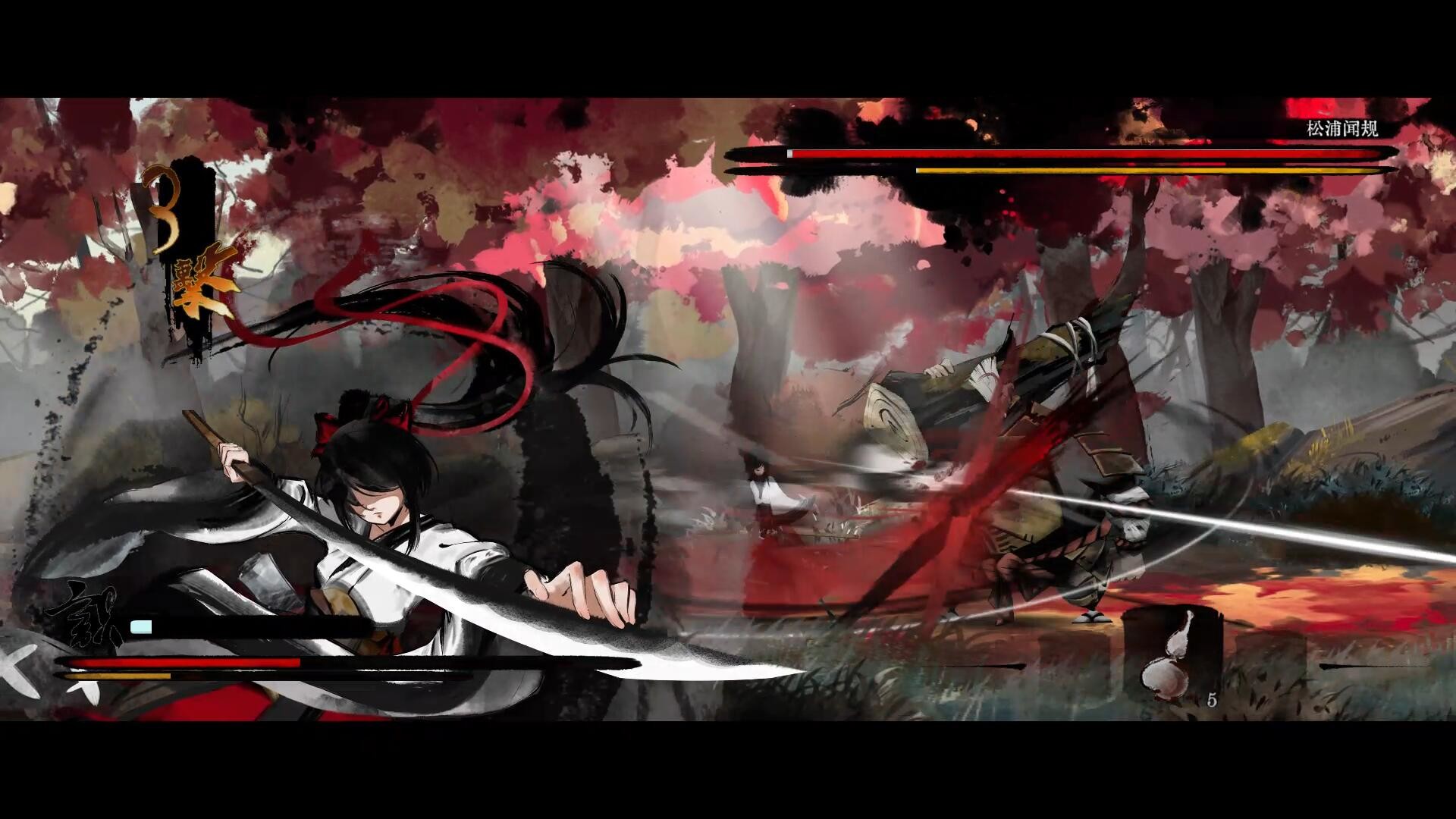
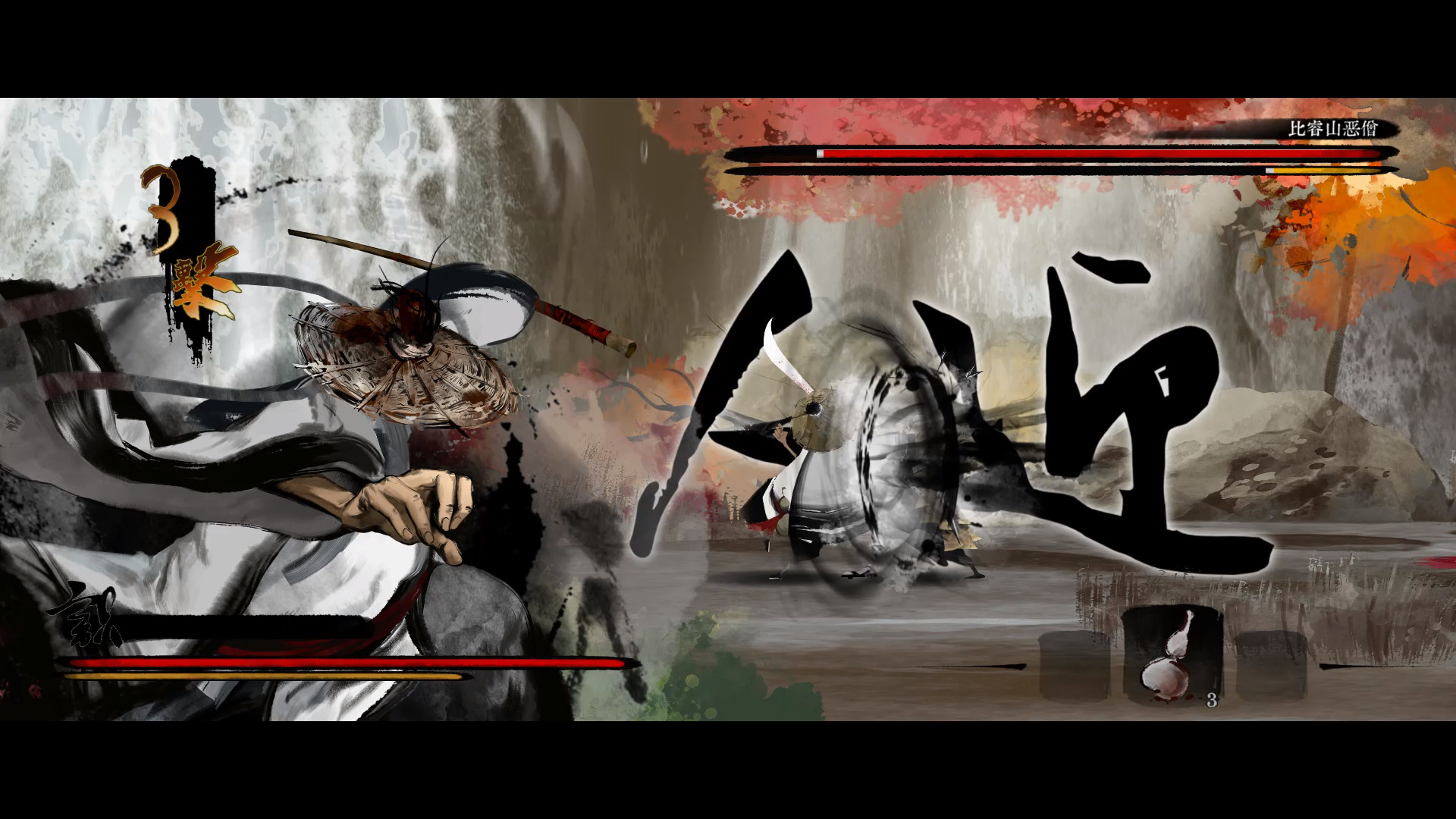
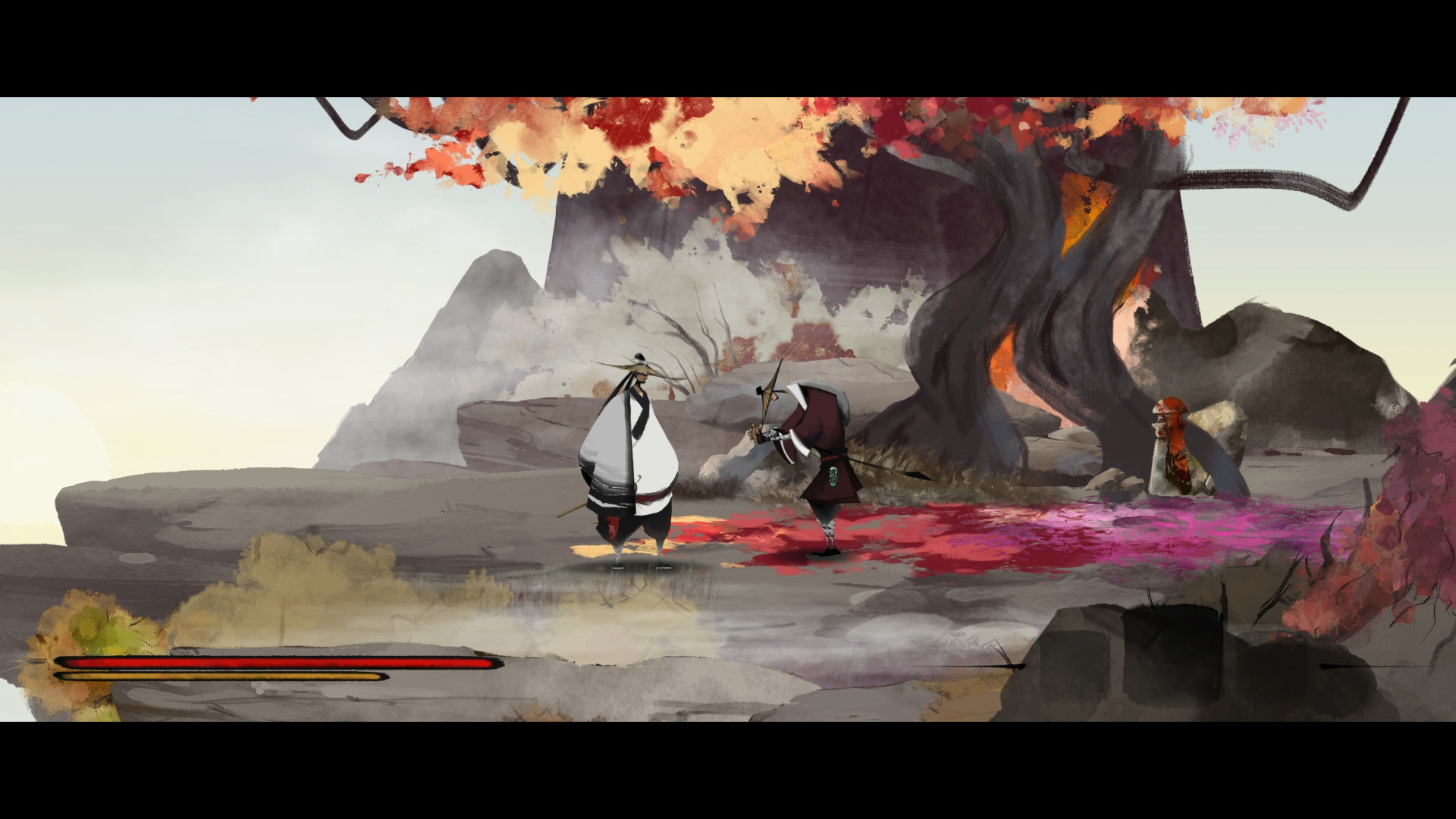
"Listen to the Wind" is a side-scrolling hack-and-slash game with counter attacks as the game's core mechanic. It takes pace during the Ming dynasty Jiajing era where you'll be battling Japanese pirates. It features unique martial art heroes and a story branching gameplay.

Listen to the Wind is a action, martial arts and multiple endings game developed by Papertiger Studio and published by Gamirror Games.
Released on September 22nd 2021 is available only on Windows in 2 languages: Simplified Chinese and English.

It has received 454 reviews of which 338 were positive and 116 were negative resulting in a rating of 7.1 out of 10. 😊

The game is currently priced at 9.99€ on Steam, but you can find it for less on Eneba.


The Steam community has classified Listen to the Wind into these genres:

Media & Screenshots

Get an in-depth look at Listen to the Wind through various videos and screenshots.
System requirements

These are the minimum specifications needed to play the game. For the best experience, we recommend that you verify them.

Windows
  • Requires a 64-bit processor and operating system
  • OS: Windows 10 x64
  • Processor: AMD Ryzen3 1200,Intel Corei3 6100
  • Memory: 4096 MB RAM
  • Graphics: AMD Radeon HD7770,Nvidia GeForce GTX750Ti
  • DirectX: Version 11
  • Storage: 4096 MB available space
  • Sound Card: DirectX 11
  • Additional Notes:

User reviews & Ratings

Explore reviews from Steam users sharing their experiences and what they love about the game.

Jan. 2026
Listen to the Wind is an indie side-scrolling action title that blends methodical martial arts combat with historical drama and personal choice, offering an experience that feels contemplative as much as it is violent. Developed by Papertiger Studio and published by Gamirror Games, the game is set during the Jiajing era of the Ming dynasty, a period marked by political decay, internal corruption, and constant threats from coastal pirate forces. Rather than using this backdrop purely as window dressing, the game actively weaves historical tension into its narrative and character arcs, grounding its swordplay in a world shaped by duty, survival, and moral compromise. At the heart of the experience is its combat system, which distinguishes itself by emphasizing patience and precision over aggression. Battles unfold in a side-scrolling format, but instead of encouraging frantic button-mashing, the game rewards players who carefully observe enemy behavior and time their responses. Parries and counters play a central role, turning combat into a rhythm-based exchange where reading intent is often more important than raw speed. When executed well, encounters feel deliberate and tense, capturing the sensation of a duel rather than a chaotic brawl. However, this design choice also means that combat can feel punishing early on, as mistakes are costly and success depends on learning patterns rather than improvisation. The narrative structure of Listen to the Wind is surprisingly ambitious for its scope. The story follows a martial artist whose past and present collide amid the chaos of coastal conflict, and player choices influence not only moment-to-moment interactions but also the broader direction of the story. Historical figures inspired by real people appear throughout the game, blending documented history with fictionalized drama in a way that evokes classic wuxia storytelling. Decisions regarding loyalty, resistance, and withdrawal from conflict lead to branching storylines and multiple endings, giving weight to player agency and encouraging replay for those interested in seeing alternate outcomes. Visually, the game adopts an illustrated aesthetic that draws from traditional Chinese art styles, including brushwork and ink-inspired compositions. Cutscenes often resemble storyboards or graphic novel panels, reinforcing the feeling that the player is stepping through a living martial legend rather than a purely mechanical action game. While the animation and environmental detail can feel modest compared to more polished modern titles, the art direction carries a strong sense of identity. It prioritizes atmosphere and cultural tone over spectacle, which suits the reflective mood the game often aims for. Between combat encounters, the game occasionally slows down to offer quieter moments that flesh out the world. One such feature is a light cooking system that allows players to prepare meals using a variety of ingredients. While this mechanic is not deeply complex, it serves as a thematic counterbalance to the violence, highlighting everyday life and tradition amid ongoing turmoil. These interludes help humanize the setting and reinforce the idea that the protagonist exists within a living culture, not just a battlefield. The pacing of Listen to the Wind can feel uneven, oscillating between intense combat sequences and slower narrative stretches. For some players, this rhythm enhances immersion, allowing time to reflect on events and choices. For others, it may feel disjointed, especially when technical issues or unclear objectives interrupt the flow. Reports of performance hiccups, occasional bugs, and uneven localization suggest that the game’s execution does not always fully support its ambition, which can detract from the experience depending on platform and player tolerance for rough edges. Despite these shortcomings, the game’s strengths lie in its sincerity and focus. It does not attempt to overwhelm with sprawling systems or constant spectacle, instead choosing to explore a specific moment in history through restrained combat and morally driven storytelling. The parry-focused mechanics, branching narrative paths, and culturally rooted presentation combine to create an experience that feels personal and thoughtful, even when it stumbles in polish. Ultimately, Listen to the Wind is best appreciated as a character-driven historical action game rather than a pure hack-and-slash power fantasy. Players seeking fast, forgiving combat or highly refined mechanics may find it demanding or rough around the edges. Those drawn to deliberate swordplay, historical atmosphere, and stories shaped by choice will likely find it rewarding, especially if they appreciate games that prioritize mood and meaning over constant escalation. It stands as a passionate indie project that, while imperfect, succeeds in delivering a distinct voice and a memorable journey shaped as much by restraint as by the blade. Rating: 7/10
Expand the review

Similar games

View all
Shaolin vs Wutang 2 The sequel to Shaolin vs Wutang! Shaolin vs Wutang 2 is a INDIE love letter to Martial Arts and classic Kung Fu films. Made for casual game fans not intended for Hardcore Fighting Game players.

Similarity 50%
Price 13.99€
Rating 8.1
Release 14 Jun 2023

Frequently Asked Questions

Listen to the Wind is currently priced at 9.99€ on Steam.

Listen to the Wind is currently not on sale. You can purchase it for 9.99€ on Steam.

Listen to the Wind received 338 positive votes out of a total of 454 achieving a rating of 7.06.
😊

Listen to the Wind was developed by Papertiger Studio and published by Gamirror Games.

Listen to the Wind is playable and fully supported on Windows.

Listen to the Wind is not playable on MacOS.

Listen to the Wind is not playable on Linux.

Listen to the Wind is a single-player game.

There is a DLC available for Listen to the Wind. Explore additional content available for Listen to the Wind on Steam.

Listen to the Wind does not support mods via Steam Workshop.

Listen to the Wind does not support Steam Remote Play.

Listen to the Wind is enabled for Steam Family Sharing. This means you can share the game with authorized users from your Steam Library, allowing them to play it on their own accounts. For more details on how the feature works, you can read the original Steam Family Sharing announcement or visit the Steam Family Sharing user guide and FAQ page.

You can find solutions or submit a support ticket by visiting the Steam Support page for Listen to the Wind.

Data sources

The information presented on this page is sourced from reliable APIs to ensure accuracy and relevance. We utilize the Steam API to gather data on game details, including titles, descriptions, prices, and user reviews. This allows us to provide you with the most up-to-date information directly from the Steam platform.

Additionally, we incorporate data from the SteamSpy API, which offers insights into game sales and player statistics. This helps us present a comprehensive view of each game's popularity and performance within the gaming community.

Last Updates
Steam data 24 January 2026 07:02
SteamSpy data 20 January 2026 18:15
Steam price 29 January 2026 04:32
Steam reviews 26 January 2026 21:47

If you'd like to dive deeper into the details about Listen to the Wind, we invite you to check out a few dedicated websites that offer extensive information and insights. These platforms provide valuable data, analysis, and user-generated reports to enhance your understanding of the game and its performance.

  • SteamDB - A comprehensive database of everything on Steam about Listen to the Wind
  • SteamCharts - Analysis of Listen to the Wind concurrent players on Steam
  • ProtonDB - Crowdsourced reports on Linux and Steam Deck Listen to the Wind compatibility

Listen to the Wind
Rating
7.1
338
116
Game modes
Features
Online players
0
Developer
Papertiger Studio
Publisher
Gamirror Games
Release 22 Sep 2021
Platforms
Clicking and buying through these links helps us earn a commission to maintain our services.