Mechanic Escape on Steam - User reviews, Price & Information

Quick menu

In a world oppressed by ruthless machines, a stronghold full of die-hard TV-sets resists the persecution. Your lost friends and the lack of resources drive you to take action against the extinction. Brave the dangers and go find your comrades to rescue your species!

Mechanic Escape is a indie, action and platformer game developed by Slak Games and published by Plug In Digital.
Released on April 15th 2014 is available in English on Windows and MacOS.

It has received 792 reviews of which 675 were positive and 117 were negative resulting in a rating of 8.1 out of 10. 😎

The game is currently priced at 0.79€ on Steam with a 84% discount, but you can find it for 0.56€ on Eneba.


The Steam community has classified Mechanic Escape into these genres:

Media & Screenshots

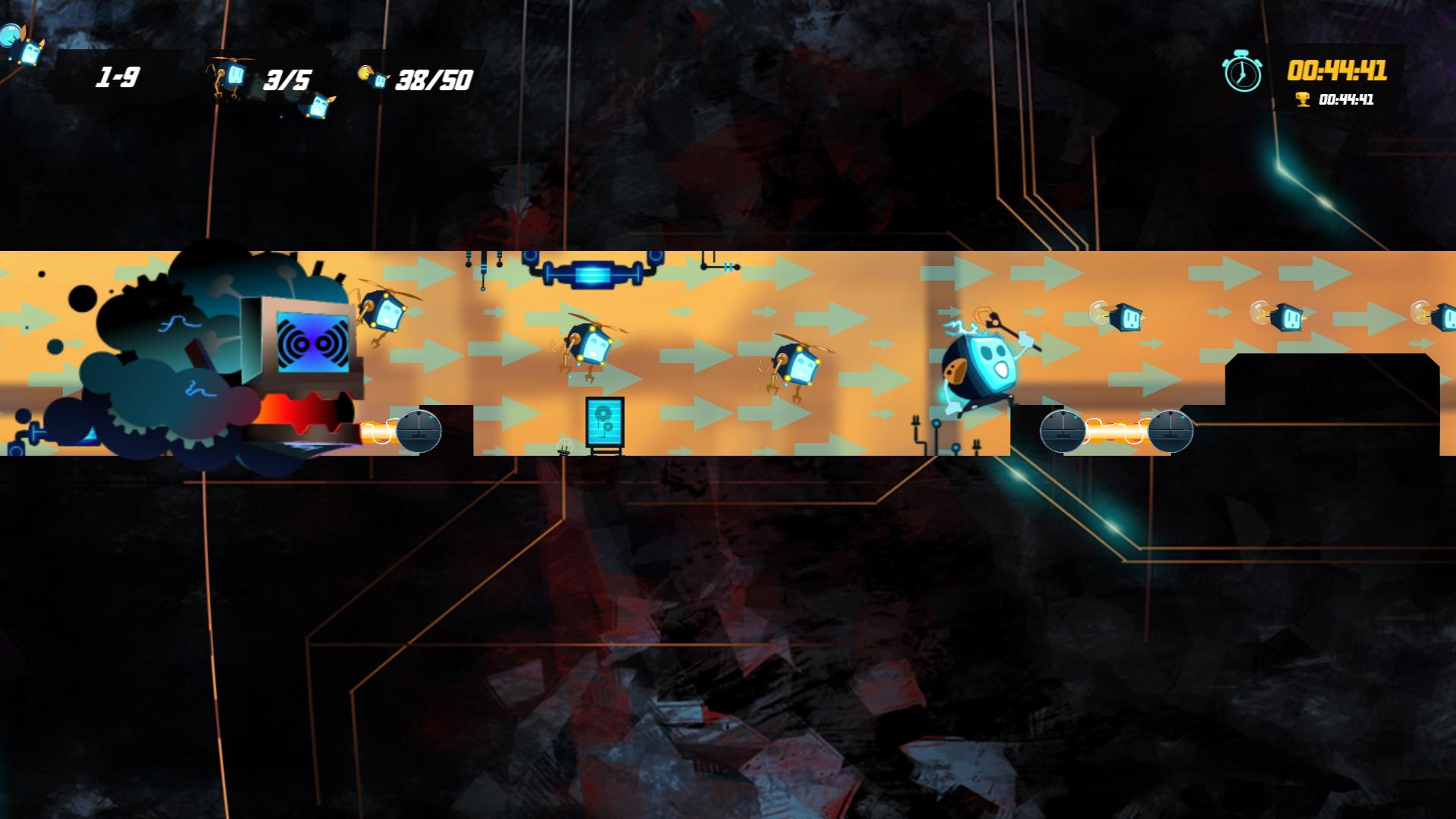
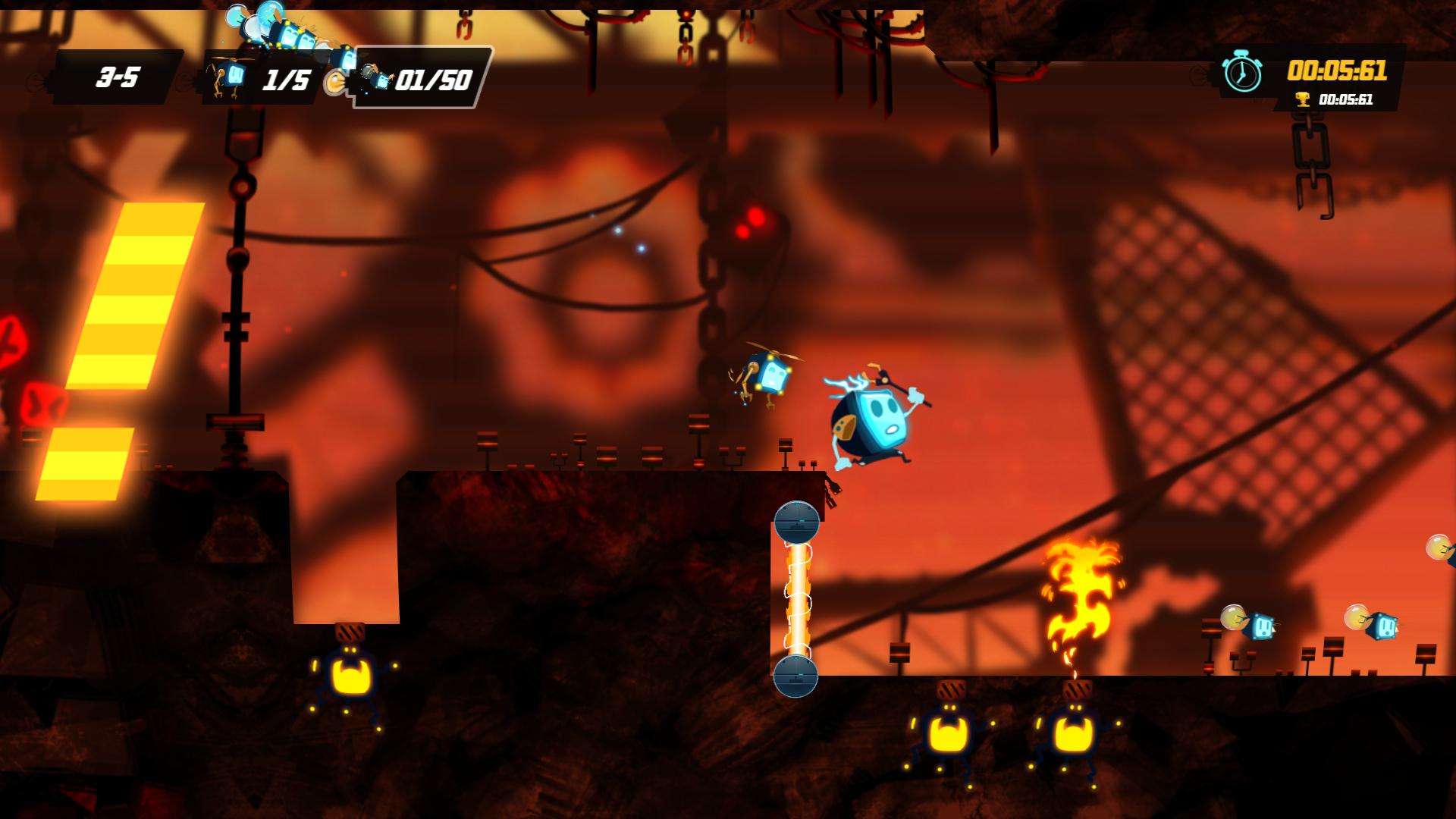
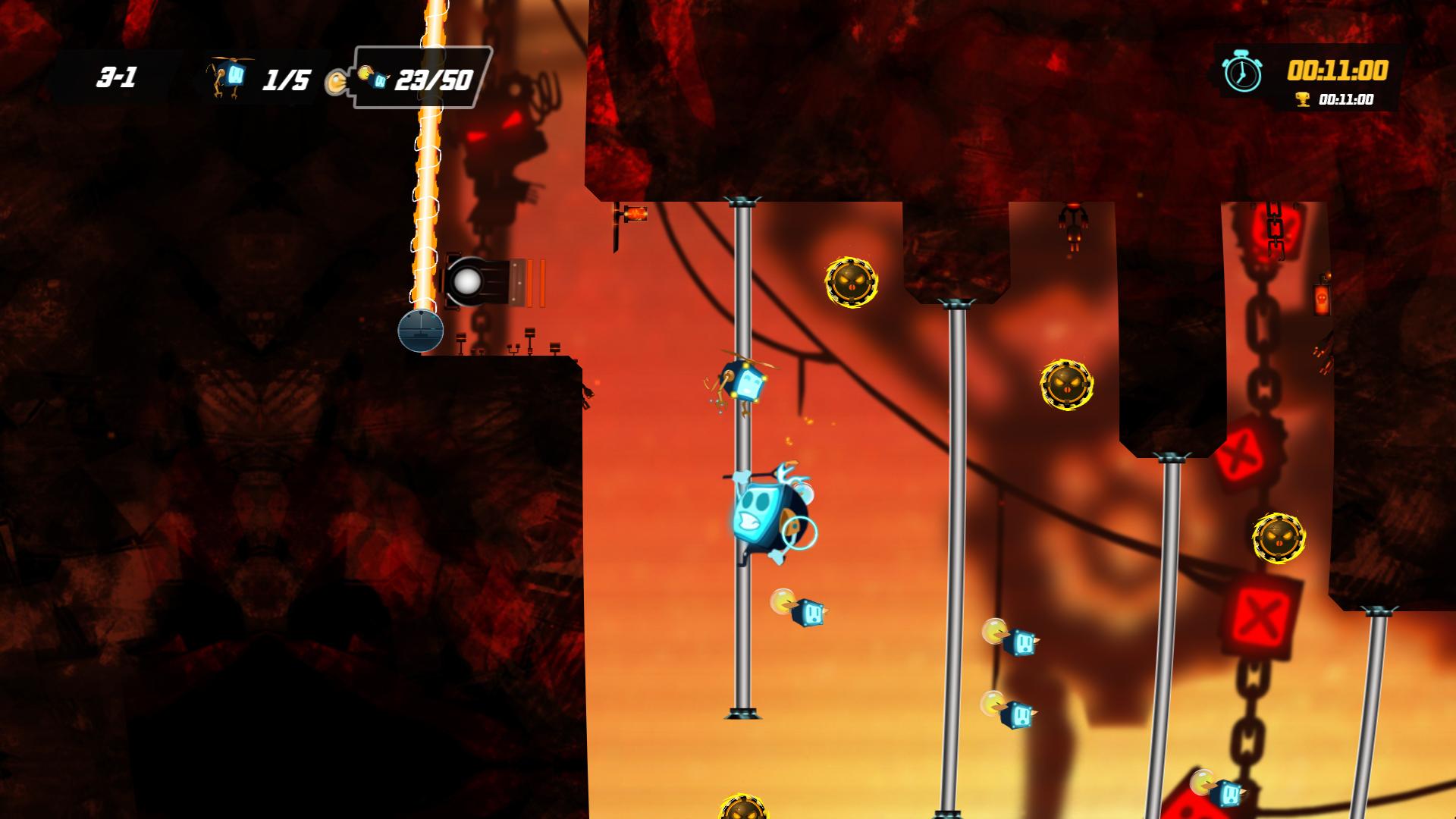
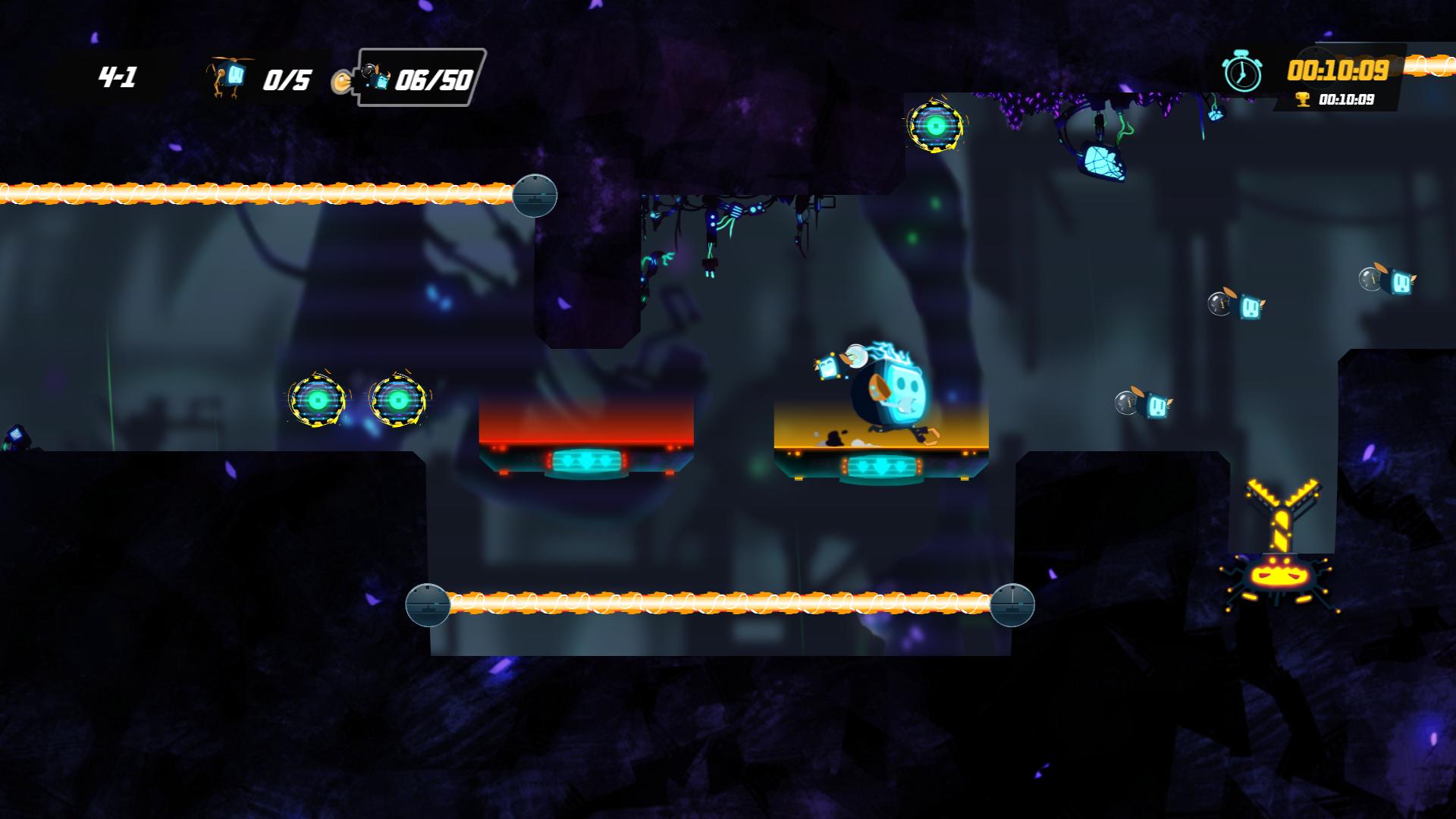
Get an in-depth look at Mechanic Escape through various videos and screenshots.

System requirements

These are the minimum specifications needed to play the game. For the best experience, we recommend that you verify them.

Windows
  • OS *: Windows XP (x86 - x64)
  • Processor: 1.4GHz Processor
  • Memory: 1 GB RAM
  • Graphics: Any graphic card since 2004
  • DirectX: Version 9.0
  • Storage: 2 GB available space
MacOS
  • OS: Mac OS X 10.5 or later
  • Processor: 1.4GHz Processor
  • Memory: 1 GB RAM
  • Graphics: Any graphic card since 2004
  • Storage: 2 GB available space

User reviews & Ratings

Explore reviews from Steam users sharing their experiences and what they love about the game.

March 2026
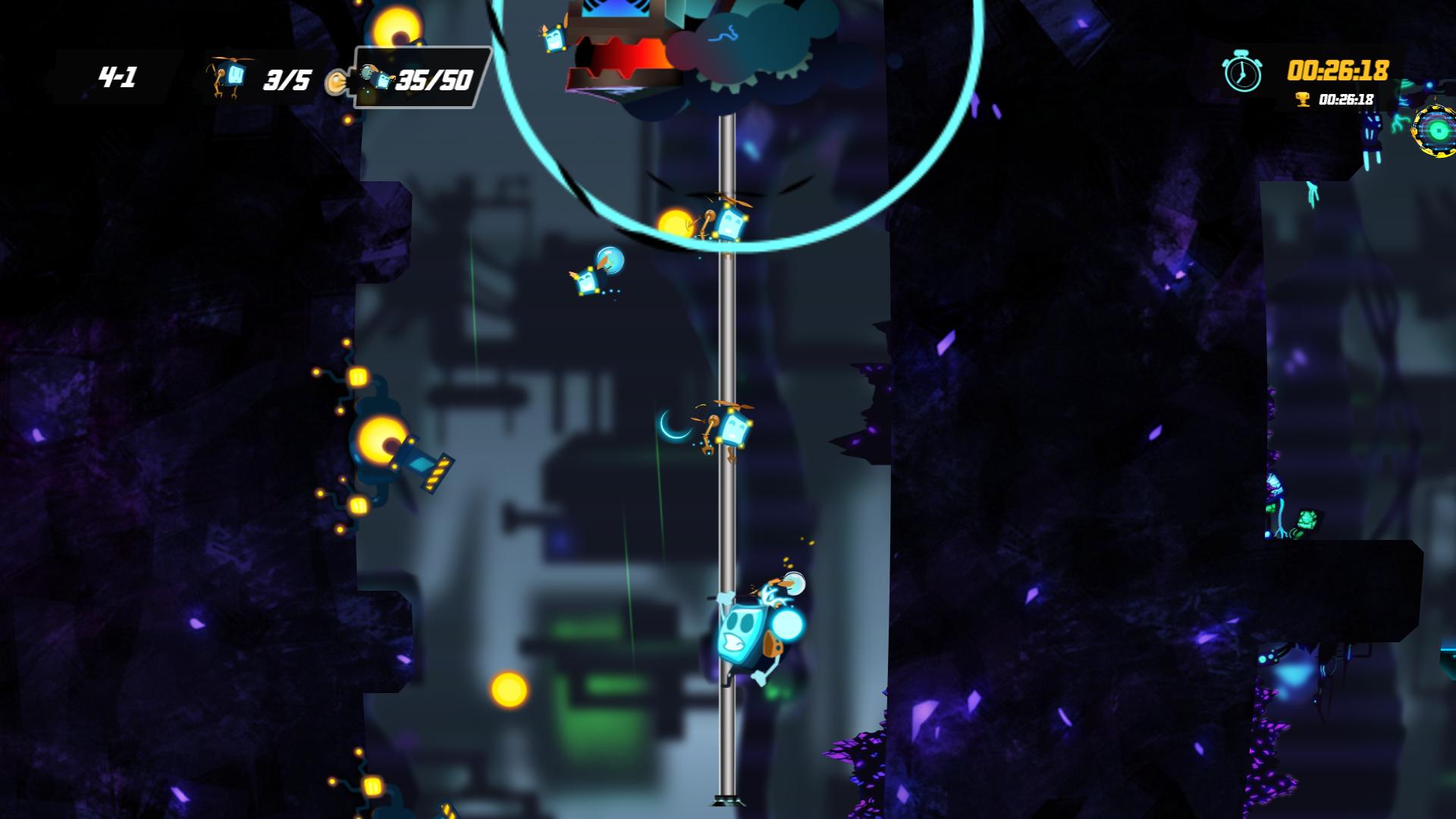
Mechanic Escape is a fast-paced 2D platformer developed by Slak Games and published by Plug In Digital. The game belongs to a category of platformers often described as “hardcore” or “die-and-retry” titles, where success depends on precision, reflexes, and learning through repeated attempts. Rather than focusing on narrative depth or combat systems, the experience centers on relentless momentum and obstacle navigation. It delivers a style of gameplay that emphasizes speed and quick reactions, creating an intense platforming challenge designed to test the player’s coordination and patience. The story is deliberately simple and primarily serves as a thematic backdrop for the gameplay. Players control a small robot named Mech whose body resembles an old CRT television set. In a mechanical world where obsolete technology is hunted down and destroyed, Mech and his fellow television-headed machines are attempting to escape extinction. Giant robotic hunters pursue them through industrial landscapes filled with dangerous machinery, forcing Mech to run, jump, and climb through increasingly hostile environments. The narrative is communicated through visual cues and environmental design rather than extensive dialogue, allowing the focus to remain on the gameplay itself. Gameplay revolves around navigating short but extremely demanding levels packed with hazards. Each stage is structured as a high-speed obstacle course where players must react quickly to avoid deadly traps such as rotating saw blades, electrical barriers, bombs, and collapsing platforms. Mech has no offensive abilities, meaning survival depends entirely on movement and timing. Players must rely on jumps, wall climbs, slides, and environmental interactions to stay alive while constantly moving forward. Many stages feature enormous mechanical enemies chasing the player from behind, creating a persistent sense of urgency that pushes players to maintain momentum. The level design is built around a series of increasingly difficult challenges spread across multiple themed environments. The game features roughly eighty levels that gradually introduce new mechanics and hazards. Early stages act as tutorials, teaching players how to perform basic movements such as wall jumps or sliding through tight spaces. As the game progresses, these mechanics are combined into complex sequences that require near-perfect execution. Later stages often demand precise timing and memorization of obstacle patterns, pushing players to refine their skills through repeated attempts. A defining element of the game is its uncompromising approach to difficulty. Levels contain no checkpoints, which means that even a small mistake sends the player back to the beginning of the stage. This design encourages players to memorize hazards and gradually improve their performance with each attempt. While this trial-and-error structure can be frustrating at times, it also creates a strong sense of accomplishment when a difficult level is finally completed. Each successful run feels like the result of genuine skill improvement rather than luck. Visually, Mechanic Escape presents a colorful mechanical world that blends cartoon-style characters with industrial environments. The contrast between the playful appearance of Mech and the dangerous machinery surrounding him creates a distinctive visual identity. Sparks, explosions, and moving mechanical parts constantly fill the screen, reinforcing the chaotic atmosphere of the world. Although the art style is relatively simple, the vibrant colors and animated environments help maintain clarity during the game’s fast-paced action. The game’s audio design supports the intensity of the gameplay with energetic music and dynamic sound effects. The soundtrack features fast rhythms that match the pace of the platforming, helping players maintain focus during challenging sections. Mechanical sounds such as whirring gears, electrical bursts, and explosions add to the sense that the player is navigating a hostile industrial environment. These audio cues also serve a practical purpose, sometimes hinting at approaching hazards or environmental changes. Despite its strengths, the game is not without flaws. The difficulty curve rises sharply after the opening levels, which may discourage players who prefer more forgiving platformers. Because levels must be completed in a single run, repeated failures can lead to frustration, especially when mistakes occur near the end of a stage. Some players have also noted that the movement physics occasionally feel slightly loose, making precise jumps more difficult than expected. These elements can amplify the challenge in ways that may not appeal to everyone. Even with these issues, Mechanic Escape succeeds in delivering an intense and focused platforming experience. The short length of each level helps balance the game’s difficulty by ensuring that restarts are quick and frequent, allowing players to immediately try again after a mistake. This structure keeps the gameplay loop engaging and encourages players to continue improving their performance until they master each stage. Overall, Mechanic Escape stands as a solid entry in the challenging platformer genre. Its combination of fast-paced gameplay, creative mechanical environments, and relentless chase sequences creates an adrenaline-driven experience that rewards persistence and skill. While its demanding difficulty and trial-and-error design may limit its appeal to casual players, fans of hardcore platformers will likely appreciate the satisfying sense of achievement that comes from conquering its toughest stages. Rating: 8/10
Expand the review

Frequently Asked Questions

Mechanic Escape is currently priced at 0.79€ on Steam.

Mechanic Escape is currently available at a 84% discount. You can purchase it for 0.79€ on Steam.

Mechanic Escape received 675 positive votes out of a total of 792 achieving a rating of 8.05.
😎

Mechanic Escape was developed by Slak Games and published by Plug In Digital.

Mechanic Escape is playable and fully supported on Windows.

Mechanic Escape is playable and fully supported on MacOS.

Mechanic Escape is not playable on Linux.

Mechanic Escape is a single-player game.

Mechanic Escape does not currently offer any DLC.

Mechanic Escape does not support mods via Steam Workshop.

Mechanic Escape does not support Steam Remote Play.

Mechanic Escape is enabled for Steam Family Sharing. This means you can share the game with authorized users from your Steam Library, allowing them to play it on their own accounts. For more details on how the feature works, you can read the original Steam Family Sharing announcement or visit the Steam Family Sharing user guide and FAQ page.

You can find solutions or submit a support ticket by visiting the Steam Support page for Mechanic Escape.

Data sources

The information presented on this page is sourced from reliable APIs to ensure accuracy and relevance. We utilize the Steam API to gather data on game details, including titles, descriptions, prices, and user reviews. This allows us to provide you with the most up-to-date information directly from the Steam platform.

Additionally, we incorporate data from the SteamSpy API, which offers insights into game sales and player statistics. This helps us present a comprehensive view of each game's popularity and performance within the gaming community.

Last Updates
Steam data 21 April 2026 07:01
SteamSpy data 21 April 2026 16:15
Steam price 29 April 2026 04:43
Steam reviews 28 April 2026 17:50

If you'd like to dive deeper into the details about Mechanic Escape, we invite you to check out a few dedicated websites that offer extensive information and insights. These platforms provide valuable data, analysis, and user-generated reports to enhance your understanding of the game and its performance.

  • SteamDB - A comprehensive database of everything on Steam about Mechanic Escape
  • SteamCharts - Analysis of Mechanic Escape concurrent players on Steam
  • ProtonDB - Crowdsourced reports on Linux and Steam Deck Mechanic Escape compatibility

Mechanic Escape
Rating
8.1
675
117
Game modes
Features
Online players
0
Developer
Slak Games
Publisher
Plug In Digital
Release 15 Apr 2014
Platforms
Clicking and buying through these links helps us earn a commission to maintain our services.