
LoveKami -Divinity Stage-
MoeNovel's exciting new original title, LoveKami -Divinity Stage-, debuts on Steam in English, bringing a fun and energetic tale filled with magic and music!
Sync your Steam wishlist to find the lowest game prices instantly. No login required, just paste your Steam profile URL!
⚡ Try Wishlist Radar!
Sync your Steam wishlist to find the lowest game prices instantly. No login required!
⚡ Try Wishlist Radar!
Close

Miracle Snack Shop on Steam
Quick menu
Try to find love while managing a Korean snack shop.
Miracle Snack Shop is a dating sim, visual novel and anime game
developed by TALESSHOP Co. and Ltd.
and published by TALESSHOP Co., Ltd. and Smilegate STOVE.
Released on December 25th 2018 is available on Windows, Steam Deck and Steam Machine.
It has received 2,270 reviews of which 2,208 were positive and 62 were negative resulting in an impressive rating of 9.3 out of 10. 😍
The game is currently priced at 4.09€ on Steam with a 50% discount.
The Steam community has classified Miracle Snack Shop into these genres:
Media & Screenshots
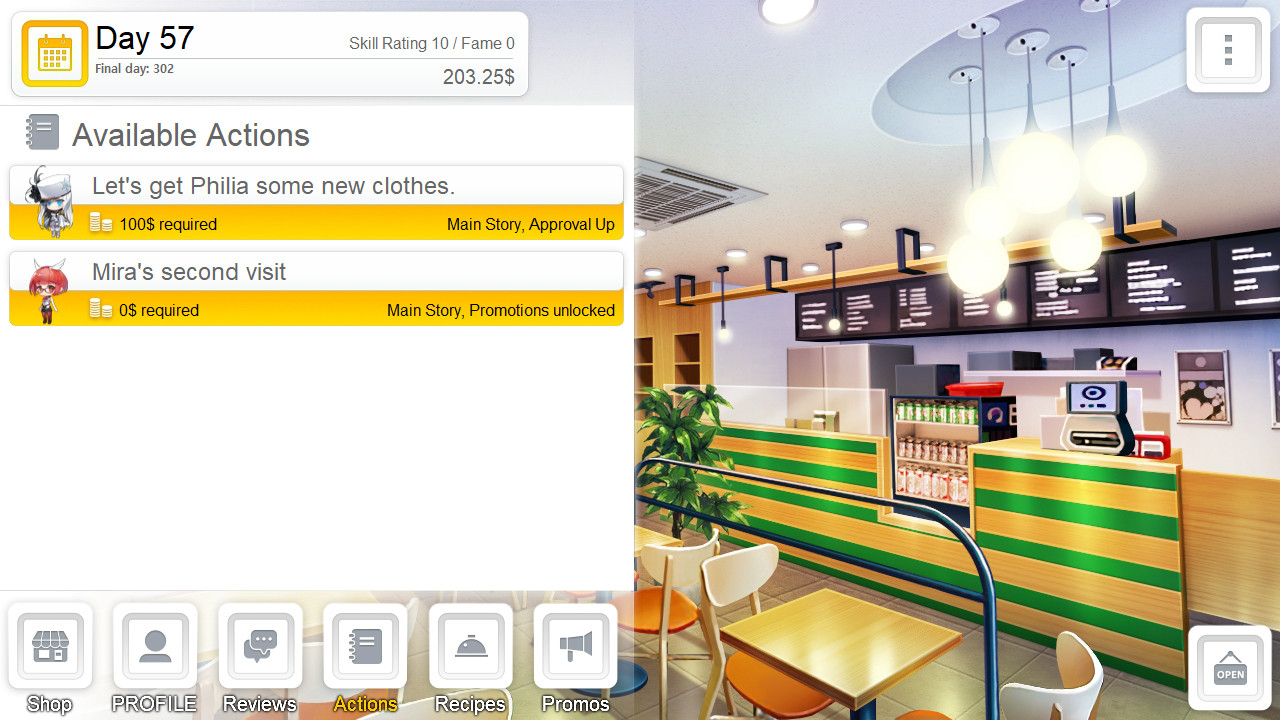
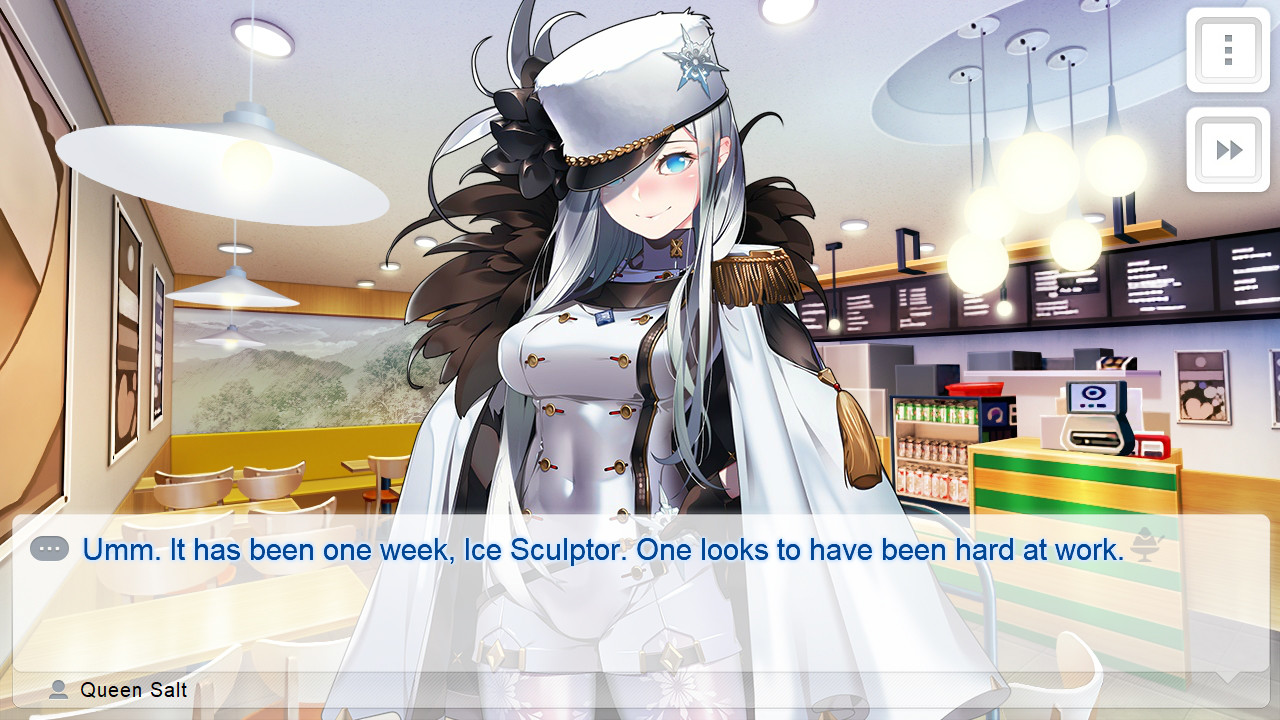
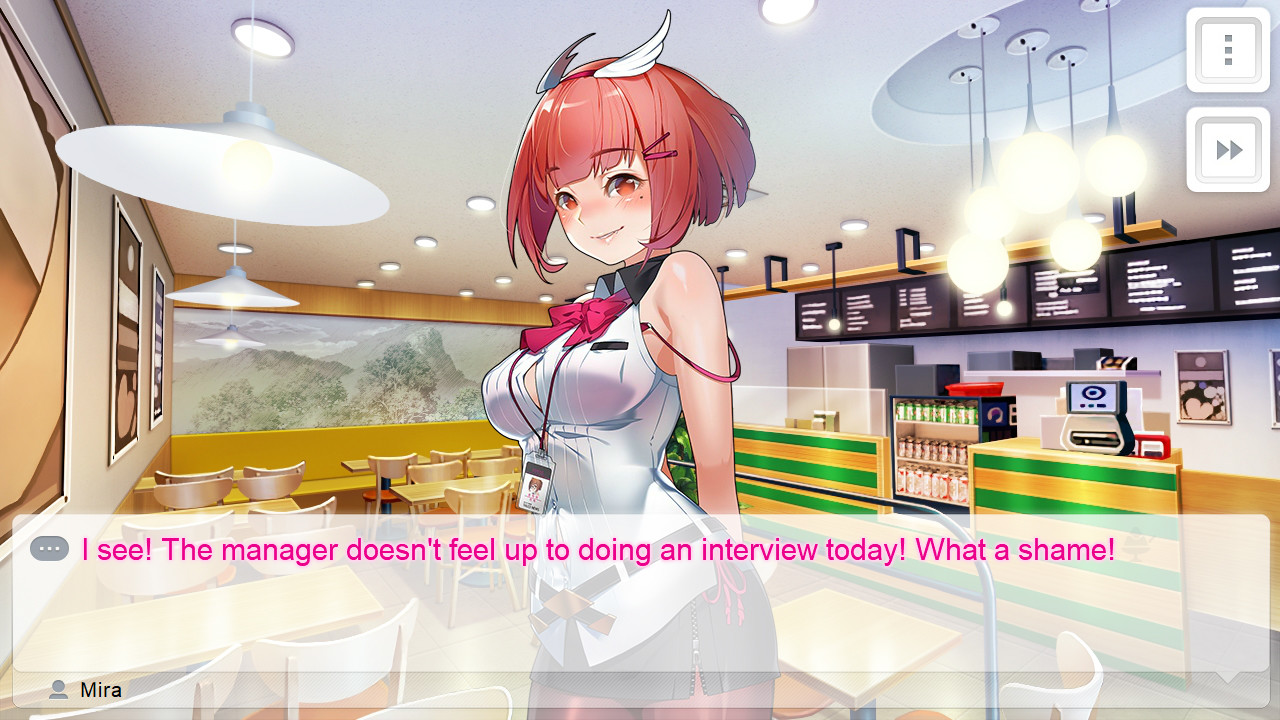
Get an in-depth look at Miracle Snack Shop through various videos and screenshots.



Load More

System requirements
These are the minimum specifications needed to play the game. For the best experience, we recommend that you verify them.
Windows
- OS *: Windows® XP or higher
- Processor: Intel Pentium 3 or higher
- Memory: 256 MB RAM
- Graphics: 32MB or greater graphics card
- Storage: 200 MB available space
- Sound Card: Direct Sound
Steam Price & Best Deals
User reviews & Ratings
Explore reviews from Steam users sharing their experiences and what they love about the game.
Miracle Snack Shop is a romantic visual novel developed and published by TALESSHOP Co., Ltd., with Smilegate assisting in publishing and distribution for certain versions. Released on Steam in 2018, the game blends dating simulation storytelling with light shop management mechanics, creating an experience that sits somewhere between a character-driven romance novel and a casual life simulation. The game focuses heavily on dialogue, relationships, and emotional storytelling, but it also introduces small interactive systems that tie the narrative to the daily operation of a humble dessert shop. The result is a relaxed, character-focused experience that prioritizes atmosphere and personal connections over complex gameplay systems. The story centers on Seolhwa Cha, a young man who finds himself struggling after a series of personal and professional failures. Life has not turned out the way he imagined, and his final chance to rebuild his future arrives when he inherits a small snack shop. Unfortunately, the shop itself is not doing well, and customers are scarce. Just as Seolhwa begins to accept that the business might fail, a strange event completely changes his life. A mysterious portal suddenly appears in the attic of the shop, and through it arrives Philia, a royal figure from a frozen fantasy kingdom known as Queen Salt. Stranded in an unfamiliar modern world, Philia has no choice but to rely on Seolhwa while trying to understand the strange society she has entered. This unexpected meeting forms the central premise of the story, blending fantasy elements with everyday life in a small neighborhood shop. Much of the gameplay revolves around the visual novel format, where players read dialogue and make choices that influence the direction of the story. These decisions gradually shape the protagonist’s relationships with the game’s main heroines and ultimately determine which ending the player reaches. Philia is one of the primary romantic interests, and her story focuses on adapting to modern society while forming a deep bond with Seolhwa. Her personality contrasts sharply with the ordinary world around her, creating many comedic moments as she struggles to understand modern technology, customs, and social behavior. Another major character is Mira, a lively internet content creator who becomes fascinated with the snack shop and starts documenting it online. Her energetic personality and modern outlook provide a completely different dynamic from Philia’s more regal and reserved nature. The interactions between these characters give the story its emotional core and keep the dialogue engaging throughout the experience. In addition to the narrative elements, Miracle Snack Shop introduces light business management mechanics centered on running the shop itself. Players spend part of their time preparing shaved ice desserts and serving customers in order to earn money. This income can be used to improve recipes, attract more visitors, and unlock story events that deepen the protagonist’s relationships with the characters around him. While these management elements are relatively simple compared to full simulation games, they serve an important narrative function. The snack shop becomes a central hub where the characters gather, share conversations, and gradually develop stronger emotional connections. The gameplay structure alternates between story segments and short management sequences. During narrative scenes, players read dialogue and make choices that shape the direction of events. After these story segments, the player returns to the shop interface to manage daily operations. This rhythm helps break up long sections of dialogue and gives players a sense that they are actively participating in the protagonist’s life rather than simply observing it. The mechanics are easy to understand and require very little learning curve, making the experience accessible even for players who are unfamiliar with visual novels. Visually, the game adopts a colorful anime-inspired art style that is typical of many modern Korean visual novels. The character illustrations are expressive and detailed, featuring multiple facial expressions and poses that help convey emotion during conversations. The heroines in particular are designed with distinctive visual personalities that match their roles in the story. Background environments depict cozy urban settings such as the interior of the snack shop, city streets, and various locations where the characters spend time together. While the number of backgrounds and event illustrations is somewhat limited, the artwork effectively supports the tone of each scene and emphasizes the charm of the characters. Voice acting also plays a significant role in bringing the story to life. The characters are fully voiced in Korean, which adds emotional depth to both comedic and dramatic scenes. Philia’s regal yet curious manner of speaking contrasts nicely with Mira’s energetic and modern personality, helping to highlight the differences between the characters. The voice performances enhance the sense of immersion, making the interactions feel more natural and engaging. Complementing the voice acting is a gentle and relaxing soundtrack that reinforces the game’s cozy atmosphere. Soft melodies accompany everyday scenes in the shop, while more emotional tracks appear during romantic or dramatic moments. One of the greatest strengths of Miracle Snack Shop is its writing. The dialogue often shifts between lighthearted comedy and heartfelt emotional moments, giving the story a balanced tone that keeps it engaging throughout. Much of the humor comes from the cultural and technological misunderstandings experienced by Philia as she tries to adapt to life in the modern world. At the same time, the story explores themes of personal growth, second chances, and the importance of building meaningful relationships. Watching the protagonist gradually overcome his past failures and rediscover hope through his interactions with others adds an emotional layer that makes the narrative feel rewarding. However, the game does have a few limitations. The snack shop management mechanics, while charming initially, remain relatively shallow and do not evolve significantly as the story progresses. After players learn the basic system and earn enough money, the management segments can start to feel repetitive. Additionally, the game’s relatively small cast of characters means that much of the narrative revolves around only a few individuals, which may limit the variety of story interactions compared to larger visual novels. Despite these shortcomings, Miracle Snack Shop succeeds in delivering a warm and entertaining romantic story. Its combination of light simulation elements, charming character writing, and fully voiced dialogue creates a cozy atmosphere that feels inviting from beginning to end. The blend of everyday life with small touches of fantasy gives the story a unique identity within the visual novel genre. Players who enjoy character-driven narratives and romantic storytelling will likely find the experience both relaxing and emotionally satisfying. In the end, Miracle Snack Shop stands out as a heartfelt visual novel that focuses on relationships, personal growth, and the small moments that bring people together. While the gameplay systems remain simple, the strength of its characters and narrative allows the experience to shine. For fans of dating simulations and slice-of-life romance stories, it offers a memorable journey filled with humor, warmth, and unexpected connections. Rating: 8/10
Similar games
View all

Some Some Convenience Store
A game about starting a relationship while working part-time at a convenience store

Sunrider Academy
You are Kayto Shields, an ordinary man thrown into an extraordinary adventure. Control Kayto's day to day life as well as his responsibilities as club manager in this stat management sim.

Hush Hush - Only Your Love Can Save Them
A Visual Novel with a twist - improve skills, charm girls, and learn dangerous secrets... by any means necessary.

LAMUNATION! -international-
Now, this is a story all about how, Luna's life got flipped-turned upside down... Kick back at the Cherry Crown Diner with a cast of quirky heroines in this meme-tastic visual novel that's fizzing with extreme happiness.

Tricolour Lovestory
Time flies and never comes back. But with an incredible 1-million-word script and 100+ original CGs, this game will take you back to when you were young, simple and pure. Go and get the love of your life back, start something new, or end everything in flame, that's for you to decide!

Sakura Agent
The new Sakura Game from winged cloud, Sakura Agent! Date 2 beautiful girls in this agent adventure.

Love Esquire - RPG/Dating Sim/Visual Novel
You usually play as the hero… but not this time! You're a lowly squire who's on an epic quest to get laid. Here's the catch: you've only got a few months left to find the girl of your dreams before you're shipped off to war. So git gud, get laid, and find man's greatest pleasure in Love Esquire!
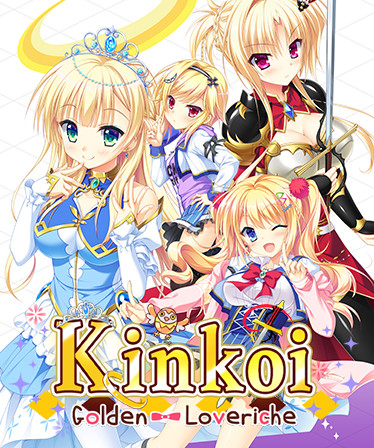
Kinkoi: Golden Loveriche
Kinkoi: Golden Loveriche is a Japanese-style visual novel produced by Saga Planets, a Japanese developer of romance VNs. The game won numerous awards in the year of its release in Japan for its art, music, characters, and story.
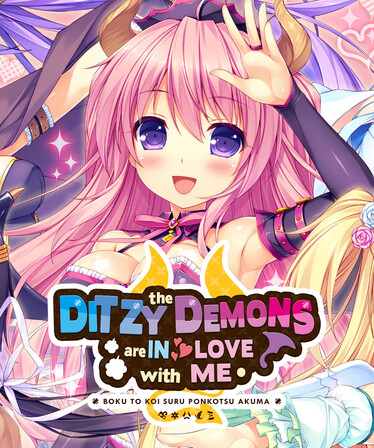
The Ditzy Demons Are in Love With Me
Ren’s virginity is in danger as he is suddenly pushed into the school’s special girl's dormitory full of useless demons. Assigned as an assistant to watch over them, his happy and troublesome days as a teacher for these cute but incompetent demons has begun.
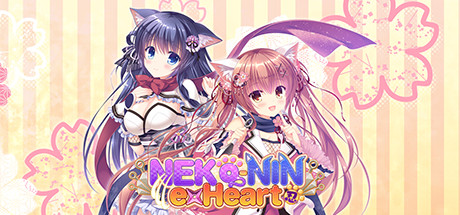
NEKO-NIN exHeart
Japan. From time immemorial, there are those who possess superhuman abilities. These beings who looked like a cross between man and beast are called Demi-Humans. They acted as Ninja and served those in power.

Tayutama 2-you're the only one-
Introduction In the mountain town far away the ashihara chou,a BRAND-NEW story about the coexistence of “humans”and “ tayutai“ is about to start. To be with you this is the only oath and my everything
Frequently Asked Questions
Miracle Snack Shop is currently priced at 4.09€ on Steam.
Yes, Miracle Snack Shop is currently available at a 50% discount. You can purchase it for 4.09€ on Steam.
Yes, Miracle Snack Shop received 2,208 positive votes out of a total of 2,270 achieving an impressive rating of 9.27.
😍
Miracle Snack Shop was developed by TALESSHOP Co. and Ltd. and published by TALESSHOP Co., Ltd. and Smilegate STOVE.
Yes, Miracle Snack Shop is playable and fully supported on Windows.
No, Miracle Snack Shop is not playable on MacOS.
No, Miracle Snack Shop is not playable on Linux.
Yes, Miracle Snack Shop is playable and fully supported on Steam Deck.
Yes, Miracle Snack Shop is playable and fully supported on Steam Machine.
No, Miracle Snack Shop does not support VR.
Miracle Snack Shop is a single-player game.
Yes, there are 2 DLCs available for Miracle Snack Shop. Explore additional content available for Miracle Snack Shop on Steam.
No, Miracle Snack Shop does not support mods via Steam Workshop.
No, Miracle Snack Shop does not support Steam Remote Play.
Yes, Miracle Snack Shop is enabled for Steam Family Sharing. This means you can share the game with authorized users from your Steam Library, allowing them to play it on their own accounts. For more details on how the feature works, you can read the original Steam Family Sharing announcement or visit the Steam Family Sharing user guide and FAQ page.
You can find solutions or submit a support ticket by visiting the Steam Support page for Miracle Snack Shop.
Data sources
The information presented on this page is sourced from reliable APIs to ensure accuracy and relevance. We utilize the Steam API to gather data on game details, including titles, descriptions, prices, and user reviews. This allows us to provide you with the most up-to-date information directly from the Steam platform.
Additionally, we incorporate data from the SteamSpy API, which offers insights into game sales and player statistics. This helps us present a comprehensive view of each game's popularity and performance within the gaming community.
Last Updates| Steam data | 18 October 2026 22:51 UTC |
|---|---|
| SteamSpy data | 14 October 2026 08:32 UTC |
| Steam price | 26 October 2026 19:37 UTC |
| Steam reviews | 19 October 2026 15:46 UTC |
If you'd like to dive deeper into the details about Miracle Snack Shop, we invite you to check out a few dedicated websites that offer extensive information and insights. These platforms provide valuable data, analysis, and user-generated reports to enhance your understanding of the game and its performance.
- SteamDB - A comprehensive database of everything on Steam about Miracle Snack Shop
- SteamCharts - Analysis of Miracle Snack Shop concurrent players on Steam
- ProtonDB - Crowdsourced reports on Linux and Steam Deck Miracle Snack Shop compatibility

Game modes
Features
Online players
1
Developer
TALESSHOP Co., Ltd.
Publisher
TALESSHOP Co., Ltd.,
Smilegate STOVE
Release
25 Dec 2018
Platforms