
The Bottom of the Well
Play as Alice who has just had an unsettingly life-like dream about the end of the world, and is retelling it to her friend. A single play-through might take as little as 20 minutes, but experiencing all the possible paths Alice can take through the ruins of her city will take you many hours.
Sync your Steam wishlist to find the lowest game prices instantly. No login required, just paste your Steam profile URL!
⚡ Try Wishlist Radar!
Sync your Steam wishlist to find the lowest game prices instantly. No login required!
⚡ Try Wishlist Radar!
Close

Nicotine VS Fulanwang on Steam
Quick menu
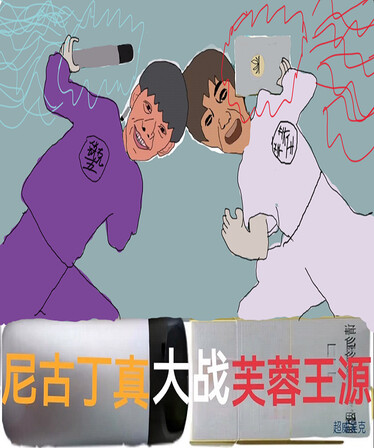
brief introductionNicotine vs. Furong Wangyuan "is a brain pumping game that takes place in a fantasy world called" Litang County ". Players will play as" Ding Zhen ", defeat Furong Wangyuan, and gradually uncover the truth about their ability to manipulate the level of Sharp Cut 5
Nicotine VS Fulanwang is a rpg, abstract and interactive fiction game
developed by 理塘时报游戏制作组
and published by 理塘锐刻科技发行.
Released on December 31st 2024 is available only on Windows
in 3 languages: Simplified Chinese, Traditional Chinese and English.
It has received 2,559 reviews of which 2,482 were positive and 77 were negative resulting in an impressive rating of 9.3 out of 10. 😍
The game is free to play on Steam.
The Steam community has classified Nicotine VS Fulanwang into these genres:
RPG
Abstract
Interactive Fiction
Comedy
Exploration
Visual Novel
Comic Book
Multiple Endings
Hand-drawn
Relaxing
Story Rich
Psychedelic
Fantasy
Funny
Sci-fi
Magic
Choices Matter
Combat
Here is the detailed breakdown of supported languages for Nicotine VS Fulanwang:
| UI | Subtitle | Audio | |
|---|---|---|---|
| English | |||
| Simplified Chinese | |||
| Traditional Chinese |
Media & Screenshots
Get an in-depth look at Nicotine VS Fulanwang through various videos and screenshots.


System requirements
These are the minimum specifications needed to play the game. For the best experience, we recommend that you verify them.
Windows
- Memory: 2 MB RAM
- Storage: 413 MB available space
Steam Price & Best Deals
User reviews & Ratings
Explore reviews from Steam users sharing their experiences and what they love about the game.
Nigudin really fought against Furong Wangyuan is one of the most bizarre and unpredictable visual novels currently available on Steam, combining internet meme culture, surreal fantasy, absurd comedy, and interactive storytelling into an experience that constantly feels like controlled chaos. From the moment the game begins, it becomes obvious that traditional storytelling rules are being ignored completely. The title alone already feels like a joke, but the game quickly proves that underneath the ridiculous premise is a surprisingly ambitious visual novel filled with branching paths, exaggerated worldbuilding, strange mythology, and nonstop meme-inspired energy. It feels less like a conventional narrative game and more like an internet fever dream transformed into interactive fiction. The story centers around Ding Zhen, a chosen figure tied to mysterious prophecies and strange powers within the fantasy world of Litang County. The setting itself is intentionally surreal, blending futuristic elements, exaggerated mythology, internet humor, and bizarre technologies into a world that constantly introduces increasingly absurd concepts. Players gradually uncover secrets surrounding Furong Wangyuan, nicotine-fueled powers, and the strange political and mystical systems governing this chaotic universe. Despite how ridiculous the narrative sounds on paper, the game commits fully to its worldbuilding and presents even the strangest developments with complete seriousness, which unexpectedly makes the comedy far more effective. One of the most impressive aspects of the game is how confidently it embraces absurdity. Many games built around meme culture rely only on random humor and internet references without creating anything memorable beneath the surface. Nigudin really fought against Furong Wangyuan avoids this problem by constructing an actual world filled with recurring lore, exaggerated factions, surreal powers, and bizarre internal logic. The storytelling constantly shifts between comedy, parody, fantasy drama, and complete nonsense, yet somehow still manages to remain entertaining because the game never loses confidence in its own insanity. The dialogue plays a major role in creating the game’s unique personality. Conversations are filled with internet slang, exaggerated emotional reactions, absurd statements, and references that feel heavily influenced by online meme culture. Some scenes are intentionally ridiculous purely for comedic effect, while others unexpectedly attempt emotional storytelling or dramatic character moments. The contrast between these tones creates an experience that feels wildly unpredictable because players never know whether the next scene will involve serious worldbuilding or complete chaos. The branching narrative structure adds significant replay value. Player choices affect conversations, story developments, and eventually determine which of the many possible endings will be reached. The game contains a surprisingly large number of alternate conclusions, encouraging experimentation and repeated playthroughs. Some endings lean heavily into surreal comedy, while others attempt more serious or emotional resolutions. This variety helps the experience feel larger and more ambitious than its strange premise initially suggests. Visually, the game puts far more effort into presentation than many players might expect. The artwork is filled with detailed CG illustrations, expressive character designs, and dramatic visual compositions that constantly reinforce the surreal atmosphere of Litang County. Some scenes are intentionally exaggerated for comedic effect, while others look genuinely impressive from an artistic standpoint. The visual style succeeds because it fully commits to the game’s strange tone instead of trying to make the experience appear grounded or realistic. Character designs are especially memorable because they balance absurdity with strong visual identity. Even minor characters tend to leave an impression due to their exaggerated personalities and unusual appearances. The game constantly introduces strange new figures and bizarre concepts, helping maintain curiosity even during slower dialogue-heavy sections. The soundtrack and voice acting also contribute heavily to the chaotic atmosphere. Music shifts dramatically between emotional scenes, absurd comedy, and over-the-top action moments, helping reinforce the game’s unpredictable pacing. Voice performances often sound intentionally exaggerated or surreal, matching the bizarre tone perfectly. The audio presentation consistently supports the feeling that the player is trapped inside a completely unhinged fantasy universe where almost anything can happen. Humor is obviously the game’s central focus, but whether it works will depend heavily on the player’s appreciation for internet meme culture and surreal comedy. Many jokes rely on intentionally absurd dialogue, exaggerated reactions, and references that may feel confusing to players unfamiliar with online humor trends. The game rarely explains itself fully and instead expects players to simply accept the chaos and continue moving forward. One of the game’s biggest weaknesses is its translation quality. English dialogue can sometimes feel awkward or inconsistent, with strange phrasing and grammatical issues appearing regularly throughout the story. While this occasionally adds accidental comedy that fits the surreal atmosphere, it can also make certain scenes difficult to follow clearly. Players may occasionally struggle to understand specific narrative details because of the inconsistent localization. Pacing is another issue. Some scenes continue far longer than necessary, while others rush through important story developments too quickly. The constant stream of bizarre concepts and sudden tonal shifts can occasionally make the narrative feel disorganized. Emotional moments sometimes lose impact because the story moves rapidly back into absurd comedy before allowing dramatic scenes enough time to fully resonate. Despite these flaws, the game remains memorable because of how completely fearless it is. Nigudin really fought against Furong Wangyuan never attempts to become conventional or commercially safe. It embraces internet absurdity, surreal fantasy, and experimental storytelling with absolute confidence, creating an experience that feels genuinely unique compared to most visual novels available on Steam. For players who enjoy bizarre humor, chaotic storytelling, meme culture, and experimental visual novels that reject traditional narrative structure entirely, Nigudin really fought against Furong Wangyuan delivers an unforgettable experience. It may confuse some players with its surreal writing and inconsistent pacing, but its creativity, commitment to absurdity, and surprisingly ambitious worldbuilding make it one of the strangest and most fascinating indie visual novels currently available. Rating: 8/10
Similar games
View all

Shiina Taki's Decameron
Shiina Taki's Decameron is a doujin interactive fiction based on anime「BanG Dream! It's MyGO!!!!!」. The story concentrates on Shiina Taki, the drummer and song writer of MyGO!!!!! and her fight against fate till the last breath.
Community pick
Similarity
56%
Price
Free to play
Rating
9.6
Med. Playtime
7h
Release
21 Nov 2024

Dichotomy Illusion: The Coser Disassembly Incident
"Dichotomy Illusion" is a Shin Honkaku mystery visual novel that combines real-world entertainment elements with physical locations, utilizing ACGN (Anime, Comics, Games, Novels) subculture knowledge to solve criminal cases and uncover the truth.

凯尔文 - Kelvin And The Chateau
My home was destroyed by a fire, and only my mother and I survived. Why me? After leaving his control-freak mother, Kelvin made a few friends and seemed to have a new answer to this question. However, his friends sometimes hide something from him.

Bloody Painter Dating Sim
You have unfortunately been captured by a serial killer, and you must increase your chances of survival within seven days. Your choices will determine how he treats you and the outcome of your relationship. What will your final relationship with him be...?
Frequently Asked Questions
Yes, Nicotine VS Fulanwang is free to play on Steam.
Nicotine VS Fulanwang is not on sale because is already free to play on Steam.
Yes, Nicotine VS Fulanwang received 2,482 positive votes out of a total of 2,559 achieving an impressive rating of 9.26.
😍
Nicotine VS Fulanwang was developed by 理塘时报游戏制作组 and published by 理塘锐刻科技发行.
Yes, Nicotine VS Fulanwang is playable and fully supported on Windows.
No, Nicotine VS Fulanwang is not playable on MacOS.
No, Nicotine VS Fulanwang is not playable on Linux.
This information about Nicotine VS Fulanwang is not available yet.
This information about Nicotine VS Fulanwang is not available yet.
No, Nicotine VS Fulanwang does not support VR.
Nicotine VS Fulanwang is a single-player game.
No, Nicotine VS Fulanwang does not currently offer any DLC.
No, Nicotine VS Fulanwang does not support mods via Steam Workshop.
No, Nicotine VS Fulanwang does not support Steam Remote Play.
Yes, Nicotine VS Fulanwang is enabled for Steam Family Sharing. This means you can share the game with authorized users from your Steam Library, allowing them to play it on their own accounts. For more details on how the feature works, you can read the original Steam Family Sharing announcement or visit the Steam Family Sharing user guide and FAQ page.
You can find solutions or submit a support ticket by visiting the Steam Support page for Nicotine VS Fulanwang.
Data sources
The information presented on this page is sourced from reliable APIs to ensure accuracy and relevance. We utilize the Steam API to gather data on game details, including titles, descriptions, prices, and user reviews. This allows us to provide you with the most up-to-date information directly from the Steam platform.
Additionally, we incorporate data from the SteamSpy API, which offers insights into game sales and player statistics. This helps us present a comprehensive view of each game's popularity and performance within the gaming community.
Last Updates| Steam data | 08 October 2026 20:50 UTC |
|---|---|
| SteamSpy data | 15 November 2026 13:04 UTC |
| Steam price | 08 October 2026 20:50 UTC |
| Steam reviews | 19 November 2026 09:05 UTC |
If you'd like to dive deeper into the details about Nicotine VS Fulanwang, we invite you to check out a few dedicated websites that offer extensive information and insights. These platforms provide valuable data, analysis, and user-generated reports to enhance your understanding of the game and its performance.
- SteamDB - A comprehensive database of everything on Steam about Nicotine VS Fulanwang
- SteamCharts - Analysis of Nicotine VS Fulanwang concurrent players on Steam
- ProtonDB - Crowdsourced reports on Linux and Steam Deck Nicotine VS Fulanwang compatibility
Game modes
Features
Online players
0
Developer
理塘时报游戏制作组
Publisher
理塘锐刻科技发行
Release
31 Dec 2024
Platforms