
Totemori
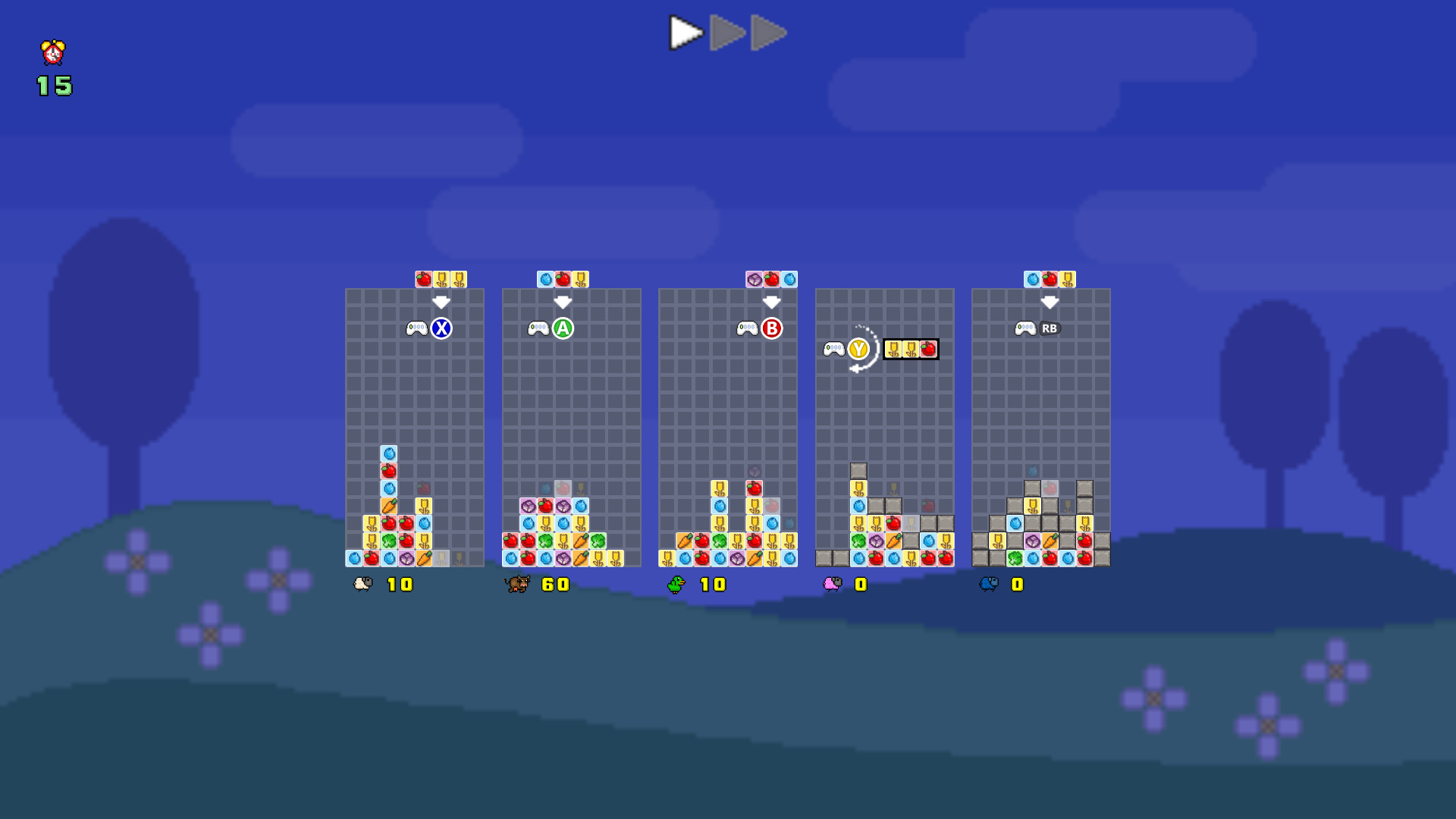
Totemori is a free-to-play local-multiplayer brawler where you build towers while trying to topple everyone else’s!
Sync your Steam wishlist to find the lowest game prices instantly. No login required, just paste your Steam profile URL!
⚡ Try Wishlist Radar!
Sync your Steam wishlist to find the lowest game prices instantly. No login required!
⚡ Try Wishlist Radar!
Close

Party Jousting on Steam
Quick menu
A one-button party game for 2-16 players, sharing a keyboard or controller.
Party Jousting is a casual, indie and sports game
developed and published by vikingfabian.
Released on March 01st 2016 is available only on Windows.
It has received 723 reviews of which 662 were positive and 61 were negative resulting in a rating of 8.6 out of 10. 😎
The game is currently priced at 6.15€ on Steam.
The Steam community has classified Party Jousting into these genres:
Media & Screenshots
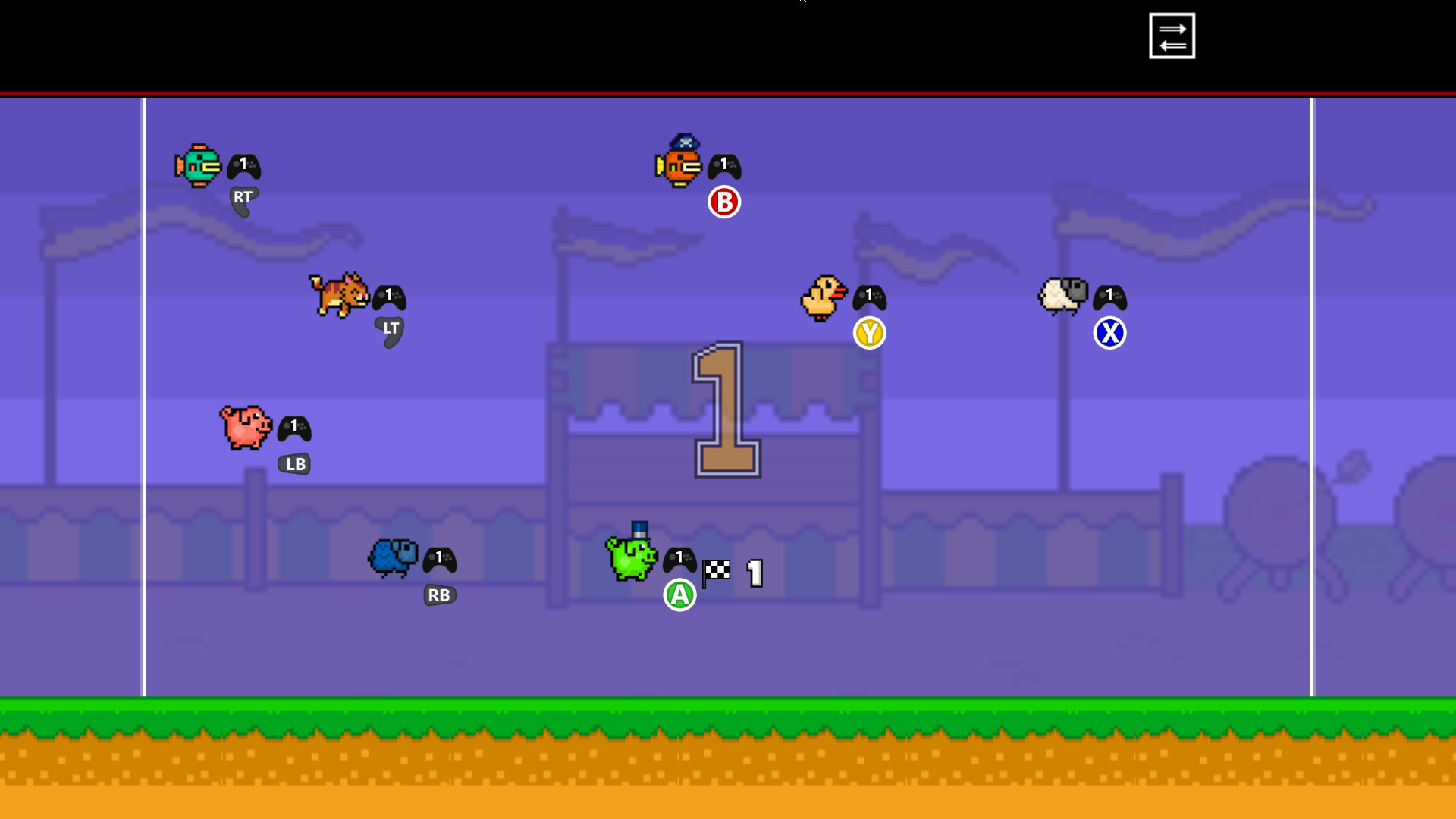
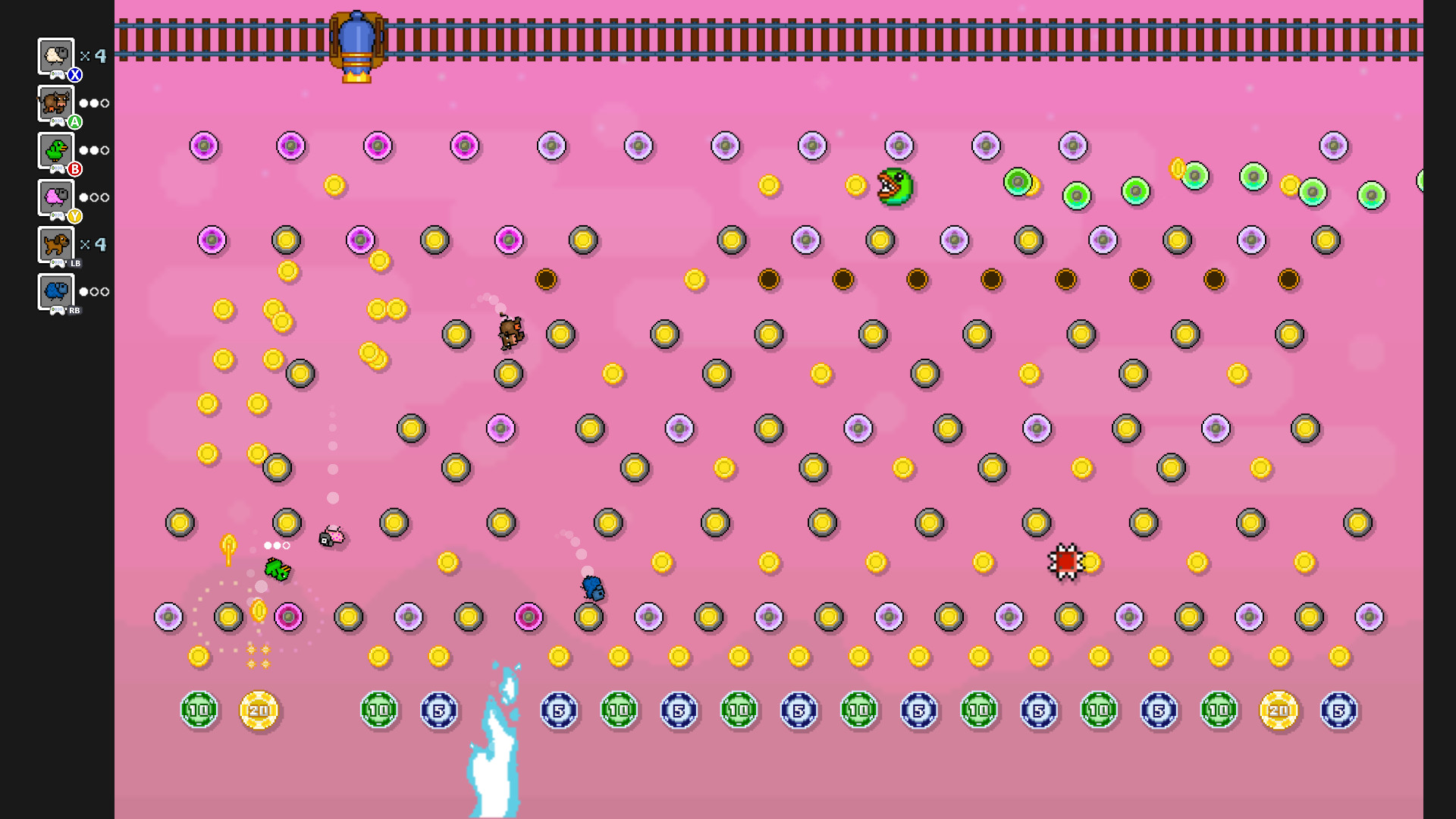
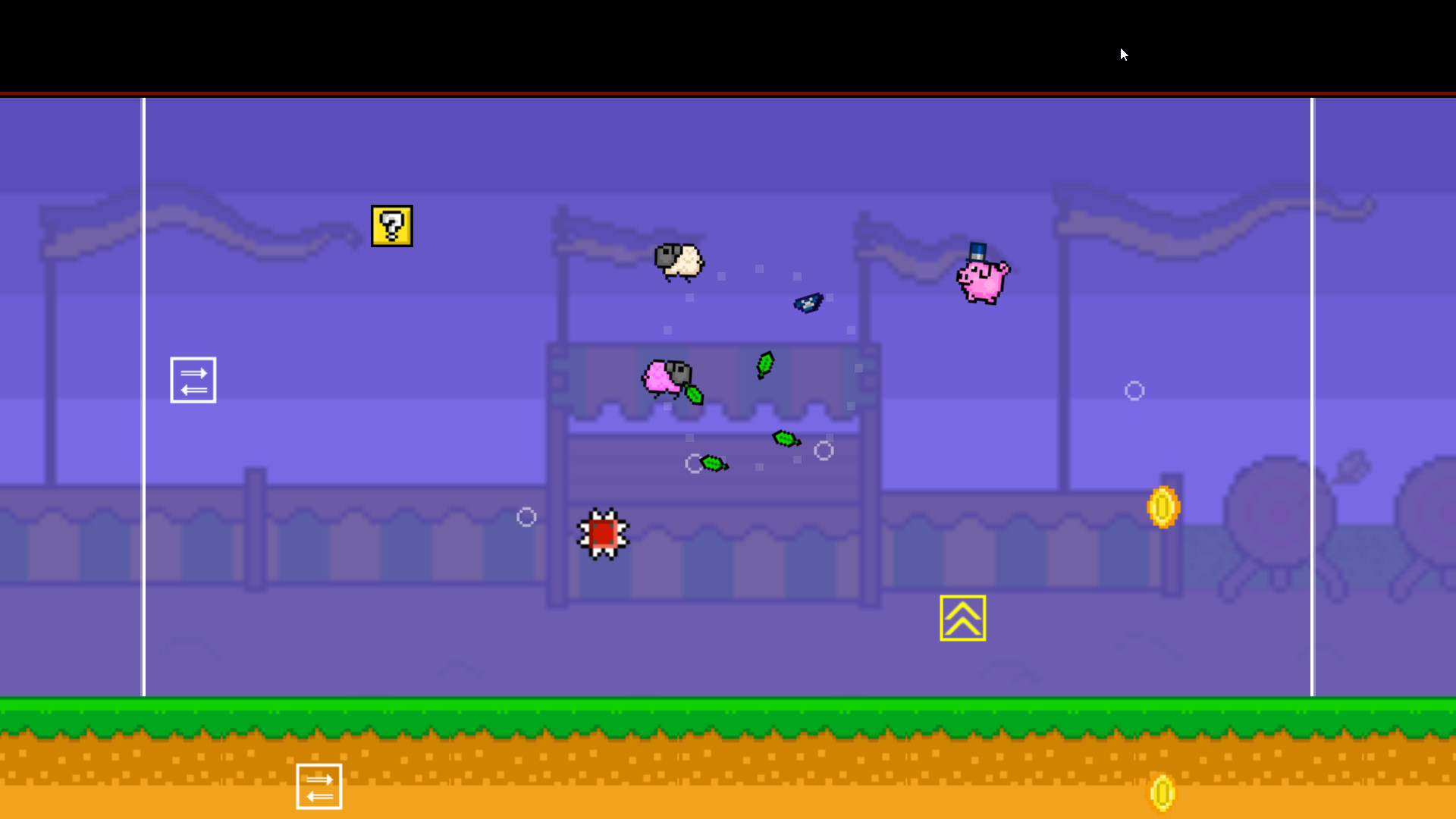
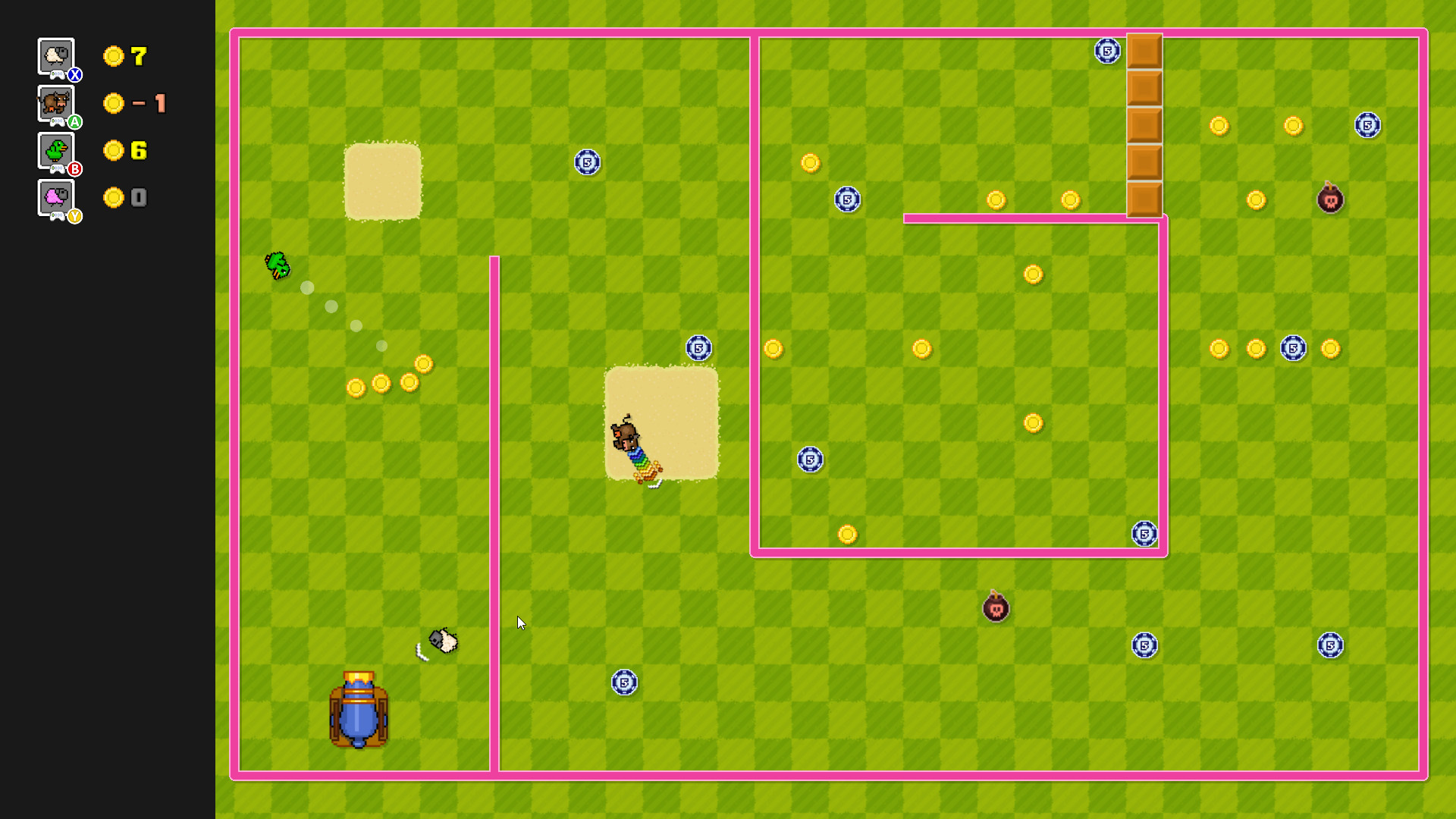
Get an in-depth look at Party Jousting through various videos and screenshots.


Load More

System requirements
These are the minimum specifications needed to play the game. For the best experience, we recommend that you verify them.
Windows
- OS *: Windows 7, 8, 10
- Processor: 1.6 Ghz
- Memory: 512 MB RAM
- Graphics: 128mb Video Memory, capable of Shader Model 3.0
- Storage: 250 MB available space
Steam Price & Best Deals
User reviews & Ratings
Explore reviews from Steam users sharing their experiences and what they love about the game.
Party Jousting is a deliberately simple multiplayer experience that demonstrates how a minimal control scheme can still produce plenty of competitive entertainment. Developed and published by vikingfabian, it is designed primarily as a social game rather than something intended for lengthy solo sessions. Its central concept is immediately understandable: up to 16 players can compete while using just a single button for their actions. That simplicity makes it extremely easy to introduce at gatherings, since even people who rarely play video games can understand the basics within moments. The one-button approach is more interesting than it initially sounds because much of the challenge comes from timing, positioning, momentum, and dealing with intentionally unpredictable movement. Players are not trying to memorize complicated combinations or master large move sets. Instead, success comes from learning how the physics behave and choosing the right moment to act. Matches frequently produce amusing accidents, unexpected victories, and situations where an apparently skilled maneuver quickly turns into a complete disaster. This unpredictability gives the game much of its personality. Its strongest quality is undoubtedly local multiplayer. Supporting between 2 and 16 players gives it considerable flexibility, whether it is being played as a small competition between friends or as a chaotic party involving a much larger group. Players can share keyboards and controllers, reducing the equipment barrier that might otherwise make a 16-player game impractical. Full controller support also fits the design particularly well. Steam features such as shared or split-screen PvP and Remote Play Together expand the possibilities further, although the fundamental experience still feels best suited to people enjoying the chaos together. The various competitive activities prevent the minimalist controls from being tied to only one scenario. Rather than pursuing the complexity of a conventional sports game, the experience uses straightforward objectives that encourage immediate competition. This works especially well during short sessions because rounds do not require lengthy preparation or tutorials. Losing rarely feels like a major setback when another attempt is only moments away, and the resulting rapid cycle of victories, failures, and rematches makes it suitable for casual group play. Visually, the straightforward 2D pixel presentation complements the gameplay. Characters and important objects remain recognizable even when the screen becomes crowded, while the deliberately uncomplicated graphics help preserve the lighthearted atmosphere. It is not a game purchased for advanced graphical technology, detailed environments, or cinematic presentation. Instead, the visuals serve the action efficiently and allow the humor of the physics and player interactions to remain at the center of attention. There are 18 Steam achievements for players interested in additional goals, but progression is not the main attraction. The real replay value comes from the people involved. Playing repeatedly with friends can create memorable rivalries and amusing moments, while someone approaching it without access to other players may find the available entertainment considerably more limited. This dependence on multiplayer company is perhaps its largest weakness. There is simply not enough mechanical complexity or long-term progression to make it equally compelling for every type of player. The deliberately limited controls are also a double-edged sword. They make the game exceptionally accessible, but players searching for precise competitive mechanics may eventually feel restricted. Physics can create situations where victory appears somewhat accidental, particularly during crowded matches. However, treating that unpredictability as part of the entertainment makes the experience considerably more enjoyable. This is less about determining the most technically gifted player and more about creating funny competitive situations where almost anyone has a chance of succeeding. Steam Deck compatibility is officially rated Playable rather than Verified. The default controller configuration provides access to the game's functionality, controller icons are appropriately displayed, and the default graphical configuration performs well. The main qualifications preventing a completely seamless Deck classification include some small in-game text and minor graphical or display issues. Considering the lightweight hardware requirements and controller-focused design, the Deck is nevertheless a practical way to run the game, especially when connected to a larger display for group sessions. Another advantage is how modest the system requirements are. With only 512 MB of RAM listed as a minimum, basic graphics requirements, and approximately 250 MB of storage, it is an extremely lightweight installation by modern standards. This reinforces its identity as something that can remain installed and be launched whenever friends are available rather than demanding significant storage space or powerful hardware. Ultimately, Party Jousting understands that a successful party game does not necessarily require elaborate mechanics. Its appeal comes from accessibility, quick competition, amusing physics, large local player support, and the ability to turn a single-button control scheme into unpredictable multiplayer chaos. It lacks the depth necessary to satisfy someone seeking a substantial solo or competitive sports experience, but that was never its primary purpose. As a lightweight game for friends, family gatherings, and spontaneous multiplayer sessions, it remains charming and surprisingly effective. Rating: 7/10
Similar games
View all


Eternal Battlefield
Eternal Battlefield is a free multiplayer royale-style arena game. 4 teams of 2 go head-to-head in an exciting, spell filled arena death match where the last team standing wins. Defeat neutral creeps and enemy players to grow your forces!

Seeker
Help Alfie find the the stars to get back home to his homeland. If you don't want to follow this short story you can explore this very beautiful island in search of my personal Easter eggs. these Easter eggs will be very hard to find but in the end it will be rewarding. Thank you for playing Seeker.

Max Gentlemen
Max Gentlemen is an arcade-style extreme manners simulator about stacking hats.


Space Between Worlds
Did you ever pay attention to the importance of space? Space Between Worlds is a short puzzle game that expresses the concept of proximity and lets the player interpret the context and arc of the story.

Something for Someone Else
Something for Someone Else is a short atypical experience, a brief journey into the mind of a distressed game developer that feels haunted by a game he made. All in the form of a poorly hand drawn narrative platformer accompanied by the beautiful musics of Celluloid Jam.

Sound Slide
Sound Slide is a rythm puzzle racer, bringing you to 4 different environments around the world! Each environment has its own distinctive music: go with the flow and hop from lane to lane to get to the end!

Talesshop Puzzle
jigsaw puzzles with beautiful 2d girls Image.

PLANES ATTACK
Your homeland sky is under attack. Will you defend it?

Frequently Asked Questions
Party Jousting is currently priced at 6.15€ on Steam.
No, Party Jousting is currently not on sale. You can purchase it for 6.15€ on Steam.
Yes, Party Jousting received 662 positive votes out of a total of 723 achieving a rating of 8.58.
😎
Party Jousting was developed and published by vikingfabian.
Yes, Party Jousting is playable and fully supported on Windows.
No, Party Jousting is not playable on MacOS.
No, Party Jousting is not playable on Linux.
This information about Party Jousting is not available yet.
This information about Party Jousting is not available yet.
No, Party Jousting does not support VR.
Party Jousting is a multi-player game.
Party Jousting features PvP mode where you can test your skills against other players.
Yes, there are 2 DLCs available for Party Jousting. Explore additional content available for Party Jousting on Steam.
No, Party Jousting does not support mods via Steam Workshop.
Yes, Party Jousting supports Remote Play on TV and Remote Play Together. Discover more about Steam Remote Play.
Yes, Party Jousting is enabled for Steam Family Sharing. This means you can share the game with authorized users from your Steam Library, allowing them to play it on their own accounts. For more details on how the feature works, you can read the original Steam Family Sharing announcement or visit the Steam Family Sharing user guide and FAQ page.
You can find solutions or submit a support ticket by visiting the Steam Support page for Party Jousting.
Data sources
The information presented on this page is sourced from reliable APIs to ensure accuracy and relevance. We utilize the Steam API to gather data on game details, including titles, descriptions, prices, and user reviews. This allows us to provide you with the most up-to-date information directly from the Steam platform.
Additionally, we incorporate data from the SteamSpy API, which offers insights into game sales and player statistics. This helps us present a comprehensive view of each game's popularity and performance within the gaming community.
Last Updates| Steam data | 03 October 2026 22:35 UTC |
|---|---|
| SteamSpy data | 14 October 2026 15:34 UTC |
| Steam price | 28 October 2026 15:05 UTC |
| Steam reviews | 22 October 2026 05:59 UTC |
If you'd like to dive deeper into the details about Party Jousting, we invite you to check out a few dedicated websites that offer extensive information and insights. These platforms provide valuable data, analysis, and user-generated reports to enhance your understanding of the game and its performance.
- SteamDB - A comprehensive database of everything on Steam about Party Jousting
- SteamCharts - Analysis of Party Jousting concurrent players on Steam
- ProtonDB - Crowdsourced reports on Linux and Steam Deck Party Jousting compatibility

Game modes
Multiplayer
Features
Online players
1
Developer
vikingfabian
Publisher
vikingfabian
Release
01 Mar 2016
Platforms
Remote Play