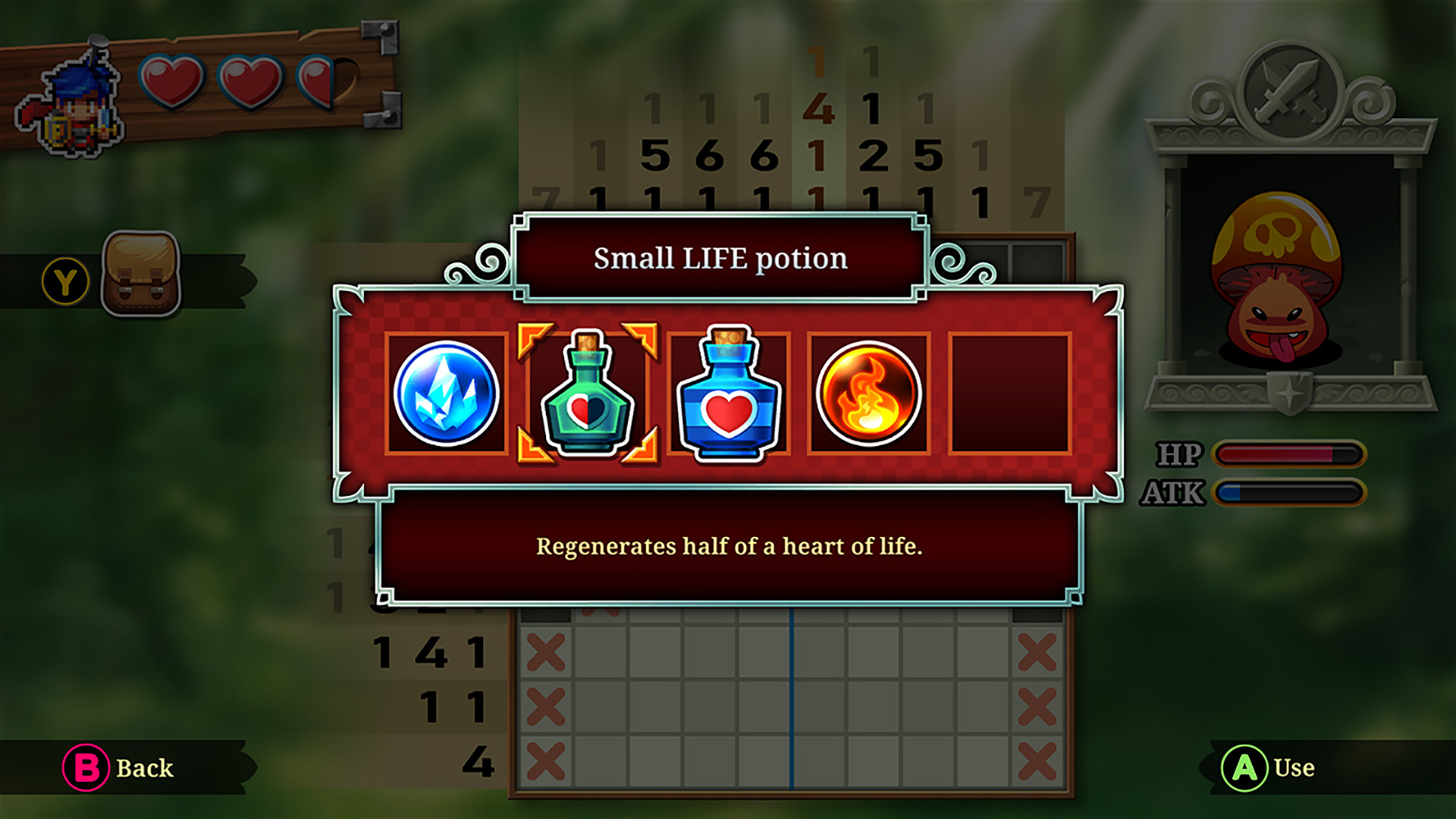
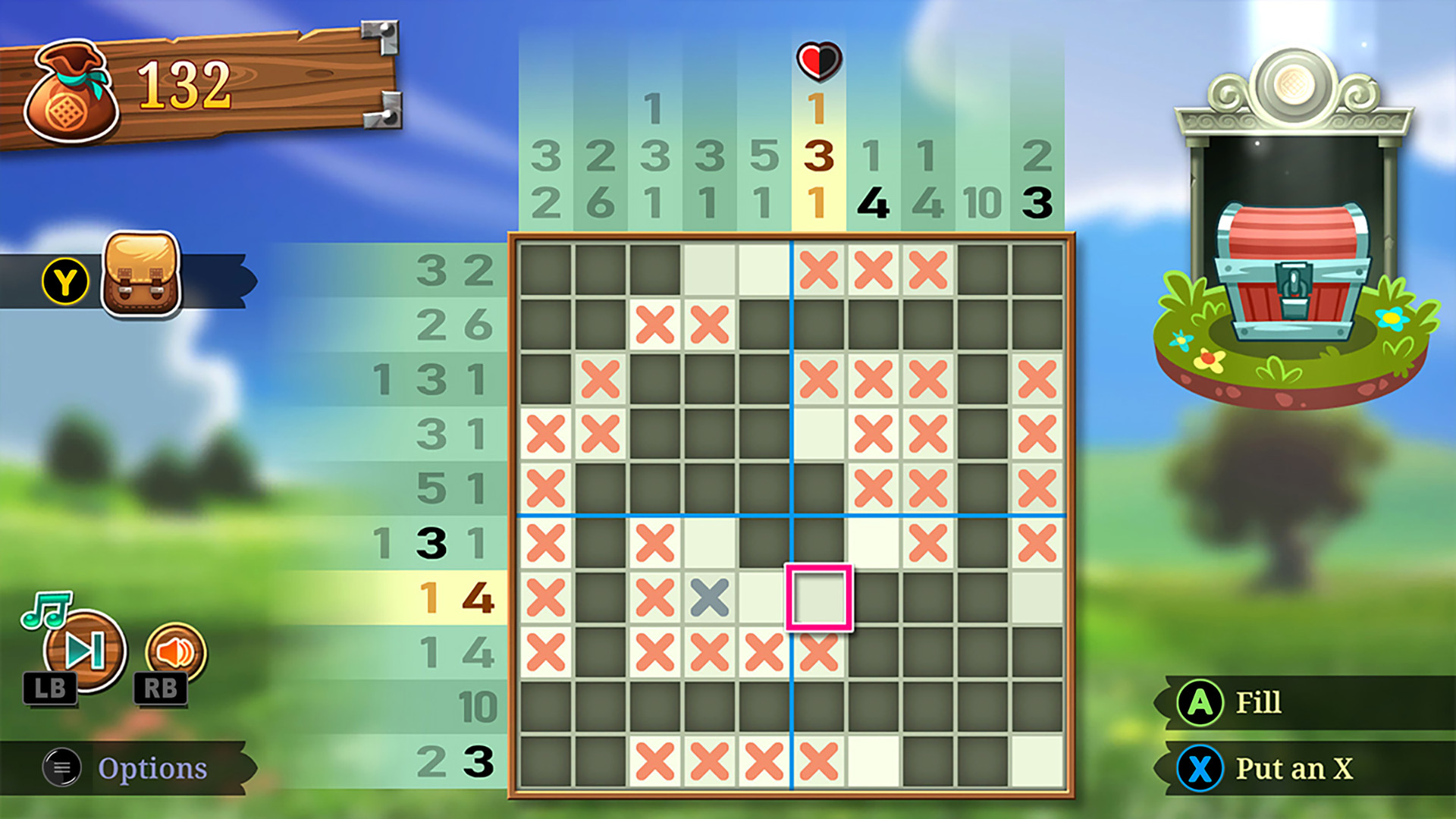
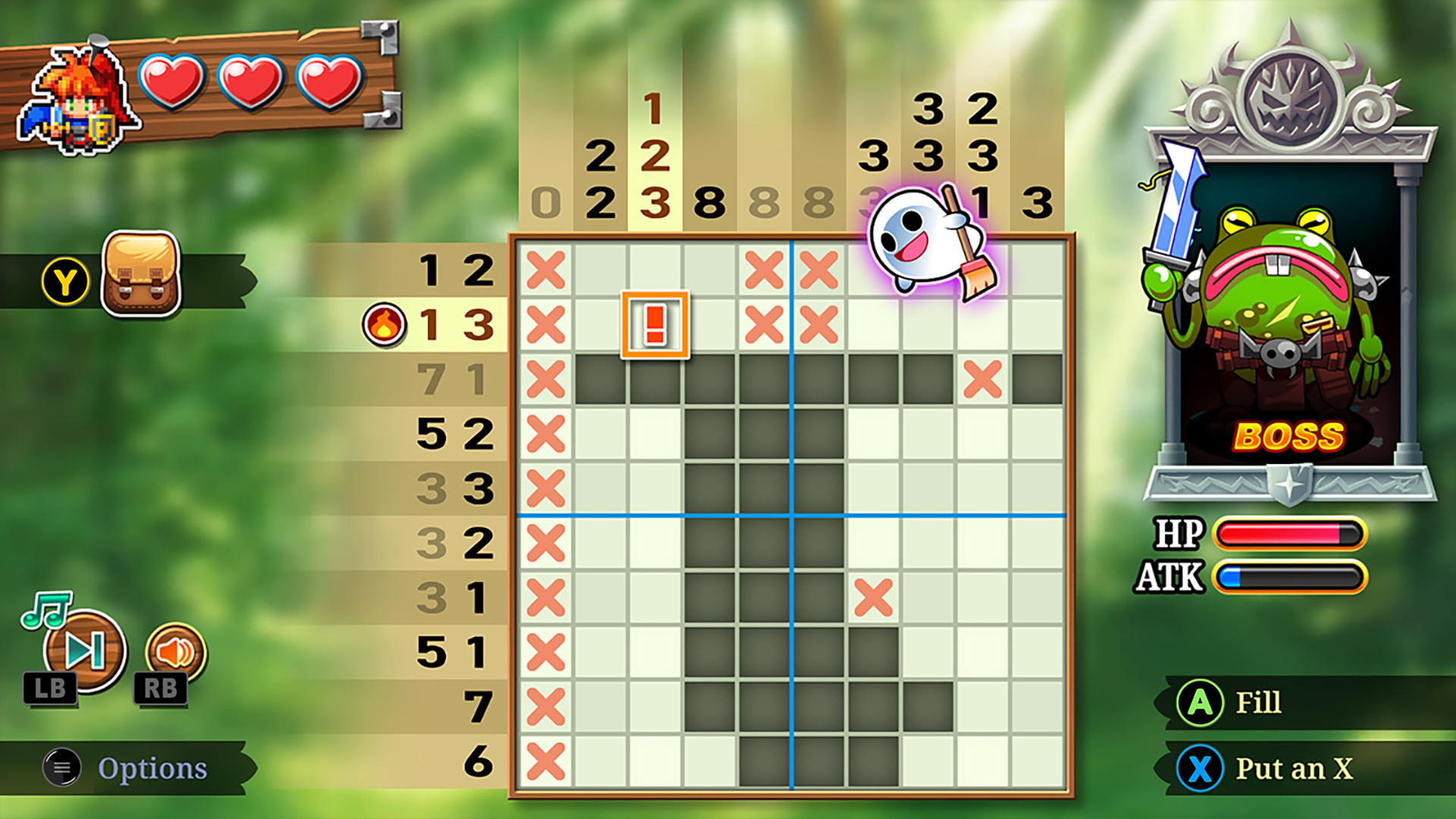
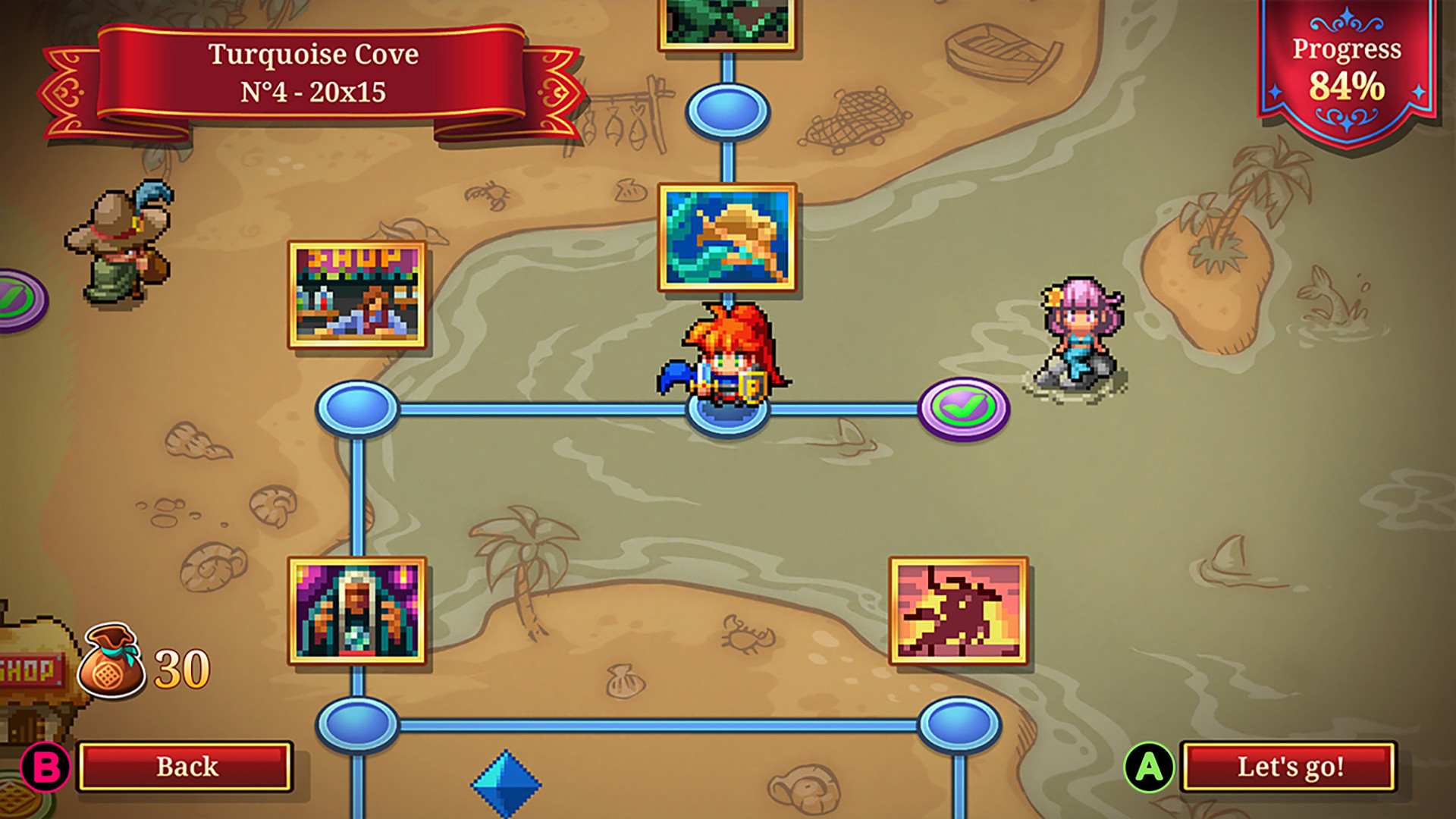
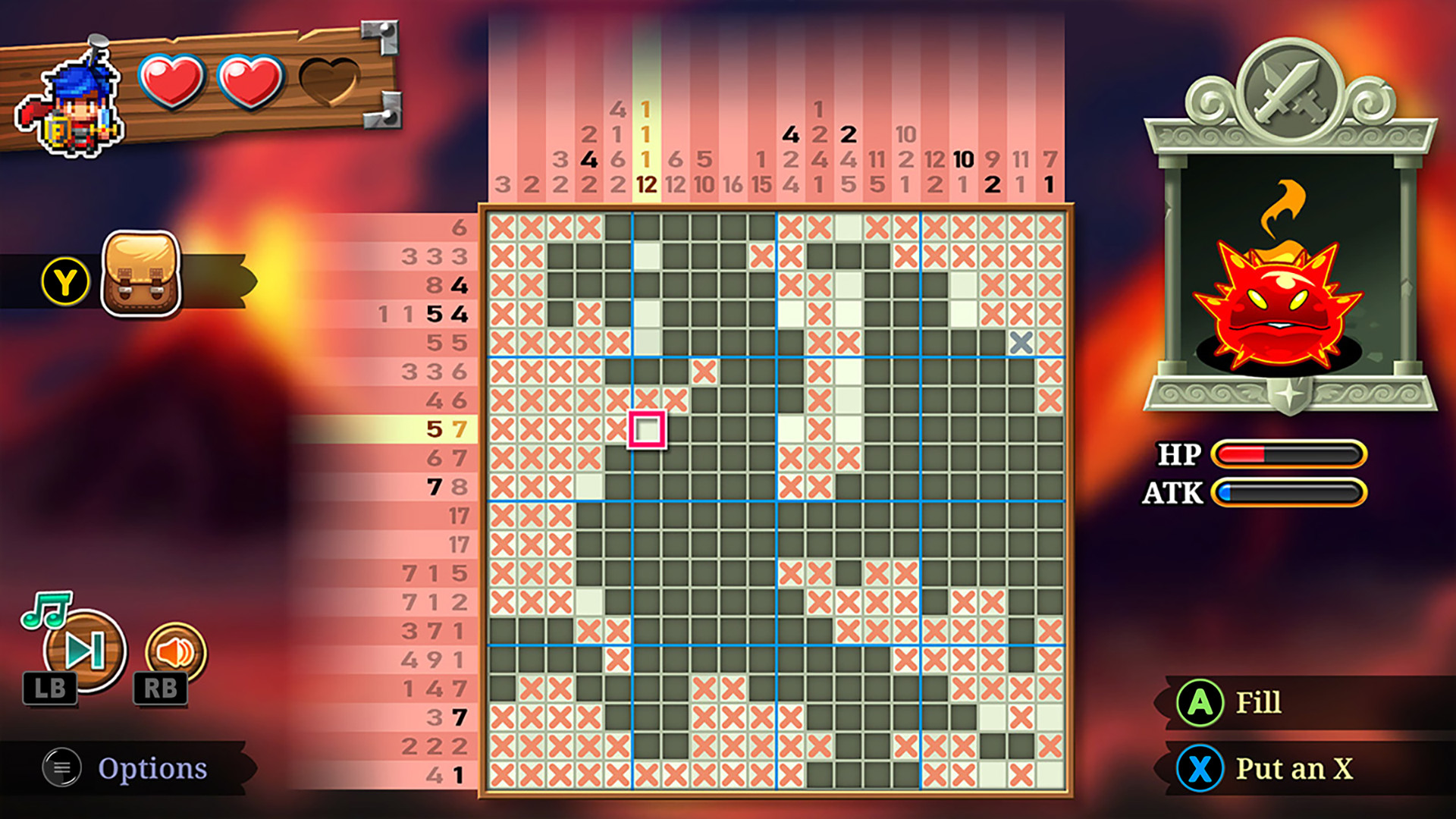
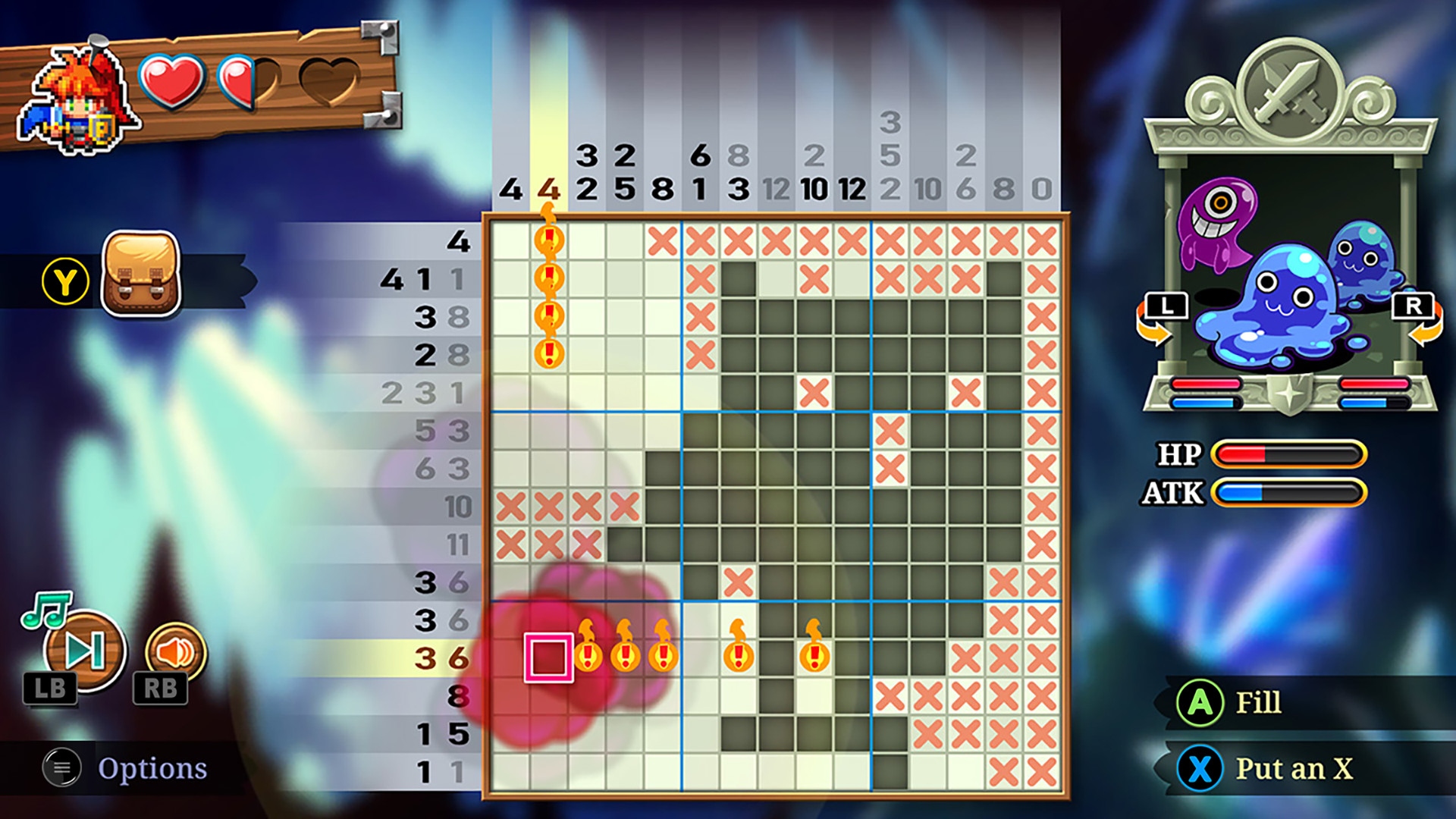
PictoQuest, developed by NanoPiko and published by PID Games, is a colorful and inventive puzzle adventure that merges the traditional logic of nonogram puzzles with light RPG mechanics. It reimagines the familiar structure of picture-based grid solving into a charming fantasy world filled with quirky enemies, spells, and an overarching quest to save the land of Pictoria. At first glance, it seems like a simple puzzle title, but it stands out for how it injects personality and energy into what is often a solitary and methodical genre. The result is a game that feels both relaxing and engaging, rewarding both quick thinking and logical deduction. At its core, PictoQuest remains faithful to the classic nonogram, or “Picross,” formula. Each puzzle is presented as a grid of squares that must be filled or left blank according to numerical clues displayed along its edges. The goal is to reveal a hidden image by correctly interpreting these numbers and patterns. The game, however, adds an interesting twist by integrating combat mechanics into the puzzle-solving process. Instead of solving a grid in isolation, players face off against enemies that attack periodically while they work. Every correctly completed row or column strikes back at the monster, dealing damage, while errors or hesitation leave the player vulnerable. This creates a delicate balance between precision and speed—forcing players to think carefully while remaining aware of the ticking battle timer. It transforms the tranquil logic of Picross into something more dynamic, giving a sense of urgency rarely found in puzzle games. The game’s world structure is simple but effective. You move across a map of the kingdom of Pictoria, unlocking new levels, earning gold, and gradually progressing through a light-hearted storyline about recovering cursed paintings stolen by the villainous Moonface. The two protagonists, Flöh and Arvel, serve as charming avatars on this journey, each possessing unique visual flair and a few minor differences in gameplay approach. The game’s whimsical tone and colorful art direction perfectly complement its accessible design. Every environment, from sunny villages to icy tundras, is vibrant and inviting, and each puzzle contributes to the feeling of adventure. The visual feedback of revealing pictures and defeating enemies is satisfying, especially when combined with cheerful music and crisp sound effects that make every grid completion feel like a victory. Progression in PictoQuest is built around completing puzzles to earn gold, which can then be spent in shops on items and spells that help in tougher battles. These include tools that reveal parts of the puzzle, delay enemy attacks, or provide healing. Though these features don’t drastically change the gameplay loop, they add a layer of strategy and resource management that complements the core puzzle mechanics. The gradual increase in difficulty is handled well, with early puzzles serving as an introduction to the rules and larger, more complex grids appearing as the player advances. Eventually, players will encounter 15x15 and 20x20 puzzles that demand much more concentration and logical deduction. The game rewards patience and observation, offering the same satisfaction that Picross fans have always loved while providing enough variety to keep the experience from feeling repetitive. While the idea of mixing puzzle-solving with RPG combat is creative, the depth of those RPG elements remains fairly light. The turn-based combat and upgrade systems serve more as framing devices than as robust mechanics. Enemies vary in appearance but not drastically in behavior, and most of the challenge still stems from the puzzle itself rather than from managing complex battle systems. For some players, this simplicity may be a relief, allowing the puzzles to remain the focus. For others expecting a deeper hybrid experience, the lack of evolving mechanics or narrative complexity may lead to fatigue after a few hours. The story, though charming, stays in the background, functioning more as motivation for progress than as a source of dramatic tension. From a design perspective, PictoQuest succeeds most in accessibility. Its user interface is intuitive, its tutorials clear, and its controls responsive across both mouse and controller inputs. The game is easy to pick up, making it perfect for quick play sessions or for newcomers to the genre. The clean presentation helps maintain focus on the puzzles, while the upbeat music and friendly tone ensure the experience never becomes stressful. However, this same simplicity means that experienced nonogram enthusiasts may find the challenge curve too gentle, especially in the early stages. The game does attempt to compensate with larger and more complex puzzles, but the overall difficulty remains on the casual side, prioritizing relaxation over intensity. Despite its brevity and modest scope, PictoQuest leaves a strong impression thanks to its charm and clever blending of ideas. Its marriage of logic puzzle design and light adventure mechanics feels natural and never forced. The developers clearly understand what makes nonograms satisfying and build upon that foundation with playful world-building and small but meaningful layers of interaction. It’s not a game about epic quests or deep systems—it’s about the quiet satisfaction of solving a puzzle while watching your progress unfold through cheerful, animated battles. The sense of accomplishment it provides is immediate and consistent, making it an easy recommendation for anyone seeking a laid-back yet rewarding mental challenge. PictoQuest ultimately succeeds by being exactly what it sets out to be: a delightful and accessible fusion of puzzle-solving and adventure. It’s a perfect example of how a simple concept can feel fresh with just a touch of imagination. The RPG mechanics, while shallow, give the game personality and momentum, and the art direction infuses every grid with life. It may not keep you occupied for dozens of hours, but during its runtime, it delivers a warm, satisfying experience that blends focus, creativity, and fun in equal measure. Whether you’re a long-time fan of Picross or simply looking for something relaxing yet engaging, PictoQuest offers a cheerful escape into the world of logic and fantasy. Rating: 8/10
Expand the review