PUSH on Steam
Can you push all the buttons?
PUSH is a casual, indie and puzzle game
developed and published by Maciej Targoni and Hamster On Coke Games.
Released on October 18th 2017 is available on Windows, MacOS and Linux
in 27 languages: English, French, Italian, German, Spanish - Spain, Arabic, Bulgarian, Traditional Chinese, Simplified Chinese, Czech, Danish, Finnish, Greek, Dutch, Japanese, Korean, Norwegian, Polish, Portuguese - Portugal, Portuguese - Brazil, Russian, Romanian, Swedish, Thai, Turkish, Ukrainian and Hungarian.
It has received 653 reviews of which 562 were positive and 91 were negative resulting in a rating of 8.1 out of 10. 😎
The game is currently priced at 1.99€ on Steam, but you can find it for 1.29€ on Eneba.
The Steam community has classified PUSH into these genres:
Here is the detailed breakdown of supported languages for PUSH:
| UI | Subtitle | Audio | |
|---|---|---|---|
| English | |||
| German | |||
| French | |||
| Italian | |||
| Korean | |||
| Spanish - Spain | |||
| Simplified Chinese | |||
| Traditional Chinese | |||
| Russian | |||
| Thai | |||
| Japanese | |||
| Portuguese - Portugal | |||
| Polish | |||
| Danish | |||
| Dutch | |||
| Finnish | |||
| Norwegian | |||
| Swedish | |||
| Hungarian | |||
| Czech | |||
| Romanian | |||
| Turkish | |||
| Portuguese - Brazil | |||
| Bulgarian | |||
| Greek | |||
| Arabic | |||
| Ukrainian |
Media & Screenshots
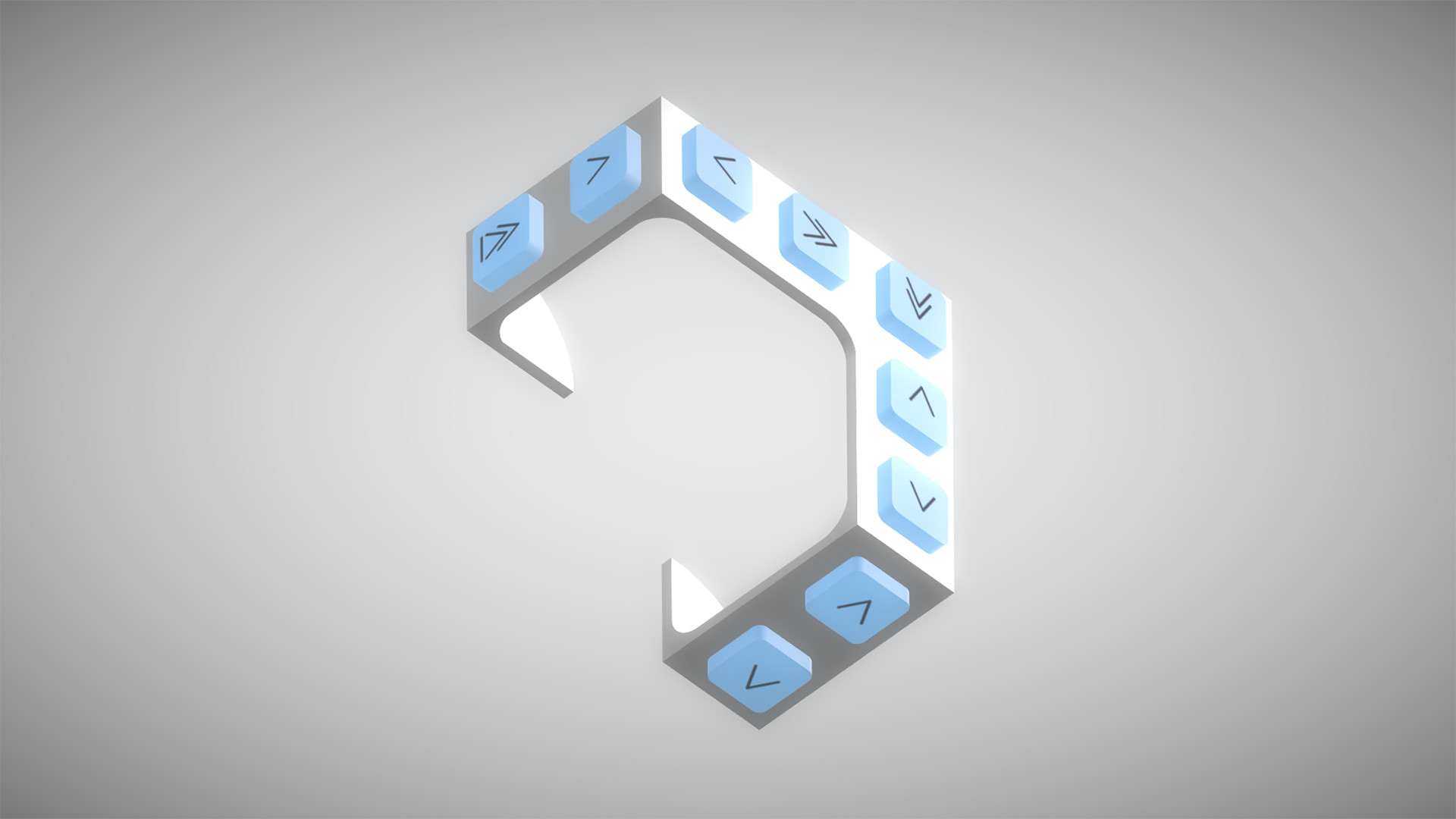
Get an in-depth look at PUSH through various videos and screenshots.



System requirements
These are the minimum specifications needed to play the game. For the best experience, we recommend that you verify them.
- OS *: Windows 7
- Processor: i3
- Memory: 1 GB RAM
- Graphics: Intel HD4000
- Storage: 200 MB available space
- Sound Card: any
- OS: Mac OS X 10.7+
- Processor: i3
- Memory: 1 GB RAM
- Graphics: Graphics card supporting DirectX 9.0c
- Storage: 200 MB available space
- Sound Card: any
- Processor: i3
- Memory: 1 GB RAM
- Graphics: Graphics card supporting DirectX 9.0c
- Storage: 200 MB available space
- Sound Card: any
Steam Price & Best Deals


User reviews & Ratings
Explore reviews from Steam users sharing their experiences and what they love about the game.
Frequently Asked Questions
Data sources
The information presented on this page is sourced from reliable APIs to ensure accuracy and relevance. We utilize the Steam API to gather data on game details, including titles, descriptions, prices, and user reviews. This allows us to provide you with the most up-to-date information directly from the Steam platform.
Additionally, we incorporate data from the SteamSpy API, which offers insights into game sales and player statistics. This helps us present a comprehensive view of each game's popularity and performance within the gaming community.
Last Updates| Steam data | 26 September 2026 09:18 UTC |
|---|---|
| SteamSpy data | 22 October 2026 03:53 UTC |
| Steam price | 26 October 2026 19:56 UTC |
| Steam reviews | 20 October 2026 07:56 UTC |
If you'd like to dive deeper into the details about PUSH, we invite you to check out a few dedicated websites that offer extensive information and insights. These platforms provide valuable data, analysis, and user-generated reports to enhance your understanding of the game and its performance.
- SteamDB - A comprehensive database of everything on Steam about PUSH
- SteamCharts - Analysis of PUSH concurrent players on Steam
- ProtonDB - Crowdsourced reports on Linux and Steam Deck PUSH compatibility