

Supermarket & Internet Cafe Simulator
"Internet Cafe & Supermarket Simulator 2024" is a comprehensive simulation game that combines the management of both an internet cafe and a supermarket. Step into the role of a shop owner, apply your business acumen, and expand your empire step by step.
Sync your Steam wishlist to find the lowest game prices instantly. No login required, just paste your Steam profile URL!
⚡ Try Wishlist Radar!
Sync your Steam wishlist to find the lowest game prices instantly. No login required!
⚡ Try Wishlist Radar!
Close

ROGUE LIGHT DECK BUILDER on Steam
Quick menu
Your house needs a deck. You have a hammer. Freedom is $1,000,000.
ROGUE LIGHT DECK BUILDER is a time management, building and deckbuilding game
developed and published by Gil Lawson.
Released on March 17th 2025 is available on Windows, Steam Deck and Steam Machine.
It has received 549 reviews of which 528 were positive and 21 were negative resulting in a rating of 8.9 out of 10. 😎
The game is currently priced at 3.99€ on Steam.
The Steam community has classified ROGUE LIGHT DECK BUILDER into these genres:
Media & Screenshots
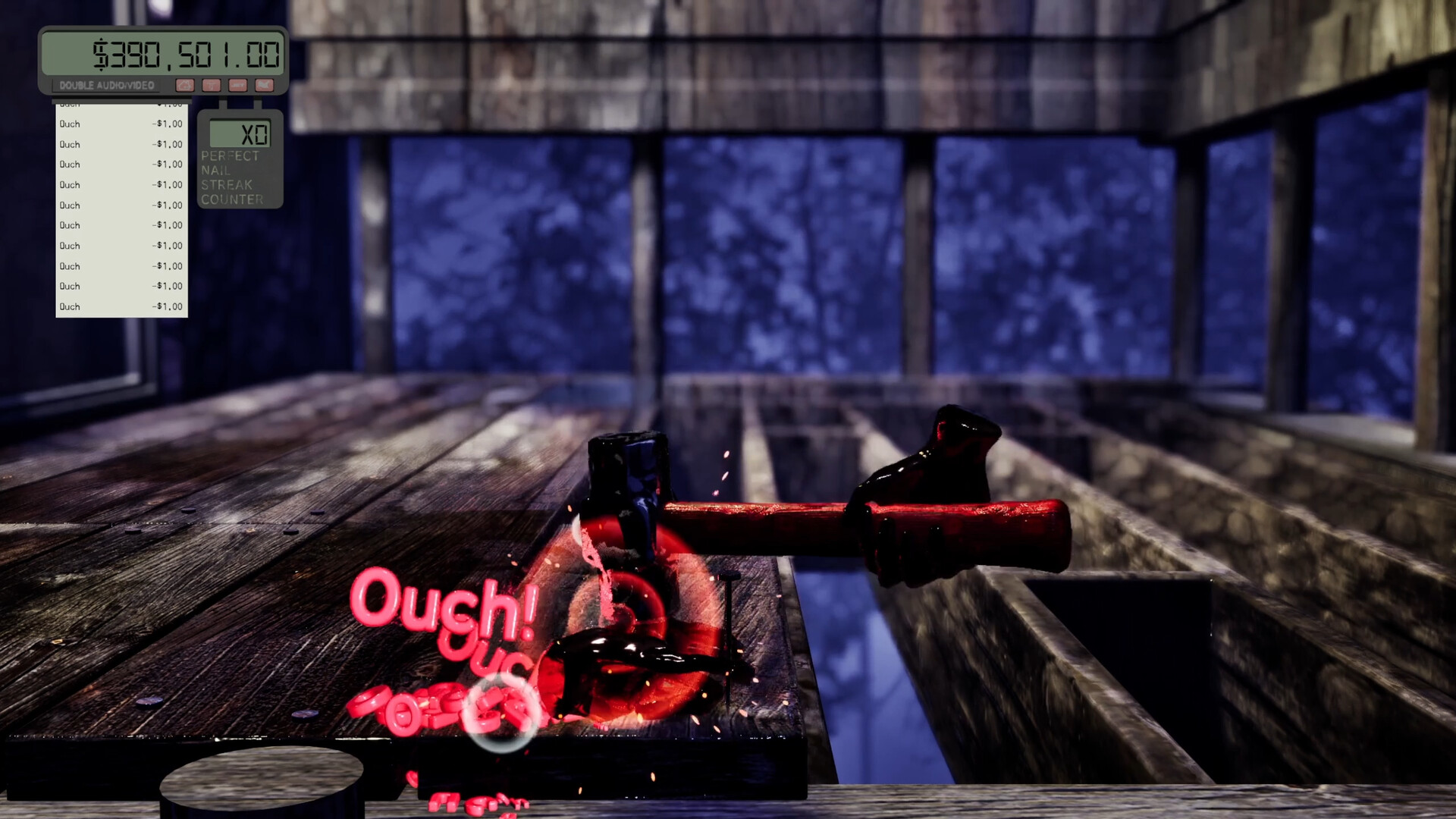
Get an in-depth look at ROGUE LIGHT DECK BUILDER through various videos and screenshots.
System requirements
These are the minimum specifications needed to play the game. For the best experience, we recommend that you verify them.
Windows
- Requires a 64-bit processor and operating system
- OS: Windows 10 version 1703 (Creators Update)
- Processor: i3-12100F or equivalent.
- Memory: 8 GB RAM
- Graphics: GeForce GTX 1050, RX 6400 or equivalent
- DirectX: Version 11
- Storage: 2 GB available space
- Additional Notes: For DirectX 11 compatibility, please change the game's branch to "dx11" in Properties>Betas.
Steam Price & Best Deals
User reviews & Ratings
Explore reviews from Steam users sharing their experiences and what they love about the game.
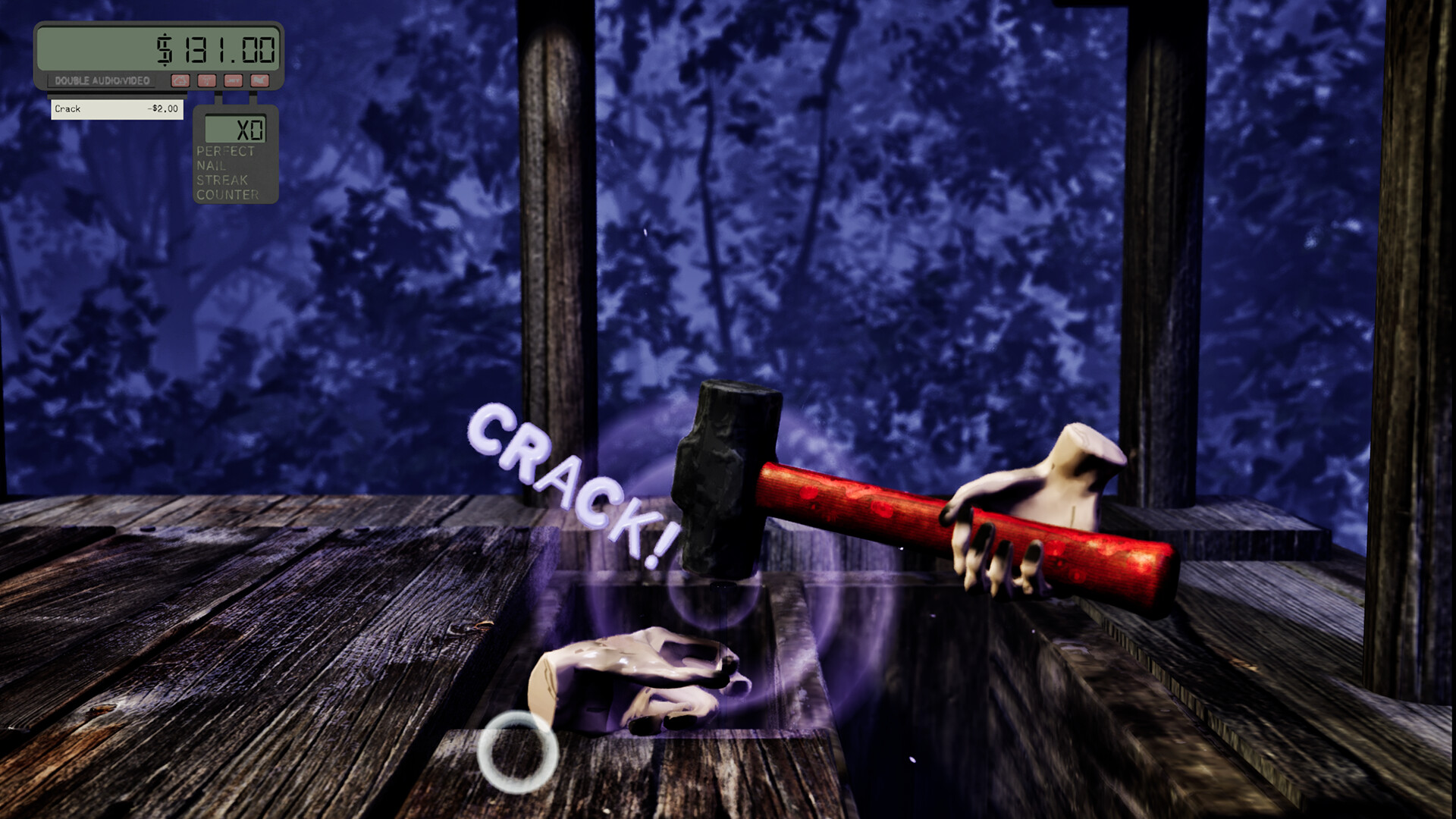
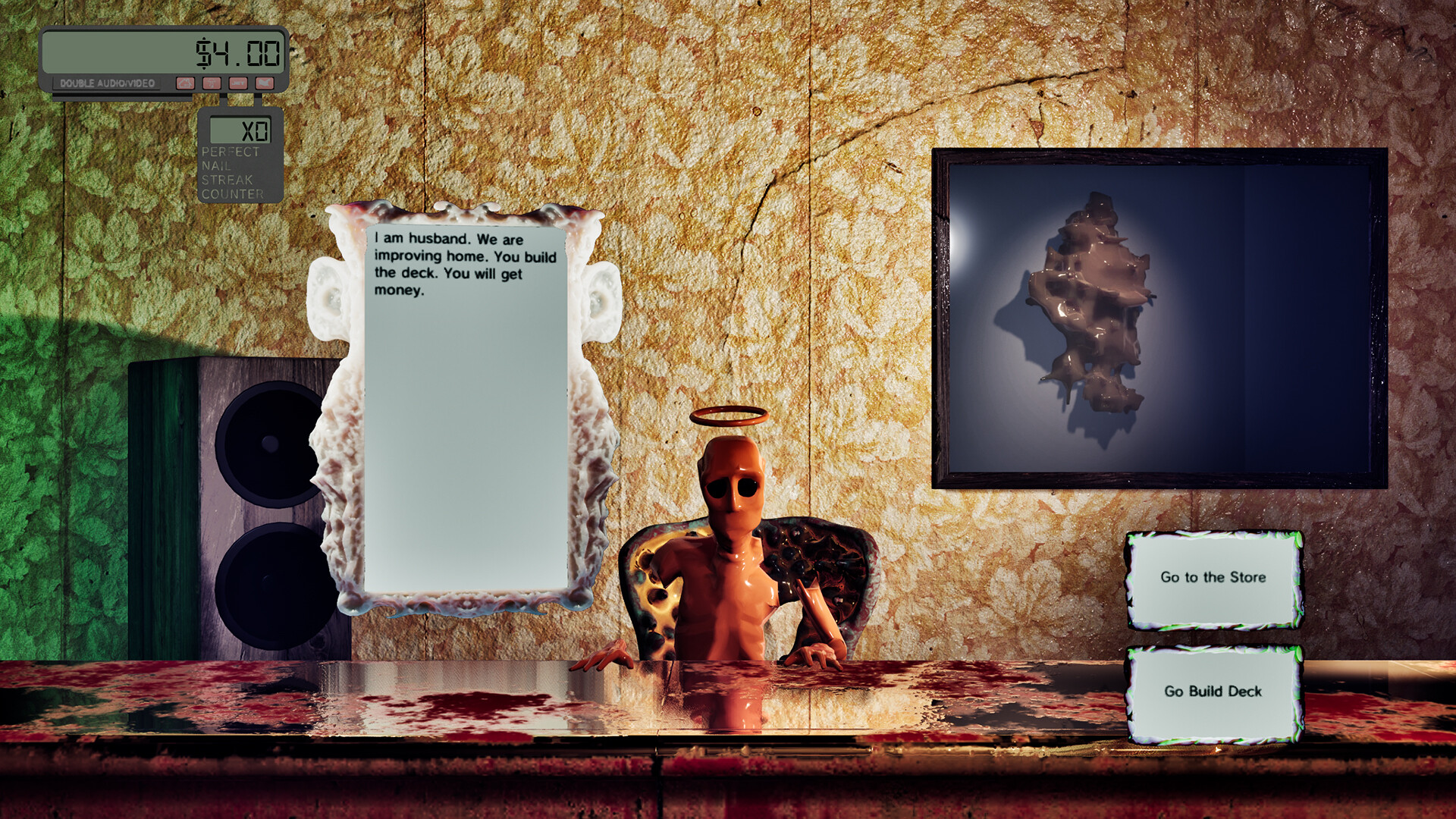
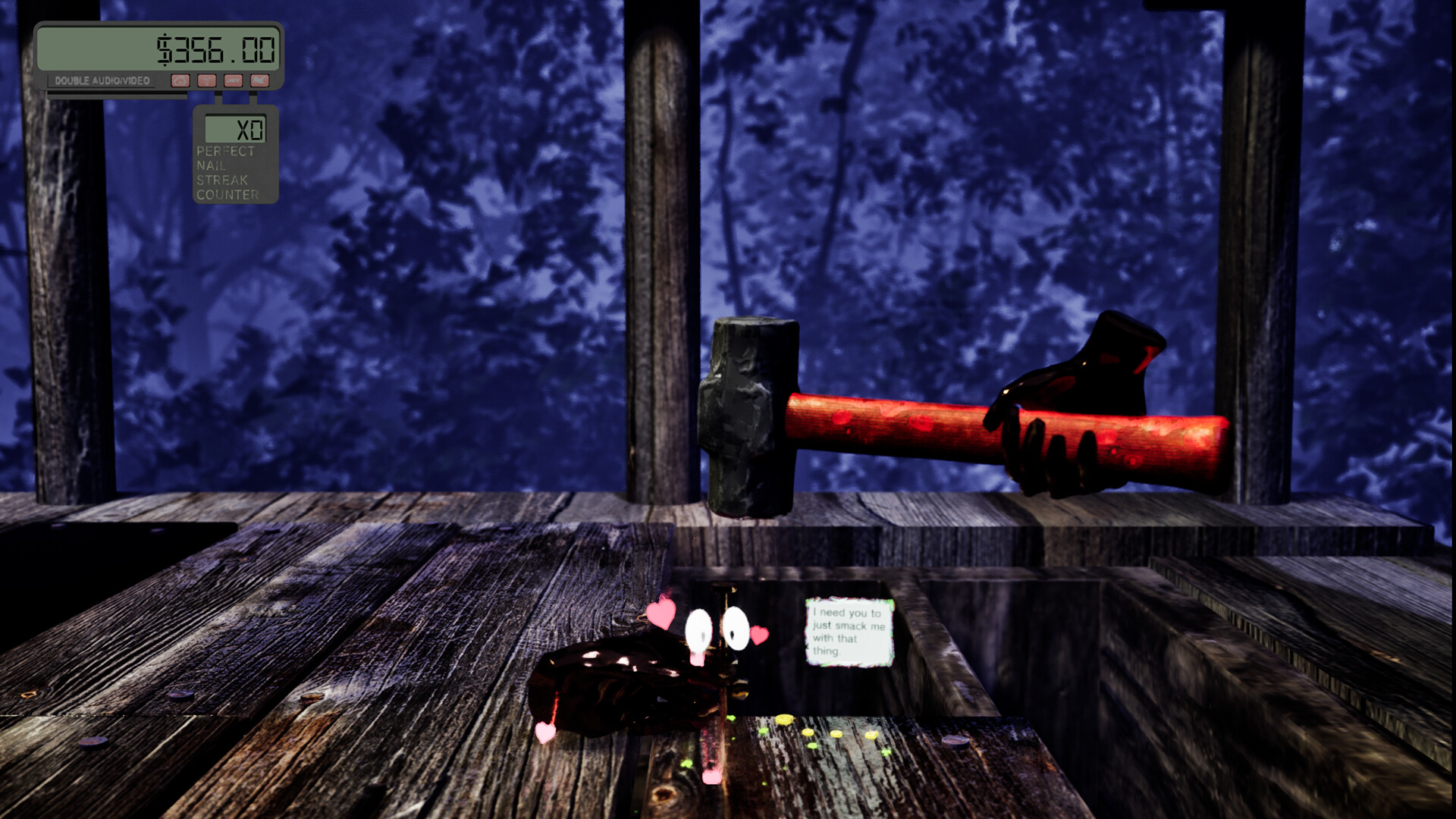
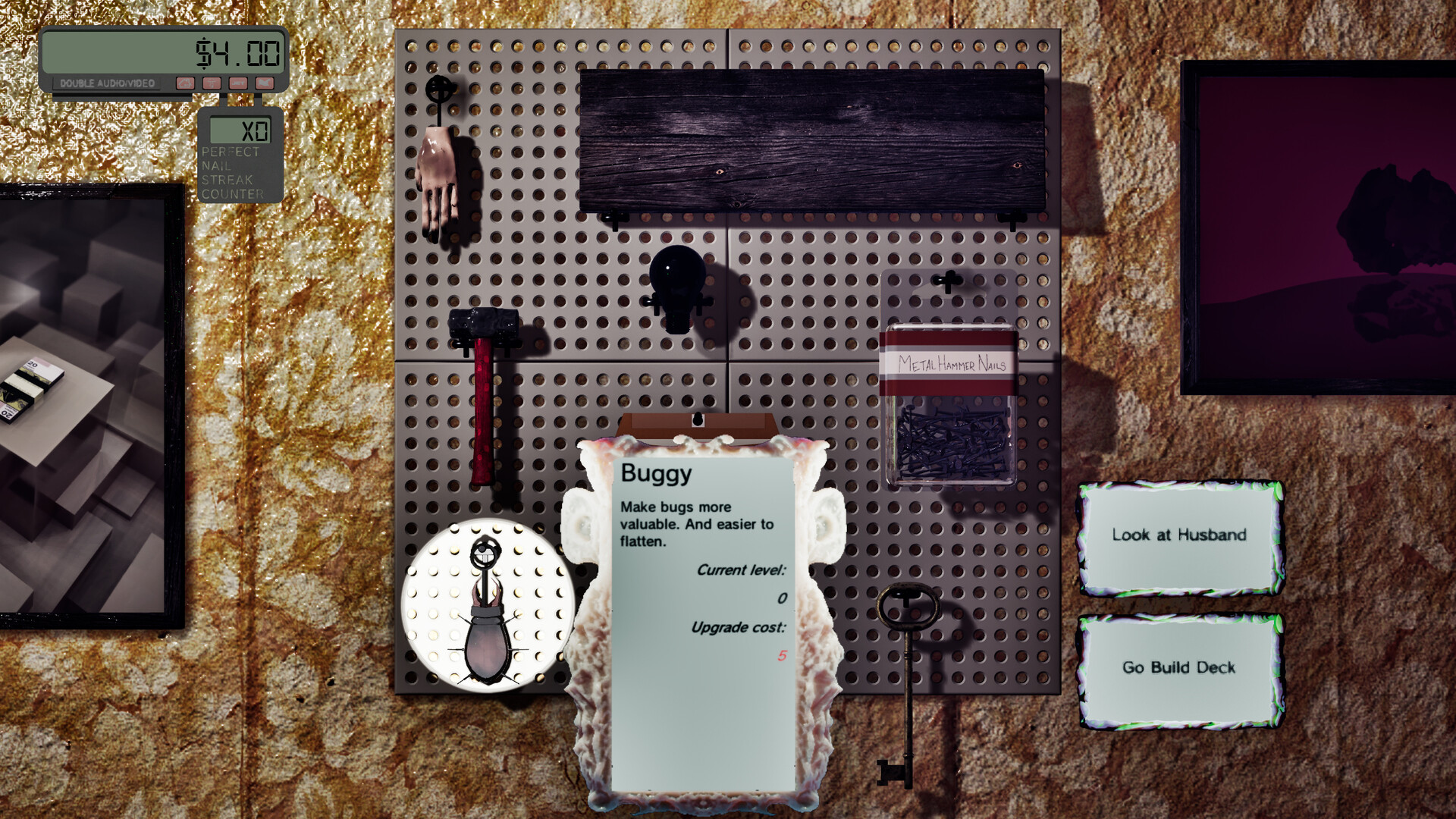
ROGUE LIGHT DECK BUILDER is the kind of game that initially feels like a throwaway parody, but slowly reveals itself to be something far more deliberate and strangely absorbing. Developed and published by Gil Lawson, it takes a genre name that has become almost formulaic—roguelike deckbuilder—and strips it down to its most literal interpretation. Instead of assembling cards and crafting synergies, you are physically building a wooden deck under a flickering light, hammering nails into planks with a clumsy, imprecise hand. What sounds like a one-note joke quickly evolves into a surprisingly engaging loop, driven not by complexity but by the subtle tension between control and chaos. At its core, the gameplay revolves around a simple but effective mechanic: positioning nails and striking them with your hammer as accurately as possible. The twist lies in how deliberately unreliable everything feels. Your hand movement is slightly off, the hammer swings with an awkward weight, and the flickering light above you constantly disrupts your timing. This creates a persistent sense of instability, where even the most routine action carries a small risk of failure. Missing a nail, hitting your hand, or breaking a streak is common, but each successful strike feels satisfying precisely because of how easy it is to mess up. Over time, this turns a basic interaction into something that feels almost rhythmic, as players fall into a pattern of anticipation, adjustment, and execution. Progression is handled through a steady accumulation of money earned from your performance, which can then be reinvested into upgrades. These improvements range from enhancing your hammer and hand control to stabilizing the lighting or introducing small, bizarre systems that add new layers to the loop. The upgrades don’t radically transform the experience, but they gradually reduce friction, giving a tangible sense of improvement without removing the underlying unpredictability. This balance is key to the game’s appeal: it never becomes entirely comfortable, but it does reward persistence in a way that feels meaningful. There’s also an abstract long-term goal tied to earning enough money to “escape” or reach a form of freedom, which provides a loose sense of direction without imposing strict structure. What truly sets the game apart, however, is its atmosphere. There is an unmistakable sense of unease woven into every aspect of the experience, from the visual design to the dialogue. The world feels slightly distorted, as if operating under rules that don’t quite align with reality. Characters speak in repetitive, oddly phrased lines that blur the line between humor and discomfort, and the environment itself carries a quiet, oppressive tone despite its mundane setting. This surreal quality transforms what could have been a purely mechanical loop into something more introspective, where the repetition begins to feel intentional, even thematic. It’s not just about building a deck—it’s about existing within this strange, confined space and gradually understanding its peculiar logic. Visually, the game embraces a rough, almost grotesque aesthetic that reinforces its offbeat identity. Objects and characters are exaggerated in form, with a texture and style that feels closer to experimental art than conventional game design. The flickering light, which is central to both the gameplay and the title, becomes a constant visual and mechanical presence, shaping how you interact with the world. Audio design complements this with subtle ambient sounds and minimalistic cues that enhance the sense of isolation and repetition. Together, these elements create an experience that feels cohesive in its strangeness, where every detail contributes to the overall mood. In terms of content, ROGUE LIGHT DECK BUILDER is relatively compact, but it avoids feeling shallow by leaning into replayability. The loop itself is inherently repeatable, and features like endless mode and performance optimization give players a reason to continue beyond the initial experience. However, the game’s longevity largely depends on how much the player connects with its core mechanic. Those who find satisfaction in refining their timing and maximizing efficiency will likely spend more time with it, while others may feel that the lack of variety limits its appeal over extended sessions. The game’s biggest strength is also its biggest limitation. Its commitment to a single idea is what makes it memorable, but it also means that everything revolves around that idea without much deviation. There is little in the way of traditional variety—no complex systems to master, no significant shifts in gameplay—and the humor, while distinctive, may not resonate with everyone. The intentionally awkward controls and repetitive structure can also become frustrating if the player expects precision or depth comparable to more traditional roguelike experiences. Yet for those willing to engage with it on its own terms, these elements feel less like flaws and more like intentional design choices that define its identity. Ultimately, ROGUE LIGHT DECK BUILDER succeeds by fully embracing its absurd premise and committing to it without compromise. It transforms a literal interpretation of a genre name into a strangely compelling experience that blends humor, discomfort, and mechanical simplicity into something uniquely memorable. It may not offer the depth or breadth of more conventional titles, but it doesn’t need to. What it provides instead is a focused, unconventional loop that lingers in the mind long after you step away from it. Rating: 9/10
For a playable meme, it's great. The hammer's physics and the graphics give it a horror game vibe, because what could be more terrifying than work, right? Every now and then, something somewhat interesting happens, and it gets easier and easier as you buy upgrades. I finished it in just over an hour, but it has online leaderboards, an endless mode, which is quite reasonable for the low price, I think. Check out [url=https://store.steampowered.com/curator/44959158-Critiques-Sans-Frontiers/] our curator page to discover more little interesting games.
Similar games
View all
Frequently Asked Questions
ROGUE LIGHT DECK BUILDER is currently priced at 3.99€ on Steam.
No, ROGUE LIGHT DECK BUILDER is currently not on sale. You can purchase it for 3.99€ on Steam.
Yes, ROGUE LIGHT DECK BUILDER received 528 positive votes out of a total of 549 achieving a rating of 8.93.
😎
ROGUE LIGHT DECK BUILDER was developed and published by Gil Lawson.
Yes, ROGUE LIGHT DECK BUILDER is playable and fully supported on Windows.
No, ROGUE LIGHT DECK BUILDER is not playable on MacOS.
No, ROGUE LIGHT DECK BUILDER is not playable on Linux.
Yes, ROGUE LIGHT DECK BUILDER is playable on Steam Deck, though it might require a few minor tweaks. Make sure to check the Steam store page and community feedback on ProtonDB for exact compatibility details.
Yes, ROGUE LIGHT DECK BUILDER is playable and fully supported on Steam Machine.
No, ROGUE LIGHT DECK BUILDER does not support VR.
ROGUE LIGHT DECK BUILDER is a single-player game.
No, ROGUE LIGHT DECK BUILDER does not currently offer any DLC.
No, ROGUE LIGHT DECK BUILDER does not support mods via Steam Workshop.
No, ROGUE LIGHT DECK BUILDER does not support Steam Remote Play.
Yes, ROGUE LIGHT DECK BUILDER is enabled for Steam Family Sharing. This means you can share the game with authorized users from your Steam Library, allowing them to play it on their own accounts. For more details on how the feature works, you can read the original Steam Family Sharing announcement or visit the Steam Family Sharing user guide and FAQ page.
You can find solutions or submit a support ticket by visiting the Steam Support page for ROGUE LIGHT DECK BUILDER.
Data sources
The information presented on this page is sourced from reliable APIs to ensure accuracy and relevance. We utilize the Steam API to gather data on game details, including titles, descriptions, prices, and user reviews. This allows us to provide you with the most up-to-date information directly from the Steam platform.
Additionally, we incorporate data from the SteamSpy API, which offers insights into game sales and player statistics. This helps us present a comprehensive view of each game's popularity and performance within the gaming community.
Last Updates| Steam data | 18 September 2026 13:29 UTC |
|---|---|
| SteamSpy data | 21 October 2026 01:30 UTC |
| Steam price | 26 October 2026 20:17 UTC |
| Steam reviews | 20 October 2026 18:01 UTC |
If you'd like to dive deeper into the details about ROGUE LIGHT DECK BUILDER, we invite you to check out a few dedicated websites that offer extensive information and insights. These platforms provide valuable data, analysis, and user-generated reports to enhance your understanding of the game and its performance.
- SteamDB - A comprehensive database of everything on Steam about ROGUE LIGHT DECK BUILDER
- SteamCharts - Analysis of ROGUE LIGHT DECK BUILDER concurrent players on Steam
- ProtonDB - Crowdsourced reports on Linux and Steam Deck ROGUE LIGHT DECK BUILDER compatibility

Game modes
Features
Online players
2
Developer
Gil Lawson
Publisher
Gil Lawson
Release
17 Mar 2025
Platforms