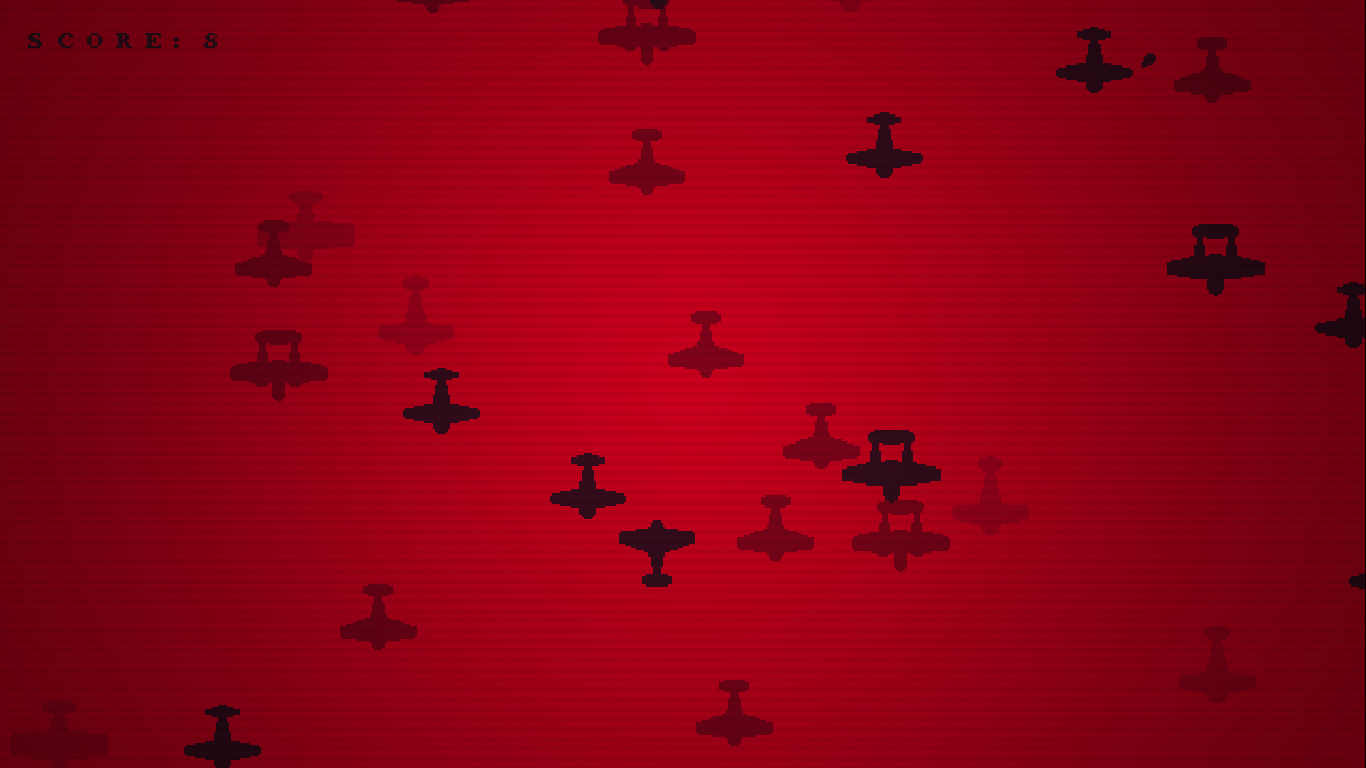
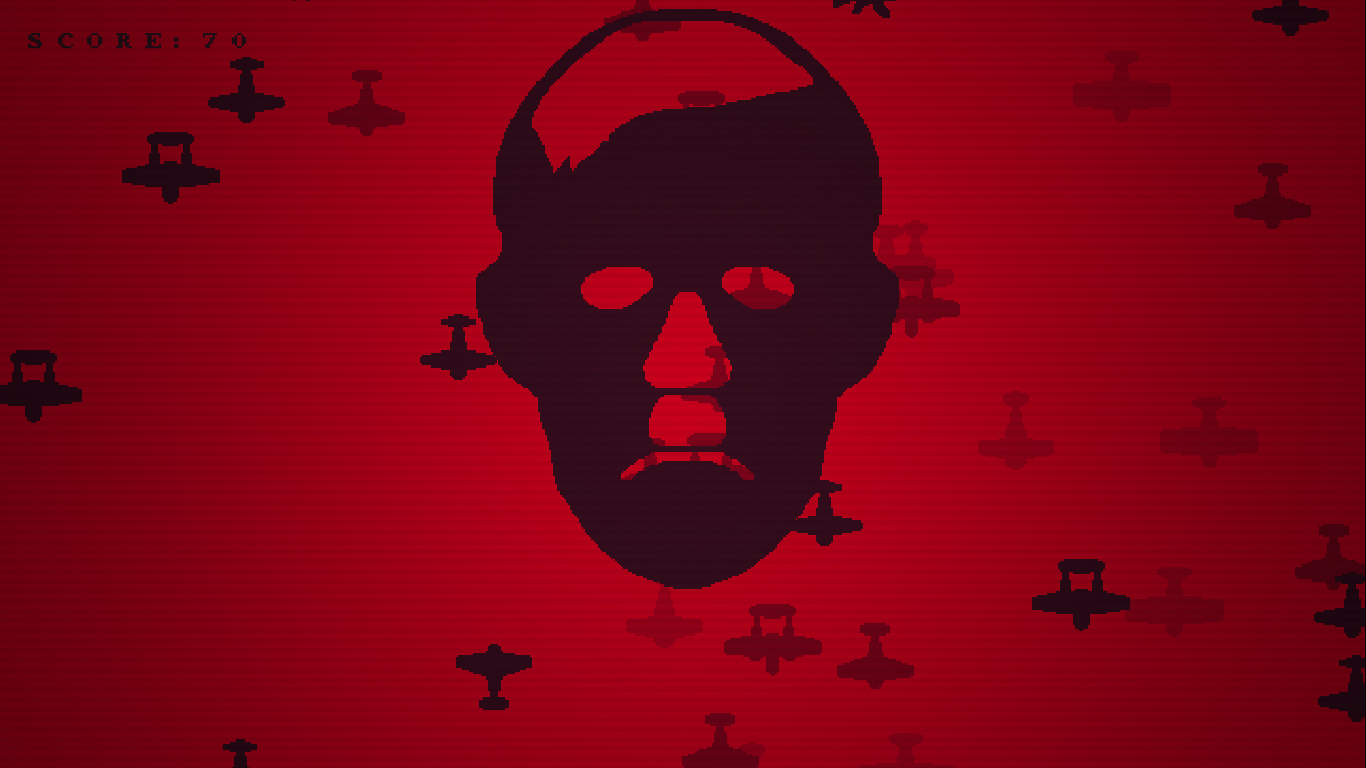
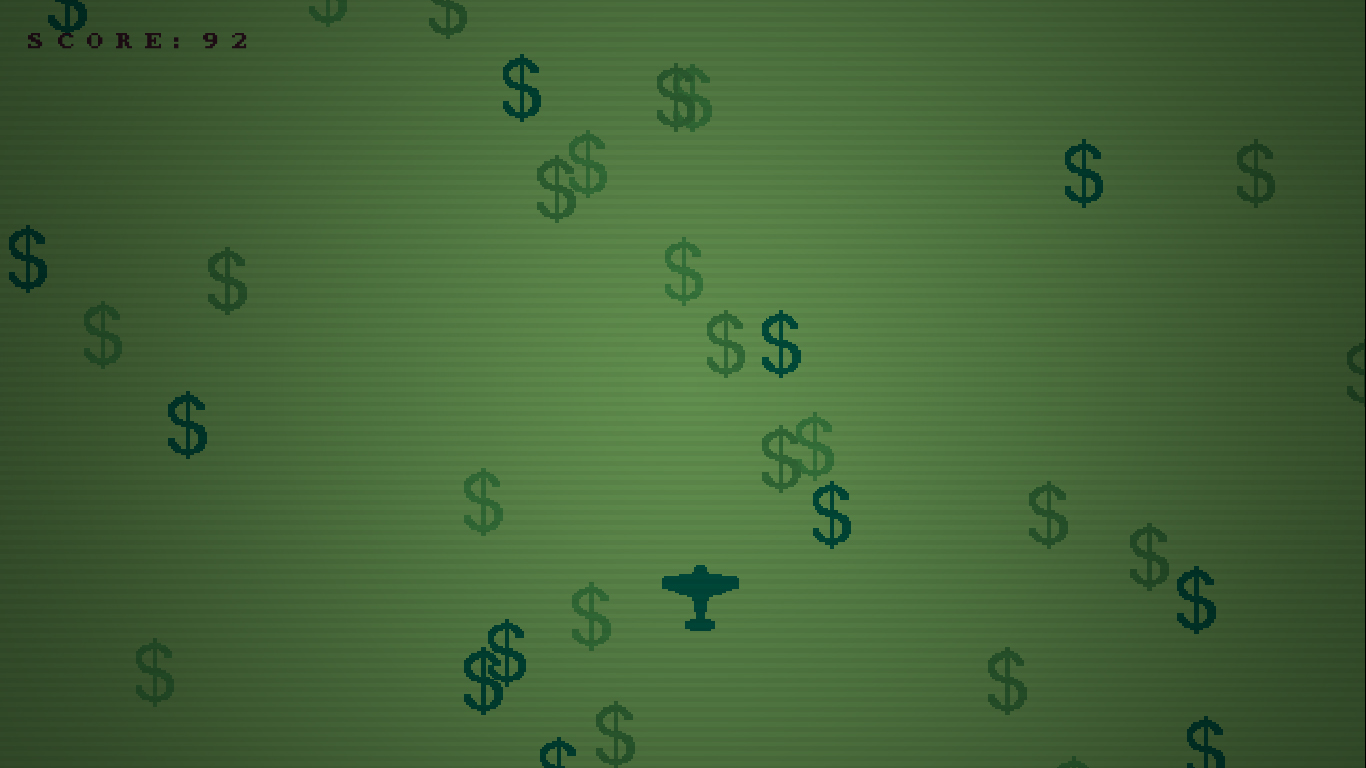
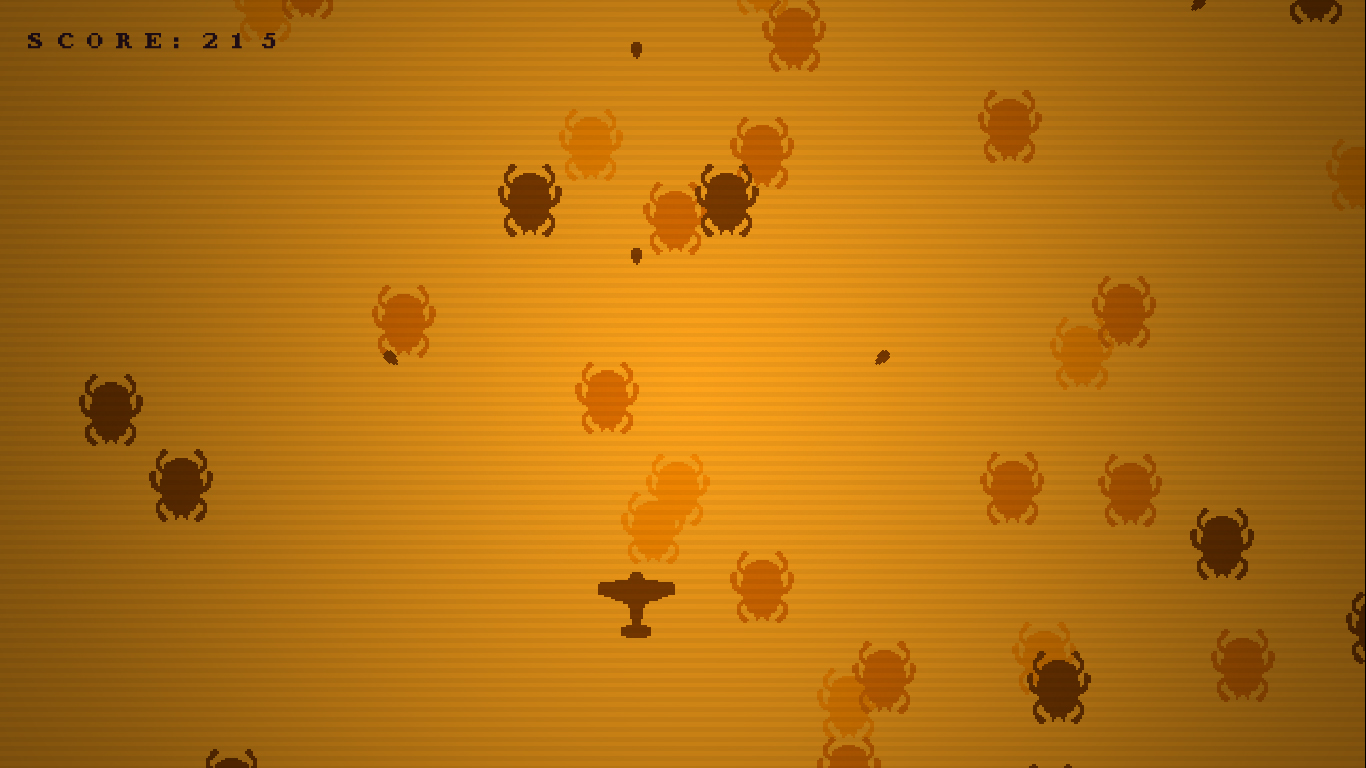
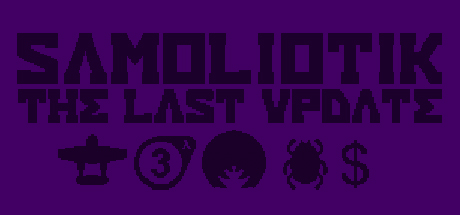
SAMOLIOTIK is a frenetic, arcade-driven shoot-’em-up that proudly embraces chaos, speed, and sensory overload as core parts of its identity. Developed by Volens Nolens Games with contributions credited to Nikita P. and Chiril G., and published by Volens Nolens Games, the title feels like a love letter to classic arcade shooters filtered through a surreal, slightly unhinged indie lens. Rather than modernizing the genre with heavy systems or narrative layers, SAMOLIOTIK focuses on delivering constant action, rapid escalation, and a sense of barely controlled mayhem that keeps players locked into the moment. At its heart, the game follows a traditional top-down shooter structure. You control a craft navigating enclosed arenas filled with swarming enemies, dodging dense projectile patterns while firing continuously to survive increasingly aggressive waves. The basic mechanics are immediately understandable, but the game wastes no time ramping up the pressure. Enemies flood the screen quickly, attack patterns overlap, and safe space becomes scarce, forcing players to rely on sharp reflexes, instinctive movement, and rapid target prioritization rather than careful planning. The experience feels intentionally relentless, designed to overwhelm before it ever allows comfort to settle in. Power-ups play a crucial role in shaping each run. As enemies are destroyed, upgrades appear that can dramatically alter your offensive capabilities or survivability. These enhancements can turn a struggling run into a screen-clearing spectacle, but they also introduce risk, as managing positioning while collecting them becomes more difficult when the screen is already crowded. The constant cycle of destruction, reward, and escalation gives the game a compulsive rhythm, where short moments of dominance are quickly followed by renewed danger. Enemy variety and pacing keep the action from feeling completely uniform. Standard foes arrive in recognizable formations that test movement and spacing, while tougher enemies and minibosses introduce new projectile behaviors and movement patterns that disrupt established rhythms. Boss encounters act as spikes in intensity, often filling the screen with complex attack sequences that require sustained focus. These fights are less about memorization and more about endurance and adaptability, reinforcing the game’s emphasis on reflex over strategy. Visually, SAMOLIOTIK leans into a bold, colorful aesthetic that constantly shifts as you progress. Backgrounds, effects, and enemy designs change frequently, giving the impression of moving through multiple distinct visual themes within a single session. This keeps the experience visually stimulating, but it also contributes to the game’s demanding nature. During peak moments, the screen can become extremely busy, and distinguishing enemies, bullets, and background elements requires sustained concentration. For some players, this visual density heightens excitement; for others, it can verge on overwhelming. The control scheme further emphasizes intensity. With a heavy reliance on mouse movement and continuous firing, the game demands constant physical engagement. This creates a very tactile experience, where precision and speed matter, but it can also become physically taxing during longer sessions. SAMOLIOTIK is clearly designed for short, high-energy play bursts rather than extended marathons, aligning with its arcade roots where endurance is tested as much as skill. Audio design complements the chaos with energetic sound effects and driving music that reinforce the sense of urgency. Weapon fire, explosions, and enemy destruction create a dense soundscape that matches the on-screen action. The soundtrack leans toward intensity rather than melody, pushing momentum forward and keeping adrenaline high. Like the visuals, the audio is designed to immerse rather than soothe, contributing to an experience that feels constantly on edge. There is little emphasis on story or narrative context. Any thematic elements or naming conventions often feel surreal, humorous, or deliberately nonsensical, reinforcing the idea that SAMOLIOTIK is about sensation rather than meaning. This lack of narrative focus won’t appeal to players looking for lore or progression arcs, but it suits the game’s design philosophy, which prioritizes moment-to-moment excitement above all else. Replay value is rooted almost entirely in mastery. There are no deep progression systems, unlock trees, or narrative branches to chase. Instead, improvement comes from learning enemy behaviors, surviving longer, scoring higher, and becoming more comfortable navigating chaos. This approach mirrors classic arcade design, where the primary reward is personal improvement rather than content completion. Players who enjoy chasing high scores or testing their limits will find satisfaction here, while others may find the lack of long-term structure limiting. Community reception reflects this focused appeal. Many players praise the game’s energy, nostalgic arcade feel, and unapologetic intensity, appreciating it as a pure expression of the shoot-’em-up genre. Criticism tends to focus on its visual overload, physical demands, and narrow scope rather than any fundamental flaws in execution. Expectations play a major role in enjoyment, as SAMOLIOTIK delivers exactly what it promises but little beyond that. In the end, SAMOLIOTIK stands as a raw, energetic indie shooter that prioritizes speed, chaos, and reflex-driven gameplay over polish or accessibility. It doesn’t attempt to broaden the genre or make compromises for wider appeal, instead committing fully to an intense arcade experience that rewards focus and resilience. For fans of old-school shoot-’em-ups who crave relentless action and are comfortable navigating visual and mechanical overload, it offers a concentrated burst of adrenaline that stays true to its roots. Rating: 8/10
Expand the review