
CBT With Yuuka Kazami
Cognitive Behavioral Therapy, also known as CBT, is the use of evidence based strategies to help manage symptoms of poor mental health problems such as stress, anxiety and depression. Yuuka Kazami from the Touhou Project invites you to some mostly peaceful lessons where you grasp the basics of CBT!
Sync your Steam wishlist to find the lowest game prices instantly. No login required, just paste your Steam profile URL!
⚡ Try Wishlist Radar!
Sync your Steam wishlist to find the lowest game prices instantly. No login required!
⚡ Try Wishlist Radar!
Close

Save Me, Sakuya-san! on Steam
Quick menu
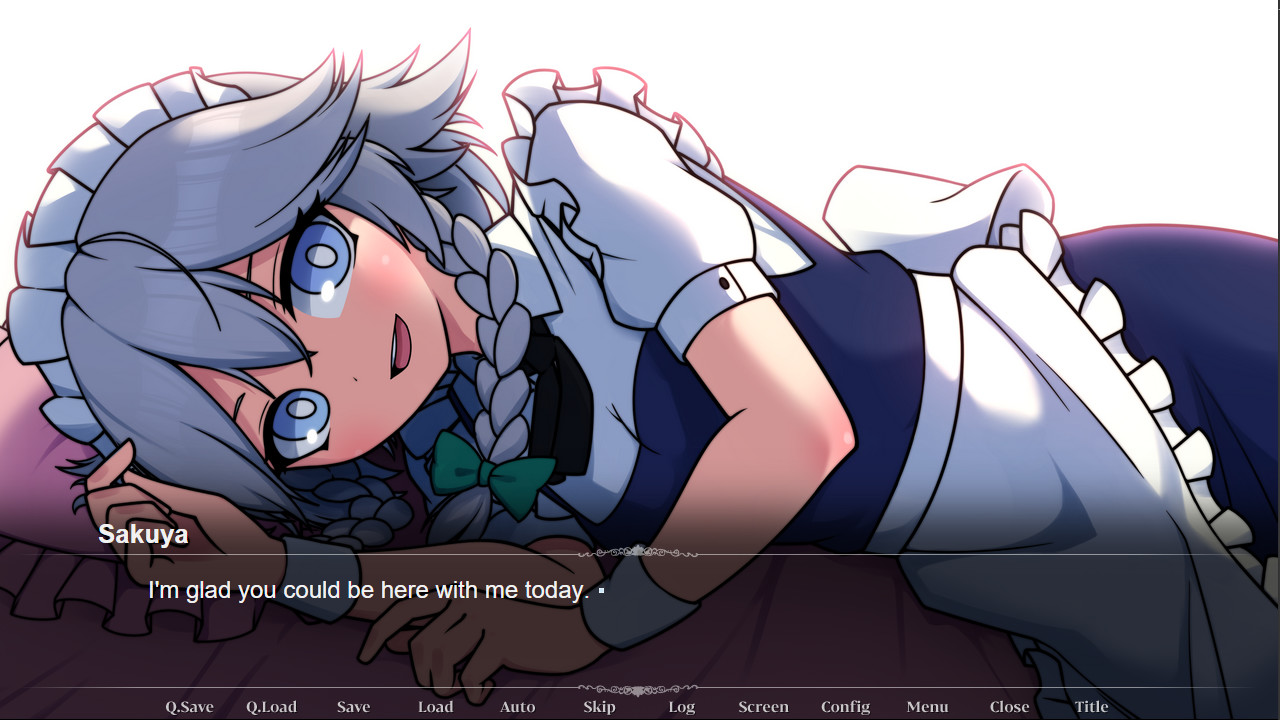
She's here to help! Let Sakuya Izayoi from the Touhou Project comfort you after encountering some hardships in this beautiful visual novel that aims to heal your troubles away!
Save Me, Sakuya-san! is a anime, casual and visual novel game
developed and published by Sigyaad Team.
Released on June 02nd 2021 is available only on Windows
in 5 languages: English, Japanese, Korean, Portuguese - Brazil and Simplified Chinese.
It has received 792 reviews of which 768 were positive and 24 were negative resulting in an impressive rating of 9.1 out of 10. 😍
The game is currently priced at 2.99€ on Steam.
The Steam community has classified Save Me, Sakuya-san! into these genres:
Anime
Casual
Visual Novel
Singleplayer
Short
Story Rich
2D
Cute
Colorful
Emotional
Atmospheric
First-Person
Relaxing
Faith
Psychological Horror
Here is the detailed breakdown of supported languages for Save Me, Sakuya-san!:
| UI | Subtitle | Audio | |
|---|---|---|---|
| English | |||
| Korean | |||
| Simplified Chinese | |||
| Japanese | |||
| Portuguese - Brazil |
Media & Screenshots
Get an in-depth look at Save Me, Sakuya-san! through various videos and screenshots.


System requirements
These are the minimum specifications needed to play the game. For the best experience, we recommend that you verify them.
Windows
- OS *: Windows 7/8/10
- Processor: Dual Core CPU
- Graphics: Integrated Graphics Card
- Storage: 300 MB available space
Steam Price & Best Deals
User reviews & Ratings
Explore reviews from Steam users sharing their experiences and what they love about the game.
An interesting short novella with Sakuya (takes literally like 10-20 minutes to complete), especially good if you're struggling in life and looking for some sort of support, it's better than any therapist, and for a pretty low price. However, the ending left me with somewhat mixed feelings. The whole scene in the pool is strange tbh. For some reason, she suddenly asks for a kiss, which doesn't happen, and then starts drowning us. If there weren't DLC, I would have assumed that the protagonist, the player, was actually killed by her, and the ending is his deathbed dream. This is by far the only thing that bothered me about the game, but it doesn't really affect overall rating. There's also even shorter DLC about Remilia with a minigame and an addition to the story; buy it if you want to read books with Patchouli. Sakuya is love, Sakuya is life.
Save Me, Sakuya-san! is a short narrative-driven visual novel developed and published by Sigyaad Team that focuses on emotional support, personal recovery, and meaningful human connection. While many visual novels rely on elaborate branching narratives, dramatic conflicts, or large casts of characters, this title takes a far more intimate approach. Its story centers on a struggling individual and an unexpected encounter with Sakuya Izayoi, a familiar character from the Touhou Project universe. Through a series of heartfelt conversations and reflective moments, the game explores themes of loneliness, self-worth, and finding reasons to continue moving forward during difficult times. The narrative begins from a place of emotional vulnerability. The protagonist is overwhelmed by negative thoughts and personal struggles, finding it increasingly difficult to cope with life's challenges. At this low point, Sakuya appears and becomes a source of comfort and guidance. Rather than presenting a grand adventure or a complex mystery, the story focuses on the gradual process of emotional healing. The game's strength lies in its willingness to slow down and allow conversations to carry the experience, creating a story that feels personal and sincere. One of the most impressive aspects of the game is its tone. From beginning to end, Save Me, Sakuya-san! maintains a gentle and compassionate atmosphere. The writing avoids excessive melodrama and instead emphasizes understanding, patience, and encouragement. This approach makes the emotional moments feel authentic rather than manipulative. Players are not simply observing a story unfold; they are invited to reflect on the feelings and ideas being discussed throughout the narrative. Sakuya serves as the emotional anchor of the experience. Her role extends beyond that of a familiar fan-favorite character, becoming a source of reassurance and positivity for the protagonist. She is portrayed with warmth and empathy while retaining the personality traits that fans of the Touhou series have come to appreciate. Her interactions feel natural, and the chemistry between the two central characters forms the heart of the story. Even players unfamiliar with Touhou can understand her significance because the game establishes her role clearly and effectively. The writing handles sensitive subject matter with notable care. Themes involving depression, emotional isolation, and personal hardship are presented respectfully and thoughtfully. Rather than focusing on despair, the narrative concentrates on hope and recovery. The message is not that problems disappear instantly, but that support, understanding, and perseverance can make a meaningful difference. This perspective gives the game an uplifting quality that resonates long after the story concludes. Visually, the game delivers a polished presentation that exceeds expectations for a relatively short project. Character artwork is expressive and attractive, helping convey emotions that words alone might struggle to communicate. Backgrounds are detailed and atmospheric, creating a comfortable environment that complements the story's themes. The visual design consistently reinforces the emotional tone, making every scene feel purposeful and cohesive. The soundtrack is another important component of the experience. Soft, melodic compositions accompany the narrative and help establish a calm, reflective mood. The music never overwhelms the dialogue, instead working quietly in the background to strengthen emotional moments. This careful use of sound contributes significantly to the game's overall atmosphere and helps immerse players in the story. Accessibility is one of the title's greatest strengths. As a visual novel, the gameplay is straightforward and easy to understand. Players primarily read dialogue and progress through the narrative without needing to learn complicated mechanics. This simplicity ensures that the focus remains entirely on the story and its emotional themes. It also makes the game approachable for newcomers who may have little experience with the genre. The relatively short runtime works both for and against the game. On one hand, the concise structure allows the narrative to remain focused and avoids unnecessary filler. Every scene contributes directly to the story's central message. On the other hand, some players may wish for additional character development or a longer exploration of the themes presented. The emotional core is effective, but there is certainly room for a more expansive narrative. Despite its limited length, the game succeeds because it remains committed to its purpose. It is not attempting to deliver a sprawling epic or a complicated romance. Instead, it focuses on providing a meaningful and emotionally supportive experience. The sincerity of its writing and the strength of its central relationship help it accomplish this goal remarkably well. What ultimately makes Save Me, Sakuya-san! memorable is its honesty. The game approaches difficult emotional topics with compassion and optimism, offering a story that feels comforting without becoming simplistic. Through strong character interactions, appealing visuals, and thoughtful storytelling, it creates an experience that is capable of connecting with players on a personal level. For fans of visual novels, character-driven stories, and emotional narratives, Save Me, Sakuya-san! is a worthwhile experience. Its modest scope never prevents it from delivering a powerful message, and its heartfelt approach to themes of hope and recovery helps it stand out among many larger productions. Though brief, it leaves a lasting impression and demonstrates how effective storytelling can emerge from even the simplest of premises. Rating: 9/10
Similar games
View all
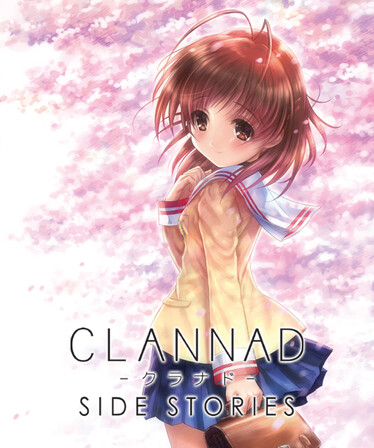
CLANNAD Side Stories
Delve further into the world of CLANNAD and experience the stories beyond the original visual novel adventure. Known as CLANNAD Hikari Mimamoru Sakamichi de in Japan, This Steam version features high resolution assets and is translated into English for the very first time.
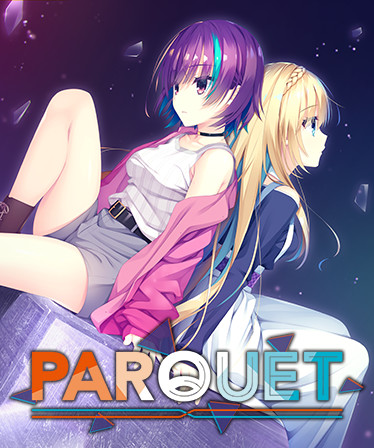
PARQUET
In the near future, a technology called Brain-Machine Interface connects the brain and machines. This technology brings about a new paradigm and opens the gates to the digitization of human memory itself. From these new discoveries, "he" is born.
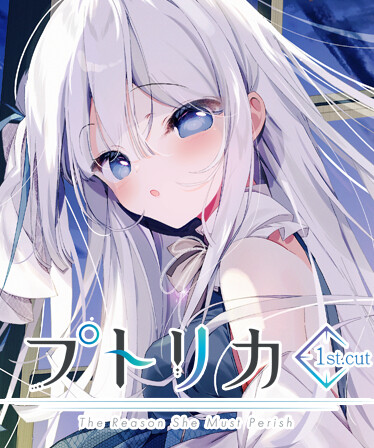
Putrika 1st.cut:The Reason She Must Perish
"Even though I knew this love was forbidden..." While the tragedy is being told, the girl's true love is revealed! Enjoy this crazy pure love drama with beautiful visuals and cute characters!
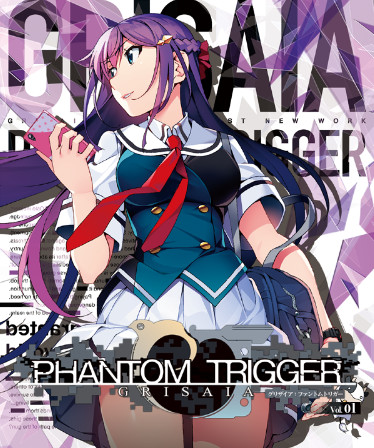
Grisaia Phantom Trigger Vol.1
"Grisaia: Phantom Trigger" is a visual novel, specifically a kinetic novel (without branching routes). Returning character artist Akio Watanabe and writer Ryuta Fujisaki bring you the latest installment in the acclaimed Grisaia series.
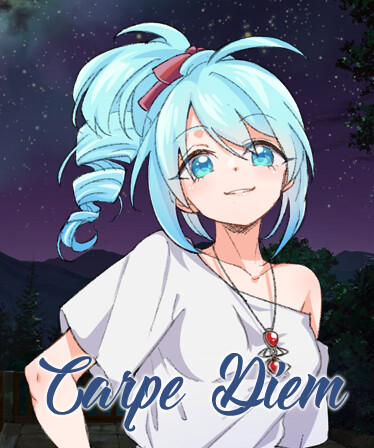
Carpe Diem
Seize the day

Mhakna Gramura and Fairy Bell
Written in the style of a children’s book, Mhakna Gramura and Fairy Bell is a Cinematic Novel about two children named Mhakna and Sebiarno that escape the wretched Mullbear Orphanage with the help of a Fairy named Bell, who promises eternal happiness as long as they agree to never grow up.
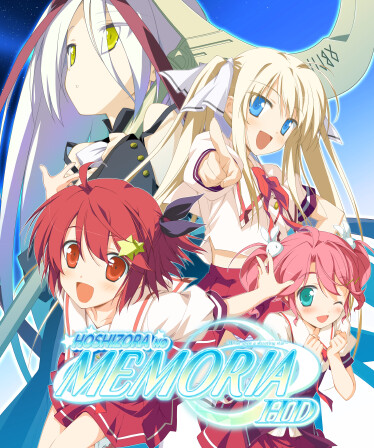
Hoshizora no Memoria -Wish upon a Shooting Star- HD
A Japanese love adventure game, as you follow the story of Kogasaka You, his hometown and a promise he made.
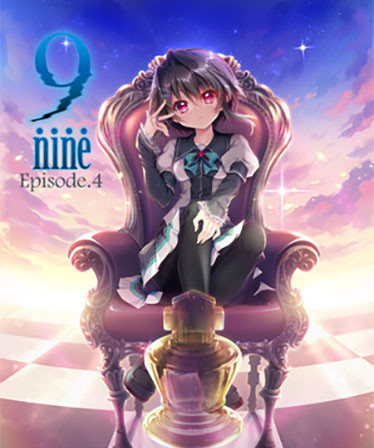
9-nine-:Episode 4
Kakeru and his friends uncover the identity of the mastermind behind the incidents in Shiromitsugawa as the story shifts to focus on Noa Yuuki, a girl with a strong sense of justice. What secrets will they uncover about the Artifacts and the bonds that ties them all together?
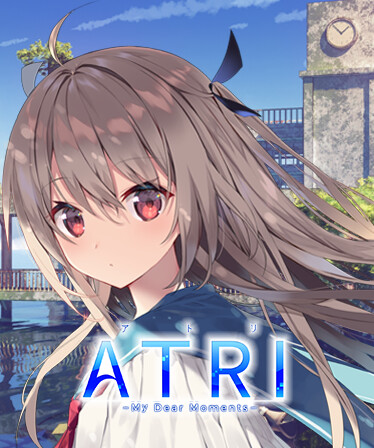
ATRI -My Dear Moments-
"As the world sank, I found you." In the near future, a sudden and unexplained sea rise has left much of human civilization underwater. In a little town slowly being enveloped by the ocean, an unforgettable summer is about to begin for a boy and a mysterious robot girl...
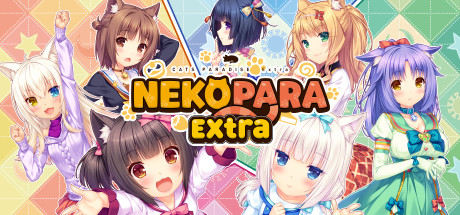
NEKOPARA Extra
About half a year before the opening of the patisserie, La Soleil where the catgirls work with Kashou. Back when Chocola and Vanilla were still kittens when they first arrived at the Minaduki household and before they opened up to the other catgirls.
Frequently Asked Questions
Save Me, Sakuya-san! is currently priced at 2.99€ on Steam.
No, Save Me, Sakuya-san! is currently not on sale. You can purchase it for 2.99€ on Steam.
Yes, Save Me, Sakuya-san! received 768 positive votes out of a total of 792 achieving an impressive rating of 9.07.
😍
Save Me, Sakuya-san! was developed and published by Sigyaad Team.
Yes, Save Me, Sakuya-san! is playable and fully supported on Windows.
No, Save Me, Sakuya-san! is not playable on MacOS.
No, Save Me, Sakuya-san! is not playable on Linux.
This information about Save Me, Sakuya-san! is not available yet.
This information about Save Me, Sakuya-san! is not available yet.
No, Save Me, Sakuya-san! does not support VR.
Save Me, Sakuya-san! is a single-player game.
Yes, there is a DLC available for Save Me, Sakuya-san!. Explore additional content available for Save Me, Sakuya-san! on Steam.
No, Save Me, Sakuya-san! does not support mods via Steam Workshop.
No, Save Me, Sakuya-san! does not support Steam Remote Play.
Yes, Save Me, Sakuya-san! is enabled for Steam Family Sharing. This means you can share the game with authorized users from your Steam Library, allowing them to play it on their own accounts. For more details on how the feature works, you can read the original Steam Family Sharing announcement or visit the Steam Family Sharing user guide and FAQ page.
You can find solutions or submit a support ticket by visiting the Steam Support page for Save Me, Sakuya-san!.
Data sources
The information presented on this page is sourced from reliable APIs to ensure accuracy and relevance. We utilize the Steam API to gather data on game details, including titles, descriptions, prices, and user reviews. This allows us to provide you with the most up-to-date information directly from the Steam platform.
Additionally, we incorporate data from the SteamSpy API, which offers insights into game sales and player statistics. This helps us present a comprehensive view of each game's popularity and performance within the gaming community.
Last Updates| Steam data | 09 October 2026 16:50 UTC |
|---|---|
| SteamSpy data | 17 October 2026 07:02 UTC |
| Steam price | 27 October 2026 14:43 UTC |
| Steam reviews | 19 October 2026 17:50 UTC |
If you'd like to dive deeper into the details about Save Me, Sakuya-san!, we invite you to check out a few dedicated websites that offer extensive information and insights. These platforms provide valuable data, analysis, and user-generated reports to enhance your understanding of the game and its performance.
- SteamDB - A comprehensive database of everything on Steam about Save Me, Sakuya-san!
- SteamCharts - Analysis of Save Me, Sakuya-san! concurrent players on Steam
- ProtonDB - Crowdsourced reports on Linux and Steam Deck Save Me, Sakuya-san! compatibility

Game modes
Features
Online players
0
Developer
Sigyaad Team
Publisher
Sigyaad Team
Release
02 Jun 2021
Platforms