
LineWay
Can you draw a line?
Sync your Steam wishlist to find the lowest game prices instantly. No login required, just paste your Steam profile URL!
⚡ Try Wishlist Radar!
Sync your Steam wishlist to find the lowest game prices instantly. No login required!
⚡ Try Wishlist Radar!
Close

Scalak on Steam
Quick menu
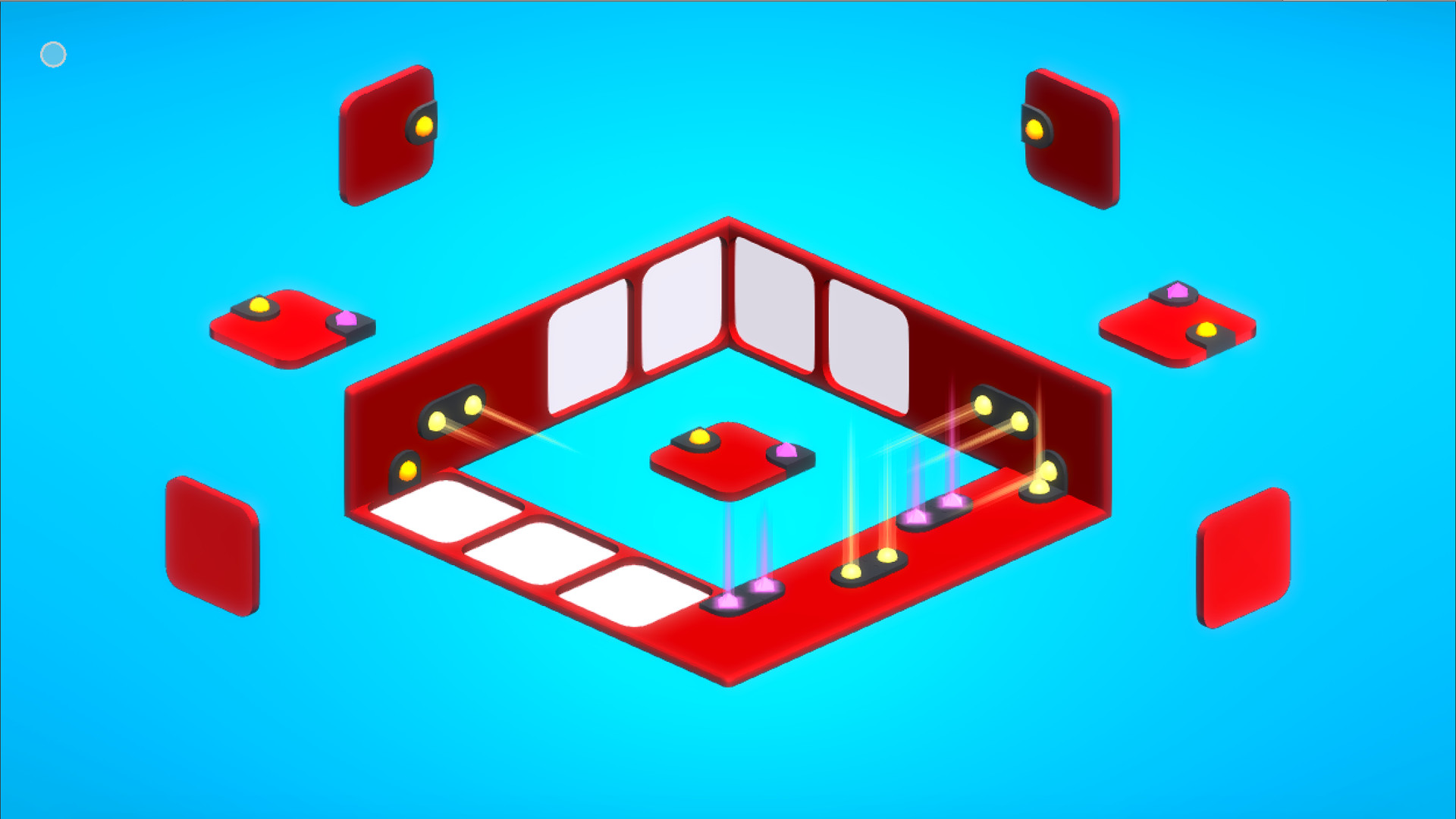
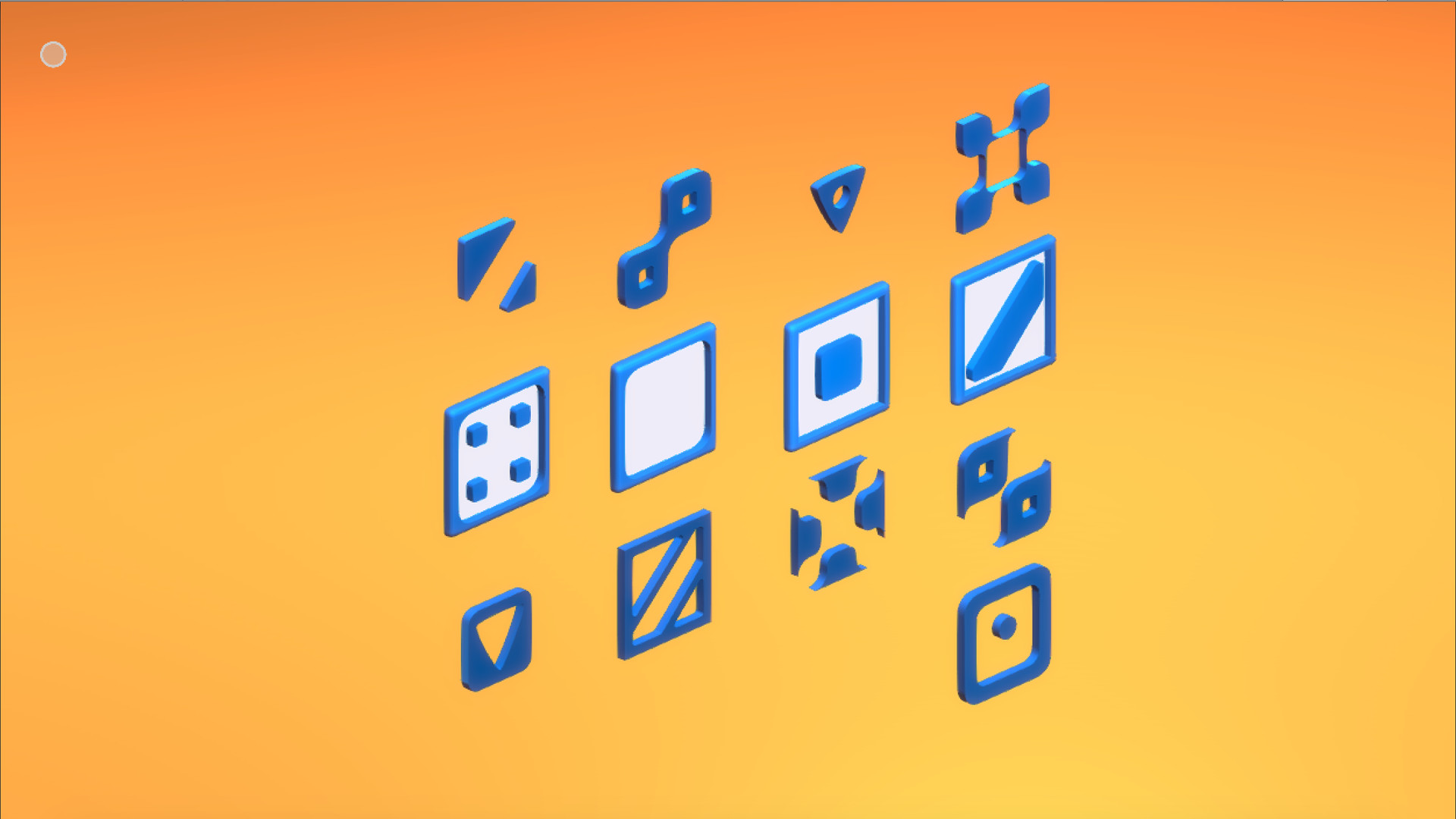
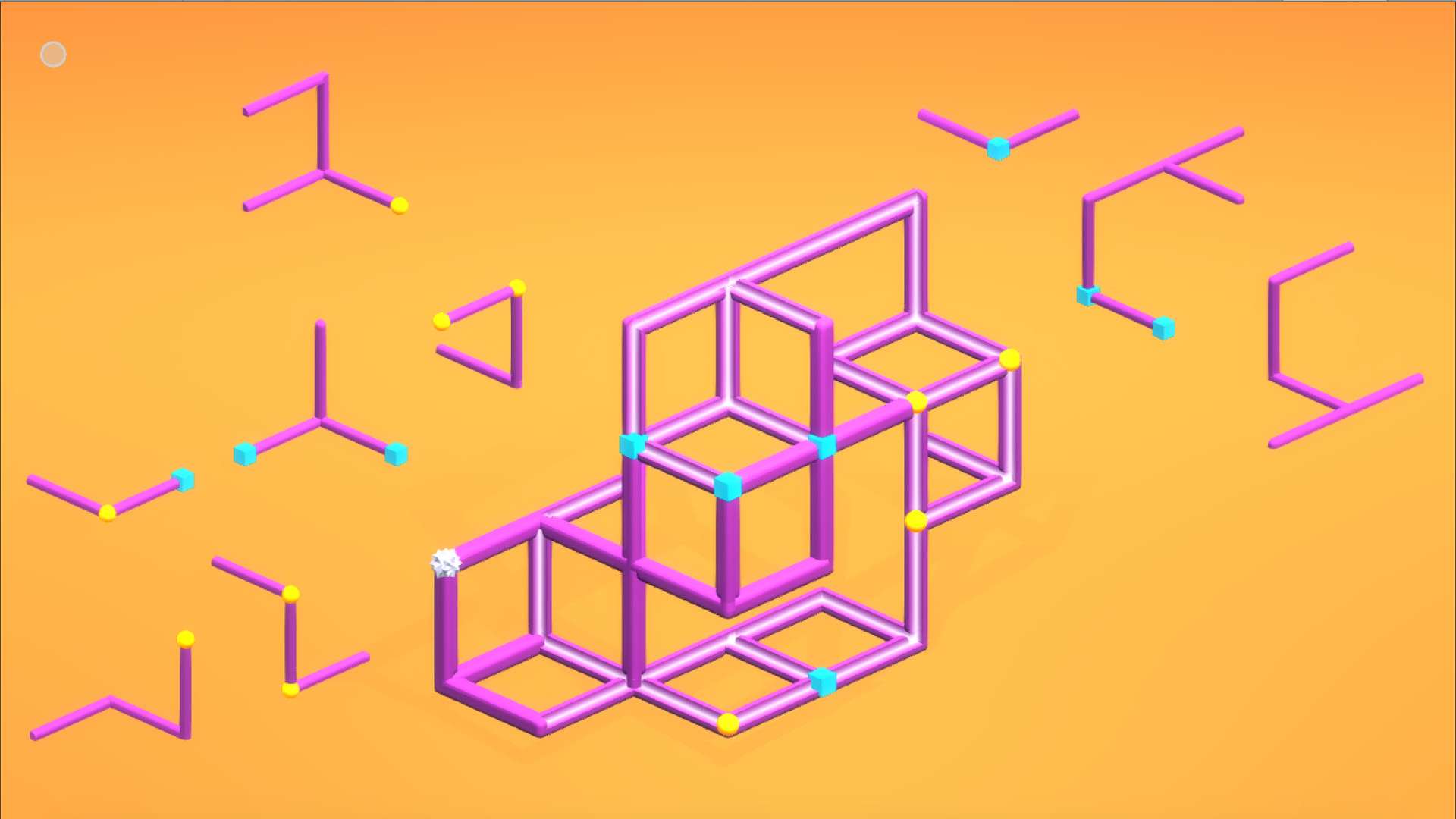
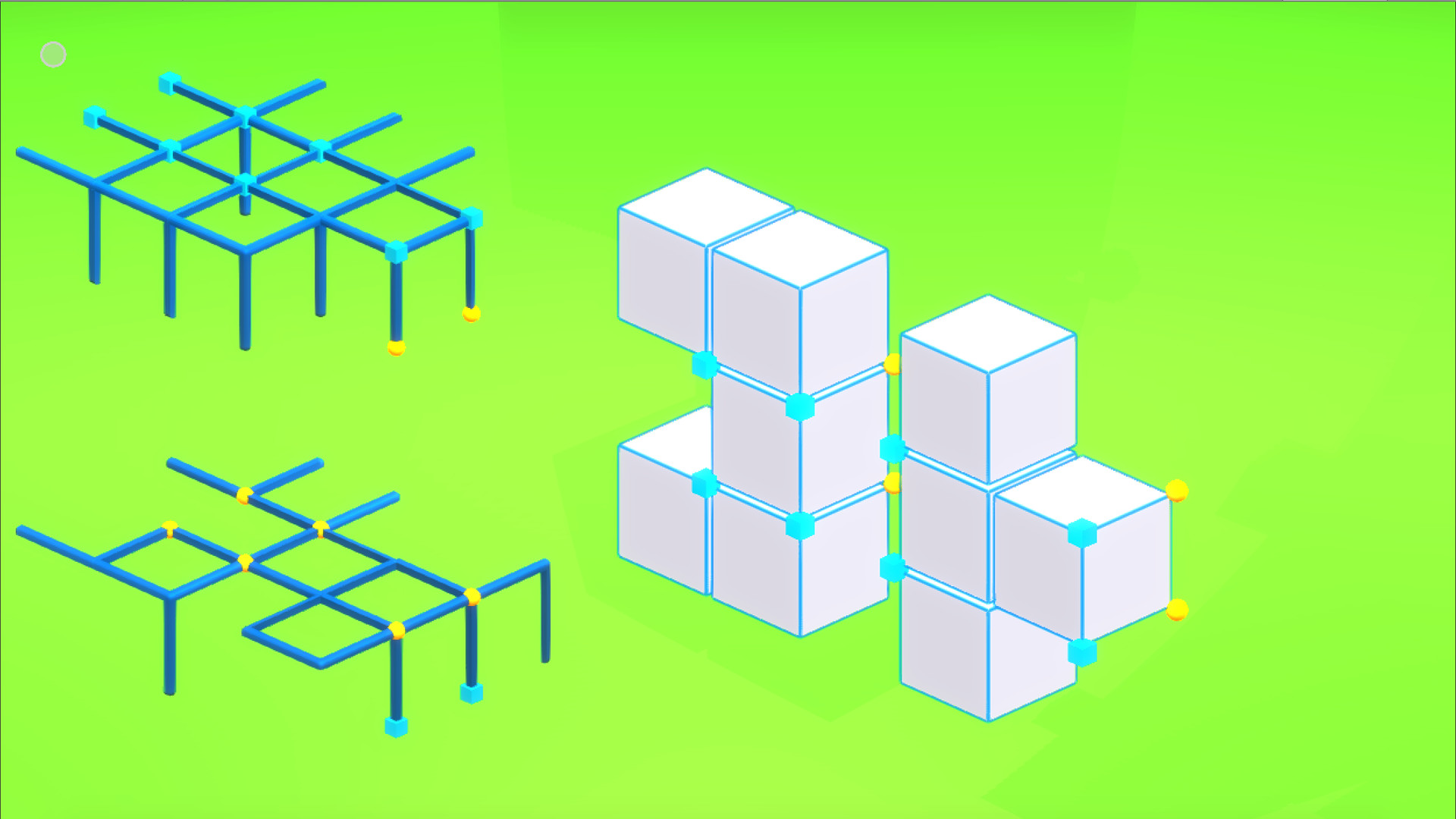
Fulfilling puzzle game.
Scalak is a casual, indie and puzzle game
developed and published by Hamster On Coke Games.
Released on May 22nd 2018 is available on Windows, MacOS, Linux, Steam Deck and Steam Machine
in 27 languages: English, French, Italian, German, Spanish - Spain, Arabic, Bulgarian, Traditional Chinese, Simplified Chinese, Czech, Danish, Finnish, Greek, Dutch, Japanese, Korean, Norwegian, Polish, Portuguese - Portugal, Portuguese - Brazil, Russian, Romanian, Swedish, Thai, Turkish, Ukrainian and Hungarian.
It has received 1,053 reviews of which 1,011 were positive and 42 were negative resulting in an impressive rating of 9.0 out of 10. 😍
The game is currently priced at 2.99€ on Steam.
The Steam community has classified Scalak into these genres:
Here is the detailed breakdown of supported languages for Scalak:
| UI | Subtitle | Audio | |
|---|---|---|---|
| English | |||
| German | |||
| French | |||
| Italian | |||
| Korean | |||
| Spanish - Spain | |||
| Simplified Chinese | |||
| Traditional Chinese | |||
| Russian | |||
| Thai | |||
| Japanese | |||
| Portuguese - Portugal | |||
| Polish | |||
| Danish | |||
| Dutch | |||
| Finnish | |||
| Norwegian | |||
| Swedish | |||
| Hungarian | |||
| Czech | |||
| Romanian | |||
| Turkish | |||
| Portuguese - Brazil | |||
| Bulgarian | |||
| Greek | |||
| Arabic | |||
| Ukrainian |
Media & Screenshots
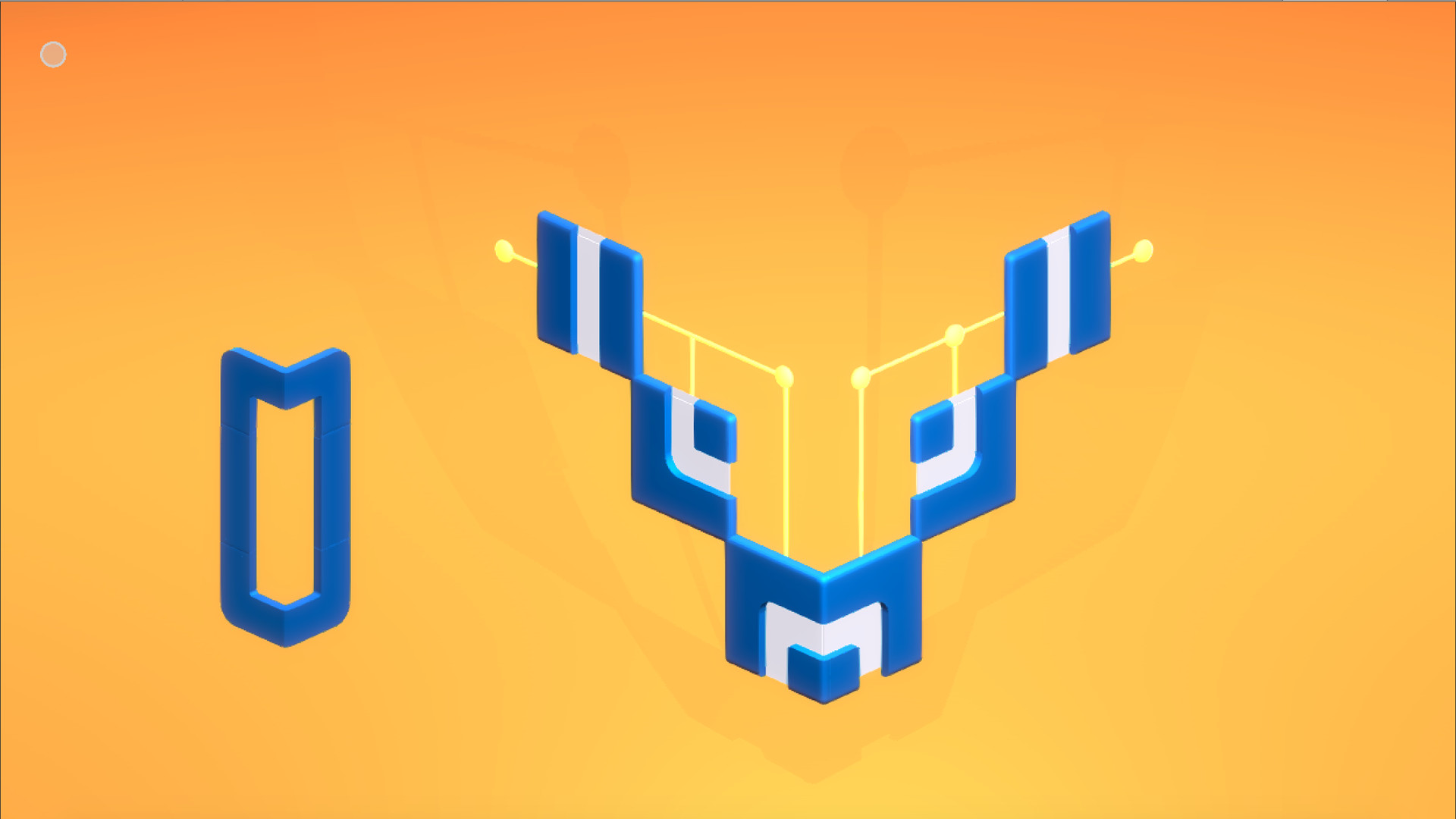
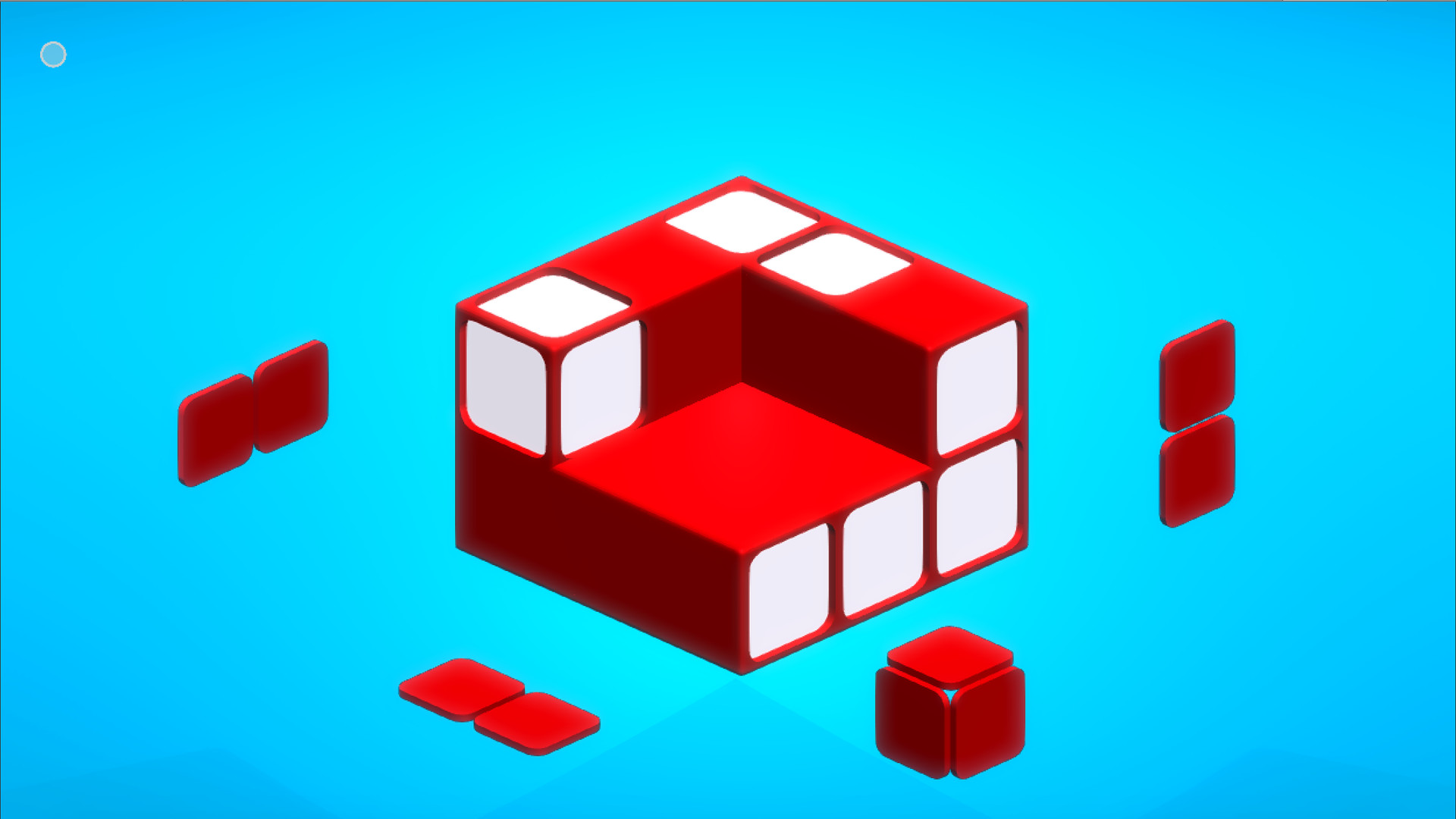
Get an in-depth look at Scalak through various videos and screenshots.
Load More

System requirements
These are the minimum specifications needed to play the game. For the best experience, we recommend that you verify them.
Windows
- OS *: Windows 7
- Processor: i3
- Memory: 1 GB RAM
- Graphics: Intel Iris
MacOS
- OS: OS X
- Processor: i3
- Memory: 1 GB RAM
- Graphics: Intel Iris
Linux
- OS: Linux
- Processor: i3
- Memory: 1 GB RAM
- Graphics: Intel Iris
Steam Price & Best Deals
User reviews & Ratings
Explore reviews from Steam users sharing their experiences and what they love about the game.
Have you ever played a game that makes you cry? Not because its emotional, but because you know you'll never experience anything like it again? That is Scalak. I don't play a lot of puzzle games, but this one felt special, because It really felt like every level was made out of pure love and care. Every new mechanic is introduced in a slow and gentle way, and then eventually brought together with later mechanics. The final levels made me love this game even more, as they combined everything shown throughout in a way that never felt too easy or too complicated. (Oh, and the last level in both the Base and Bonus Game were the things that tugged on my heartstrings hard.)
Good game! You start with a few different zones where you explore different themes as you learn the different mechanics, all of which revolve around moving objects to fill empty spaces up properly. It gets more challenging in just the right amount as it goes. One complaint: some levels are more about finding certain properties in a big, chaotic, hard-to-search field than solving logical challenges. There were also some levels where the graphics were bugged when they first loaded; I had to restart the level using the in-game UI to get those to work. The dev might fix this if I bring it up, but it's kind of an old game by now, so who knows? Anyway, restarting the levels was no big deal.
Similar games
View all

Three Digits
Three Digits is the sequel to our first game Two Digits. You are given 14 numbers less than 1000, and all you have to do is to choose two subsets with the same sum.
Critical Mass
Critical Mass is an action puzzle game that takes traditional match 3 and brings it into the world of 3D.

Zen Bound 2
Wrap your way to bliss in Zen Bound 2, the unique down-tempo indie game! This is a different gaming experience: an opportunity to slow down, zone out and focus on a task that’s challenging but not stressful, a set of gentle puzzles for the mind and fingers to solve.

CrossCells
CrossCells is an ambient logic puzzle game.

Zen of Sudoku
From the creators of Natural Selection comes Zen of Sudoku, a relaxing, easy to play version of Sudoku for your PC.Relax with hand-painted Japanese-styled backgrounds, no timer and lush natural soundscapes.Stimulates your brain to keep it healthy and alert.


#monstercakes
Pretty simple game combination between 2048 and match-3 settings with awesome monster cakes. Put your monster cake in the good hole and combine them together to get higher monster cake. Combine them as high as you can and be on the top of the leaderboard!


Paint it Back
Use logic as your paintbrush to restore lost works of pixel art. Try the demo!

Puzzle Dimension
Find solutions to 100 unique puzzles and experience the satisfaction of "Aha" moments!
Frequently Asked Questions
Scalak is currently priced at 2.99€ on Steam.
No, Scalak is currently not on sale. You can purchase it for 2.99€ on Steam.
Yes, Scalak received 1,011 positive votes out of a total of 1,053 achieving an impressive rating of 9.04.
😍
Scalak was developed and published by Hamster On Coke Games.
Yes, Scalak is playable and fully supported on Windows.
Yes, Scalak is playable and fully supported on MacOS.
Yes, Scalak is playable and fully supported on Linux.
Yes, Scalak is playable and fully supported on Steam Deck.
Yes, Scalak is playable and fully supported on Steam Machine.
No, Scalak does not support VR.
Scalak is a single-player game.
No, Scalak does not currently offer any DLC.
No, Scalak does not support mods via Steam Workshop.
No, Scalak does not support Steam Remote Play.
Yes, Scalak is enabled for Steam Family Sharing. This means you can share the game with authorized users from your Steam Library, allowing them to play it on their own accounts. For more details on how the feature works, you can read the original Steam Family Sharing announcement or visit the Steam Family Sharing user guide and FAQ page.
You can find solutions or submit a support ticket by visiting the Steam Support page for Scalak.
Data sources
The information presented on this page is sourced from reliable APIs to ensure accuracy and relevance. We utilize the Steam API to gather data on game details, including titles, descriptions, prices, and user reviews. This allows us to provide you with the most up-to-date information directly from the Steam platform.
Additionally, we incorporate data from the SteamSpy API, which offers insights into game sales and player statistics. This helps us present a comprehensive view of each game's popularity and performance within the gaming community.
Last Updates| Steam data | 29 September 2026 04:47 UTC |
|---|---|
| SteamSpy data | 14 October 2026 10:46 UTC |
| Steam price | 26 October 2026 19:23 UTC |
| Steam reviews | 18 October 2026 18:09 UTC |
If you'd like to dive deeper into the details about Scalak, we invite you to check out a few dedicated websites that offer extensive information and insights. These platforms provide valuable data, analysis, and user-generated reports to enhance your understanding of the game and its performance.
- SteamDB - A comprehensive database of everything on Steam about Scalak
- SteamCharts - Analysis of Scalak concurrent players on Steam
- ProtonDB - Crowdsourced reports on Linux and Steam Deck Scalak compatibility

Game modes
Features
Online players
2
Developer
Hamster On Coke Games
Publisher
Hamster On Coke Games
Release
22 May 2018
Platforms