
Shaolin vs Wutang 2
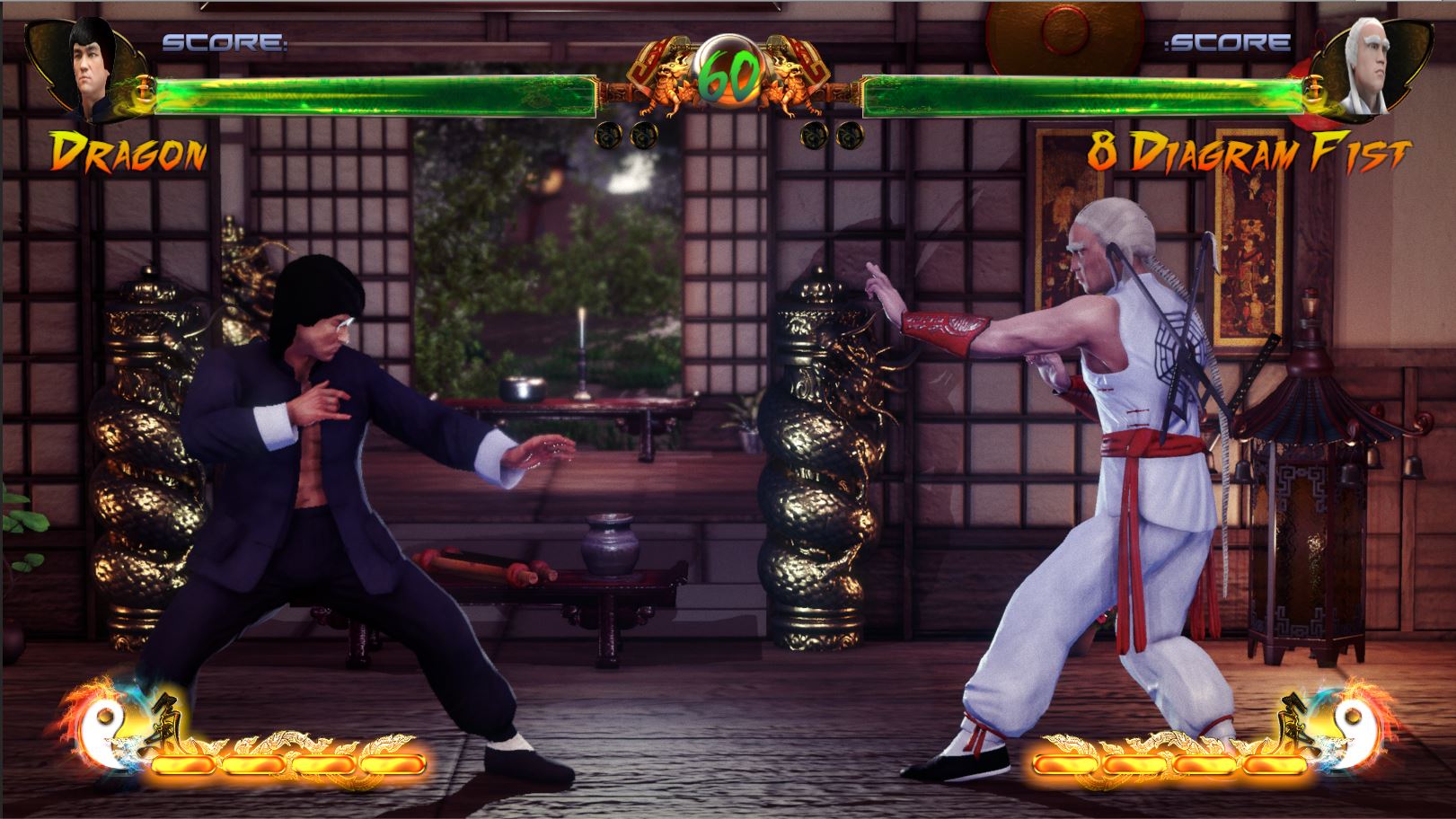
The sequel to Shaolin vs Wutang! Shaolin vs Wutang 2 is a INDIE love letter to Martial Arts and classic Kung Fu films. Made for casual game fans not intended for Hardcore Fighting Game players.
Sync your Steam wishlist to find the lowest game prices instantly. No login required, just paste your Steam profile URL!
⚡ Try Wishlist Radar!
Sync your Steam wishlist to find the lowest game prices instantly. No login required!
⚡ Try Wishlist Radar!
Close

Shaolin vs Wutang on Steam
Quick menu
Shaolin vs Wutang is a INDIE love letter to Martial Arts and classic Kung Fu films. Made for casual game fans not intended for Hardcore Fighting Game players.
Shaolin vs Wutang is a indie, action and casual game
developed by J.Bowman
and published by J..Bowman.
Released on July 26th 2018 is available on Windows, Steam Deck and Steam Machine.
It has received 997 reviews of which 924 were positive and 73 were negative resulting in a rating of 8.7 out of 10. 😎
The game is currently priced at 11.59€ on Steam.
The Steam community has classified Shaolin vs Wutang into these genres:
Media & Screenshots
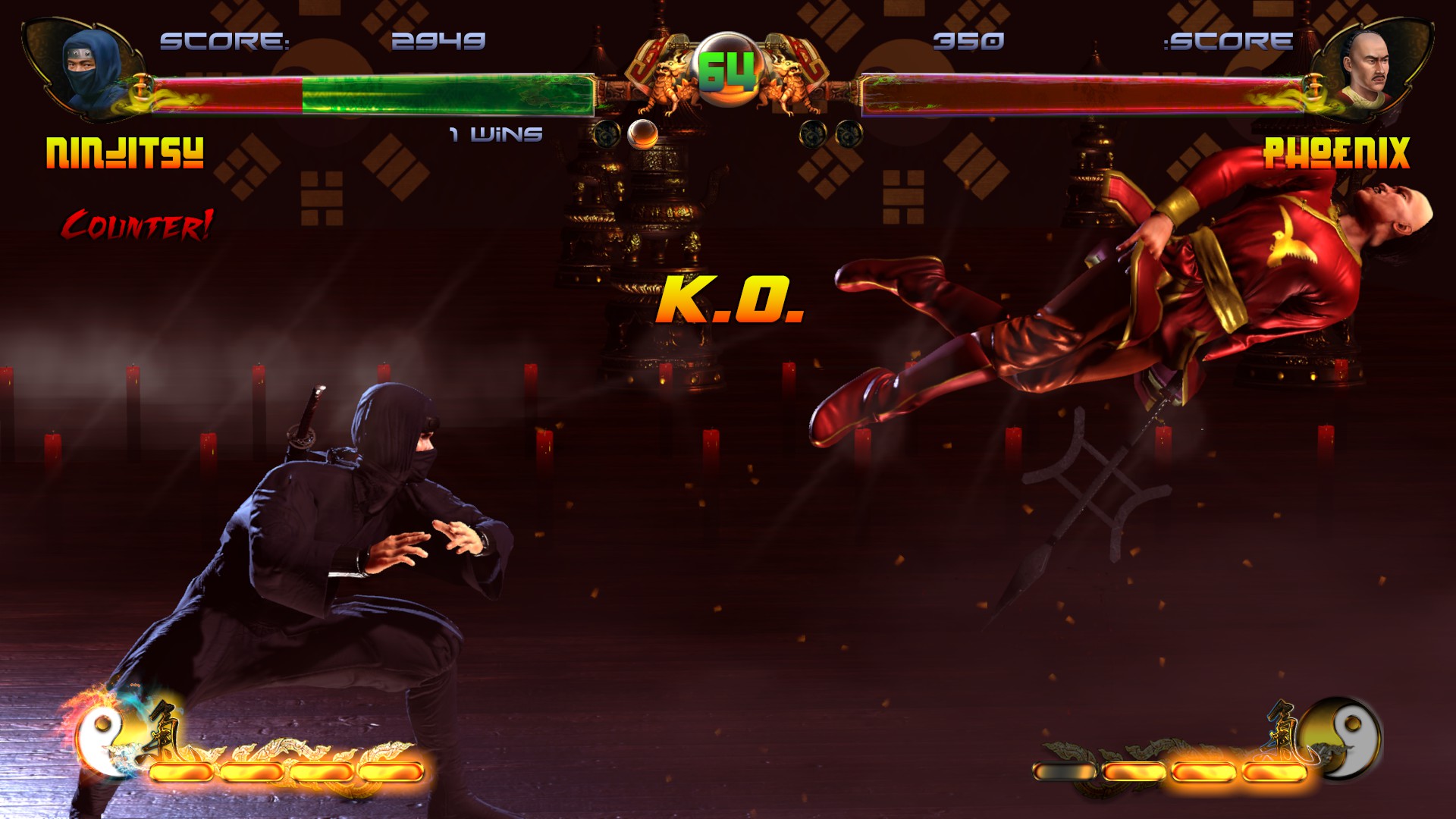
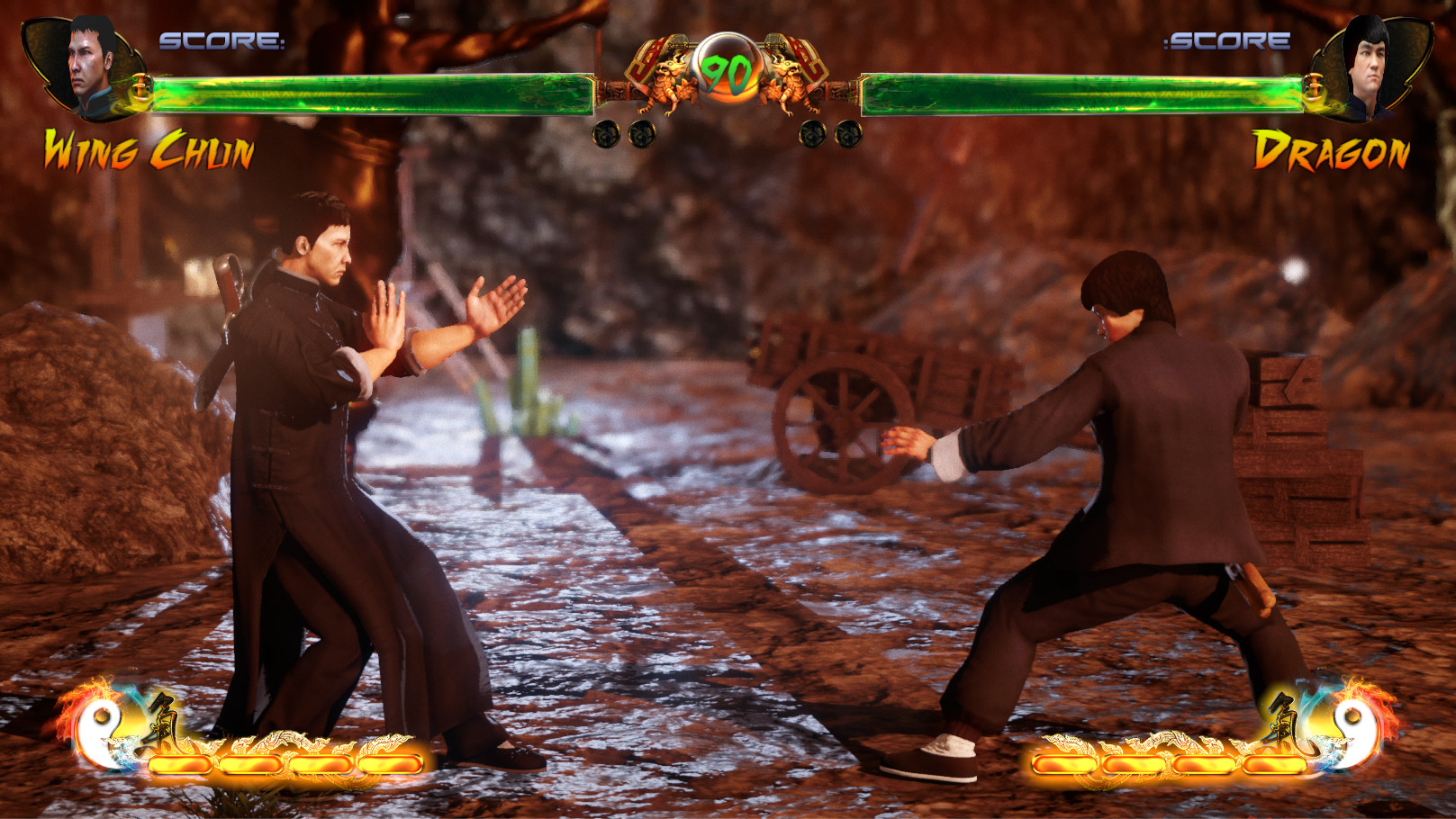
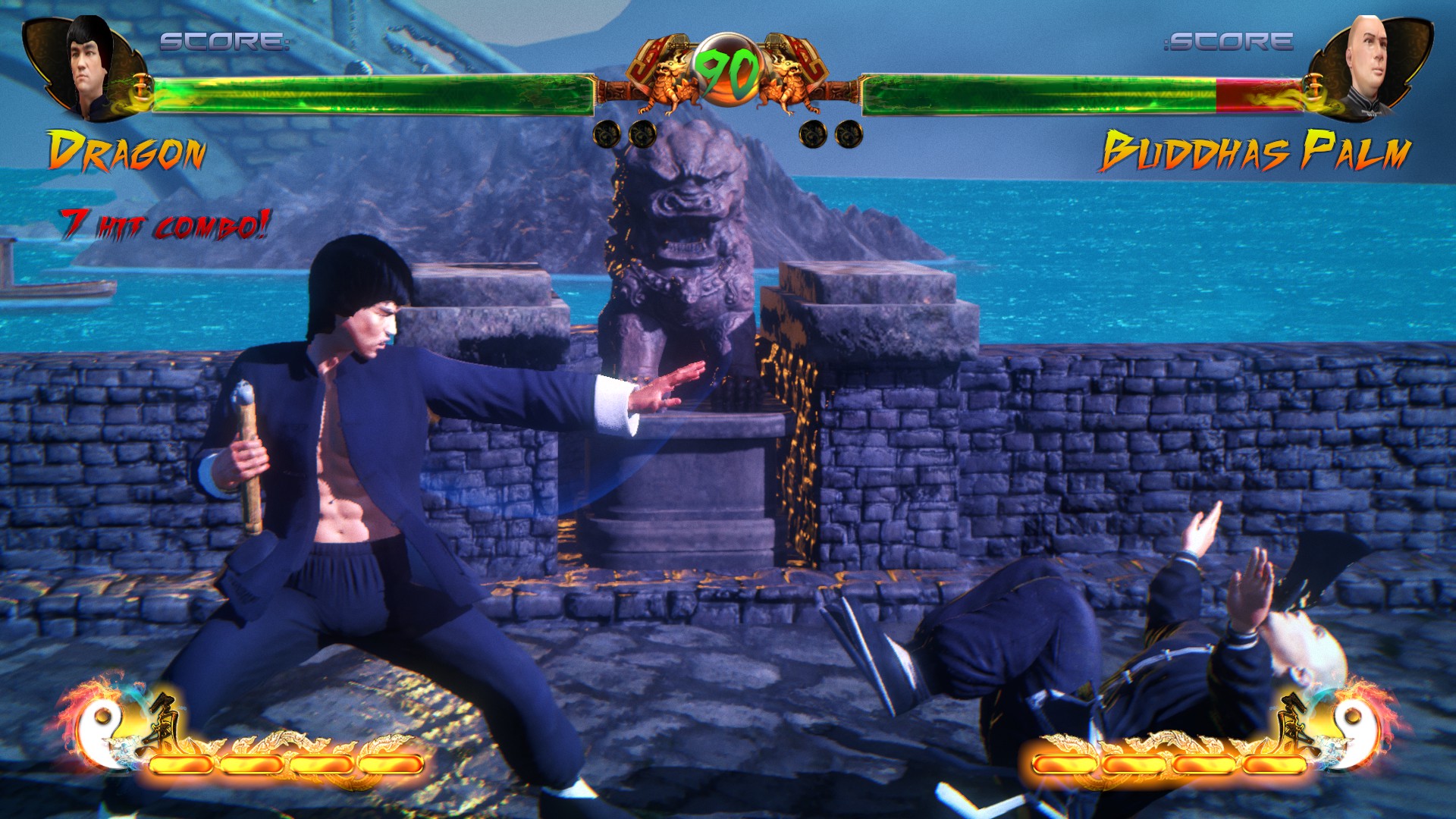
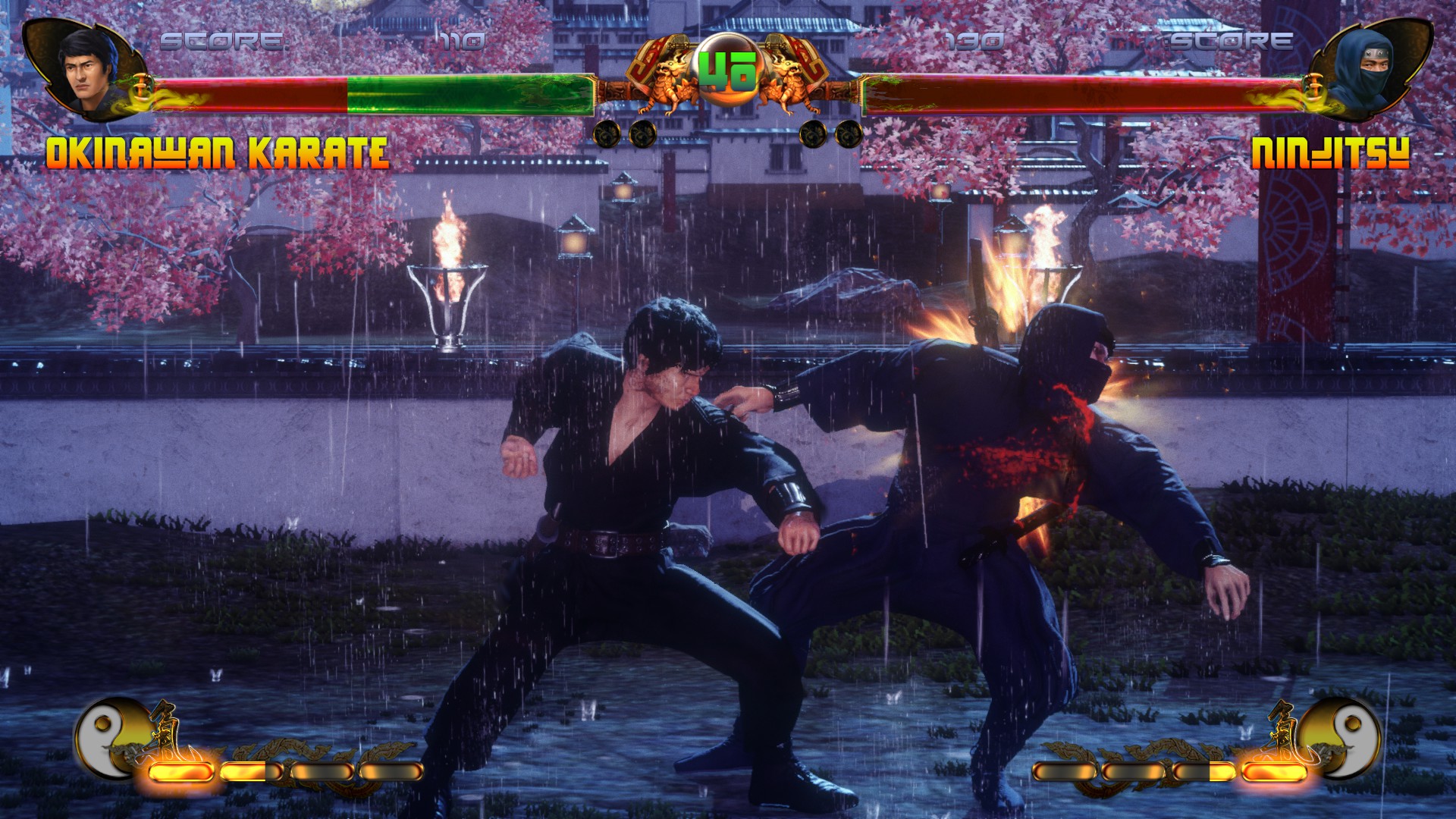
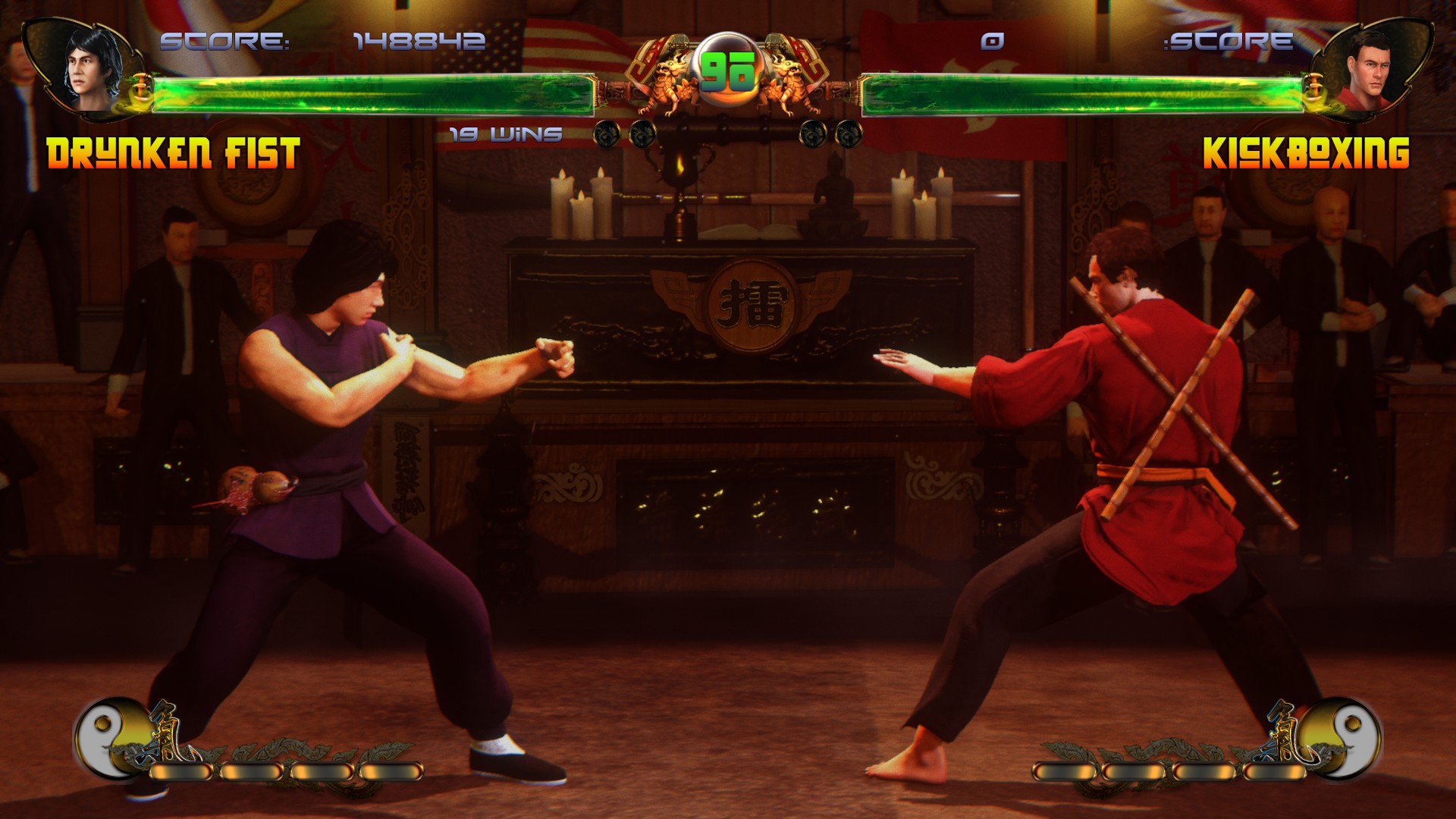
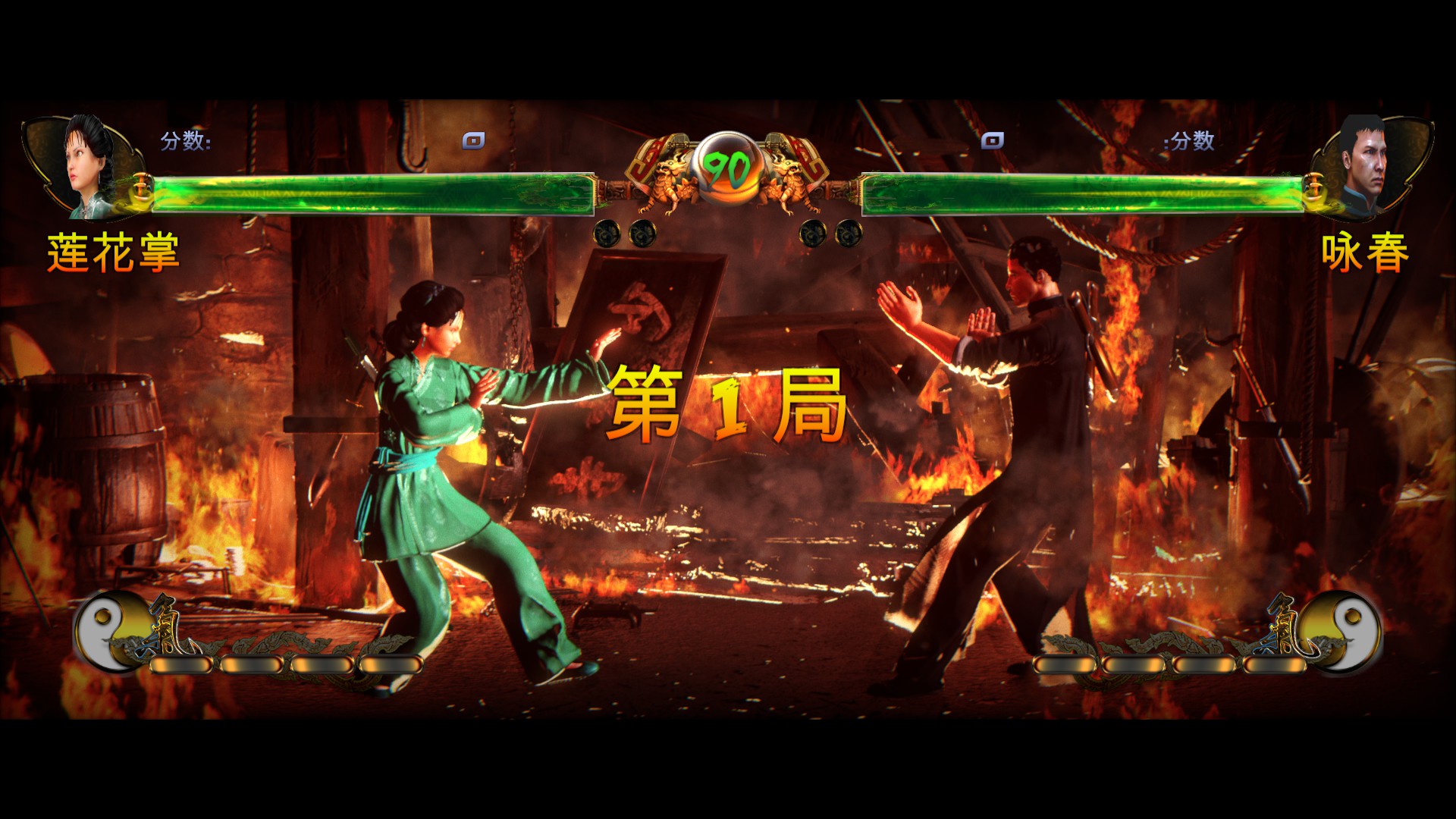
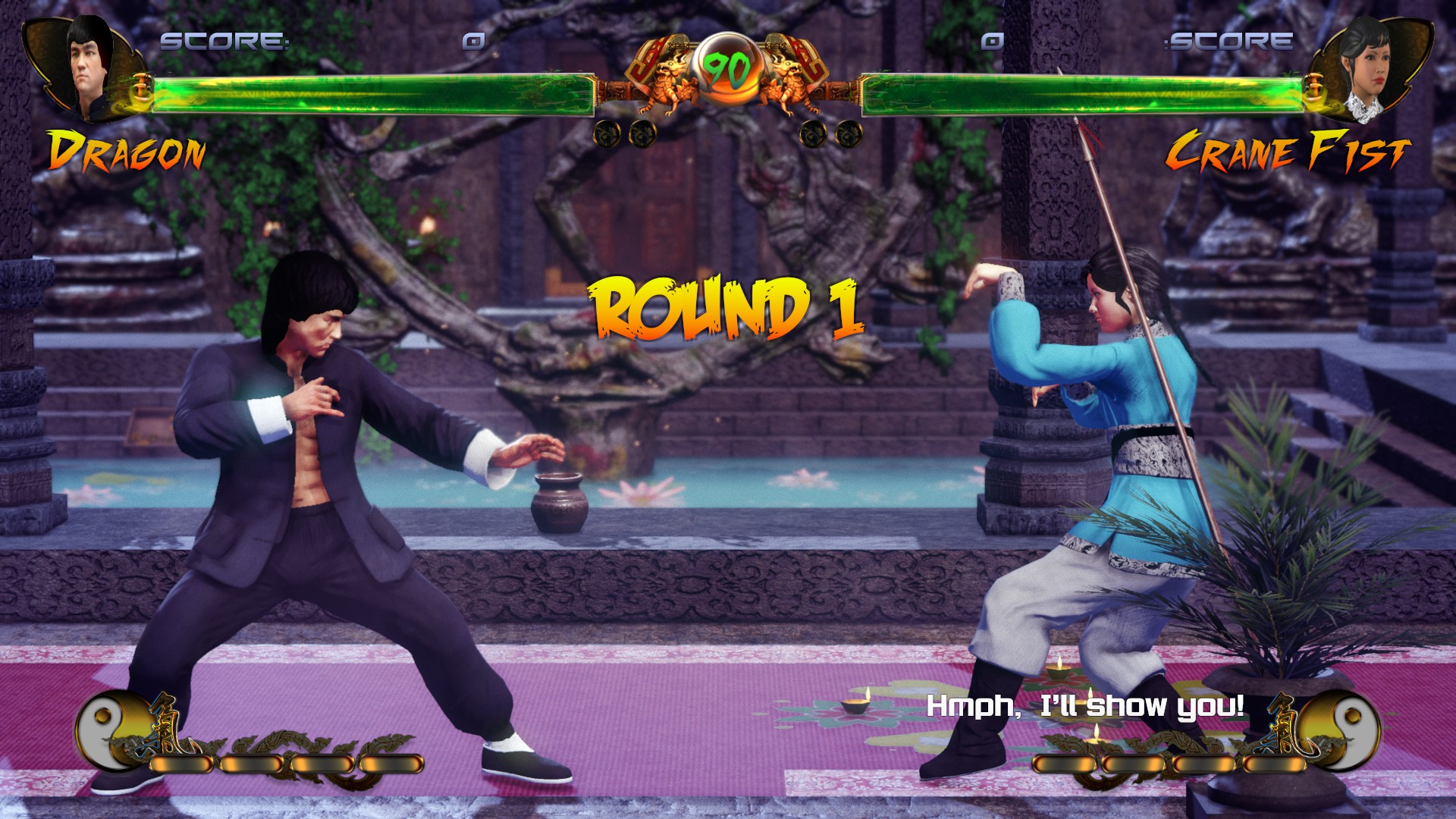
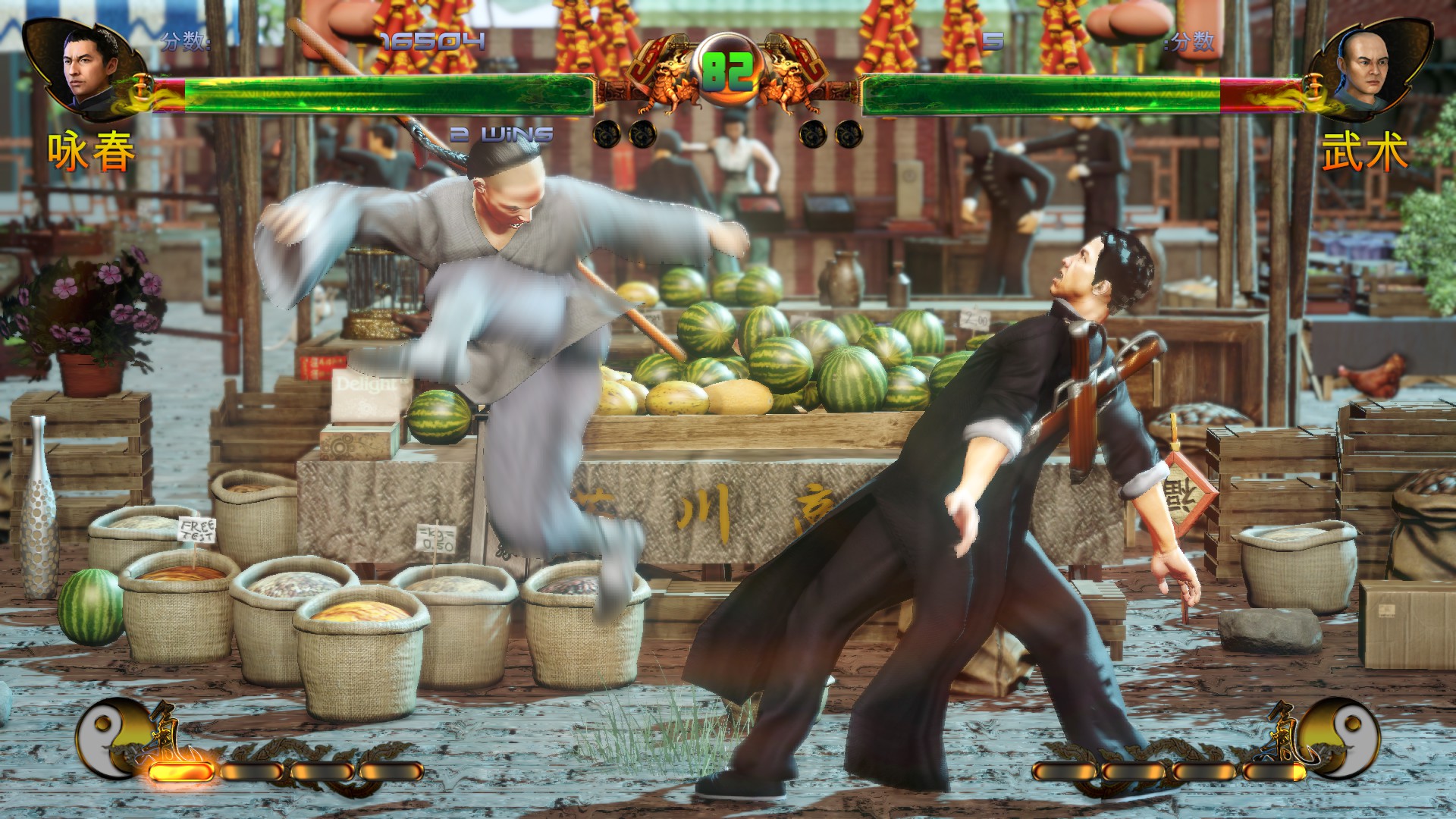
Get an in-depth look at Shaolin vs Wutang through various videos and screenshots.


Load More






System requirements
These are the minimum specifications needed to play the game. For the best experience, we recommend that you verify them.
Windows
- OS *: Windows 7
- Processor: i5
- Memory: 8 GB RAM
- Graphics: GEFORCE GTX 750 TI
- DirectX: Version 9.0c
- Storage: 10 GB available space
Steam Price & Best Deals
User reviews & Ratings
Explore reviews from Steam users sharing their experiences and what they love about the game.
Shaolin vs Wutang is an entertaining tribute to the golden age of martial arts cinema, offering a fighting experience that prioritizes traditional kung fu techniques, nostalgic presentation, and accessible combat over the elaborate mechanics commonly associated with modern fighting games. Developed and published by J.Bowman, this independent title captures the spirit of classic martial arts films through recognizable fighting styles, cinematic sound effects, and carefully selected musical arrangements. Its strongest appeal comes from its dedication to recreating the atmosphere of vintage kung fu movies, making it particularly attractive to players who appreciate old-school martial arts entertainment. The gameplay centers on one-on-one battles where players engage in hand-to-hand combat and weapon-based encounters using techniques inspired by traditional martial arts disciplines. Punches, kicks, blocks, and combinations form the foundation of the fighting system, allowing players to experience different combat approaches without memorizing excessively complicated commands. The controls are relatively approachable, making the game suitable for newcomers and casual fighting enthusiasts. However, experienced players accustomed to advanced combo systems, sophisticated counters, and highly technical competitive mechanics may find the combat somewhat limited. Its simplicity works well for recreational matches but occasionally reduces the strategic depth of prolonged encounters. One of its most impressive features is the selection of 30 playable fighters, each representing different martial arts influences and cinematic archetypes. The roster offers considerable visual and stylistic variety, encouraging experimentation with different characters and their distinctive techniques. The inclusion of 30 fighting stages further enhances the experience by providing diverse environments inspired by traditional martial arts settings. While individual characters possess recognizable movements and combat personalities, their mechanical differences are not always substantial enough to create the complexity expected from major fighting franchises. Nevertheless, the variety contributes significantly to the game's entertainment value and nostalgic charm. The visual presentation successfully embraces the aesthetics of classic kung fu cinema. Character costumes, fighting stances, weapon movements, and environmental designs establish a recognizable atmosphere without relying heavily on supernatural abilities or excessive special effects. The combat animations attempt to resemble choreographed martial arts confrontations, giving each battle a cinematic quality. Although some movements appear stiff and certain transitions lack the smoothness of contemporary fighting games, the overall artistic direction remains consistent. The graphics may not impress players seeking cutting-edge technology, but they effectively complement the game's traditional martial arts identity. The soundtrack is arguably one of the game's greatest achievements. Featuring licensed music associated with classic kung fu films, the audio creates an unmistakable sense of nostalgia that strengthens nearly every confrontation. Traditional fighting sound effects further reinforce the cinematic atmosphere, making punches, kicks, and weapon exchanges feel reminiscent of vintage martial arts productions. This attention to audio authenticity distinguishes the game from many independent fighting titles. The combination of familiar musical influences and exaggerated cinematic combat sounds transforms otherwise straightforward battles into enjoyable celebrations of martial arts filmmaking. Single-player battles provide opportunities to practice different fighting styles and challenge computer-controlled opponents, while local multiplayer offers an entertaining environment for friendly competition. The game is particularly enjoyable when played casually with another person because its straightforward mechanics allow participants to begin fighting without extensive preparation. Steam Remote Play Together also provides a convenient option for sharing local multiplayer sessions remotely. However, players expecting a comprehensive online competitive infrastructure, sophisticated matchmaking, or extensive tournament features may be disappointed. The experience is better suited to casual entertainment than serious competitive play. Despite its appealing presentation, several weaknesses become noticeable during extended sessions. Combat can feel repetitive after players become familiar with the available techniques, while certain animations and defensive interactions lack the responsiveness expected from more polished fighting games. Computer-controlled opponents do not always provide consistently challenging encounters, and the absence of a substantial narrative campaign limits the incentive to continue playing beyond experimenting with different characters. The game also offers relatively modest progression compared with titles featuring elaborate unlockable systems or character development. These limitations are understandable within the context of an independently developed project, but they nevertheless affect its long-term replayability. Steam Deck compatibility is officially Verified, making the game suitable for Valve's handheld system. Its default controller configuration supports the available gameplay functions, interface text remains readable, and the standard graphics settings perform well on Steam Deck. This makes handheld martial arts battles a practical option without requiring extensive adjustments. Players using external controllers may occasionally need to change the active controller manually, but the overall compatibility assessment is favorable. Ultimately, Shaolin vs Wutang succeeds because it understands its audience and embraces its inspirations. Rather than attempting to compete with technically demanding fighting franchises, it delivers an affectionate celebration of traditional martial arts cinema through varied fighters, nostalgic audiovisual design, and enjoyable casual combat. Its mechanical limitations and repetitive elements prevent it from achieving exceptional competitive depth, but its personality and authenticity make it a worthwhile experience for kung fu enthusiasts. A distinctive and enjoyable martial arts fighting game whose cinematic atmosphere, character variety, and nostalgic soundtrack outweigh its relatively modest gameplay complexity. Rating: 8/10
Shaolin vs Wutang is a solid fighter with charm in spades. What it may lack in AAA polish, it makes up for it in vibes alone. The music, sound design and characters are all wonderfully crafted. You can tell the dev is a big fan of martial arts cinema as it shows in the presentation of this game. But even if you aren't a kung fu flick expert, the game is still awesome. Most indy fighters don't go this hard. Just picked this up in a bundle with the rest of the series and can't wait to see the progression.
Similar games
View all


Rabbit Hole 3D: Steam Edition
Rabbit Hole 3D: Steam Edition is a minimalistic retro puzzle game. The game features 3D word puzzles based on Chapter 1 of Alice in Wonderland by Lewis Carroll. Players must navigate through keywords from the book’s initial chapter.


Fly O'Clock
Fly O’Clock is tiny, highly-addictive single & online multiplayer arcade endless jumper with innovative one-touch mechanics and unique pixel-art graphics.

Chicken Invaders 3
Chickens. For centuries we have oppressed them, grilling, roasting, stewing, and stuffing them in buns. The time has come for us to pay. Intergalactic chickens are invading Earth, seeking revenge for the oppression of their earthly brethren!

Cookies vs. Claus
Cookies vs. Claus is an action-packed battle game. With a range of characters to choose from, you can battle as your favorite cookie or take on a squad as a holiday character. Through both single and multiplayer, experience a unique asymmetric shooter that combines elements of FPS and battle arena games. THIS IS COOKIES VS. CLAUS!


Jelly Killer
Jelly Killer - Retro Platformer The Adventures Of A Young Bioweapon. In this game you will act like the young bioweapon. You will encounter lots of traps and puzzles. You will have to possess human bodies to pass the game to the end. Good luck!

TeraBlaster
TeraBlaster is a top-down arcade shooter micro-game which draws heavy inspiration from Geometry Wars. Duke it out with hordes of enemies on randomly generated levels, trigger massive explosions, and die a truly glorious death.

Neon Prism
Neon prism is a fun and simple but at the same time highly addictive game.

Weable
Weable is a neon world where you have to undergo complex and dynamic levels.Weable - in the game you have to reach the goal - the end of the level.Passing the levels, the difficulty will increase, creating a variety of interesting challenges
Frequently Asked Questions
Shaolin vs Wutang is currently priced at 11.59€ on Steam.
No, Shaolin vs Wutang is currently not on sale. You can purchase it for 11.59€ on Steam.
Yes, Shaolin vs Wutang received 924 positive votes out of a total of 997 achieving a rating of 8.73.
😎
Shaolin vs Wutang was developed by J.Bowman and published by J..Bowman.
Yes, Shaolin vs Wutang is playable and fully supported on Windows.
No, Shaolin vs Wutang is not playable on MacOS.
No, Shaolin vs Wutang is not playable on Linux.
Yes, Shaolin vs Wutang is playable and fully supported on Steam Deck.
Yes, Shaolin vs Wutang is playable and fully supported on Steam Machine.
No, Shaolin vs Wutang does not support VR.
Shaolin vs Wutang offers both single-player and multi-player modes.
Shaolin vs Wutang offers both Co-op and PvP modes.
No, Shaolin vs Wutang does not currently offer any DLC.
No, Shaolin vs Wutang does not support mods via Steam Workshop.
Yes, Shaolin vs Wutang supports Remote Play Together. Discover more about Steam Remote Play.
Yes, Shaolin vs Wutang is enabled for Steam Family Sharing. This means you can share the game with authorized users from your Steam Library, allowing them to play it on their own accounts. For more details on how the feature works, you can read the original Steam Family Sharing announcement or visit the Steam Family Sharing user guide and FAQ page.
You can find solutions or submit a support ticket by visiting the Steam Support page for Shaolin vs Wutang.
Data sources
The information presented on this page is sourced from reliable APIs to ensure accuracy and relevance. We utilize the Steam API to gather data on game details, including titles, descriptions, prices, and user reviews. This allows us to provide you with the most up-to-date information directly from the Steam platform.
Additionally, we incorporate data from the SteamSpy API, which offers insights into game sales and player statistics. This helps us present a comprehensive view of each game's popularity and performance within the gaming community.
Last Updates| Steam data | 19 September 2026 13:14 UTC |
|---|---|
| SteamSpy data | 27 October 2026 15:06 UTC |
| Steam price | 28 October 2026 04:03 UTC |
| Steam reviews | 21 October 2026 17:45 UTC |
If you'd like to dive deeper into the details about Shaolin vs Wutang, we invite you to check out a few dedicated websites that offer extensive information and insights. These platforms provide valuable data, analysis, and user-generated reports to enhance your understanding of the game and its performance.
- SteamDB - A comprehensive database of everything on Steam about Shaolin vs Wutang
- SteamCharts - Analysis of Shaolin vs Wutang concurrent players on Steam
- ProtonDB - Crowdsourced reports on Linux and Steam Deck Shaolin vs Wutang compatibility

Game modes
Features
Online players
0
Developer
J.Bowman
Publisher
J..Bowman
Release
26 Jul 2018
Platforms
Remote Play