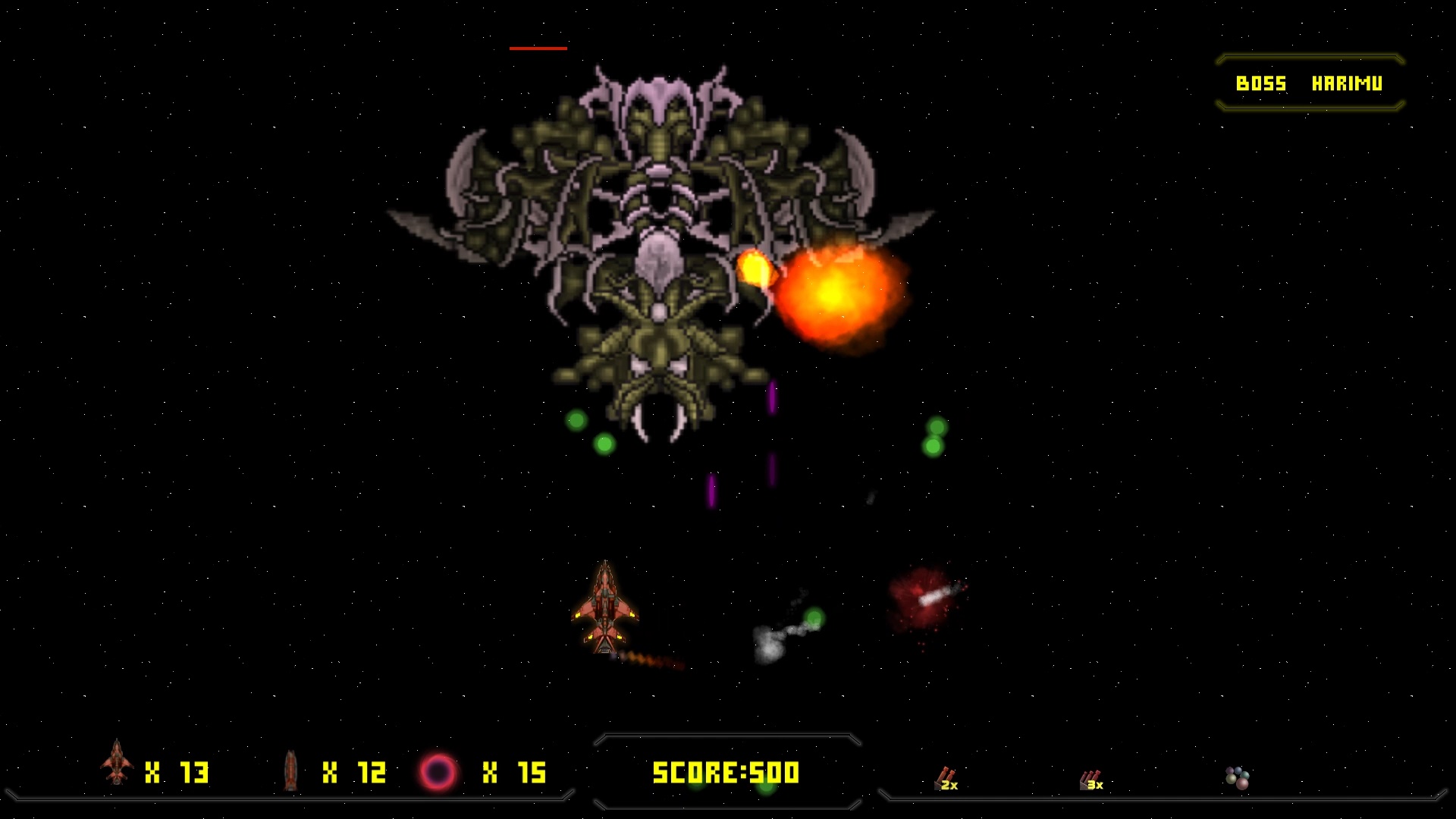
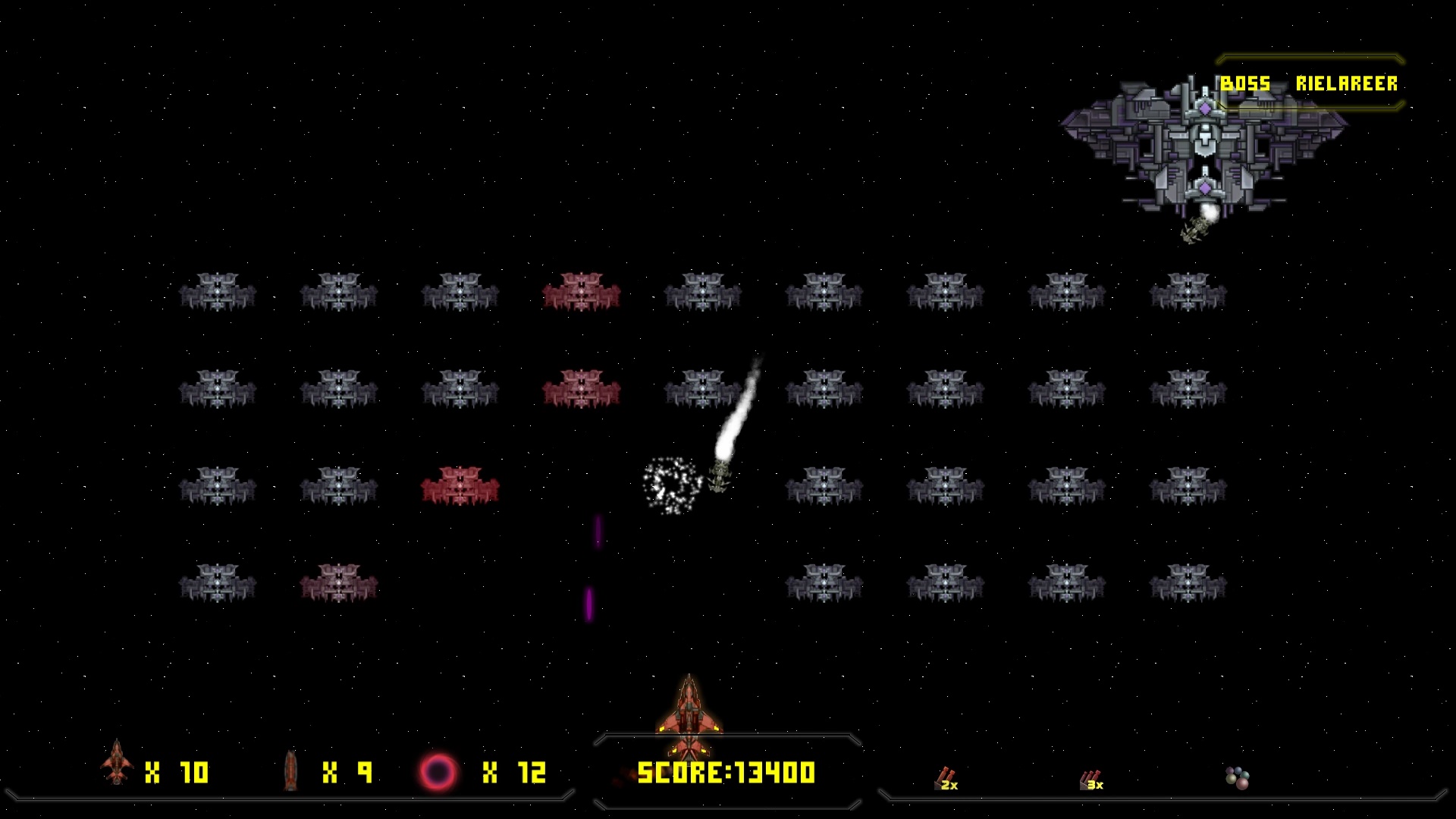
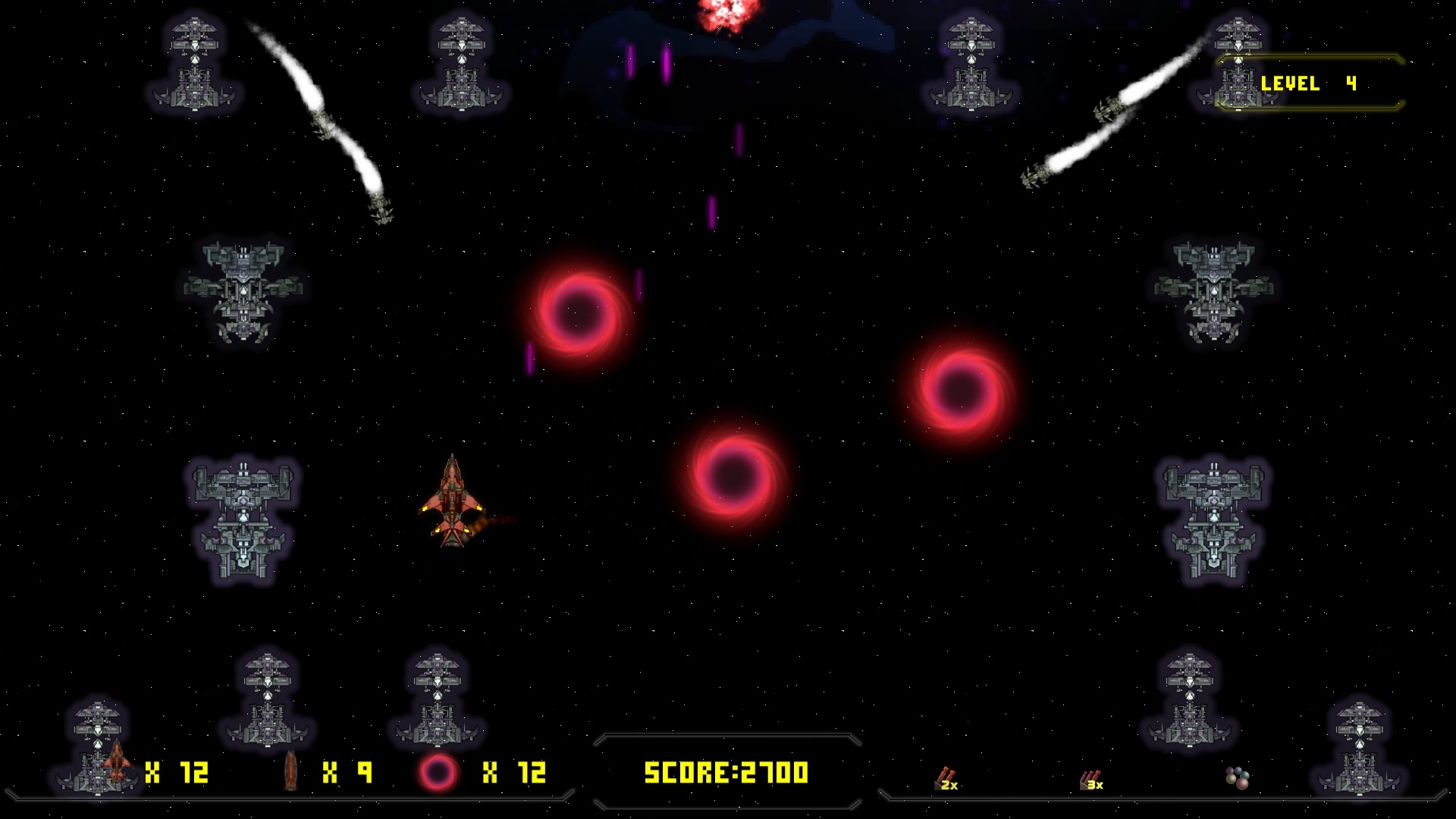
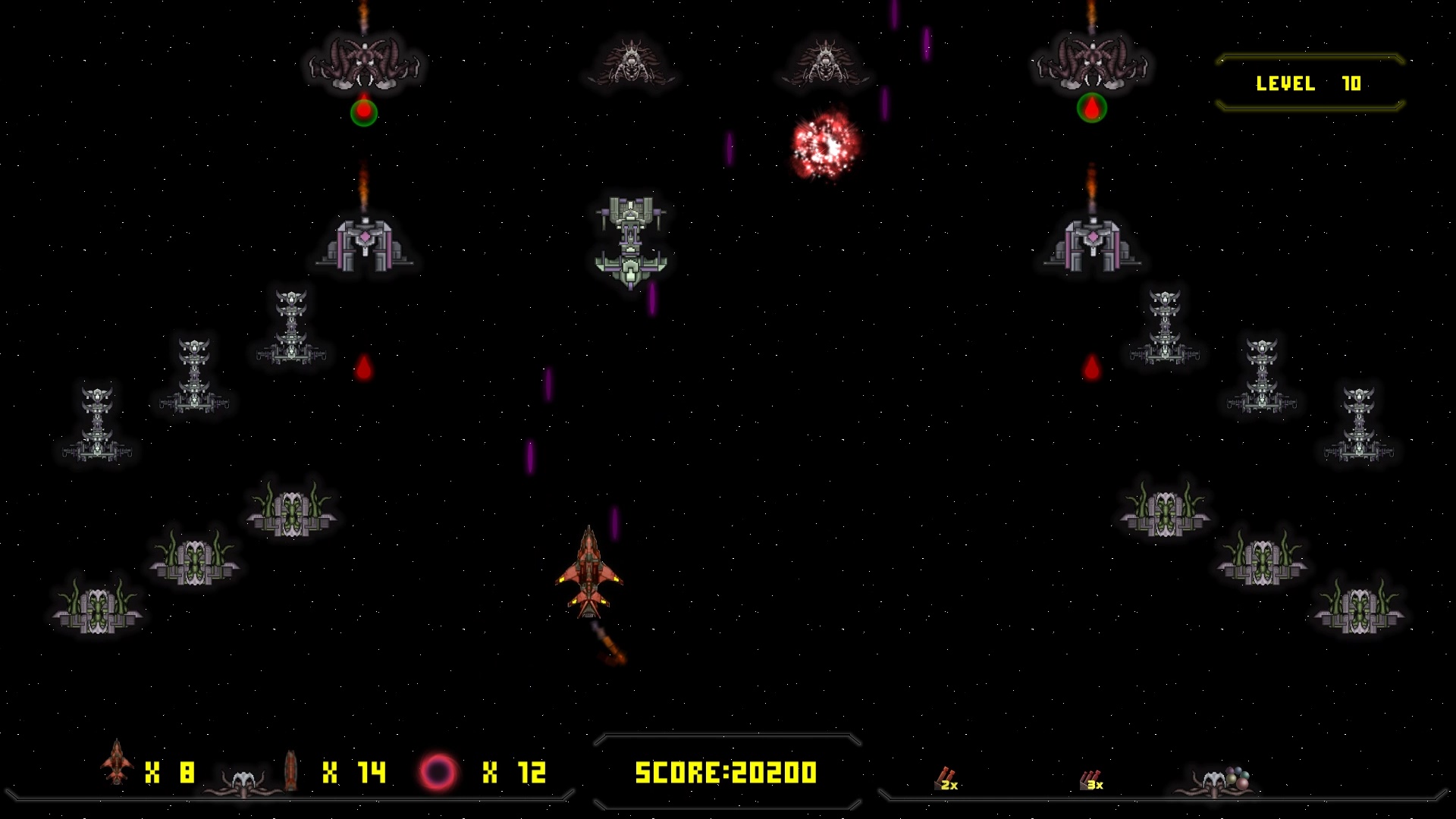
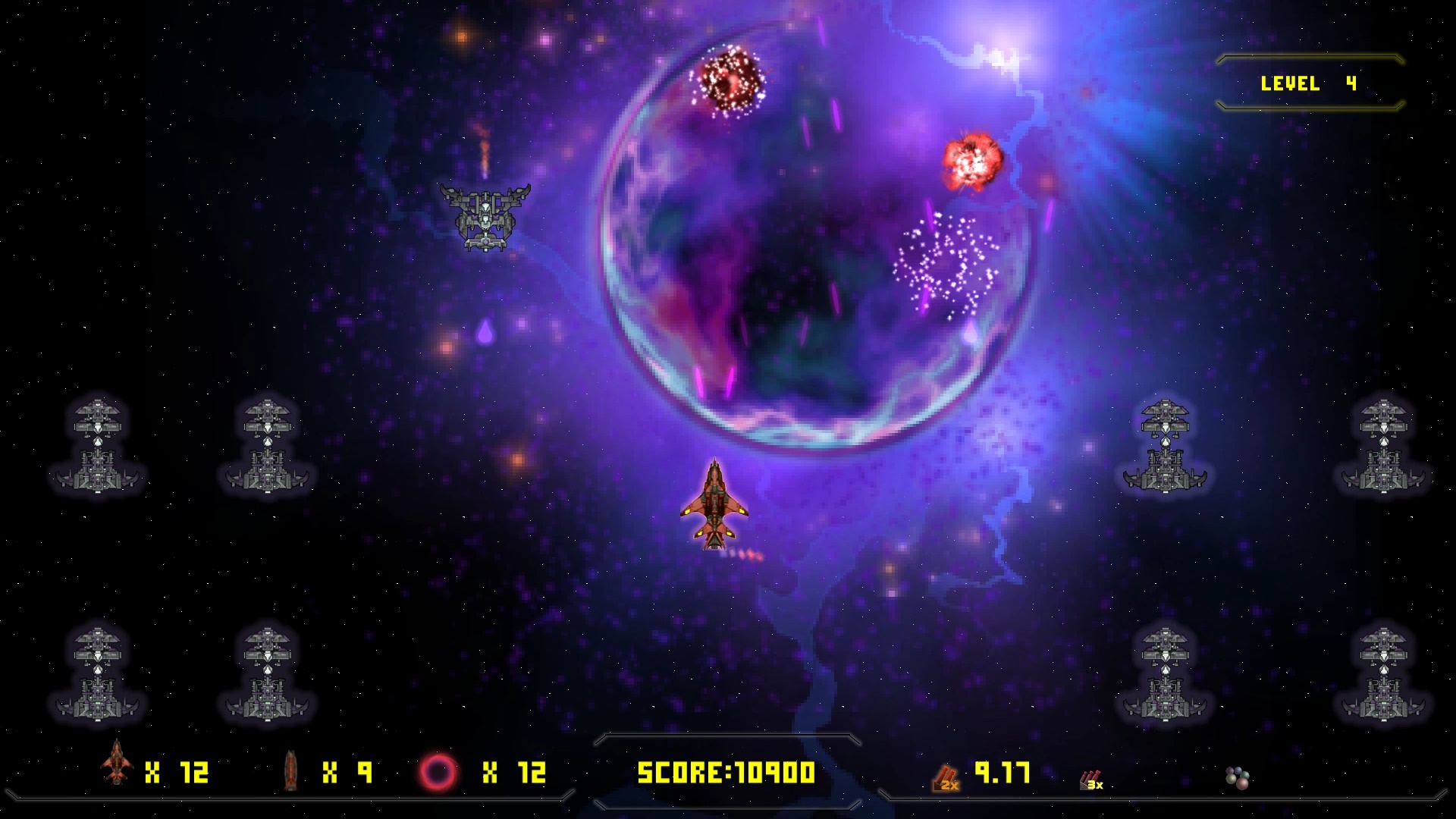
Starship Annihilator, developed and published by IR Studio, is a throwback to the golden era of vertical scrolling shoot ’em ups, offering players a straightforward yet challenging arcade experience that pays homage to the classics of the genre. Set against a backdrop of cosmic catastrophe, the game unfolds in a universe on the brink of annihilation following a collision of galaxies that has thrown the Solar System into a black hole. This premise is largely decorative, serving as a dramatic introduction rather than a fully fleshed-out narrative. What follows is pure arcade gameplay, stripped of elaborate storytelling or cinematic flourishes, focusing instead on reflex-driven combat, steady progression, and the satisfaction of surviving wave after wave of relentless enemies. The visual presentation of Starship Annihilator embraces simplicity over spectacle. The environments are made up of colorful yet minimalist backdrops that evoke the vast emptiness of space, punctuated by starfields, debris, and explosions that light up the screen as enemies swarm from every direction. The ship designs and enemy sprites are clean and easily distinguishable, ensuring that gameplay clarity always takes precedence over visual complexity. There’s a deliberate retro aesthetic at play here, one that recalls the days of arcade cabinets and early PC shooters, with an emphasis on fast movement and exaggerated effects rather than modern photorealism. While the visuals won’t impress players accustomed to high-definition effects or particle-heavy modern shooters, they maintain a crisp readability that keeps the action engaging and easy to follow even when the screen fills with enemy fire. Gameplay is the heart of the experience, and it stays true to the principles that defined classic shooters like Raiden, 1942, and Galaga. Players pilot their ship vertically through ten stages, each introducing new enemy formations, attack patterns, and culminating in a boss fight that tests both precision and adaptability. Controls are simple—move, shoot, dodge, and collect power-ups—but mastering them is where the game’s real challenge lies. The pacing is tight, and every level pushes you to stay alert as enemies pour in from all sides, firing projectiles that turn the screen into a chaotic dance of bullets and color. The inclusion of power-ups adds a welcome sense of progression, allowing you to modify your weapon’s spread, rate of fire, or projectile type as you advance. Though not overly complex, these upgrades add a layer of strategy to an otherwise linear experience, giving players just enough control over their arsenal to feel empowered without diluting the fast-paced rhythm. Each of the ten stages concludes with a boss encounter that serves as both a test of endurance and pattern recognition. These boss fights are among the highlights of the game, featuring large, visually distinct ships with multi-phase attack sequences. The difficulty scales steadily rather than unfairly, offering a manageable learning curve for players new to the genre while still presenting enough challenge to engage veterans. That said, the bosses can occasionally feel more like damage sponges than tactical opponents, relying on high hit points and long battles rather than intricate attack design. Still, the thrill of narrowly dodging volleys of fire and retaliating with fully upgraded weapons delivers that familiar arcade rush that genre fans crave. The level structure is tight and focused, designed to be completed in short bursts, which fits well with its old-school arcade sensibilities. Sound design in Starship Annihilator complements its straightforward approach. The soundtrack, while not particularly memorable, provides an energetic backdrop to the chaos, filled with pulsing electronic beats that keep the momentum going. Sound effects—laser blasts, explosions, and the hum of the ship’s engines—are clean and distinct, adding texture to the action without overwhelming it. The game’s low system requirements make it accessible to virtually anyone, and it runs smoothly even on older machines, which is a testament to its lightweight design. This optimization helps ensure that nothing distracts from the central experience: the constant rhythm of shooting, dodging, and upgrading as you battle through increasingly perilous stages. However, Starship Annihilator’s greatest strength—its simplicity—is also its limitation. The game delivers exactly what it promises: a traditional arcade shooter with ten levels and ten bosses, but once those are completed, there’s little left to keep players engaged. There are no alternate modes, no branching paths, and no extended progression systems beyond weapon upgrades. Replayability comes primarily from the desire to improve one’s score or refine one’s performance, rather than from new content or evolving challenges. For dedicated shoot ’em up enthusiasts, this may be enough, but for players seeking long-term depth or innovation, the experience might feel too brief or conventional. Additionally, while the controls are responsive and reliable, the lack of variety in weapon effects and enemy types can make later stages feel repetitive. Despite these shortcomings, Starship Annihilator succeeds in its modest ambitions. It’s a focused, tightly built homage to classic space shooters, offering fast, responsive gameplay and a nostalgic sense of accomplishment. Its budget price makes it an easy recommendation for fans of the genre or players looking for a quick, satisfying challenge that doesn’t demand dozens of hours of commitment. The game captures the essence of old-school arcade entertainment: simple mechanics executed with precision, short but intense bursts of action, and the enduring appeal of trying to survive just one more wave. It may not reinvent the genre, but it delivers a familiar, adrenaline-pumping experience with enough polish and heart to make it worth a spin for anyone who still feels the pull of the arcade’s glowing screens and high-score chases. Rating: 6/10
Expand the review