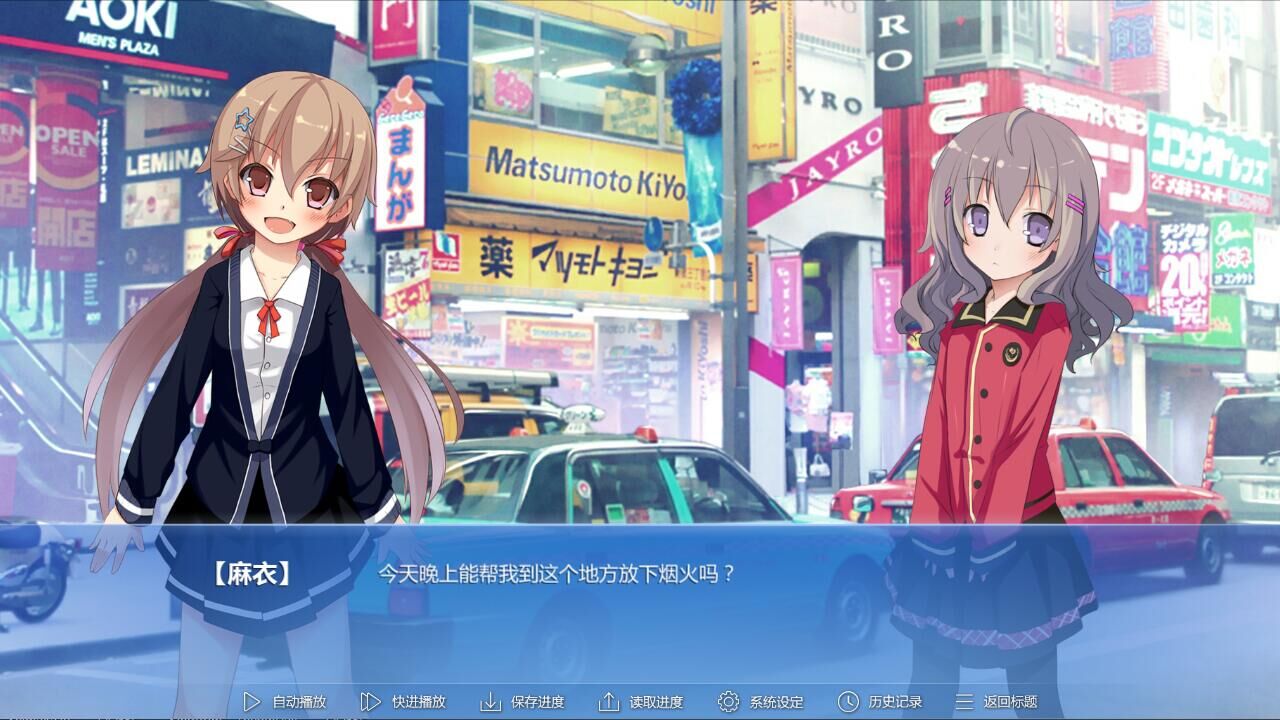
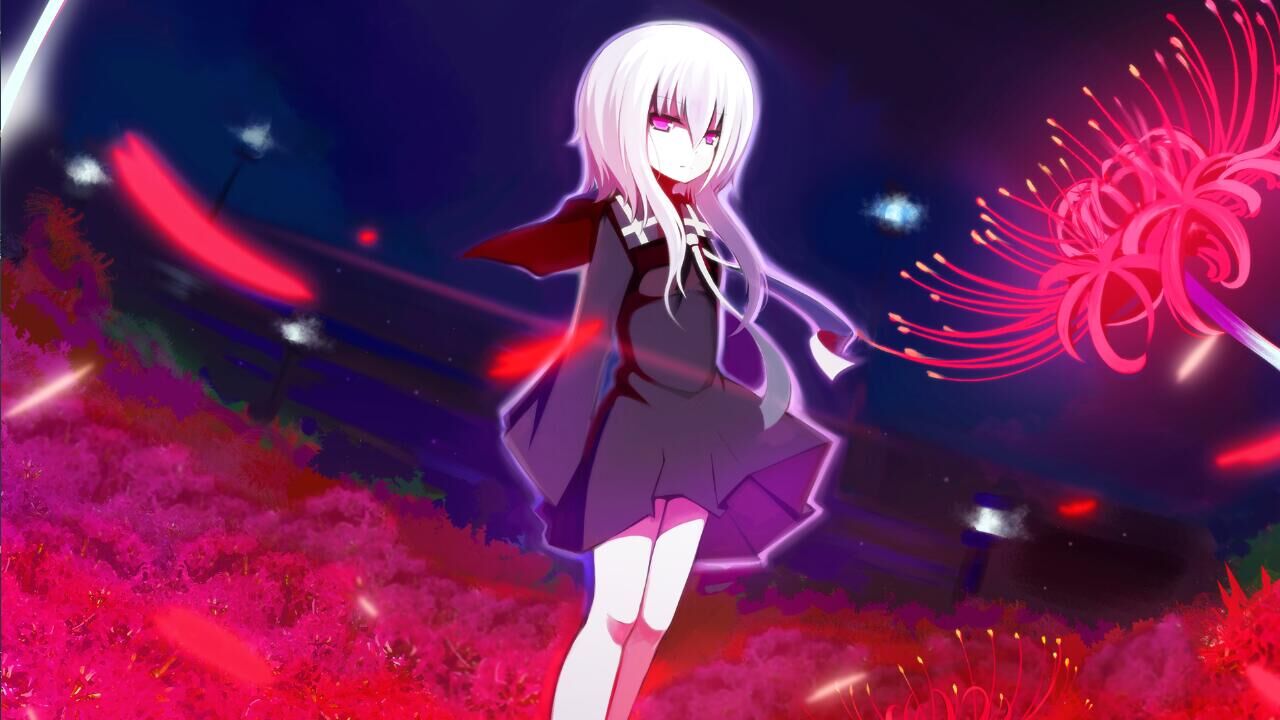
The 9th Day: 第九日 is a narrative-focused visual novel by Lingtan Studio that builds its entire identity around emotional storytelling, restrained pacing, and a supernatural premise rooted in human regret. It does not attempt to reinvent the genre or introduce complex gameplay systems; instead, it leans fully into the strength of its writing and atmosphere, presenting a story about a man caught between life and death who is given a limited window to confront the relationships and feelings he left unresolved. This sense of urgency—both temporal and emotional—becomes the defining thread that ties the experience together. The story begins with the protagonist, Shyou, dying in an accident while trying to save someone, only to find himself lingering in a liminal state rather than passing on. From there, the narrative introduces the central mechanic: he is granted nine days to revisit the world, reconnect with people from his past, and ultimately come to terms with what he left behind. This structure gives the game a natural sense of progression, with each day functioning as both a narrative chapter and a countdown toward an inevitable conclusion. The limited timeframe adds weight to every decision, even when the gameplay itself remains simple, because it reinforces the idea that not everything can be resolved. Gameplay is minimal, adhering closely to traditional visual novel conventions. Players primarily read through dialogue, make occasional choices, and move through scenes that unfold at a steady, deliberate pace. There are no puzzles, no mechanical challenges, and no systems to master beyond the branching dialogue paths. This simplicity ensures that the player’s attention remains fixed on the narrative, but it also means that engagement depends almost entirely on the strength of the story. For those who appreciate slow, reflective storytelling, this approach works well; for others, it may feel too passive or limited in interaction. The emotional core of the game lies in its characters and the relationships Shyou revisits during his nine-day window. Each character represents a different aspect of his past—whether it be affection, missed opportunities, or unresolved tension—and the way these relationships unfold depends on the player’s choices. While some of these characters follow familiar archetypes common in visual novels, the game invests enough time in their interactions to give them a sense of authenticity. Conversations often carry an undercurrent of melancholy, as both the player and the protagonist are constantly aware that time is running out. This awareness shapes the tone of the entire experience, turning even ordinary interactions into something more reflective. The writing itself is straightforward but effective, favoring emotional clarity over complexity. Rather than relying on twists or elaborate world-building, the story focuses on personal moments—conversations, memories, and realizations—that gradually build toward its conclusion. The supernatural premise serves more as a framework than a focal point, allowing the narrative to explore themes of regret, closure, and the value of human connection without becoming overly abstract. There is a quiet sincerity to how these themes are handled, and while the story may not surprise seasoned visual novel players, it remains engaging through its consistency and tone. Visually, the game adopts a classic anime-inspired style, with character portraits and CG illustrations that highlight key emotional moments. The artwork is not particularly groundbreaking, but it is expressive enough to convey the intended mood, especially during more intimate or dramatic scenes. The use of color and composition helps reinforce the contrast between the ordinary world and the slightly surreal nature of Shyou’s situation. Music plays a crucial role in shaping the atmosphere, with a soundtrack that leans toward soft, melancholic melodies. These audio elements enhance the emotional weight of the narrative, often carrying scenes where the visuals remain static. One of the more noticeable limitations of The 9th Day is its accessibility. Language support can be a barrier for some players, and given that the experience is entirely text-driven, this significantly affects its reach. Additionally, while the branching paths provide some replay value, the overall structure remains relatively contained, and multiple playthroughs may feel similar aside from character-specific variations. The predictability of certain story beats may also reduce impact for players familiar with the genre, as the game tends to follow established narrative patterns rather than subverting them. Even with these limitations, the game succeeds in delivering a cohesive and emotionally grounded experience. It does not aim for scale or mechanical innovation, but instead focuses on telling a personal story within a clearly defined framework. Its strength lies in its ability to maintain a consistent tone and to build emotional resonance through small, deliberate moments rather than grand gestures. For players willing to engage with its pacing and narrative focus, it offers a reflective journey that lingers beyond its relatively short runtime. In the end, The 9th Day: 第九日 is a modest but sincere visual novel that prioritizes emotional storytelling over gameplay complexity. It may not stand out in terms of innovation or production value, but it delivers a meaningful experience through its themes and character interactions. Its impact will largely depend on the player’s connection to its story, but for those who appreciate introspective narratives, it provides a quietly memorable experience. Rating: 8/10