
Panzer Corps Gold
The ultimate edition of Panzer Corps, containing hundreds of scenarios and all its expansions. Panzer Corps Gold is the culmination of the wargame that has enthralled millions of fans all around the globe, and now it’s your chance to fully experience a real classic.
Sync your Steam wishlist to find the lowest game prices instantly. No login required, just paste your Steam profile URL!
⚡ Try Wishlist Radar!
Sync your Steam wishlist to find the lowest game prices instantly. No login required!
⚡ Try Wishlist Radar!
Close

The Troop on Steam
Quick menu
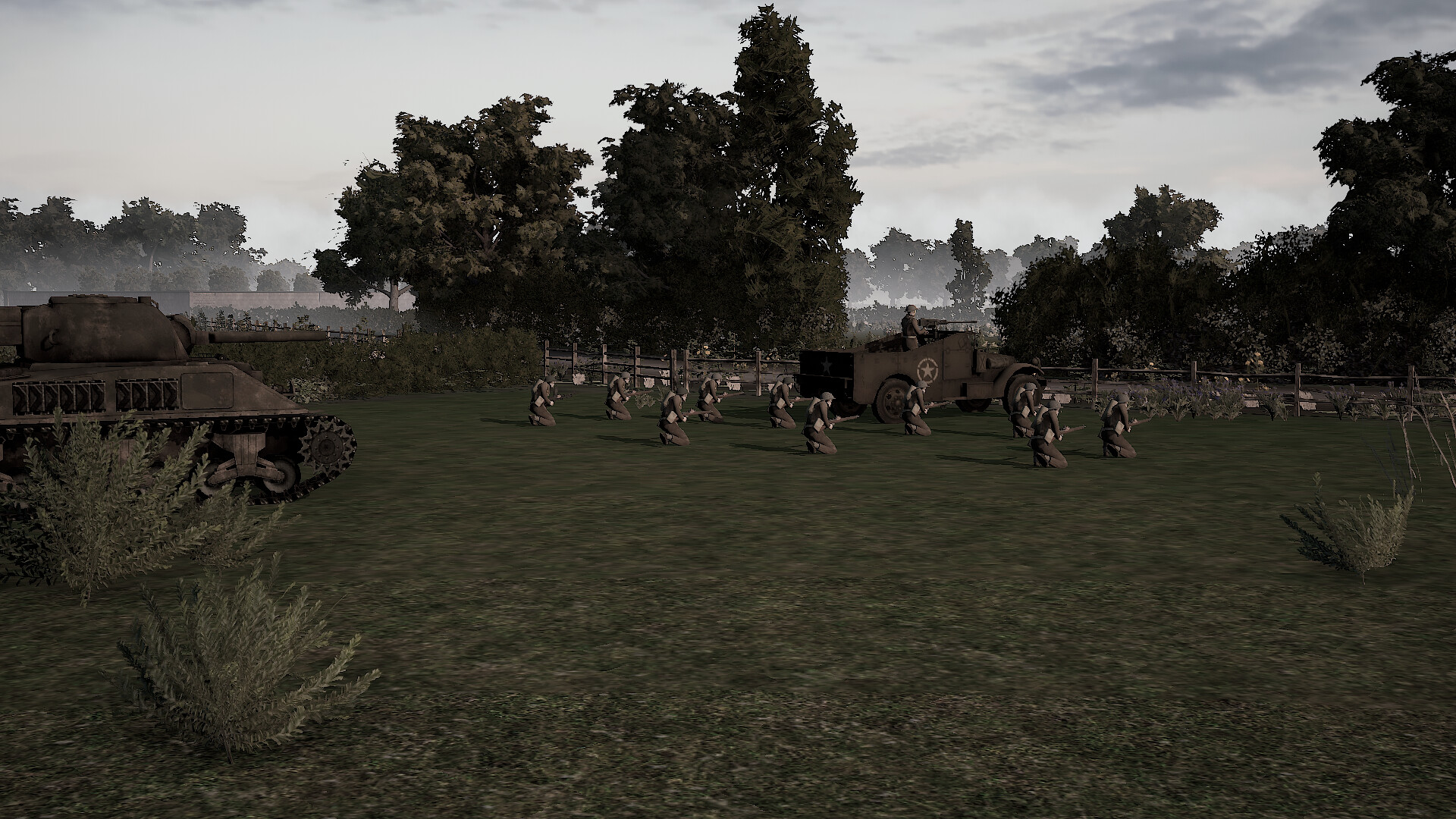
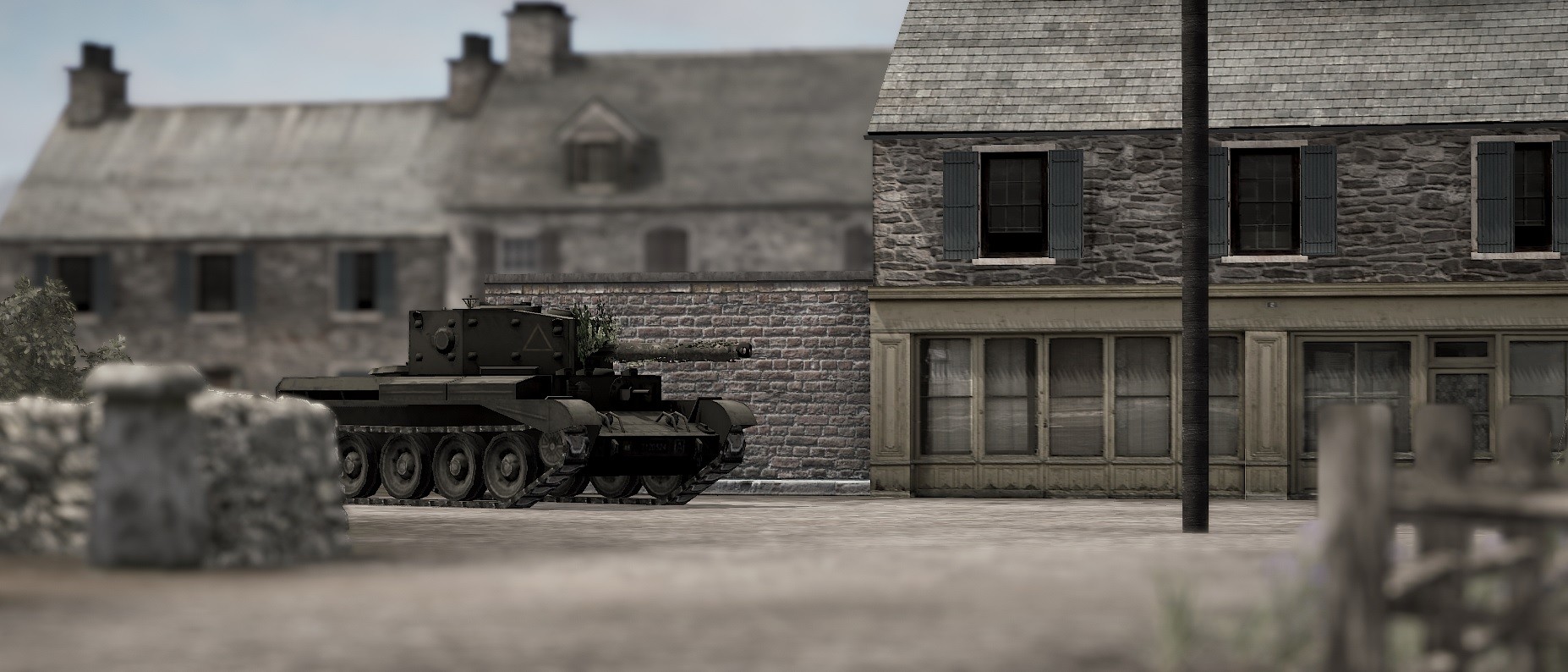
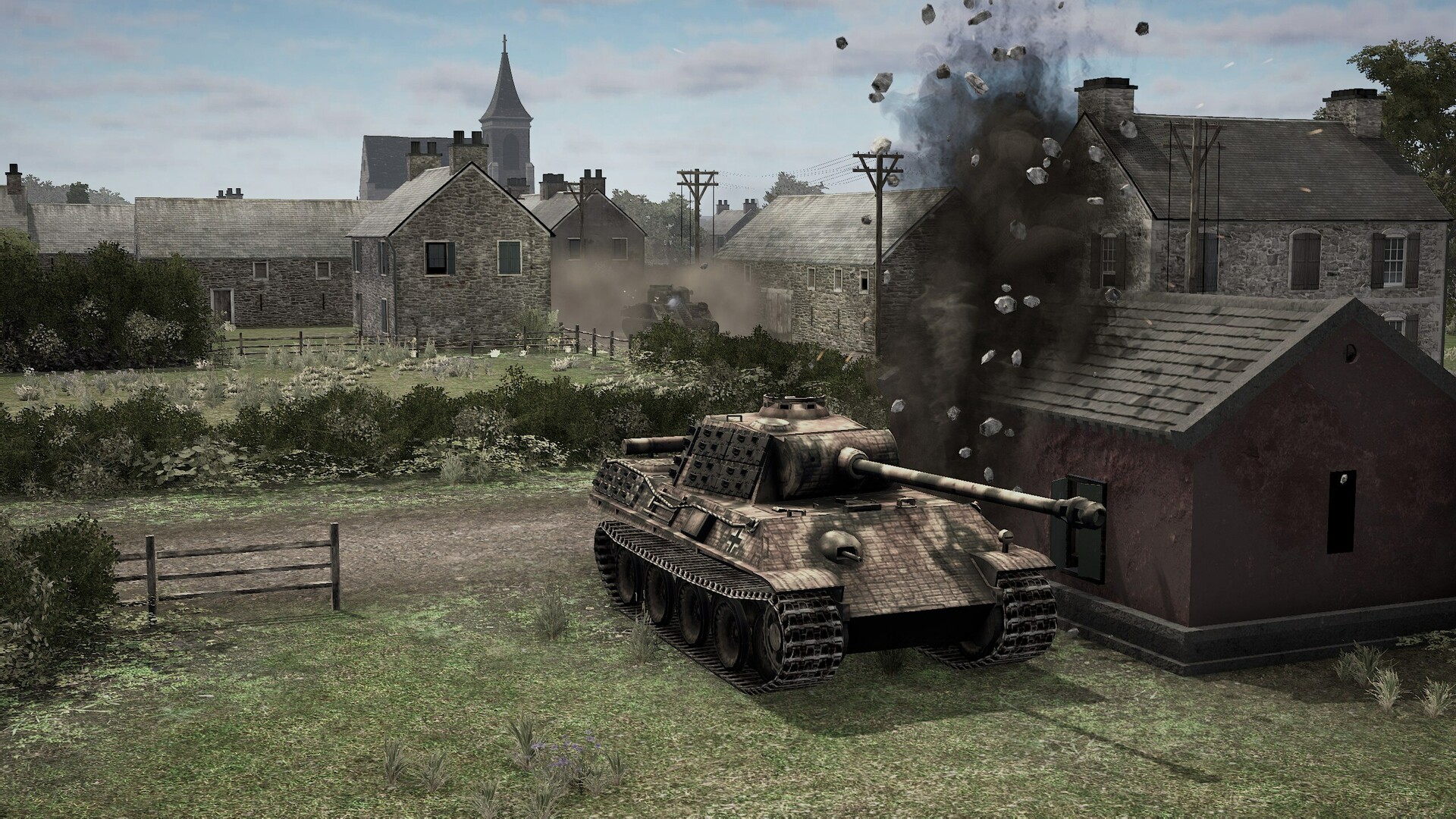
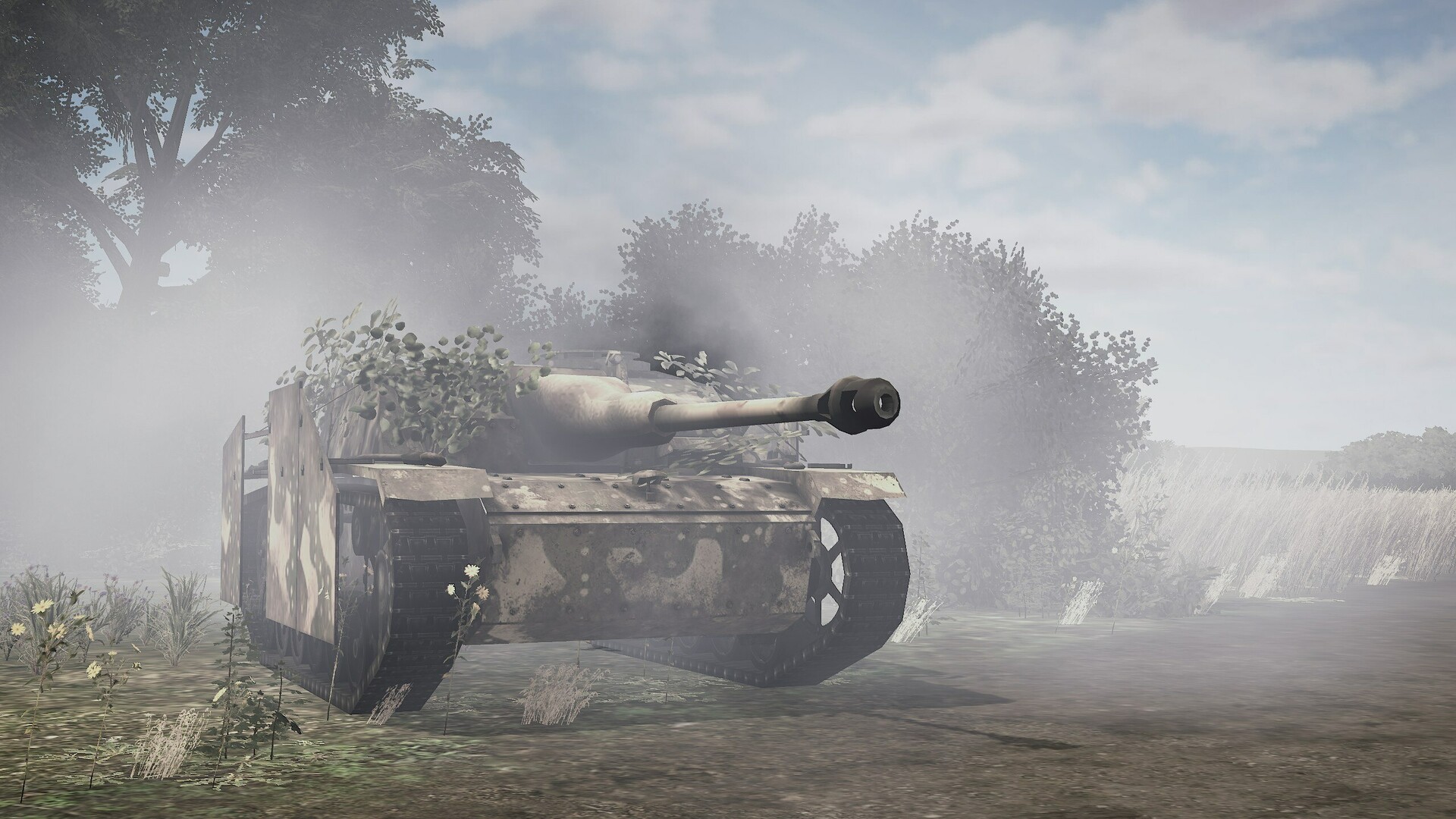
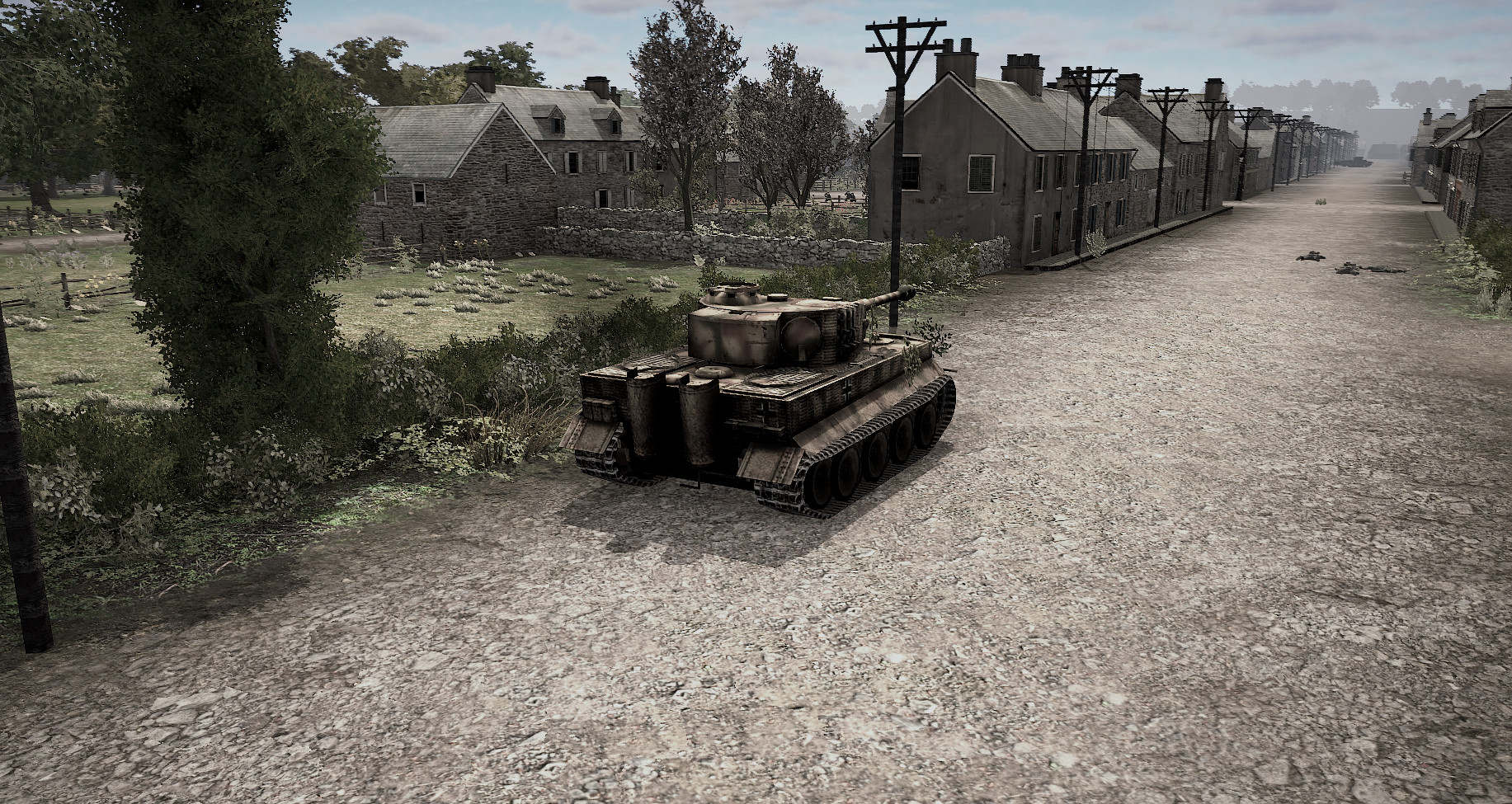
The Troop is a turn-based, platoon-level tactical game set in WW2. From the early hours of D-Day to Falaise, play as British and Canadian or German forces in desperate fighting across Normandy.
The Troop is a world war ii, turn-based tactics and tanks game
developed by Giant Flame
and published by PLA Studios.
Released on October 18th 2023 is available on Windows, MacOS, Steam Deck and Steam Machine.
It has received 648 reviews of which 555 were positive and 93 were negative resulting in a rating of 8.1 out of 10. 😎
The game is currently priced at 33.99€ on Steam.
The Steam community has classified The Troop into these genres:
Media & Screenshots
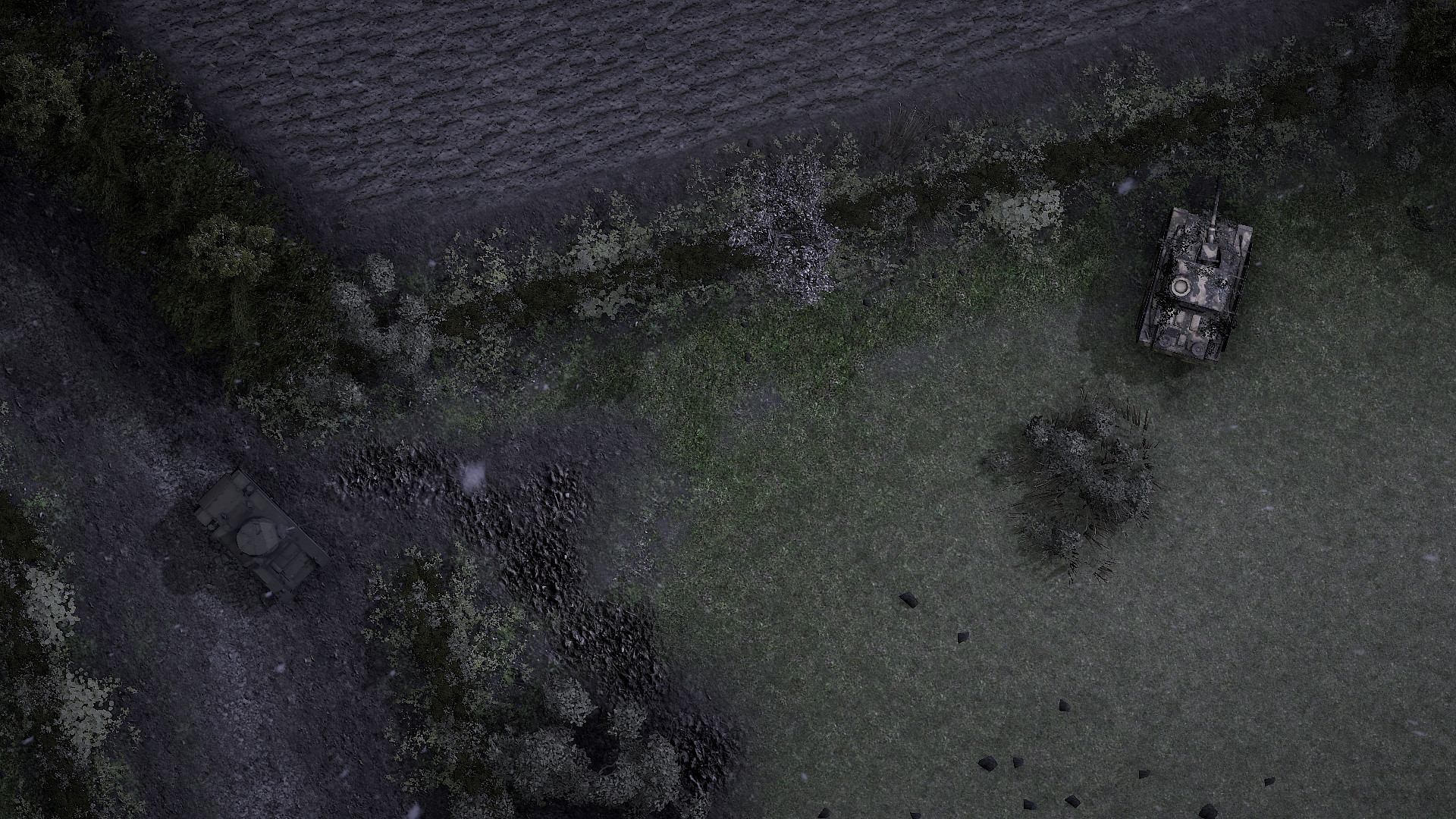
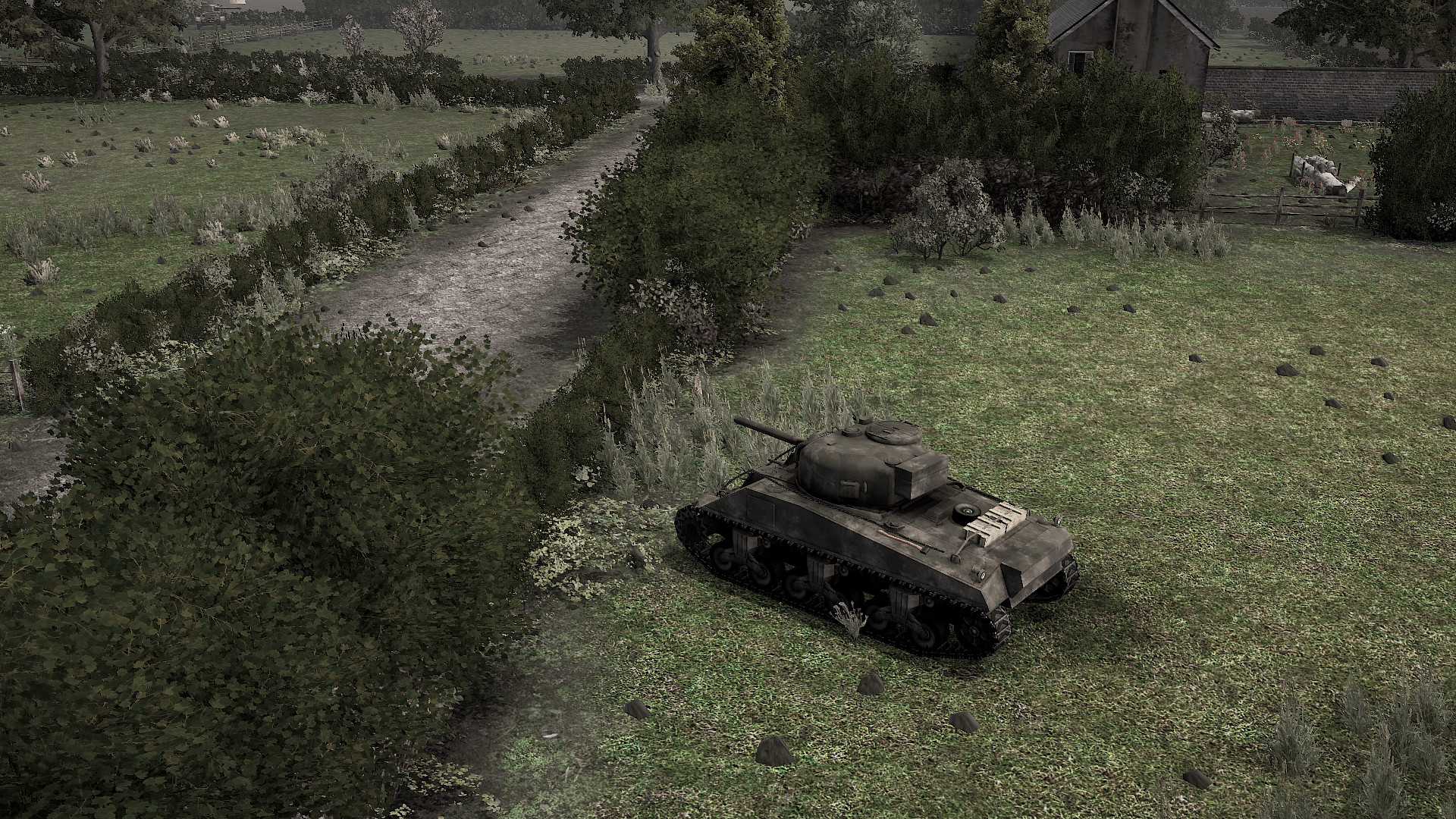
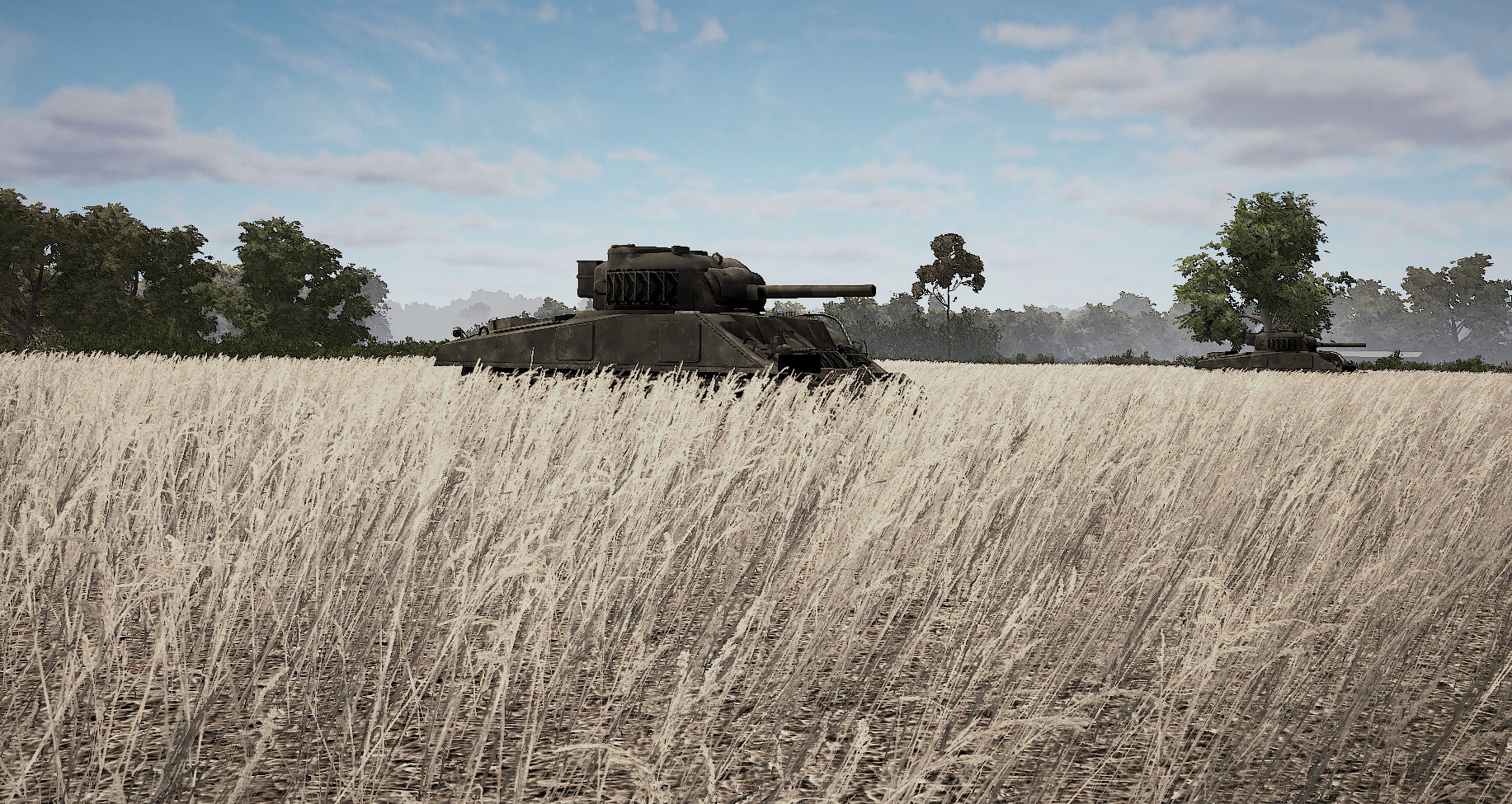
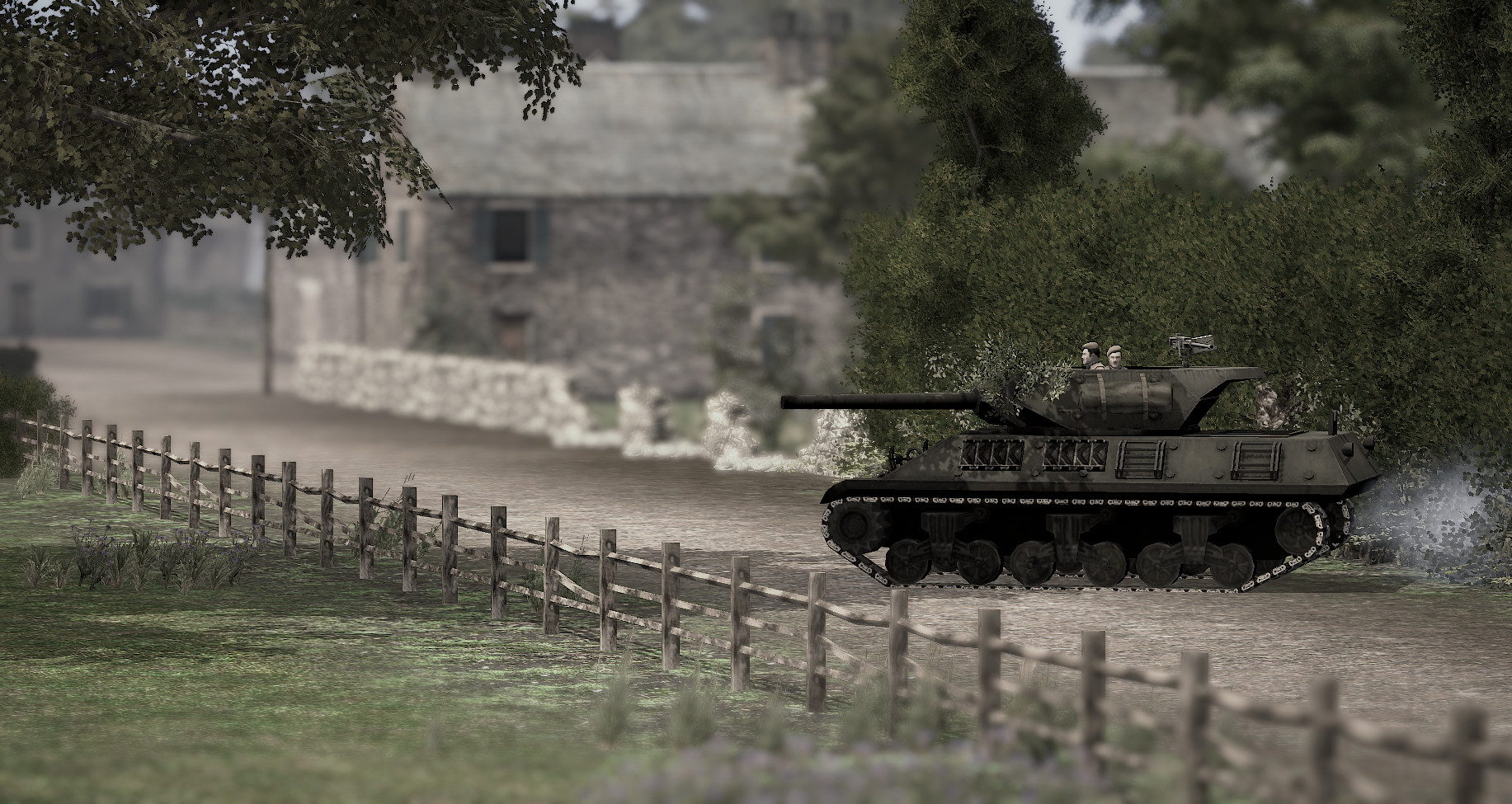
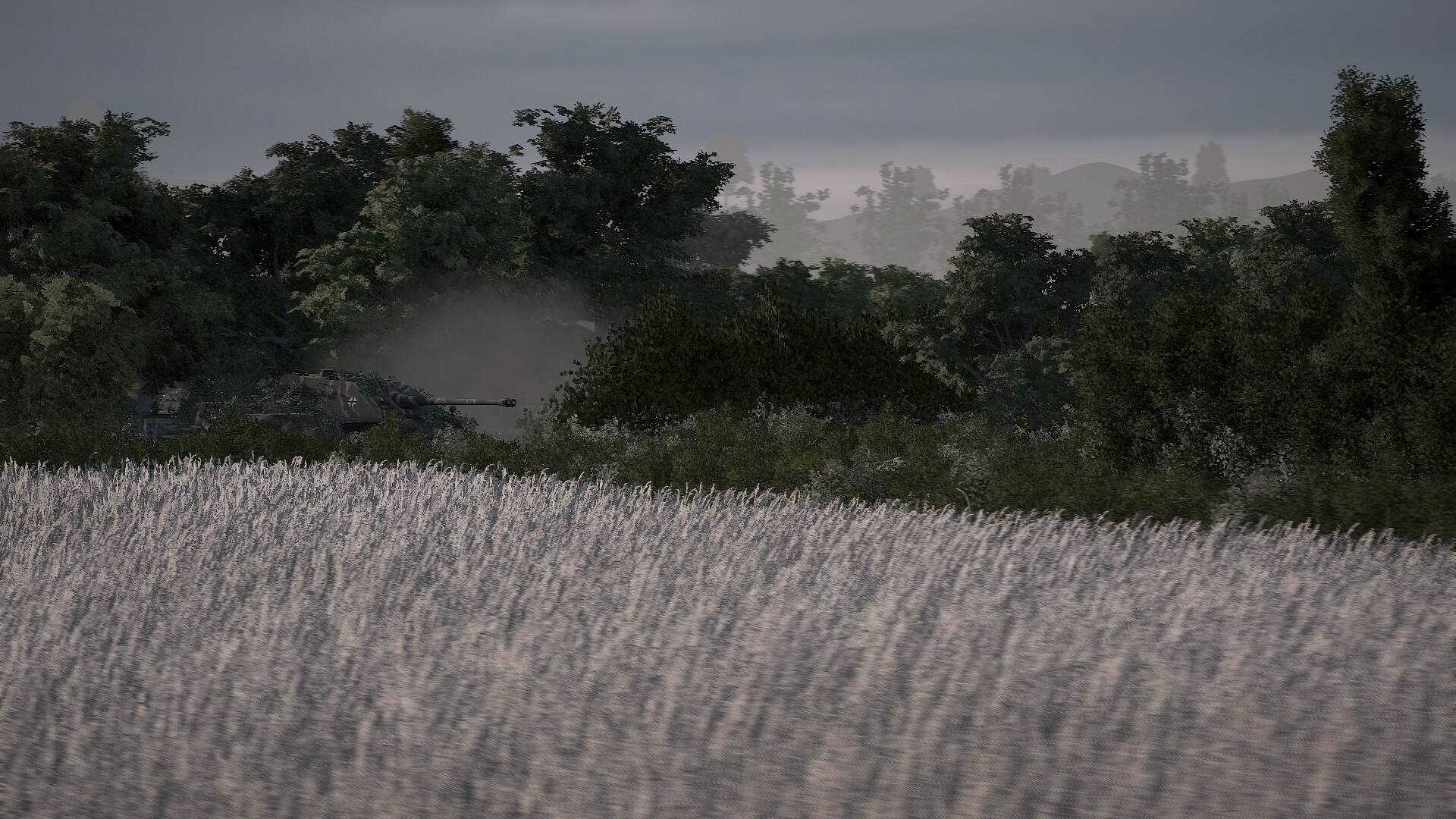
Get an in-depth look at The Troop through various videos and screenshots.



Load More








System requirements
These are the minimum specifications needed to play the game. For the best experience, we recommend that you verify them.
Windows
- Requires a 64-bit processor and operating system
- OS: Windows 10
- Processor: Intel(R) Core(TM) i5-2500K CPU @ 3.30GHz 3.70 GHz
- Memory: 8 GB RAM
- Graphics: NVIDIA GeForce GTX 560
- Storage: 8 GB available space
MacOS
- Requires an Apple processor
- OS: macOS Monterey
- Processor: Apple M1
- Memory: 16 GB RAM
Steam Price & Best Deals
User reviews & Ratings
Explore reviews from Steam users sharing their experiences and what they love about the game.
I'm an old tabletop wargamer who fell in love with the hobby through ASL. Some of the critical reviews of The Troop caused me to delay purchasing fearing it was either "too light" or had other fatal design flaws. But once playing I didn't agree with some of these complaints. I can tell you this isn't a game to rush or plan too short term. Surprisingly typical WWII squad tactics hold true and seem to have been in mind of the designers. Pinning, flanking, smoke, position of attack all apply. Sometimes it is advisable to engage in tactical retreat or repositioning while other squads try to take advantage. As I said, don't rush because units can be extremely brittle. I think the pace is what bothers some players. The game can create incredible drama that brings the battle field to life. Some tense moments are to be had here. There are weak aspects to note however. The game isn't clunky per se, but getting the information needed to make good decisions sometimes feels tedious. The battlefield graphics that can bring the battle to life sometimes get in the way. Its hard to always tell line of sight or comprehend at a glance unit positioning. There is a necessary LOS tool but its use involves a lot of clicking where a better choice might have been a toggle that simply allows the player to move the curser around automatically revealing each hex like a flash overlay. Allowing this to stay active while making move or firing decisions would really facilitate the process. I don't mind not revealing enemy exact current state as a nod to fog of war, but I wish I could see enemy armor values for example during gameplay so I can make more informed decisions of approach. Overall its a good game I recommend. I am looking forward to its next installment raising the system to a even higher level.
The Troop is a strange game in that it's very good in some ways (when it "works") and yet very frustrating in others. Particularly the way the game is obsessed with very precise, fiddly line-of-sight rules and some combat balance that seems to contravene common sense. I'll recommend it if you like wargames and tactics/strategy games, but I also think in my current 12 hour stint that there is a lot about the game that is needlessly irritating. Good stuff: - The graphics are quite nice for a wargame. - The tank combat can feel really fun. - There's a decent level of realism to most of the tactics. - A good amount of detail dedicated to things like unit status. Tanks can get damaged in different ways, crew can bail from a damaged vehicle etc. etc. - Decent amount of scenarios and content. Meh stuff: - Tactics that feel like they should be effective in reality sometimes aren't. - Balance issues with some weapons. The Flak 88, for example, will sometimes fail to destroy a Sherman even when directly firing into its side armour. In reality these weapons were notorious for shredding many tanks in a single engagement and they should be very powerful. - Infantry feel underpowered and clunky at times. Less of an issue because there's a lot of armour, but still. - Animations for infantry are a bit janky when moving. Not a huge deal. - Some simple visual stuff feels missing (when infantry are mounted on a tank, why can't I see them on the tank, for example?) Bad stuff: - Doesn't seem to be any way to make your own missions, which is a real shame. - Many critical aspects of the game are not well explained through the UI. - I didn't like the in-game music (looping military drums and men shouting over and over (??)) so I turned it off. - The concealment system is essential but there is very little information on how to hide units effectively. - Units basically share their enemy detection perfectly and units stay revealed for a long time even if they break LoS. So if some random infantry guy spots your tank, the invisible enemy tank you haven't even seen yet on the other side of the map will know *exactly* where your tank is and can start lining up a perfect shot from miles away. Okay, here's all the detail. A lot of it will sound negative, but this because I'm trying to highlight the things that make this good game a bit irritating. The Line of Sight system is mostly good and I believe the developers when they say that the computer does not get unfair cheats. However, it is micromanagement heavy, needlessly so in my opinion. I think the people complaining that their tanks miss all the time have not fully understood how the aiming works. Basically units have "stability", which is dictated by how much they are moving around and (in the case of tanks), how much they are having to move their turret to aim at the target that turn. As a result, tanks that are stood still for a turn or two aiming towards another tank get a massive boost to accuracy, whereas if you're roaring around spinning the turret around your accuracy is going to be abysmal. Similarly, if you park your tank behind a house and rotate its turret towards the direction where you know an enemy tank is, you can gently reverse it backwards next turn and still get a very accurate shot despite moving. It's actually pretty realistic, I think. When it goes well it's really fun - you'll blow up 3-4 tanks in quick succession and feel like a king. This part of the gameplay is very fun. Where the LoS system breaks down is in how ridiculously fiddly it often is lining the hexes up correctly. You're constantly going to have to consult the "check LoS" tool for literally every move or shot, which is a lot of clicking and hoping you are remembering the right hex when you move. The AI *does* get an unfair advantage in that it is monitoring all the LoS hexes ALL the time. This can feel very cheesy when in prolonged battles, when the AI starts precisely moving its tanks and infantry in tiny little increments that put it *just* out of LoS of all your units by one hex or whatever. Sometimes it feels less like a battle and more like you're playing a board-game with an insufferable rules-obsessed nerd who knows every single cheese strat there is. A few of the key systems of the game are very poorly sign-posted, too. For example, cover. Sometimes infantry prone behind a wall is almost impossible to hit, other times you'll hide your guys prone behind the same wall and they'll get utterly massacred by an MG a huge distance away. Sometimes enemies hide in a forest and you don't have LoS to hit any of them, you try the same strategy and enemies just wipe whole squads shooting once or twice into the trees. There's no clear indicator to say if you're in "heavy cover" or not, stuff like that. One of the most important mechanics is "concealment", when your units are fully invisible and can ambush enemies as a result. The problem is, despite the game telling you when you are/aren't concealed, you will often get spotted for no real reason. I've had tanks driving around in open fields remain unspotted, but my infantry moving through a forested area get spotted from miles away and shot. There's also no explanation of how to re-conceal. You can do this by hiding out of LoS for a few turns, but how long exactly I don't even know myself. Infantry feel largely underpowered to me, I personally think their sensitivity to "stability" is far too pronounced. Their advantage should be that they can move into areas quickly and attack without having to spend ages setting up like a tank, but actually their aiming mechanics don't seem to differ from tanks at all. This means infantry is almost *completely* useless at assaulting across any open ground at all and most firefights devolve into just sitting in a house or hedge and not moving for almost the whole battle after the initial ambush. Don't get me wrong, an LMG in a house that is set up should have an advantage over guys running across a field. However, my guys 2 hexes away from a German machine gun team in a forest shouldn't have almost zero accuracy after walking 10 feet, it feels unbalanced. Earlier I mentioned some tactics that feel like they should work just don't. Here's what I mean: enemy tank is driving down the street with the hatch open. My infantry ambush and fire an LMG at close range at the tank commander. Nothing happens. Surely in reality this should completely confuse a tank and probably also kill the guy ordering the crew around? You can more heavily damage open-hatched tanks with grenades (most notably completely open light vehicles suffer against this tactic), but gunfire like this doesn't seem to work despite the tooltip saying it would. Similarly, isolated tanks swarmed up close by infantry seem to fare a bit too well in my opinion. Infantry can damage tracks with grenades but tanks are otherwise almost completely resistant. In reality, infantry would set fire to tanks, put explosives into the engines or blind the tank by damaging optics with gunfire. None of these tactics seem well represented, which is a shame when the player should be rewarded for ambushing a tank like this. Similarly, you can flank an AT gun and unload an LMG into the crew from behind (where the crew shield would be useless) and it doesn't seem to do anything at all in most cases. In reality that should be a pretty devastating tactic. If this all sounds really negative, it's because I wanted to draw attention to what's frustrating about the game before people buy it. Aside from all this stuff, the game is solid; the combat is otherwise fun and the missions offer lots of content. Whether you buy it just depends on your tolerance for these irritations, really. I hope the developers keep adding to the game and fine tune the balance a little, it's got a ton of potential and there is the frame of an excellent game here.
The Troop is a tactical World War II strategy game that understands exactly what makes battlefield command engaging. Instead of overwhelming players with massive armies or excessively complicated military simulation systems, it focuses on smaller-scale tactical encounters where every movement, positioning decision, and line of sight can determine victory or defeat. Set during the Normandy campaign after D-Day, the game places players in command of British, Canadian, and German forces fighting through villages, countryside, and fortified positions inspired by real historical operations. The result is a thoughtful and immersive tactical experience that rewards patience, planning, and battlefield awareness far more than reckless aggression. What makes The Troop particularly effective is how grounded its combat feels. Battles unfold at a deliberate pace where even small mistakes can quickly become disastrous. Infantry squads advancing carelessly through open fields can be pinned down by machine gun fire, while tanks moving without support risk ambushes from hidden anti-tank weapons concealed behind hedgerows or buildings. The game constantly forces players to think carefully about terrain, visibility, and timing. Success depends less on overwhelming force and more on using combined arms tactics intelligently. Infantry, armor, artillery, and reconnaissance units all serve important roles, encouraging strategic coordination instead of simplistic brute-force tactics. The Normandy setting plays a major role in shaping the gameplay. The dense hedgerows, narrow rural roads, damaged villages, and open farmland create battlefields filled with natural chokepoints and ambush opportunities. Terrain is not simply decorative but becomes one of the most important tactical elements in the game. Visibility is often limited, making reconnaissance and positioning essential. A single concealed enemy unit can completely disrupt an advance if players become overconfident. This constant uncertainty creates tension throughout nearly every mission, capturing the dangerous unpredictability of real battlefield conditions. One of the game’s greatest achievements is its balance between realism and accessibility. Tactical war games can often feel intimidating due to complicated systems and heavy micromanagement, but The Troop succeeds in making its mechanics understandable without sacrificing depth. Systems involving suppression, morale, armor penetration, overwatch, and line of sight are implemented clearly and naturally. Players unfamiliar with hardcore wargames can still understand the fundamentals relatively quickly, while experienced strategy fans will appreciate the tactical depth hidden beneath the approachable interface. The turn-based structure works extremely well because it gives players time to carefully evaluate situations before acting. Every turn becomes an opportunity to study the battlefield, reposition units, and anticipate enemy responses. The slower pacing allows tactical decision-making to take center stage, creating battles that feel methodical and rewarding rather than chaotic. At the same time, the reaction fire mechanics ensure that both sides remain dangerous during every phase of combat. Moving units into exposed positions without proper planning can trigger devastating enemy fire, adding constant pressure and forcing players to think several steps ahead. The AI is another strong point. Enemy forces behave intelligently, taking advantage of defensive positions, coordinating attacks effectively, and punishing careless advances whenever possible. Battles rarely feel scripted because the AI reacts dynamically to battlefield developments, forcing players to adapt rather than rely on repetitive strategies. Enemy units use terrain competently and often create situations where players must improvise under pressure. This helps maintain tension across the campaign and keeps engagements feeling unpredictable. Visually, The Troop prioritizes clarity and atmosphere over cinematic spectacle. The battlefield environments are detailed enough to feel immersive while remaining readable during intense tactical situations. Infantry movement, artillery strikes, tank battles, and environmental destruction all contribute to the feeling of commanding forces in a brutal wartime setting. Explosions and gunfire have enough impact to make combat feel dangerous without cluttering the screen with excessive visual effects. Tanks feel appropriately heavy and intimidating, while infantry engagements often become tense exchanges of suppression and maneuvering. The sound design also enhances immersion considerably. Weapon fire, artillery impacts, engine noises, and battlefield ambience help create the atmosphere of chaotic wartime engagements. The audio work is particularly effective during moments of tension where advancing units risk sudden ambushes or artillery bombardments. Combined with the slower tactical pacing, these details help create battles that feel grounded and believable. Replay value is another area where the game performs well. Alongside historical missions, players can experiment with custom skirmishes and battlegroup modes that allow greater flexibility in force composition and tactical experimentation. The variety of units available encourages players to develop different battlefield strategies depending on mission objectives and terrain conditions. Learning how different tanks, infantry squads, and support weapons function becomes a rewarding process over time. The game is not without flaws, however. Players looking for large-scale strategic warfare or fast-paced real-time action may find the deliberate pacing too slow for their tastes. Some missions can become lengthy due to the careful nature of turn-based combat, especially when both sides are heavily entrenched. Visually, while functional and immersive, the game does not possess the cinematic presentation of larger-budget strategy titles. Still, these limitations feel relatively minor because the game remains highly focused on delivering thoughtful tactical gameplay above all else. What ultimately makes The Troop stand out is its ability to create meaningful battlefield tension through smart design rather than artificial difficulty. Every successful maneuver feels earned because victory comes from careful planning, battlefield awareness, and intelligent use of terrain. The game captures the dangerous uncertainty of tactical warfare exceptionally well, constantly forcing players to balance aggression with caution. The Troop is an excellent tactical strategy game that successfully combines historical authenticity with accessible yet deeply rewarding gameplay systems. It respects the complexity of World War II combat while remaining approachable enough for players outside the hardcore wargaming niche. Fans of tactical combat, historical warfare, and thoughtful turn-based strategy will likely find it one of the more satisfying World War II experiences currently available. Rating: 8/10
I don't usually write reviews, however with over 500 hours played now in this game, I wanted to just say I absolutely love this game. It is challenging, you need to respect the Line of sight rules and scouting is extremely important. I loved playing squad leader when I was younger, and this game just has that feel to me. This is one of just a few games that I fall back on when I get the itch for WW2. I highly recommend this game if you are into tactical level WW2 games.
A very nicely done game. I`m a bit too old to try and stay up with games that are RTS and do not have decent pause features, so this type of game is perfect. Play it.....you will like it! This game gives a nice feel of what, "keep your head down" means, not to mention that "location, location, location" is paramount to success.
Similar games
View all

Second Front
Second Front is a tactical WWII turn-based strategy game. Craft & share your own scenarios and maps or use your strategic prowess in 67 scenarios set in iconic locations. Command over 90 types of infantry, 41 infantry weapons and 304 tanks, vehicles and guns. An infinite tactical sandbox experience.
Panzer Corps 2
Panzer Corps 2 is the ultimate Second World War strategy game! Enjoy the time-proven gameplay formula which has been appreciated by millions of players over the years, brought to a whole new level of refinement up to the latest technical standards.

Armoured Commander II
In this roguelike wargame, take command of a tank and its crew in the Second World War, joining one of over 50 campaigns across Europe, North Africa, Southeast Asia, and the Pacific. Fight against over 1300 historically-based unit types, where each day is a struggle for survival.

Classified: France '44
Command an elite team of allied special operators in Nazi-occupied France wreaking havoc in the run up to D-Day in this ambitious turn-based tactics game. Take on the might of Germany's war machine and launch daring raids in occupied territory. Can you do enough to ensure Allied victory?

Hex of Steel
Hex of Steel is a refreshing WWII wargame covering all fronts featuring a certain amount of original mechanics. Fight in solo against finally a decent AI throughout Europe, Africa or the Pacific, or against a friend in the cross-platform PBEM or real time multiplayer. Coop is also an option!

Strategic Mind: Blitzkrieg
Strategic Mind: Blitzkrieg is a turn-based strategy set in the period of WW2. It brings a modern look and new features to a good old wargame genre. You are to lead the German Armed forces overcoming unthinkable odds and claiming the ultimate bittersweet victory in Europe. Blitzkrieg is the way!
Headquarters: World War II
Headquarters: World War II is a fast-paced turn-based strategy game where your battlefield tactics are as important as your army management skills. Experience both sides of the war, battling in Europe as the USA, the UK, or Germany. Storm bunkers, occupy houses, win tank duels.

Axis & Allies 1942 Online
Play the classic board game, Axis & Allies 1942 2nd Edition! Act as WWII powers in a turn-based strategy game that fits your screen and schedule— get notified on your turn and command armies at your own pace! Team up with friends, challenge the world’s top players, or go solo vs. A.I.

Unity of Command: Stalingrad Campaign
Unity of Command is an innovative and refreshing operational-level wargame that covers the entire 1942/43 Stalingrad Campaign on the Eastern Front.
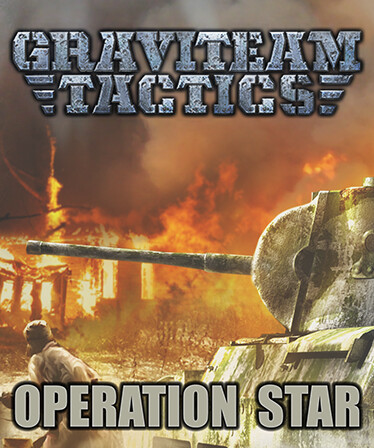
Graviteam Tactics: Operation Star
Graviteam Tactics: Operation Star is a sequel to Achtung Panzer: Kharkov 1943. It’s an Eastern Front war game with solid graphics and sprawling battlefields that really emphasizes the scope of WWII tank combat.Want to step into the role of a commander in the very heart of Kharkov’s defense?
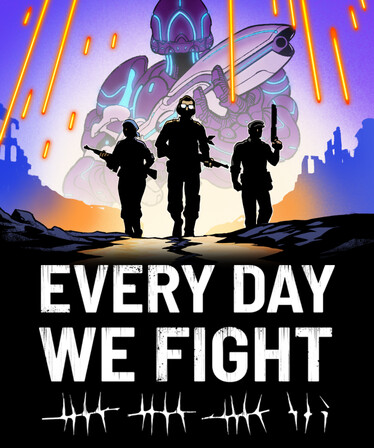
Every Day We Fight
Turn-based tactics meets real-time choices. Control each moment of combat: react to enemy fire, aim your shots, and interrupt enemies on-the-fly. Transform a trio of ragtag civilians into seasoned soldiers - and escape the alien timeloop.
Frequently Asked Questions
The Troop is currently priced at 33.99€ on Steam.
No, The Troop is currently not on sale. You can purchase it for 33.99€ on Steam.
Yes, The Troop received 555 positive votes out of a total of 648 achieving a rating of 8.06.
😎
The Troop was developed by Giant Flame and published by PLA Studios.
Yes, The Troop is playable and fully supported on Windows.
Yes, The Troop is playable and fully supported on MacOS.
No, The Troop is not playable on Linux.
Yes, The Troop is playable on Steam Deck, though it might require a few minor tweaks. Make sure to check the Steam store page and community feedback on ProtonDB for exact compatibility details.
Yes, The Troop is playable on Steam Machine, though it might require a few minor tweaks. Make sure to check the Steam store page and community feedback on ProtonDB for exact compatibility details.
No, The Troop does not support VR.
The Troop is a single-player game.
Yes, there are 2 DLCs available for The Troop. Explore additional content available for The Troop on Steam.
No, The Troop does not support mods via Steam Workshop.
No, The Troop does not support Steam Remote Play.
Yes, The Troop is enabled for Steam Family Sharing. This means you can share the game with authorized users from your Steam Library, allowing them to play it on their own accounts. For more details on how the feature works, you can read the original Steam Family Sharing announcement or visit the Steam Family Sharing user guide and FAQ page.
You can find solutions or submit a support ticket by visiting the Steam Support page for The Troop.
Data sources
The information presented on this page is sourced from reliable APIs to ensure accuracy and relevance. We utilize the Steam API to gather data on game details, including titles, descriptions, prices, and user reviews. This allows us to provide you with the most up-to-date information directly from the Steam platform.
Additionally, we incorporate data from the SteamSpy API, which offers insights into game sales and player statistics. This helps us present a comprehensive view of each game's popularity and performance within the gaming community.
Last Updates| Steam data | 16 September 2026 12:24 UTC |
|---|---|
| SteamSpy data | 20 October 2026 06:45 UTC |
| Steam price | 26 October 2026 19:50 UTC |
| Steam reviews | 19 October 2026 22:07 UTC |
If you'd like to dive deeper into the details about The Troop, we invite you to check out a few dedicated websites that offer extensive information and insights. These platforms provide valuable data, analysis, and user-generated reports to enhance your understanding of the game and its performance.
- SteamDB - A comprehensive database of everything on Steam about The Troop
- SteamCharts - Analysis of The Troop concurrent players on Steam
- ProtonDB - Crowdsourced reports on Linux and Steam Deck The Troop compatibility

Game modes
Features
Online players
16
Developer
Giant Flame
Publisher
PLA Studios
Release
18 Oct 2023
Platforms