


Enigmatis 2: The Mists of Ravenwood
Enter Ravenwood Park and discover the secrets hidden in the mists…
Sync your Steam wishlist to find the lowest game prices instantly. No login required, just paste your Steam profile URL!
⚡ Try Wishlist Radar!
Sync your Steam wishlist to find the lowest game prices instantly. No login required!
⚡ Try Wishlist Radar!
Close

True Fear: Forsaken Souls Part 2 on Steam
Quick menu
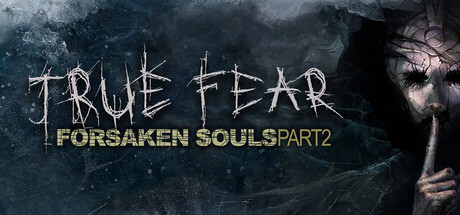
True Fear: Forsaken Souls Part 2 is the sequel to one of the best rated horror escape games, acclaimed for its story and the atmosphere of horror mystery.
True Fear: Forsaken Souls Part 2 is a adventure, casual and psychological horror game
developed by Goblinz Enterprises Ltd
and published by The Digital Lounge.
Released on November 02nd 2018 is available on Windows, MacOS, Steam Deck and Steam Machine.
It has received 702 reviews of which 656 were positive and 46 were negative resulting in a rating of 8.7 out of 10. 😎
The game is currently priced at 2.49€ on Steam with a 75% discount.
The Steam community has classified True Fear: Forsaken Souls Part 2 into these genres:
Media & Screenshots
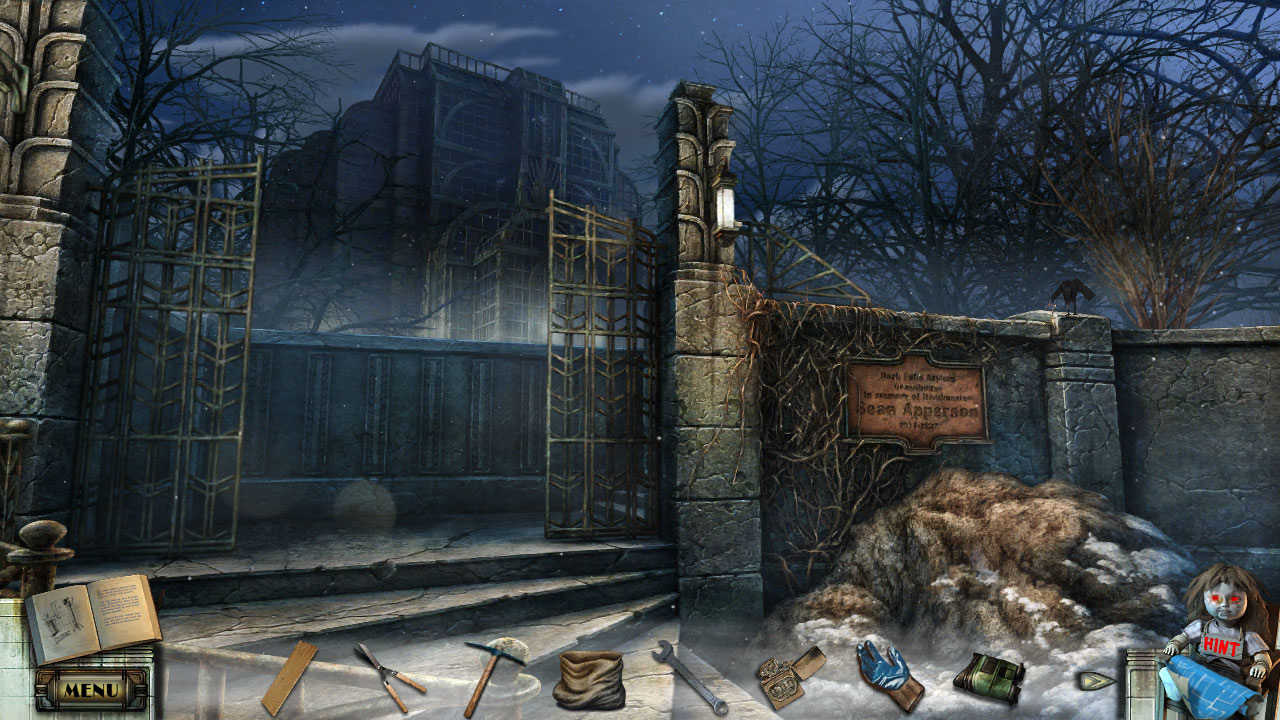
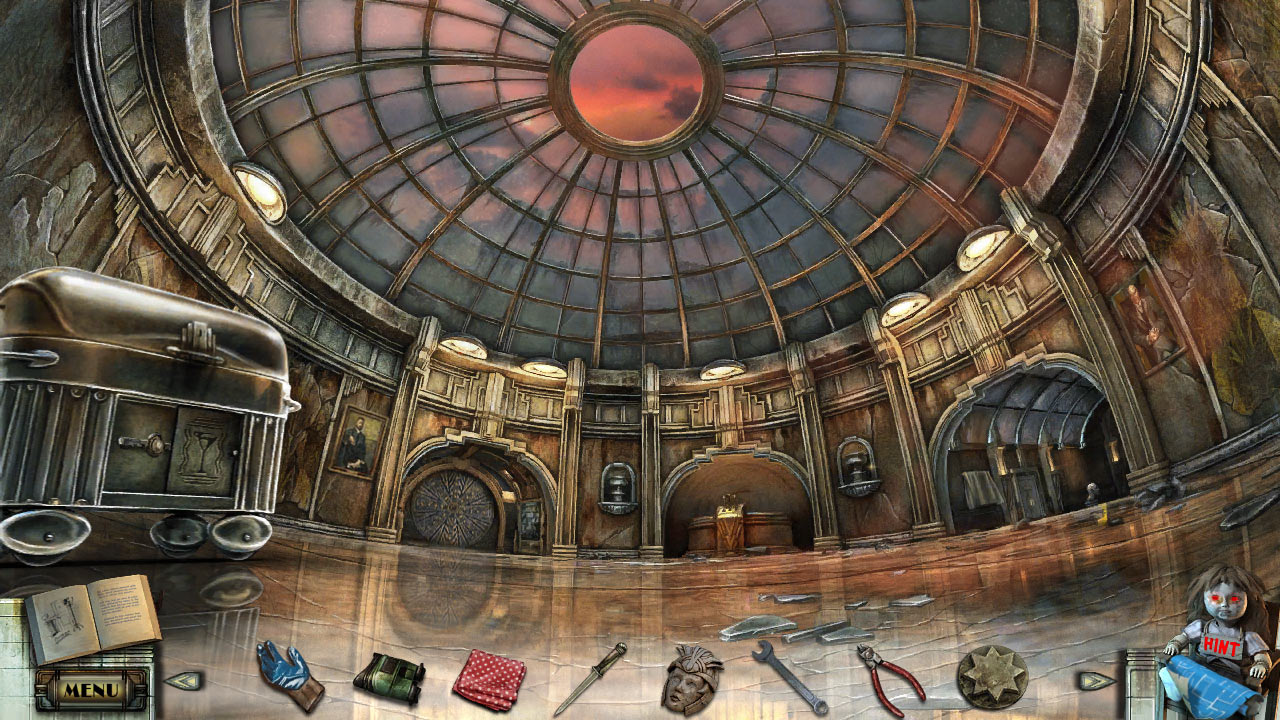
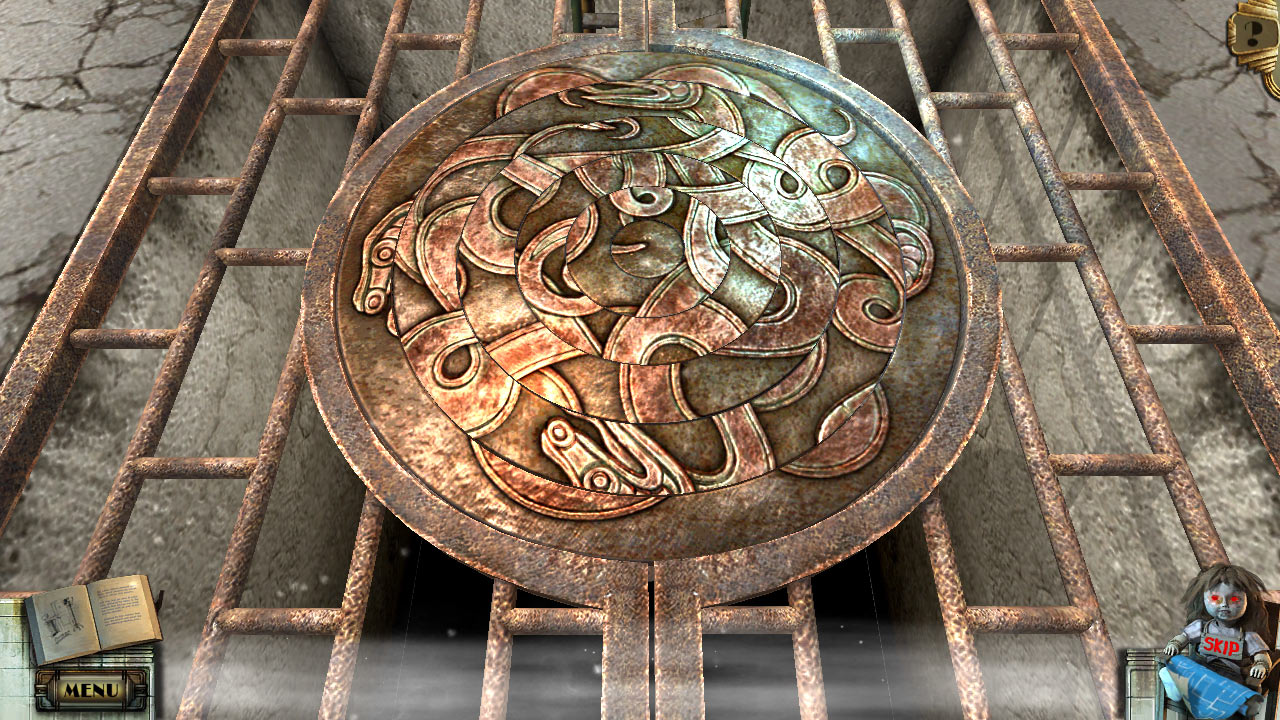
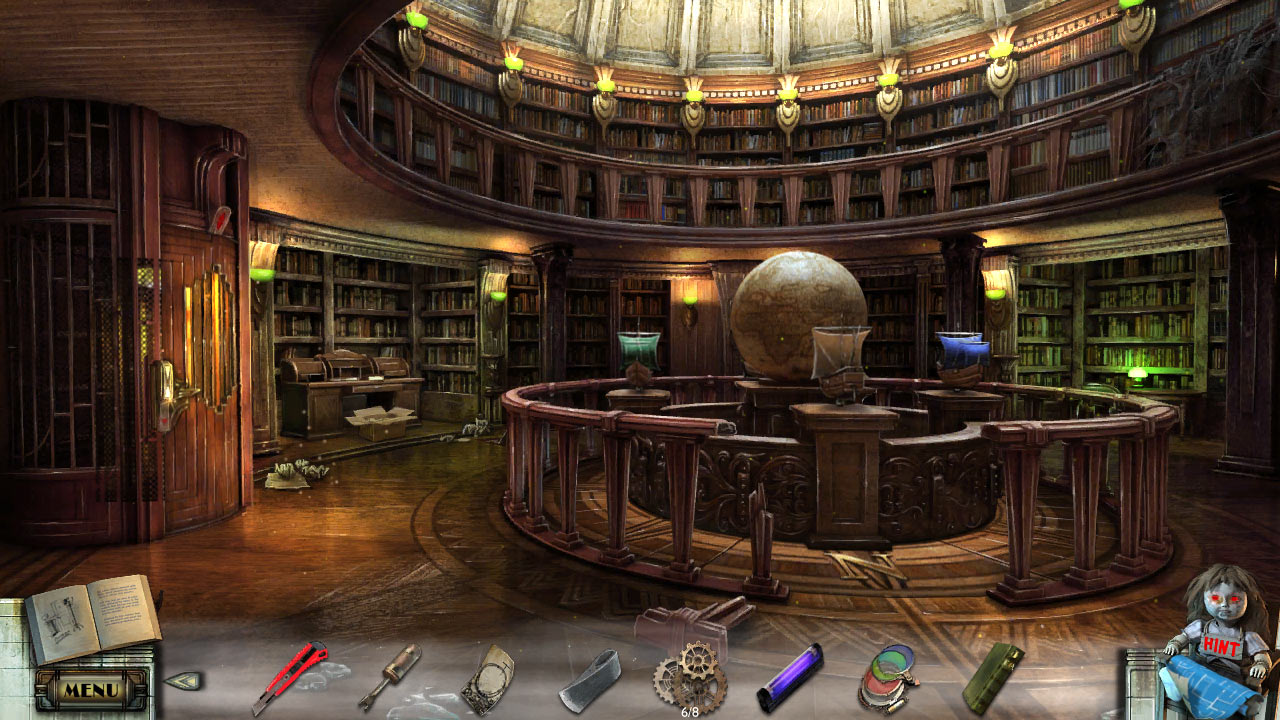
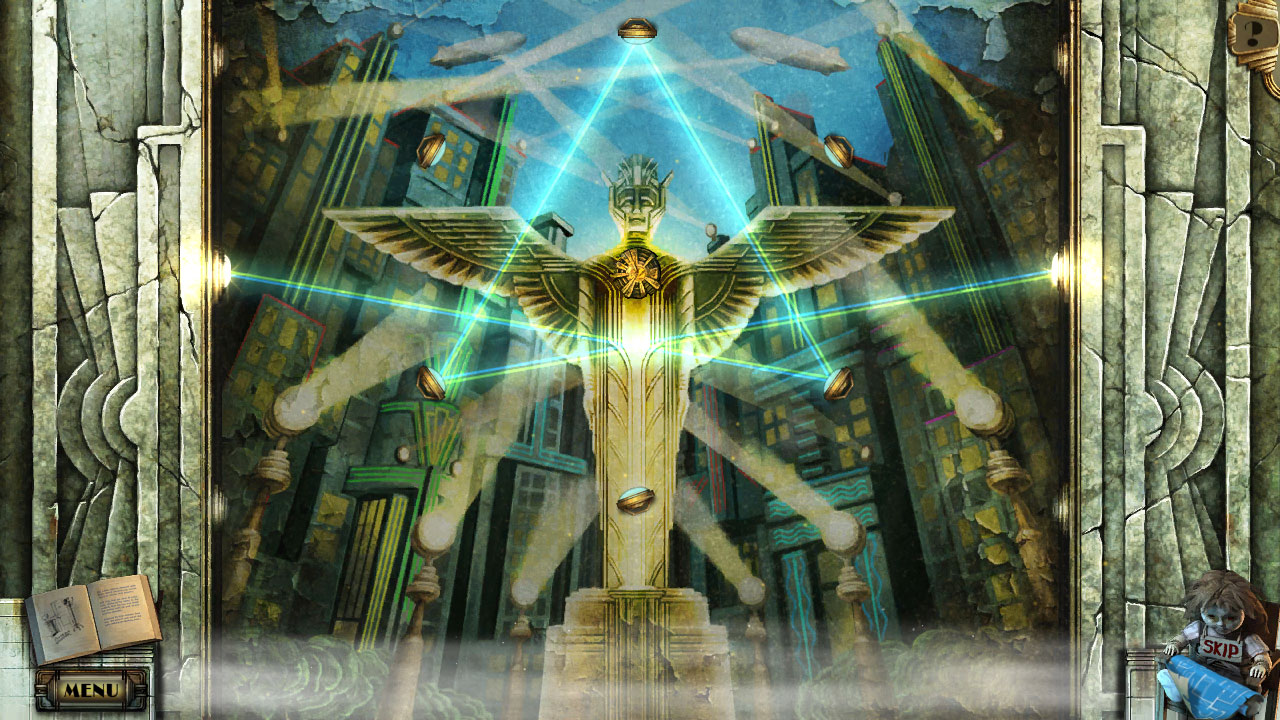
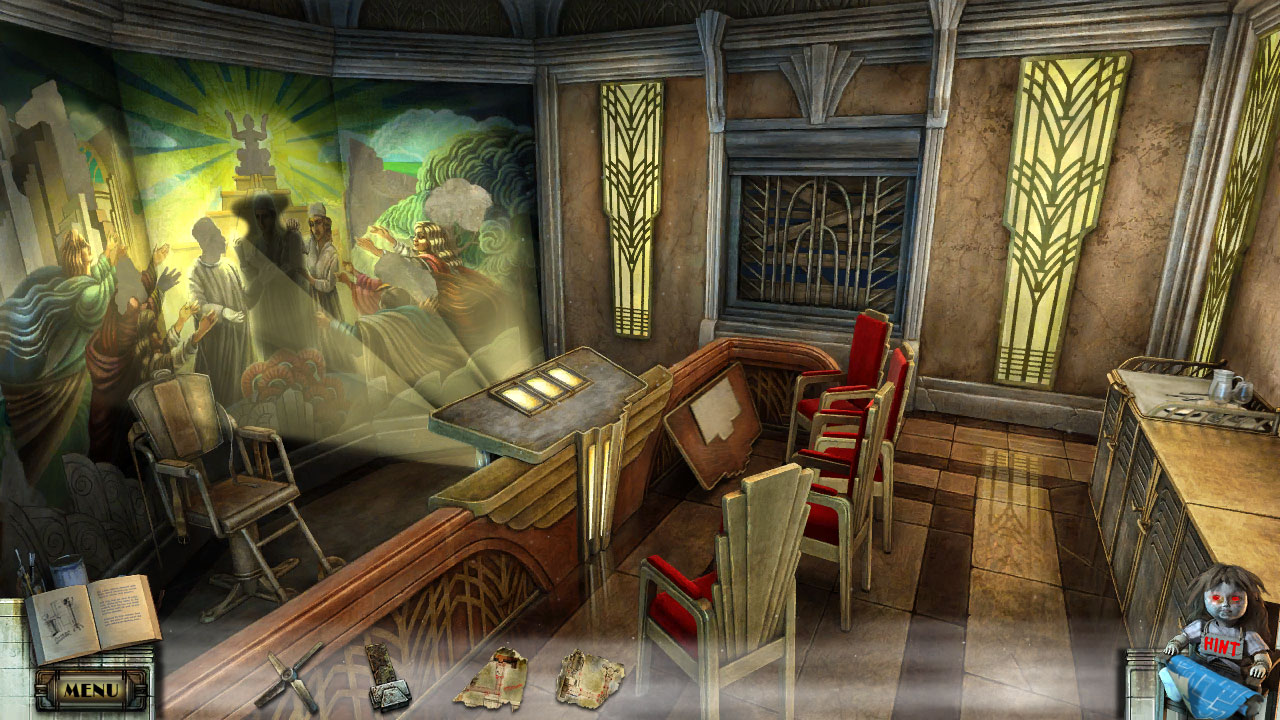
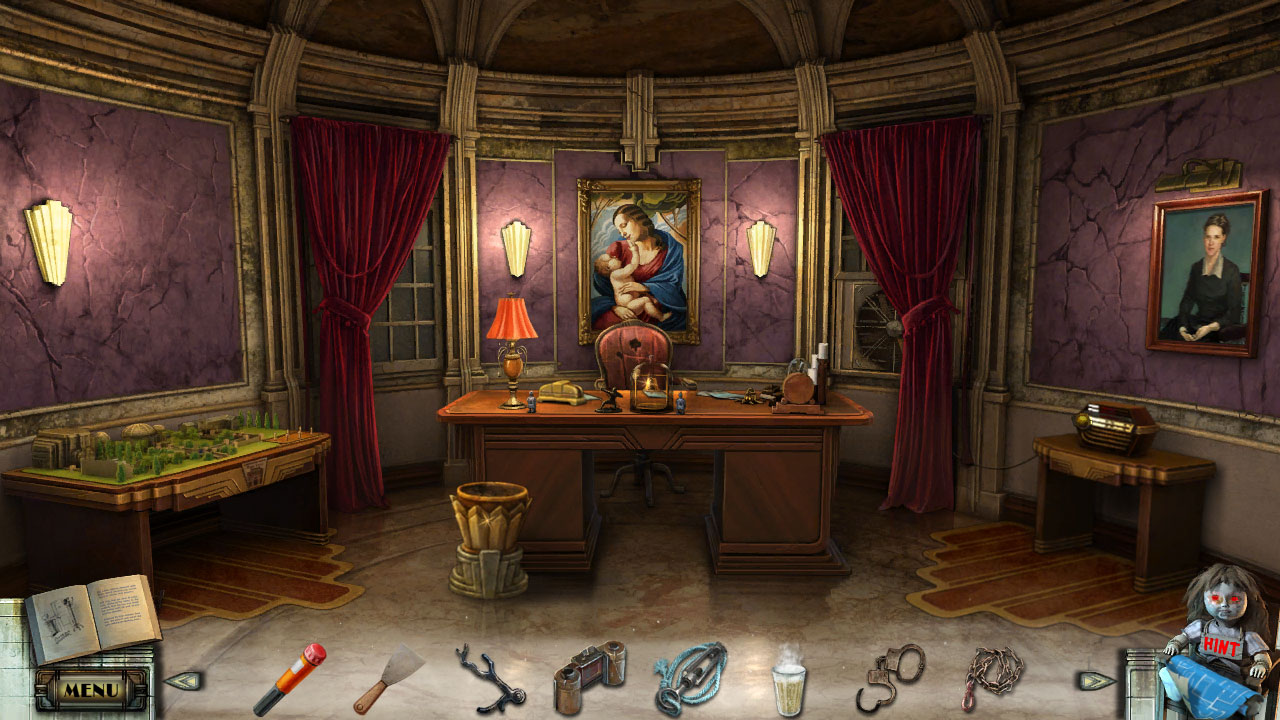
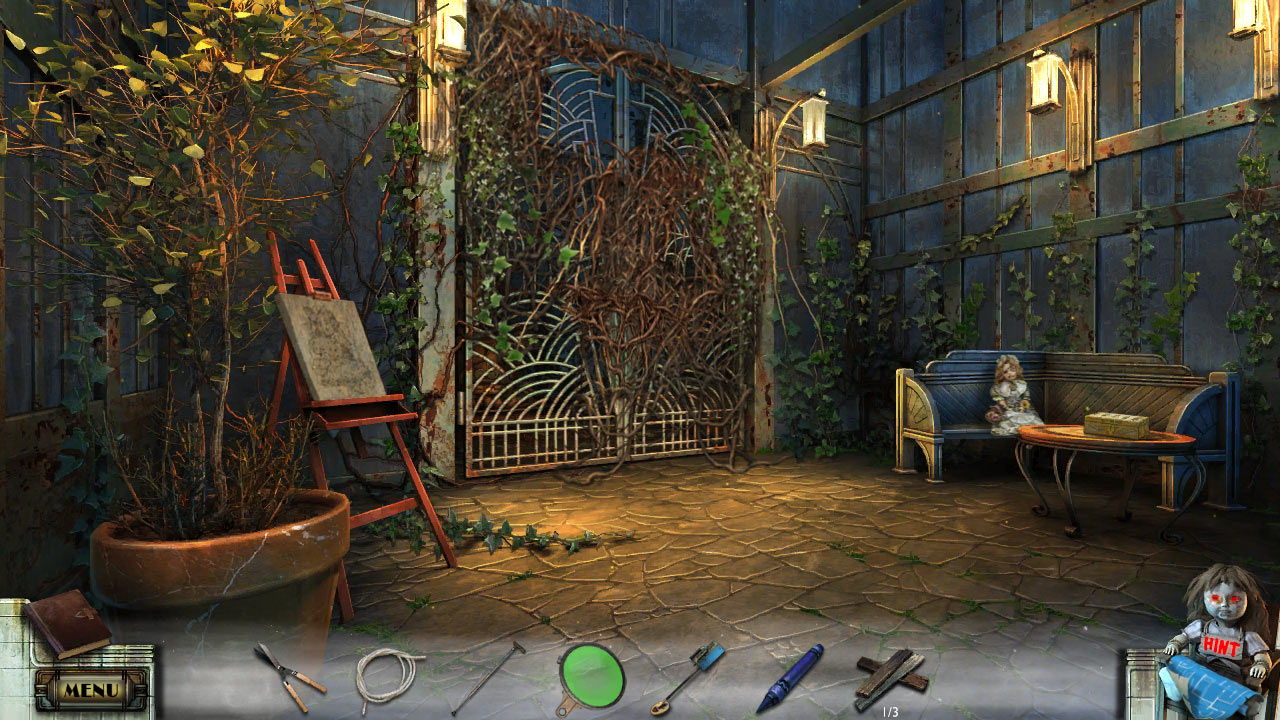
Get an in-depth look at True Fear: Forsaken Souls Part 2 through various videos and screenshots.
Load More
System requirements
These are the minimum specifications needed to play the game. For the best experience, we recommend that you verify them.
Windows
- Requires a 64-bit processor and operating system
- OS *: Windows Vista
- Processor: 1.5Ghz CPU: SSE2 instruction set support.
- Memory: 1 GB RAM
- Graphics: DX9 (Shader model 2.0); 256MB
- DirectX: Version 9.0
- Storage: 1 GB available space
MacOS
- Requires an Apple processor
- OS: 10.6.8
- Processor: 1.5 GHz
- Memory: 2 GB RAM
- Graphics: 256 MB VRAM
- Storage: 1 GB available space
Steam Price & Best Deals
User reviews & Ratings
Explore reviews from Steam users sharing their experiences and what they love about the game.
A direct sequel to the first Forsaken Souls, wherein you guide the protagonist — a woman seeking answers to a curse afflicting her immediate family — on her quest to uncover what happened at the now-abandoned mental hospital that once housed her sister. A twin (triplet?) sister of whom she was previously unaware, because this game’s plot operates under soap opera rules. If you played the first game, in most respects it’s quite similar, just bigger. It’s a point-and-click adventure in the style of games where you move from room to room, each of which is depicted from a static first-person vantage point. You find objects in each room, building up your inventory; and you use your inventory to manipulate other objects to solve environmental puzzles. Standard fare, nothing too inventive from a gameplay perspective. The inventory/environment puzzles are … fine, if highly contrived, with a bit of moon logic here and there. Unfortunately, the game requires an intense amount of pixel-hunting. Perhaps because it’s holding onto the first game’s hidden object bona fides, there is no way to highlight interactable elements on the screen. You have to find things manually. That’s fine as far as it goes, and pretty common in point-and-clicks. But it felt particularly annoying here to me, as what is and is not interactable can be a bit subtle. Two aspects of the design come to the rescue. For one thing: if you’re not playing on hard difficulty then interactable elements will sometimes sparkle. It’s subtle, though, and a bit inconsistent. For another: this game provides a map showing how each screen links together, and whenever there’s something you can do on a given screen, the map will show that screen with a red exclamation mark. You can then teleport directly to that location. This significantly narrows down the search space. However, this doesn’t eliminate the pixel-hunting; I’d frequently find myself clicking everywhere on a screen trying to locate the interactable element I was missing. Further, and more importantly, the map’s beneficence led to a gameplay loop where I wasn’t really engaging with the puzzle design — I was just using the map to go to the right room and figuring things out via trial and error. For this reason there weren’t a lot of the “aha!” moments that make point-and-click game fun. You could play without the map, but I suspect it would be a frustrating experience because of the game’s pixel-hunting combined with the large number of rooms. Finally … this may be a “me” problem, but I found that the game overused minigame-style puzzles, in the vein of making a picture via sliding tiles around. Some of these were tolerable, but there were a lot of puzzles in which you need to get a set of objects into some configuration, but you’re only allowed (say) three levers or buttons that change the entire configuration in unpredictable ways, and you need to work out the exact sequence of lever pulls or button presses that finally result in the correct configuration. It feels like doing a Rubik’s Cube. Maybe this is an indictment of my visio-spatial reasoning skills, but I found these games intensely frustrating. I just wasn’t having a fun time, and there were a ton of them. You can skip them, though, at least on medium difficulty. I found myself doing this more and more often as the game progressed. I just couldn’t be bothered. Final verdict? The game's OK, not perfect, but playable, and it has a fun low-budget horror movie vibe. The game can be frustrating, but that frustration is smoothed over via a generous cheat/skip system if you're willing to use it. There are worse ways to spend six or seven hours.
Eh. Alright well... While this isn't bad... This isn't like the first one. It's also rather not well optimized (I forgot to check if the first game was running at 800 - 1.6k FPS) and the Mini-Games in this one are more to drive you annoyed/insane versus for you to have fun/challenge. I would say it's appropriate for the setting, but... I don't know why they derived from the 1st game's formula. It was creepy. Unsettling. You WANTED to know wth is going on and lalalal, the rest. This one however... I have no idea what's going on and some mini-games fried my brain. Creepy? Sure, it started out that way and then I was like... Go away!!! I am trying to annoy myself with this damn puzzle and mayhaps reach the ending!! Then I FINALLY do, all the while my PC is reminding me that I shouldn't play this game for too long or risk frying it at some point, and I don't get it. Any of it. Like I said... It's not bad... And it's a Trilogy... I've played far, far worse games and I did have *some* fun with it. So that does have to count for something. EH.
Similar games
View all

9 Clues 2: The Ward
Solve the mystery of Mnemosyne Asylum!
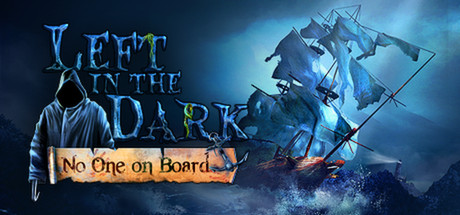
Left in the Dark: No One on Board
Discover what connects a lost ship’s disappearance with Devil’s Island and a local family’s unsolved murder.
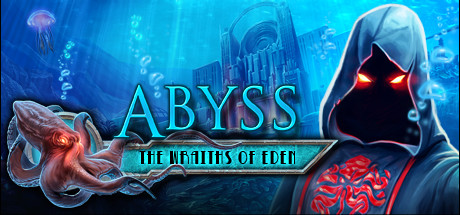
Abyss: The Wraiths of Eden
Take a deep breath and find your fiancée who went missing in the dark abyss of the ocean.

Enigmatis: The Ghosts of Maple Creek
Let one of the most thrilling adventures of your life begin!

Demon Hunter: Chronicles from Beyond
Discover your true identity and face a mysterious entity from another dimension!

Eventide 2: The Sorcerers Mirror
Discover the magic of slavdom!

9 Clues: The Secret of Serpent Creek
Save your missing friend and reveal the corruption of the town’s citizens to stop an evil plot to bring the evil Snake God back to our world.

Fairy Tale Mysteries: The Puppet Thief
Discover the truth behind the myth and save the children!

Ghost Files: The Face of Guilt
Lead the Police investigation in the afterlife!

Dark Arcana: The Carnival
Find the missing woman lost in a mysterious Carnival of Horrors.
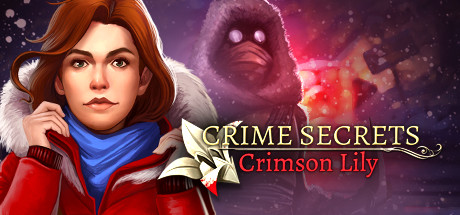
Crime Secrets: Crimson Lily
Stop the mysterious killer!
Frequently Asked Questions
True Fear: Forsaken Souls Part 2 is currently priced at 2.49€ on Steam.
Yes, True Fear: Forsaken Souls Part 2 is currently available at a 75% discount. You can purchase it for 2.49€ on Steam.
Yes, True Fear: Forsaken Souls Part 2 received 656 positive votes out of a total of 702 achieving a rating of 8.74.
😎
True Fear: Forsaken Souls Part 2 was developed by Goblinz Enterprises Ltd and published by The Digital Lounge.
Yes, True Fear: Forsaken Souls Part 2 is playable and fully supported on Windows.
Yes, True Fear: Forsaken Souls Part 2 is playable and fully supported on MacOS.
No, True Fear: Forsaken Souls Part 2 is not playable on Linux.
Yes, True Fear: Forsaken Souls Part 2 is playable and fully supported on Steam Deck.
Yes, True Fear: Forsaken Souls Part 2 is playable and fully supported on Steam Machine.
No, True Fear: Forsaken Souls Part 2 does not support VR.
True Fear: Forsaken Souls Part 2 is a single-player game.
No, True Fear: Forsaken Souls Part 2 does not currently offer any DLC.
No, True Fear: Forsaken Souls Part 2 does not support mods via Steam Workshop.
No, True Fear: Forsaken Souls Part 2 does not support Steam Remote Play.
Yes, True Fear: Forsaken Souls Part 2 is enabled for Steam Family Sharing. This means you can share the game with authorized users from your Steam Library, allowing them to play it on their own accounts. For more details on how the feature works, you can read the original Steam Family Sharing announcement or visit the Steam Family Sharing user guide and FAQ page.
You can find solutions or submit a support ticket by visiting the Steam Support page for True Fear: Forsaken Souls Part 2.
Data sources
The information presented on this page is sourced from reliable APIs to ensure accuracy and relevance. We utilize the Steam API to gather data on game details, including titles, descriptions, prices, and user reviews. This allows us to provide you with the most up-to-date information directly from the Steam platform.
Additionally, we incorporate data from the SteamSpy API, which offers insights into game sales and player statistics. This helps us present a comprehensive view of each game's popularity and performance within the gaming community.
Last Updates| Steam data | 21 September 2026 05:14 UTC |
|---|---|
| SteamSpy data | 22 October 2026 01:37 UTC |
| Steam price | 26 October 2026 19:21 UTC |
| Steam reviews | 18 October 2026 17:51 UTC |
If you'd like to dive deeper into the details about True Fear: Forsaken Souls Part 2, we invite you to check out a few dedicated websites that offer extensive information and insights. These platforms provide valuable data, analysis, and user-generated reports to enhance your understanding of the game and its performance.
- SteamDB - A comprehensive database of everything on Steam about True Fear: Forsaken Souls Part 2
- SteamCharts - Analysis of True Fear: Forsaken Souls Part 2 concurrent players on Steam
- ProtonDB - Crowdsourced reports on Linux and Steam Deck True Fear: Forsaken Souls Part 2 compatibility

Game modes
Features
Online players
10
Developer
Goblinz Enterprises Ltd
Publisher
The Digital Lounge
Release
02 Nov 2018
Platforms
Clicking and buying through these links helps us earn a commission to maintain our services.