Volt on Steam - User reviews, Price & Information

Quick menu

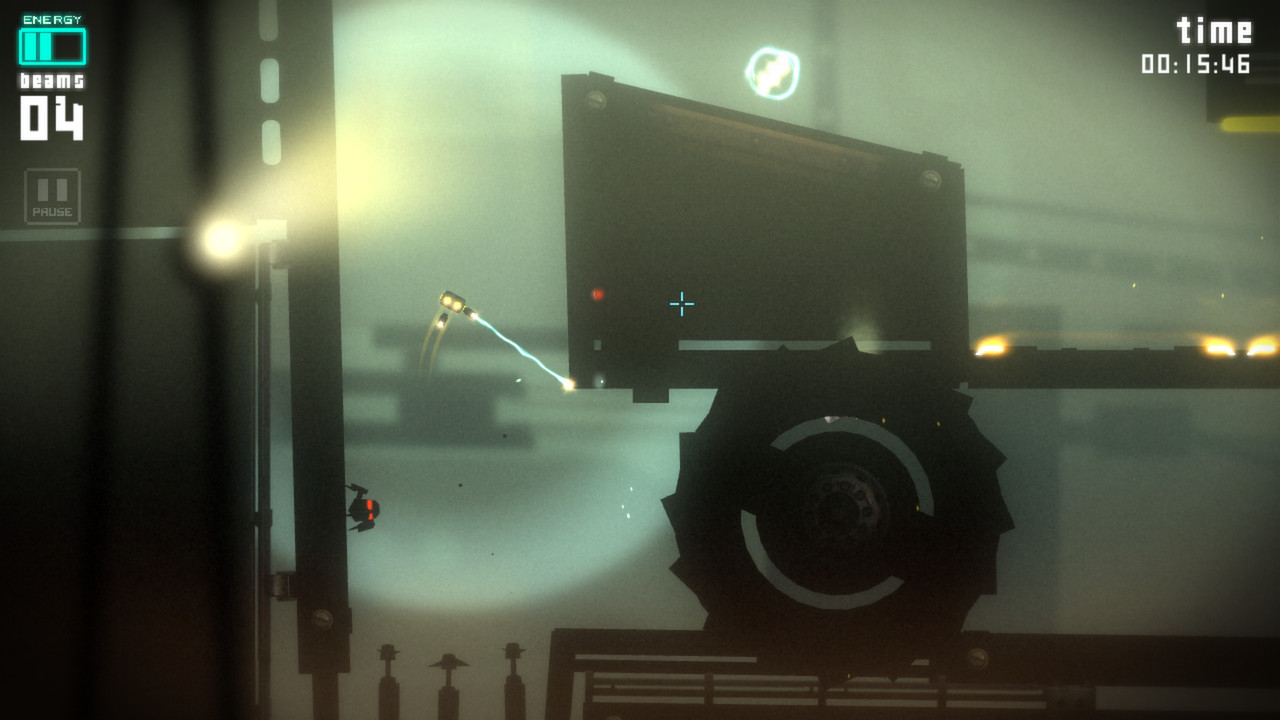
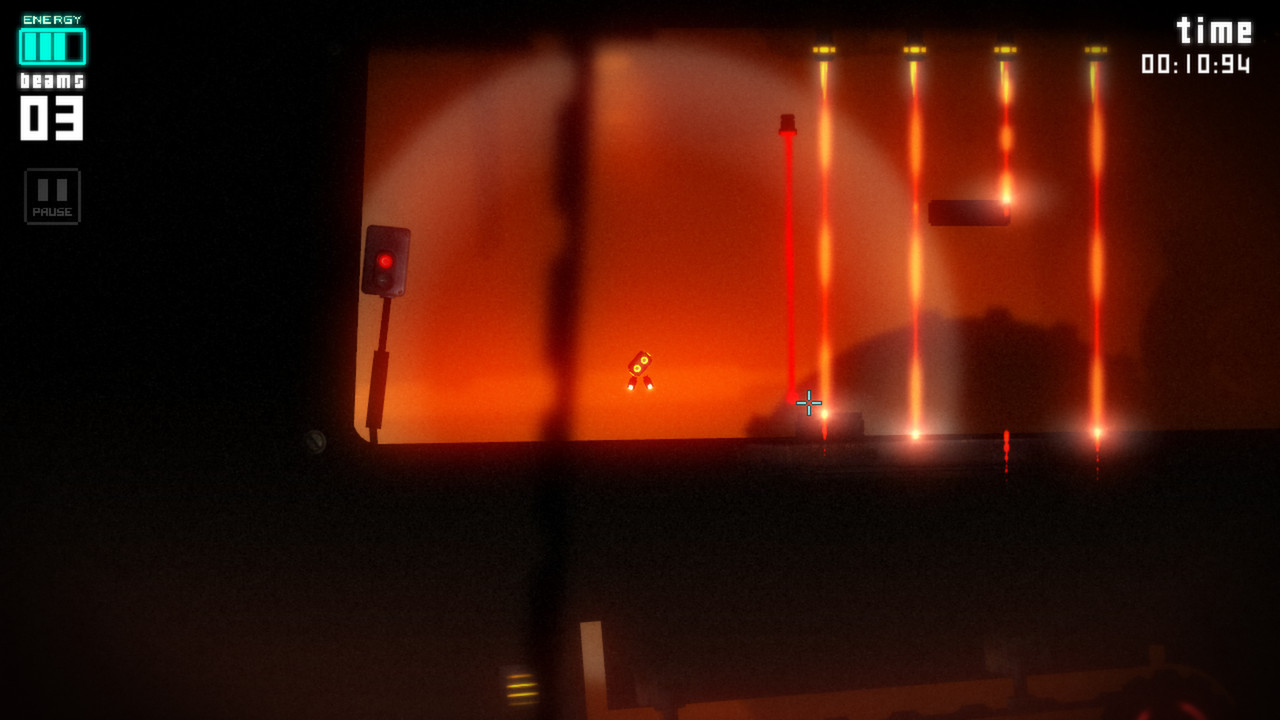
You were on the way to a recycling process when fortunately for you - and unfortunately for the environment - you accidentally ran off. Now your goal is to escape from the facility, which is an extremely difficult task due to the fact that you are a battery without legs.

Volt is a indie, action and puzzle game developed and published by Quantized Bit.
Released on April 14th 2014 is available in English on Windows, MacOS and Linux.

It has received 442 reviews of which 307 were positive and 135 were negative resulting in a rating of 6.6 out of 10. 😐

The game is currently priced at 0.49€ on Steam with a 51% discount.


The Steam community has classified Volt into these genres:

Media & Screenshots

Get an in-depth look at Volt through various videos and screenshots.
System requirements

These are the minimum specifications needed to play the game. For the best experience, we recommend that you verify them.

Windows
  • OS *: Windows XP
  • Processor: 1.7 Ghz
  • Memory: 1 GB RAM
  • Graphics: Intel GMA 900
  • DirectX: Version 9.0
  • Storage: 150 MB available space
MacOS
  • OS: OS X Lion 10.7.5
  • Processor: 2 Ghz
  • Memory: 2 GB RAM
  • Graphics: Intel GMA 950
  • Storage: 150 MB available space
Linux
  • OS: Ubuntu 12.04.4 LTS
  • Processor: 2 Ghz
  • Memory: 1 GB RAM
  • Graphics: Intel GMA 900
  • Storage: 150 MB available space

User reviews & Ratings

Explore reviews from Steam users sharing their experiences and what they love about the game.

Dec. 2025
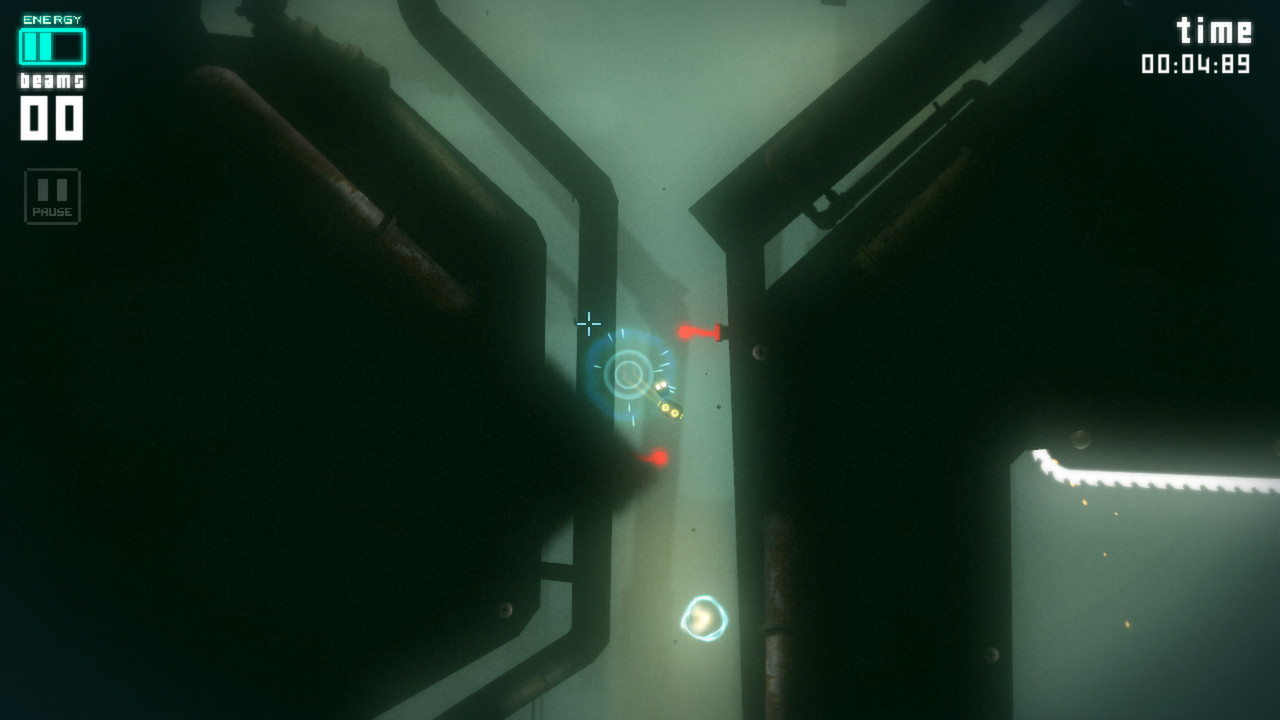
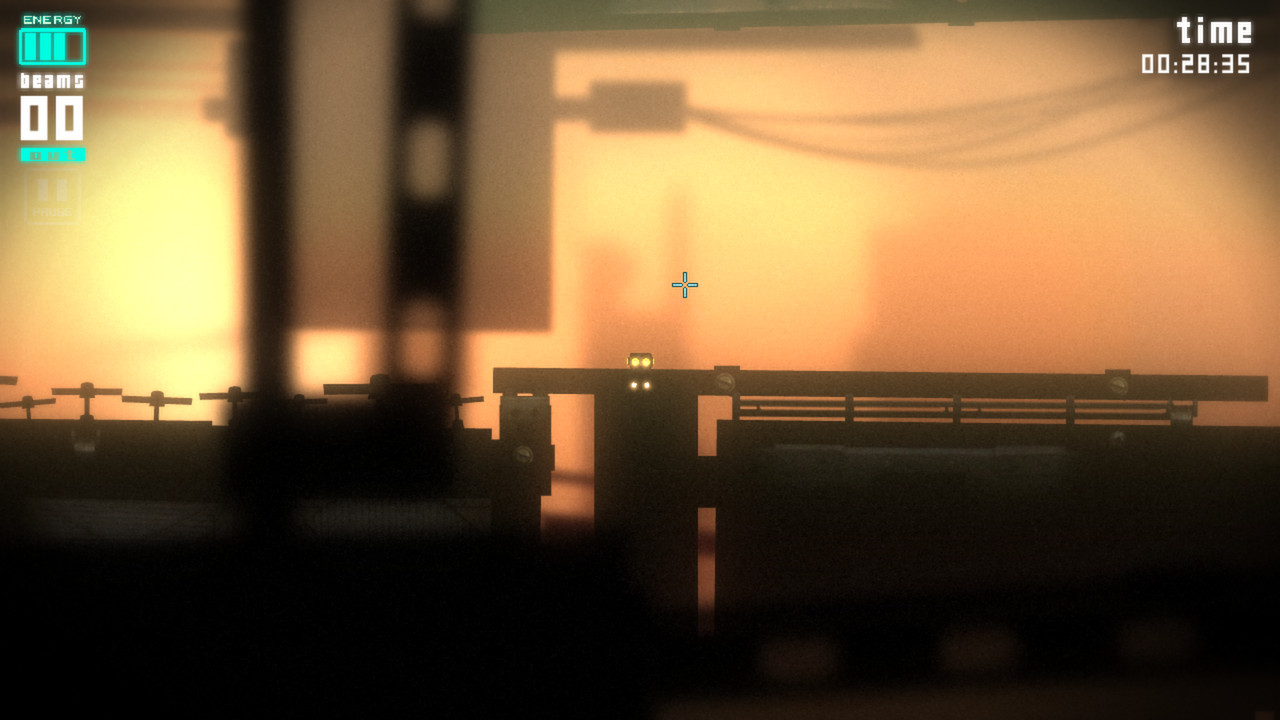
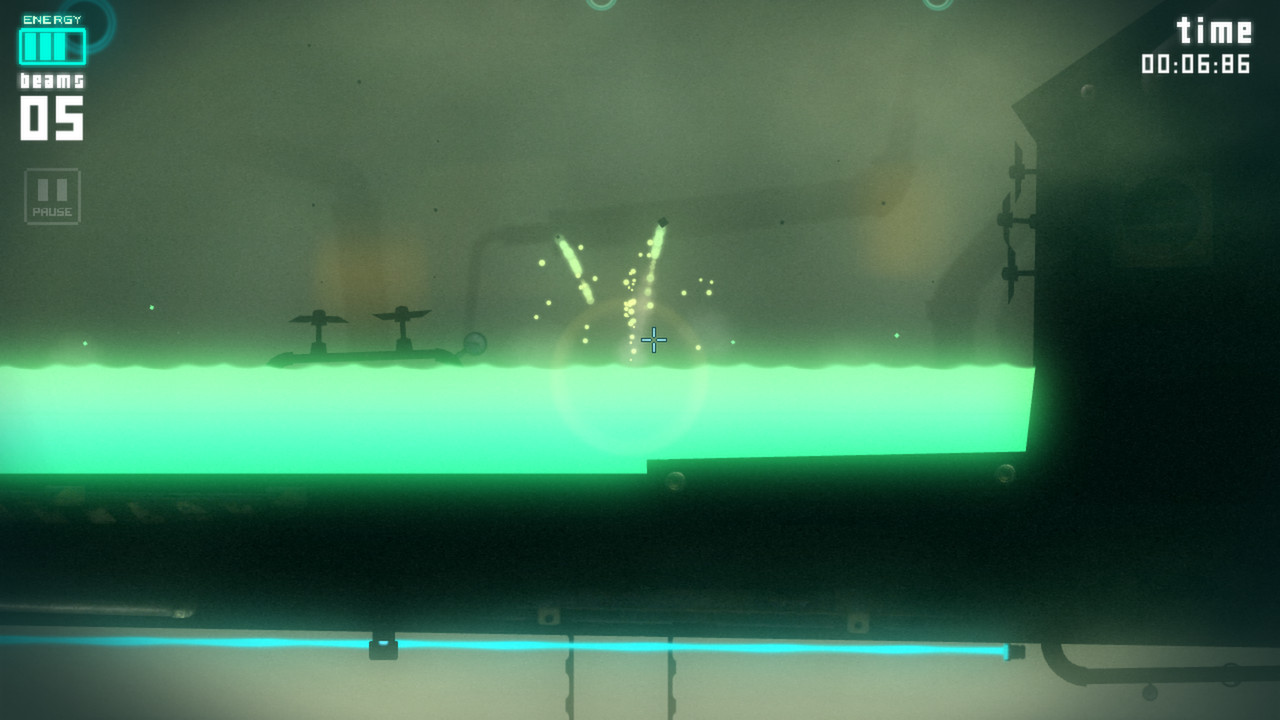
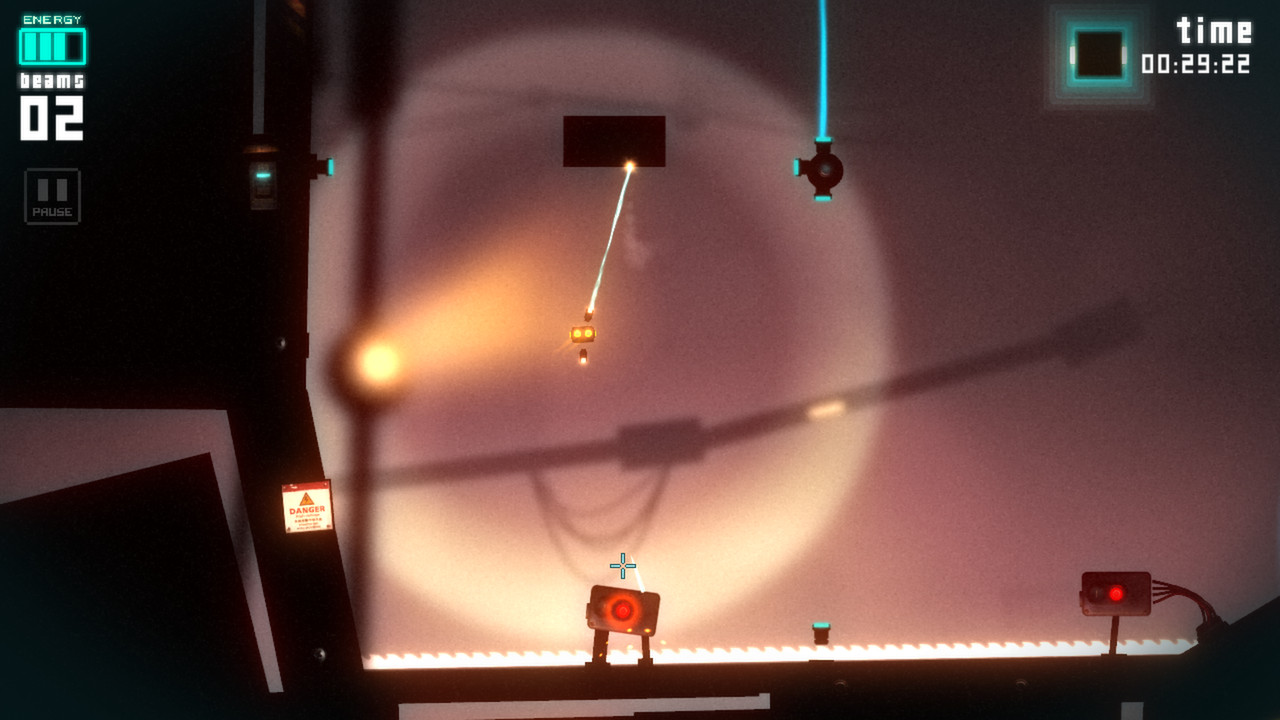
Volt is a compact but inventive indie action-puzzle platformer developed and published by Quantized Bit that distinguishes itself through a clever mechanical hook and a strong sense of physicality. At first glance, its premise appears almost whimsical: you control a living battery attempting to escape an industrial facility before it is unceremoniously recycled. Yet beneath this playful setup lies a carefully constructed game that revolves around momentum, physics, and problem solving rather than conventional platforming tropes. Volt does not rely on fast reflex combat or elaborate narrative exposition; instead, it challenges players to rethink movement itself, turning traversal into the core puzzle. The defining feature of Volt is its unconventional control scheme. Rather than giving the player full freedom of movement, the game restricts traditional locomotion and instead equips the battery with electrical beams that can attach to surfaces, objects, and mechanisms. These beams act as lifelines, grappling hooks, power conduits, and tools of destruction all at once. Navigating each level becomes an exercise in understanding physics: swinging with momentum, managing angles, timing releases, and conserving energy. This system ensures that even simple obstacles require thought, and later stages escalate this complexity by layering hazards, moving platforms, and interactive machinery that demand precise control and experimentation. Progression in Volt is structured across a substantial number of levels spread through distinct industrial zones, each introducing new mechanics or twists on existing ideas. Early puzzles serve as gentle tutorials, teaching players how to manipulate momentum and connect beams effectively, while later stages push those lessons to their limits. Levels are compact but dense, often encouraging multiple attempts as players refine their approach and learn from failure. The difficulty curve is generally fair, though occasionally unforgiving, especially when precision timing is required. Importantly, the challenge rarely feels arbitrary; when a solution finally clicks, it is usually because the player has mastered the underlying systems rather than stumbled onto a lucky outcome. Narratively, Volt takes a minimalist approach, letting the environment speak for itself. The sterile factory floors, conveyor belts, crushing machinery, and disposal chutes tell a quiet story about automation and disposability without ever spelling it out. There is no dialogue and little explicit storytelling, but the simple motivation of escape is enough to frame the experience. This restraint works in the game’s favor, keeping the focus firmly on interaction and immersion rather than interrupting the flow with exposition. The battery itself becomes an oddly sympathetic protagonist, defined entirely by how it moves, struggles, and adapts within an uncaring mechanical world. Visually, Volt embraces a clean, utilitarian aesthetic that prioritizes readability over spectacle. The industrial environments are deliberately stark, using clear shapes, muted colors, and sharp contrasts to ensure that hazards and interactable elements are always visible. While the presentation may feel modest compared to flashier indie platformers, it suits the game’s mechanical focus and prevents visual clutter from interfering with precision play. Subtle lighting effects and particle details help sell the electrical theme, while the restrained art direction keeps attention where it belongs—on the puzzle mechanics and spatial awareness. Audio design plays a supporting but effective role throughout the experience. Sound effects provide crucial feedback for beam connections, energy transfer, and environmental interactions, reinforcing the tactile feel of the controls. The soundtrack remains understated, favoring atmospheric tones over memorable melodies, which complements the solitary, mechanical setting without becoming distracting. Together, the audio and visuals create a cohesive mood that reinforces the game’s identity as a thoughtful, physics-driven puzzle platformer rather than a narrative or action-focused experience. Reception among players reflects Volt’s niche appeal. Those who enjoy experimental mechanics and puzzle-centric design often praise its originality and the satisfaction of mastering its movement system. Others find the pacing uneven or the difficulty spikes frustrating, particularly when levels demand repeated trial and error. The game’s relatively low profile and restrained presentation mean it may not immediately hook players seeking constant novelty or spectacle, but for those willing to engage with its systems, it offers a surprisingly deep and rewarding experience. Ultimately, Volt stands as a strong example of how a single, well-executed idea can carry an entire game. Its emphasis on physics-based movement, careful level design, and environmental storytelling creates an experience that feels distinct within the crowded indie platformer space. While it may not appeal to everyone, especially those looking for narrative depth or traditional platforming action, it succeeds admirably on its own terms. For players who enjoy methodical problem solving, mechanical mastery, and unconventional control schemes, Volt delivers a focused and memorable journey that rewards patience, curiosity, and precision. Rating: 6/10
Expand the review
Nov. 2025
Puzzle platformer where you control a battery trying to escape from a recycling factory, using electricity and physics to solve puzzles ✅The game contains 67 levels ✅Interesting, simple, colorful graphics ✅Good price for the game's content ✅Physics mechanics such as energy beam control and wall reflections ✅Boss episodes ✅If you fail, or die, you don't have to start over ❌Relatively poor controls on higher difficulty levels ❌Poor soundtrack ❌The game is designed for experienced players; it's a challenging game ✅✅ Verdict: Very Bad , Bad , Decent , Good , Very Good (Rating scale for tested games) If you have any questions about my reviews, feel free to ask. I'm happy to answer them. All reviews are my own!! Best regards, King Viking Bezimienny, Polish Game Reviewer.
Expand the review
Sept. 2025
Very beautiful and enjoyable game, good time killer and brain relaxer.
Expand the review
March 2025
this rocks, the movement mechanics are really smooth and the post processing makes the world look great, despite being mostly made of simple shapes lovely game
Expand the review
Feb. 2025
Detailed and Positive Game Analysis of "Volt" [quote=Wendrex] Developed by Quantized Bit "Volt" is a game that stands out for its innovative approach and impeccable execution, the result of the talent and vision of developer Quantized Bit. Combining elements of platforming, puzzles and action, the game offers an engaging and challenging experience that captivates both casual and more experienced players. Below, a detailed and positive analysis of what makes "Volt" a memorable title. 1. Concept and Narrative "Volt" is set in a futuristic world where energy is the most valuable resource. The player assumes the role of a small robot, carrying a battery that needs to be constantly recharged in order to survive. The narrative, although simple, is effective and emotional, exploring themes of survival, connection and hope in a post-apocalyptic scenario. The story is told in a subtle way, through the environment and game mechanics, which adds depth without overwhelming the player with dialogue or cutscenes. 2. Gameplay and Mechanics The core of "Volt" is its unique and polished gameplay. The player-controlled robot must manage its energy while navigating challenging environments. The battery recharging mechanic is brilliant, as it adds a strategic layer to the game. The player must plan their movements, deciding when to run, when to wait, and how to use the recharge points scattered throughout the environment. Creative Challenges: The puzzles are varied and require both quick reflexes and logical thinking. From avoiding enemies to activating complex mechanisms, each level brings something new to explore. Precise Controls: The controls are responsive and intuitive, which is essential for a platform game that requires precision. Satisfying Progression: The game introduces new mechanics gradually, keeping the player engaged and always learning. 3. Visual and Artistic Design "Volt" looks stunning, with a minimalist art style that perfectly matches the futuristic theme. Colors are used intelligently to guide the player and highlight important elements, such as recharge points and hazards. The settings are varied, ranging from abandoned factories to desolate outdoor landscapes, each with its own visual identity. Lighting and Atmosphere: Dynamic lighting and visual effects, such as sparks and electrical discharges, contribute to immersion. Character and Enemy Design: The protagonist robot is charismatic and easy to identify, while the enemies and obstacles are designed to be visually distinct and challenging. 4. Soundtrack and Sound Effects The soundtrack of "Volt" is a special highlight. Composed of electronic and ambient music, it perfectly complements the game's atmosphere, alternating between moments of tension and calm. The sound effects are also notable, with sounds of engines, electrical discharges and metallic footsteps that increase immersion. 5. Duration and Replayability "Volt" offers a well-balanced experience in terms of duration. The game is not excessively long, but each level is dense with content and challenges, ensuring that the player feels like they are progressing. In addition, replayability is encouraged through collectibles and secondary challenges, such as completing levels within a time limit or using fewer recharges. 6. Innovation and Impact "Volt"'s greatest asset is its ability to innovate within an already established genre. The energy management mechanic not only adds complexity to the gameplay, but also reinforces the game's theme, creating a connection between narrative and gameplay. Quantized Bit demonstrates an impressive mastery of game design, delivering a cohesive and memorable experience. 7. Strengths Unique and well-executed energy management mechanic. Minimalist and atmospheric visual design. Engaging soundtrack and immersive sound effects. Varied challenges and satisfying progression. Subtle and emotional narrative. 8. Areas for Improvement While “Volt” is an exceptional game, a few minor tweaks could make it even better: Add more variety to enemies and obstacles in later stages. Include a cooperative or competitive mode to increase replayability. Conclusion “Volt” is a shining example of how creativity and technical execution can come together to create a memorable gaming experience. Quantized Bit demonstrates exceptional talent in delivering a game that is simultaneously challenging, exciting, and visually stunning. For fans of platformers and puzzlers, “Volt” is a must-play experience that will surely leave a lasting mark on the indie gaming scene. Final Score: 9/10 “Volt” is an indie gem that deserves recognition for its innovation, design, and ability to thrill. A true testament to the talent of Quantized Bit.
Expand the review

Frequently Asked Questions

Volt is currently priced at 0.49€ on Steam.

Volt is currently available at a 51% discount. You can purchase it for 0.49€ on Steam.

Volt received 307 positive votes out of a total of 442 achieving a rating of 6.63.
😐

Volt was developed and published by Quantized Bit.

Volt is playable and fully supported on Windows.

Volt is playable and fully supported on MacOS.

Volt is playable and fully supported on Linux.

Volt is a single-player game.

Volt does not currently offer any DLC.

Volt does not support mods via Steam Workshop.

Volt does not support Steam Remote Play.

Volt is enabled for Steam Family Sharing. This means you can share the game with authorized users from your Steam Library, allowing them to play it on their own accounts. For more details on how the feature works, you can read the original Steam Family Sharing announcement or visit the Steam Family Sharing user guide and FAQ page.

You can find solutions or submit a support ticket by visiting the Steam Support page for Volt.

Data sources

The information presented on this page is sourced from reliable APIs to ensure accuracy and relevance. We utilize the Steam API to gather data on game details, including titles, descriptions, prices, and user reviews. This allows us to provide you with the most up-to-date information directly from the Steam platform.

Additionally, we incorporate data from the SteamSpy API, which offers insights into game sales and player statistics. This helps us present a comprehensive view of each game's popularity and performance within the gaming community.

Last Updates
Steam data 28 January 2026 02:18
SteamSpy data 25 January 2026 16:50
Steam price 28 January 2026 20:44
Steam reviews 27 January 2026 11:50

If you'd like to dive deeper into the details about Volt, we invite you to check out a few dedicated websites that offer extensive information and insights. These platforms provide valuable data, analysis, and user-generated reports to enhance your understanding of the game and its performance.

  • SteamDB - A comprehensive database of everything on Steam about Volt
  • SteamCharts - Analysis of Volt concurrent players on Steam
  • ProtonDB - Crowdsourced reports on Linux and Steam Deck Volt compatibility

Volt
Rating
6.6
307
135
Game modes
Features
Online players
0
Developer
Quantized Bit
Publisher
Quantized Bit
Release 14 Apr 2014
Platforms
Clicking and buying through these links helps us earn a commission to maintain our services.