
Oblivious Garden ~Carmina Burana
This is a sumptuous palace built for the seven princesses. It is a "birdcage" glorified with the name "garden"… Irell Reis was once a famous general leading thousands of soldiers. However, the defeat three years ago cost him everything. Now, he is summoned by the Emperor of Celantu again...
Sync your Steam wishlist to track the lowest game prices instantly. No login required, just paste your Steam profile URL!
⚡ Try Wishlist Radar!
Sync your Steam wishlist to track the lowest game prices instantly. No login required!
⚡ Try Wishlist Radar!
Close

Winter Novel on Steam - User reviews, Price & Information
Quick menu
Snow, dullness, depression. Constant dissatisfaction with work and superiors and feeling like there is no escape. Is this what life will always be? Perhaps… but I can always hope for change to be just around the corner!…
Winter Novel is a indie, visual novel and casual game
developed and published by DeXP.
Released on August 10th 2016 is available on Windows and Linux
in 5 languages: English, Polish, Portuguese - Brazil, Russian and Ukrainian.
It has received 601 reviews of which 502 were positive and 99 were negative resulting in a rating of 7.9 out of 10. 😊
The game is currently priced at 4.99€ on Steam.
The Steam community has classified Winter Novel into these genres:
Media & Screenshots
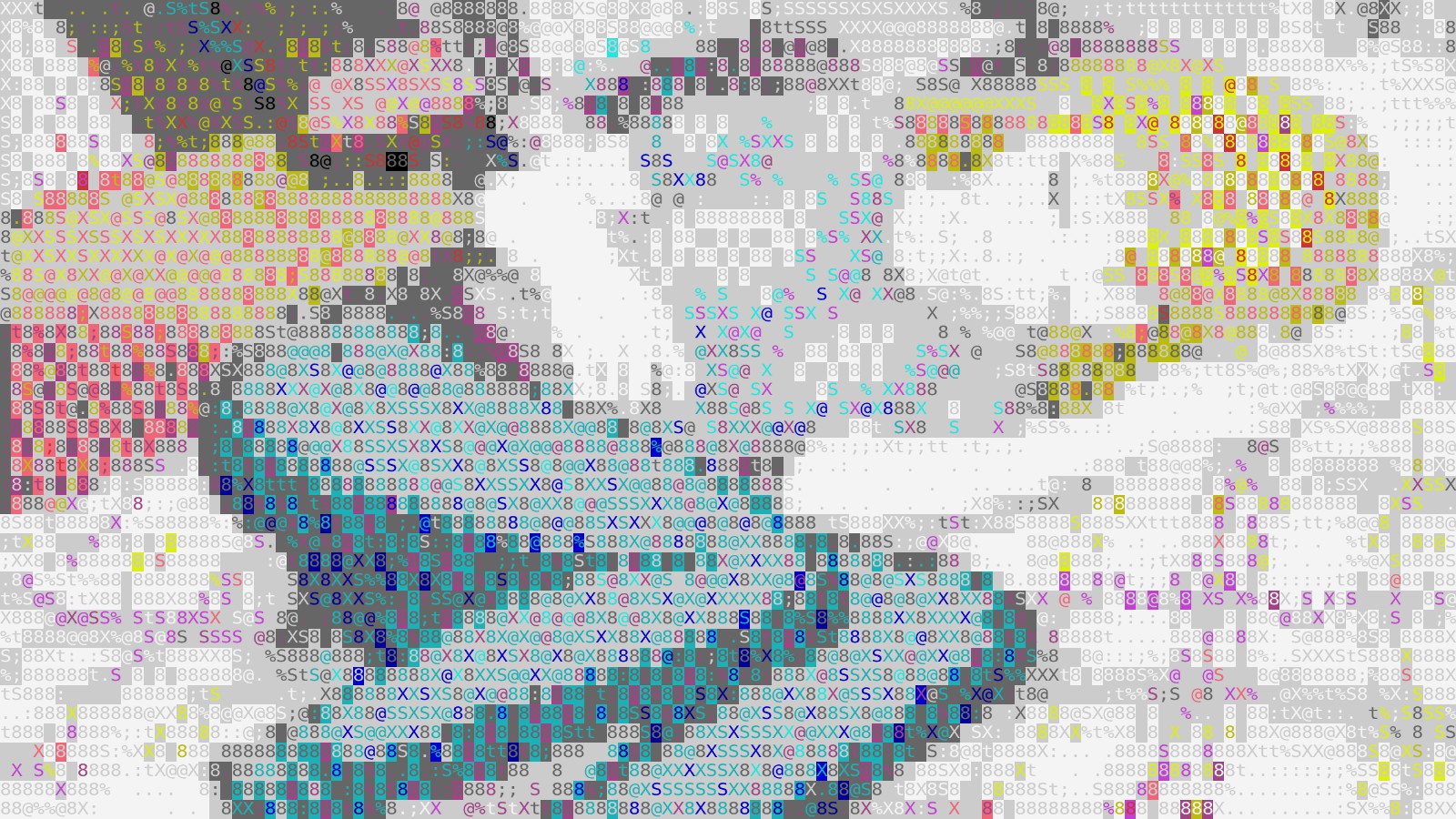
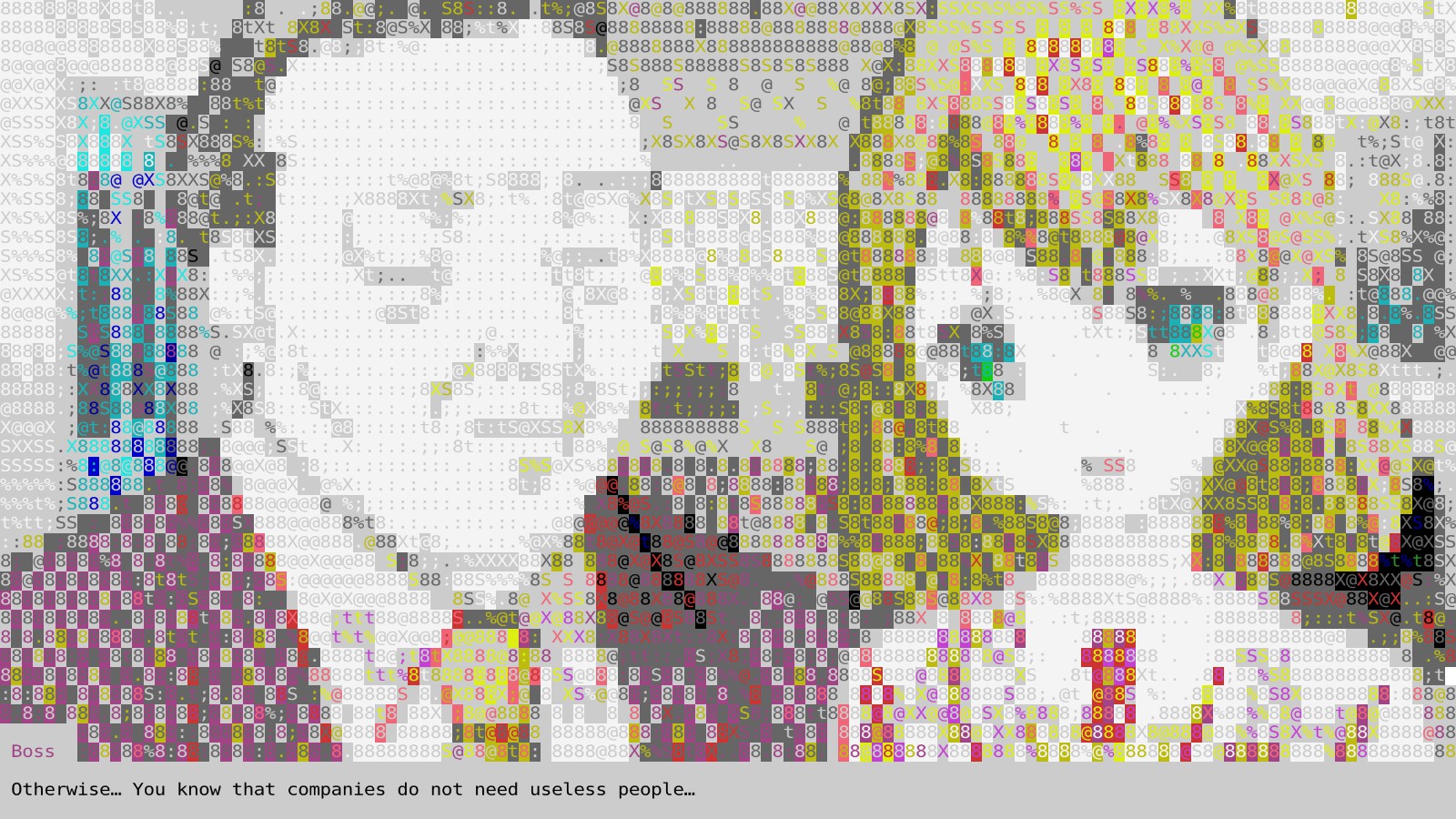
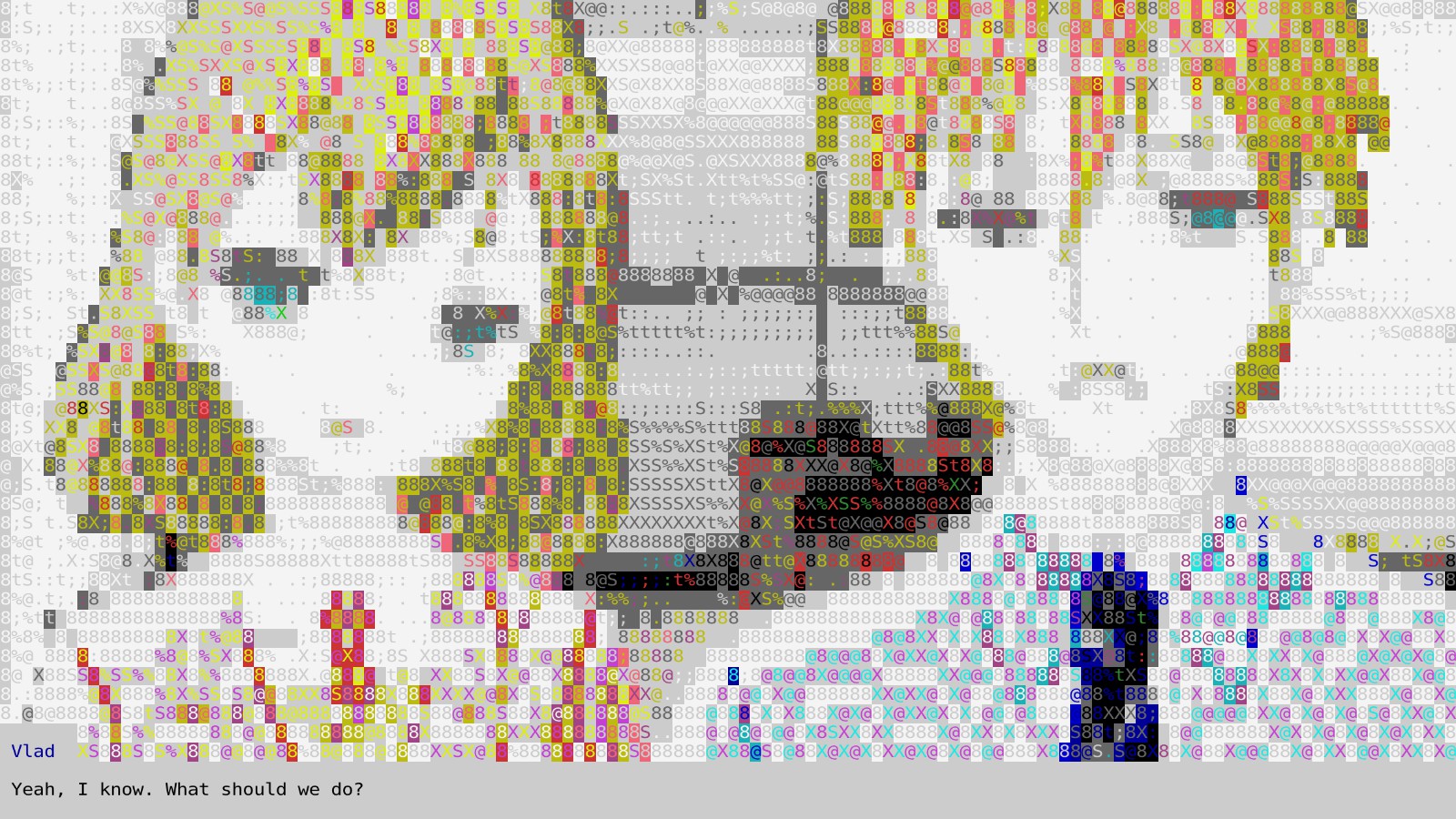
Get an in-depth look at Winter Novel through various videos and screenshots.
Load More
System requirements
These are the minimum specifications needed to play the game. For the best experience, we recommend that you verify them.
Windows
- Memory: 40 MB RAM
- Storage: 4 MB available space
Linux
- Memory: 40 MB RAM
- Storage: 4 MB available space
Steam Price & Best Deals
User reviews & Ratings
Explore reviews from Steam users sharing their experiences and what they love about the game.
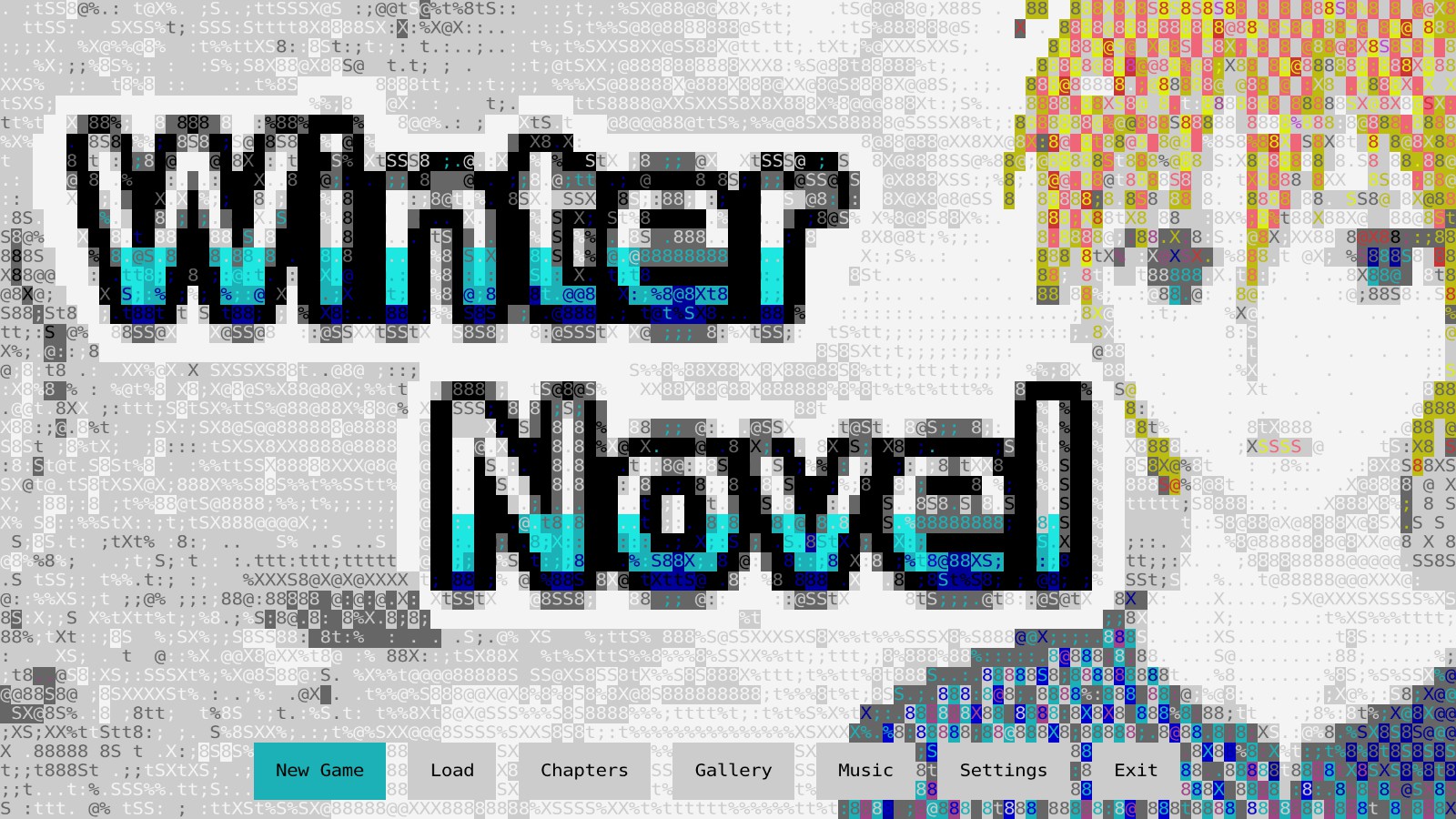
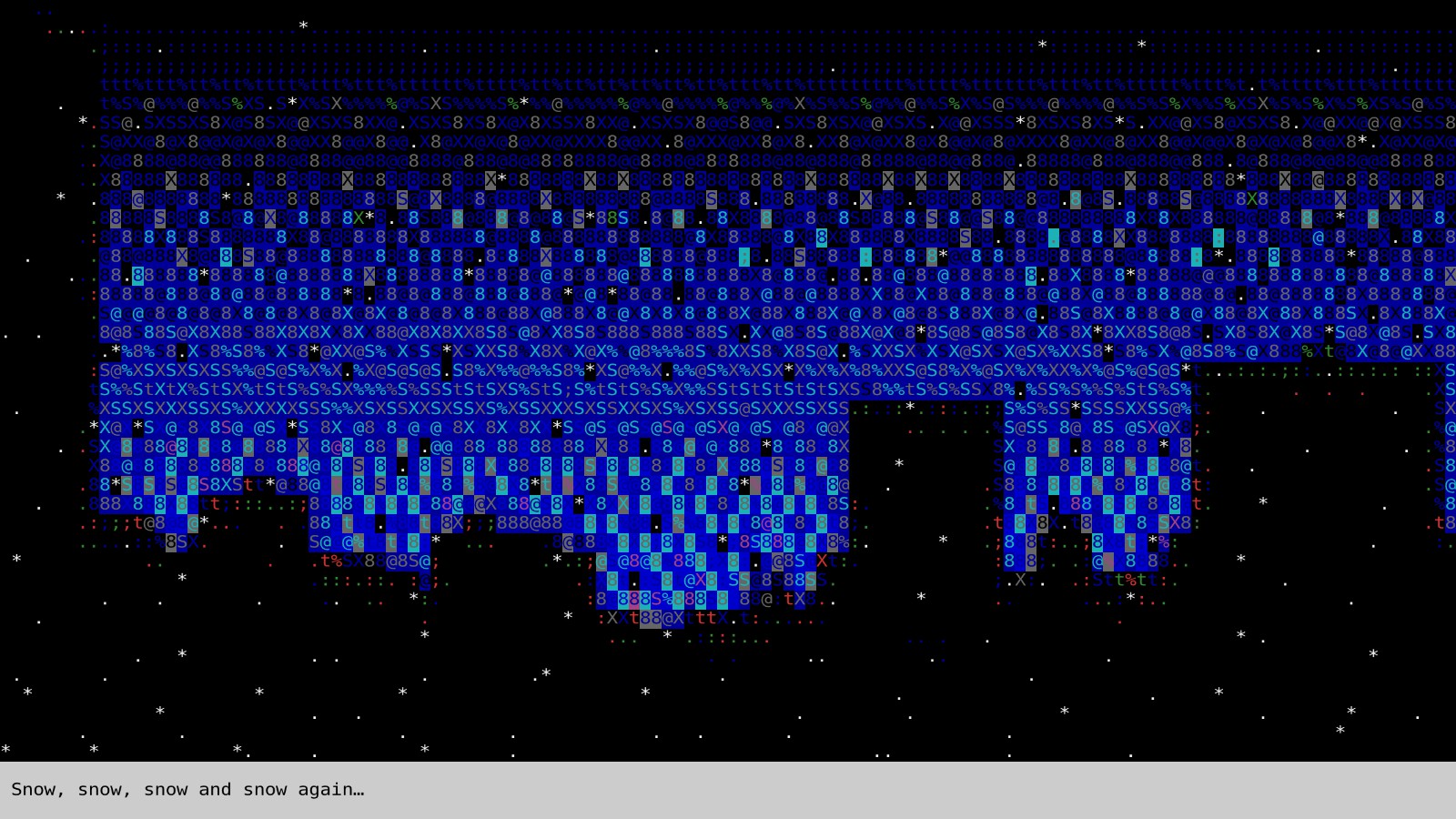
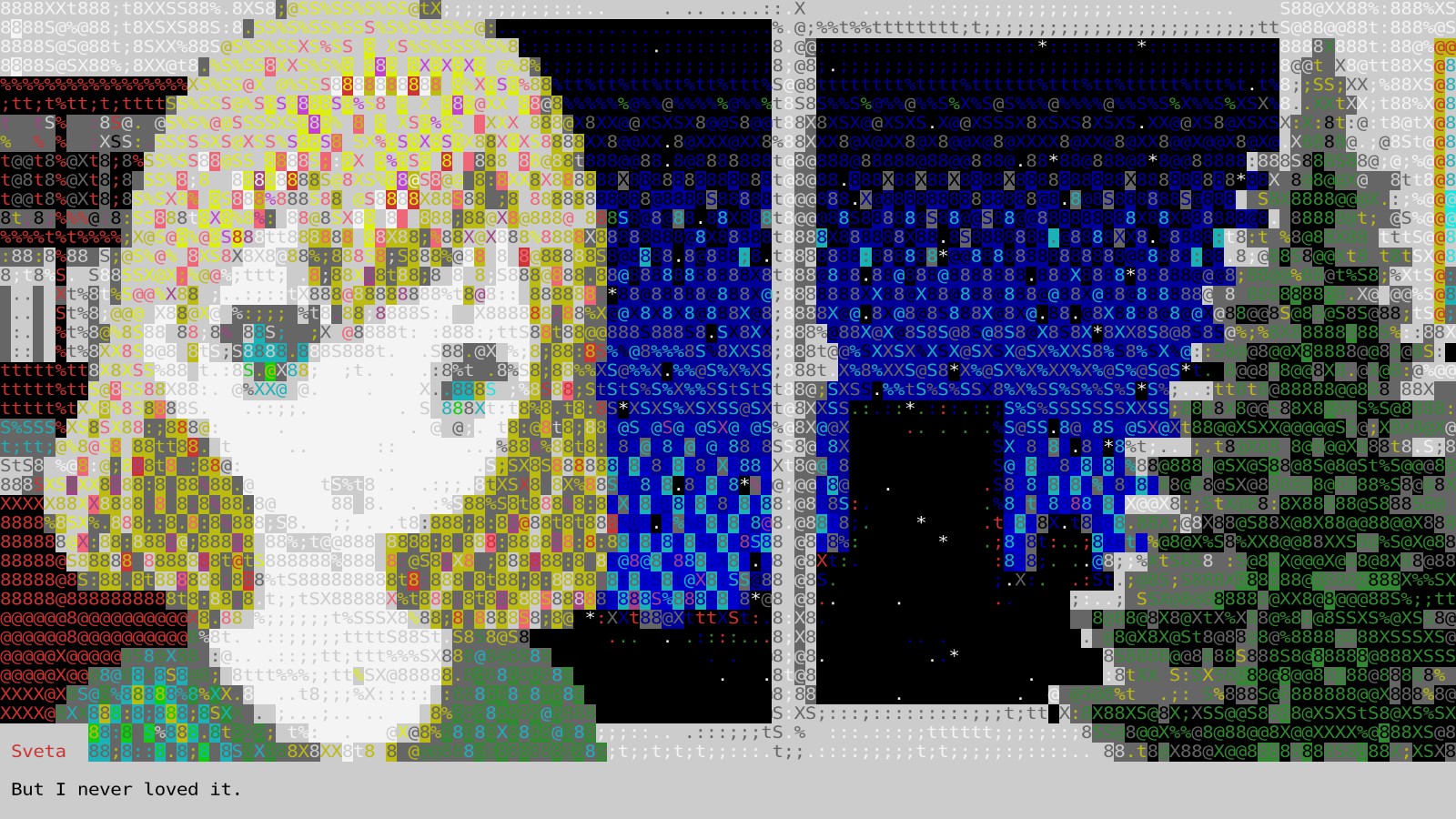
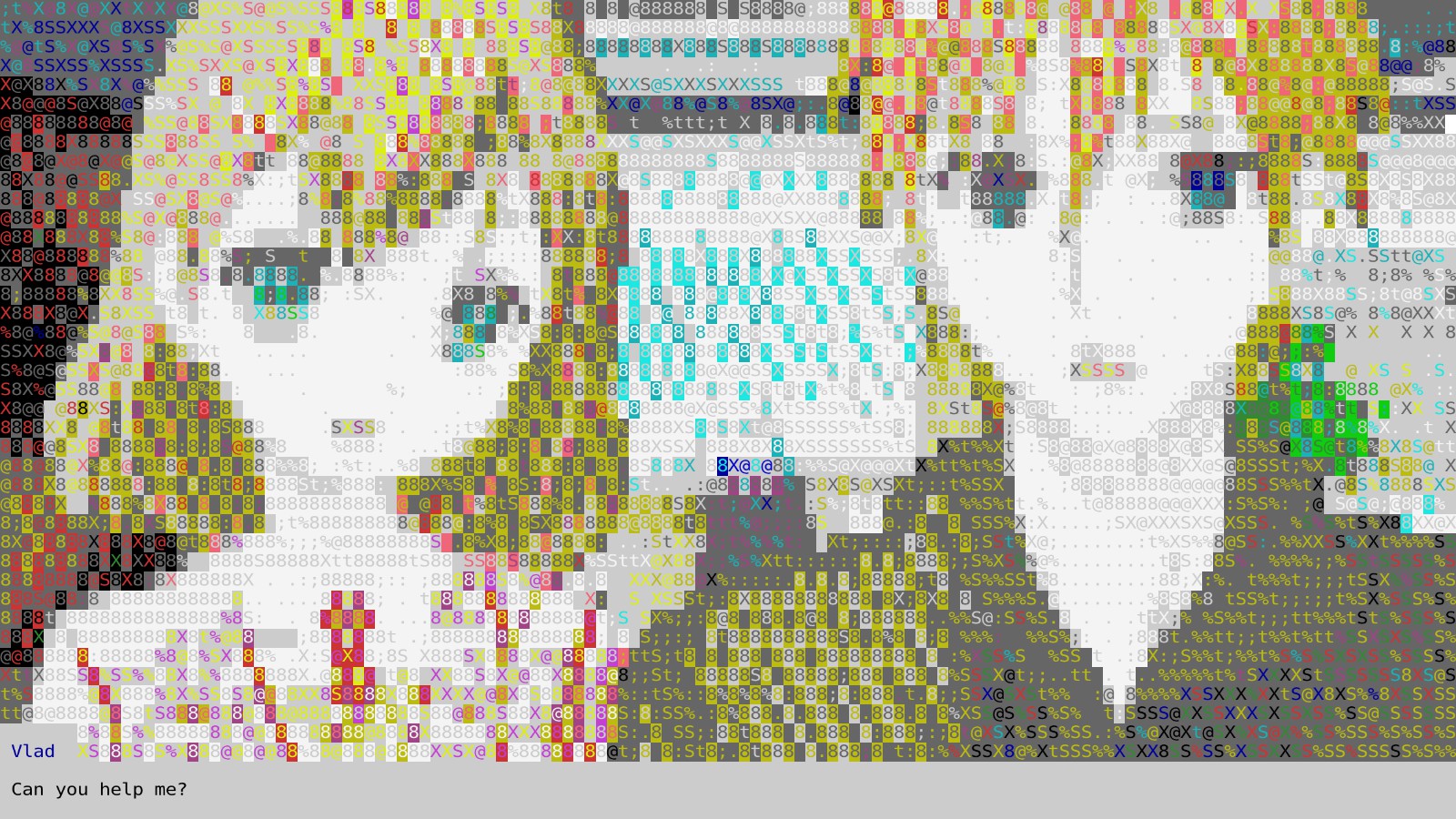
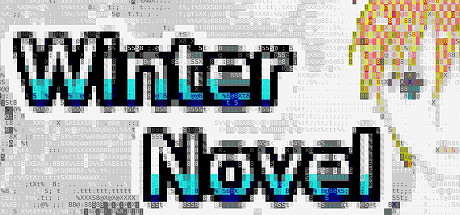
Winter Novel is a compact visual novel built around an intentionally modest story and an unusually minimalist presentation. Developed and published by DeXP, it focuses less on dramatic twists or elaborate gameplay systems and more on loneliness, professional frustration, emotional stagnation, and the possibility of finding meaningful change through another person. Its atmosphere is established immediately through snow, depression, dissatisfaction with work, and the exhausting feeling that everyday life has become an endless cycle. Instead of turning these themes into an enormous drama, the game keeps its ambitions small and personal, resulting in an experience that resembles an interactive short story. At the center of the narrative is Sveta, a young bank intern who has become deeply dissatisfied with the repetitive nature of her life. She wants circumstances to improve but lacks the motivation to make that change happen herself. Vlad provides an effective contrast. He is an antisocial freelancer who prefers independence, dislikes conventional expectations, and has little respect for the established way of doing things. Their personalities naturally clash, but circumstances force them to cooperate on an urgent, important project that could substantially affect their careers. From this straightforward setup, the story explores whether two very different people can overcome their personal barriers and potentially alter each other's outlook on life. The restrained premise is one of the game's strengths. Career dissatisfaction and emotional exhaustion are far less spectacular than the conflicts found in many narrative games, yet their familiarity makes the characters' situation understandable. The winter setting reinforces this feeling particularly well. Snow and cold surroundings complement the emotional distance and stagnation surrounding the protagonists, while the underlying possibility of improvement prevents the experience from becoming completely pessimistic. There is a persistent suggestion that even during an apparently hopeless period, an unexpected relationship or opportunity can disrupt an established routine. Its most distinctive characteristic is undoubtedly its ASCII-art presentation. Rather than relying on detailed character portraits and backgrounds associated with modern visual novels, the game deliberately adopts an old-school computer aesthetic inspired by an earlier era of computing. This creates considerable personality despite the obvious visual limitations. Players must use their imagination to interpret scenes and characters, making the written material and atmosphere especially important. The approach will not appeal equally to everyone. Those who expect elaborate illustrations or animation may consider it excessively primitive, while players interested in experimental presentation and retro computing aesthetics may find it charming and memorable. Music compensates for some of that visual simplicity. The chiptune-style soundtrack by Sergey Eybog fits naturally with the retro concept and gives scenes more emotional texture than the ASCII imagery could achieve alone. Instead of using modern cinematic production to contrast against the intentionally archaic graphics, the music supports the same aesthetic direction. This consistency is important because the project could easily have felt like a visual gimmick. Instead, its presentation, soundtrack, programming philosophy, and storytelling all contribute to the impression of a deliberately tiny piece of retro software. The technical philosophy behind the game is interesting in its own right. It was created in pure C with an emphasis on extraordinary compactness, demonstrating how strongly the developer committed to the old-school concept. That achievement does not fundamentally affect the quality of the narrative, but it does give the project additional identity. Even its roughly 30-to-60-minute length complements this philosophy. There is virtually no unnecessary padding, although this also becomes one of the biggest weaknesses. Sveta and Vlad have an interesting dynamic that could have supported substantially more character development, and the short running time inevitably limits how deeply their personalities, professional struggles, and evolving relationship can be explored. Gameplay is correspondingly straightforward. This is predominantly a linear, text-driven experience rather than a mechanically complex adventure. Players looking for extensive branching paths, elaborate relationship systems, puzzles, or numerous major choices should temper their expectations. Its primary appeal lies in reading the story, absorbing the atmosphere, appreciating the music, and observing how the two central characters respond to being pushed together by circumstances. Steam achievements provide some additional objectives, but they do not transform the fundamentally simple nature of the experience. Steam Deck compatibility requires some qualification. Steam's store page does not currently display an official Steam Deck Verified, Playable, or Unsupported classification for the game. However, the store does list SteamOS and Linux support, and the game's extremely lightweight, uncomplicated visual-novel design suggests that it is not inherently demanding. Linux availability is encouraging for Deck users, but it should not be treated as equivalent to an official Valve compatibility rating. Anyone specifically purchasing it for Steam Deck should therefore regard compatibility as unofficial unless Valve provides a Deck status or the player independently confirms current behavior. Ultimately, the game's appeal comes from how thoroughly it embraces simplicity. The short duration, ASCII visuals, chiptune soundtrack, minimal interaction, and everyday subject matter combine into something more distinctive than the individual ingredients might suggest. The narrative could have benefited from additional time to develop its protagonists and their relationship, but expanding it too much might also have undermined the compact quality that gives the experience much of its charm. It is best suited to players who enjoy experimental visual novels, retro computer aesthetics, melancholic storytelling, and concise character-driven experiences rather than those searching for a lengthy or mechanically sophisticated adventure. The result is an unusual little visual novel whose limitations frequently become part of its personality. Its story of two dissatisfied people being pushed outside their comfortable routines is simple but relatable, and its old-fashioned technical presentation makes it stand apart from more conventional entries in the genre. It is brief enough that some players may wish there were substantially more to it, yet its focused atmosphere and stylistic consistency make the experience worthwhile for the right audience. Rating: 8/10
Labor exploitation depicted in ASCII art This game bored me from the beginning to the end, but the issue it addresses is something that should have more visibility. The art is nice, something that was used a long time ago with really old games, in my opinion the music was the most memorable thing here, but the general topic is something that might stay in my mind for a while because of how serious it actually is and sadly many people experience it.
Similar games
View all

Lingering Fragrance
We walk together, play together, and do everything together. This is our last trip, our last memory. It is a short visual novel contains three story lines, after main story the other two will be unlocked. Which one is your side of story?

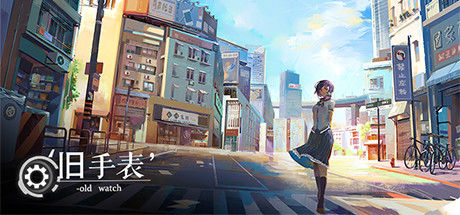
旧手表 - Old Watch
This is an Visual Novel game. It's a story about time leap.

1bitHeart
Welcome to 1bitHeart―the latest title from Alicemare and LiEat developer △○□× (Miwashiba). In this unique and endearing adventure game, take on the role of Nanashi, a lonely, agoraphobic boy, as you solve a slew of mysteries around town while also making friends.
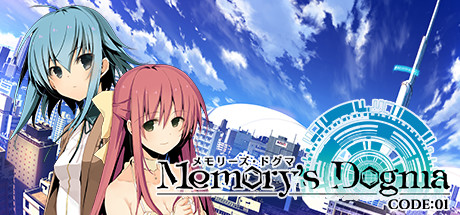
Memory's Dogma CODE:01
Japan, 2030 A.D. Memories can now be digitized and archived, allowing people to communicate with the deceased. With only one week left before his best friend’s memories are deleted, can Hiroki uncover the truth behind Sorano’s death?

Japanese School Life
Welcomed by the fluttering of cherry blossom, the main character, Brian, starts a new high school life in Japan. Brian soon starts to get along with two girls in the same class after they start to talk to him. With their help, Brian gradually learns Japanese culture and customs.

Fluffy Store
A string of mysterious wind chimes brought three lovely and uninvited kemonomimi girls to this small convenience store. At such a summer night full of surprises and excitement, what lies ahead on their road of adventure?
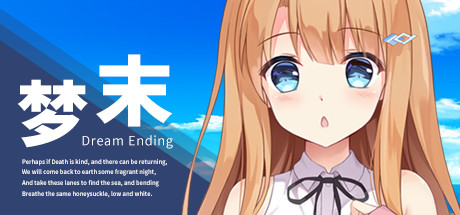
Dream Ending
This is a small tale from the end. The leftovers of mankind are destined to perish as the Arks break orbit. Suddenly, however, she's making me ask her out, an invitation to face the apocalypse together... a short but exquisite visual novel, "Dream Ending" is humanity's last love story.
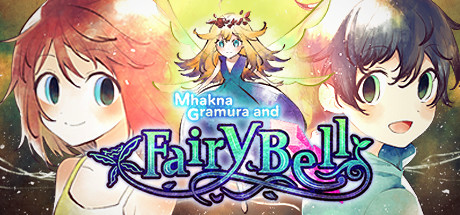
Mhakna Gramura and Fairy Bell
Written in the style of a children’s book, Mhakna Gramura and Fairy Bell is a Cinematic Novel about two children named Mhakna and Sebiarno that escape the wretched Mullbear Orphanage with the help of a Fairy named Bell, who promises eternal happiness as long as they agree to never grow up.

Season of 12 Colors
--The way it was, Just like it is now, On a bright, bright summer day. "That's a promise, right?" The girl in a white dress said. Sunny sky. A paper plane slid across it, riding on blue winds.

SnowNight
This is a small, warm story that happened in the winter. Two people who met by chance, because of each other's existence, and then felt more past that had not been deliberately remembered - After telling the story, I finally ushered in the day when the first snow fell.
Frequently Asked Questions
Winter Novel is currently priced at 4.99€ on Steam.
No, Winter Novel is currently not on sale. You can purchase it for 4.99€ on Steam.
Yes, Winter Novel received 502 positive votes out of a total of 601 achieving a rating of 7.86.
😊
Winter Novel was developed and published by DeXP.
Yes, Winter Novel is playable and fully supported on Windows.
No, Winter Novel is not playable on MacOS.
Yes, Winter Novel is playable and fully supported on Linux.
This information about Winter Novel is not available yet.
This information about Winter Novel is not available yet.
No, Winter Novel does not support VR.
Winter Novel is a single-player game.
Yes, there are 2 DLCs available for Winter Novel. Explore additional content available for Winter Novel on Steam.
No, Winter Novel does not support mods via Steam Workshop.
No, Winter Novel does not support Steam Remote Play.
Yes, Winter Novel is enabled for Steam Family Sharing. This means you can share the game with authorized users from your Steam Library, allowing them to play it on their own accounts. For more details on how the feature works, you can read the original Steam Family Sharing announcement or visit the Steam Family Sharing user guide and FAQ page.
You can find solutions or submit a support ticket by visiting the Steam Support page for Winter Novel.
Data sources
The information presented on this page is sourced from reliable APIs to ensure accuracy and relevance. We utilize the Steam API to gather data on game details, including titles, descriptions, prices, and user reviews. This allows us to provide you with the most up-to-date information directly from the Steam platform.
Additionally, we incorporate data from the SteamSpy API, which offers insights into game sales and player statistics. This helps us present a comprehensive view of each game's popularity and performance within the gaming community.
Last Updates| Steam data | 04 September 2026 13:32 UTC |
|---|---|
| SteamSpy data | 05 September 2026 03:47 UTC |
| Steam price | 13 September 2026 02:43 UTC |
| Steam reviews | 11 September 2026 09:55 UTC |
If you'd like to dive deeper into the details about Winter Novel, we invite you to check out a few dedicated websites that offer extensive information and insights. These platforms provide valuable data, analysis, and user-generated reports to enhance your understanding of the game and its performance.
- SteamDB - A comprehensive database of everything on Steam about Winter Novel
- SteamCharts - Analysis of Winter Novel concurrent players on Steam
- ProtonDB - Crowdsourced reports on Linux and Steam Deck Winter Novel compatibility
Game modes
Features
Online players
0
Developer
DeXP
Publisher
DeXP
Release
10 Aug 2016
Platforms