

PomoFarm
PomoFarm is half focus timer and half idle farming game! As Tomato the Duck, grow your farm as you focus on tasks in the real world!
Sync your Steam wishlist to find the lowest game prices instantly. No login required, just paste your Steam profile URL!
⚡ Try Wishlist Radar!
Sync your Steam wishlist to find the lowest game prices instantly. No login required!
⚡ Try Wishlist Radar!
Close

Yolk Heroes: A Long Tamago on Steam
Quick menu
Someone has to protect this realm... is it you? Become a guardian spirit and raise your very own Hero to stand against the Dark Lord.
Yolk Heroes: A Long Tamago is a time management, idler and pve game
developed by 14 Hours Productions
and published by 14 Hours Productions and Astrolabe Games.
Released on May 20th 2024 is available on Windows, Steam Deck and Steam Machine.
It has received 714 reviews of which 664 were positive and 50 were negative resulting in a rating of 8.7 out of 10. 😎
The game is currently priced at 7.79€ on Steam.
The Steam community has classified Yolk Heroes: A Long Tamago into these genres:
Media & Screenshots
Get an in-depth look at Yolk Heroes: A Long Tamago through various videos and screenshots.
Load More
System requirements
These are the minimum specifications needed to play the game. For the best experience, we recommend that you verify them.
Windows
- OS *: Windows 8.1 ,10 or 11
- Processor: Intel Core i3 4.60GHz
- Memory: 1 GB RAM
- Storage: 350 MB available space
- Sound Card:
- VR Support:
- Additional Notes:
Steam Price & Best Deals
User reviews & Ratings
Explore reviews from Steam users sharing their experiences and what they love about the game.
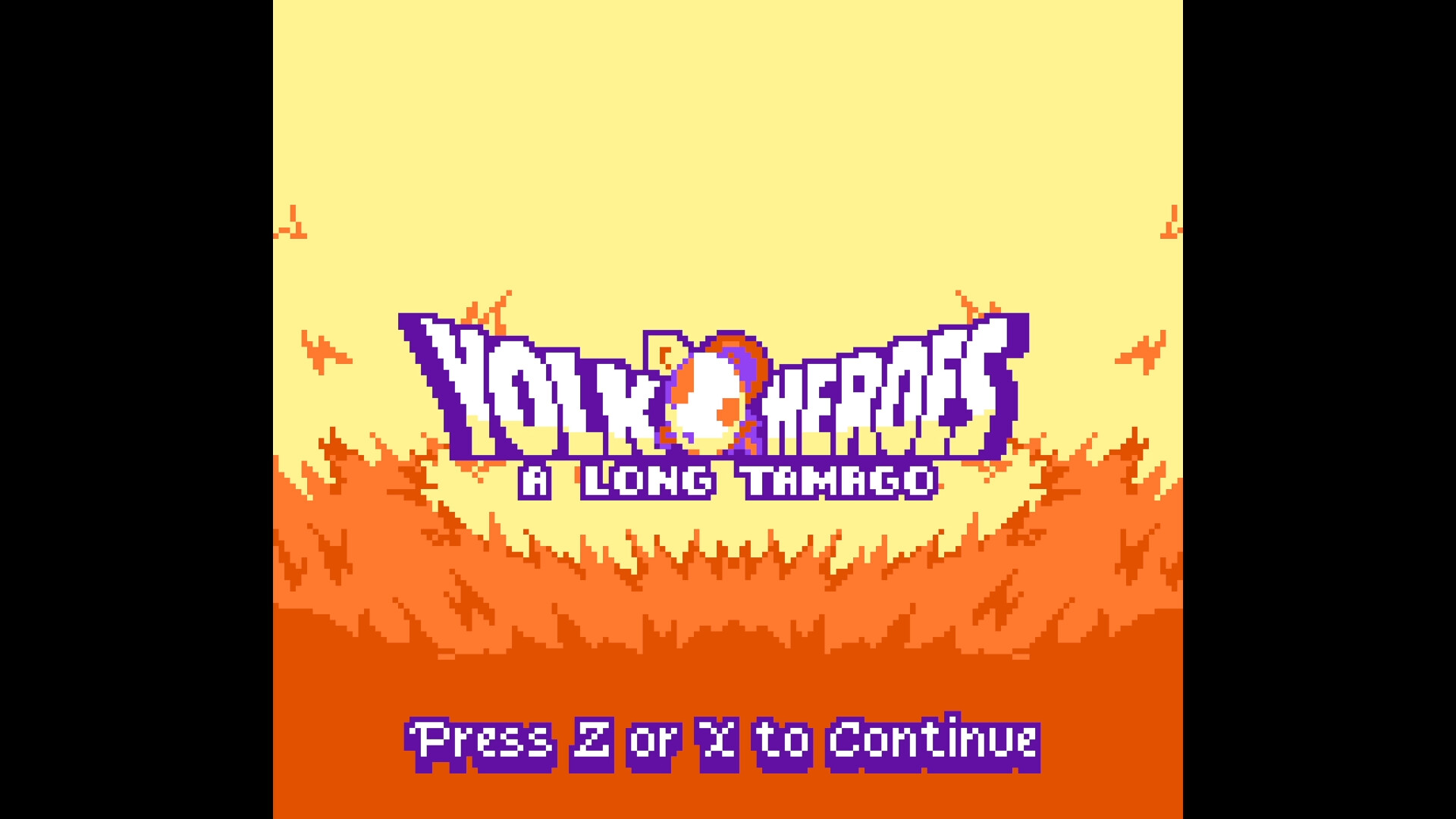
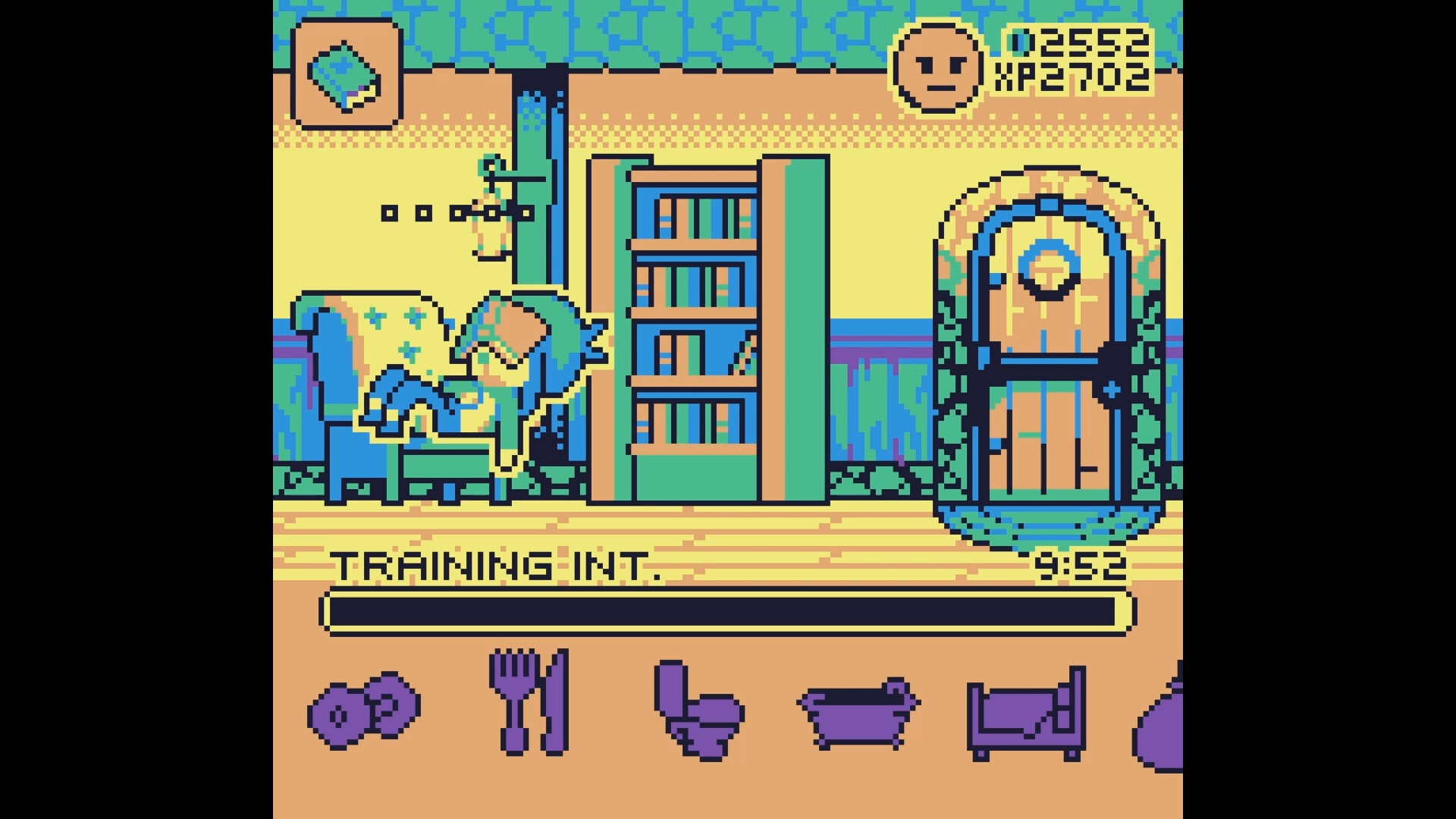
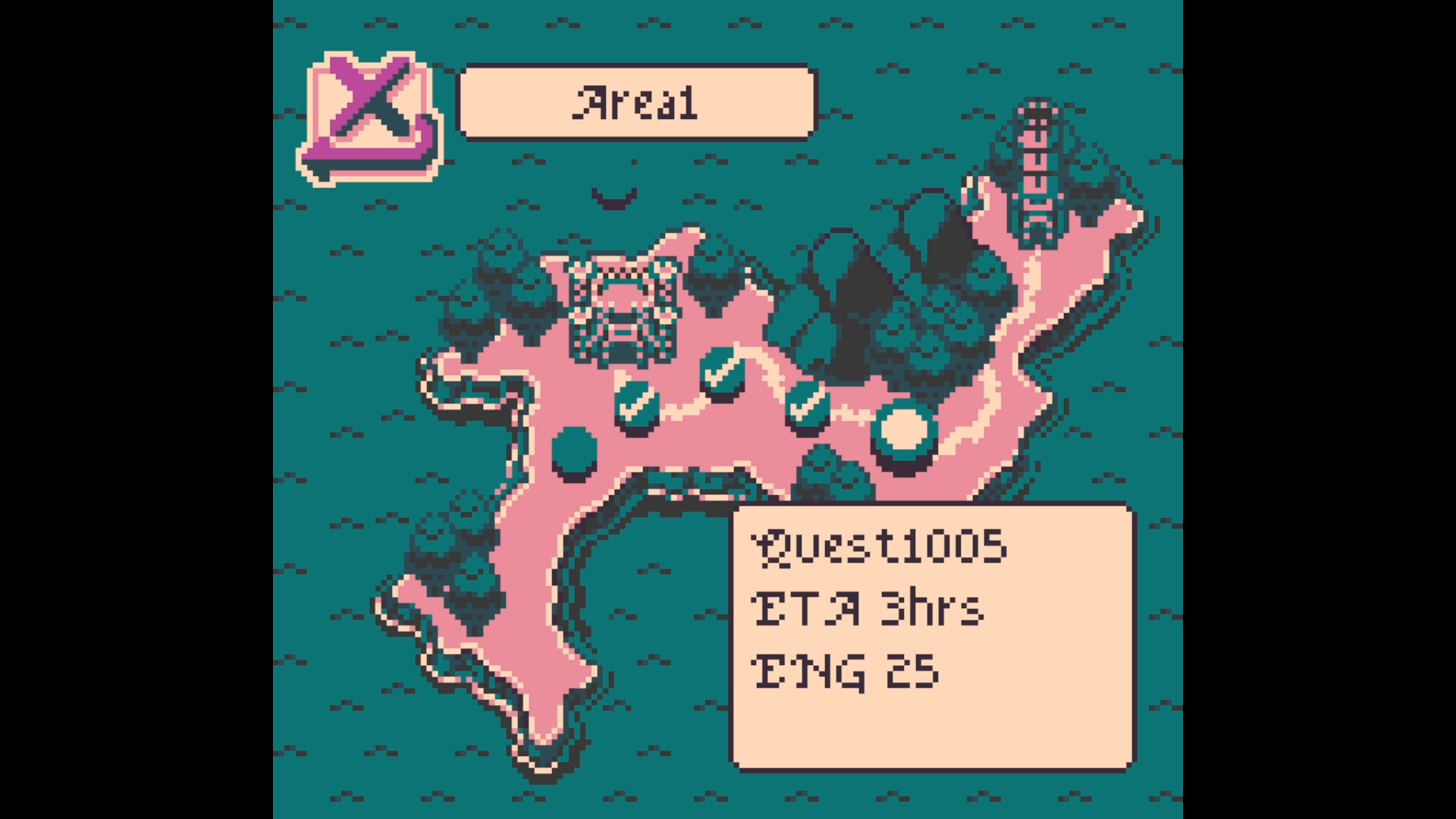
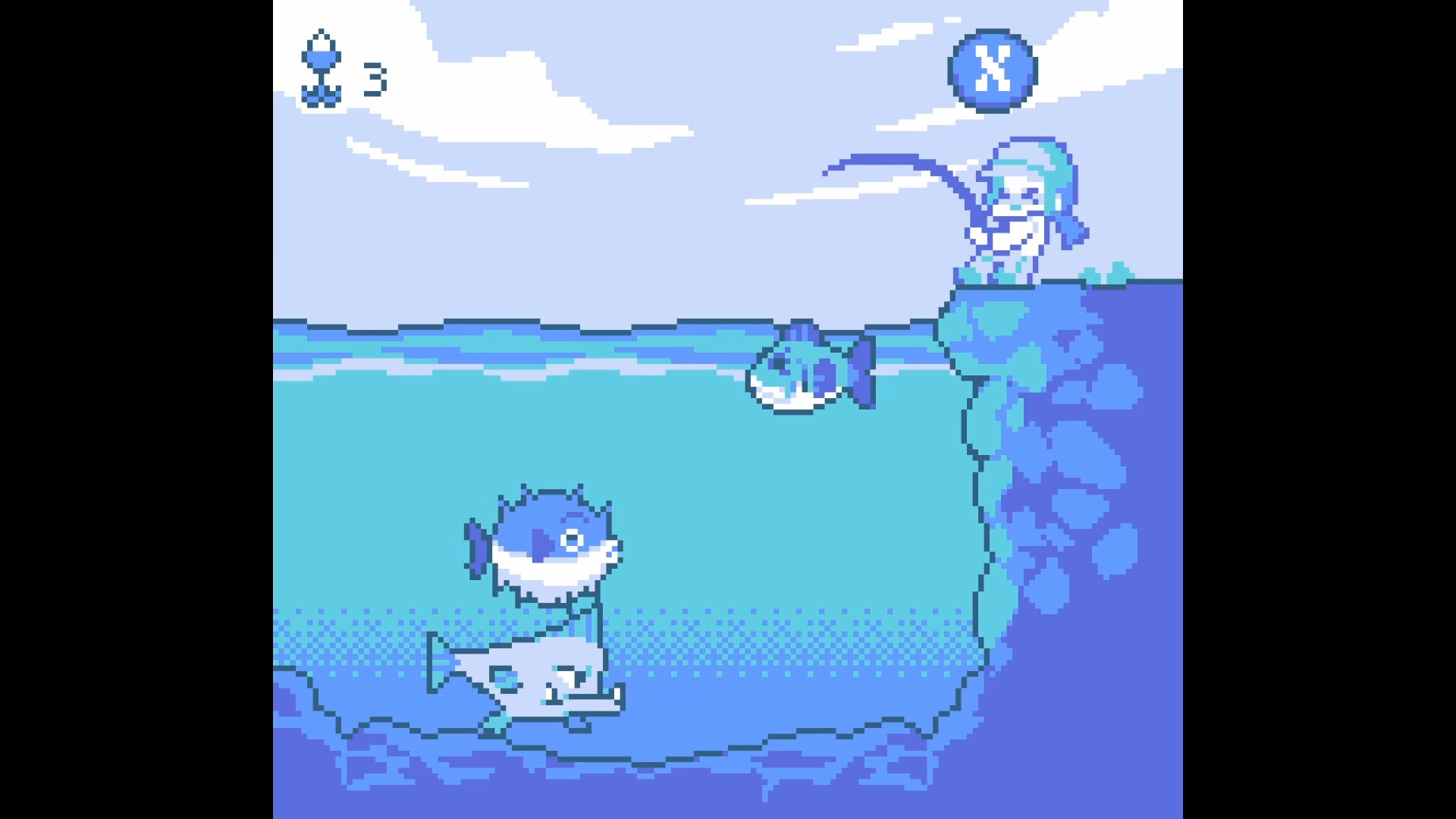
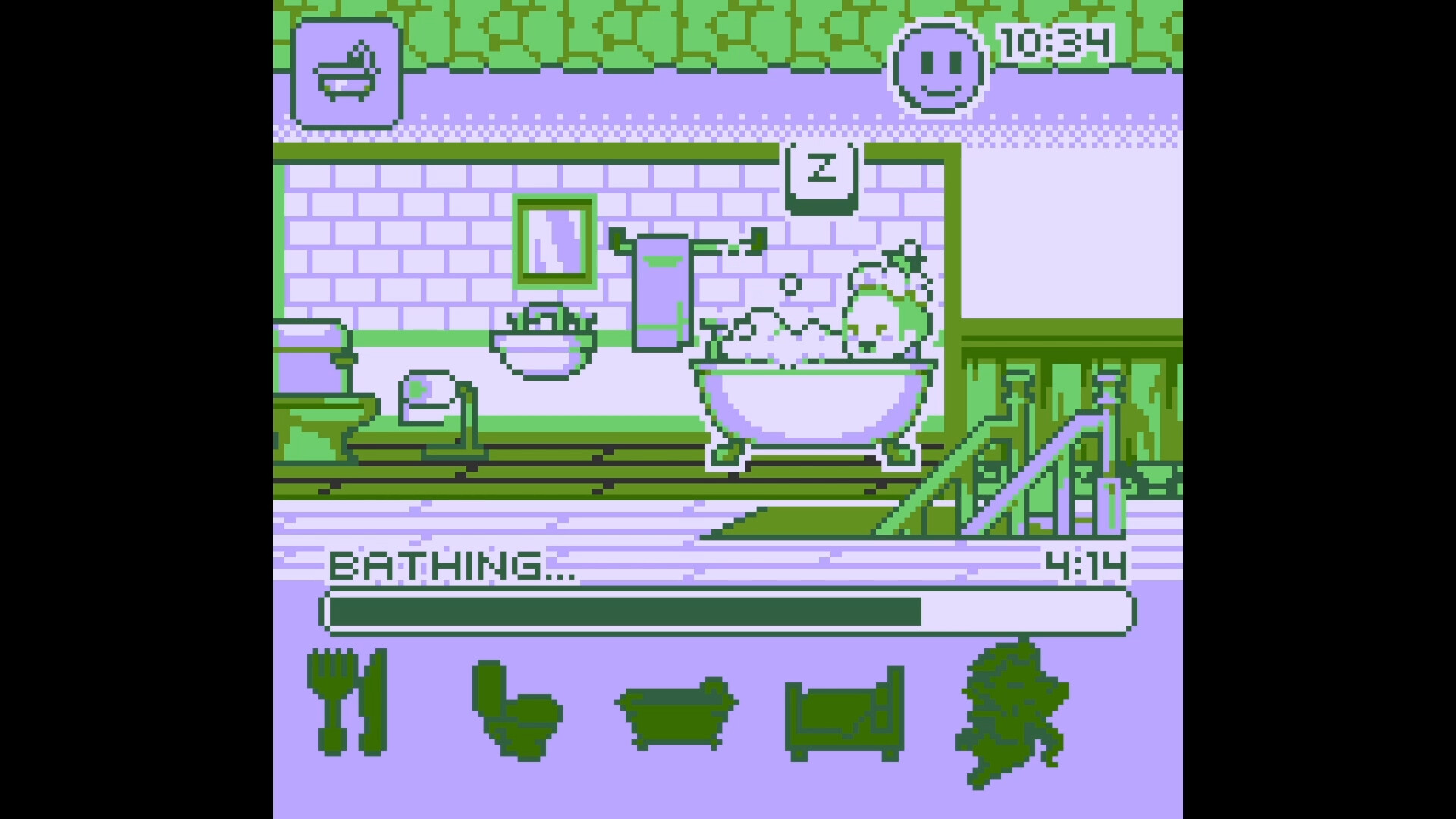
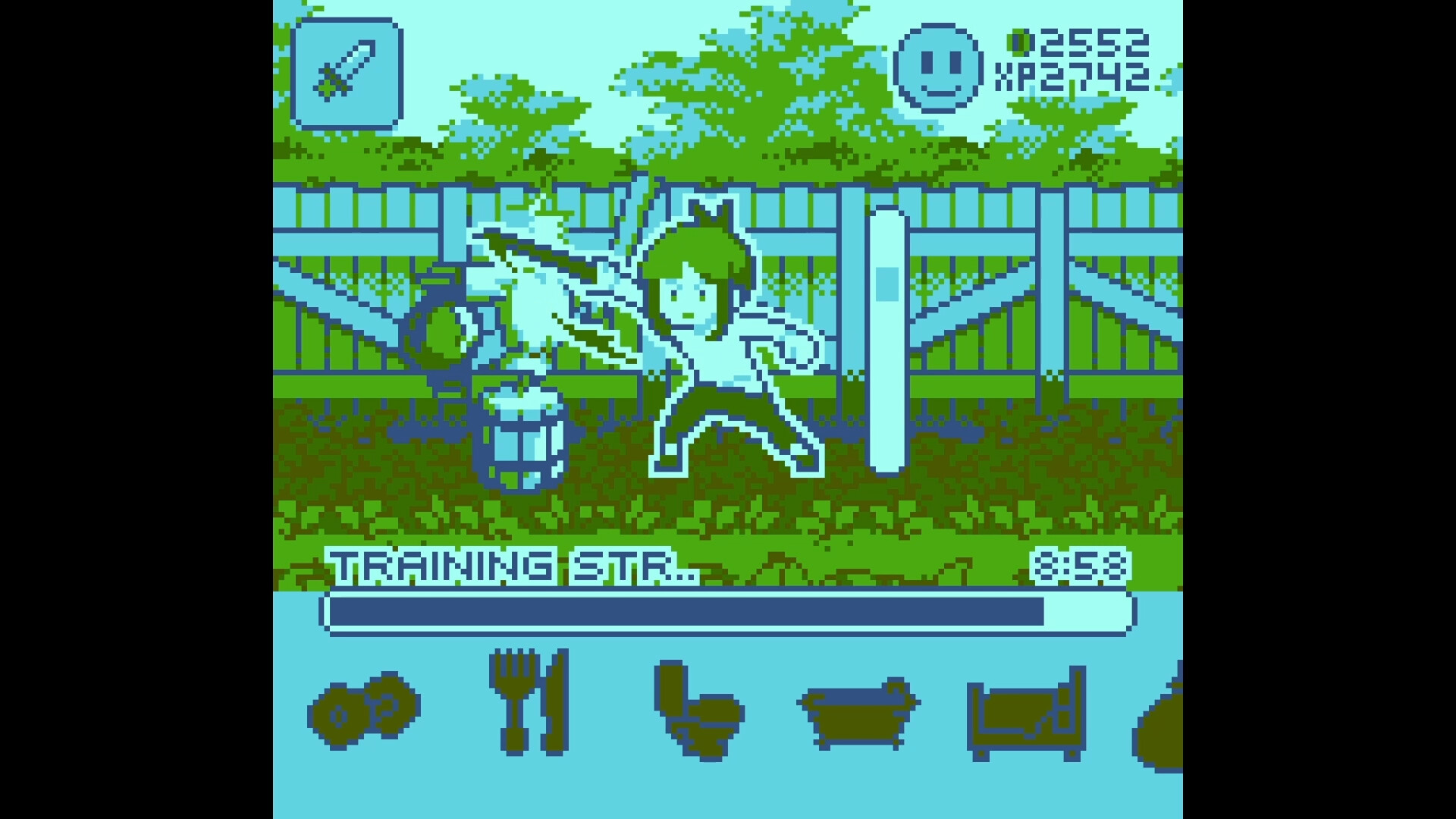
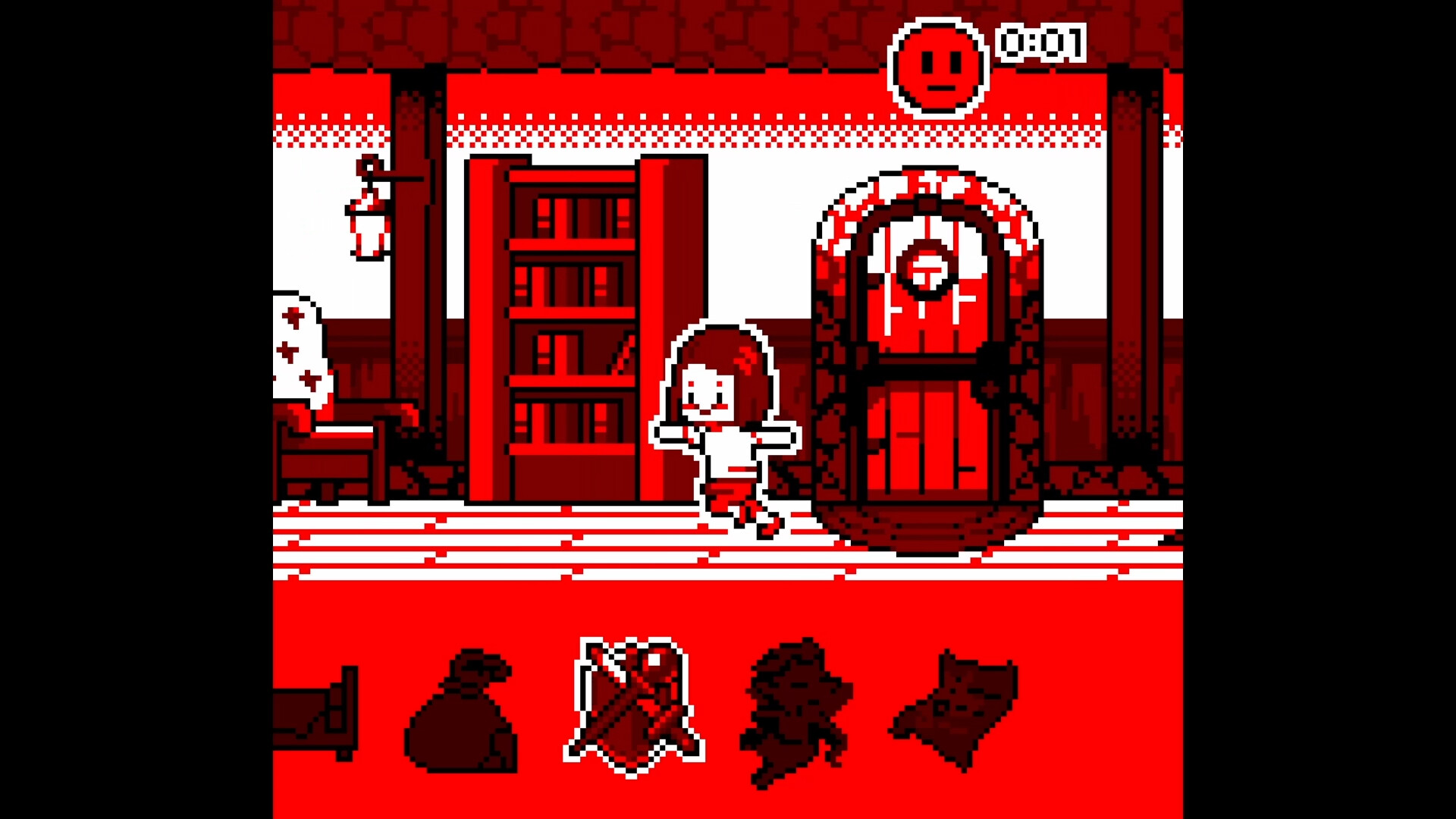
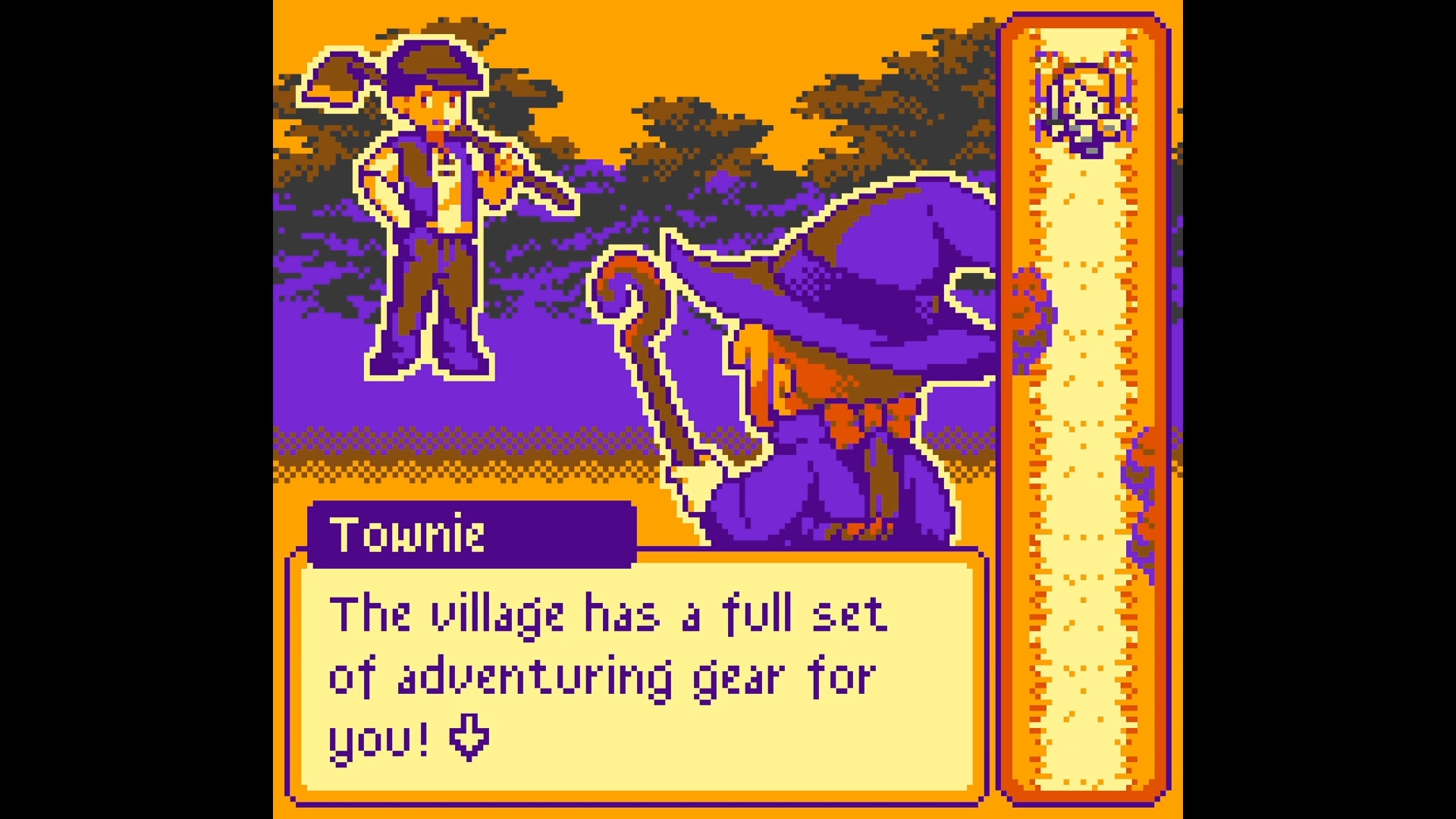
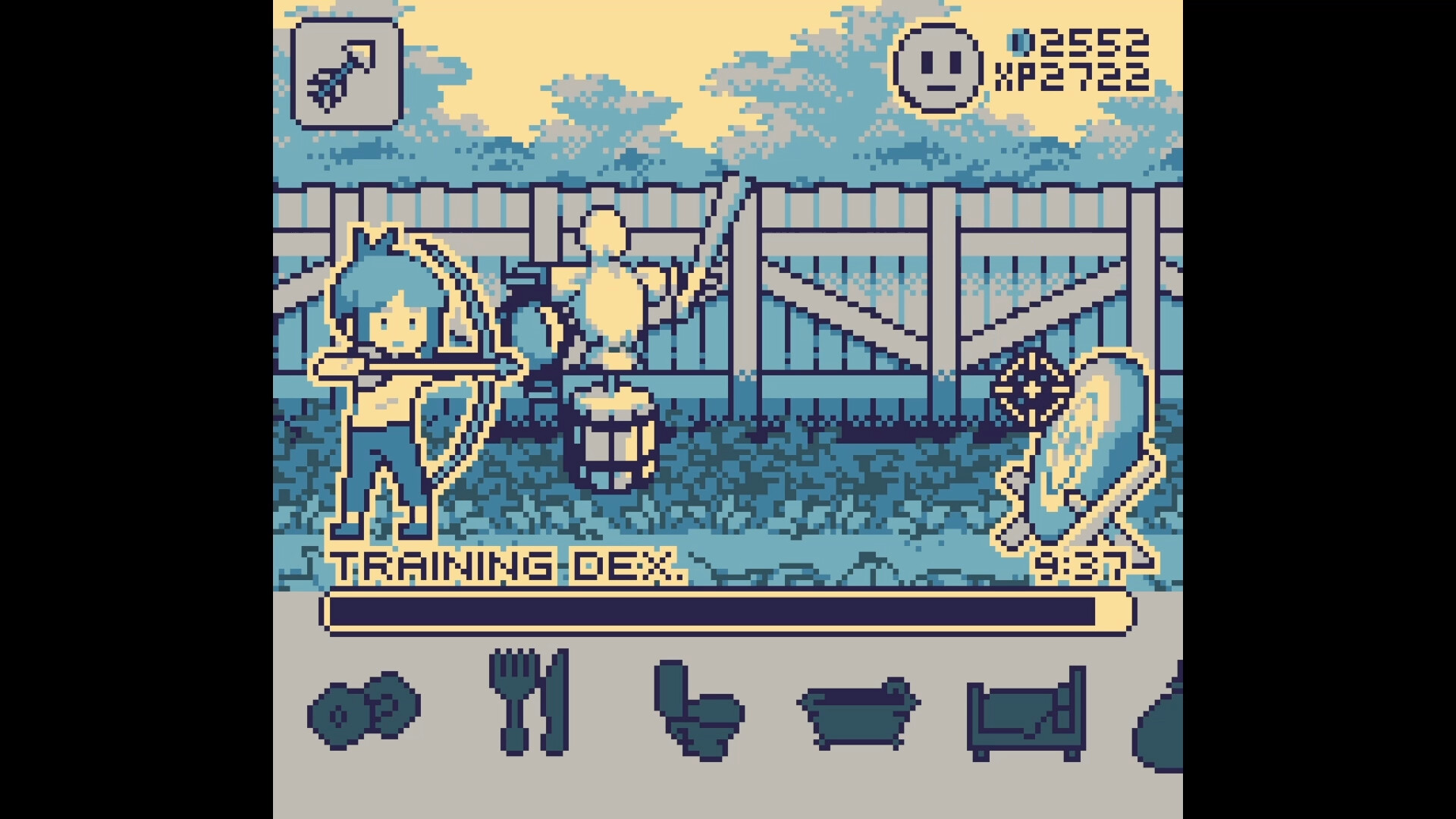
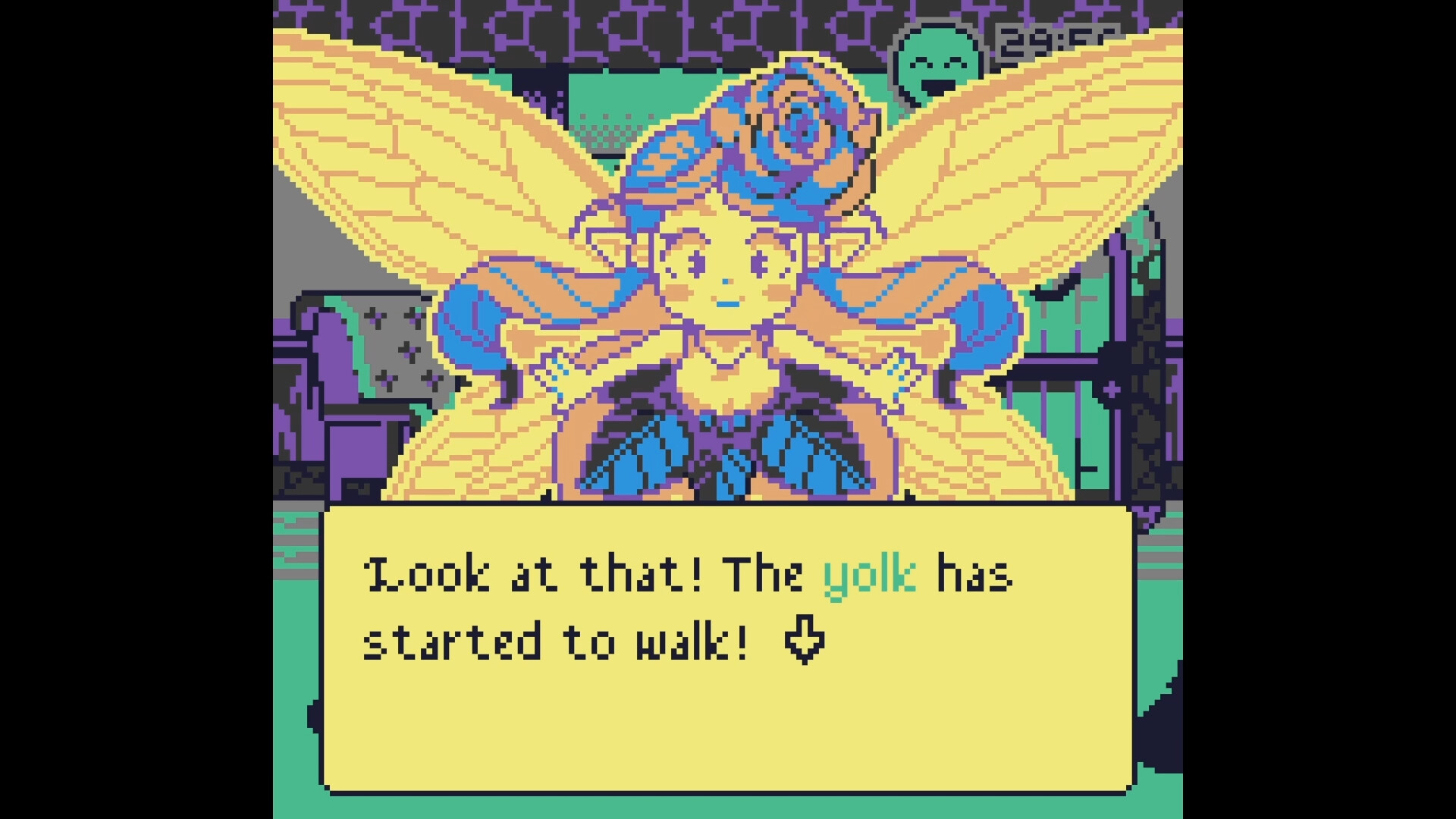
Yolk Heroes: A Long Tamago takes the familiar concept of raising a digital pet and gives it a light fantasy RPG purpose, resulting in an unusual mixture of virtual-pet management, idle progression, character development, and adventure. Instead of controlling a traditional hero directly through every battle and dungeon, the player assumes the role of a Guardian Spirit tasked with raising an elf who can eventually stand against the forces of the Dark Lord. Developed by 14 Hours Productions and published by 14 Hours Productions and Astrolabe Games, the game builds its identity around the simple pleasure of watching a vulnerable creature gradually become a capable adventurer. The experience begins with an egg, immediately establishing the Tamagotchi-inspired foundation suggested by the title. Once the hero emerges, caring for their everyday needs becomes an important part of progression. Feeding, cleaning, resting, and maintaining the character's general condition are intertwined with training and development. These routines give the hero a sense of being a small companion rather than simply another RPG character represented by statistics. Neglecting basic needs can interfere with progress, while attentive care creates better circumstances for training and adventuring. Training provides the bridge between virtual-pet management and RPG progression. The hero can work on attributes and gradually become better prepared for the challenges awaiting outside the safety of home. Character classes and related development choices add some variety to this process, giving players goals beyond simply keeping their companion healthy. The underlying systems are intentionally approachable, so anyone expecting an intricate character-building simulator with extensive equipment calculations and highly complicated skill combinations should adjust expectations. The appeal comes primarily from steady improvement and seeing the results of accumulated care. Quests provide a practical reason for all that preparation. Sending the hero on adventures transforms everyday training into something meaningful because their development is tested against actual dangers. This creates a pleasant cycle of caring for the character, improving abilities, undertaking quests, collecting the benefits of successful adventures, and preparing for greater challenges. The player is more of a caretaker and manager than a conventional warrior, which makes the game noticeably different from RPGs where success depends primarily on direct combat skill. Idle progression is particularly important to the overall pacing. Activities take time, and the game is designed around periodically checking on the hero rather than demanding continuous interaction. This makes it suitable for short sessions throughout the day. Players can assign an activity, deal with immediate needs, and allow progression to continue while doing something else. That structure is convenient, although it also creates one of the game's most obvious limitations. Anyone who wants constant action may become impatient with waiting periods and repeated maintenance routines. The retro pixel-art presentation is an excellent match for the concept. Characters are small but expressive, while the interface deliberately evokes the simplicity of older handheld games and electronic virtual pets. Rather than attempting visual spectacle, the game relies on personality and nostalgic charm. The fantasy theme prevents the presentation from feeling like a straightforward imitation of old digital pets, since adventuring, monsters, character growth, and the broader threat to the kingdom give the tiny hero a larger purpose. There is also an appealing sense of attachment created through repetition. Performing basic tasks might initially seem mechanical, but repeatedly looking after the same hero makes each stage of development feel more personal. Watching a character progress from an egg into an adventurer capable of completing increasingly substantial assignments provides the game's strongest long-term reward. It is essentially a progression game in which emotional investment and numerical improvement operate together. The tradeoff is that its individual RPG systems are comparatively lightweight. Combat and adventuring are not designed to provide the tactical sophistication of a dedicated turn-based RPG, while the management mechanics are intentionally compact rather than overwhelmingly detailed. Repetition inevitably becomes noticeable after enough time because feeding, cleaning, training, resting, and checking progress form the backbone of the experience. Whether this feels comforting or monotonous will largely depend on how much the player enjoys routine-based progression. Steam Deck compatibility is reasonably encouraging, although the experience should not be confused with full Steam Deck verification. The game is considered Playable on the handheld rather than Verified. It can operate on SteamOS with suitable performance, and its interface text is generally usable on the smaller screen. However, certain interactions may require touchscreen input, the virtual keyboard, or adjustments to the controller configuration. Players can also encounter controller prompts that do not perfectly correspond to Steam Deck controls, while display settings may require some manual attention. It is therefore practical for portable play, but users should expect occasional configuration or input inconveniences. Ultimately, Yolk Heroes: A Long Tamago is most successful when treated as a virtual pet with RPG ambitions rather than a conventional RPG with a pet attached. Its mixture of nurturing, waiting, training, questing, and incremental advancement creates a relaxing loop that rewards patience instead of reflexes. Some players will find its repetitive routines and passive stretches too restrained, but those who enjoy idle games, digital pets, retro aesthetics, and gradual character progression can find considerable charm in raising a tiny elf from infancy to fantasy heroism. The concept is distinctive, the presentation complements the mechanics, and the progression provides enough purpose to make checking in on your little adventurer consistently satisfying. Rating: 8/10
8/10: This game gives total Tamagotchi vibes~! you literally start by taking care of an egg, then train it up for adventures where you pick a class, buy gear, and go fight bosses. It’s one of those ‘open it, do your tasks, close it’ types of games. Kind of an idler… but not fully. You check in, see if your character survives the fight, and if it’s hungry, you feed it. It’s not the kind of game you sit and grind for hours. It's more like a fun, low maintenance check in game that slowly hooks you.
Similar games
View all
Frequently Asked Questions
Yolk Heroes: A Long Tamago is currently priced at 7.79€ on Steam.
No, Yolk Heroes: A Long Tamago is currently not on sale. You can purchase it for 7.79€ on Steam.
Yes, Yolk Heroes: A Long Tamago received 664 positive votes out of a total of 714 achieving a rating of 8.71.
😎
Yolk Heroes: A Long Tamago was developed by 14 Hours Productions and published by 14 Hours Productions and Astrolabe Games.
Yes, Yolk Heroes: A Long Tamago is playable and fully supported on Windows.
No, Yolk Heroes: A Long Tamago is not playable on MacOS.
No, Yolk Heroes: A Long Tamago is not playable on Linux.
Yes, Yolk Heroes: A Long Tamago is playable on Steam Deck, though it might require a few minor tweaks. Make sure to check the Steam store page and community feedback on ProtonDB for exact compatibility details.
Yes, Yolk Heroes: A Long Tamago is playable on Steam Machine, though it might require a few minor tweaks. Make sure to check the Steam store page and community feedback on ProtonDB for exact compatibility details.
No, Yolk Heroes: A Long Tamago does not support VR.
Yolk Heroes: A Long Tamago is a single-player game.
No, Yolk Heroes: A Long Tamago does not currently offer any DLC.
No, Yolk Heroes: A Long Tamago does not support mods via Steam Workshop.
No, Yolk Heroes: A Long Tamago does not support Steam Remote Play.
Yes, Yolk Heroes: A Long Tamago is enabled for Steam Family Sharing. This means you can share the game with authorized users from your Steam Library, allowing them to play it on their own accounts. For more details on how the feature works, you can read the original Steam Family Sharing announcement or visit the Steam Family Sharing user guide and FAQ page.
You can find solutions or submit a support ticket by visiting the Steam Support page for Yolk Heroes: A Long Tamago.
Data sources
The information presented on this page is sourced from reliable APIs to ensure accuracy and relevance. We utilize the Steam API to gather data on game details, including titles, descriptions, prices, and user reviews. This allows us to provide you with the most up-to-date information directly from the Steam platform.
Additionally, we incorporate data from the SteamSpy API, which offers insights into game sales and player statistics. This helps us present a comprehensive view of each game's popularity and performance within the gaming community.
Last Updates| Steam data | 15 September 2026 21:22 UTC |
|---|---|
| SteamSpy data | 26 October 2026 07:11 UTC |
| Steam price | 27 October 2026 14:18 UTC |
| Steam reviews | 18 October 2026 16:08 UTC |
If you'd like to dive deeper into the details about Yolk Heroes: A Long Tamago, we invite you to check out a few dedicated websites that offer extensive information and insights. These platforms provide valuable data, analysis, and user-generated reports to enhance your understanding of the game and its performance.
- SteamDB - A comprehensive database of everything on Steam about Yolk Heroes: A Long Tamago
- SteamCharts - Analysis of Yolk Heroes: A Long Tamago concurrent players on Steam
- ProtonDB - Crowdsourced reports on Linux and Steam Deck Yolk Heroes: A Long Tamago compatibility
Game modes
Features
Online players
3
Developer
14 Hours Productions
Publisher
14 Hours Productions,
Astrolabe Games
Release
20 May 2024
Platforms
Clicking and buying through these links helps us earn a commission to maintain our services.