
NEKOPARA After
A new chapter begins with the arrival of the catgirl, Fraise! She seeks advice from his little sister, Shigure and while Fraise feels the relationship between siblings is most important, Shigure priorities the happiness of her catgirls. This sets the stage in the battle between catgirl and girl!
Sync your Steam wishlist to find the lowest game prices instantly. No login required, just paste your Steam profile URL!
⚡ Try Wishlist Radar!
Sync your Steam wishlist to find the lowest game prices instantly. No login required!
⚡ Try Wishlist Radar!
Close

我的傲娇妹妹 MY TSUNDERE SISTER on Steam
Quick menu
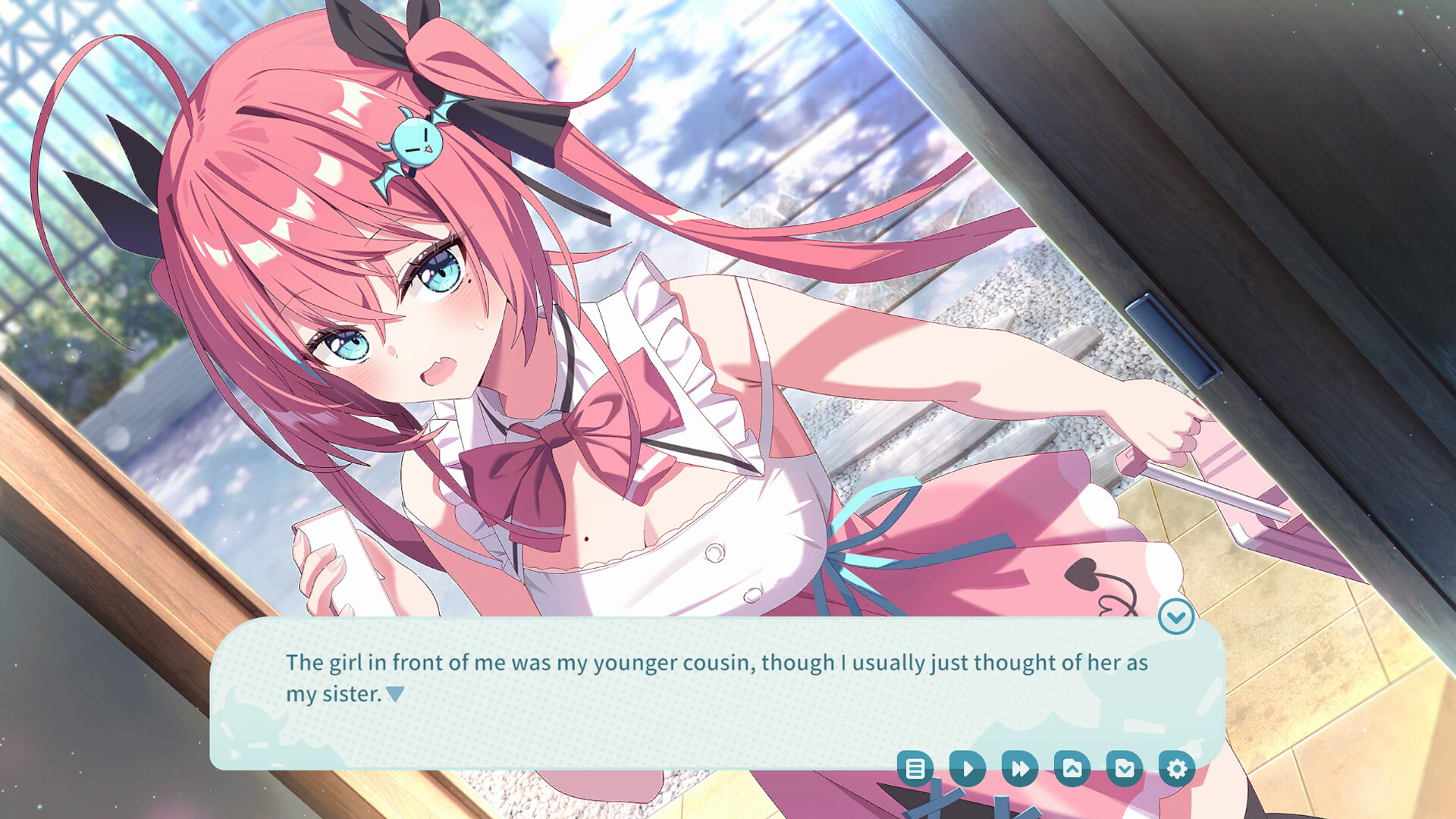
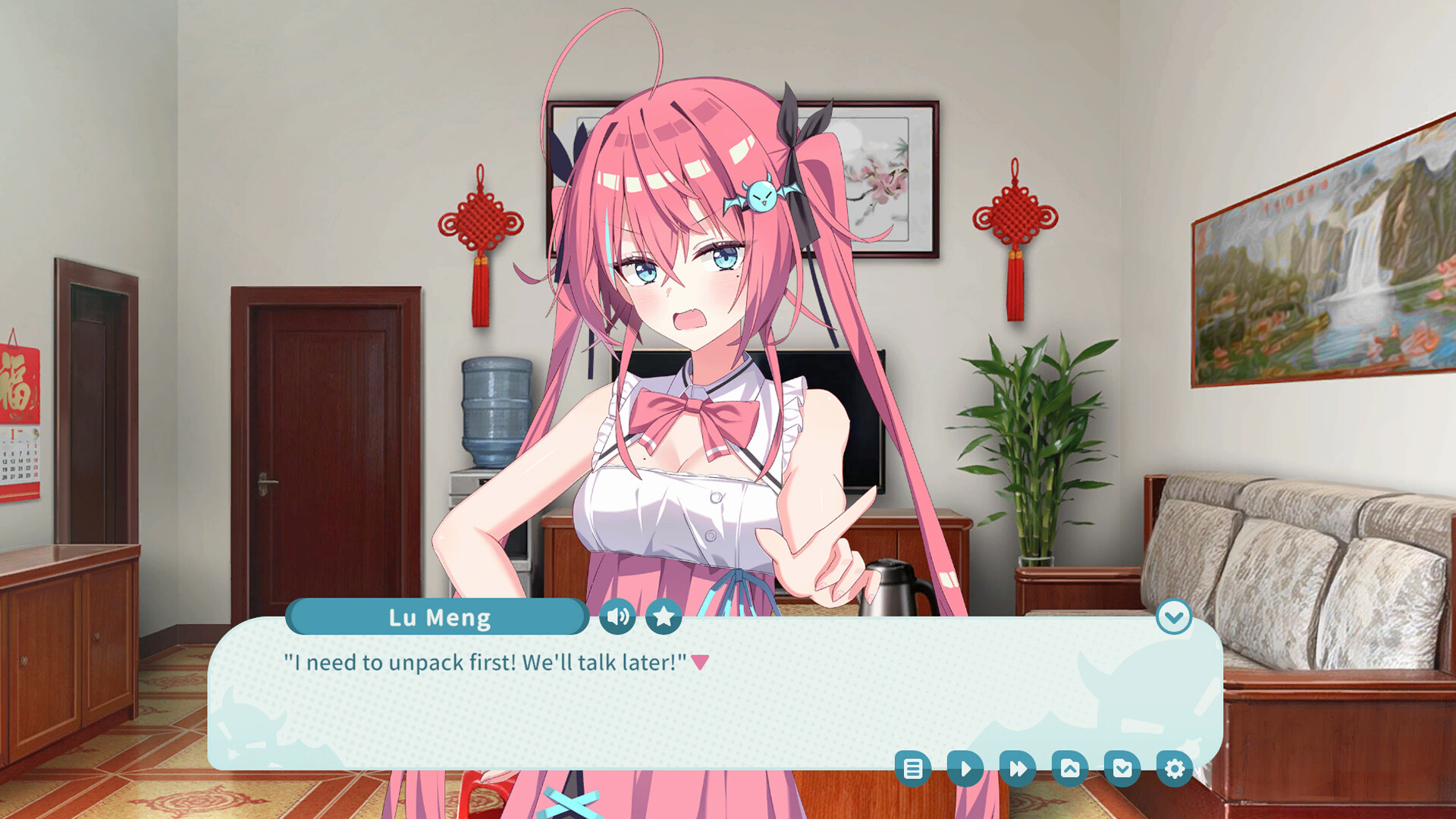
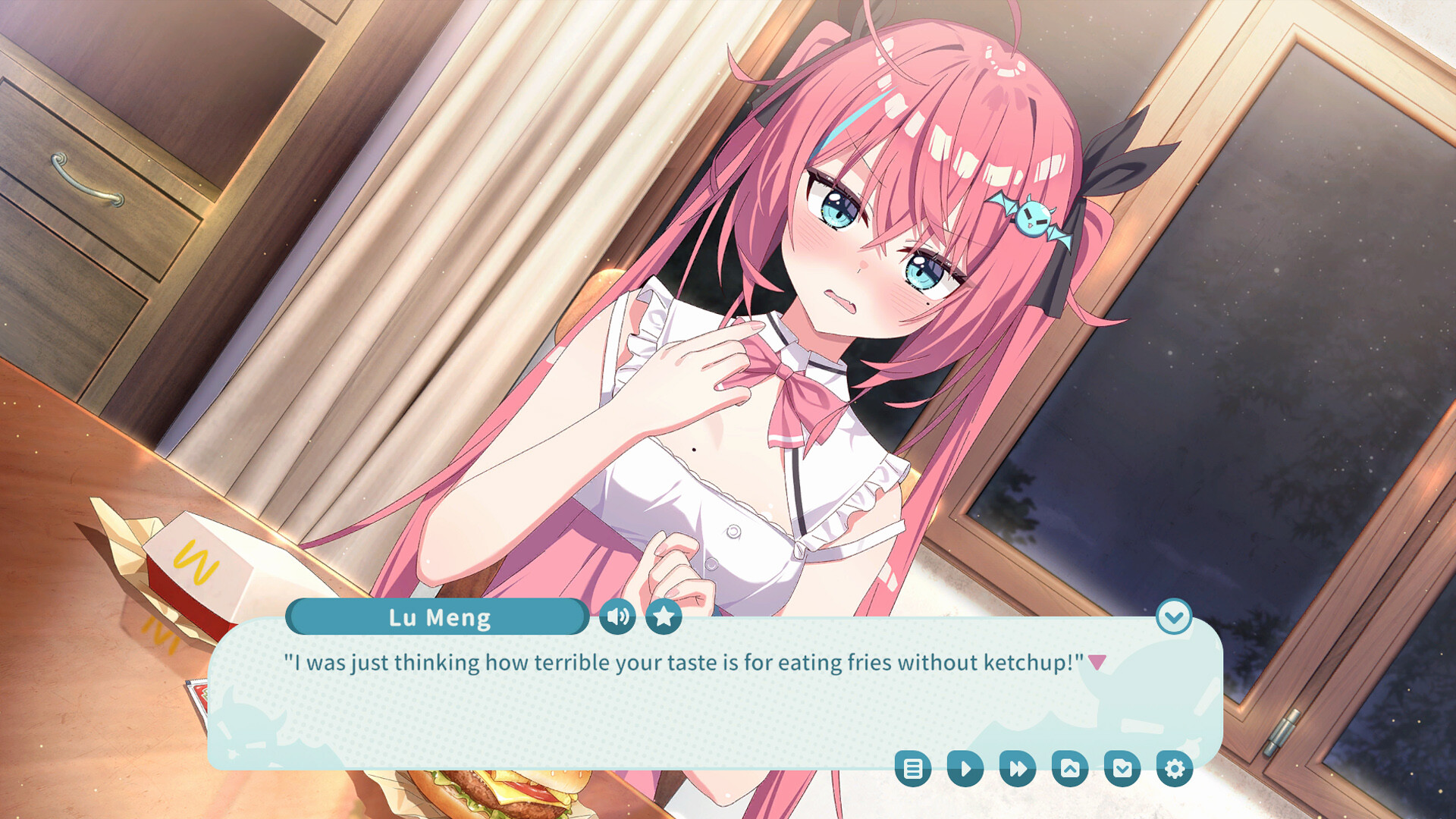
The sequel to "My Cold Girlfriend" is here! Live under the same roof with your tsundere cousin sister sporting red twin tails, experience her daily quiet care beneath her sharp tongue, and unlock exclusive sweet and heartwarming summer moments.
我的傲娇妹妹 MY TSUNDERE SISTER is a anime, visual novel and cute game
developed by SuiKa Soft
and published by LoveStoryProject.
Released on August 11th 2026 is available on Windows, Steam Deck and Steam Machine
in 2 languages: Simplified Chinese and English.
It has received 355 reviews of which 231 were positive and 124 were negative resulting in a rating of 6.3 out of 10. 😐
The game is currently priced at 2.09€ on Steam.
The Steam community has classified 我的傲娇妹妹 MY TSUNDERE SISTER into these genres:
Anime
Visual Novel
Cute
Dating Sim
RPG
Adventure
Casual
Singleplayer
FPS
Emotional
Modern
Linear
Psychological Horror
Interactive Fiction
Story Rich
Here is the detailed breakdown of supported languages for 我的傲娇妹妹 MY TSUNDERE SISTER:
| UI | Subtitle | Audio | |
|---|---|---|---|
| English | |||
| Simplified Chinese |
Media & Screenshots
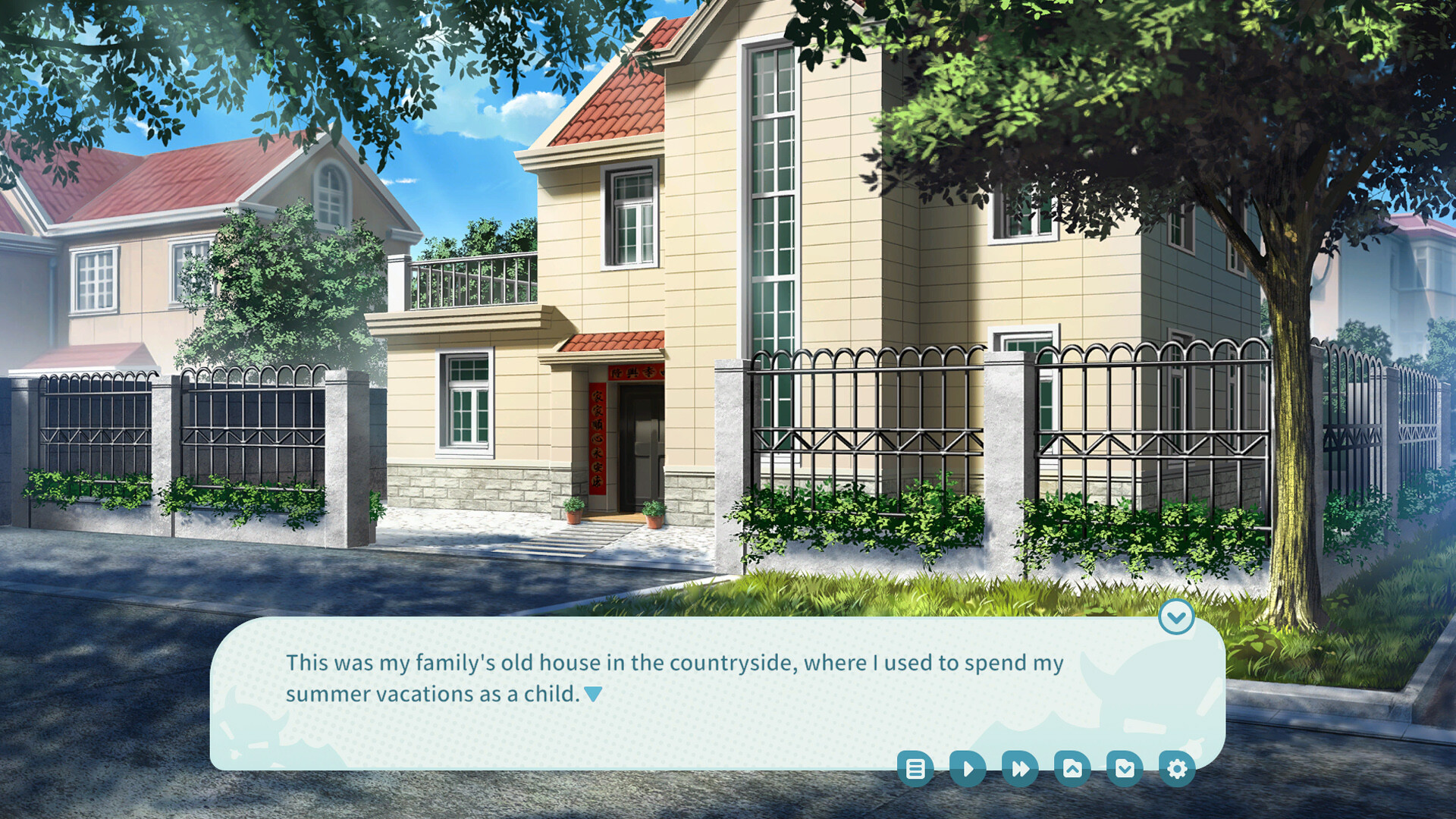
Get an in-depth look at 我的傲娇妹妹 MY TSUNDERE SISTER through various videos and screenshots.

Load More
System requirements
These are the minimum specifications needed to play the game. For the best experience, we recommend that you verify them.
Windows
- Requires a 64-bit processor and operating system
- OS: Windows 10 21H1 or Later Ver.
- Processor: 2.0 GHz Core 2 Duo
- Memory: 2 GB RAM
- Storage: 1 GB available space
Steam Price & Best Deals
User reviews & Ratings
Explore reviews from Steam users sharing their experiences and what they love about the game.
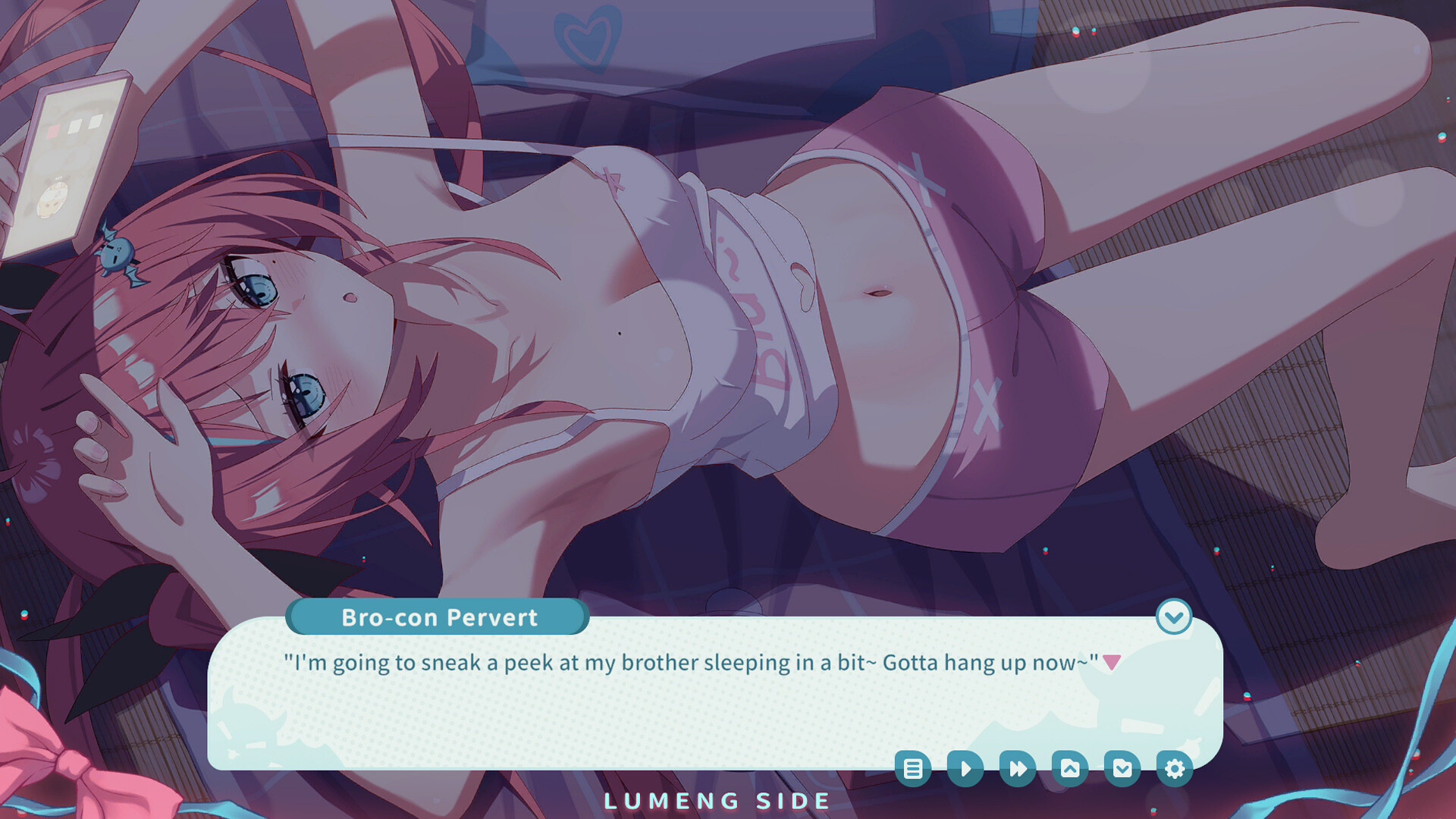
I wanted a pallet cleanser between my horror and eroge. Something more innocent than I usually read. This VN has a lots of references to masturbation. Lu Meng’s best friend is referred to as brocon. This however is not clever fore shadowing because she is your sister cousin and not blood related. Lu Meng cosplays as the character she catches her brother about to masturbate to at their first encounter. So by the end Lu Meng is into all that perverted stuff she was against at the beginning. Typical eroge setup. So, I’m guessing tsundere sister 2 will be Lu Meng petite tsundere vs sister plump Anran. Good but not all that wholesome.
If you don't want ur sister become ur gf then don play this game (frfr After completing this story line, I felt strange about the twisted sister in thinking the distortion of relationship... The story is kinda describing the somewhat ambiguous relationship between the younger sister and the older brother. Not big recommend but still can have a look on it.
Similar games
View all

LoveKami -Divinity Stage-
MoeNovel's exciting new original title, LoveKami -Divinity Stage-, debuts on Steam in English, bringing a fun and energetic tale filled with magic and music!

Sabbat of the Witch
Hoshina Shuuji has a secret: He has a mysterious power that allows him to perceive the emotions of others. However, he is soon to find out that he is not the only one who has something he doesn't want others to find out about as Ayachi Nene, a classmate, likewise has a secret.

Tayutama 2-you're the only one-
Introduction In the mountain town far away the ashihara chou,a BRAND-NEW story about the coexistence of “humans”and “ tayutai“ is about to start. To be with you this is the only oath and my everything

我的高冷女友 MY COLD GIRLFRIEND
What's It Like to Have a Girlfriend with a Hidden Side? 💙A romantic comedy visual novel set in a modern campus, where a dare leads to an unexpected relationship with a cold beauty—and a sweet, chaotic cohabitation begins.

Go! Go! Nippon! ~My First Trip to Japan~
The week you spend in Japan will certainly be memorable!!! Get a taste of the foreign travel offered by printed guidebooks. Enjoy a tour around Japan from the comfort of your own home!

Select Oblige
Select Oblige is the latest title from the popular Japanese visual novel brand Madosoft. It features character design and artwork by renowned illustrator Hiyo Yuzuna, with the story crafted by Shoukei Wakaba. The main heroines are voiced by Hana Akino, Kanau, Ren Sagami, and Yuuka Nanakusa.

Sonicomi
Super Sonico is a cheerful, hardworking college student and amateur musician who's about to make her modeling debut. As her personal photographer, you will be responsible for Sonico's image, balancing the needs of your clients with your own vision for Sonico's future.

U-ena -Far fireworks-
The story is set in nondescript rural junior high scool. Tomoki belong to a club that mix literatureclub and tea ceremony club. That called "Kotonoha Circle." It was the night he saw Far fireworks. He meets soaked girl in the center of lake.

NEKOPARA Vol. 4
Despite the popularity of, "La Soleil", Kashou's father continues to disapprove of it. Determined to get his father to approve of him, Kashou journeys to France to seek advice from the teacher who taught him his craft. A new chapter awaits in the next volume of the NEKOPARA series!

Sakura Angels
日本語バージョンダウンロード開始されました。Two girls, blessed with magical powers, are faced with the task of saving the lonely protagonist from the clutches of a mysterious witch and ancient evil, sealed away long ago by his ancestors. What does this sorceress want from our protagonist?

Aokana - Four Rhythms Across the Blue - EXTRA1
Aokana - EXTRA1 is the official Mashiro afterstory for Aokana.Experience even more Aokana in 1440p!
Frequently Asked Questions
我的傲娇妹妹 MY TSUNDERE SISTER is currently priced at 2.09€ on Steam.
No, 我的傲娇妹妹 MY TSUNDERE SISTER is currently not on sale. You can purchase it for 2.09€ on Steam.
Yes, 我的傲娇妹妹 MY TSUNDERE SISTER received 231 positive votes out of a total of 355 achieving a rating of 6.25.
😐
我的傲娇妹妹 MY TSUNDERE SISTER was developed by SuiKa Soft and published by LoveStoryProject.
Yes, 我的傲娇妹妹 MY TSUNDERE SISTER is playable and fully supported on Windows.
No, 我的傲娇妹妹 MY TSUNDERE SISTER is not playable on MacOS.
No, 我的傲娇妹妹 MY TSUNDERE SISTER is not playable on Linux.
Yes, 我的傲娇妹妹 MY TSUNDERE SISTER is playable on Steam Deck, though it might require a few minor tweaks. Make sure to check the Steam store page and community feedback on ProtonDB for exact compatibility details.
Yes, 我的傲娇妹妹 MY TSUNDERE SISTER is playable and fully supported on Steam Machine.
No, 我的傲娇妹妹 MY TSUNDERE SISTER does not support VR.
我的傲娇妹妹 MY TSUNDERE SISTER is a single-player game.
Yes, there is a DLC available for 我的傲娇妹妹 MY TSUNDERE SISTER. Explore additional content available for 我的傲娇妹妹 MY TSUNDERE SISTER on Steam.
No, 我的傲娇妹妹 MY TSUNDERE SISTER does not support mods via Steam Workshop.
No, 我的傲娇妹妹 MY TSUNDERE SISTER does not support Steam Remote Play.
Yes, 我的傲娇妹妹 MY TSUNDERE SISTER is enabled for Steam Family Sharing. This means you can share the game with authorized users from your Steam Library, allowing them to play it on their own accounts. For more details on how the feature works, you can read the original Steam Family Sharing announcement or visit the Steam Family Sharing user guide and FAQ page.
You can find solutions or submit a support ticket by visiting the Steam Support page for 我的傲娇妹妹 MY TSUNDERE SISTER.
Data sources
The information presented on this page is sourced from reliable APIs to ensure accuracy and relevance. We utilize the Steam API to gather data on game details, including titles, descriptions, prices, and user reviews. This allows us to provide you with the most up-to-date information directly from the Steam platform.
Additionally, we incorporate data from the SteamSpy API, which offers insights into game sales and player statistics. This helps us present a comprehensive view of each game's popularity and performance within the gaming community.
Last Updates| Steam data | 01 October 2026 01:51 UTC |
|---|---|
| SteamSpy data | 05 October 2026 15:04 UTC |
| Steam price | 15 October 2026 19:49 UTC |
| Steam reviews | 13 October 2026 22:07 UTC |
If you'd like to dive deeper into the details about 我的傲娇妹妹 MY TSUNDERE SISTER, we invite you to check out a few dedicated websites that offer extensive information and insights. These platforms provide valuable data, analysis, and user-generated reports to enhance your understanding of the game and its performance.
- SteamDB - A comprehensive database of everything on Steam about 我的傲娇妹妹 MY TSUNDERE SISTER
- SteamCharts - Analysis of 我的傲娇妹妹 MY TSUNDERE SISTER concurrent players on Steam
- ProtonDB - Crowdsourced reports on Linux and Steam Deck 我的傲娇妹妹 MY TSUNDERE SISTER compatibility

Game modes
Features
Online players
1
Developer
SuiKa Soft
Publisher
LoveStoryProject
Release
11 Aug 2026
Platforms