
Everybody's Gone to the Rapture
Featuring a beautiful, detailed open-world and a haunting soundtrack, Everybody’s Gone to the Rapture is non-linear storytelling at its best.
Sync your Steam wishlist to find the lowest game prices instantly. No login required, just paste your Steam profile URL!
⚡ Try Wishlist Radar!
Sync your Steam wishlist to find the lowest game prices instantly. No login required!
⚡ Try Wishlist Radar!
Close

Caligo on Steam
Quick menu
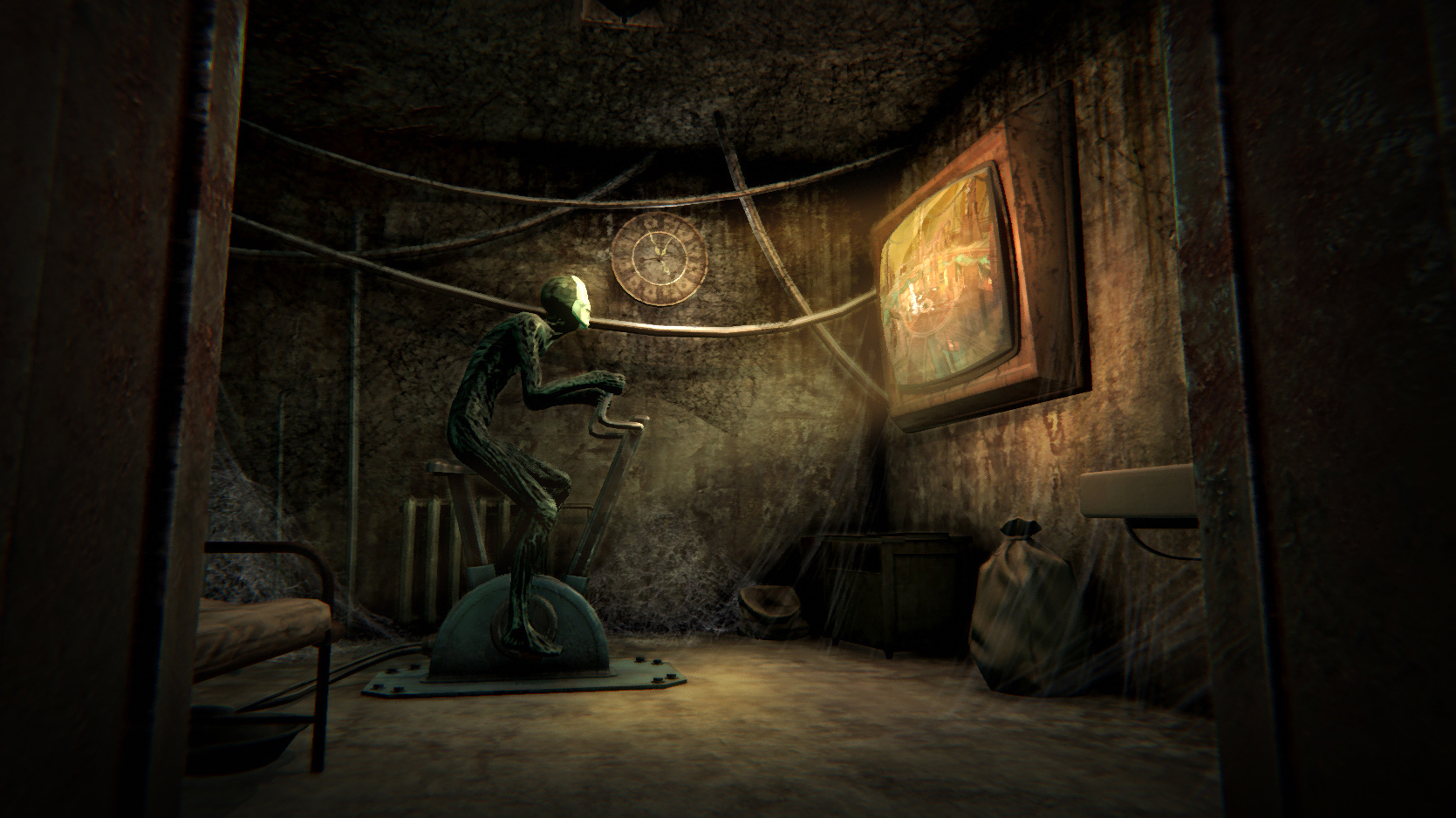
Caligo is the darkness everyone descends into one way or another, and to each of us it's something different. For some it's a short but exciting adventure, some will see it as a place to relax. Yet others will be reminded of their worst nightmare, while for a few, it might come as a revelation.
Caligo is a indie, adventure and walking simulator game
developed and published by Krealit.
Released on September 22nd 2017 is available only on Windows.
It has received 1,040 reviews of which 781 were positive and 259 were negative resulting in a rating of 7.2 out of 10. 😊
The game is currently priced at 0.73€ on Steam with a 88% discount.
The Steam community has classified Caligo into these genres:
Media & Screenshots
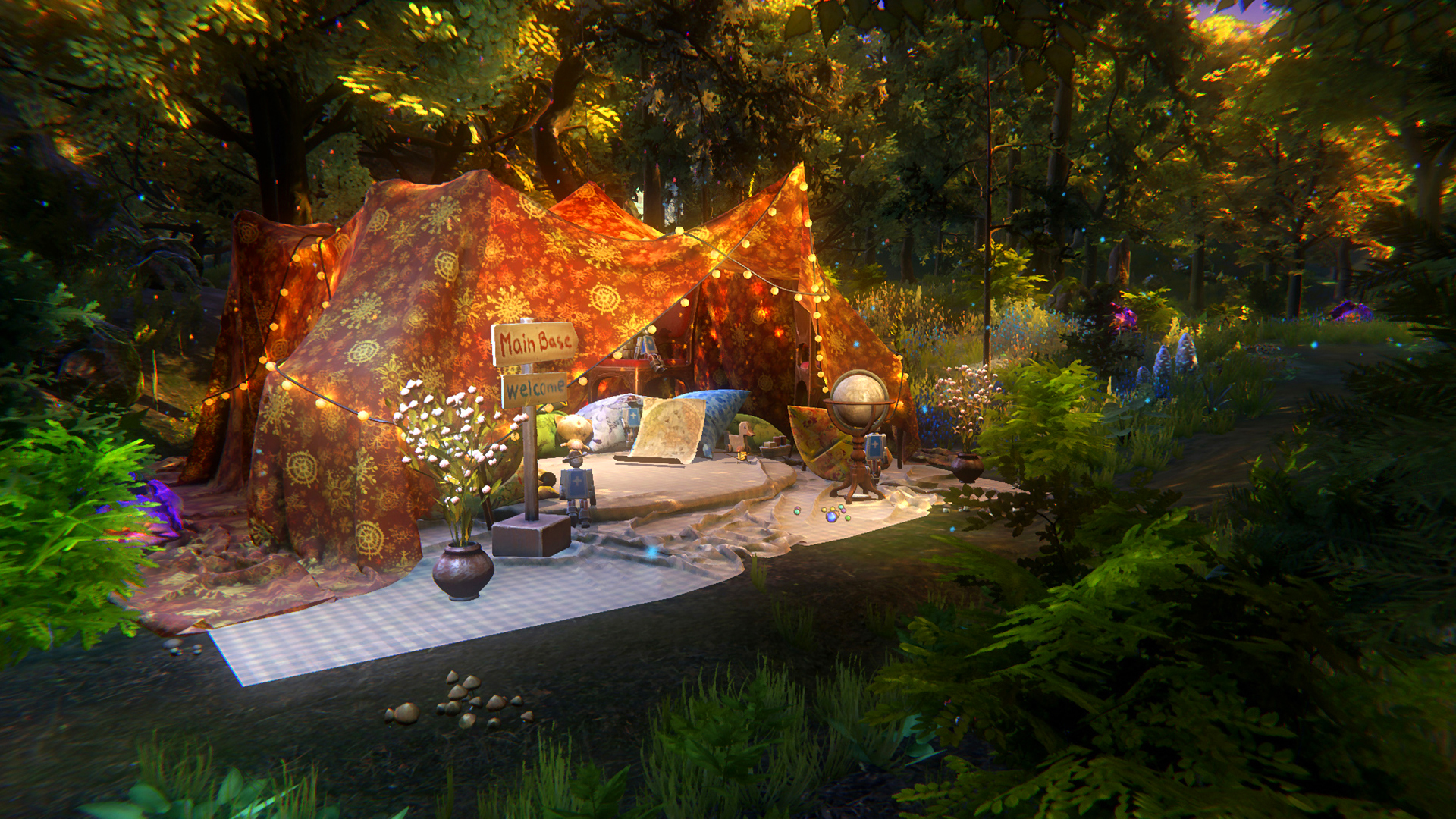
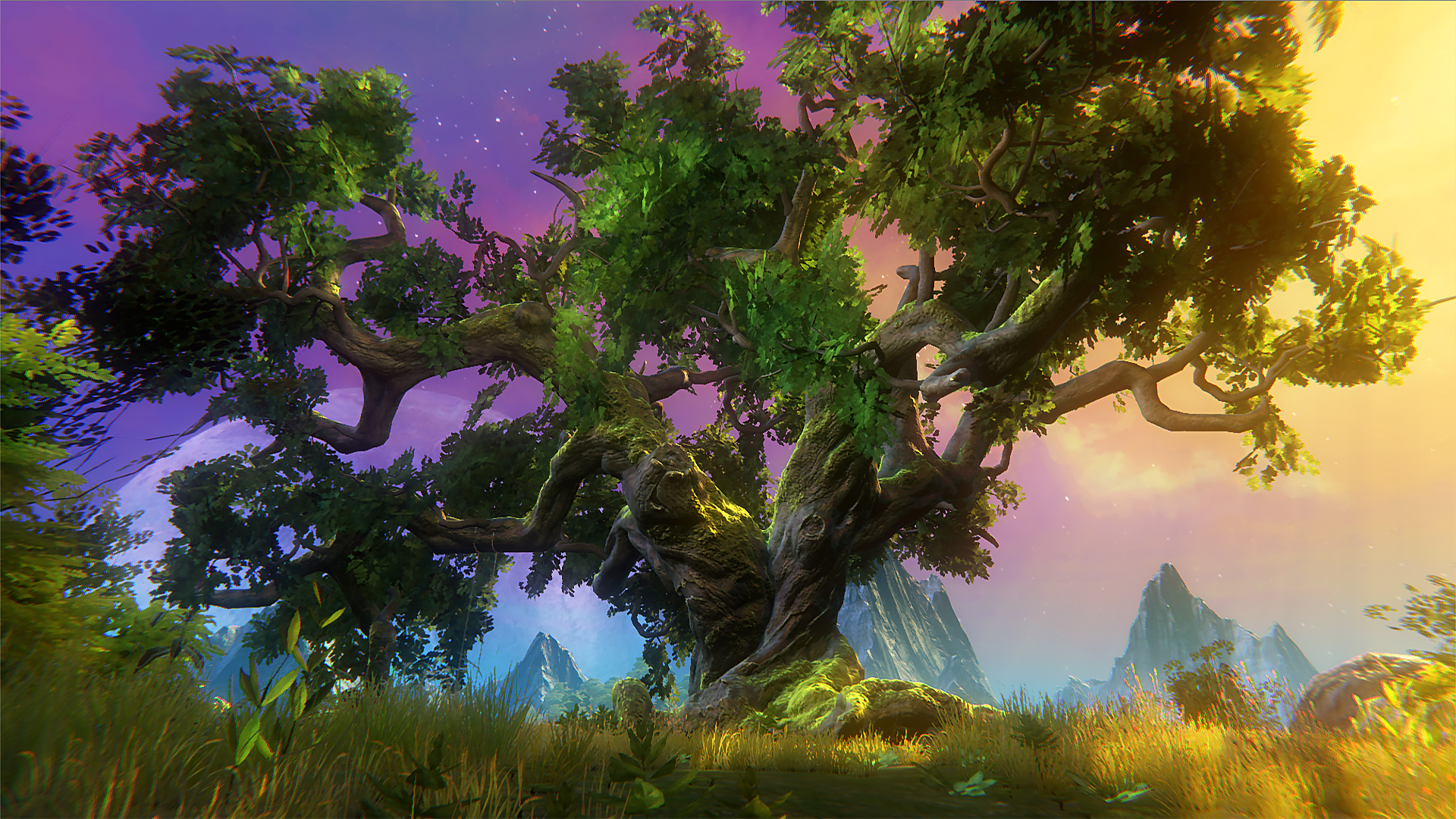
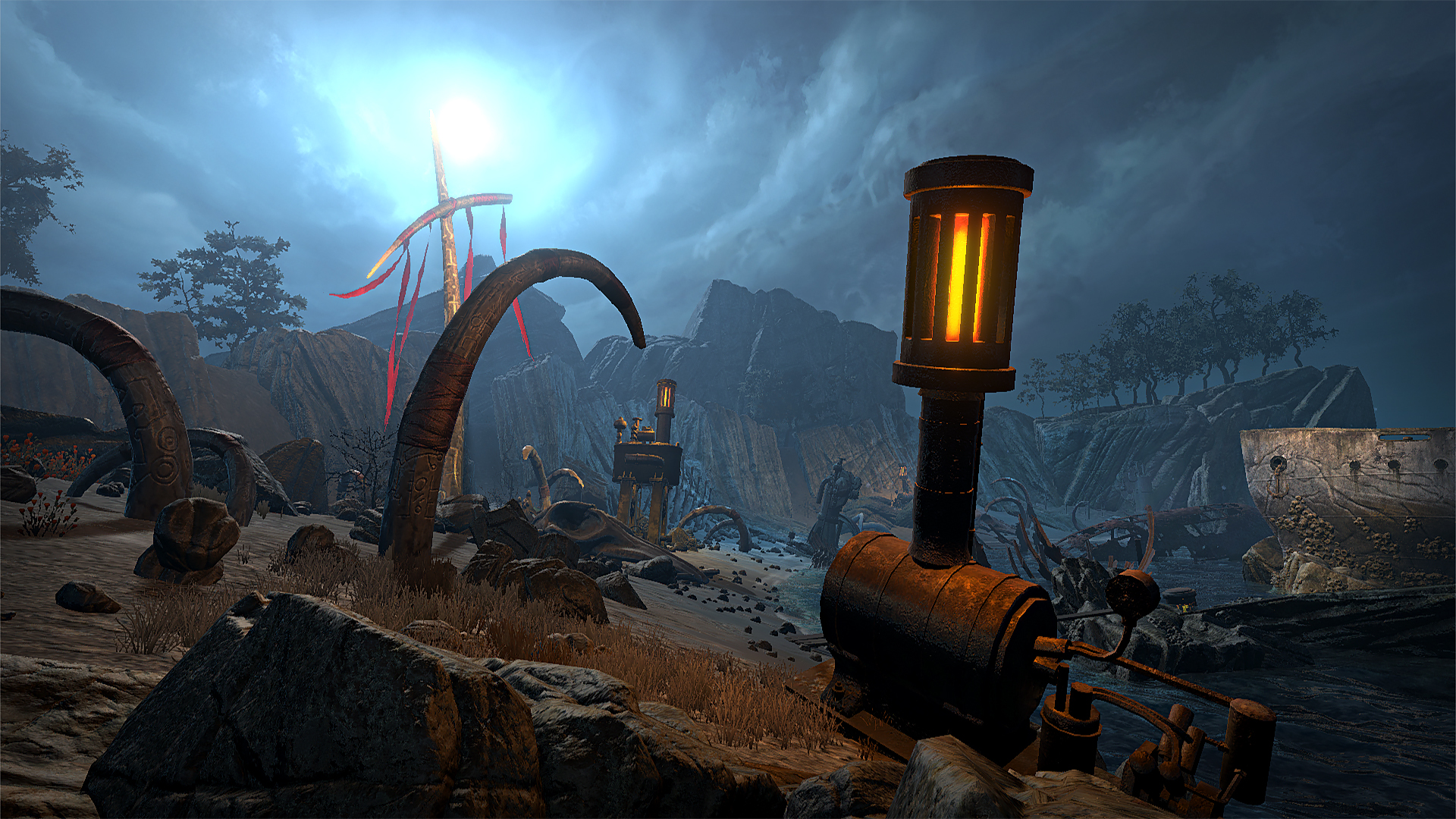
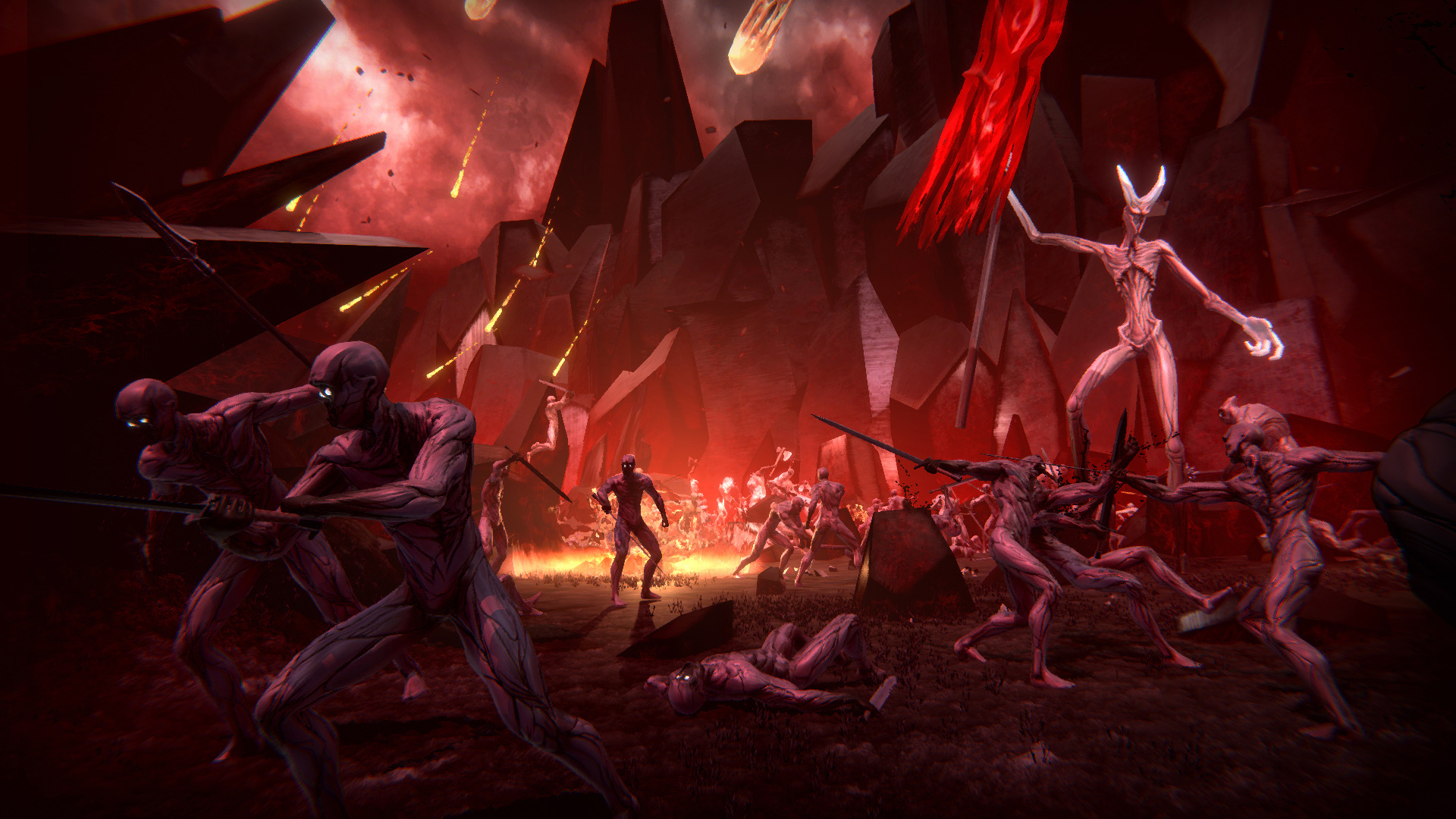
Get an in-depth look at Caligo through various videos and screenshots.


Load More
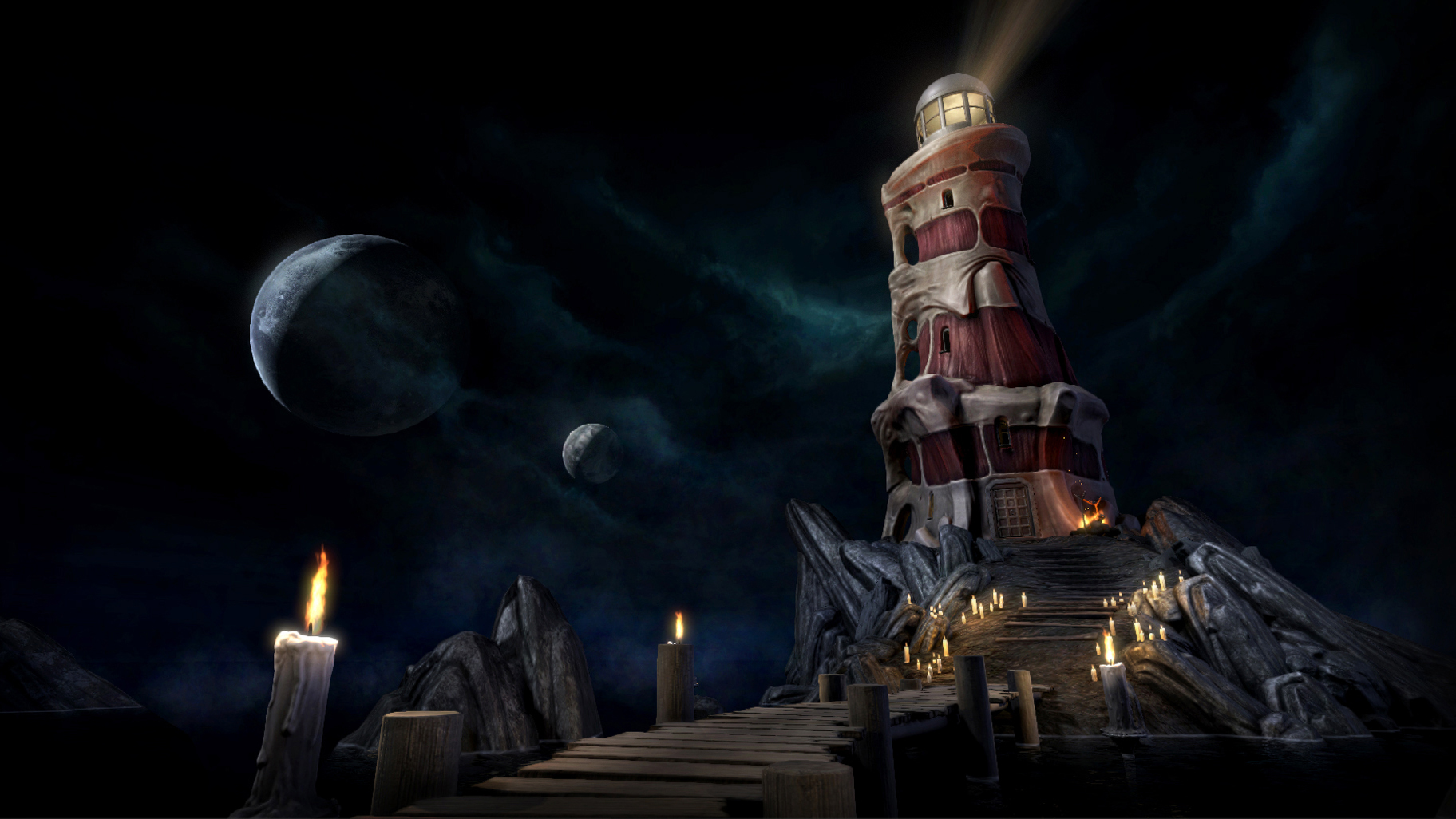
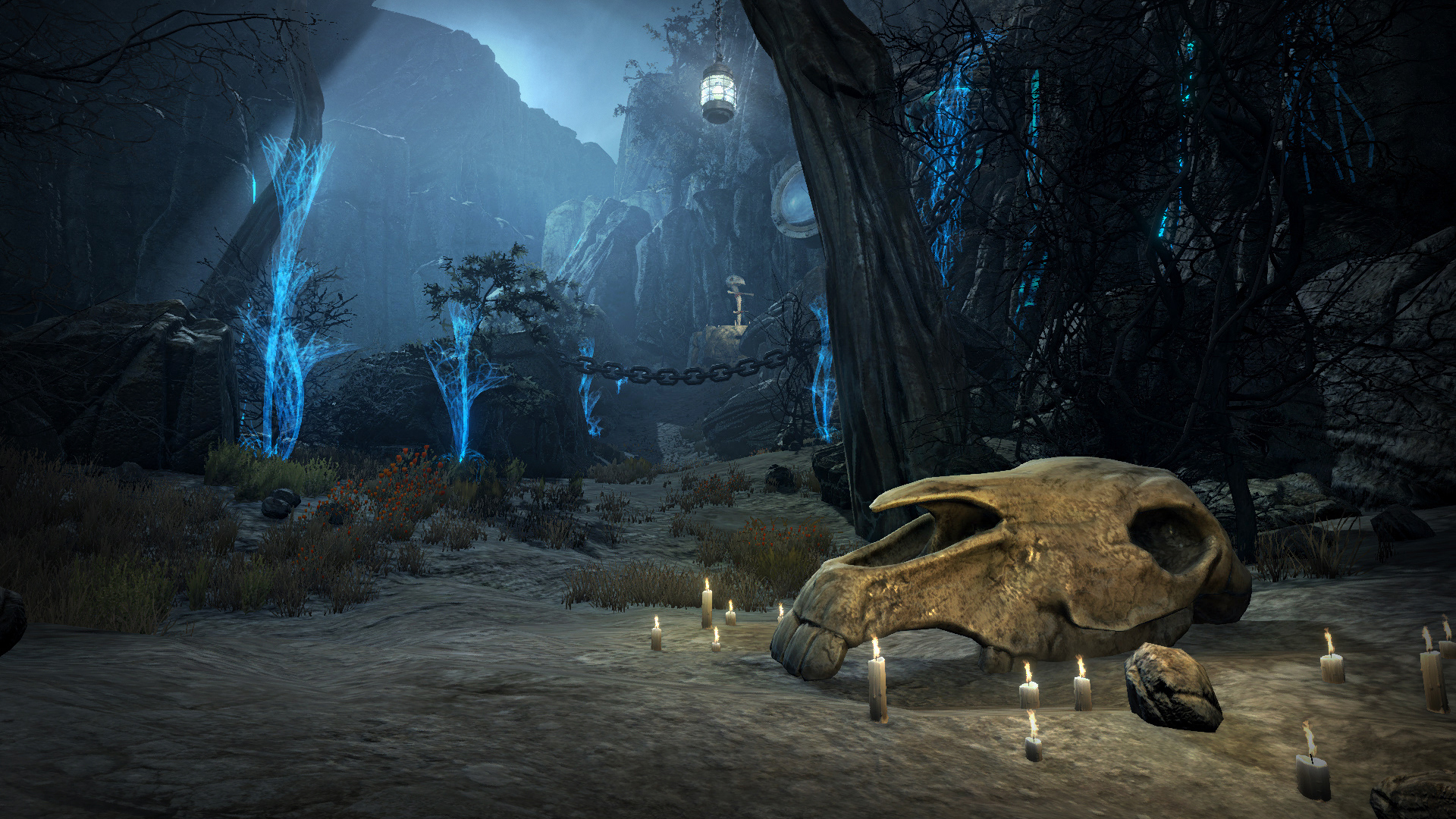
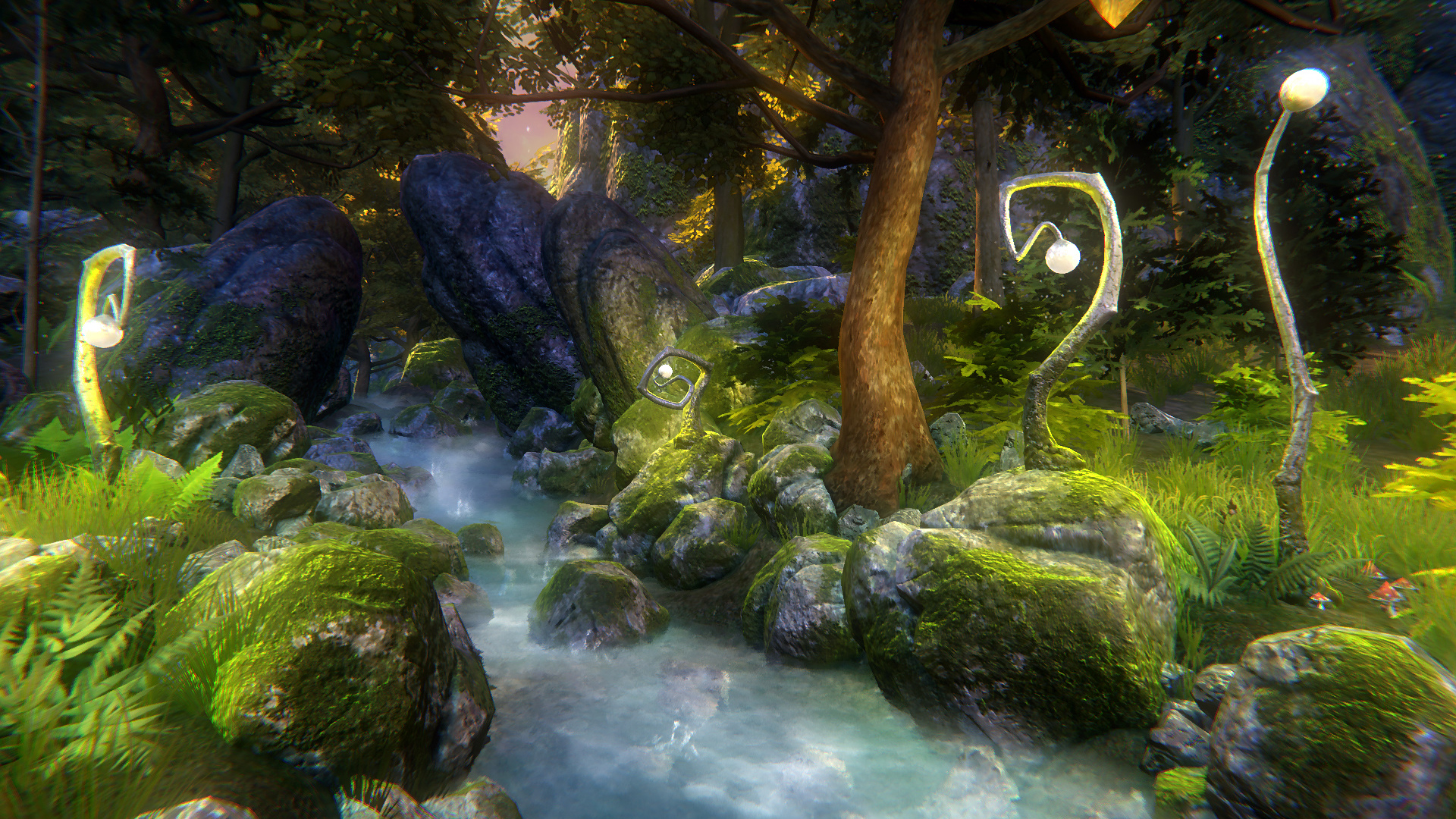
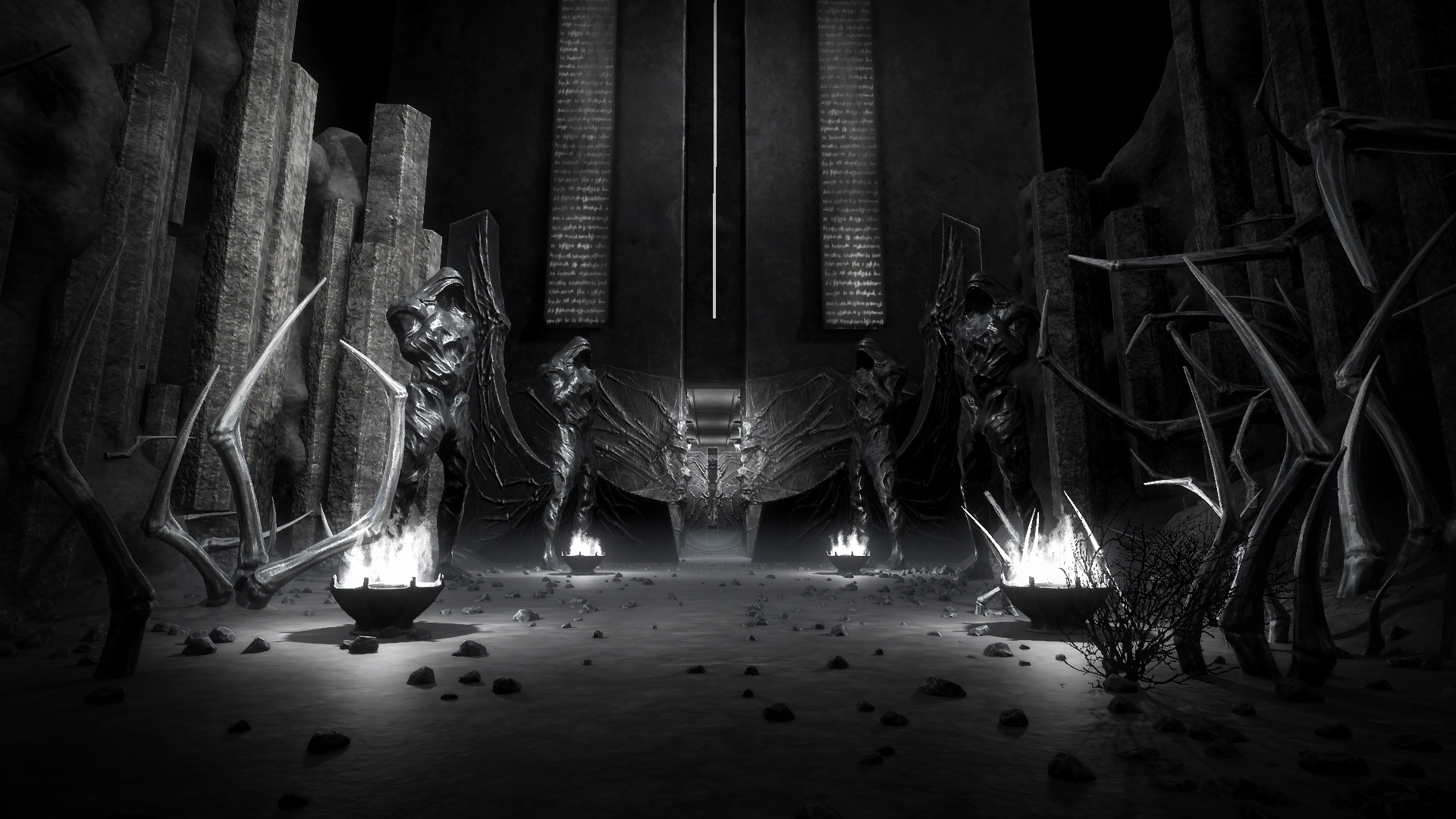
System requirements
These are the minimum specifications needed to play the game. For the best experience, we recommend that you verify them.
Windows
- OS *: 64 Bit Windows 7, 8 or 10
- Processor: Intel Core i3 4010U @ 1.70GHz
- Memory: 4 GB RAM
- Graphics: NVIDIA GeForce GTX 660 or better
- Storage: 10 GB available space
Steam Price & Best Deals
User reviews & Ratings
Explore reviews from Steam users sharing their experiences and what they love about the game.
A short, atmospheric walking simulator with beautiful visuals. I took tons of screenshots, especially in the first half of the game. The dreamlike story unfolds through brief memories and leads to a final choice. Finished in 1.5 hours, with chapter select to see the other ending
A short, original game with a personal, subjective view of the world. It's more like a philosophical essay wrapped in a game format, which doesn't make it any less enjoyable. Many static scenes, expressing the author's personal allusions and associations, and corridor-like passage. It's like watch short movie.
Similar games
View all

Where the Water Tastes Like Wine
Where the Water Tastes Like Wine is a Narrative-Adventure game about traveling, sharing stories, and surviving manifest destiny.
Investigator
Investigator is a first-person exploration game with horror elements, where the events take place in a world of extreme weather cataclysms.

The Old City: Leviathan
The Old City: Leviathan is an experiment in first person exploration that focuses entirely on story. All that exists is you and the world. Set in a decaying city from a civilization long past, The Old City: Leviathan puts the player in the shoes of a sewer dwelling isolationist.

Perception
An award-winning narrative thriller about a blind woman’s journey to uncover the truth about the mansion from her nightmares, or else become one of its victims.
The First Tree
A beautiful, 3rd-person exploration game centered around two parallel stories: a fox trying to find her missing family, and a son reconnecting with his estranged father in Alaska. Uncover artifacts from the son's life as he becomes intertwined in the fox’s journey towards The First Tree.

Leaving Lyndow
It's Clara's last day on the island where she grew up. She needs to complete preparations, visit her favorite places, and say her goodbyes before leaving on a journey she may not return from.
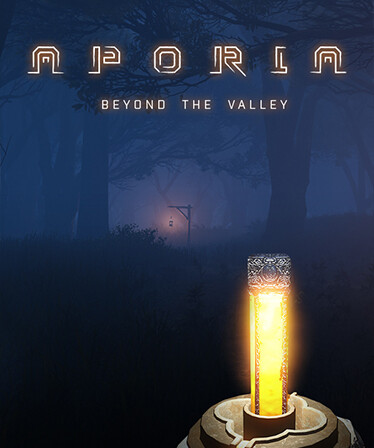
Aporia: Beyond The Valley
CRYNEGINE Indie Game of 2017. Featuring an incredibly detailed ancient world and a breathtaking soundtrack, Aporia: Beyond the Valley takes open world storytelling to new heights of adventure.

Awkward Dimensions Redux
They may be awkward dimensions, but they're my dreams...

Gone In November
Coming home after visiting your doctor for the last time, you are told that you only have three more days to live. A sequence of short memory fragments flashing through as you try to run away from what you have done.

Forever Ago
Following a tragic stroke of fate, Alfred embarks on a journey north in search of redemption in this single-player road trip adventure.

ShadowSide
ShadowSide is a First Person Exploration game. A policeman Alex Carter has been watching over the tranquility in the town for many years. He protects the people from robbery and crime. Nothing but a routine.
Frequently Asked Questions
Caligo is currently priced at 0.73€ on Steam.
Yes, Caligo is currently available at a 88% discount. You can purchase it for 0.73€ on Steam.
Yes, Caligo received 781 positive votes out of a total of 1,040 achieving a rating of 7.20.
😊
Caligo was developed and published by Krealit.
Yes, Caligo is playable and fully supported on Windows.
No, Caligo is not playable on MacOS.
No, Caligo is not playable on Linux.
This information about Caligo is not available yet.
This information about Caligo is not available yet.
No, Caligo does not support VR.
Caligo is a single-player game.
No, Caligo does not currently offer any DLC.
No, Caligo does not support mods via Steam Workshop.
No, Caligo does not support Steam Remote Play.
Yes, Caligo is enabled for Steam Family Sharing. This means you can share the game with authorized users from your Steam Library, allowing them to play it on their own accounts. For more details on how the feature works, you can read the original Steam Family Sharing announcement or visit the Steam Family Sharing user guide and FAQ page.
You can find solutions or submit a support ticket by visiting the Steam Support page for Caligo.
Data sources
The information presented on this page is sourced from reliable APIs to ensure accuracy and relevance. We utilize the Steam API to gather data on game details, including titles, descriptions, prices, and user reviews. This allows us to provide you with the most up-to-date information directly from the Steam platform.
Additionally, we incorporate data from the SteamSpy API, which offers insights into game sales and player statistics. This helps us present a comprehensive view of each game's popularity and performance within the gaming community.
Last Updates| Steam data | 18 September 2026 05:08 UTC |
|---|---|
| SteamSpy data | 23 October 2026 21:06 UTC |
| Steam price | 27 October 2026 19:59 UTC |
| Steam reviews | 20 October 2026 17:48 UTC |
If you'd like to dive deeper into the details about Caligo, we invite you to check out a few dedicated websites that offer extensive information and insights. These platforms provide valuable data, analysis, and user-generated reports to enhance your understanding of the game and its performance.
- SteamDB - A comprehensive database of everything on Steam about Caligo
- SteamCharts - Analysis of Caligo concurrent players on Steam
- ProtonDB - Crowdsourced reports on Linux and Steam Deck Caligo compatibility

Game modes
Features
Online players
0
Developer
Krealit
Publisher
Krealit
Release
22 Sep 2017
Platforms