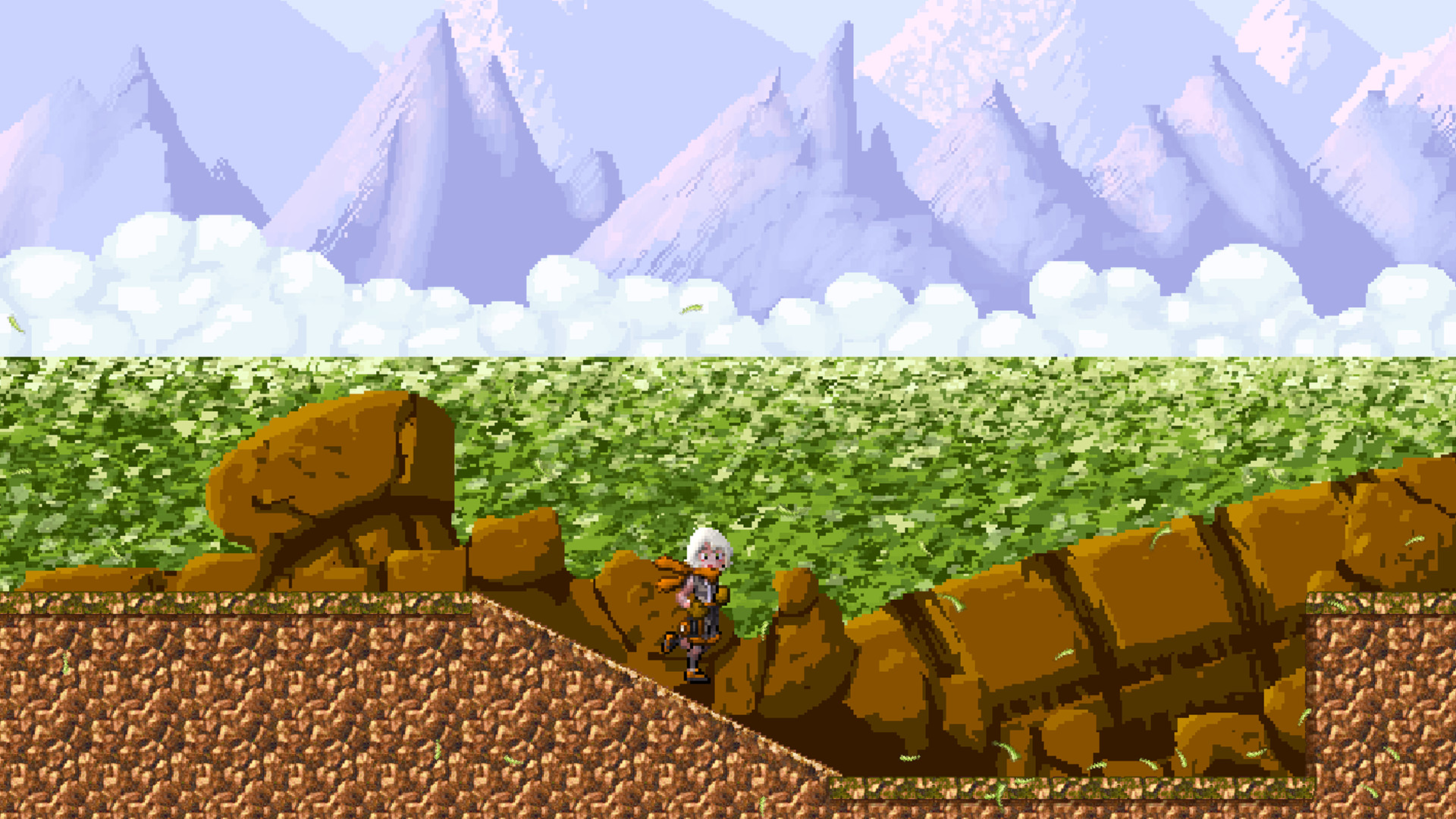
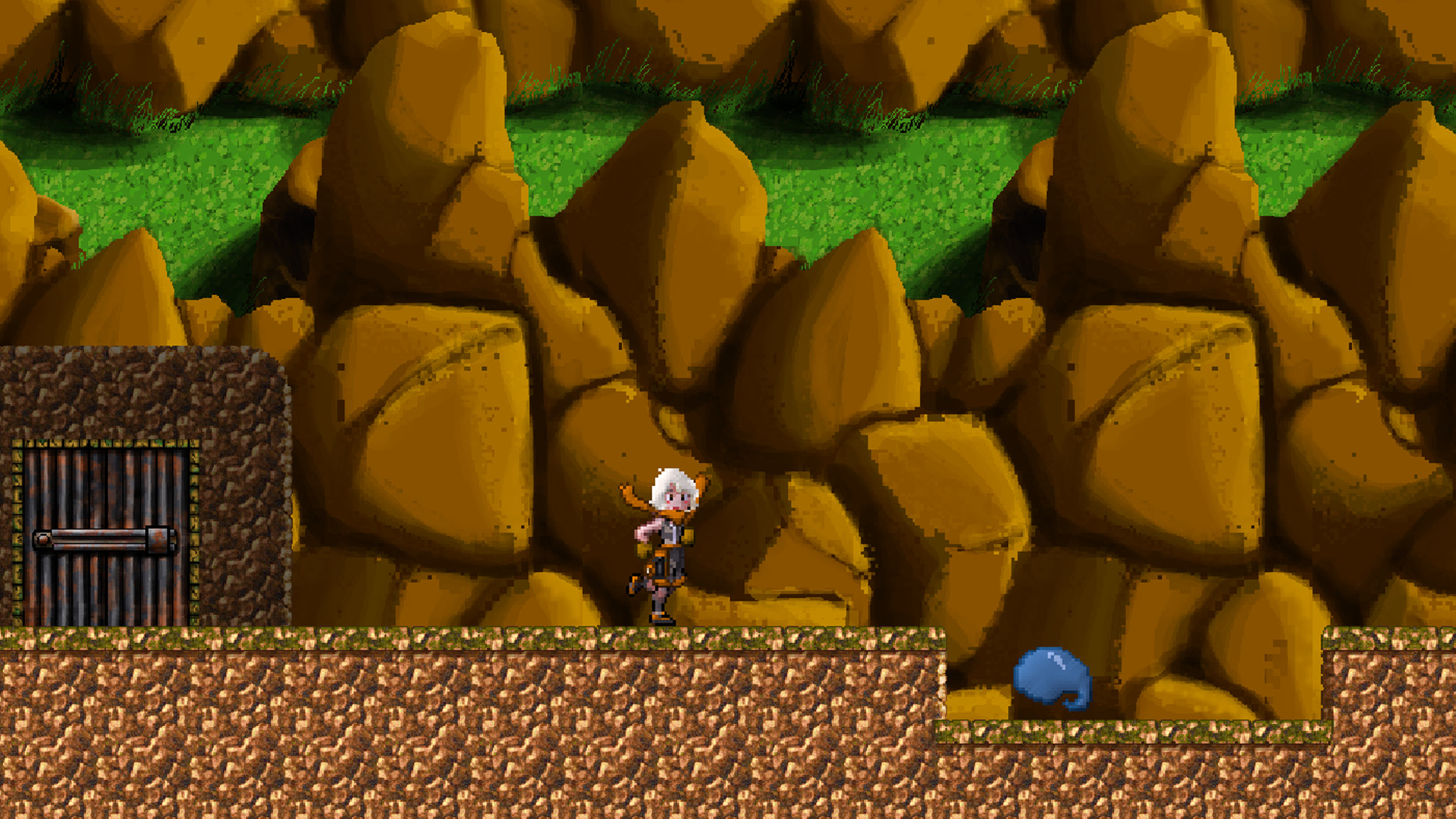
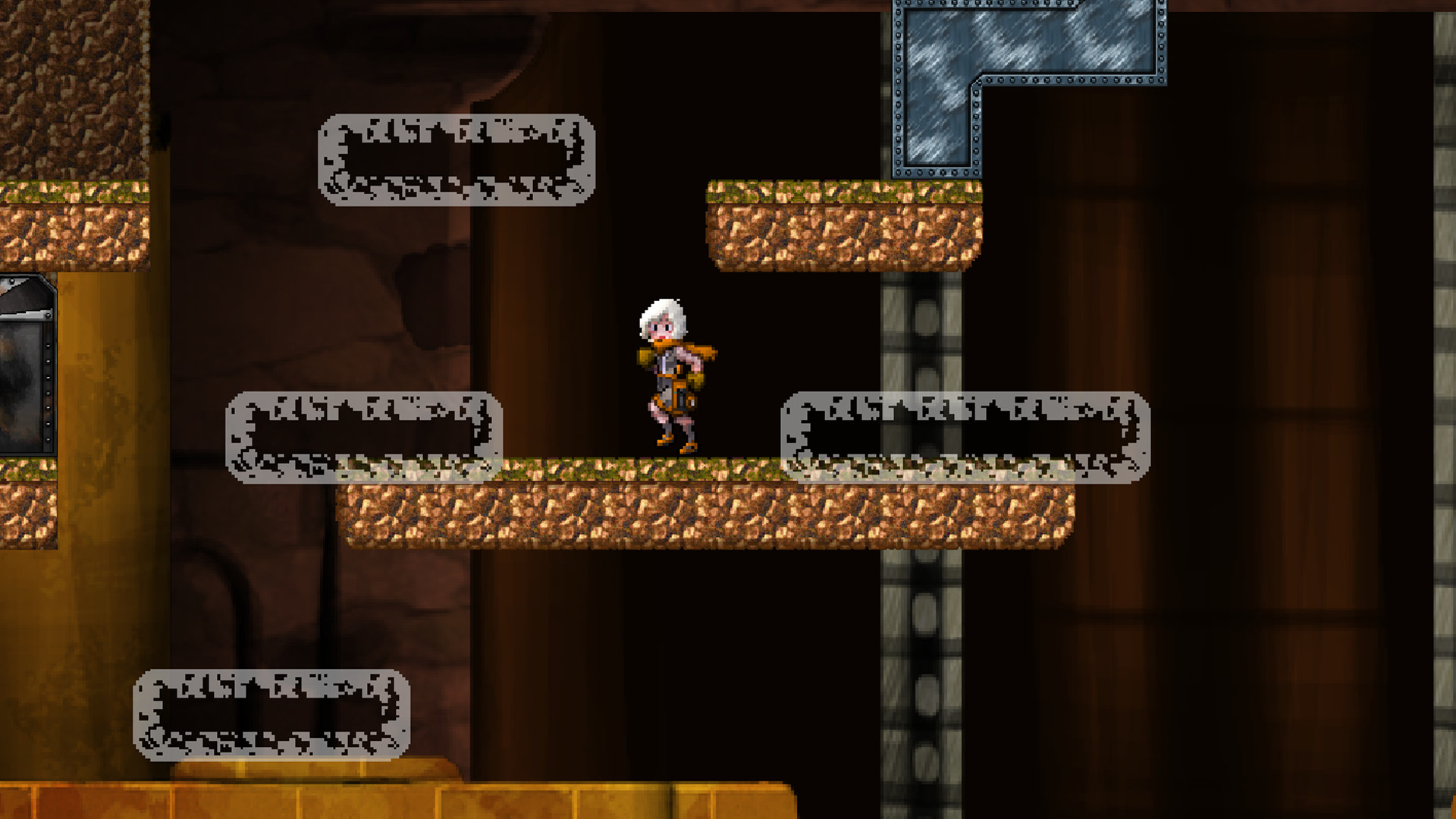
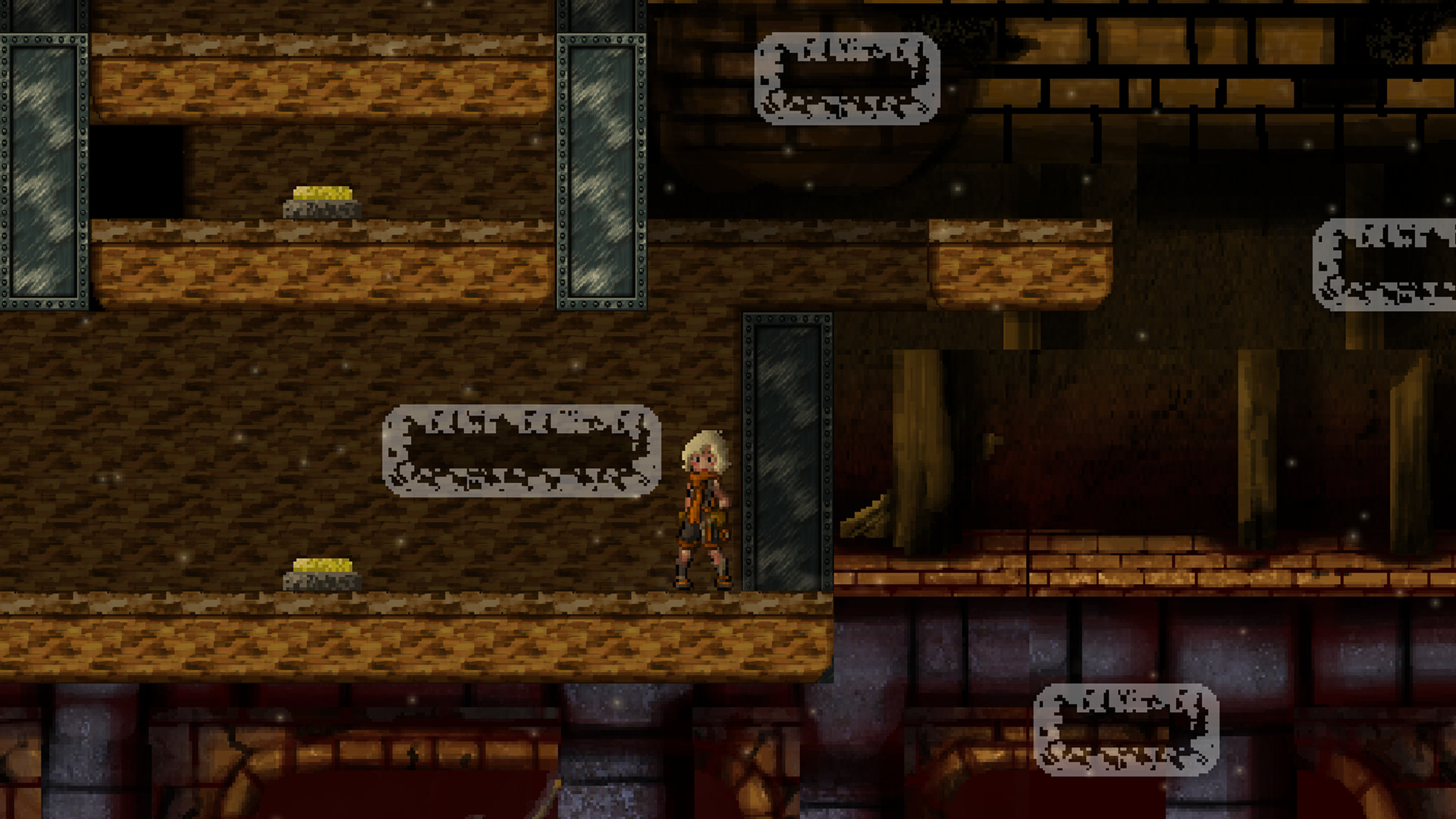
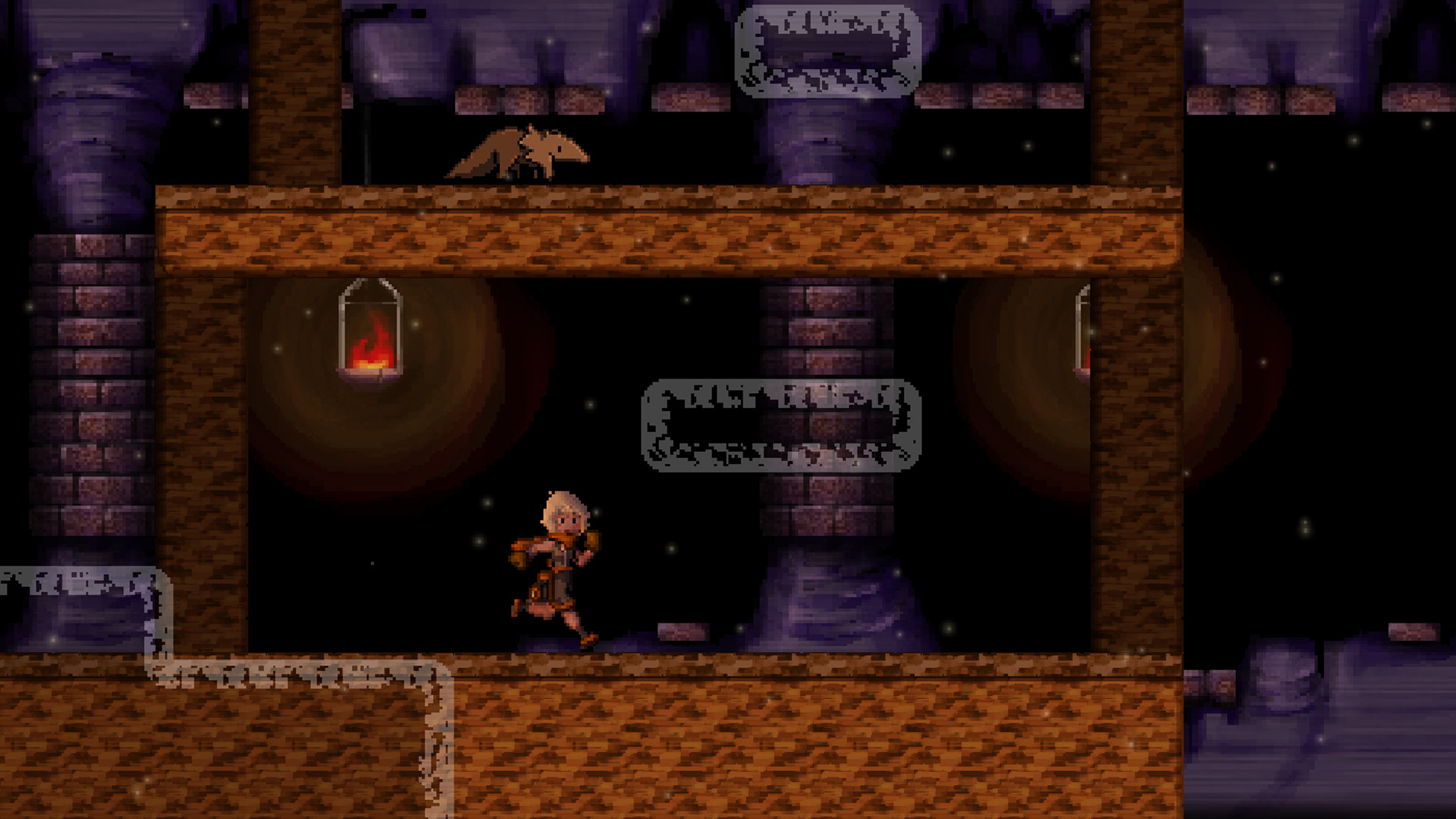
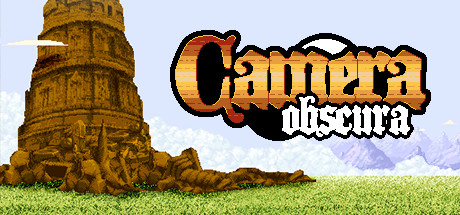
Camera Obscura is an indie puzzle-platformer created by Anteater Games and published by BindleBot together with the developer on Steam. The game blends classic side-scrolling platforming with a distinctive environmental manipulation mechanic built around photography. Rather than simply relying on jumping and reflexes, the game encourages players to think creatively about how the environment can be reshaped using a mysterious camera device, turning each stage into a puzzle where observation and experimentation are just as important as platforming skill. The adventure takes place within a massive tower that stretches high into the sky, constructed long ago by a strange order whose ambition was to ascend toward the sun itself. The player controls a lone photographer who ventures into the ruins of this towering structure, gradually climbing through its many floors while uncovering hints about its forgotten builders. The story is presented subtly through environmental details and collectible photographs scattered throughout the levels. These fragments of lore help build a sense of mystery surrounding the tower’s purpose and the fate of those who once inhabited it, adding narrative flavor to what is primarily a gameplay-focused experience. At the center of the game’s design is the camera mechanic that gives the title its identity. The protagonist carries a special camera capable of capturing a temporary “afterimage” of the surrounding environment. When activated, the camera creates a ghostly duplicate of platforms, walls, and other structures, allowing players to reposition or use these images to reshape the level. This mechanic turns ordinary obstacles into creative puzzle opportunities. Players can create new footholds over gaps, extend platforms, freeze moving surfaces, or even trap enemies within temporary barriers created from the captured image of the environment. This system is simple to understand but offers surprising depth as the game progresses. Early levels introduce the concept in straightforward scenarios where players learn how to create bridges or climb higher using the duplicated terrain. As the player ascends deeper into the tower, however, the puzzles become more intricate. Stages begin to combine environmental hazards, enemy placement, and vertical traversal challenges that require careful planning and precise timing. In later sections, success often depends on experimenting with the placement of the afterimage to manipulate the level in unconventional ways. The structure of the game is built around a series of increasingly challenging stages spread across dozens of floors within the tower. Each floor functions as a self-contained puzzle platforming level with its own layout and hazards. Players must carefully navigate traps, avoid hostile creatures, and find creative ways to use the camera’s power to reach the exit. As new obstacles are introduced, players gradually develop a deeper understanding of how the camera mechanic can be used in combination with traditional platforming techniques. Visually, Camera Obscura embraces a retro pixel-art style that evokes classic platformers while still maintaining a distinctive atmosphere. The tower’s interiors are filled with detailed stone architecture, mechanical elements, and ancient relics that hint at the building’s mysterious origins. The use of lighting and shadow helps emphasize the eerie silence of the abandoned structure, reinforcing the feeling that the player is exploring a forgotten monument filled with secrets. The soundtrack complements the experience with soft, ambient compositions that emphasize mood rather than intensity. Instead of driving the action forward with dramatic music, the audio design creates a reflective atmosphere that fits the quiet exploration of the tower. Gentle melodies and subtle environmental sounds reinforce the sense of isolation as players climb higher into the unknown. One of the features that extends the game’s longevity is the inclusion of a built-in level editor. Players can create their own puzzle stages by placing platforms, enemies, switches, and other objects, then share these creations through the community workshop. This allows the core mechanics of the game to be expanded beyond the developer-designed levels, encouraging creative experimentation and giving players access to an evolving library of user-made challenges. Despite its inventive mechanics, the game is not without some minor shortcomings. Because the camera mechanic serves as the central gameplay feature, many puzzles revolve around variations of the same idea. While the level design does a good job of introducing new combinations of hazards, extended play sessions can occasionally reveal the limits of the concept. Additionally, some platforming sections require precise positioning of the camera afterimage, which can feel slightly unforgiving in later stages. Even with these limitations, Camera Obscura stands out as a clever and imaginative indie platformer built around a single creative concept. The photographic manipulation mechanic gives the game a unique identity within the genre, encouraging players to rethink how platforming environments can be interacted with. Combined with its atmospheric setting, retro visual style, and large collection of puzzle stages, the climb through the mysterious tower remains engaging from beginning to end. Overall, Camera Obscura is a thoughtful and inventive puzzle platformer that successfully transforms a simple idea into a compelling gameplay experience. Its combination of environmental puzzles, nostalgic presentation, and creative level design makes it a memorable entry in the indie platforming scene. Players who enjoy experimentation, problem solving, and unconventional mechanics will likely find the journey through the tower both challenging and rewarding. Rating: 7/10
Expand the review