
ARCADE GAME SERIES: DIG DUG
First appearing in arcades in 1982, Dig Dug finally comes to Steam! Control Dig Dug to make underground tunnels and inflate or crush the enemies!
Sync your Steam wishlist to find the lowest game prices instantly. No login required, just paste your Steam profile URL!
⚡ Try Wishlist Radar!
Sync your Steam wishlist to find the lowest game prices instantly. No login required!
⚡ Try Wishlist Radar!
Close

Castle Break on Steam
Quick menu
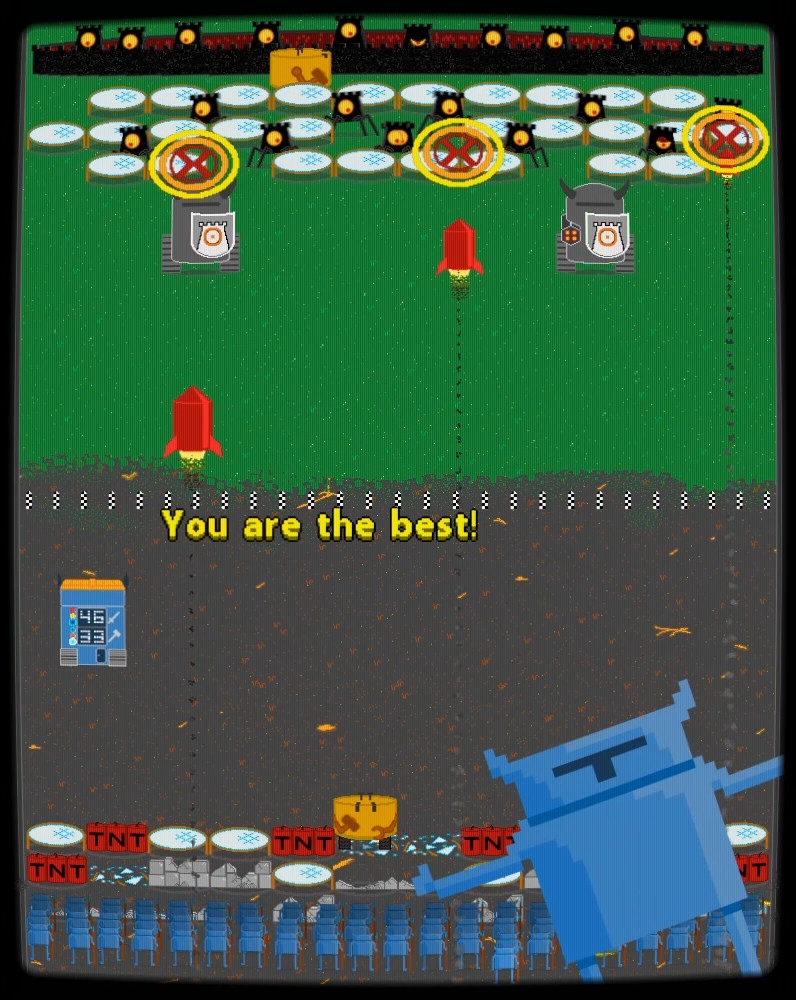
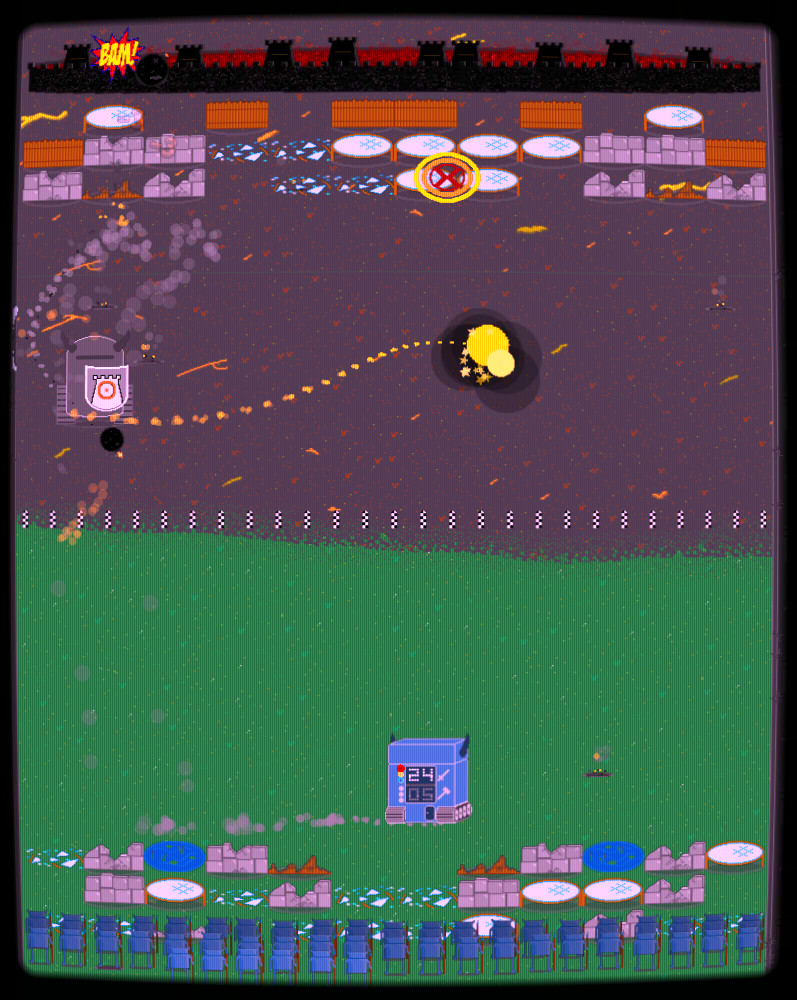
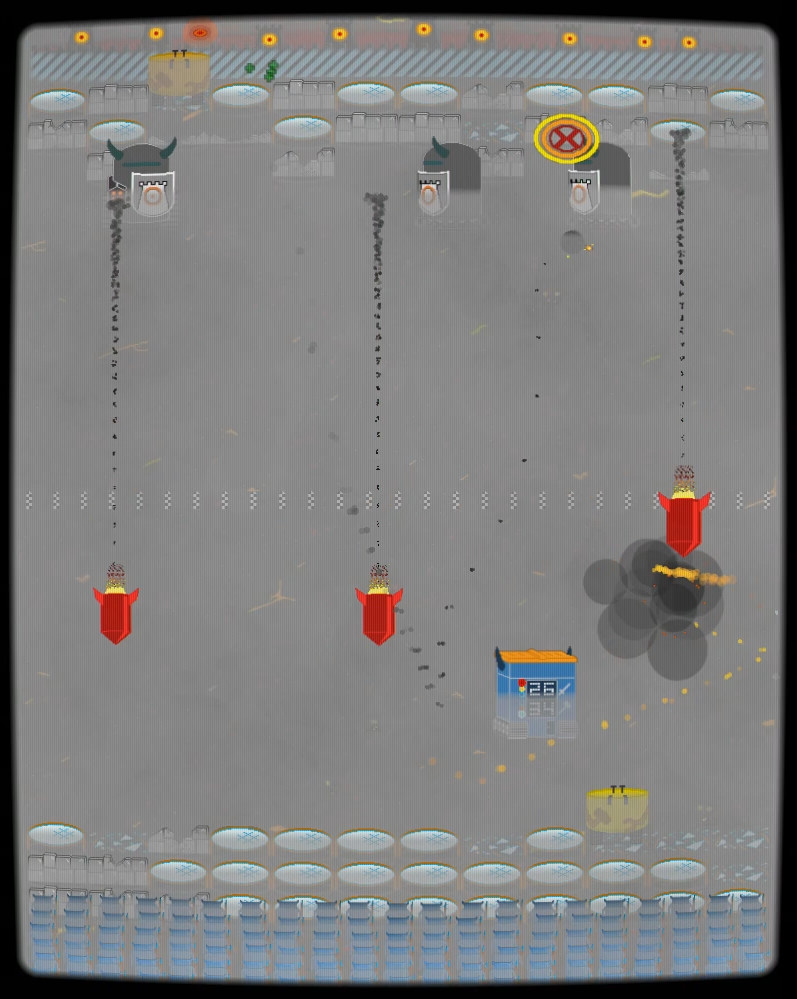
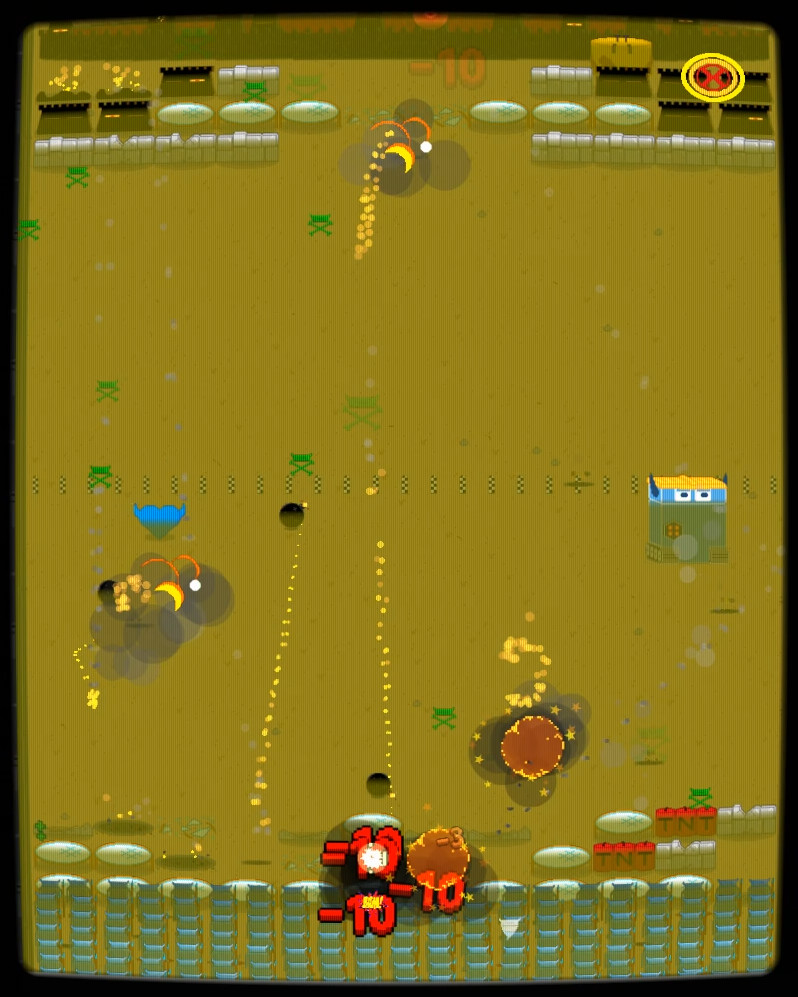
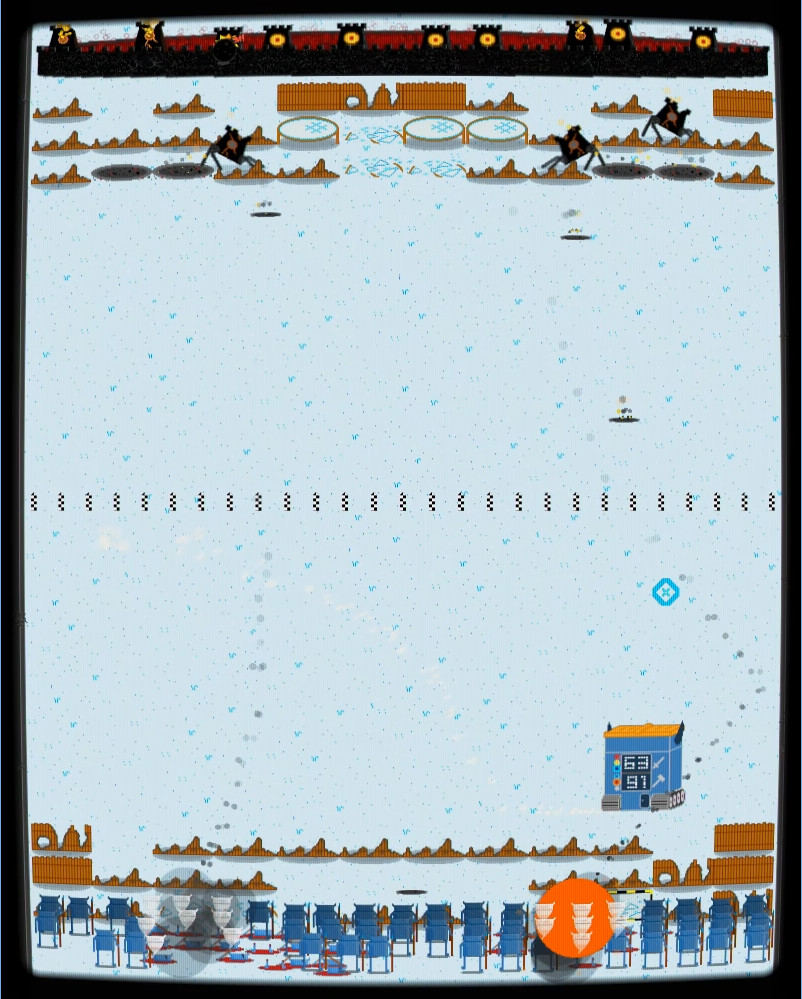
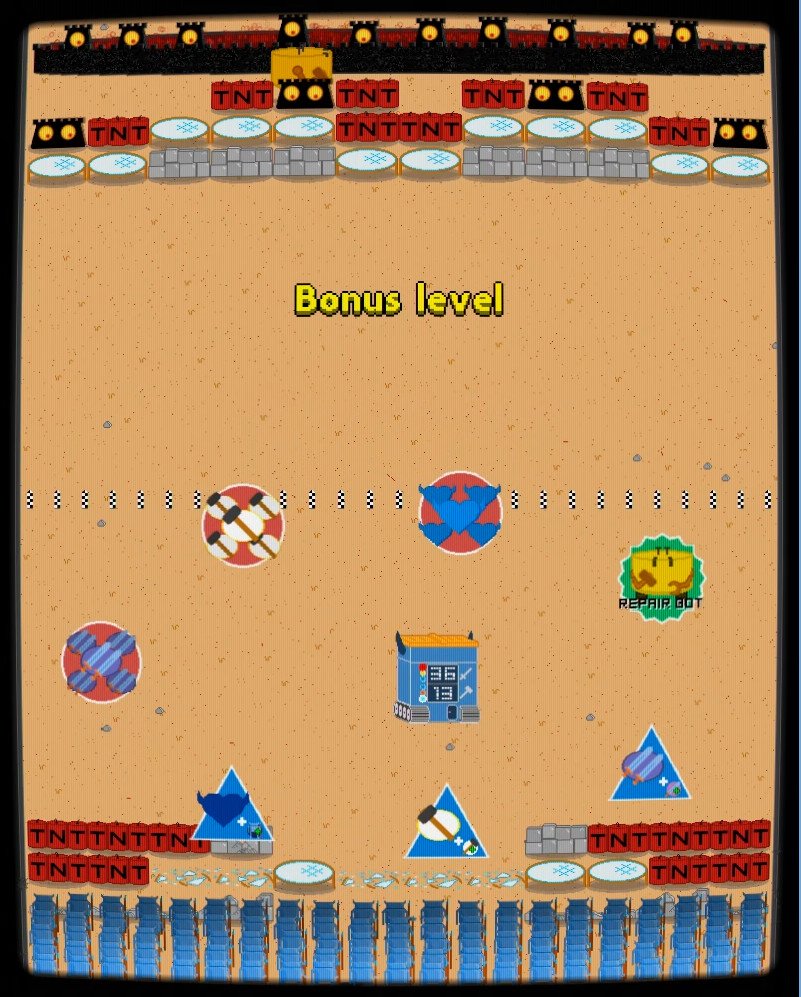
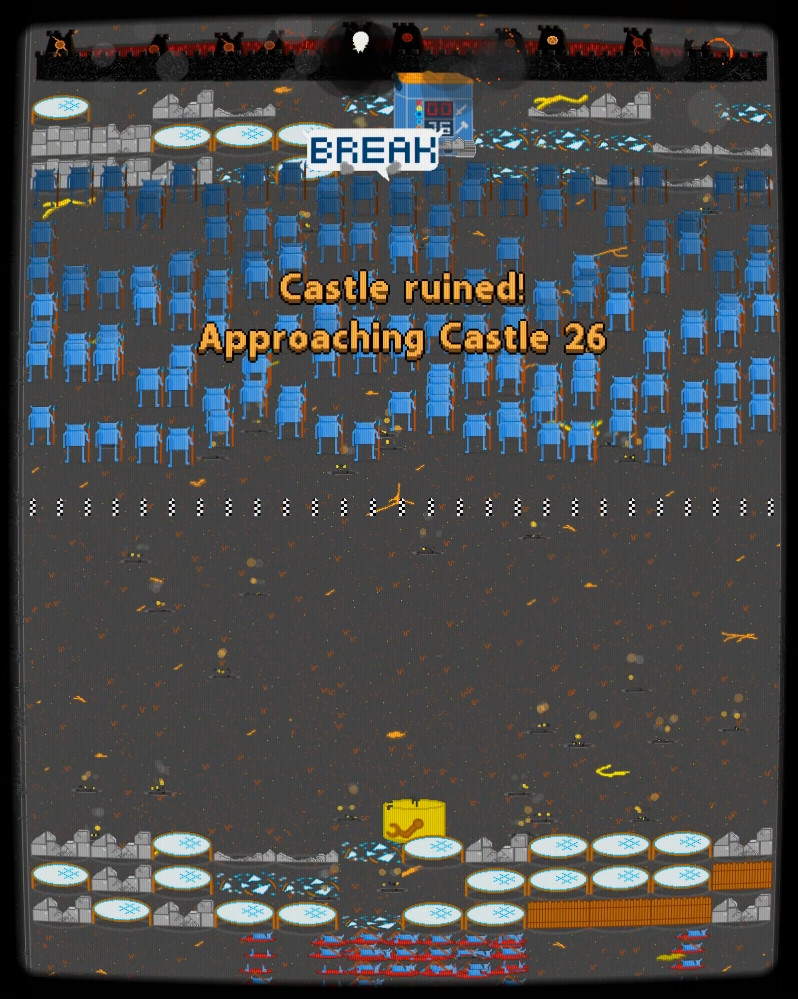
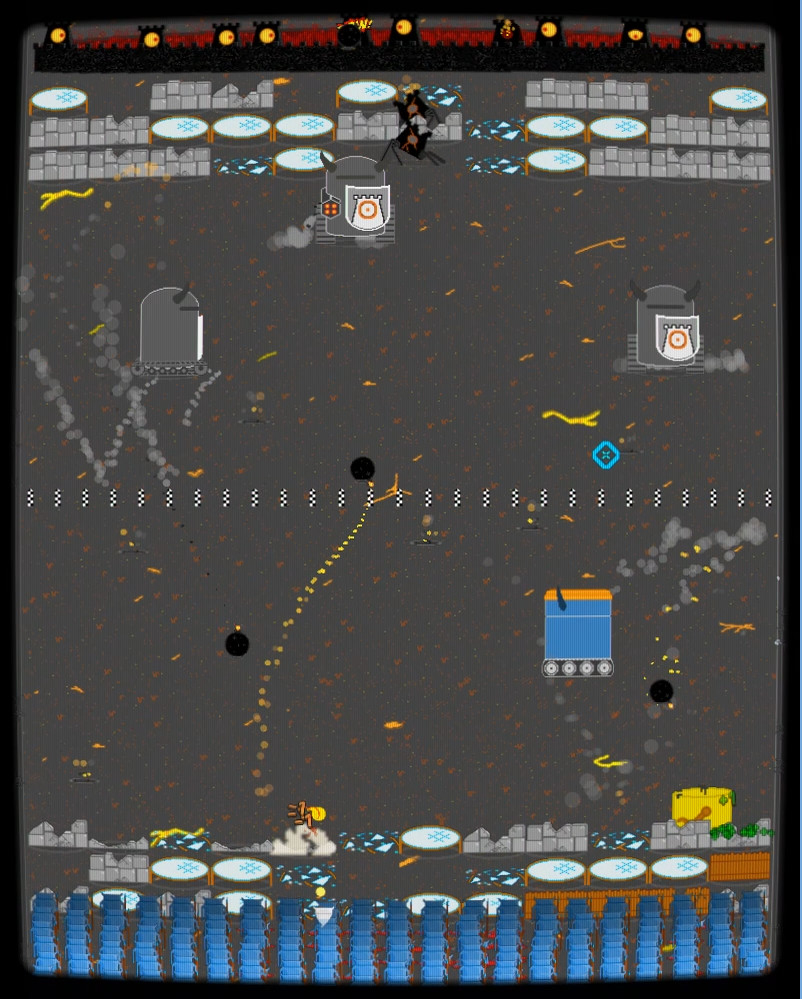
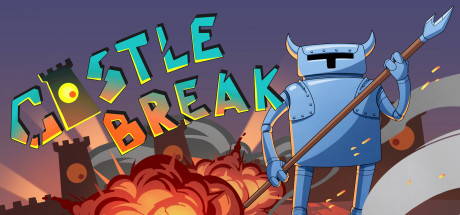
Breakout game + physics + shooting + building. Use your mouse like in air hockey to kick enemy bombs back into the evil Black Castle! Destroy enemy towers rockets and lasers. Build your base to protect your little dudes - you need them to win
Castle Break is a action, arcade and 1980s game
developed and published by Pauloondra.
Released on February 19th 2019 is available on Windows, Steam Deck and Steam Machine.
It has received 624 reviews of which 534 were positive and 90 were negative resulting in a rating of 8.1 out of 10. 😎
The game is currently priced at 4.99€ on Steam.
The Steam community has classified Castle Break into these genres:
Media & Screenshots
Get an in-depth look at Castle Break through various videos and screenshots.
Load More
System requirements
These are the minimum specifications needed to play the game. For the best experience, we recommend that you verify them.
Windows
- OS *: Windows 7 or newer
- Processor: existing
- Memory: 2 GB RAM
- Graphics: existing
- Storage: 100 MB available space
Steam Price & Best Deals
User reviews & Ratings
Explore reviews from Steam users sharing their experiences and what they love about the game.
Castle Break is a creative indie arcade game developed and published by Pauloondra that takes several familiar concepts and combines them into a surprisingly engaging package. While the game draws inspiration from classic brick-breaking arcade titles, it refuses to remain confined to that formula. Instead, it introduces real-time defensive strategy, physics-driven combat, and resource management systems that transform a simple premise into a frantic battle for survival. The result is an experience that feels both nostalgic and refreshingly original, offering a gameplay loop that remains entertaining long after players understand its core mechanics. The main objective centers on defending a group of vulnerable inhabitants from the relentless attacks of the mysterious Black Castle. Rather than controlling a traditional character, players use a mouse-controlled paddle that functions much like an air hockey striker. Incoming bombs, explosives, and projectiles can be intercepted and launched back toward enemy positions, turning defense into offense in a single motion. This simple mechanic immediately creates a satisfying sense of control. Every successful return shot feels rewarding, especially when a carefully aimed projectile destroys an enemy structure or triggers a chain of explosions. What elevates Castle Break above a standard arcade game is the amount of strategic thinking required beneath its fast-paced surface. The battlefield is constantly evolving as enemies deploy increasingly dangerous weapons and defenses. Towers bombard the player's position, rockets create new threats, and advanced fortifications force players to adjust their tactics. Success is rarely achieved through reflexes alone. Players must pay attention to enemy patterns, prioritize threats, and decide how to use limited resources while chaos unfolds around them. The construction system provides another layer of depth. Throughout the battle, players can erect defensive structures and reinforce vulnerable areas to protect their citizens. These survivors are not merely part of the scenery; they are central to victory. Losing too many of them can quickly turn a successful defense into a disastrous defeat. This creates an interesting balance between attacking the enemy castle and safeguarding friendly units. Players who focus entirely on offense often leave themselves exposed, while those who become too defensive may struggle to make meaningful progress. The constant need to balance these priorities gives the gameplay a tactical quality that remains engaging throughout each session. One of the game's greatest accomplishments is how naturally it blends different genres together. Arcade action, tower defense elements, physics-based gameplay, and light strategy mechanics all coexist without feeling disconnected. Every system contributes to the overall experience, creating a game that is easy to understand but difficult to master. New players can quickly grasp the fundamentals, yet mastering projectile trajectories, defensive placement, and battlefield awareness requires significant practice. The pacing is particularly effective. Early stages introduce mechanics gradually, allowing players to build confidence before more advanced threats appear. As the game progresses, the difficulty increases in meaningful ways rather than simply overwhelming players with larger numbers of enemies. New obstacles force players to adapt and rethink strategies, keeping the experience from becoming repetitive. This steady escalation ensures that each victory feels earned and each defeat serves as motivation to improve. Visually, Castle Break embraces a retro-inspired pixel art style that complements its arcade roots. The graphics are colorful, expressive, and easy to read during hectic battles. Explosions are dramatic, enemy structures are clearly identifiable, and the battlefield remains understandable even when multiple projectiles are flying across the screen. The presentation may not aim for realism, but it succeeds in creating a distinctive identity that suits the gameplay perfectly. The audio design further strengthens the experience. Impactful sound effects make every successful deflection and explosion feel satisfying, while energetic music keeps the action moving forward. The soundtrack captures the spirit of classic arcade gaming without becoming intrusive, helping maintain momentum during extended play sessions. Together, the visual and audio elements create an atmosphere that feels lively and engaging from beginning to end. Replayability is another strong point. The game's mechanics naturally encourage repeated attempts as players strive to improve their performance and discover more effective strategies. Because battles often unfold differently depending on player decisions, no two sessions feel exactly alike. Small improvements in timing, positioning, and resource management can dramatically change outcomes, making every attempt an opportunity to learn something new. Castle Break ultimately succeeds because it focuses on delivering fun through strong mechanical design. Rather than relying on an elaborate story or complex progression systems, it places its emphasis on satisfying gameplay that rewards both skill and strategy. The combination of explosive action, defensive planning, and physics-based combat creates an experience that feels unique within the indie arcade space. It is a game that understands the appeal of classic arcade design while introducing enough modern ideas to feel fresh and memorable. For players who enjoy fast-paced action games with strategic depth, Castle Break offers a highly entertaining experience. Its creative blend of genres, accessible controls, and rewarding challenge make it easy to recommend to fans of arcade gaming. Beneath its simple appearance lies a surprisingly deep and addictive title that demonstrates how innovative design can transform familiar concepts into something genuinely compelling. Rating: 8/10
Similar games
View all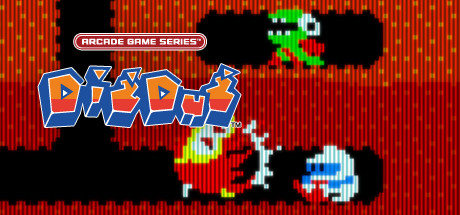
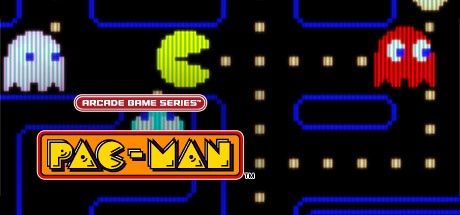
ARCADE GAME SERIES: PAC-MAN
First released in arcades in 1980, the masterpiece PAC-MAN comes to Steam! Move PAC-MAN up, down, left, and right to avoid the ghosts and gobble up all the Pac-Dots!
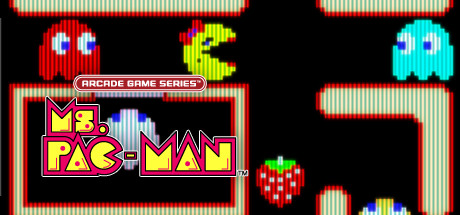
ARCADE GAME SERIES: Ms. PAC-MAN
Developed in America and first released in 1981, Ms. PAC-MAN finally comes to Steam! Move Ms. PAC-MAN up, down, left, and right to avoid the ghosts and gobble up all the Pac-Dots!
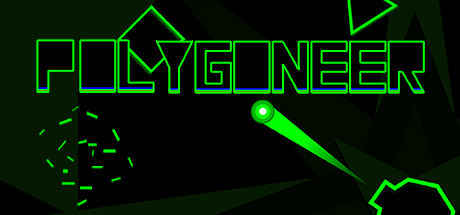
Polygoneer
Test your reflexes in POLYGONEER, defend yourself from prolygonal shapes taht comes from everywhere, just hitting is not enough you need to match the right color shot to the polygon too! Are you ready for the challenge?

Kung Fury: Street Rage - Ultimate Edition
The original epic introduction to the eternal KUNG FURY beat ‘em up saga. New stages, and the Hackademy. Both THE ARCADE STRIKES BACK and the A DAY AT THE BEACH campaign.
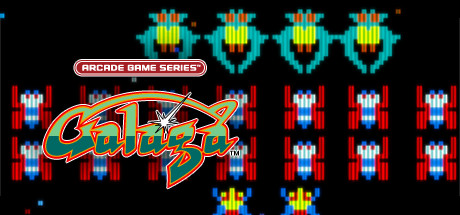
ARCADE GAME SERIES: GALAGA
First appearing in arcades in 1981, the masterpiece GALAGA finally comes to Steam! Move the fighter left and right and destroy the waves of incoming aliens!
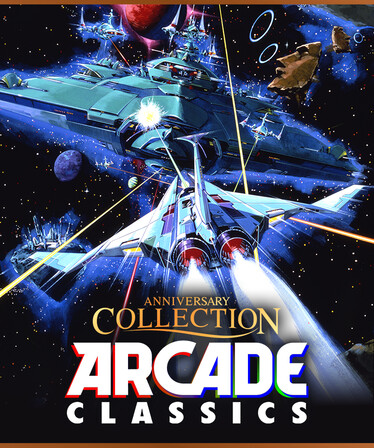
Arcade Classics Anniversary Collection
8 KONAMI arcade classics of the 80s, from Nemesis to TwinBee. Including bonus eBook packed with new information never before revealed to the public.
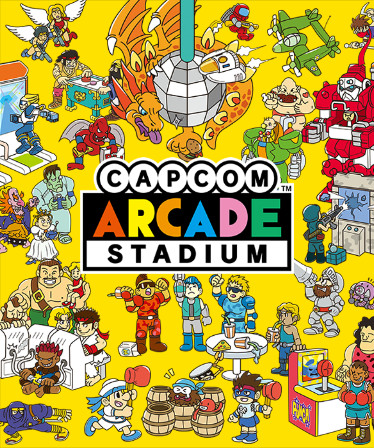
Capcom Arcade Stadium
Relive the Capcom classics! Get 1943 -The Battle of Midway- and game logo wallpapers free with your download!


METAL SLUG 2
“METAL SLUG 2”, the 2nd entry in SNK’s emblematic 2D run & gun action shooting game returns to the battlefield on the Steam gaming platform!

PAC-MAN Championship Edition DX+
It's time to gear up!Get ready for more ghost chain gobbling and frantic action in PAC-MAN® CE-DX+! The award-winning chomping game makes a shattering debut on Steam with even more content and a refined user-interface to compare high scores with your friends!
Frequently Asked Questions
Castle Break is currently priced at 4.99€ on Steam.
No, Castle Break is currently not on sale. You can purchase it for 4.99€ on Steam.
Yes, Castle Break received 534 positive votes out of a total of 624 achieving a rating of 8.05.
😎
Castle Break was developed and published by Pauloondra.
Yes, Castle Break is playable and fully supported on Windows.
No, Castle Break is not playable on MacOS.
No, Castle Break is not playable on Linux.
Yes, Castle Break is playable and fully supported on Steam Deck.
Yes, Castle Break is playable and fully supported on Steam Machine.
No, Castle Break does not support VR.
Castle Break is a single-player game.
No, Castle Break does not currently offer any DLC.
No, Castle Break does not support mods via Steam Workshop.
No, Castle Break does not support Steam Remote Play.
Yes, Castle Break is enabled for Steam Family Sharing. This means you can share the game with authorized users from your Steam Library, allowing them to play it on their own accounts. For more details on how the feature works, you can read the original Steam Family Sharing announcement or visit the Steam Family Sharing user guide and FAQ page.
You can find solutions or submit a support ticket by visiting the Steam Support page for Castle Break.
Data sources
The information presented on this page is sourced from reliable APIs to ensure accuracy and relevance. We utilize the Steam API to gather data on game details, including titles, descriptions, prices, and user reviews. This allows us to provide you with the most up-to-date information directly from the Steam platform.
Additionally, we incorporate data from the SteamSpy API, which offers insights into game sales and player statistics. This helps us present a comprehensive view of each game's popularity and performance within the gaming community.
Last Updates| Steam data | 16 September 2026 05:12 UTC |
|---|---|
| SteamSpy data | 14 October 2026 08:07 UTC |
| Steam price | 26 October 2026 19:37 UTC |
| Steam reviews | 19 October 2026 10:06 UTC |
If you'd like to dive deeper into the details about Castle Break, we invite you to check out a few dedicated websites that offer extensive information and insights. These platforms provide valuable data, analysis, and user-generated reports to enhance your understanding of the game and its performance.
- SteamDB - A comprehensive database of everything on Steam about Castle Break
- SteamCharts - Analysis of Castle Break concurrent players on Steam
- ProtonDB - Crowdsourced reports on Linux and Steam Deck Castle Break compatibility
Game modes
Features
Online players
1
Developer
Pauloondra
Publisher
Pauloondra
Release
19 Feb 2019
Platforms