
Sudocats
Sudoku for cat people. Cats are wonderful creatures but you better not put them together without proper introduction. So, plan ahead to display them in the right order so they get along!
Sync your Steam wishlist to find the lowest game prices instantly. No login required, just paste your Steam profile URL!
⚡ Try Wishlist Radar!
Sync your Steam wishlist to find the lowest game prices instantly. No login required!
⚡ Try Wishlist Radar!
Close

CATch the Stars on Steam
Quick menu
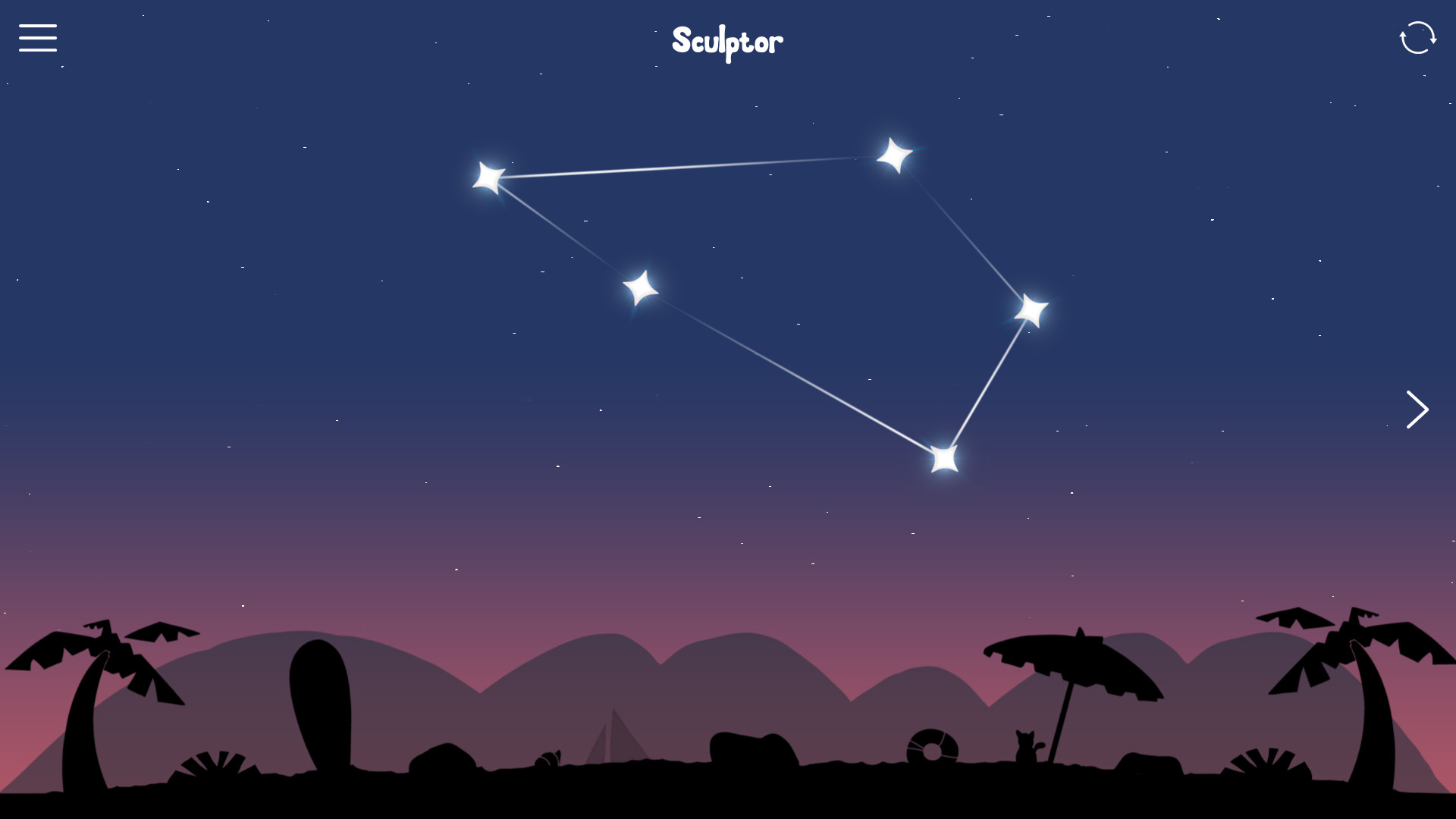
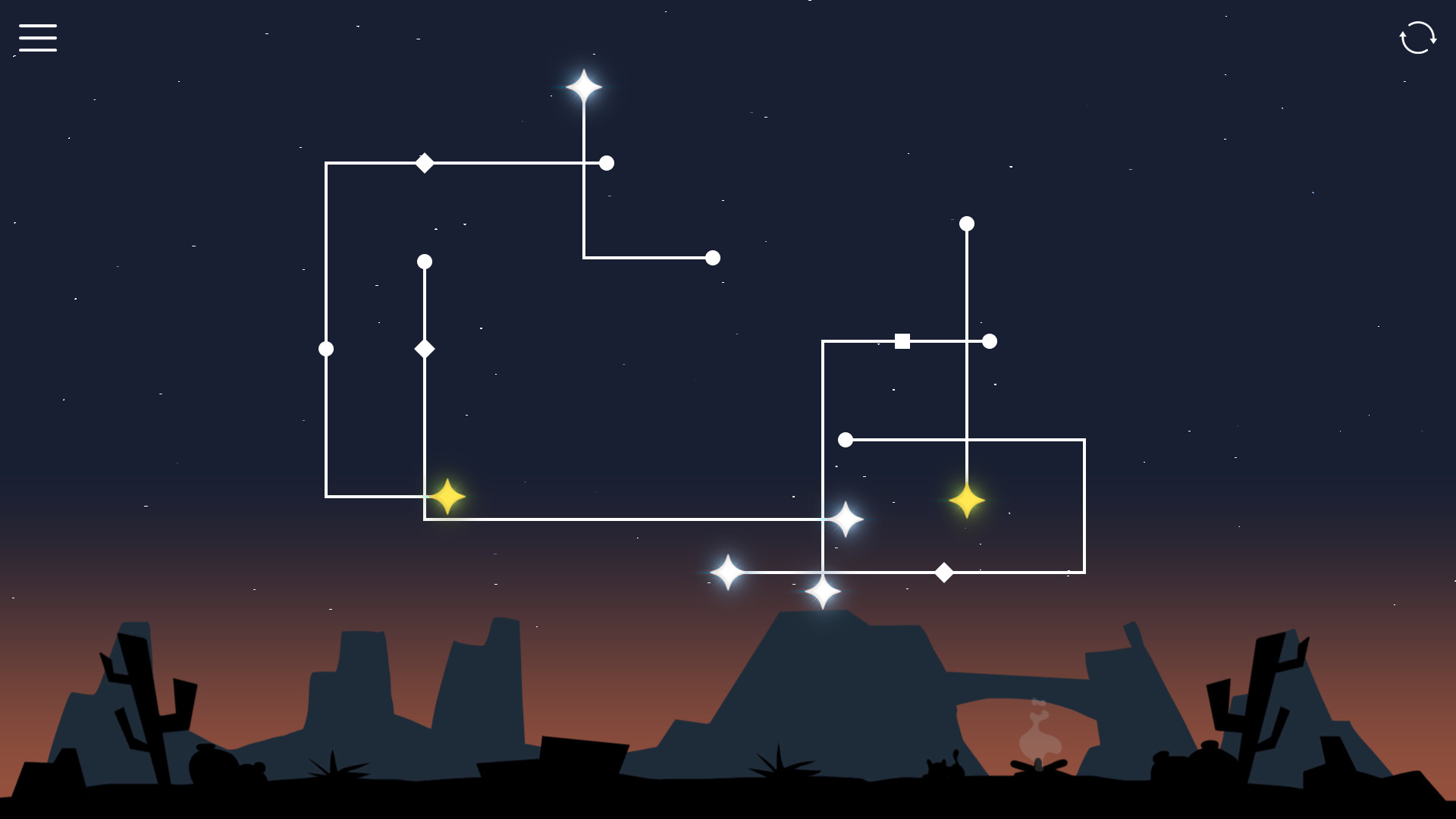
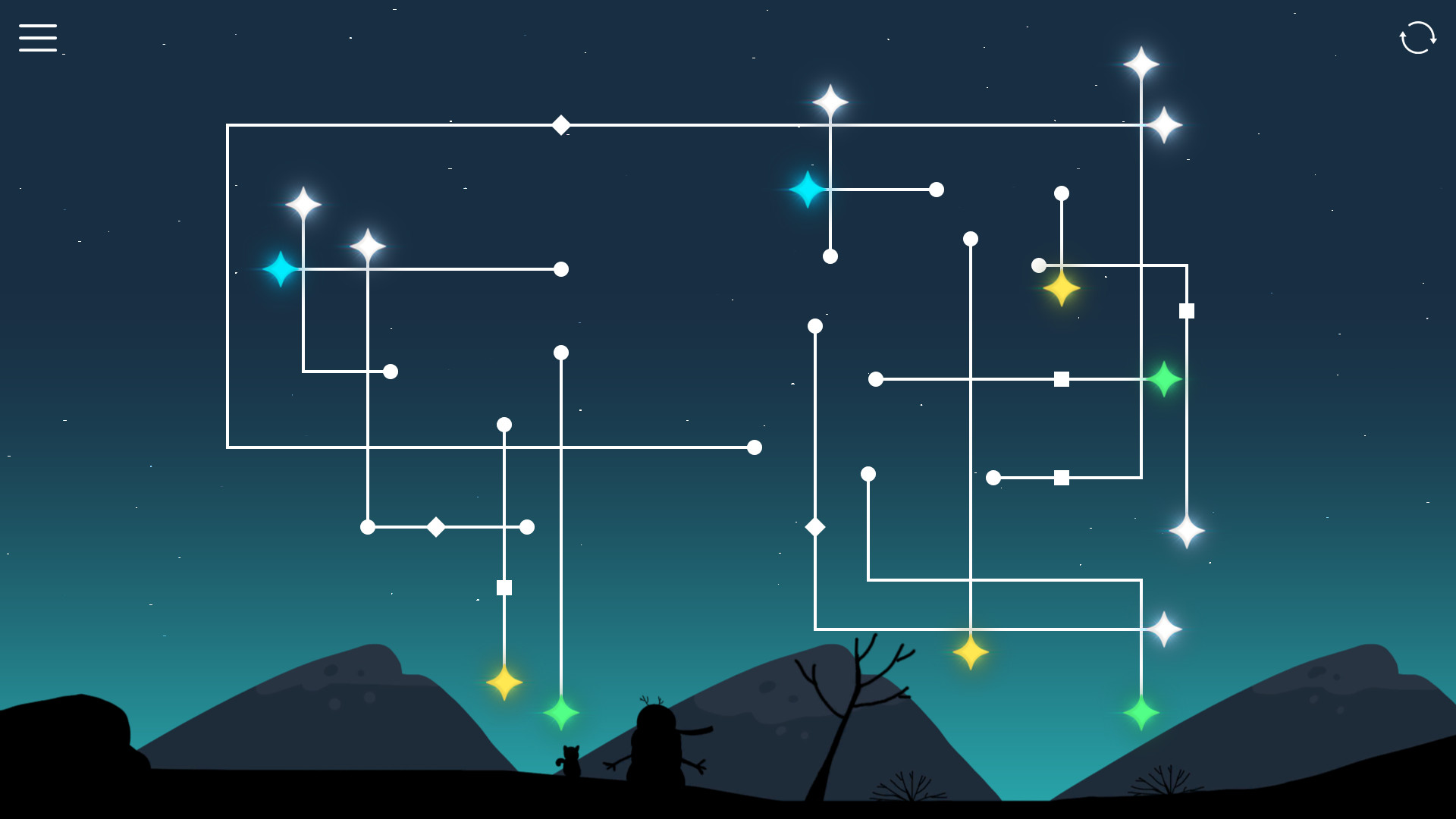
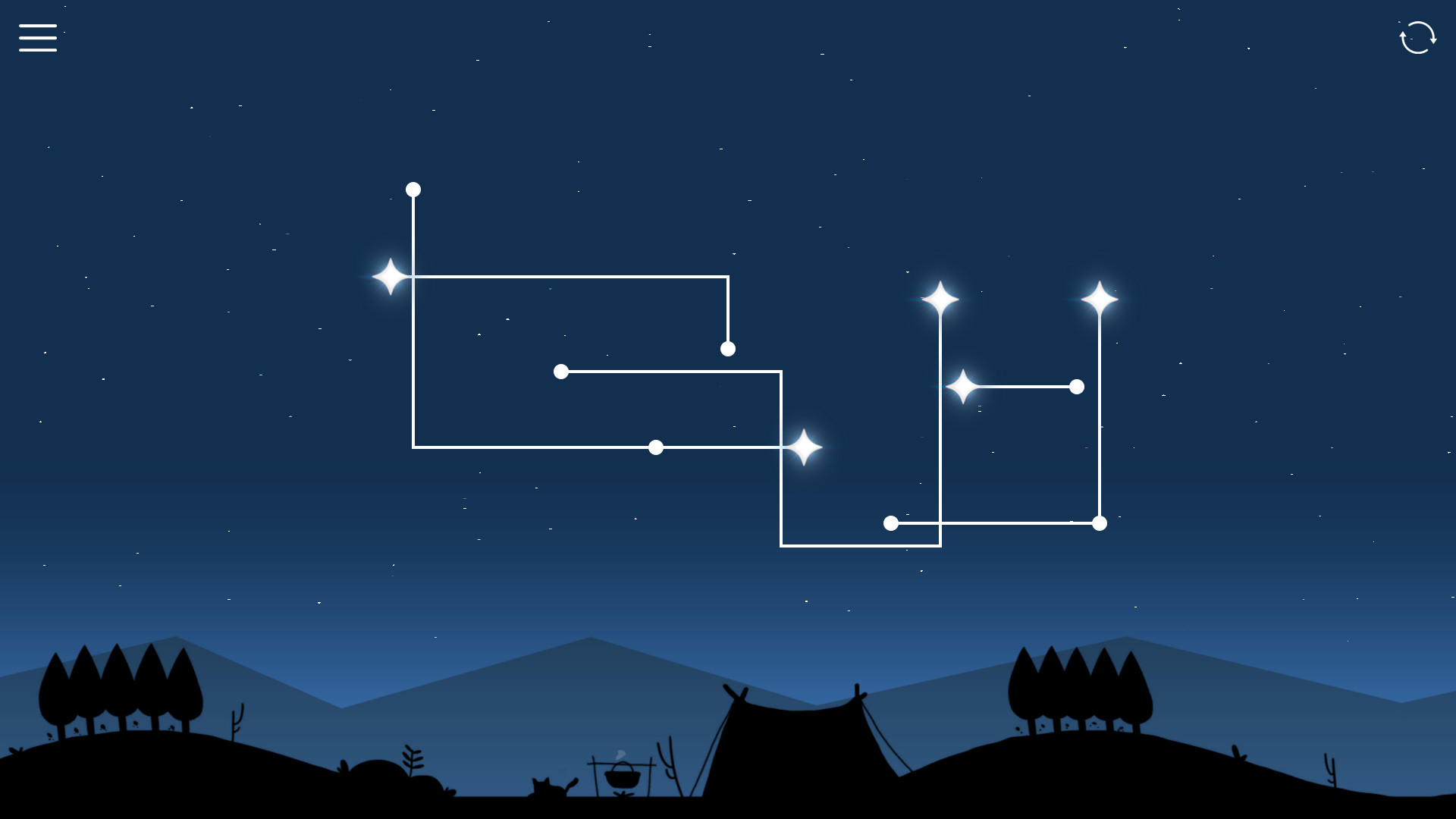
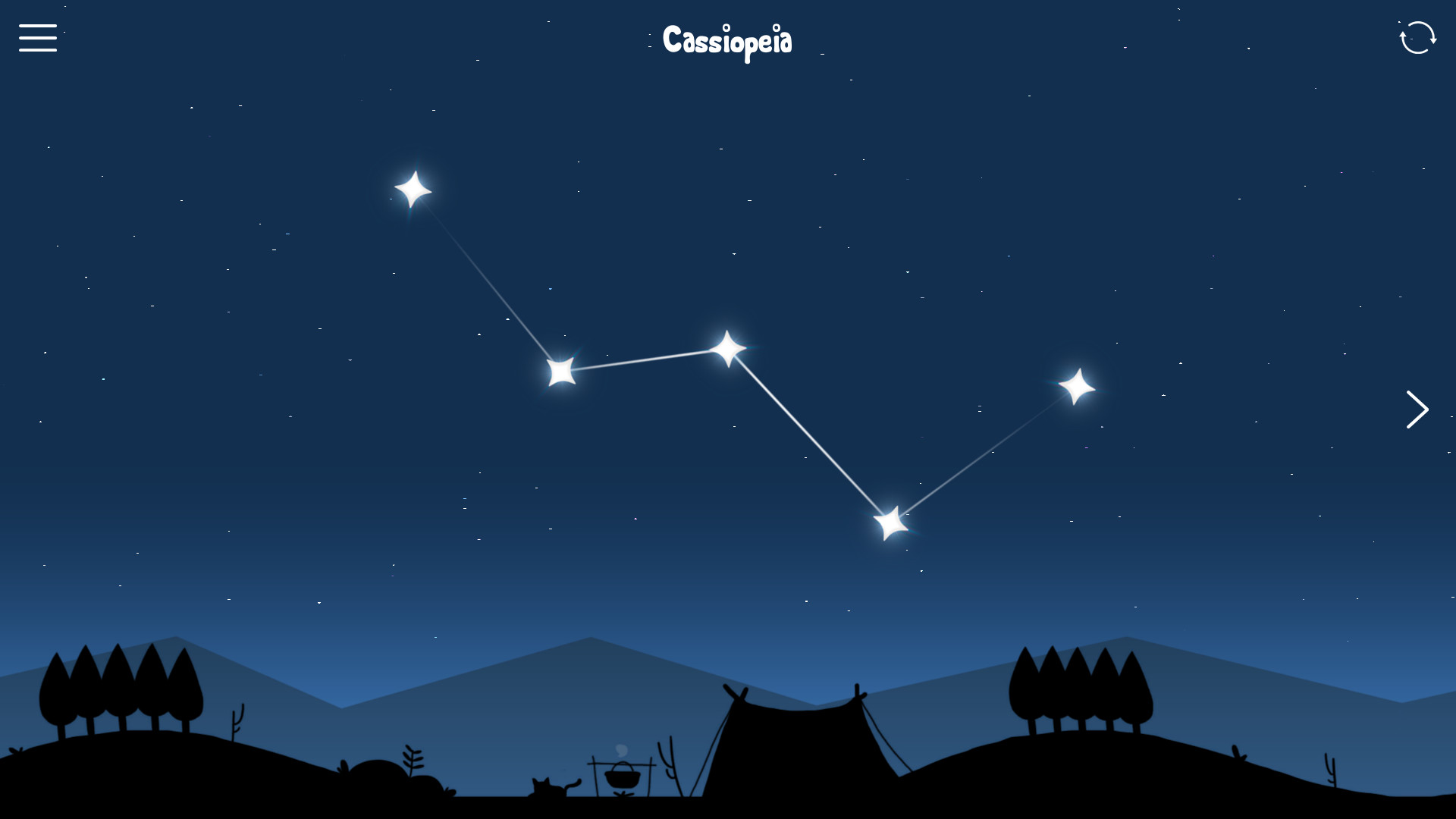
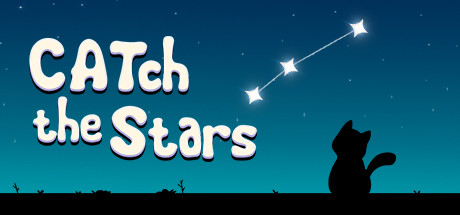
CATch the Stars is a minimalist puzzle with a pleasant and original soundtrack. Click on the right star, solve the puzzles and form constellations with a beautiful and relaxing environment. No score, no timer and no pressure.
CATch the Stars is a cats, cute and relaxing game
developed and published by Pinel Games.
Released on November 18th 2020 is available on Windows, Steam Deck and Steam Machine
in 2 languages: English and Portuguese - Brazil.
It has received 351 reviews of which 344 were positive and 7 were negative resulting in a rating of 9.0 out of 10. 😎
The game is currently priced at 1.99€ on Steam.
The Steam community has classified CATch the Stars into these genres:
Cats
Cute
Relaxing
Puzzle
Casual
Stylized
Mouse only
Minimalist
Touch-Friendly
Logic
Point & Click
Difficult
Family Friendly
Atmospheric
Adventure
Cartoony
Colorful
Hand-drawn
Singleplayer
2D
Here is the detailed breakdown of supported languages for CATch the Stars:
| UI | Subtitle | Audio | |
|---|---|---|---|
| English | |||
| Portuguese - Brazil |
Media & Screenshots
Get an in-depth look at CATch the Stars through various videos and screenshots.

System requirements
These are the minimum specifications needed to play the game. For the best experience, we recommend that you verify them.
Windows
- OS *: Windows 7/8/10
- Processor: 2 Ghz Dual Core
- Memory: 2 GB RAM
- Graphics: Graphics card supporting DirectX 9.0c
- Storage: 512 MB available space
- Sound Card: Any
Steam Price & Best Deals
User reviews & Ratings
Explore reviews from Steam users sharing their experiences and what they love about the game.
CATch the Stars ☐ Loved it ☑ Liked it ☐ Not for me Weighted rating out of 5 2.83 Summary Figure out in which order to click starts in order to move them into constellations. Best for: Fans of short relaxing experiences between heavier games. Skip if: You want gameplay variety. The puzzles remain mechanically identical throughout. Review CATch the Stars is an almost meditative game where the puzzles themselves are simple: click a star, it moves along a line, and figure out the correct order to untangle everything and complete the constellation. They start trivially easy and never gets difficult, though a few levels in, new mechanics and minor twists are gradually introduced. The whole experience wraps up in about one hour. The first minute or two I had no clue how the game even worked. Why were some of the moves I made illegal, resetting the level? I decided to look up an guide to just understand the basic mechanics and symbols. I think some trial and error would have sufficed if I only had the patience. Otherwise, I felt no need for a guide to progress through the levels once I understood the base mechanics. No crazy achievements of secrets and stuff, just clear levels to unlock. Mind you, this game has Profile Features Limited so it won't count towards the collector stuff. If I have a criticism, it's that the game doesn't evolve much. By the halfway point you've seen every mechanic the game has to offer, and the ending was just... a screen telling me I'm done. Also: Barely any cats... Grading Game Design & Game Play Core Game Loop ☐ Magnetic ☐ Engaging ☐ Solid ☑ Repetitive ☐ Tedious Arc & Pacing ☐ Impeccable ☐ Well-judged ☑ Functional ☐ Uneven ☐ Ruinous Narrative & Thematic Coherence ☐ Masterful ☐ Compelling ☑ Serviceable ☐ Weak ☐ Incoherent Systems Breadth ☐ Vast ☐ Broad ☐ Adequate ☑ Sparse ☐ One-dimensional Systems Depth ☐ Emergent ☐ Deep ☐ Qualified ☑ Exhaustible ☐ One-dimensional Sensory & Aesthetics Art ☐ Breathtaking ☐ Beautiful ☑ Good ☐ Fair ☐ Poor Sound Design ☐ Seamless ☐ Immersive ☑ Fitting ☐ Muddy ☐ Grating Soundtrack ☐ Transcendent ☐ Captivating ☑ Pleasant ☐ Forgettable ☐ Annoying Controls & Interactions ☑ Intuitive ☐ Attentive ☐ Adequate ☐ Frustrating ☐ Unplayable Longevity & Value Longevity ☐ Enduring ☐ Substantial ☐ Adequate ☑ Meager ☐ Ephemeral Replayability Structures ☐ Bottomless ☐ Plentiful ☐ Adequate ☐ Low ☑ None Value Density (picked up for 0,55€ @ -44% off) ☐ Exceptional ☑ Strong ☐ Proportional ☐ Vague ☐ Predatory
CATch the Stars is a relaxing puzzle game that takes a straightforward concept and turns it into a pleasant journey through colorful nighttime landscapes. Developed and published by Pinel Games, the title centers on arranging stars into their proper positions to complete constellations. Instead of surrounding this idea with complicated systems, competitive scoring, or demanding objectives, the game embraces simplicity. Its main purpose is to provide a peaceful puzzle-solving experience where players can progress at their own pace while enjoying an appealing celestial atmosphere. The central gameplay revolves around moving stars and figuring out the correct arrangement required to complete each constellation. Controls are intentionally uncomplicated, making the game accessible even to players who do not regularly play puzzle titles. The challenge comes from understanding how the stars interact and determining the proper sequence of actions. Early stages establish the fundamental rules without overwhelming the player, while later puzzles gradually introduce more demanding arrangements and additional ideas. This progression allows the experience to become more thoughtful while maintaining the calm character established from the beginning. One of the strongest design choices is the absence of a timer and traditional scoring system. Many puzzle games encourage players to solve challenges as quickly or efficiently as possible, but CATch the Stars deliberately avoids that kind of pressure. Players are free to examine a puzzle, consider different possibilities, make adjustments, and discover the solution without worrying about losing points because they took too long. This creates a considerably more comfortable rhythm and makes the game particularly suitable for people who want something mentally engaging without the stress commonly associated with timed challenges. The game contains 50 handcrafted levels, providing a structured collection of puzzles rather than an endless or procedurally generated experience. Each completed puzzle gradually contributes to the feeling of assembling a small celestial picture. The constellation theme gives the solutions greater visual meaning because finishing a stage is not simply about reaching an abstract objective. Instead, the stars eventually form a recognizable image. This provides a satisfying conclusion to individual puzzles and helps connect the mechanics with the overall artistic theme. Despite its astronomical presentation, CATch the Stars does not require players to possess any knowledge of astronomy. The constellations function as visual rewards and puzzle structures rather than educational tests. This is a sensible approach because it allows virtually anyone to appreciate the theme without needing to recognize actual celestial formations beforehand. The stars provide an elegant foundation for the mechanics while the resulting figures make completed puzzles feel more memorable than ordinary arrangements of geometric objects. Presentation plays a major role in establishing the game's identity. The minimalist visual style keeps the important puzzle elements clear while surrounding them with dynamic backgrounds inspired by peaceful environments. Scenes involving mountains, beaches, and other tranquil locations create the impression of observing the night sky from different scenic destinations. These backgrounds provide variety without becoming excessively busy. Combined with the colorful and gently illustrated presentation, they make the game visually inviting while ensuring that the puzzle itself remains easy to understand. The soundtrack and sound effects further support the relaxed design philosophy. Rather than using intense music to create urgency, the audio complements the slow and thoughtful nature of solving the puzzles. The combination of music, environmental imagery, simple controls, and gradual challenges produces an experience that feels appropriate for short sessions after a busy day. CATch the Stars is not attempting to overwhelm the senses. Instead, its audiovisual elements remain restrained enough to let the player concentrate while still giving the game a distinct personality. Its simplicity inevitably comes with limitations. Players searching for complicated puzzle mechanics, an elaborate narrative, extensive character development, competitive leaderboards, or lengthy progression systems may find the experience too modest. The fundamental activity remains centered on manipulating stars and completing constellations, meaning that the game depends heavily on whether the player enjoys this particular style of logic challenge. With 50 levels, the amount of content is also clearly defined, so this should not be approached as an enormous puzzle collection intended to provide endless replayability. However, the relatively small scope works in the game's favor when considered alongside its intended purpose. CATch the Stars does not unnecessarily stretch its central mechanic merely to increase its length. The progression has enough room to introduce new challenges and require more careful thinking while remaining concise. This makes the game easy to return to for a few puzzles at a time. The lack of pressure also means there is little disadvantage to stopping midway through a session and returning later. The game's technical demands are similarly modest, matching its minimalist presentation. It does not rely on advanced visual effects or complicated simulations to establish its appeal. Its charm instead comes from the coordination between its puzzle mechanics, animated scenery, constellation imagery, and calming audio. Steam Achievements add a small additional incentive for players who enjoy completing objectives, although achievements are supplementary rather than the main reason to continue playing. CATch the Stars ultimately succeeds by understanding exactly what kind of experience it wants to provide. Pinel Games builds nearly every aspect of the game around calm puzzle solving, from the lack of time limits and scores to the relaxing environments and gentle soundtrack. The puzzles provide enough mental engagement to avoid becoming purely decorative, while their accessible structure prevents the game from contradicting its relaxing intentions. It may be too lightweight for players who demand extensive mechanical complexity, but that restraint is also what gives it such a clear identity. For players who appreciate minimalist logic games and prefer thoughtful challenges without artificial pressure, CATch the Stars is an enjoyable and charming package. Completing constellations provides a satisfying visual reward, the progression introduces increasing complexity without becoming unnecessarily stressful, and the peaceful presentation gives the experience a distinctive atmosphere. It is a modest game rather than an ambitious reinvention of the puzzle genre, but its individual elements work together effectively. As a compact and relaxing collection of celestial puzzles developed and published by Pinel Games, it accomplishes its purpose with considerable charm and consistency. Rating: 8/10
I impulse bought this during a panic attack and it helped me pull myself out of it so thanks for that <3. It's a lovely cute puzzle game that fully explores its main mechanic while remaining relaxing and never gets overly complicated or unfun and has a wonderfully chill soundtrack, 10/10, played it three times and had a blast every time
Similar games
View all
Zodiacats
Follow cat Catherine on her journey for the lost astrology papyri and learn more about her job as a witch assistant for bringing good vibes into this Earth! Let Catherine guide you through the zodiac wheel, showing you about features of each solar sign. You can also learn about your cat's sign!

Cats in Time
A relaxing puzzle game in which you explore 3D dioramas, solve puzzles and save cats lost in time! Crazy, right?!
An Arcade Full of Cats
Journey through gaming history's time and space, while searching for adorable feline companions in 'An Arcade Full of Cats,' the ultimate pet'em up hidden object game.
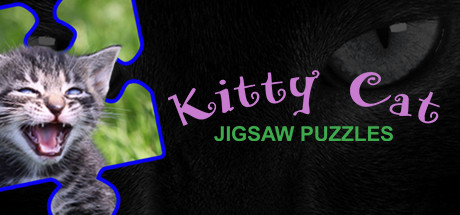
Kitty Cat: Jigsaw Puzzles
Kitty Cat: Jigsaw Puzzles is the puurfect game to cat lovers and jigsaw puzzle game enthusiasts. The game includes 84 challenging jigsaw puzzles with beautiful pictures of sweet, irresistible and adorable cats and kittens.
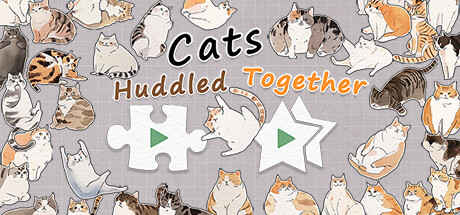
Cats Huddled Together 挤在一起的猫猫们
A puzzle game filled with cats, featuring two gameplay modes. Come and enjoy petting the cats in the game!

A Little to the Left
A Little to the Left is a cozy puzzle game that has you sort, stack, and organize household items into pleasing arrangements while you keep an eye out for a mischievous cat with an inclination for chaos. Check out this playful and intuitive puzzler with 100+ satisfying messes to tidy.

Freshly Frosted
Place conveyor belts to solve puzzles in the world's most adorable donut factory! 🏆 The 3rd-highest rated game of 2022 on OpenCritic.
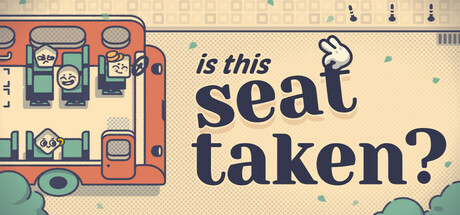
Is This Seat Taken?
Is This Seat Taken? is a logic puzzle game where you play matchmaker for groups of hilariously particular people. Each character has pet peeves that make seating them a delightful challenge. Find the perfect spot for each person to unlock new levels in this cozy, silly, and relatable experience.

Hidden Paws
It's winter and cats are still outside. Cold and alone. Find them and bring them home. Now includes free Christmas Isles. Enjoy!
Frequently Asked Questions
CATch the Stars is currently priced at 1.99€ on Steam.
No, CATch the Stars is currently not on sale. You can purchase it for 1.99€ on Steam.
Yes, CATch the Stars received 344 positive votes out of a total of 351 achieving a rating of 8.98.
😎
CATch the Stars was developed and published by Pinel Games.
Yes, CATch the Stars is playable and fully supported on Windows.
No, CATch the Stars is not playable on MacOS.
No, CATch the Stars is not playable on Linux.
Yes, CATch the Stars is playable and fully supported on Steam Deck.
Yes, CATch the Stars is playable and fully supported on Steam Machine.
No, CATch the Stars does not support VR.
CATch the Stars is a single-player game.
Yes, there is a DLC available for CATch the Stars. Explore additional content available for CATch the Stars on Steam.
No, CATch the Stars does not support mods via Steam Workshop.
No, CATch the Stars does not support Steam Remote Play.
Yes, CATch the Stars is enabled for Steam Family Sharing. This means you can share the game with authorized users from your Steam Library, allowing them to play it on their own accounts. For more details on how the feature works, you can read the original Steam Family Sharing announcement or visit the Steam Family Sharing user guide and FAQ page.
You can find solutions or submit a support ticket by visiting the Steam Support page for CATch the Stars.
Data sources
The information presented on this page is sourced from reliable APIs to ensure accuracy and relevance. We utilize the Steam API to gather data on game details, including titles, descriptions, prices, and user reviews. This allows us to provide you with the most up-to-date information directly from the Steam platform.
Additionally, we incorporate data from the SteamSpy API, which offers insights into game sales and player statistics. This helps us present a comprehensive view of each game's popularity and performance within the gaming community.
Last Updates| Steam data | 08 October 2026 07:04 UTC |
|---|---|
| SteamSpy data | 21 October 2026 03:44 UTC |
| Steam price | 26 October 2026 19:52 UTC |
| Steam reviews | 20 October 2026 05:46 UTC |
If you'd like to dive deeper into the details about CATch the Stars, we invite you to check out a few dedicated websites that offer extensive information and insights. These platforms provide valuable data, analysis, and user-generated reports to enhance your understanding of the game and its performance.
- SteamDB - A comprehensive database of everything on Steam about CATch the Stars
- SteamCharts - Analysis of CATch the Stars concurrent players on Steam
- ProtonDB - Crowdsourced reports on Linux and Steam Deck CATch the Stars compatibility
Game modes
Features
Online players
0
Developer
Pinel Games
Publisher
Pinel Games
Release
18 Nov 2020
Platforms