

The Apogee Throwback Pack
The Apogee Throwback Pack is a collection of four classic Apogee Software titles all in one kick ass package. Blast your way across the galaxy as British Special Agent Blake Stone in "Aliens of Gold" and "Planet Strike", then take on an ancient evil menace as the H.U.N.T in "Rise of the Triad".
Sync your Steam wishlist to find the lowest game prices instantly. No login required, just paste your Steam profile URL!
⚡ Try Wishlist Radar!
Sync your Steam wishlist to find the lowest game prices instantly. No login required!
⚡ Try Wishlist Radar!
Close

Chasm: The Rift on Steam
Quick menu
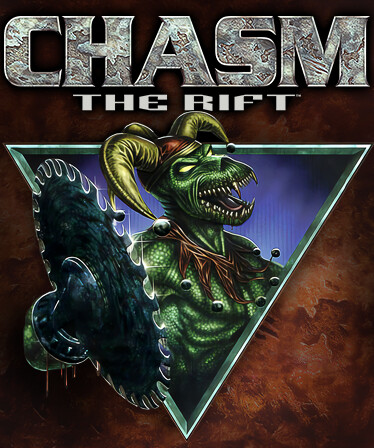
Prepare for terror in this ground-breaking classic old-school FPS. Following the destruction of Time you are left to battle in this horrific hellhole of multilevel interconnected missions populated by gruesome grotesque creatures.
Chasm: The Rift is a fps, retro and old school game
developed by Action Forms and General Arcade
and published by SNEG.
Released on October 10th 2022 is available on Windows, Steam Deck and Steam Machine
in 13 languages: English, French, Italian, German, Spanish - Spain, Japanese, Korean, Polish, Portuguese - Brazil, Russian, Simplified Chinese, Ukrainian and Traditional Chinese.
It has received 470 reviews of which 381 were positive and 89 were negative resulting in a rating of 7.6 out of 10. 😊
The game is currently priced at 19.99€ on Steam, but you can find it for 10.76€ on G2A.
The Steam community has classified Chasm: The Rift into these genres:
FPS
Retro
Old School
Shooter
Action
Gore
Singleplayer
Violent
First-Person
1990's
Dark
Hero Shooter
Sci-fi
Combat
Atmospheric
Horror
Boomer Shooter
Surreal
Pixel Graphics
Dark Fantasy
Here is the detailed breakdown of supported languages for Chasm: The Rift:
| UI | Subtitle | Audio | |
|---|---|---|---|
| English | |||
| German | |||
| French | |||
| Italian | |||
| Korean | |||
| Spanish - Spain | |||
| Simplified Chinese | |||
| Traditional Chinese | |||
| Russian | |||
| Japanese | |||
| Polish | |||
| Portuguese - Brazil | |||
| Ukrainian |
Media & Screenshots
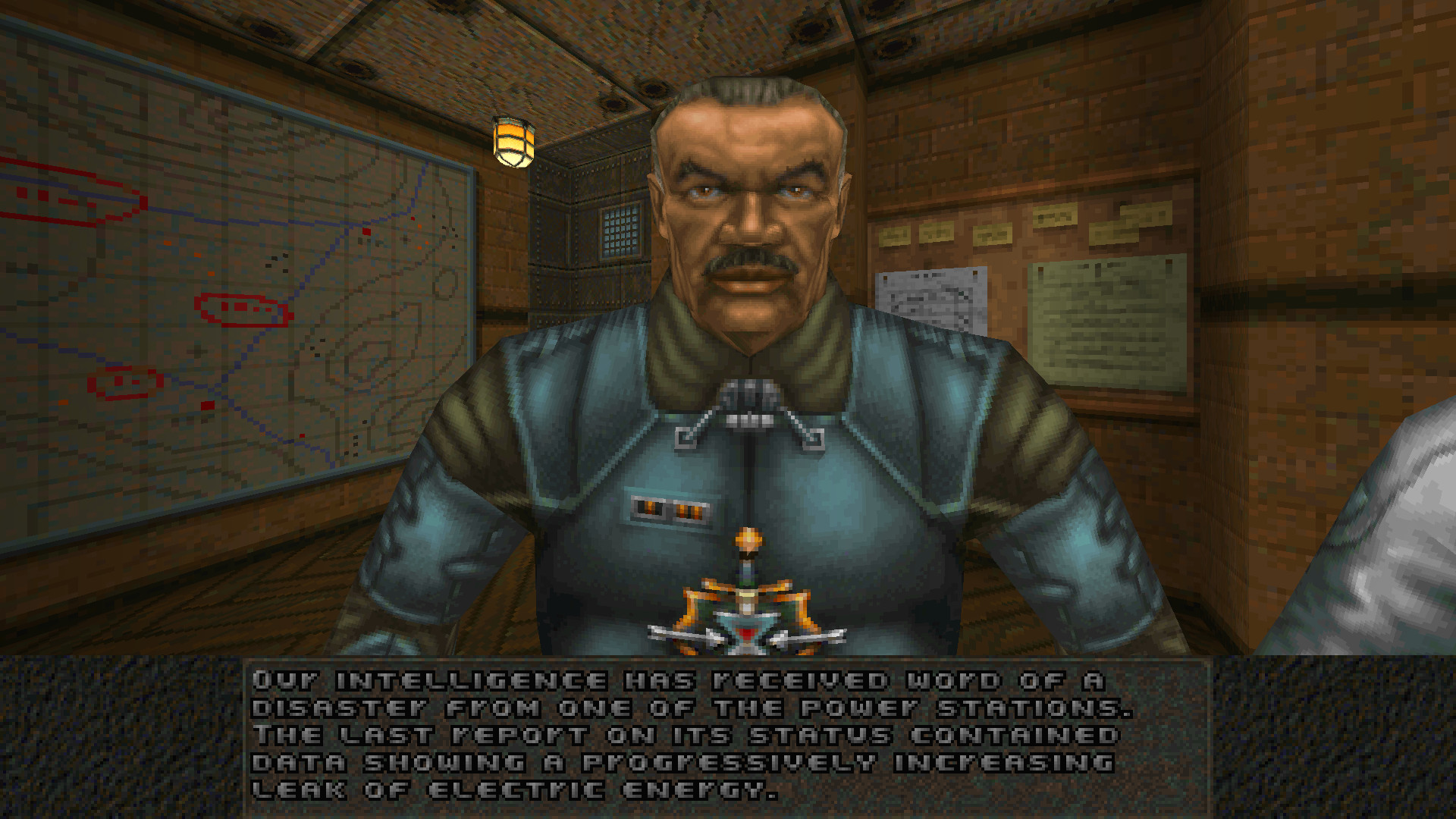
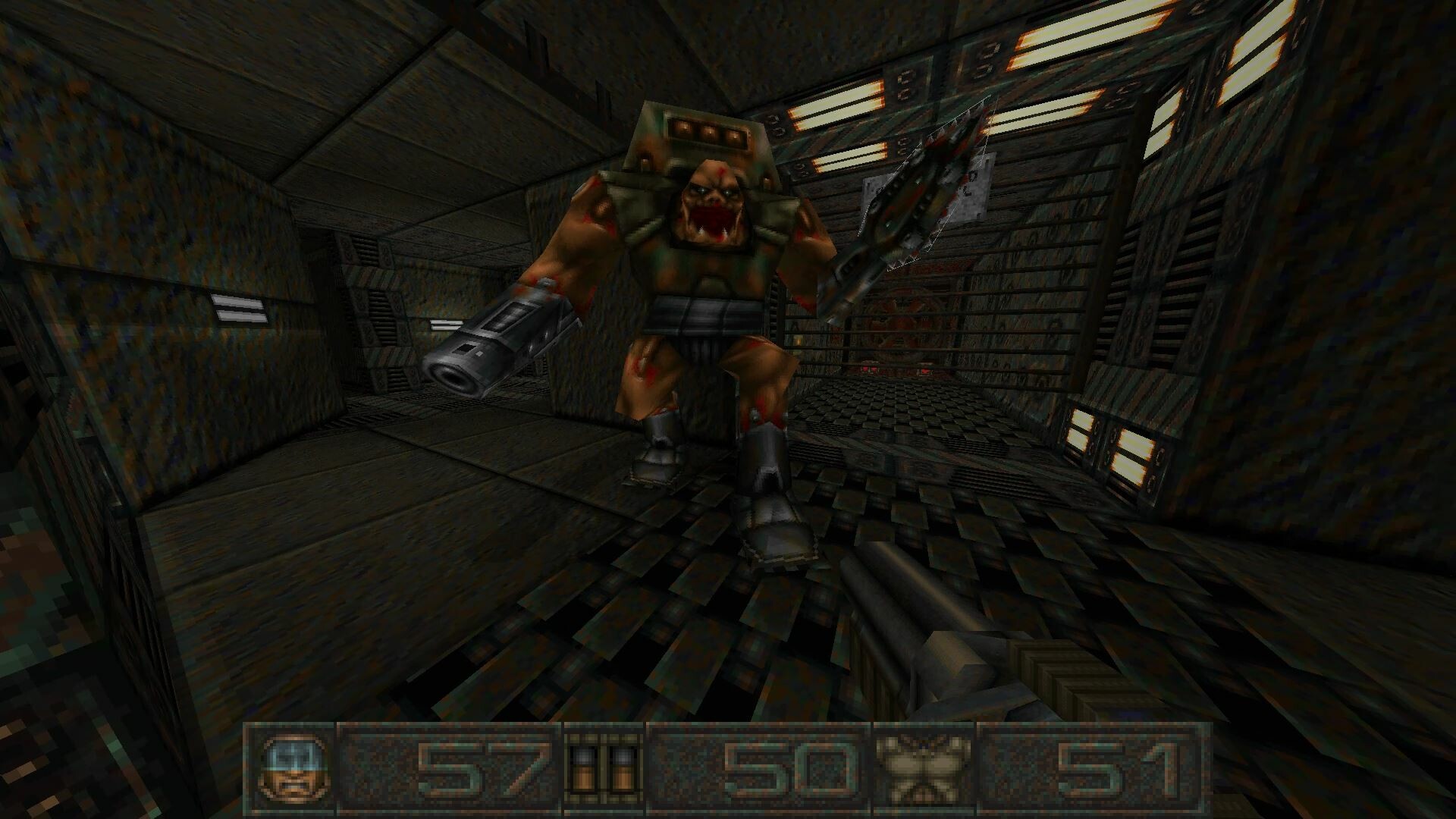
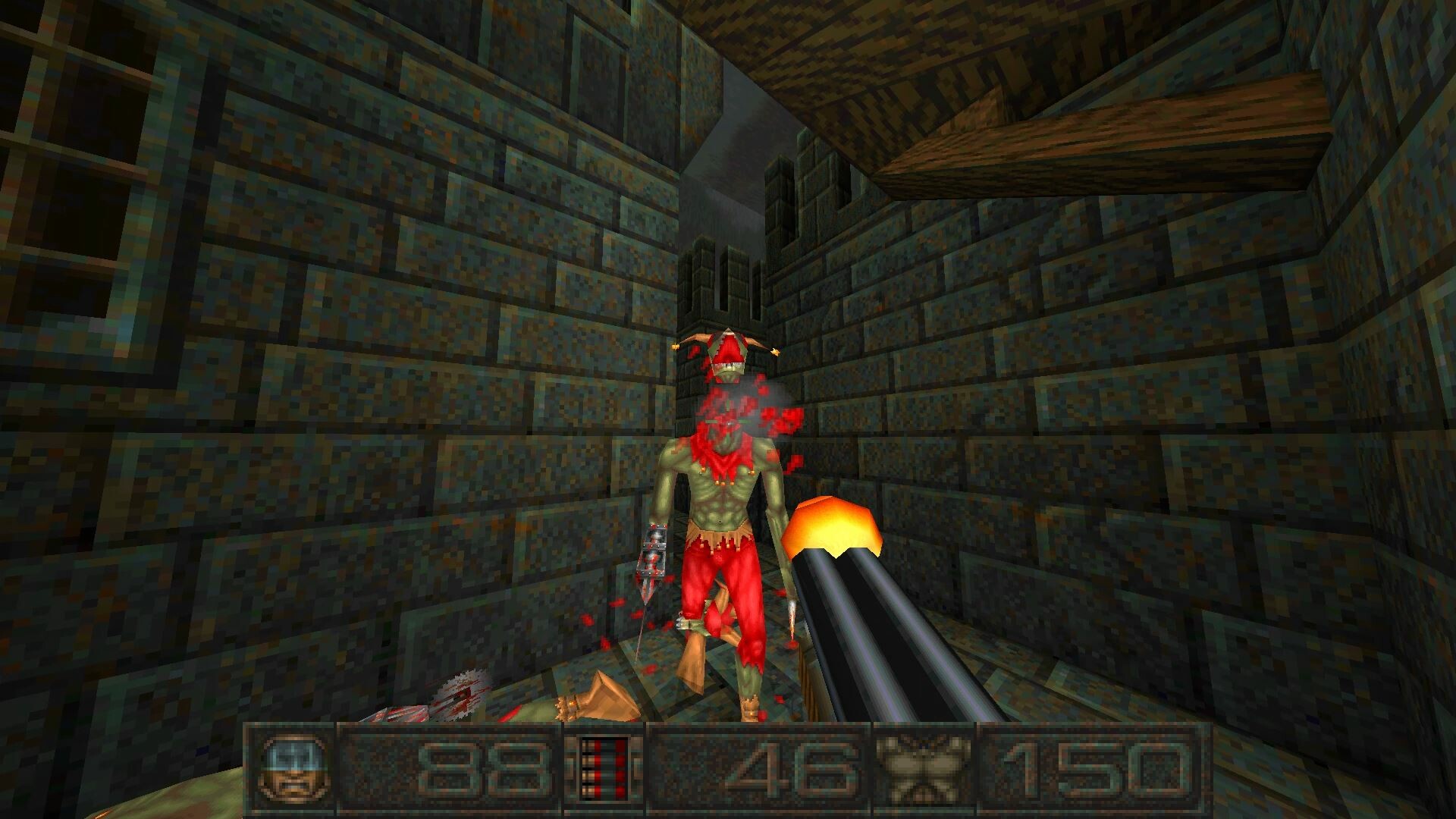
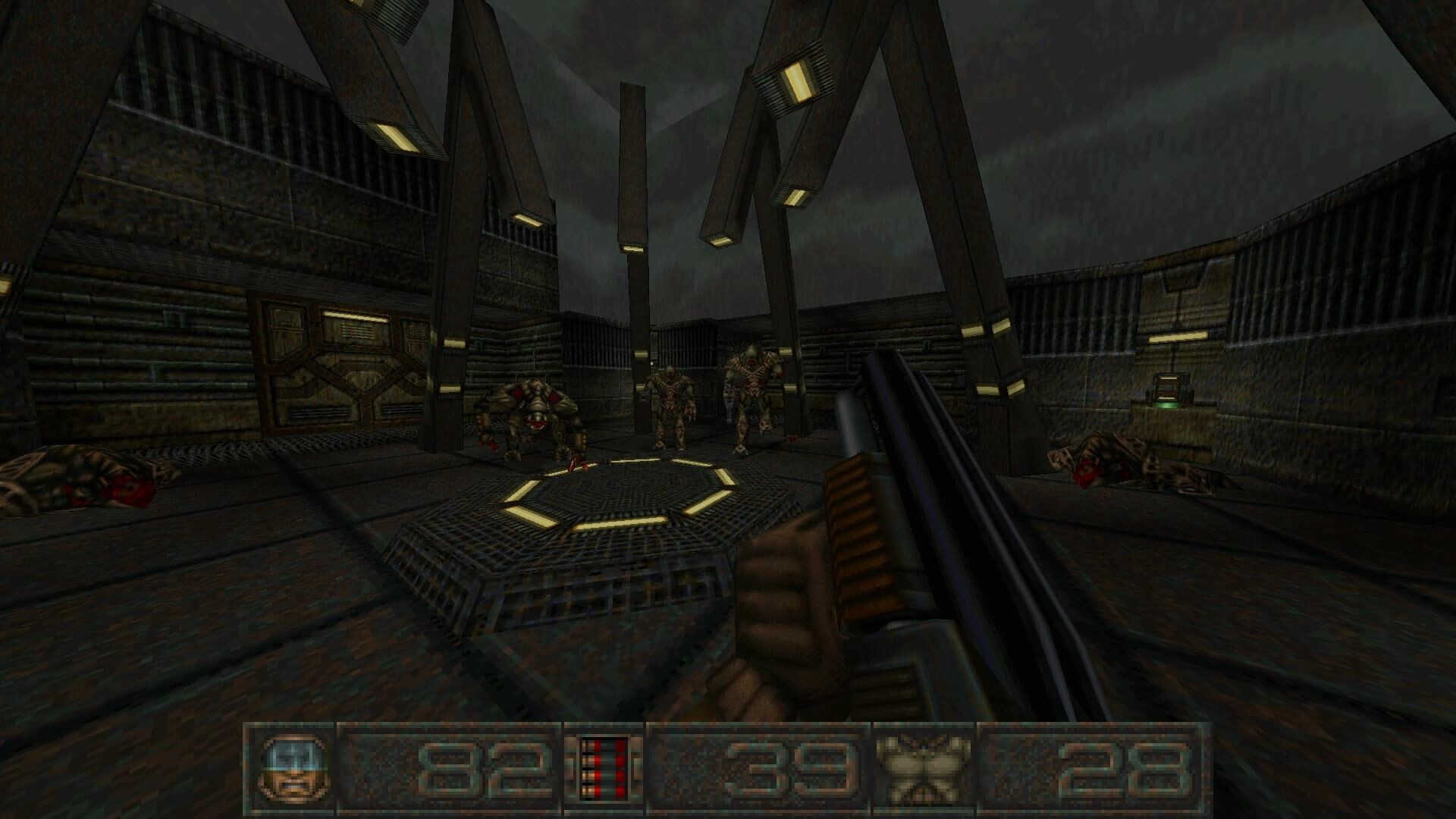
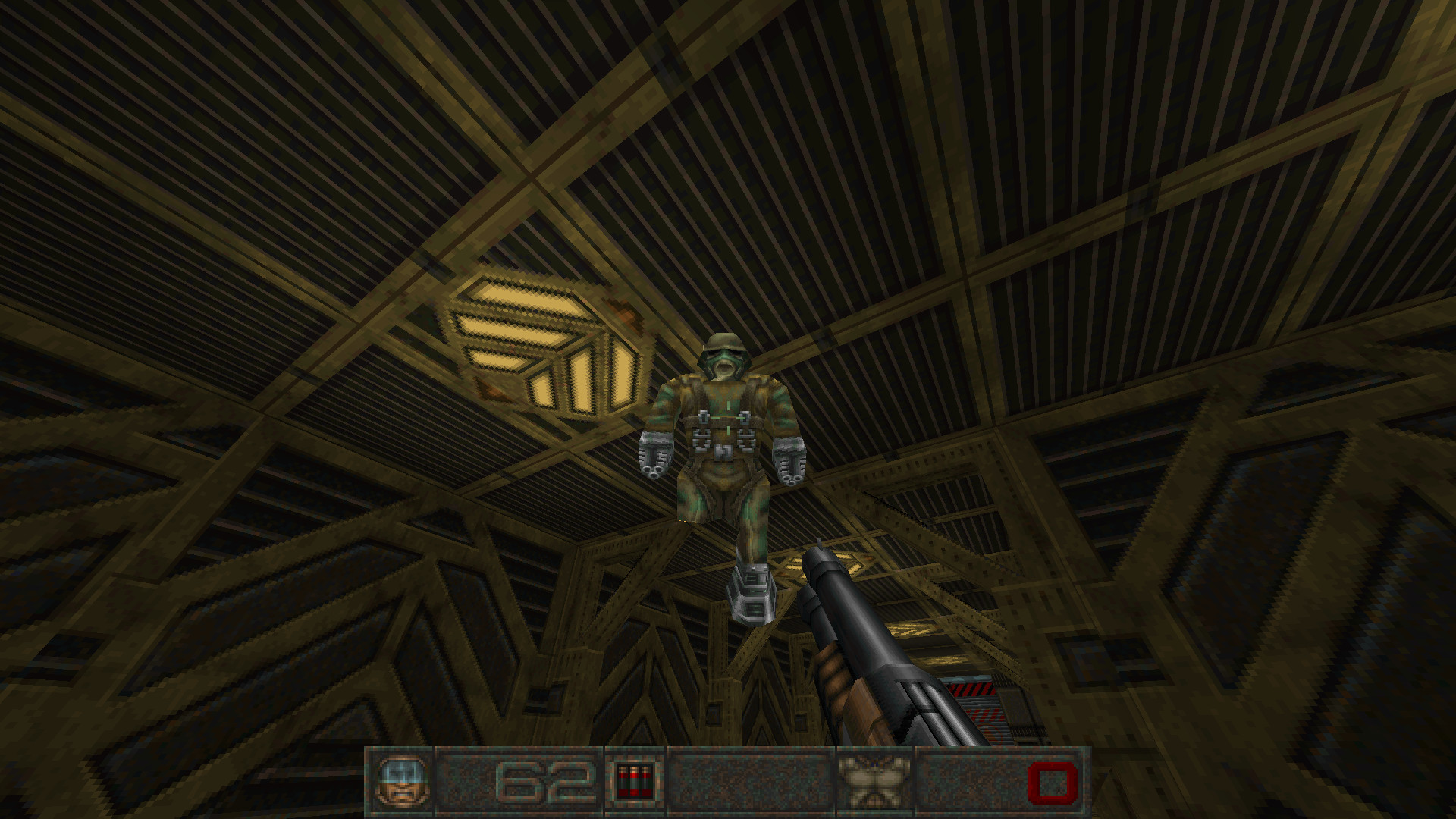
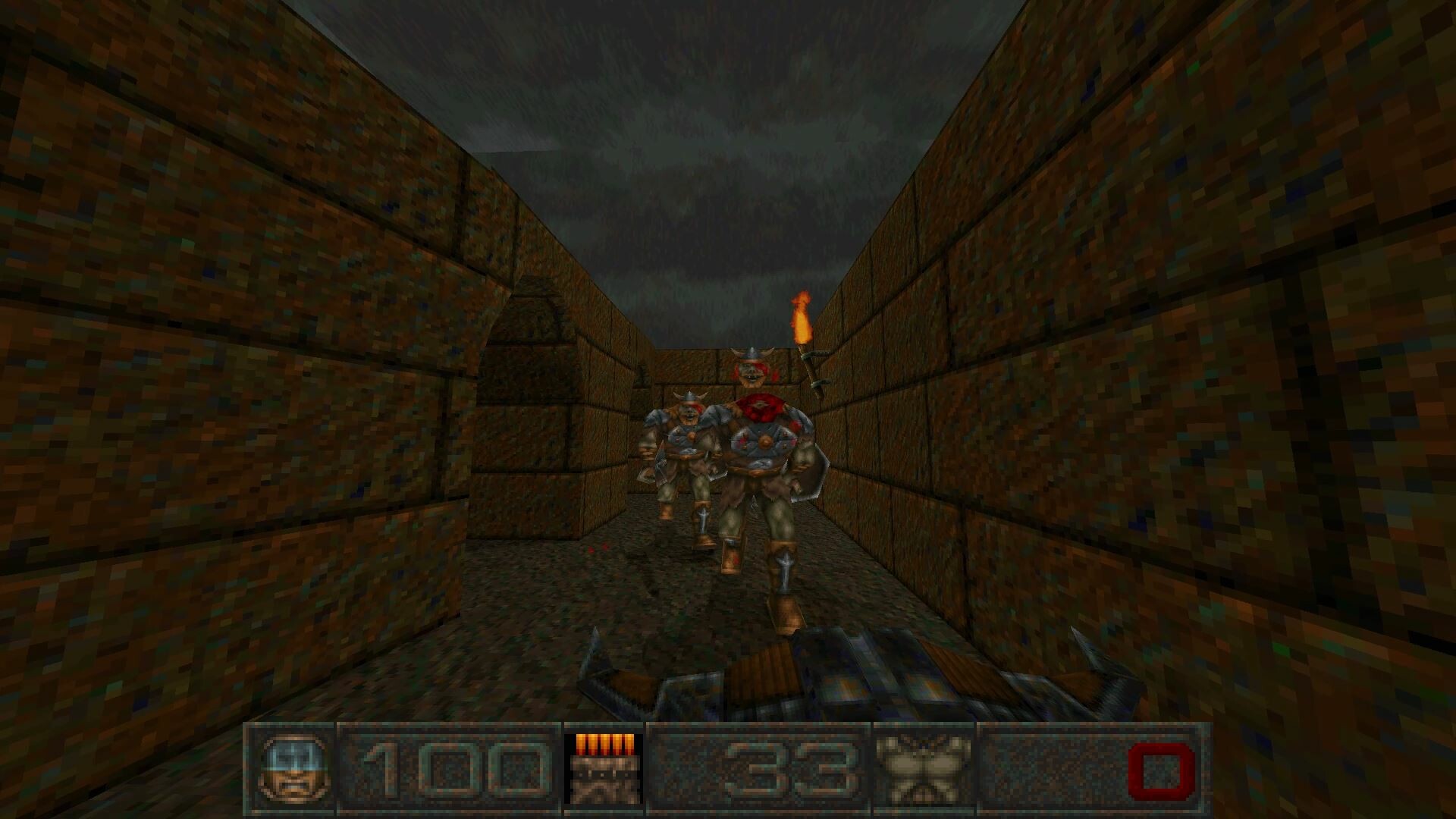
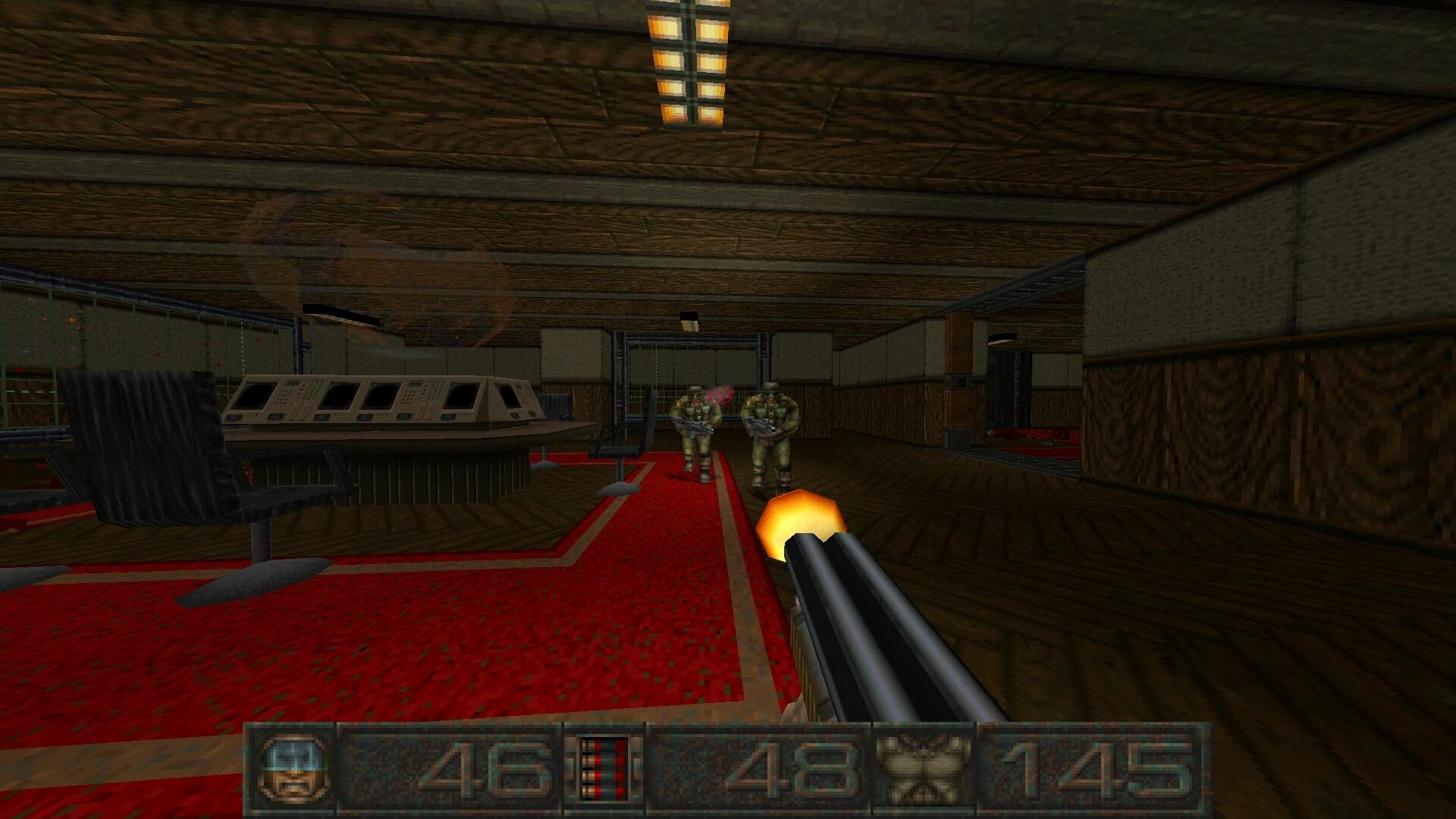
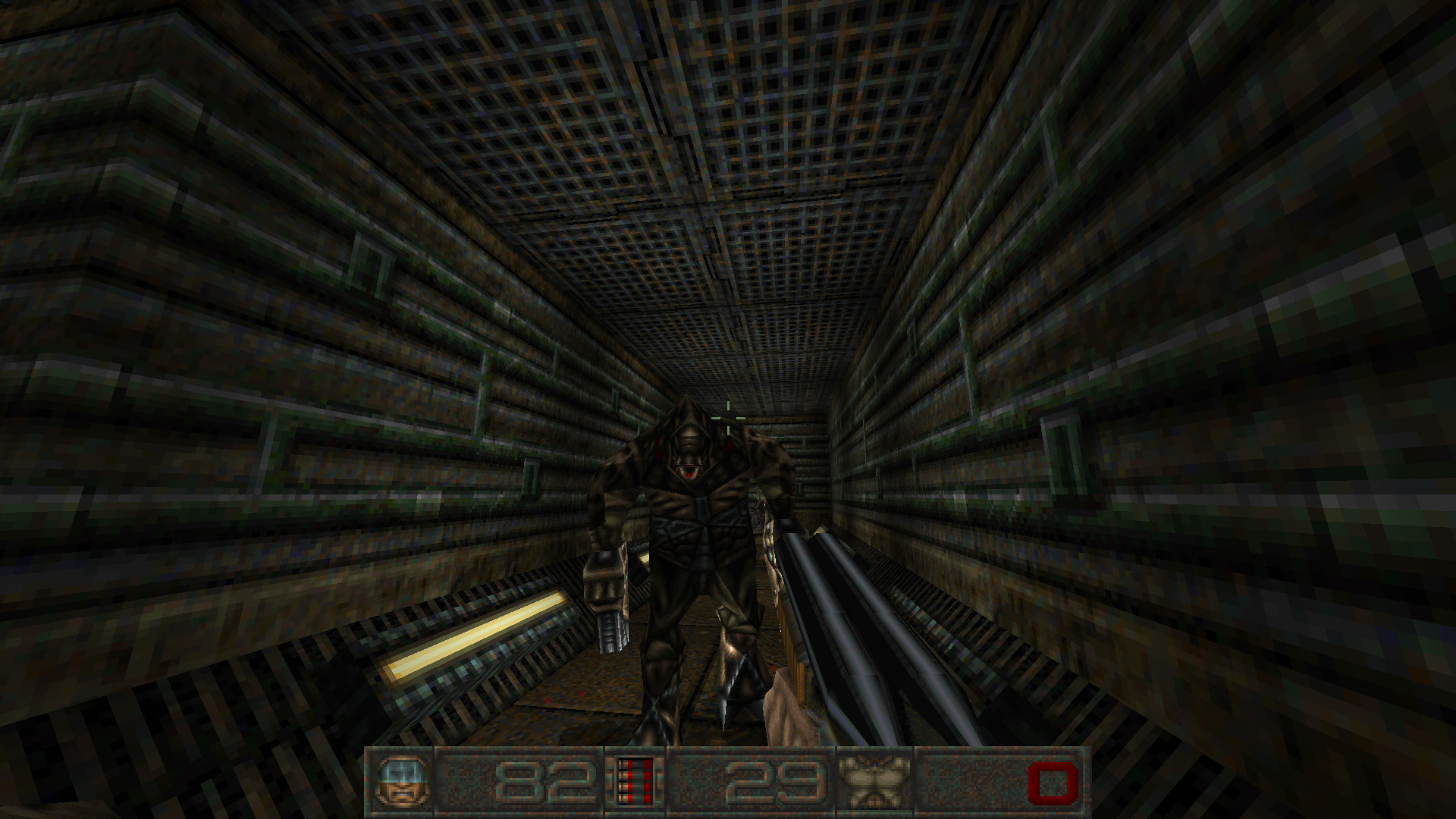
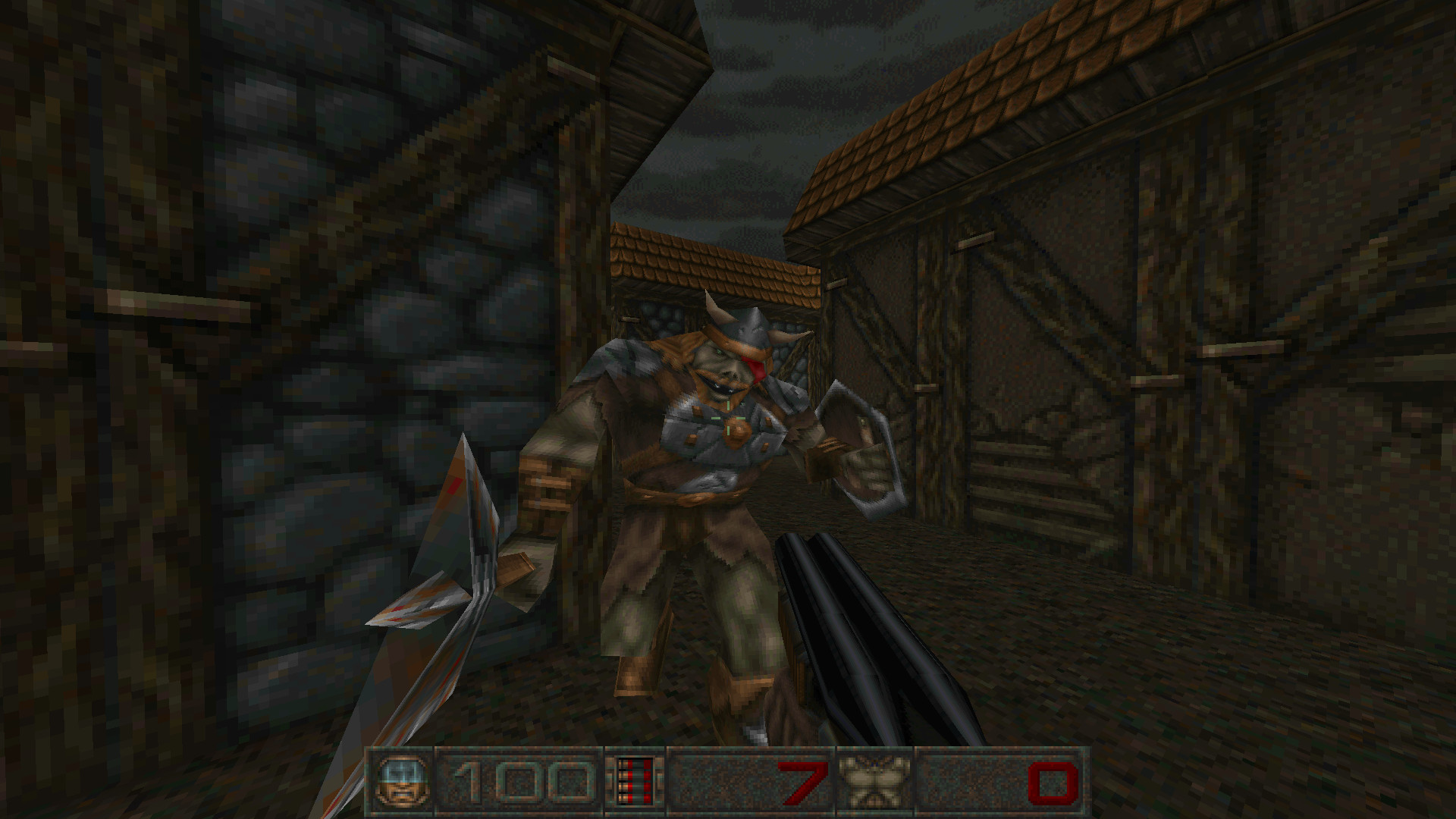
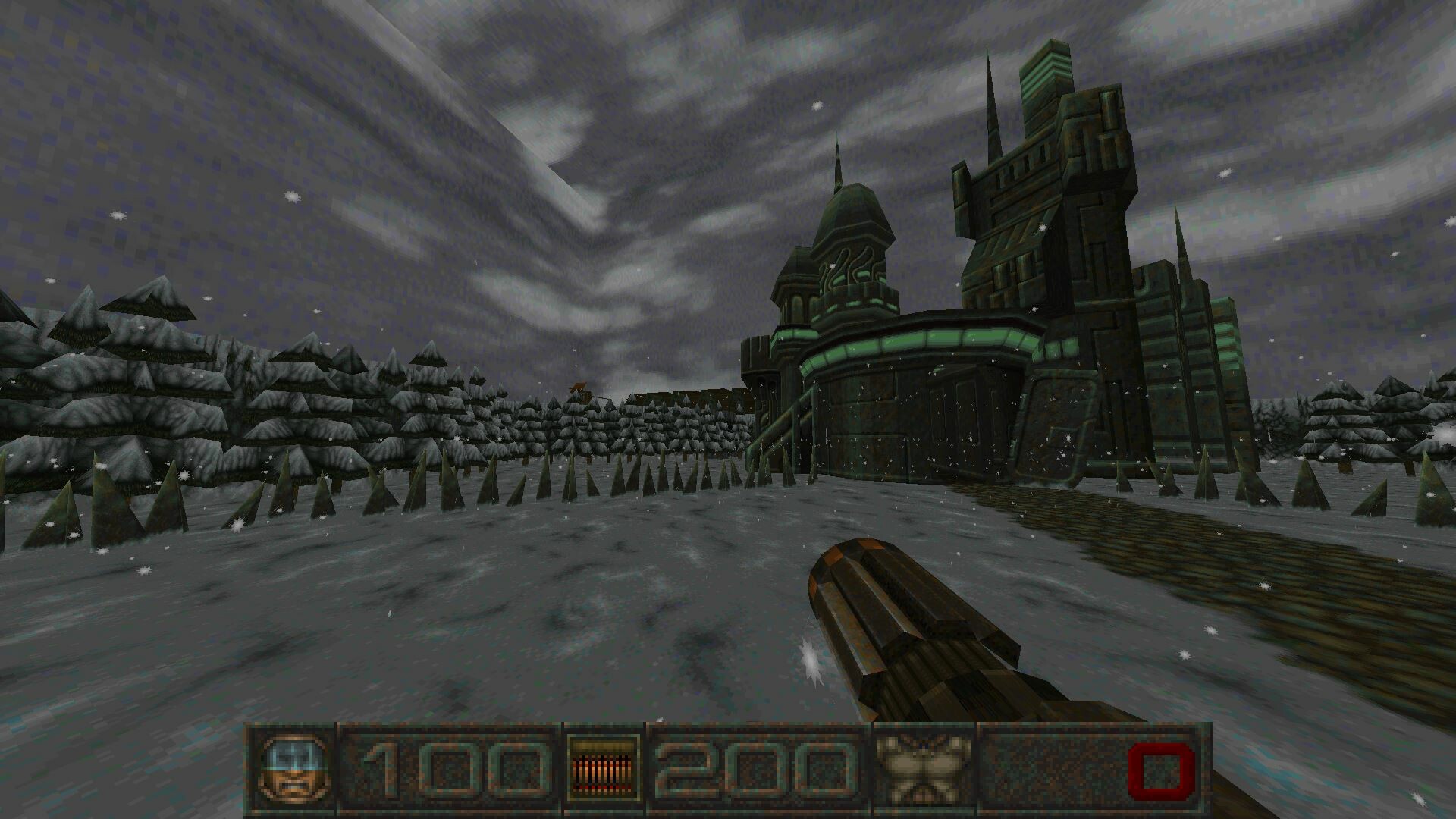
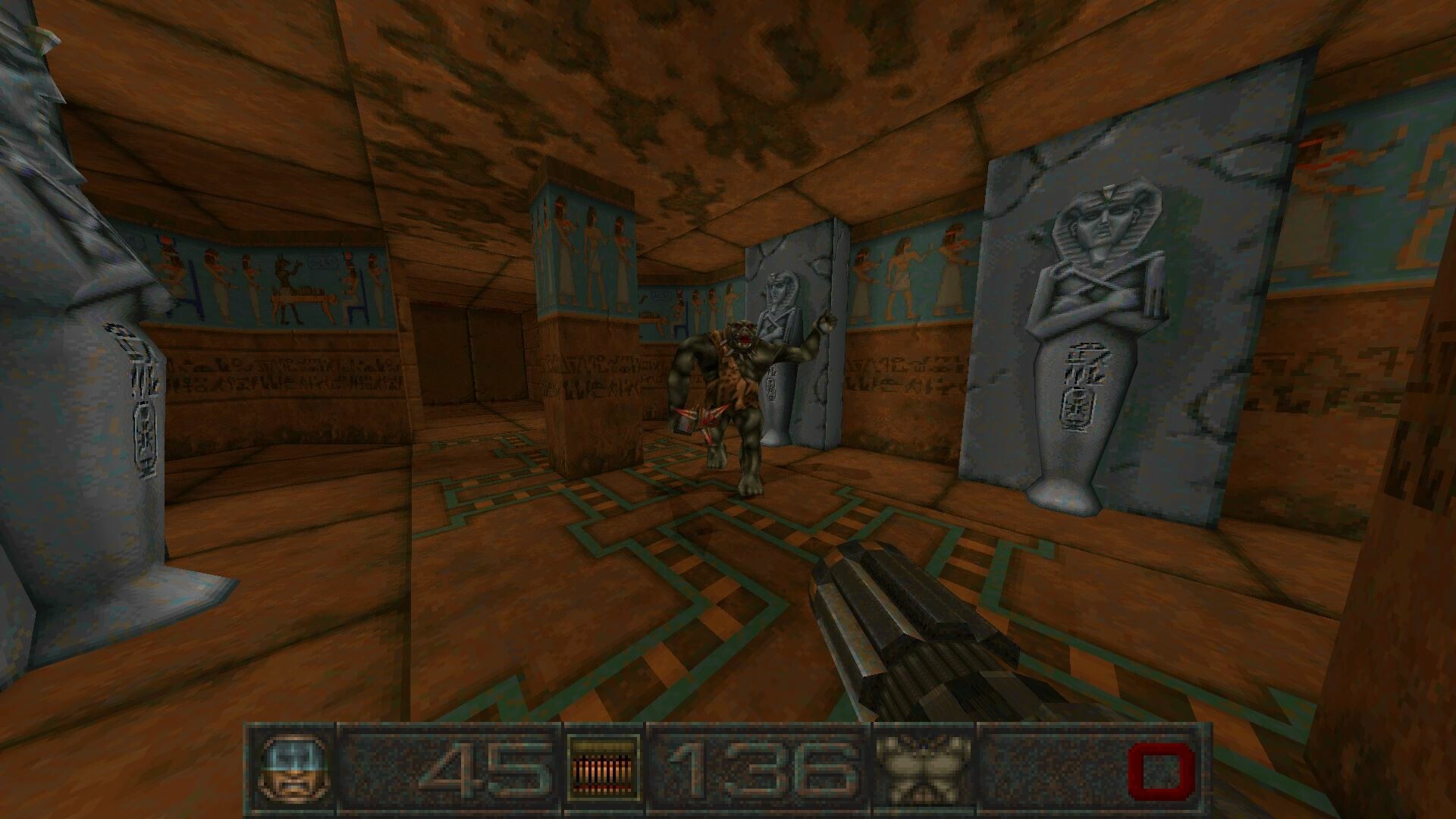
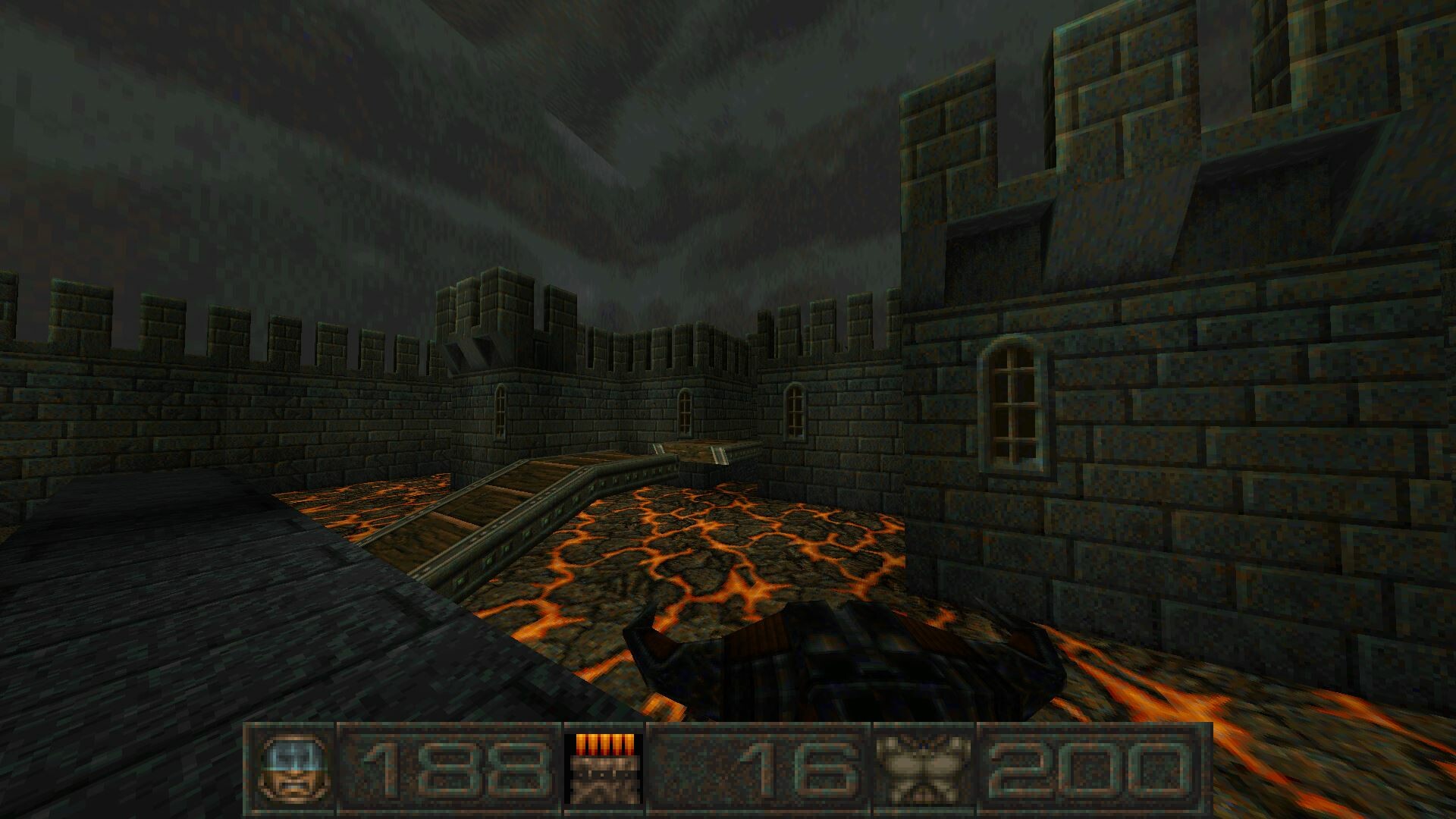
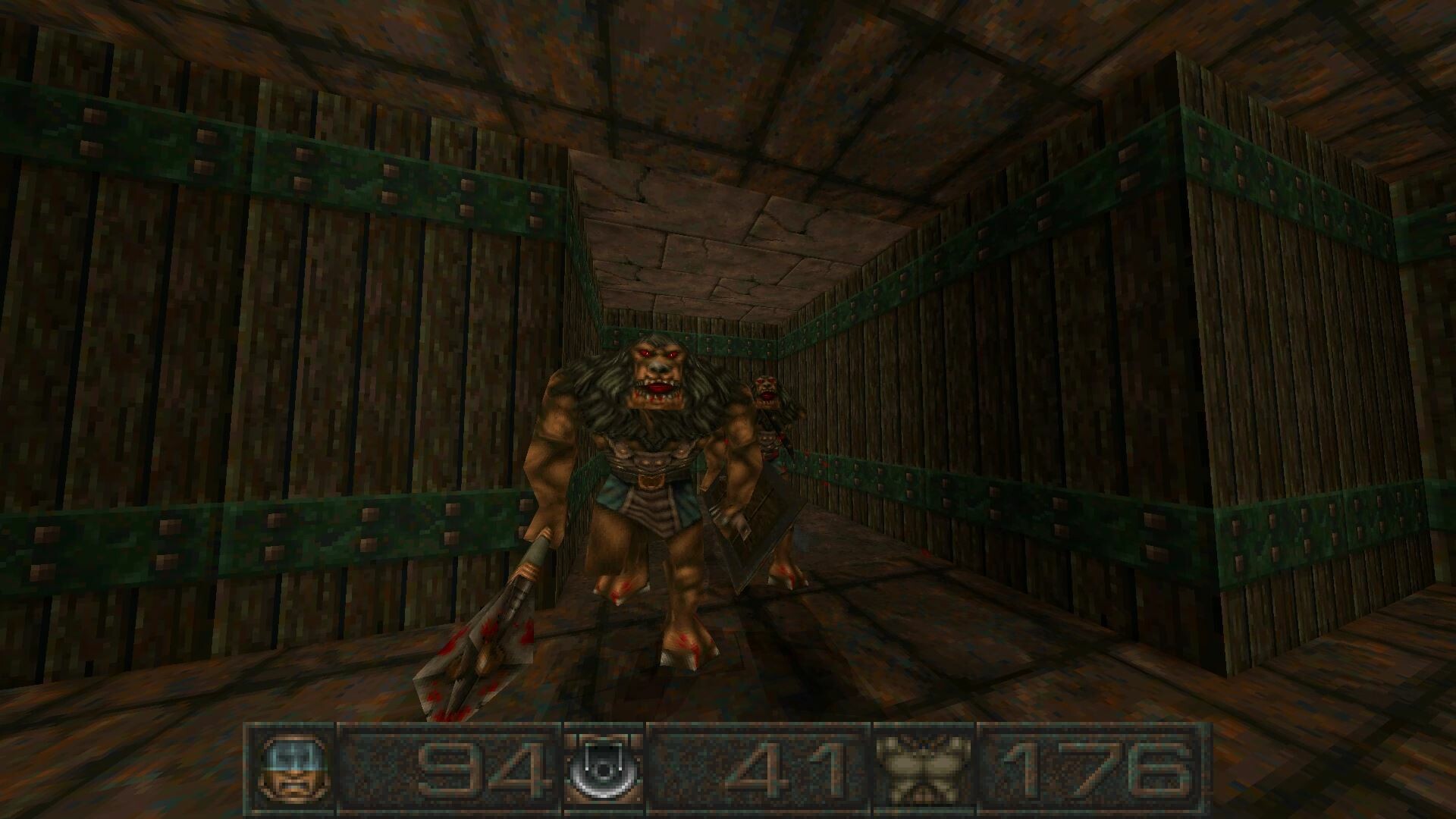
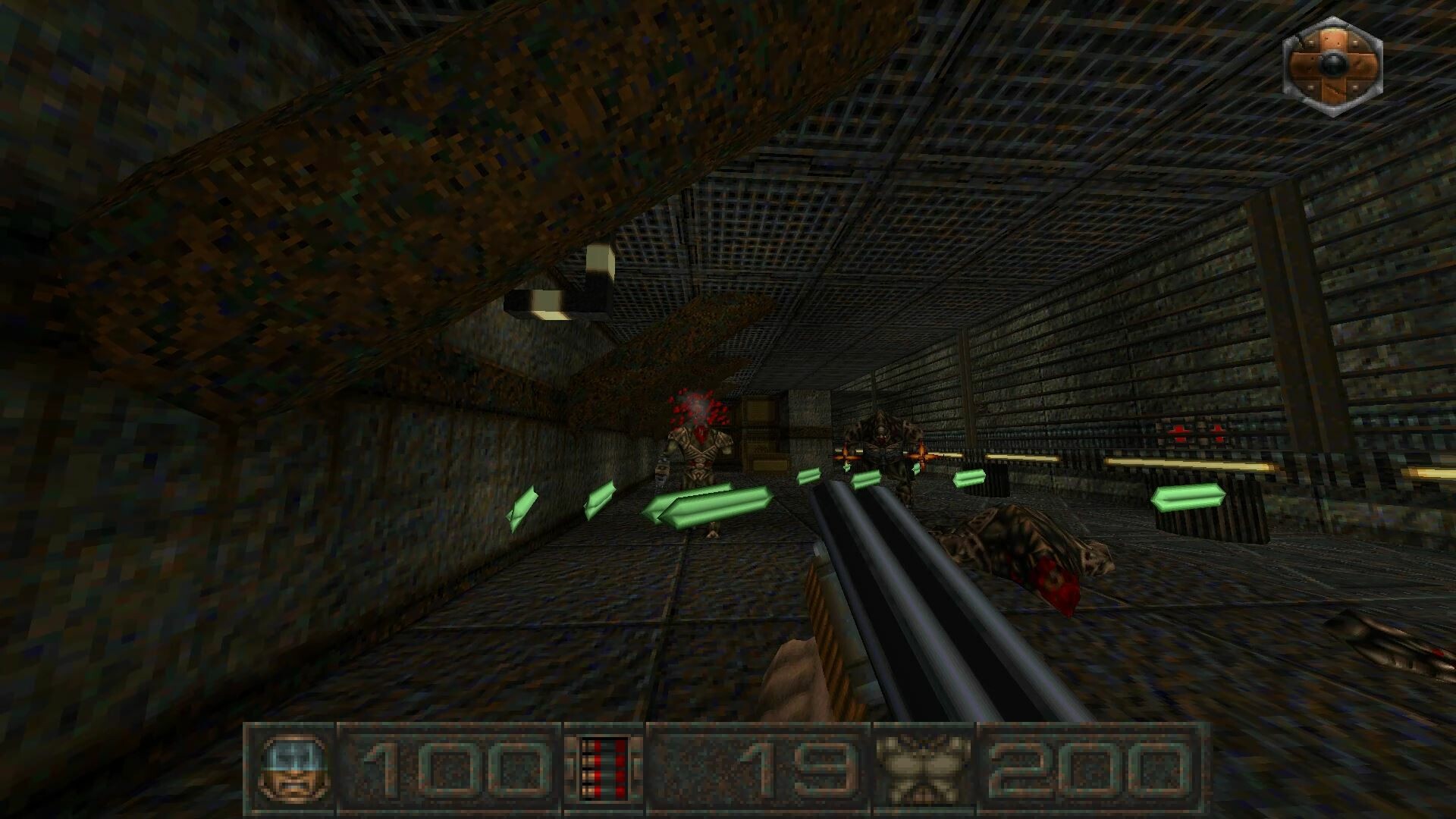
Get an in-depth look at Chasm: The Rift through various videos and screenshots.
Load More
System requirements
These are the minimum specifications needed to play the game. For the best experience, we recommend that you verify them.
Windows
- Requires a 64-bit processor and operating system
- OS: 64-bit Windows 10 / 11
- Processor: Dual Core 2Ghz Processor
- Memory: 4 GB RAM
- Graphics: DirectX 11 compatible for 1920x1080
- DirectX: Version 11
- Storage: 2 GB available space
Steam Price & Best Deals
User reviews & Ratings
Explore reviews from Steam users sharing their experiences and what they love about the game.
Rating 6/10 Intro It gets by with its unique setting and premise, that I'm sure TimeSplitters would later be inspired by. Otherwise, the level design is a big knock against the game. But at least it doesn't overstay its welcome. Positives + Mod support. + Good soundtrack. + Good weapon variety. + Weapons have good impact. + Good aesthetics and graphics. It differentiates itself from Quake enough. + Bosses have unique weaknesses that don't only involve shooting them repeatedly. Negatives - Level design has plenty of backtracking and switches that don't tell you what they do. - Some enemies don't react to you doing damage to them and have no problem plowing through to do their attack moves. - Mandatory damage. Unless there's a radiation suit I missed, there's a few moment where you need to take damage to progress. I'm not talking about a little damage, I mean a good chunk of it.
Is this Quake? Not at all, so it's one of the worst comparisons you can make. It's not as 'fast and quick'. However, it's great and features one of the bleakest endings in the old shooter games. Moreover, the developers even added the expansion pack, and every now and then feature some really good mods. Give it a try, Chasm: The Rift is one of a kind
I get why this game is loved the way it is. It's such a tight package. The gameplay works well enough but the general feeling of this game is unreal (no, not that one). It's really eerie. The levels may be vastly different between episodes but the general feel of the game is always alone in a way I think that expands beyond what Quake did. It really is a different beast when your double barrel pump-action shotgun(??) sounds so average. The thing which probably adds to this the most is the technical advancements in the game. This is probably what the game's most famous for and it's no surprise why. Being so advanced with 3d models but still being a glorified Wolf3D engine game is... it's something else. The whole game is dripping with interactivity which I think is what gives the game such a unique taste. It's atmospheric to a wonderful degree. Every little moving part feels like exploring a forgotten pyramid or medieval town or what have you... it's such a great feeling. Gameplay's pretty good. Sounds are pretty nice; the ambient tracks go a long way to adding to the feeling and the like two techno tracks are sick. Okay, I should probably talk about the gameplay. It's great. The weapons are all fun; the death cannon laser thingy rules and the handheld sawblades are very fun to use. The low ammo counts make you cherish every bullet lest you be stuck with the shotgun that, while workable, can definitely get you killed if you use it in poor places. It's neat. The dismemberment also rules. It's beyond satisfying to blow an arm cannon off and just have the enemy flail around like an idiot. The levels are also somewhat maze-y but if you're used to classic boomshoots it's nothing too crazy. But all in all this is a great game. Short. Really short, like <20 levels short, but it's worth it. Wonderful little game I'd kiss on the forehead. It's depressed and lonely and makes you feel somewhere inbetween strong and fearful. Love it.
Chasm: The Rift is a modernized revival of a lesser-known but historically significant first-person shooter originally created by Action Forms, with the updated edition developed in collaboration with General Arcade and published by SNEG. Released decades after its original debut in 1997, this enhanced version introduces technical improvements while preserving the fast-paced gameplay, dark atmosphere, and unconventional ideas that helped the game stand apart from many of its contemporaries. Although it was often overshadowed by genre-defining titles such as Quake and Doom, Chasm: The Rift remains an intriguing piece of FPS history that demonstrates remarkable ambition for its era. The game's narrative follows a military operative tasked with confronting catastrophic temporal distortions that have begun tearing apart reality. These rifts have unleashed horrific creatures and transformed once-familiar locations into dangerous battlegrounds. The story is intentionally straightforward and largely serves as a framework for the action. Like many classic shooters from the 1990s, the focus is not on complex storytelling but on creating a compelling reason to move from one hostile environment to the next while eliminating everything in sight. What immediately stands out is the game's commitment to old-school shooter design. Players navigate sprawling levels filled with enemies, hidden secrets, keycards, switches, and environmental hazards. The experience emphasizes movement, exploration, and combat rather than cinematic presentation. There are no extensive tutorials or modern progression systems. Instead, players are expected to learn through experience, search every corner of the map, and rely on their own instincts to survive. This approach gives the game a distinctive retro identity that remains appealing to fans of classic first-person shooters. Combat is where Chasm: The Rift truly establishes its individuality. The game features a varied arsenal of weapons that range from conventional firearms to more unusual tools of destruction. Each weapon serves a practical purpose, encouraging players to adapt their approach depending on the enemies they encounter. Battles are often intense, forcing constant movement and quick decision-making. The fast pace keeps encounters exciting and reinforces the feeling of being trapped in a hostile world where danger lurks around every corner. Perhaps the game's most famous innovation is its advanced enemy damage system. Long before dismemberment became a common feature in modern shooters, Chasm allowed players to target specific body parts and visibly damage enemies in dramatic ways. Opponents could continue fighting even after losing limbs, creating combat scenarios that felt both brutal and unpredictable. This mechanic was remarkably advanced for its time and remains one of the game's most memorable features today. Even decades later, it helps distinguish Chasm from many of its contemporaries. The enemy roster contributes significantly to the game's atmosphere. Players face grotesque mutants, twisted creatures, and bizarre monsters created by the distortions affecting reality. These enemies are visually memorable and fit the dark science-fiction horror themes that define the game. Combined with the dismemberment system, encounters often feel chaotic and intense, creating a level of tension that remains effective despite the game's age. Level design follows the philosophy of many classic shooters, emphasizing exploration and environmental awareness. Maps frequently feature interconnected pathways, hidden areas, and objectives that require careful observation. Progression is rarely handed directly to the player, and discovering the correct route often becomes part of the challenge. While this approach can occasionally lead to confusion, it also creates a rewarding sense of accomplishment when players uncover secrets or finally solve a navigation puzzle. Fans of old-school FPS design will likely appreciate this emphasis on exploration. The remastered version does an admirable job of modernizing the experience without sacrificing its original character. Improved lighting, enhanced textures, higher resolutions, and widescreen support make the game significantly more accessible on modern hardware. Performance is smooth, controls are responsive, and visual upgrades help make the environments more immersive. Importantly, these improvements never feel intrusive. The game still looks and plays like a product of the late 1990s, preserving its identity while benefiting from modern conveniences. Atmosphere remains one of the game's strongest qualities. The environments are dark, claustrophobic, and often unsettling. Industrial facilities, underground complexes, military installations, and other distorted locations create a constant sense of tension. The world feels damaged and unstable, reflecting the catastrophic events unfolding within the story. This environmental storytelling helps maintain immersion even when the narrative itself takes a back seat to the action. The audio design further strengthens the experience. Weapon effects deliver satisfying impact, while ambient sounds contribute to the oppressive mood of each location. The soundtrack complements the action effectively, enhancing both combat sequences and exploration. Together, the visual and audio elements create a world that feels dangerous and hostile from beginning to end. Of course, the game still shows signs of its age. Some levels can be difficult to navigate, certain enemy encounters feel unfair by modern standards, and the overall structure lacks many of the conveniences found in contemporary shooters. However, these elements are also part of what makes Chasm: The Rift feel authentic. Rather than redesigning the experience to match current trends, the remaster preserves the original challenge and philosophy, allowing players to experience the game largely as it was intended. Chasm: The Rift succeeds not only as a nostalgic return to a forgotten shooter but also as a reminder of how creative the genre could be during its formative years. Its innovative damage system, memorable enemy designs, atmospheric environments, and satisfying combat demonstrate that it was far more than a simple imitation of better-known games. The remastered edition successfully introduces these strengths to a new audience while preserving the qualities that made the original noteworthy. For fans of retro shooters, Chasm: The Rift offers a compelling blend of fast-paced action, exploration, horror-inspired atmosphere, and historical significance. It may not possess the polish or recognition of the genre's biggest classics, but it remains an enjoyable and distinctive experience that deserves far more attention than it originally received. The remaster serves as both an entertaining shooter and an important act of preservation, ensuring that one of the more interesting FPS releases of the 1990s continues to be remembered. Rating: 8/10
Similar games
View all

The Citadel
The Citadel is a brutal first person shooter, and a love letter to classic games such as Marathon, Doom and Wolfenstein 3d. Descend into the depths of a dark citadel, and fight through 6 Episodes and 30 levels of action packed with 6 challenging bosses. Go forth, Martyr.
Shadow Warrior Classic Redux
The definitive version of the cult classic shooter, Shadow Warrior Classic Redux features remastered visuals and two massive expansion packs. Corporations rule every facet of life in a near-future Japan and employ Shadow Warriors, one-man armies of unparalleled skill, to protect their power and forcefully remove all opposition.
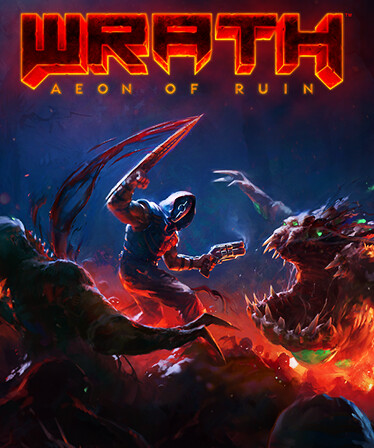
WRATH: Aeon of Ruin
Blast, slice and shred through your enemies in this hardcore FPS inspired by the icons of the '90s, powered by the legendary Quake-1 Tech. Taking place in a realm left to rot, take up arms, unearth long-forgotten secrets and hunt down the Guardians of the Old World.
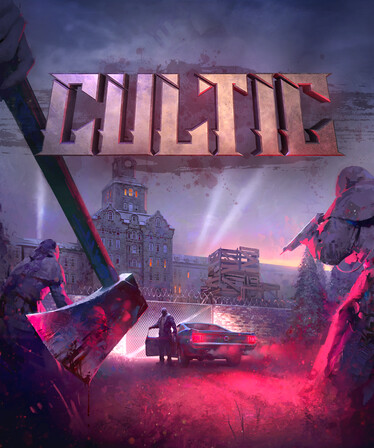
CULTIC
Death is only the beginning. Crawl from your grave and gear up to fight your way through the ranks of a mysterious and twisted cult. You, your guns, and your dynamite will have to shoot, slide, blast, duck, dodge, and maybe throw a gib or two to survive in this old-school-inspired shooter.
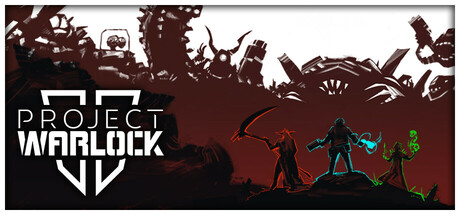
Project Warlock II
Adrenaline-pumping gore retro funhouse that’s full of guns, magic, demons, vertical arenas, 3D visuals, 2D sprites, and heavy metal music. Inspired by FPS classics like Quake and Doom 64, Project Warlock II is the explosive boomer shooter sequel you were too shy to ask for.
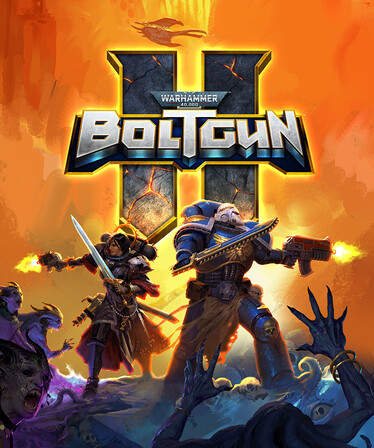
Warhammer 40,000: Boltgun 2
Obliterate heretics in the name of the Emperor in Warhammer 40,000: Boltgun 2! Play as Ultramarine Malum Caedo or Sister of Battle Nyra Veyrath in this sequel to retro FPS Warhammer 40,000: Boltgun with MORE enemies, MORE weapons, and NEW ways to purge!
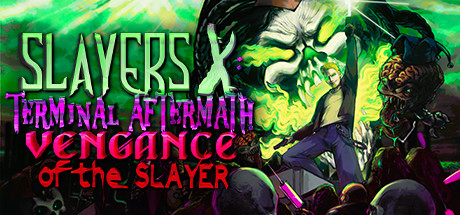
Slayers X: Terminal Aftermath: Vengance of the Slayer
So.... got what it takes to be a X Slayer?!?... 7 weapons, blood and gore, twisted music by Seepage & Psyko Syndikate, and maps where you can blow up everything. its awesome. started making it in 1998 in high school with my friend and now im 37, so i have life experience now.
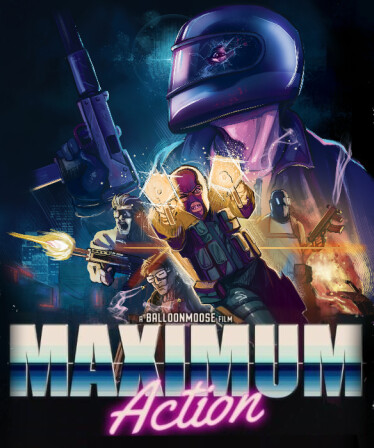
Maximum Action
MAXIMUM Action is a brutal and satisfying physics-based first person shooter influenced by Hong Kong cinema, heroic slow motion bloodshed, and old-school FPS ACTION.
Quake
Developed by the award-winning id Software, Quake® is the ground-breaking, original dark fantasy first-person shooter that inspires today’s retro-style FPS games. With Quake (Enhanced), experience the authentic, updated, and visually enhanced version of the original.
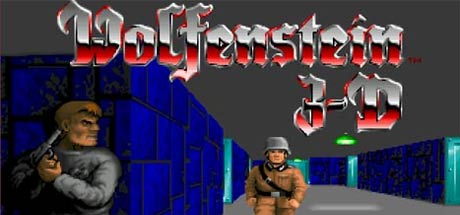
Wolfenstein 3D
World War II rages. The Nazis are planning to build an unstoppable, mutant army. On a mission to steal the secret plans, you were captured and imprisoned. Now, a lucky break gives you the chance to escape, but a maze of passages and trigger-happy Nazis stand in your way.
Frequently Asked Questions
Chasm: The Rift is currently priced at 19.99€ on Steam.
No, Chasm: The Rift is currently not on sale. You can purchase it for 19.99€ on Steam.
Yes, Chasm: The Rift received 381 positive votes out of a total of 470 achieving a rating of 7.62.
😊
Chasm: The Rift was developed by Action Forms and General Arcade and published by SNEG.
Yes, Chasm: The Rift is playable and fully supported on Windows.
No, Chasm: The Rift is not playable on MacOS.
No, Chasm: The Rift is not playable on Linux.
Yes, Chasm: The Rift is playable and fully supported on Steam Deck.
Yes, Chasm: The Rift is playable and fully supported on Steam Machine.
No, Chasm: The Rift does not support VR.
Chasm: The Rift is a single-player game.
No, Chasm: The Rift does not currently offer any DLC.
No, Chasm: The Rift does not support mods via Steam Workshop.
No, Chasm: The Rift does not support Steam Remote Play.
Yes, Chasm: The Rift is enabled for Steam Family Sharing. This means you can share the game with authorized users from your Steam Library, allowing them to play it on their own accounts. For more details on how the feature works, you can read the original Steam Family Sharing announcement or visit the Steam Family Sharing user guide and FAQ page.
You can find solutions or submit a support ticket by visiting the Steam Support page for Chasm: The Rift.
Data sources
The information presented on this page is sourced from reliable APIs to ensure accuracy and relevance. We utilize the Steam API to gather data on game details, including titles, descriptions, prices, and user reviews. This allows us to provide you with the most up-to-date information directly from the Steam platform.
Additionally, we incorporate data from the SteamSpy API, which offers insights into game sales and player statistics. This helps us present a comprehensive view of each game's popularity and performance within the gaming community.
Last Updates| Steam data | 01 October 2026 05:29 UTC |
|---|---|
| SteamSpy data | 16 October 2026 17:09 UTC |
| Steam price | 27 October 2026 03:39 UTC |
| Steam reviews | 19 October 2026 16:02 UTC |
If you'd like to dive deeper into the details about Chasm: The Rift, we invite you to check out a few dedicated websites that offer extensive information and insights. These platforms provide valuable data, analysis, and user-generated reports to enhance your understanding of the game and its performance.
- SteamDB - A comprehensive database of everything on Steam about Chasm: The Rift
- SteamCharts - Analysis of Chasm: The Rift concurrent players on Steam
- ProtonDB - Crowdsourced reports on Linux and Steam Deck Chasm: The Rift compatibility
Game modes
Features
Online players
0
Developer
Action Forms,
General Arcade
Publisher
SNEG
Release
10 Oct 2022
Platforms
Clicking and buying through these links helps us earn a commission to maintain our services.