
Cinderella Escape 2 Revenge
Cinderella is back with a new goddess power. Ready to fight for her innocence and reveal the secret plan of the Prince. Will she get her revenge? Will she accept her destiny?
Sync your Steam wishlist to find the lowest game prices instantly. No login required, just paste your Steam profile URL!
⚡ Try Wishlist Radar!
Sync your Steam wishlist to find the lowest game prices instantly. No login required!
⚡ Try Wishlist Radar!
Close

Cinderella Escape! R12 on Steam
Quick menu
Cinderella is locked in the dungeon. What happened to her? Can she escape the dungeon? Cinderella needs your help!
Cinderella Escape! R12 is a female protagonist, anime and puzzle game
developed and published by Hajime Doujin Circle.
Released on November 16th 2015 is available on Windows and MacOS.
It has received 403 reviews of which 310 were positive and 93 were negative resulting in a rating of 7.3 out of 10. 😊
The game is currently priced at 4.99€ on Steam.
The Steam community has classified Cinderella Escape! R12 into these genres:
Media & Screenshots
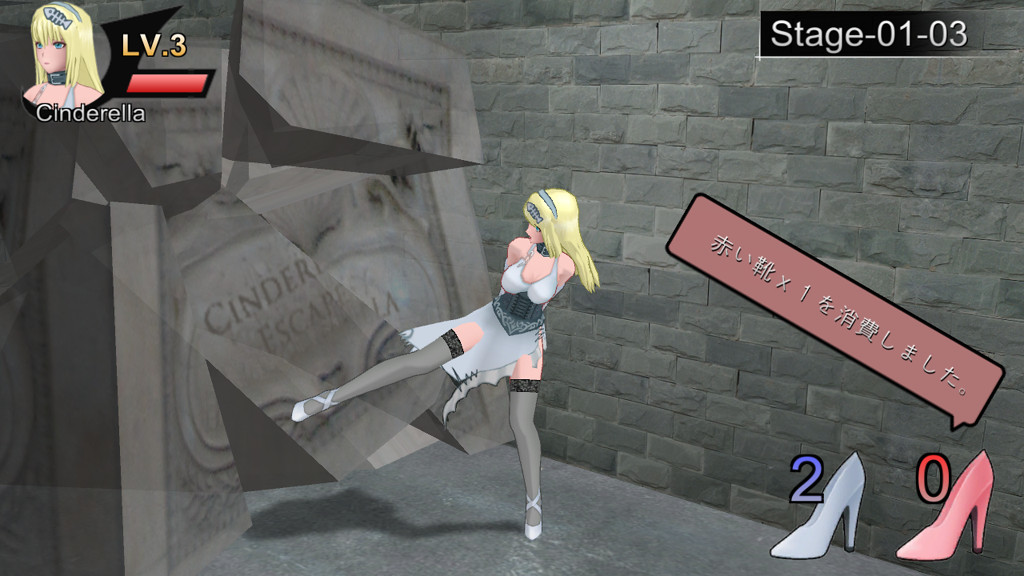
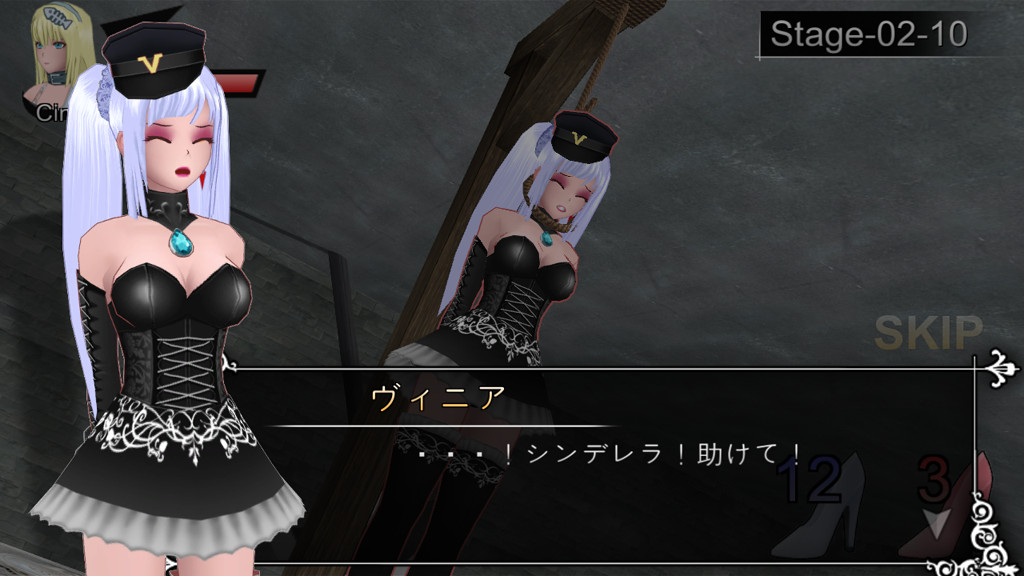
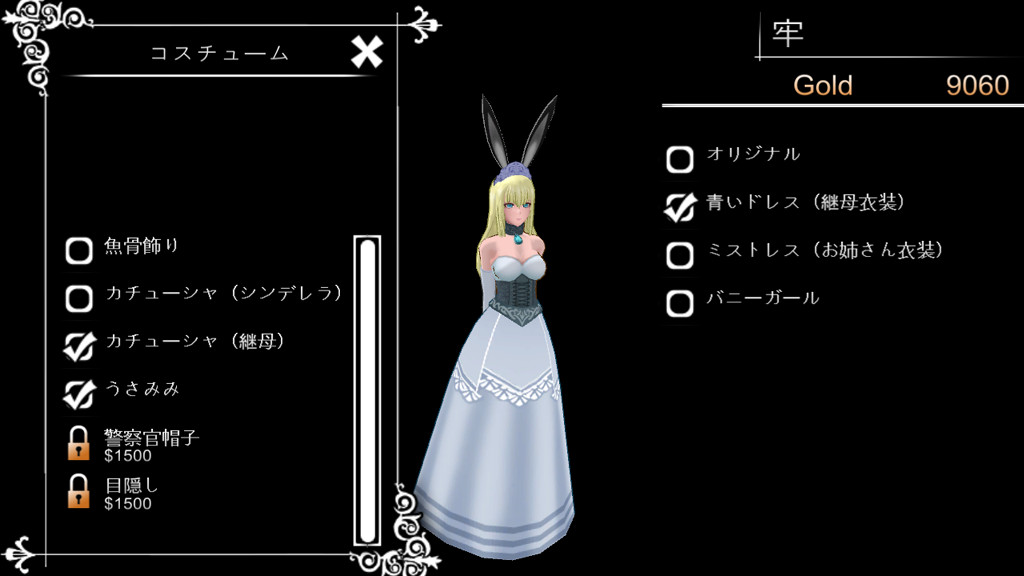
Get an in-depth look at Cinderella Escape! R12 through various videos and screenshots.
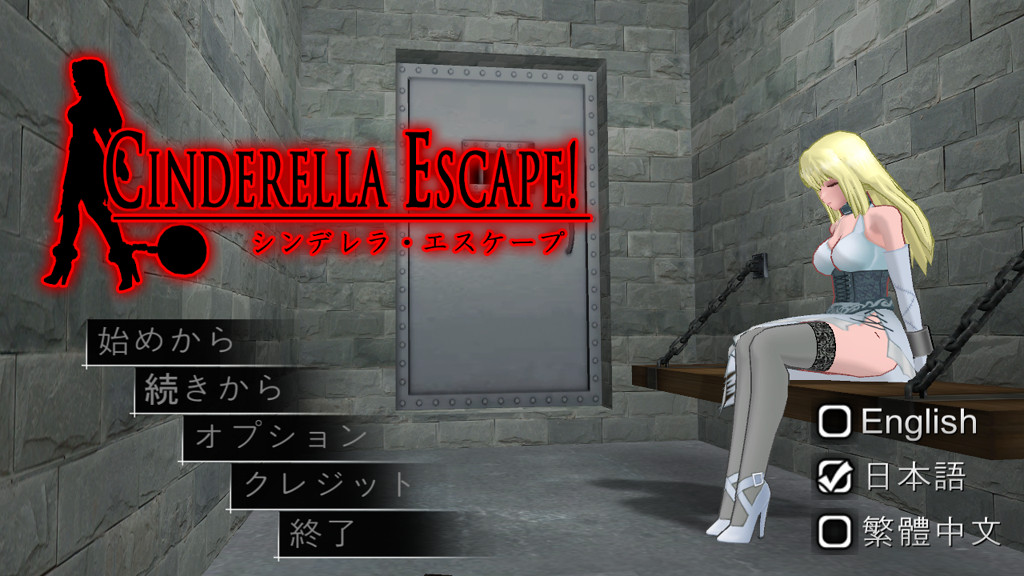
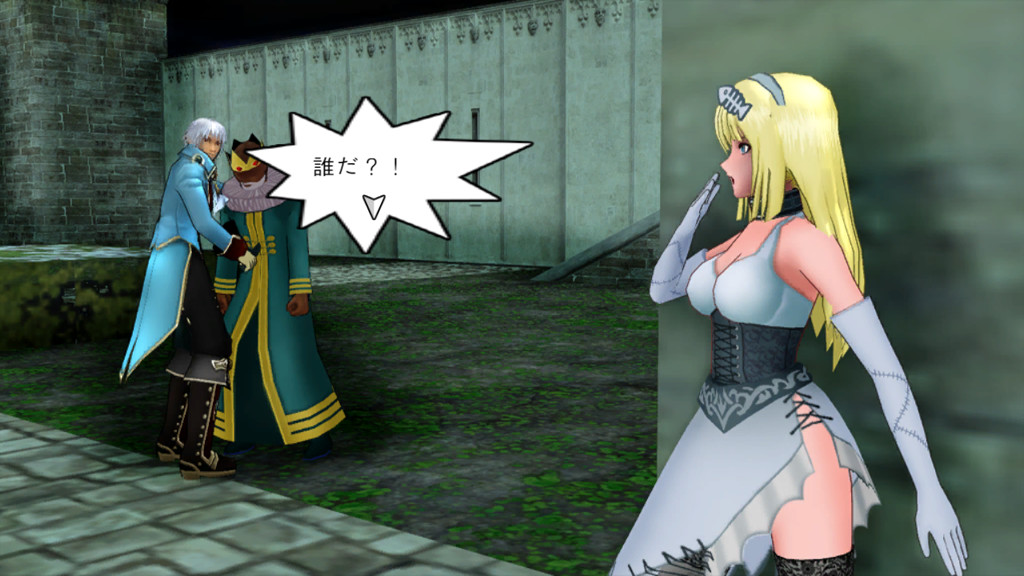
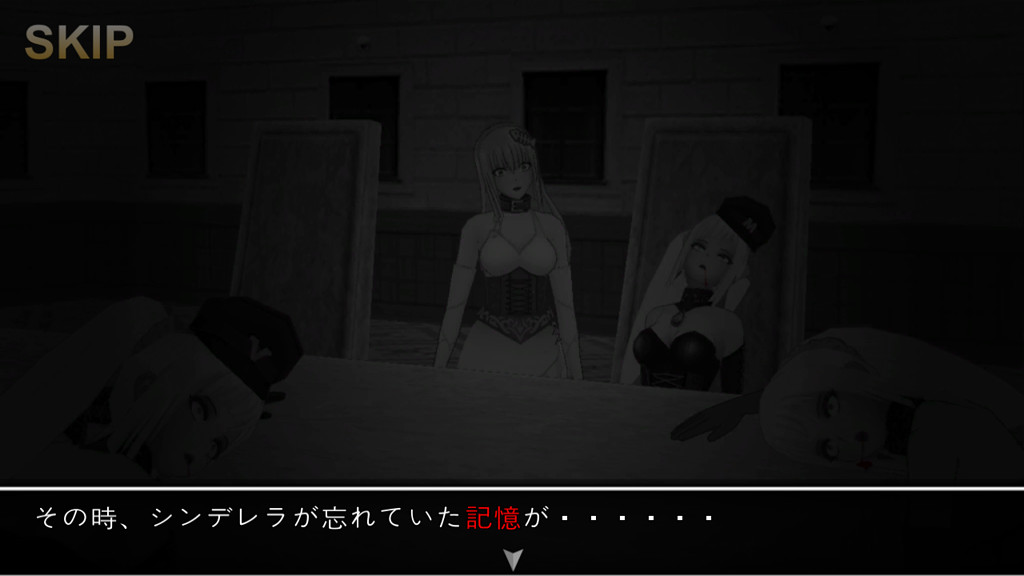

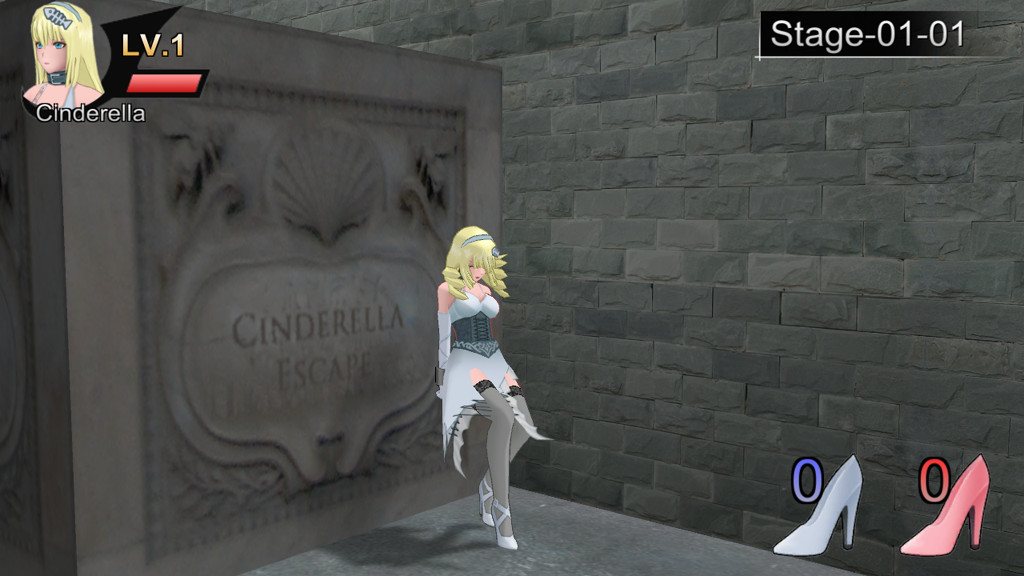
Load More




System requirements
These are the minimum specifications needed to play the game. For the best experience, we recommend that you verify them.
Windows
- OS *: Windows vista, Windows 7, Windows 8
- Processor: Intel dual core 2.0GHz or better
- Memory: 2 GB RAM
- Graphics: DirectX@ 9 Compatible Graphics Card (Shader Model 3.0 or better)
- DirectX: Version 9.0a
- Storage: 600 MB available space
MacOS
- OS: Mac OSX 10.6+
- Processor: 2.0GHz
- Memory: 2 GB RAM
- Storage: 600 MB available space
Steam Price & Best Deals
User reviews & Ratings
Explore reviews from Steam users sharing their experiences and what they love about the game.
The puzzle mechanics are simple enough to pick up quickly, but they never really evolve into anything particularly memorable. The graphics is decent and the premise is quirky, though the overall experience feels a bit too short and straightforward. It's not terrible, but it didn't leave much of an impression once the credits rolled.
Cinderella Escape! R12 takes a classic fairy tale foundation and rebuilds it into a puzzle-focused fantasy adventure centered around survival, escape, and overcoming dangerous obstacles. Developed and published by Hajime Doujin Circle, the game moves away from the familiar royal romance associated with Cinderella and instead places its heroine into a far more threatening situation. Rather than attending a grand ball or waiting for fate to change her future, this version of Cinderella must rely entirely on determination and player skill to escape danger and survive increasingly difficult challenges. The premise immediately establishes a different tone from traditional fairy tale adaptations. Cinderella finds herself trapped inside a dangerous dungeon filled with obstacles and hazards standing between her and freedom. The game introduces mystery alongside survival as players gradually uncover more about her situation while navigating increasingly challenging environments. Instead of building progression around heavy storytelling or large narrative sequences, the experience focuses heavily on gameplay and environmental problem-solving. Puzzle design serves as the foundation supporting the entire experience. Players spend most of their time carefully studying surroundings, avoiding hazards, and finding ways to progress through dangerous sections. The structure favors observation and execution rather than overwhelming players with complicated mechanics. Objectives remain easy to understand while difficulty gradually increases over time, allowing players to steadily improve through practice and repetition. One of the game's strongest qualities comes from its arcade-inspired design philosophy. Cinderella Escape! R12 embraces accessibility while still creating satisfying challenge progression. Early sections introduce ideas clearly before asking players to apply those lessons under greater pressure later. Failure rarely feels unfair because mistakes often encourage improvement rather than punishment. Learning movement patterns and refining strategies gradually becomes part of the appeal. The dungeon environments contribute significantly toward atmosphere despite the game's relatively focused scope. Confined spaces and environmental hazards create steady tension throughout progression while reinforcing the feeling that escape remains the primary objective. Even though the experience does not rely heavily on horror elements, the pressure created by dangerous surroundings keeps momentum moving consistently forward. Visual presentation follows an anime-inspired style that aligns naturally with the fantasy setting. Character artwork and environmental design emphasize clarity and readability over technical spectacle. The presentation supports gameplay effectively by ensuring hazards remain visible while maintaining a distinct personality that separates the experience from more generic puzzle adventures. The simplified structure becomes one of the game's greatest strengths. Rather than layering multiple systems together unnecessarily, Cinderella Escape! R12 focuses heavily on refining a smaller set of ideas. The result creates an experience where players spend more time actively engaging with challenges instead of navigating complicated menus or lengthy tutorials. That focus helps pacing remain consistent throughout progression. Difficulty progression generally feels balanced because challenge emerges naturally through environmental complexity rather than sudden spikes in mechanical demand. New situations encourage adaptation while reinforcing previously learned concepts. The game understands that puzzle-focused experiences often succeed best when improvement feels earned rather than forced. Replay value comes through refinement and mastery rather than massive content volume. Returning to overcome previously difficult sections more efficiently creates satisfying long-term engagement. Players who enjoy improving performance and learning level layouts will likely appreciate the game's arcade-inspired progression philosophy. Its smaller independent scope naturally shapes expectations. Players expecting extensive storytelling or large-scale role-playing systems may find the design intentionally focused and mechanically straightforward. Likewise, players searching for highly experimental puzzle systems may discover a more traditional structure built around accessibility and steady progression. However, Cinderella Escape! R12 benefits from understanding exactly what kind of experience it wants to deliver. Hajime Doujin Circle avoids unnecessary complexity and instead focuses on creating an approachable challenge built around movement, timing, and persistence. That confidence helps the game establish a clear identity despite its smaller scale. The reinterpretation of Cinderella itself also adds personality to the adventure. Transforming a familiar fairy tale protagonist into an active survivor overcoming dangerous situations gives the experience a unique flavor that helps distinguish it from more conventional fantasy puzzle games. Cinderella Escape! R12 succeeds by taking simple ideas and executing them with consistency. The combination of fantasy atmosphere, puzzle progression, and arcade-inspired design creates an independent experience that remains accessible while offering enough challenge to reward players willing to improve. For players who enjoy puzzle-focused gameplay, fantasy settings, and progression systems centered around skill development rather than complexity, Cinderella Escape! R12 offers an enjoyable independent adventure built around determination, problem-solving, and finding a way forward against difficult odds. Rating: 7/10
It's not the R18 version. If that is what you are looking for there is not much difference. In the R18 version, you have access to the 'secret' dungeon. On some of the maps, the knights and other 'traps' appear, similar to the gallow 'trap' that still is in the R12 version, for all the sisters you have to 'rescue'. If you want to enjoy this game simply a puzzle game, the R12 game is just as good as the R18 game. Minus the obvious explicit content. The outfits are limited. The R18 version is just your character with multiple customization options from clothed and skimpy to nude. Different bust sizes are not represented in the R12 version. They are in the R18 one, though. This version seemed more difficult to finish. Complex. Detailed. Only so many moves. Maybe that is why you are looking at Cinderella as you attempt to complete this highly underrated game?
Similar games
View all

Sakura Fantasy
The new visual novel from the makers of Sakura Spirit and Sakura Angels. Sakura Fantasy Chapter 1 is an exciting visual novel fantasy adventure where you decide the development of the story by the choices you make. It is the tale of an aspiring female protagonist who wishes to aim to become a knight.


Sakura Beach 2
It's been a few months since Seiji last visited the beach. After enduring the chaos of his new daily life, another holiday with his childhood friends is just what he needs. However, the appearance of another girl whose love of space rivals his own ensures that his trip will be anything but peaceful.

Sakura Dungeon
You are Yomi, an ancient fox spirit. Your dungeon has been stolen from you while you have been sealed away in a deep sleep. Capture monster girls, collect loot, explore the dungeon's depths and reclaim what is yours in this first-person RPG dungeon crawler.

Sakura Clicker
The latest entry in the Sakura series is more action-packed than ever before! Sakura Clickers is a fast-paced, exciting adventure, full of content, in which you defeat your foes with the power of your mouse!

Sakura Swim Club
In Sakura Swim Club, follow the story of Kaede, just your average guy. Upon transferring to a new school, he meets two beautiful girls in the swim club. Things haven't gone well for the swim club lately, but with Kaede's help, that all changes.

Sakura Spirit
Rising Judo Star Gushiken Takahiro was two weeks away from the match that would make or break his career -- a championship match where the winner is then signed up to be a young national athlete for Japan. He was very determined to win, in order to fulfill his dreams of finally representing his country for a sport he loves so much.

CATGIRL LOVER
Flashy and juicy anime girls are waiting for you! Yes, you! Join the Golden Shower Order and undress 'em all! A simple but fascinating game with a mixture of Visual Novel and Match3. Easy to dig in and impossible to resist.

DEAD OR SCHOOL
Underground dwelling girl Hisako is aiming for the surface in a zombie infested Tokyo. Hack and slash RPG! Obtain weapons and gear from enemies, and customize your skill tree to create your own unique and powerful a character!

Beach Bounce
A slice of life visual novel game in three parts following Tomoyo during his summer visiting a long lost relative. A fun tongue in cheek story with multiple branches, several relationships and various alternate endings for you to enjoy.

Delicious! Pretty Girls Mahjong Solitaire
The Pretty Girls are back and they're delicious! Check out an upgraded version of Zoo's top selling Mahjong Solitaire with 8 new girls and a candy flavored theme. Match tile pairs to reveal a Pretty Girl in a sexy outfit hiding underneath. As you clear stages, the girls get more and more delicious!
Frequently Asked Questions
Cinderella Escape! R12 is currently priced at 4.99€ on Steam.
No, Cinderella Escape! R12 is currently not on sale. You can purchase it for 4.99€ on Steam.
Yes, Cinderella Escape! R12 received 310 positive votes out of a total of 403 achieving a rating of 7.25.
😊
Cinderella Escape! R12 was developed and published by Hajime Doujin Circle.
Yes, Cinderella Escape! R12 is playable and fully supported on Windows.
Yes, Cinderella Escape! R12 is playable and fully supported on MacOS.
No, Cinderella Escape! R12 is not playable on Linux.
This information about Cinderella Escape! R12 is not available yet.
This information about Cinderella Escape! R12 is not available yet.
No, Cinderella Escape! R12 does not support VR.
Cinderella Escape! R12 is a single-player game.
Yes, there is a DLC available for Cinderella Escape! R12. Explore additional content available for Cinderella Escape! R12 on Steam.
No, Cinderella Escape! R12 does not support mods via Steam Workshop.
No, Cinderella Escape! R12 does not support Steam Remote Play.
Yes, Cinderella Escape! R12 is enabled for Steam Family Sharing. This means you can share the game with authorized users from your Steam Library, allowing them to play it on their own accounts. For more details on how the feature works, you can read the original Steam Family Sharing announcement or visit the Steam Family Sharing user guide and FAQ page.
You can find solutions or submit a support ticket by visiting the Steam Support page for Cinderella Escape! R12.
Data sources
The information presented on this page is sourced from reliable APIs to ensure accuracy and relevance. We utilize the Steam API to gather data on game details, including titles, descriptions, prices, and user reviews. This allows us to provide you with the most up-to-date information directly from the Steam platform.
Additionally, we incorporate data from the SteamSpy API, which offers insights into game sales and player statistics. This helps us present a comprehensive view of each game's popularity and performance within the gaming community.
Last Updates| Steam data | 02 October 2026 22:32 UTC |
|---|---|
| SteamSpy data | 15 October 2026 04:37 UTC |
| Steam price | 27 October 2026 04:05 UTC |
| Steam reviews | 22 October 2026 07:49 UTC |
If you'd like to dive deeper into the details about Cinderella Escape! R12, we invite you to check out a few dedicated websites that offer extensive information and insights. These platforms provide valuable data, analysis, and user-generated reports to enhance your understanding of the game and its performance.
- SteamDB - A comprehensive database of everything on Steam about Cinderella Escape! R12
- SteamCharts - Analysis of Cinderella Escape! R12 concurrent players on Steam
- ProtonDB - Crowdsourced reports on Linux and Steam Deck Cinderella Escape! R12 compatibility

Game modes
Features
Online players
0
Developer
Hajime Doujin Circle
Publisher
Hajime Doujin Circle
Release
16 Nov 2015
Platforms