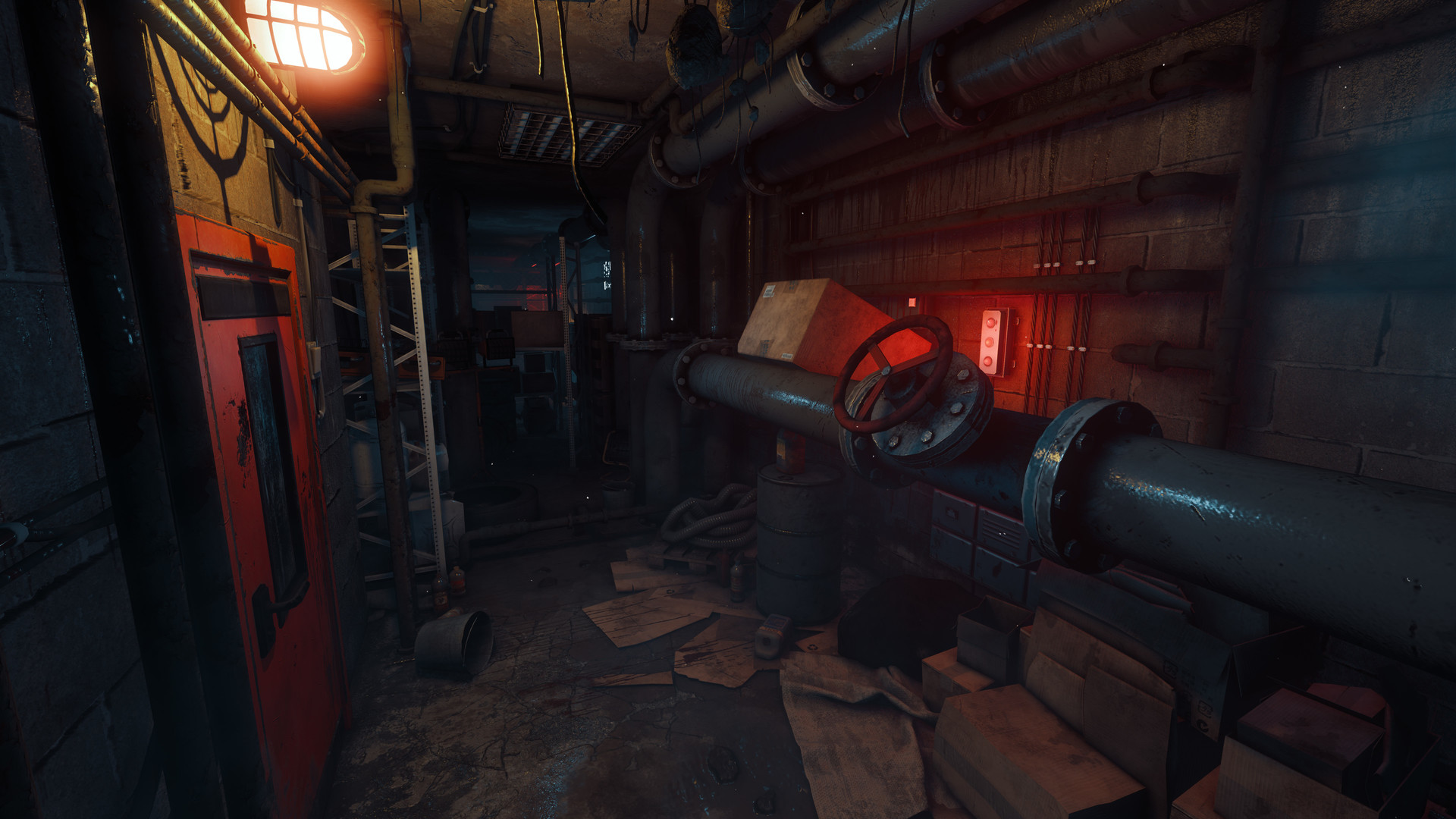
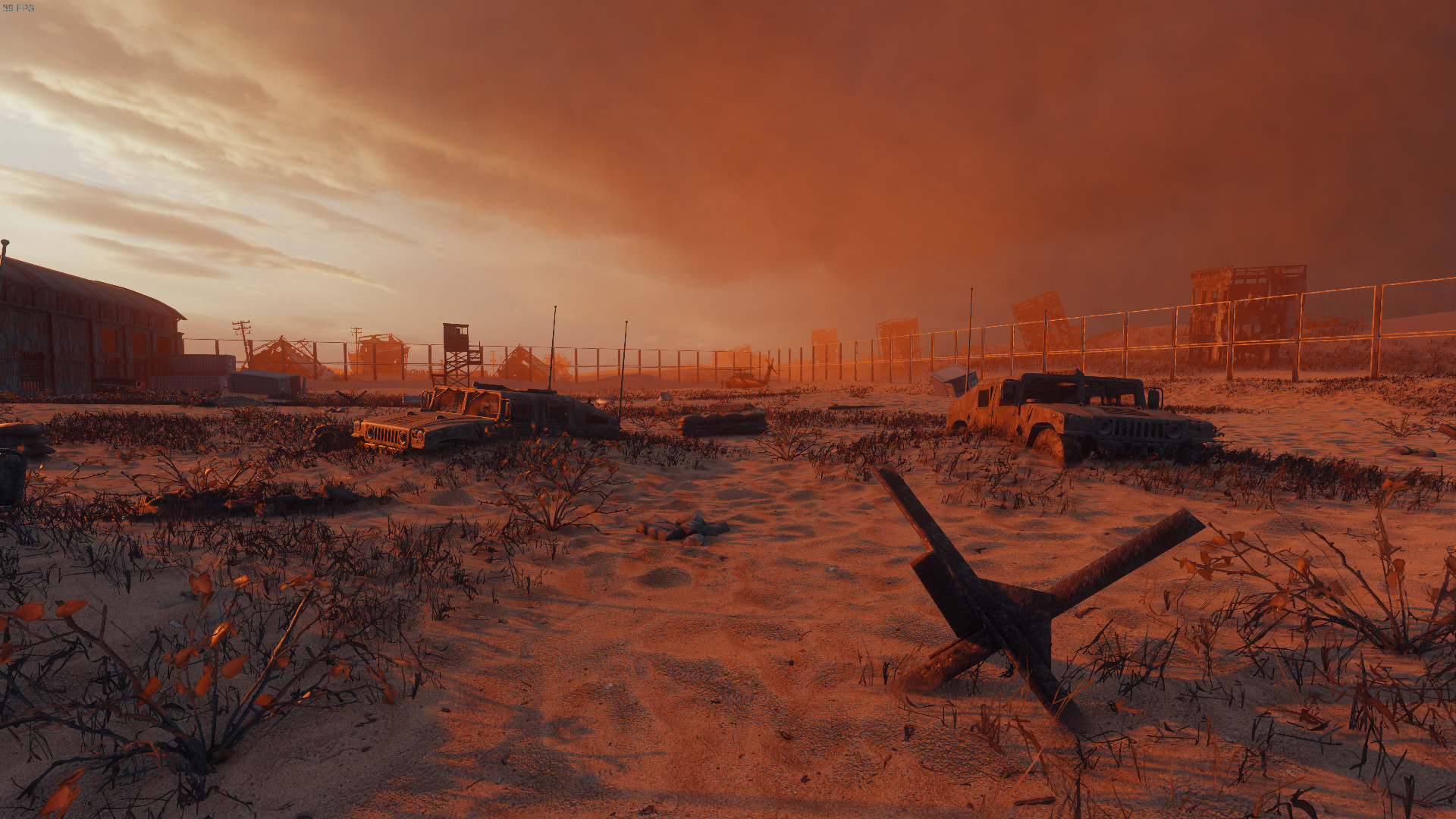
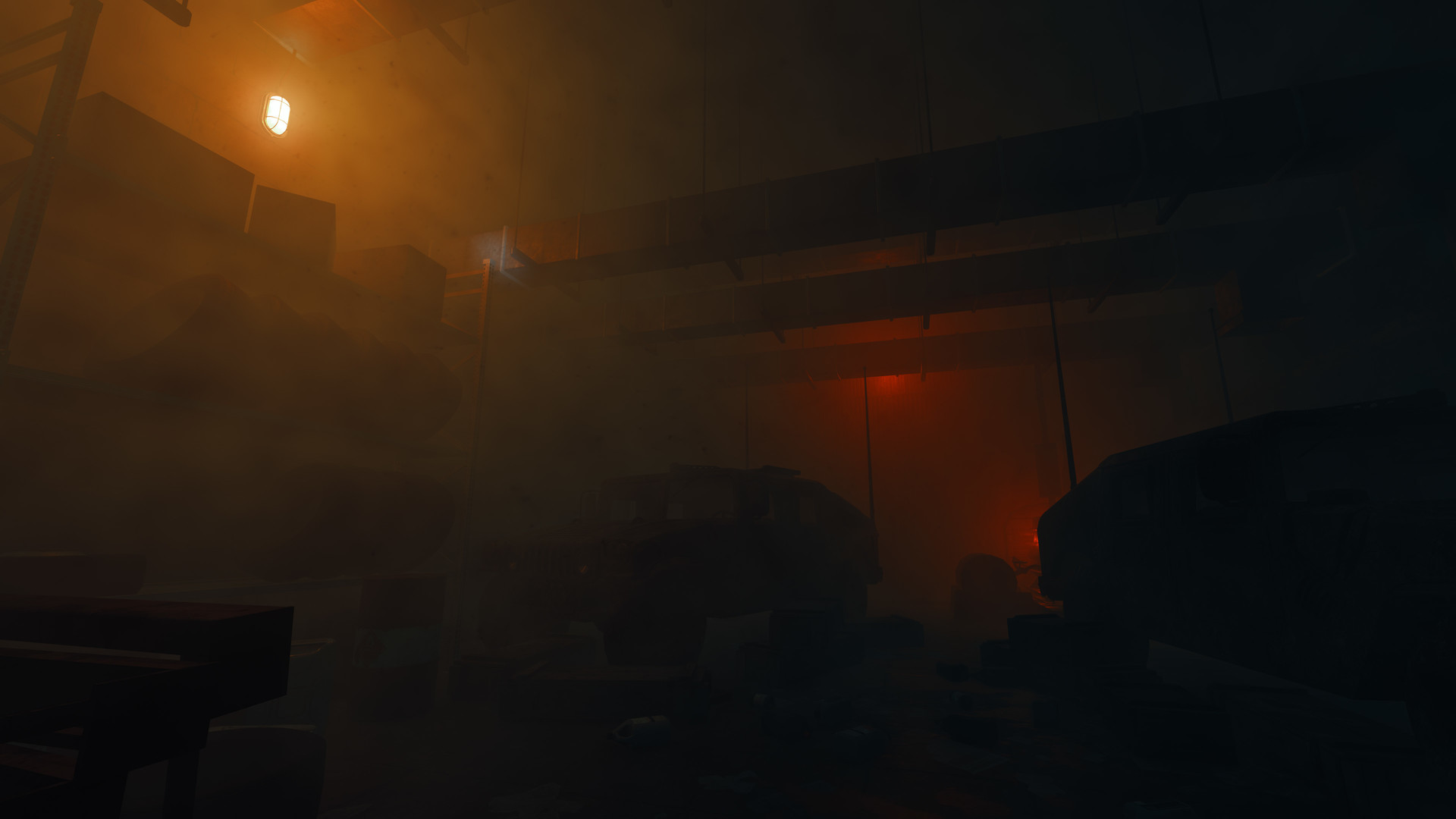
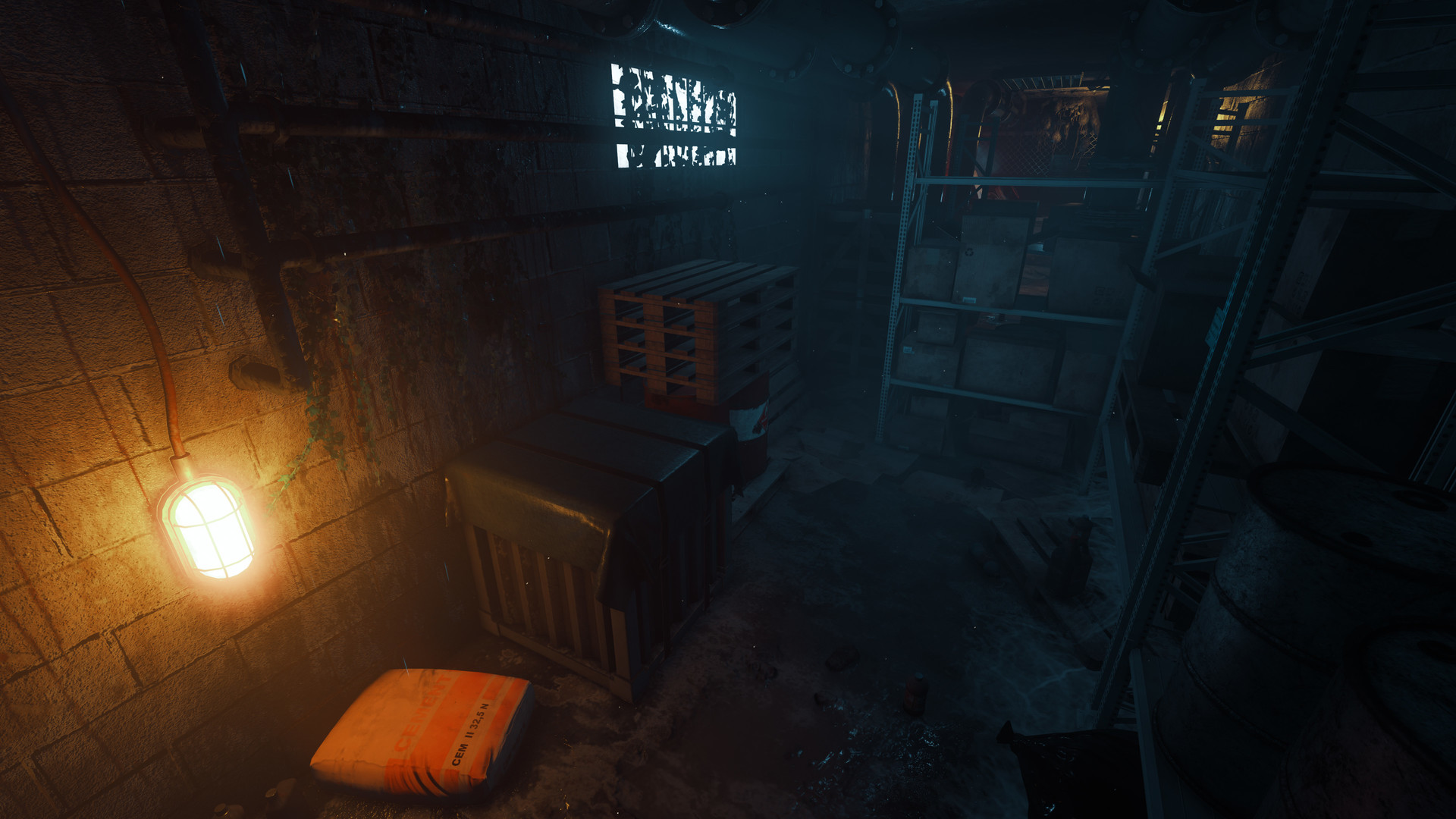
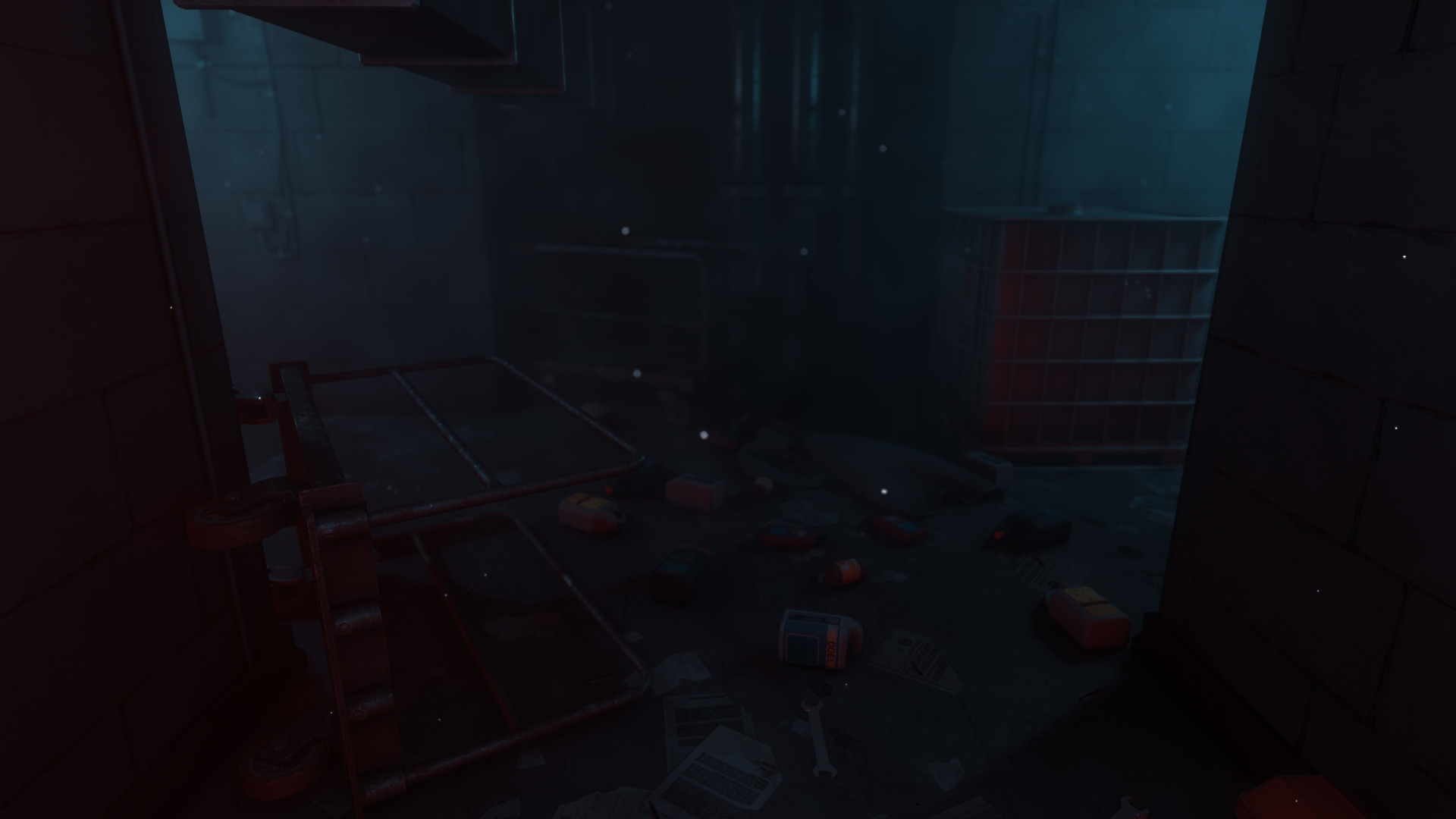
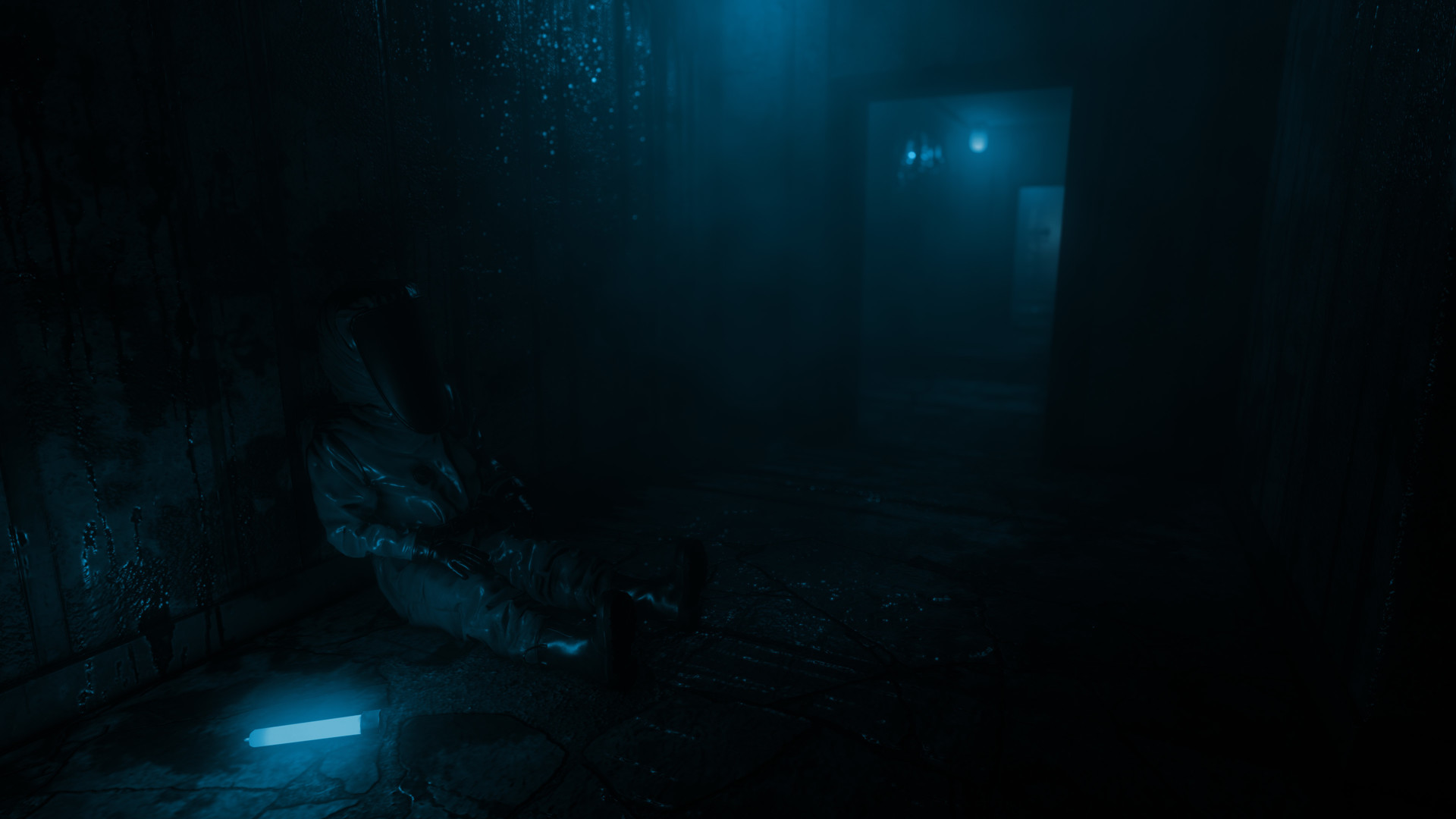
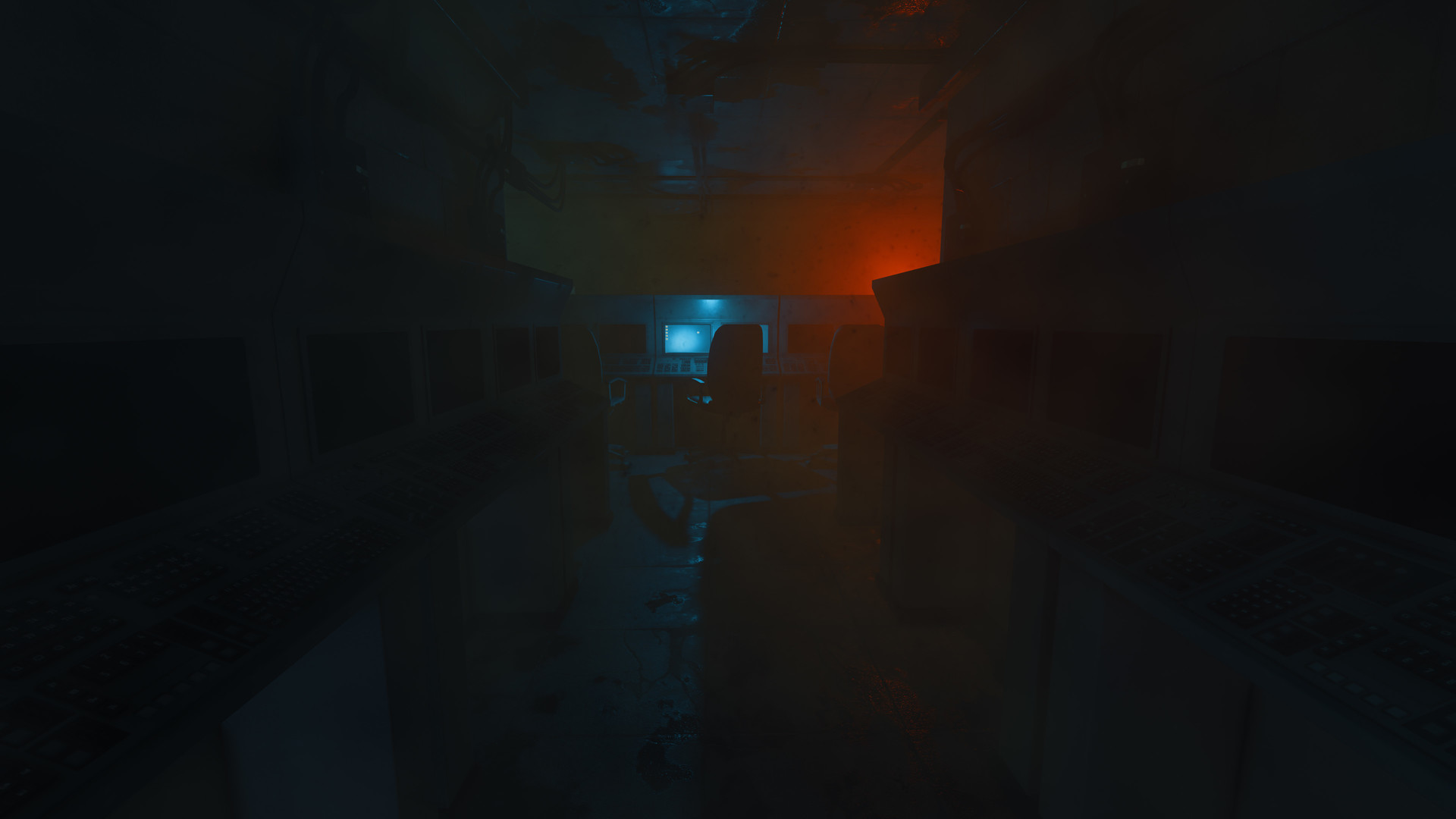
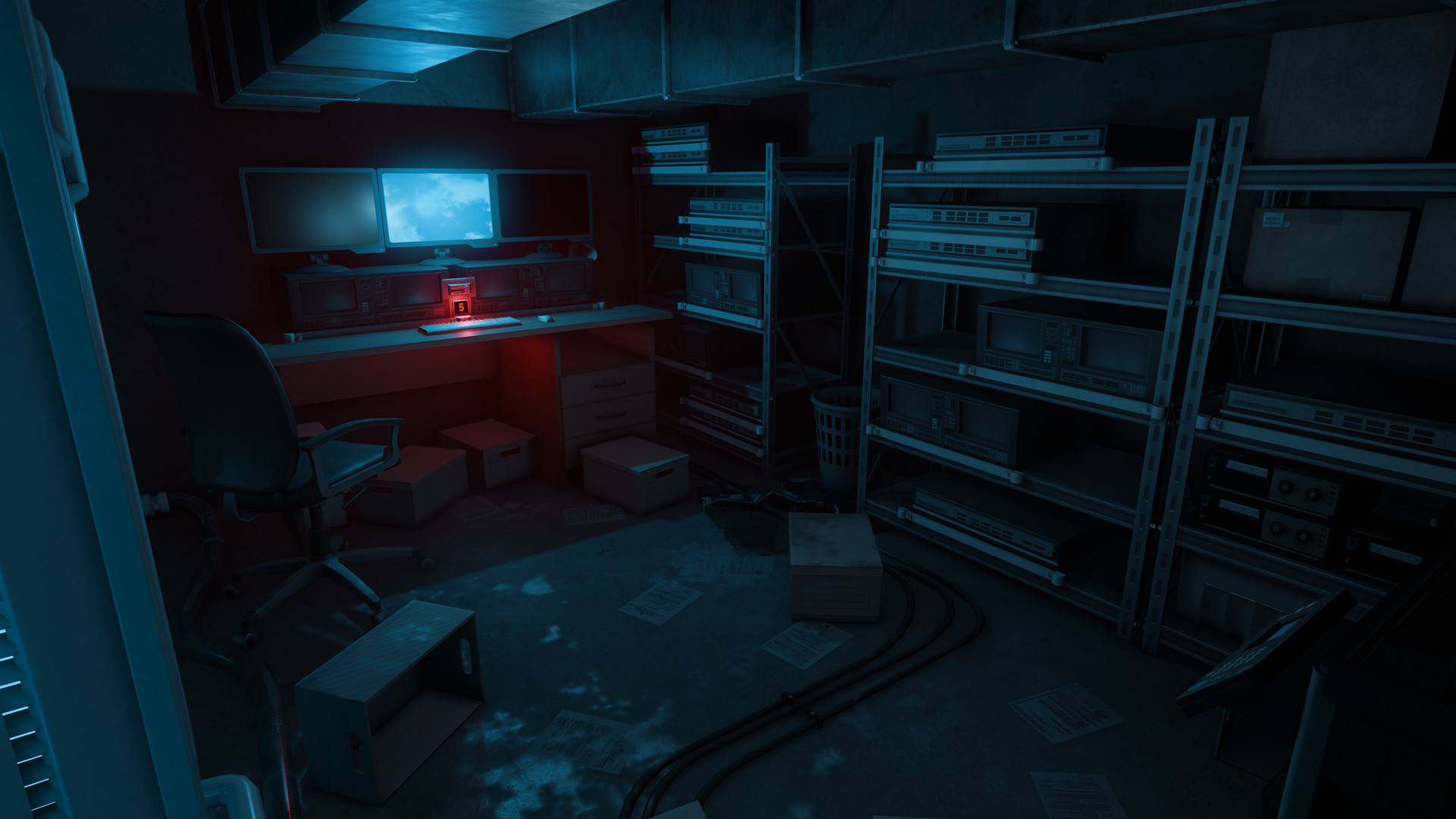
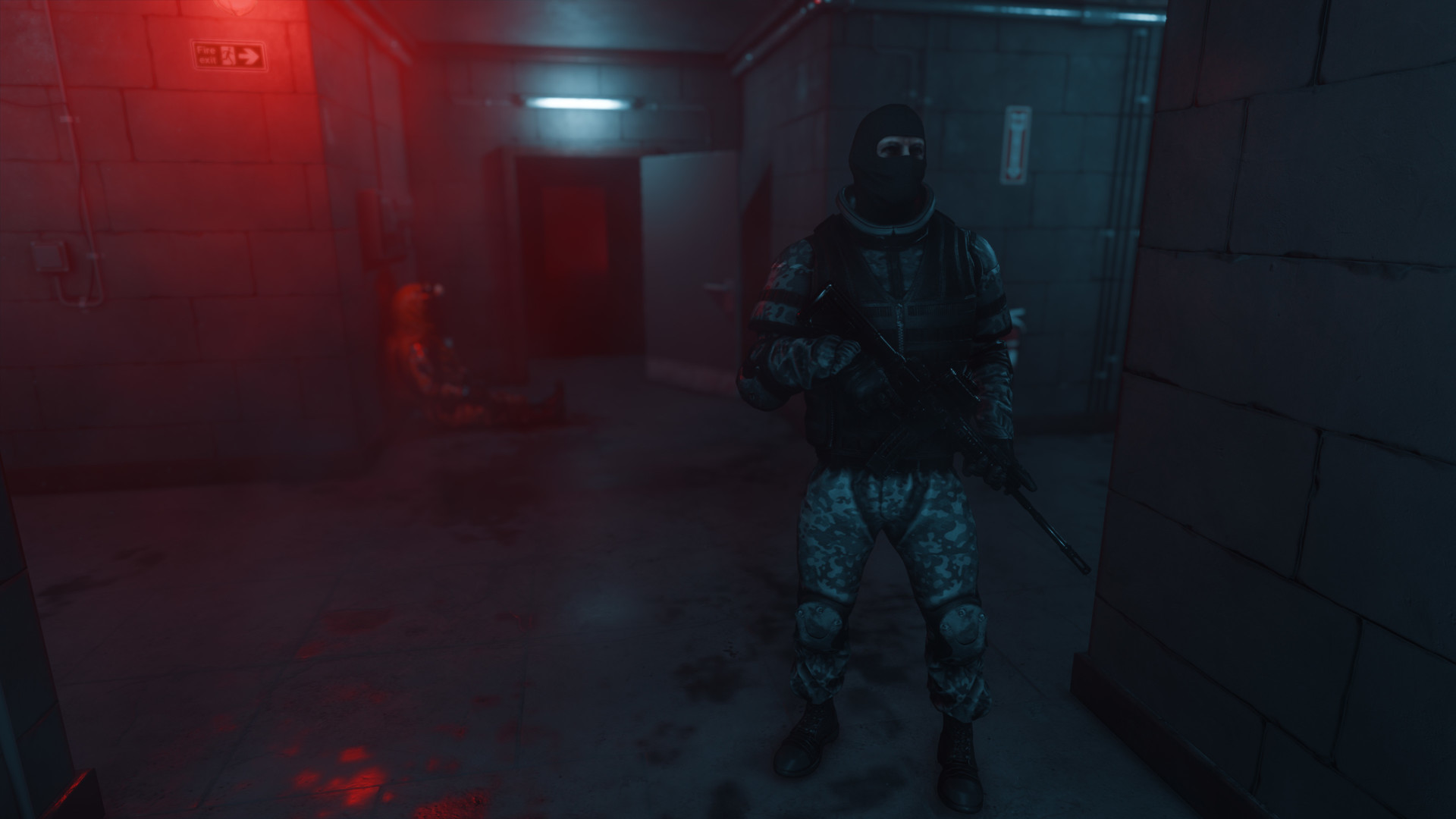
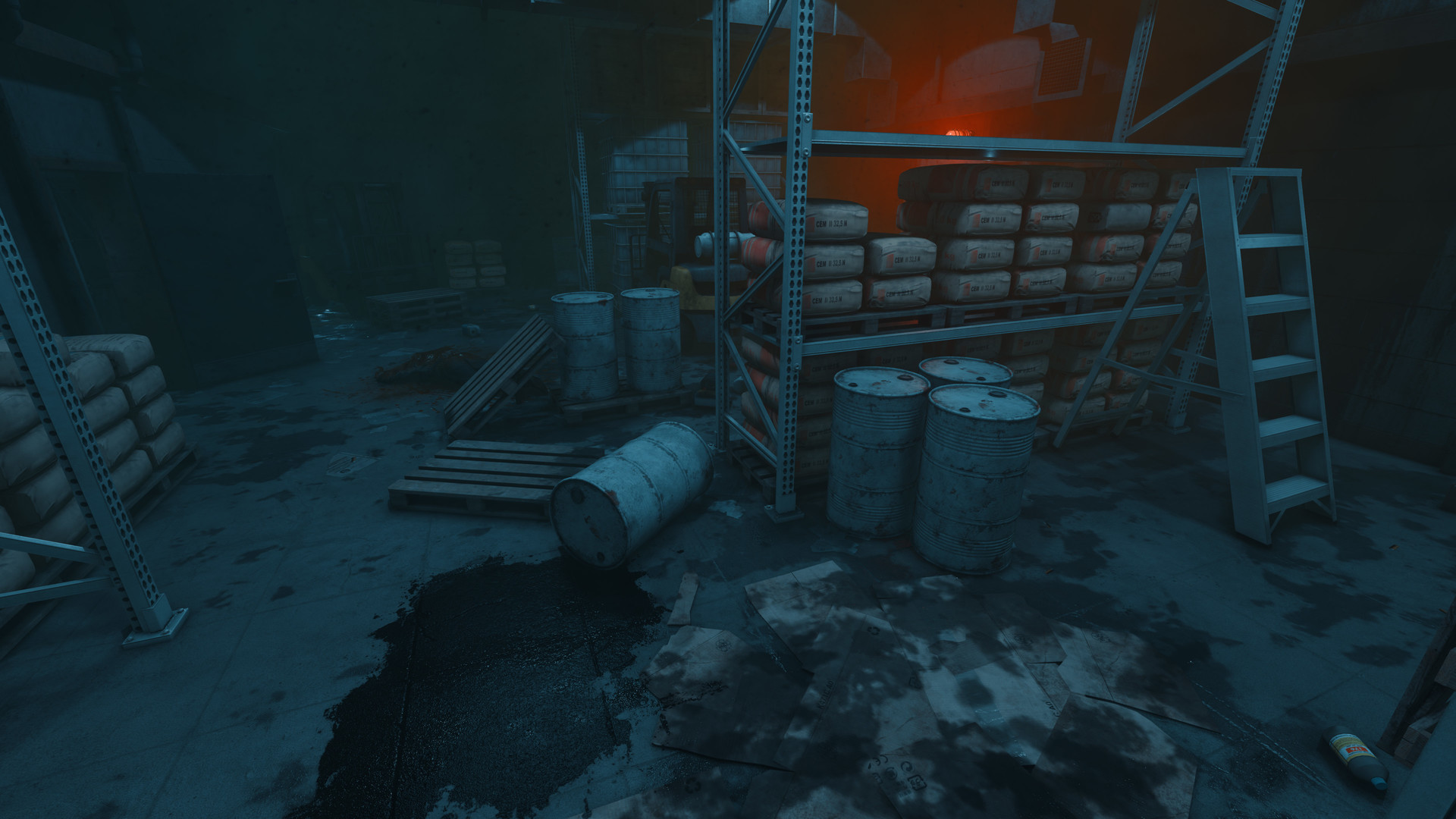
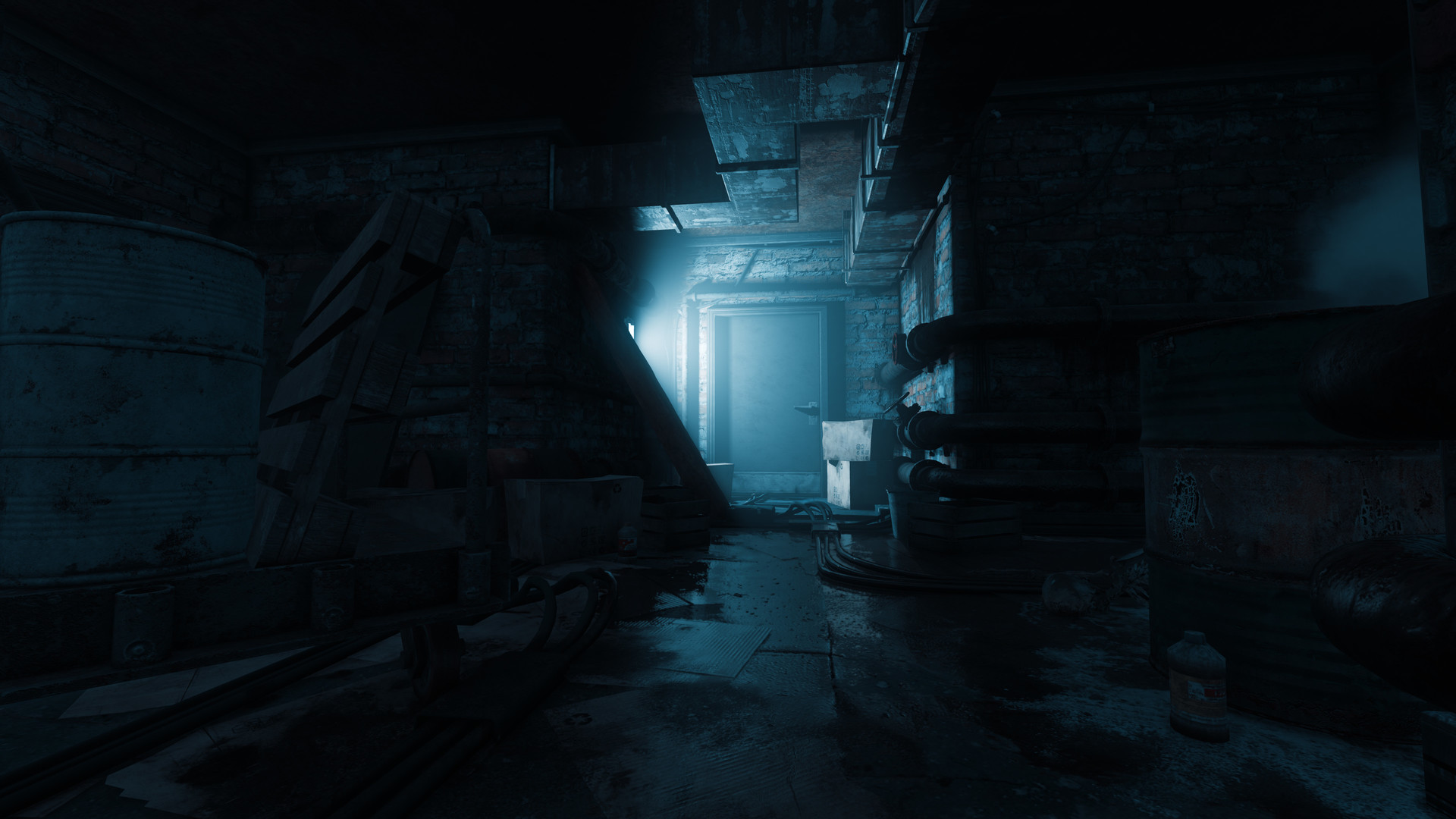
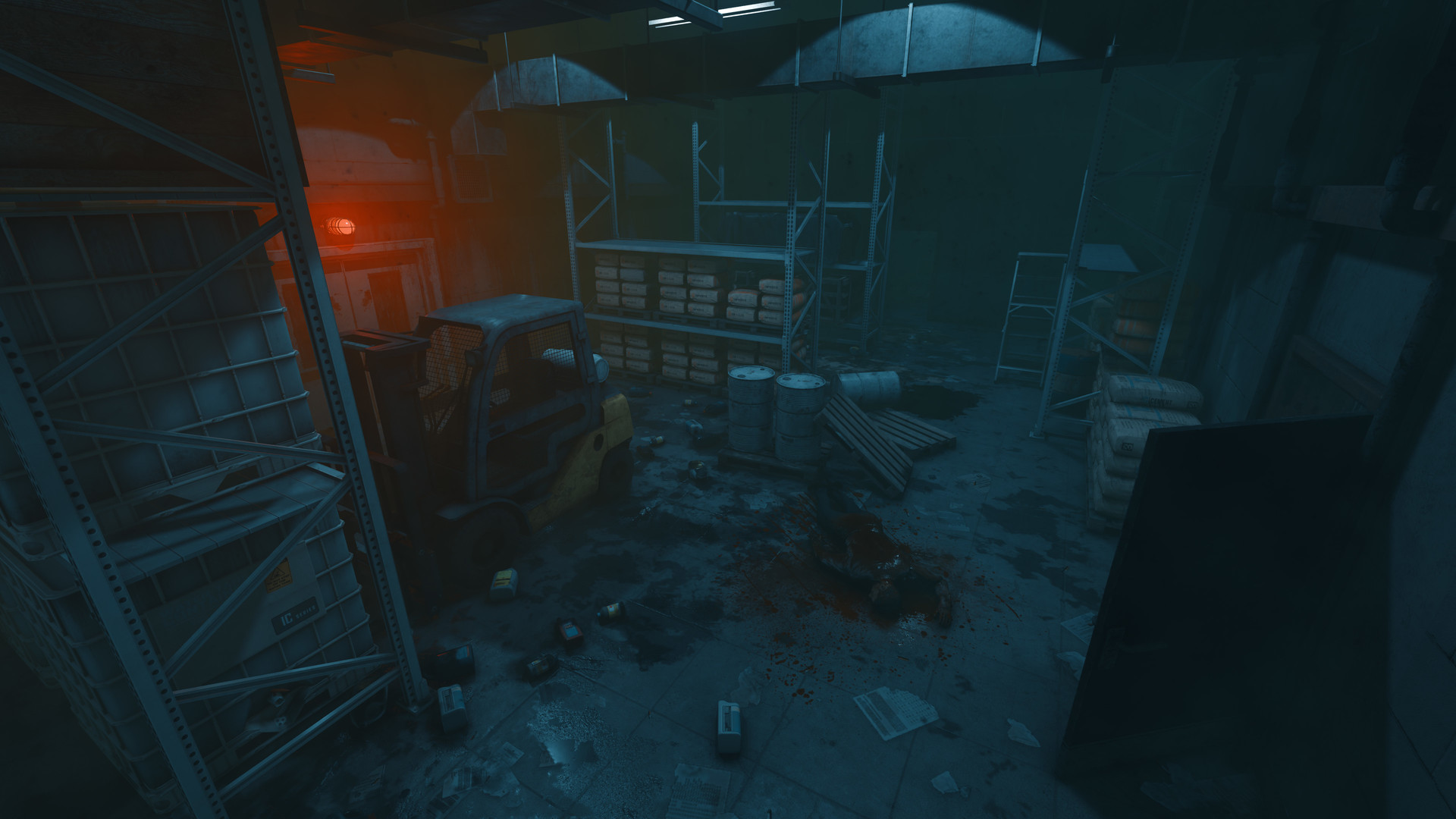
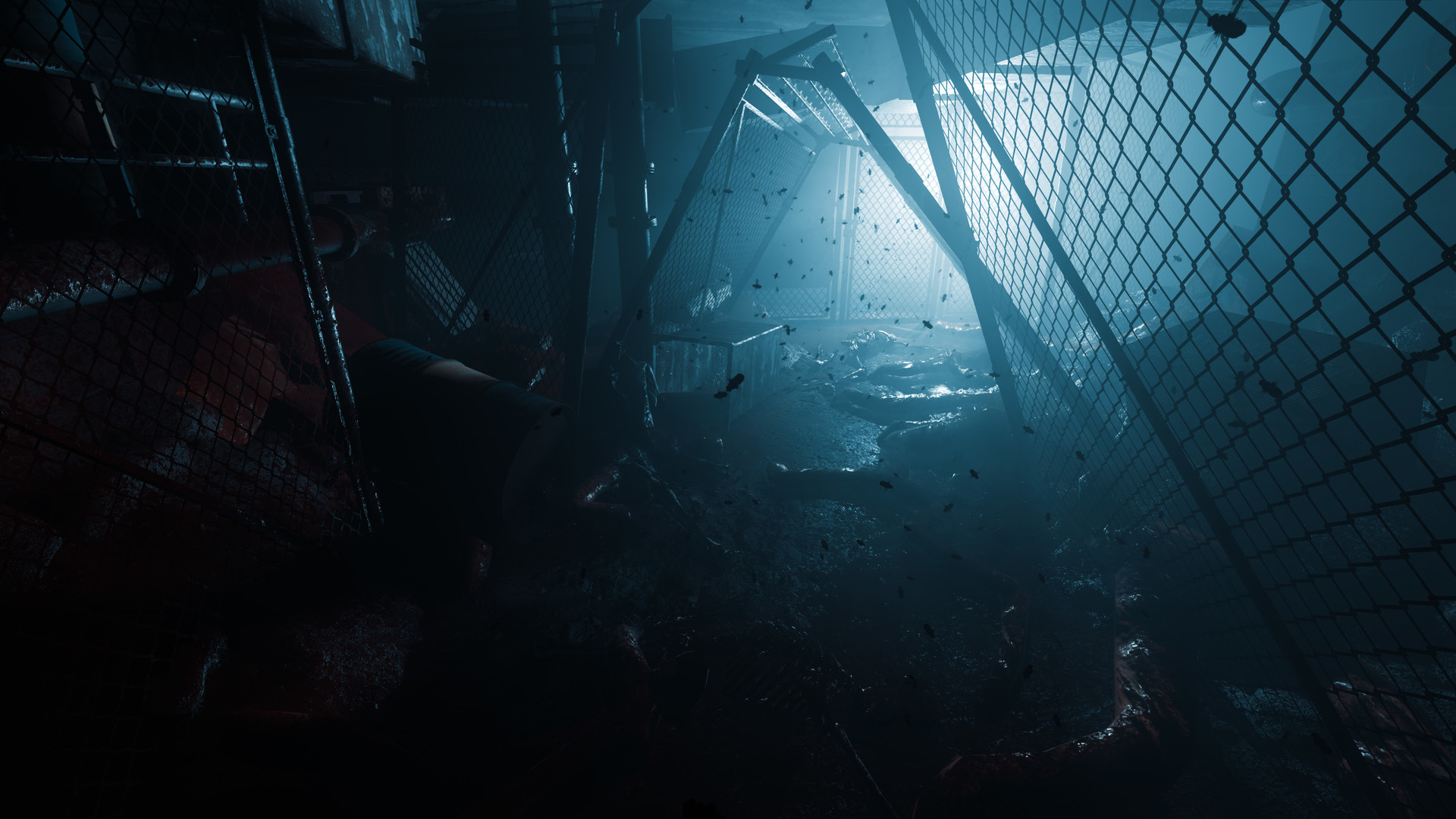
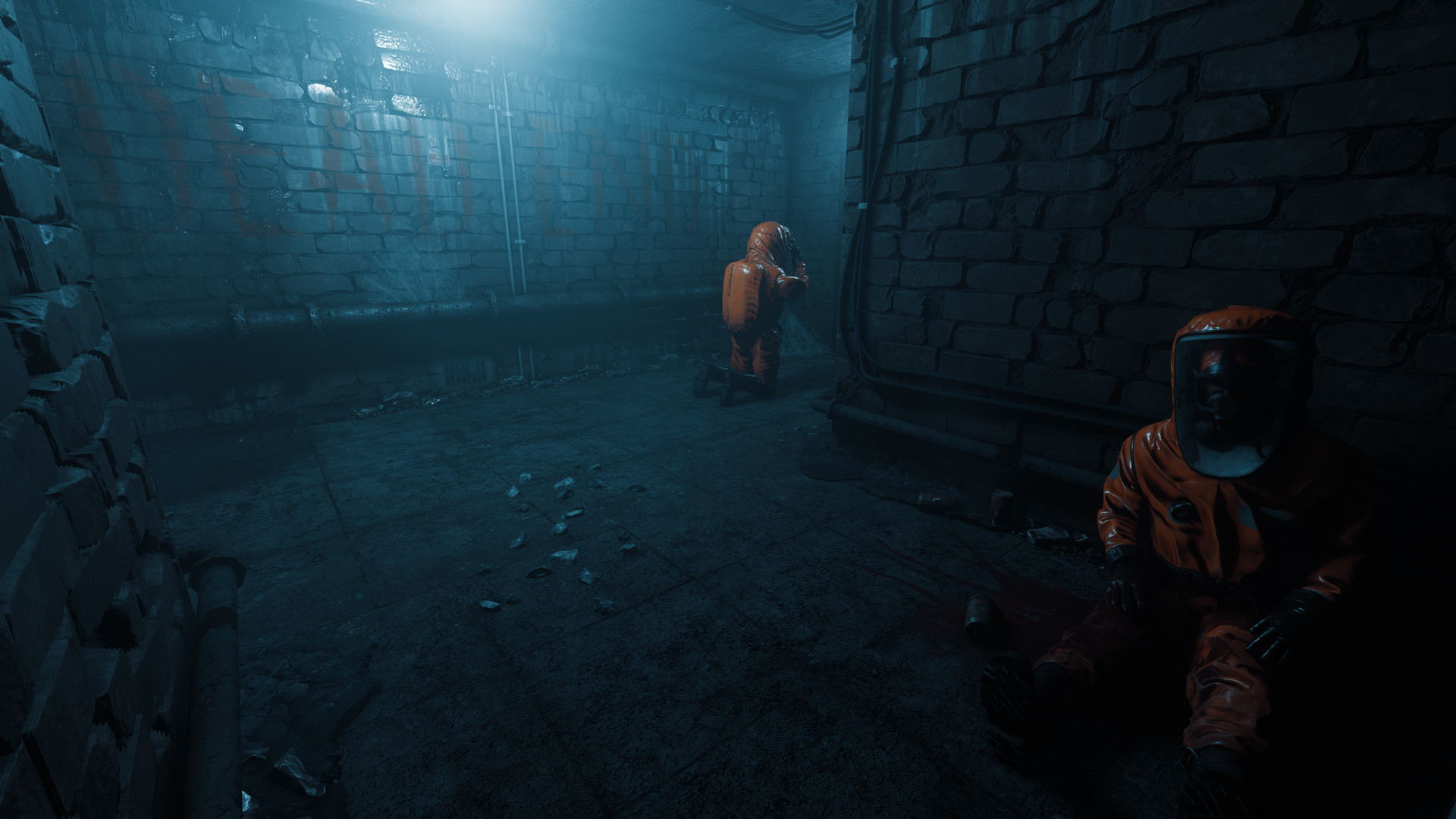
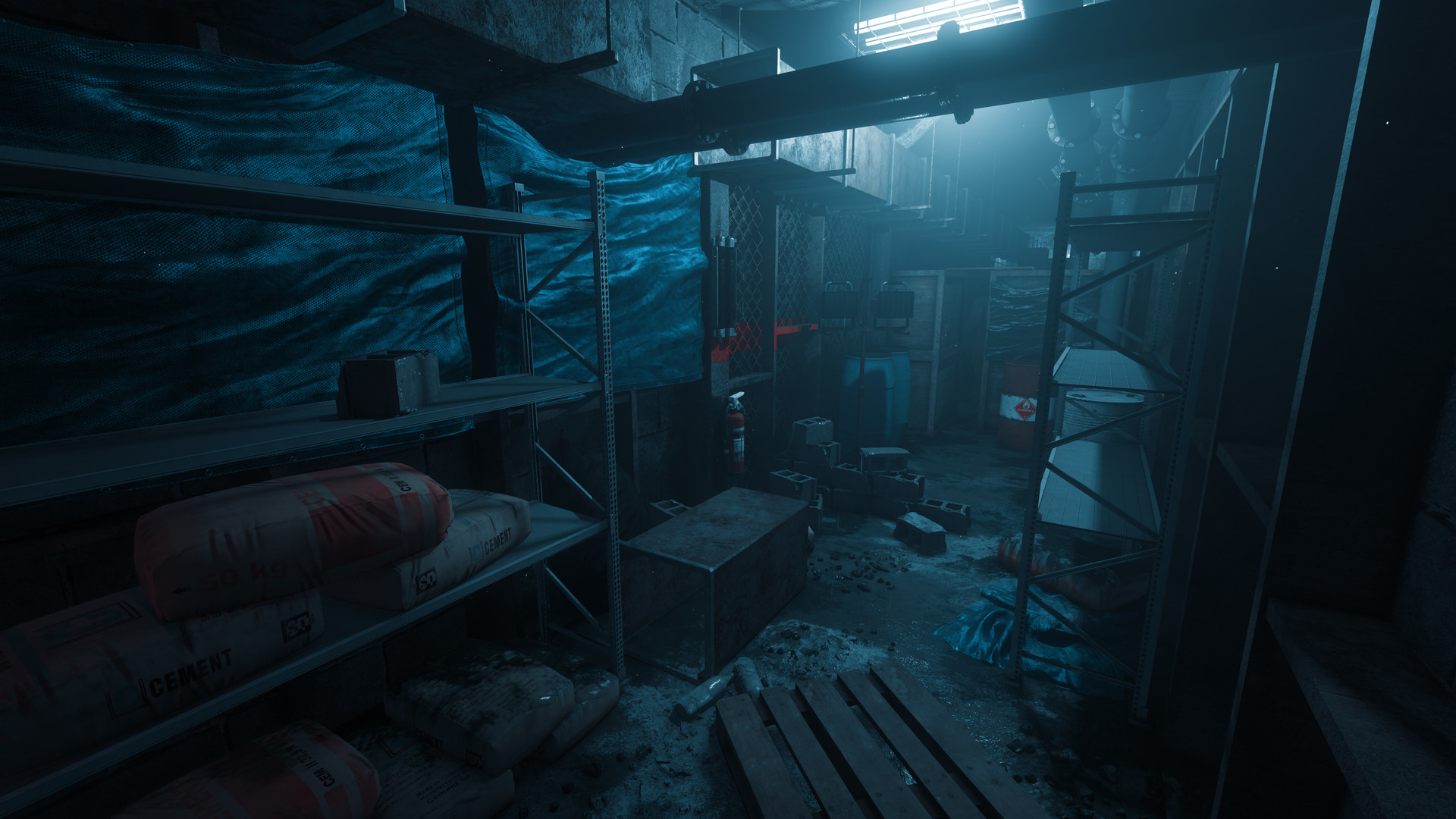
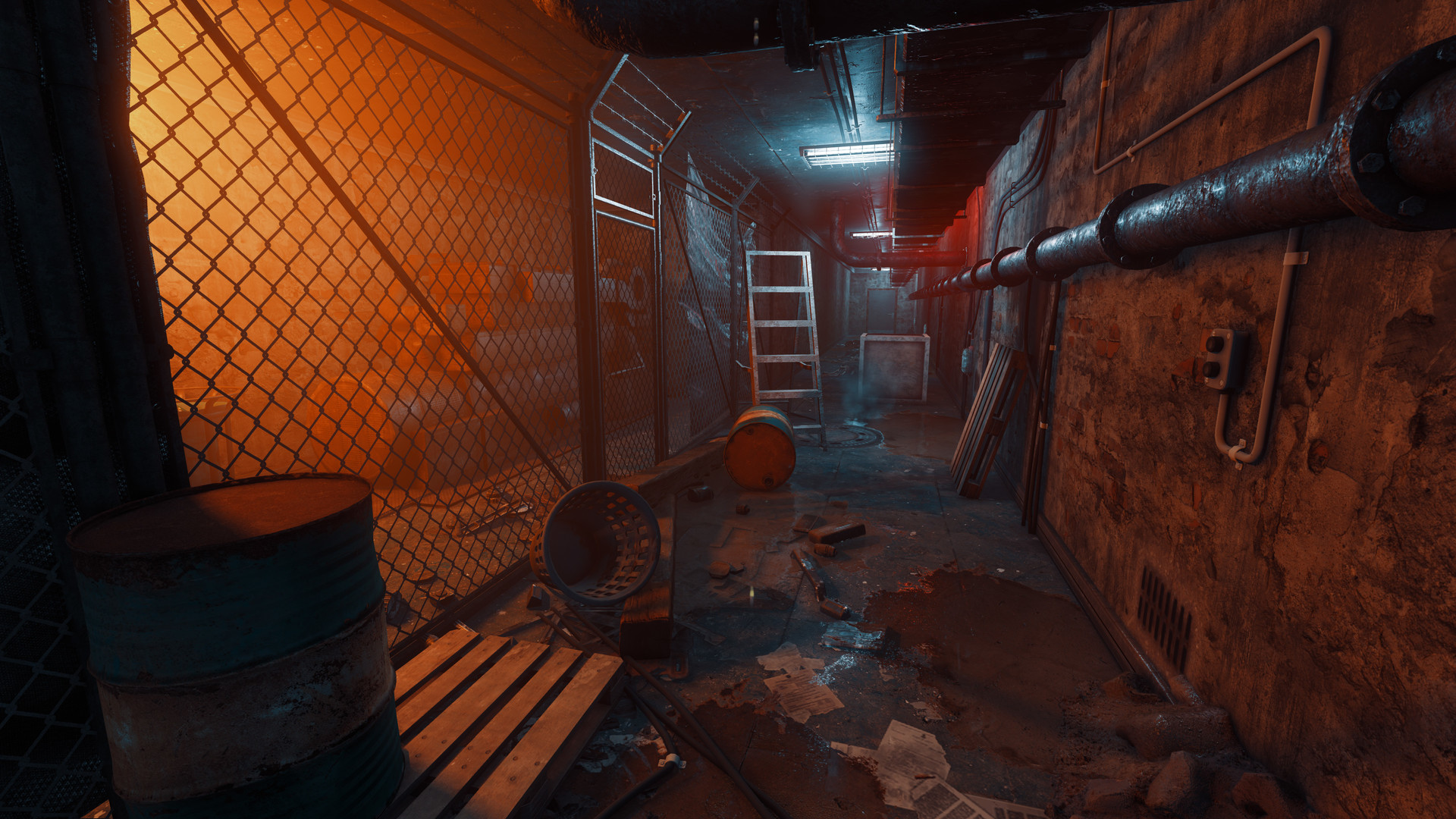
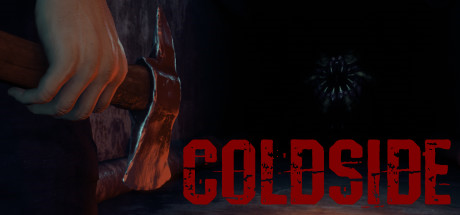
ColdSide, developed and published by AdroVGames, is a first-person psychological horror experience that thrives on atmosphere, isolation, and a sense of quiet dread rather than reliance on jump scares or constant action. The player assumes the role of Chris, a lone investigator who descends into an abandoned underground laboratory once used for researching paranormal phenomena. What follows is an unsettling descent into darkness—both literal and psychological—as the game steadily immerses you in an environment filled with lingering echoes of experiments gone wrong. ColdSide is not about survival in the conventional sense but about uncovering what lingers after humanity’s obsession with the unknown has run its course. Visually, ColdSide punches far above its weight for an independently developed title. Built in CryEngine, it showcases impressive lighting, realistic shadows, and a strong sense of environmental texture. Every corridor feels cold and metallic, with the flicker of a dying bulb or the echo of distant machinery amplifying the oppressive atmosphere. The developer’s attention to lighting is particularly noteworthy: the interplay between light and darkness is constant, manipulating the player’s sense of safety. When the game allows you a moment of brightness, it feels almost fragile—as if the light itself is being swallowed by the unseen forces inhabiting the facility. The design of the laboratory is deliberately claustrophobic, emphasizing narrow passages, derelict chambers, and flickering panels that evoke both scientific decay and supernatural interference. The visuals alone create an unease that persists even when nothing overtly threatening is present, giving the game its most powerful asset—its ability to make emptiness terrifying. The sound design enhances that tension with subtle brilliance. Instead of overwhelming the player with a constant soundtrack, ColdSide often relies on ambient sound to build unease. The hum of broken lights, the groan of steel under pressure, and the distant thump of unseen machinery blend into a symphony of industrial paranoia. The quiet moments are just as important as the loud ones, as silence in this game is never reassuring—it’s the prelude to discovery or danger. When the game does use sound for shock, it does so sparingly, ensuring that each sudden noise, each strange whisper, carries more impact than any repeated scare ever could. It’s a design philosophy that evokes the classic horror tension of games like Amnesia or Penumbra, where fear grows in the spaces between sound and silence. In terms of gameplay, ColdSide straddles the line between walking simulator and interactive mystery. The player spends most of the time exploring the abandoned facility, examining clues, reading scattered notes, and piecing together what went wrong. There is little direct combat; instead, the game builds tension through environmental puzzles and scripted encounters that rely on timing and observation. Each area is carefully crafted to serve a specific narrative or emotional function, guiding you deeper into the lab’s secrets while maintaining a steady sense of progression. Though the gameplay is linear, it never feels static—the changes in environment and pacing keep the experience from stagnating. The occasional puzzle or obstacle breaks up the exploration, but the emphasis remains squarely on discovery and immersion. Narratively, ColdSide is intentionally fragmented, inviting the player to interpret events rather than presenting a neatly structured story. Through logs, environmental storytelling, and subtle visual cues, the picture slowly forms of a research facility that meddled with phenomena it could not control. Themes of obsession, curiosity, and moral collapse underpin the tale, though much is left open-ended. The story’s structure encourages reflection more than comprehension, and the sparse dialogue keeps the focus on atmosphere and tone. While the writing may occasionally fall into familiar tropes—secret experiments, supernatural anomalies, and a lone investigator uncovering forbidden truths—the execution carries a sincerity that keeps it engaging. Multiple endings offer a modest degree of replay value, allowing players to see how small choices and exploration paths alter Chris’s fate. Technically, ColdSide runs smoothly and makes good use of its limited scope. The small-scale design ensures that performance remains stable even on moderate hardware. However, the lack of mid-chapter saves can be frustrating, especially for those who prefer shorter play sessions. The game saves only at chapter boundaries, meaning that quitting mid-way often forces a replay of large sections. While this design choice preserves immersion, it can also disrupt pacing for players who lose progress after a long exploration session. There are also moments when the pacing dips, particularly in late-game sequences that repeat certain tasks or visuals, but these issues are minor when viewed against the overall experience. ColdSide’s brevity works to its advantage. At around three to four hours, it delivers a concise and focused narrative without overstaying its welcome. Every section serves a purpose, and the game ends before repetition dulls its tension. That compactness gives it the rhythm of a well-crafted short story—a contained nightmare that leaves just enough unanswered to linger in the player’s mind. The lack of filler content keeps the atmosphere consistently taut, ensuring that the game’s greatest strength—its sense of isolation—remains unbroken from beginning to end. As a whole, ColdSide succeeds as a minimalist but striking entry in the psychological horror genre. It may not boast deep mechanics or a groundbreaking narrative, but its mastery of tone, lighting, and sound make it a memorable descent into the unknown. The game captures the claustrophobic fear of being alone in a place where science and the supernatural have collided, and it does so with a restraint that many bigger titles lack. For players who appreciate slow-burn horror built on tension rather than spectacle, ColdSide is a chilling reminder that sometimes the scariest thing in the dark is not what moves—but what waits. Rating: 8/10
Expand the review