

Ether One
Ether One is a first person adventure that deals with the fragility of the human mind. There are two paths in the world you can choose from. At its core is a story exploration path free from puzzles where you can unfold the story at your own pace.
Sync your Steam wishlist to find the lowest game prices instantly. No login required, just paste your Steam profile URL!
⚡ Try Wishlist Radar!
Sync your Steam wishlist to find the lowest game prices instantly. No login required!
⚡ Try Wishlist Radar!
Close

Cradle on Steam
Quick menu
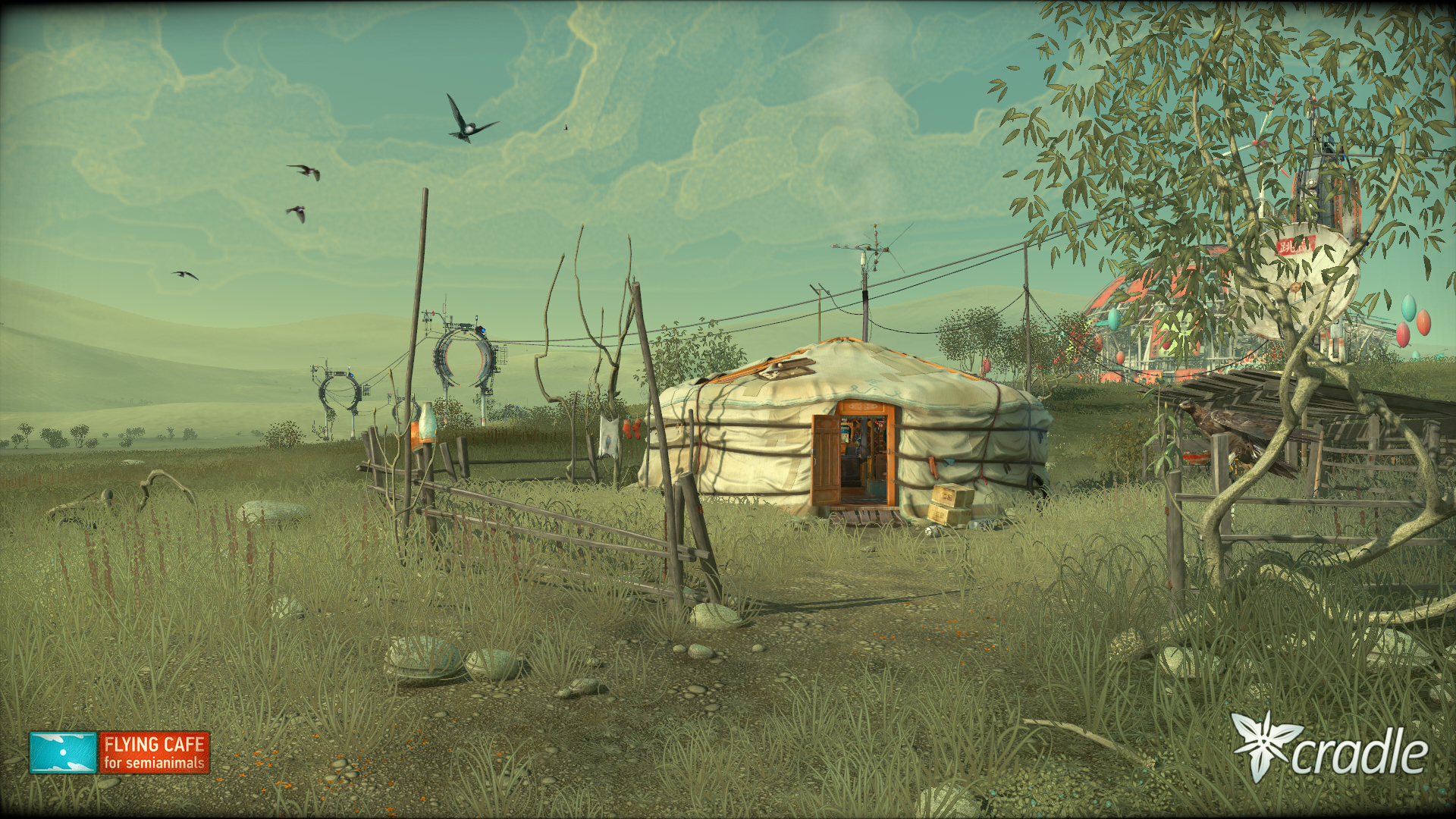
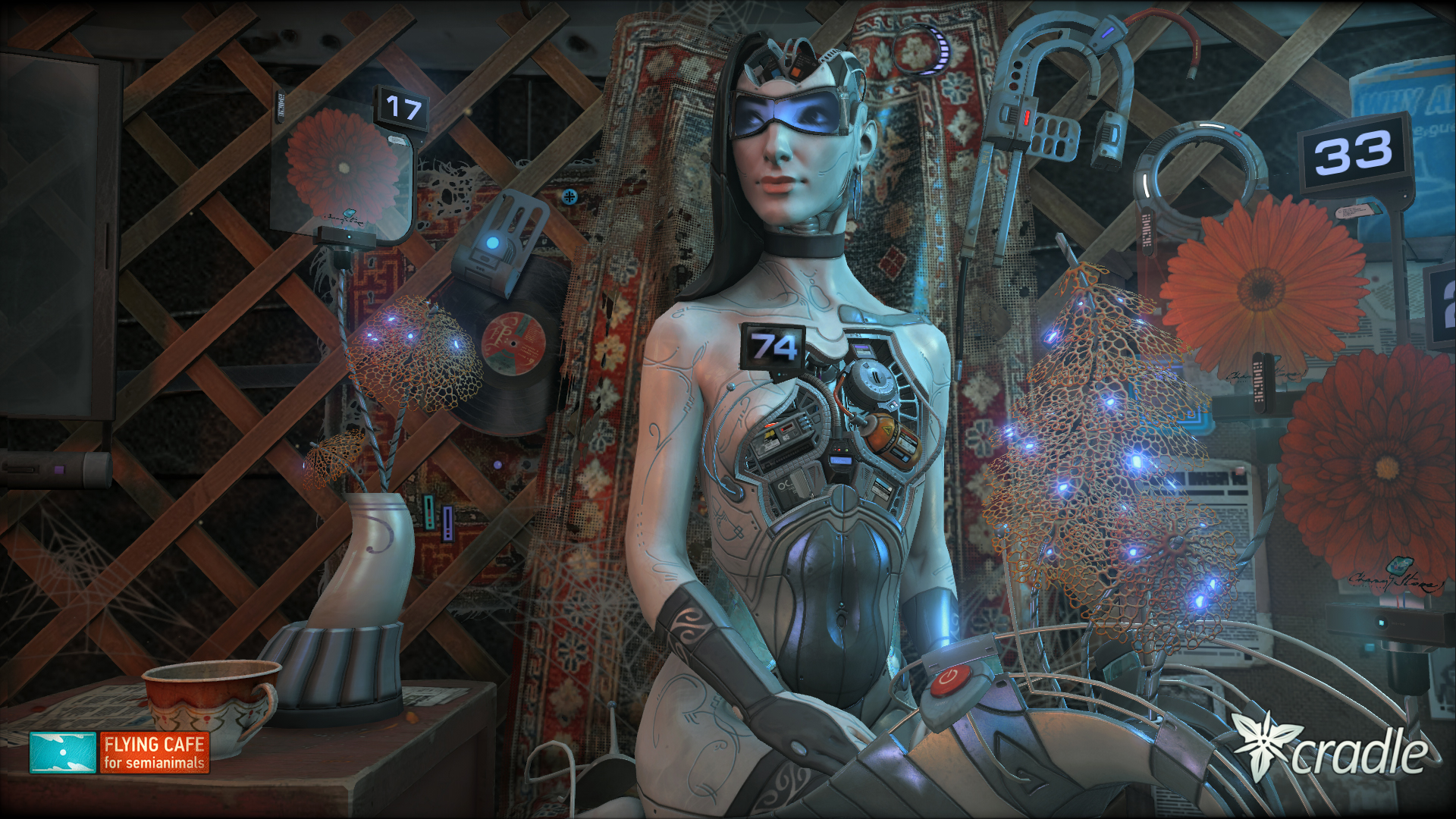
Cradle is a sci-fi first-person-view quest designed for the player to explore the surrounding world. The story is built around the relations of the protagonist and a mechanical girl who by quirk of fate found themselves amidst the desert.
Cradle is a adventure, indie and sci-fi game
developed and published by Flying Cafe for Semianimals.
Released on July 24th 2015 is available on Windows and Linux.
It has received 1,955 reviews of which 1,382 were positive and 573 were negative resulting in a rating of 6.9 out of 10. 😐
The game is currently priced at 12.99€ on Steam.
The Steam community has classified Cradle into these genres:
Media & Screenshots
Get an in-depth look at Cradle through various videos and screenshots.
Load More

System requirements
These are the minimum specifications needed to play the game. For the best experience, we recommend that you verify them.
Windows
- OS: WindowsXP SP3 or higher
- Processor: Intel Core2 Duo or equivalent AMD
- Memory: 2 GB RAM
- Graphics: DirectX9c compliant card with 512MB
- DirectX: Version 9.0c
- Storage: 3 GB available space
Linux
- OS: Ubuntu 12
- Processor: Intel Core2 Duo or equivalent AMD
- Memory: 2 GB RAM
- Graphics: OpenGl compliant card with 512MB
- Storage: 3 GB available space
Steam Price & Best Deals
User reviews & Ratings
Explore reviews from Steam users sharing their experiences and what they love about the game.
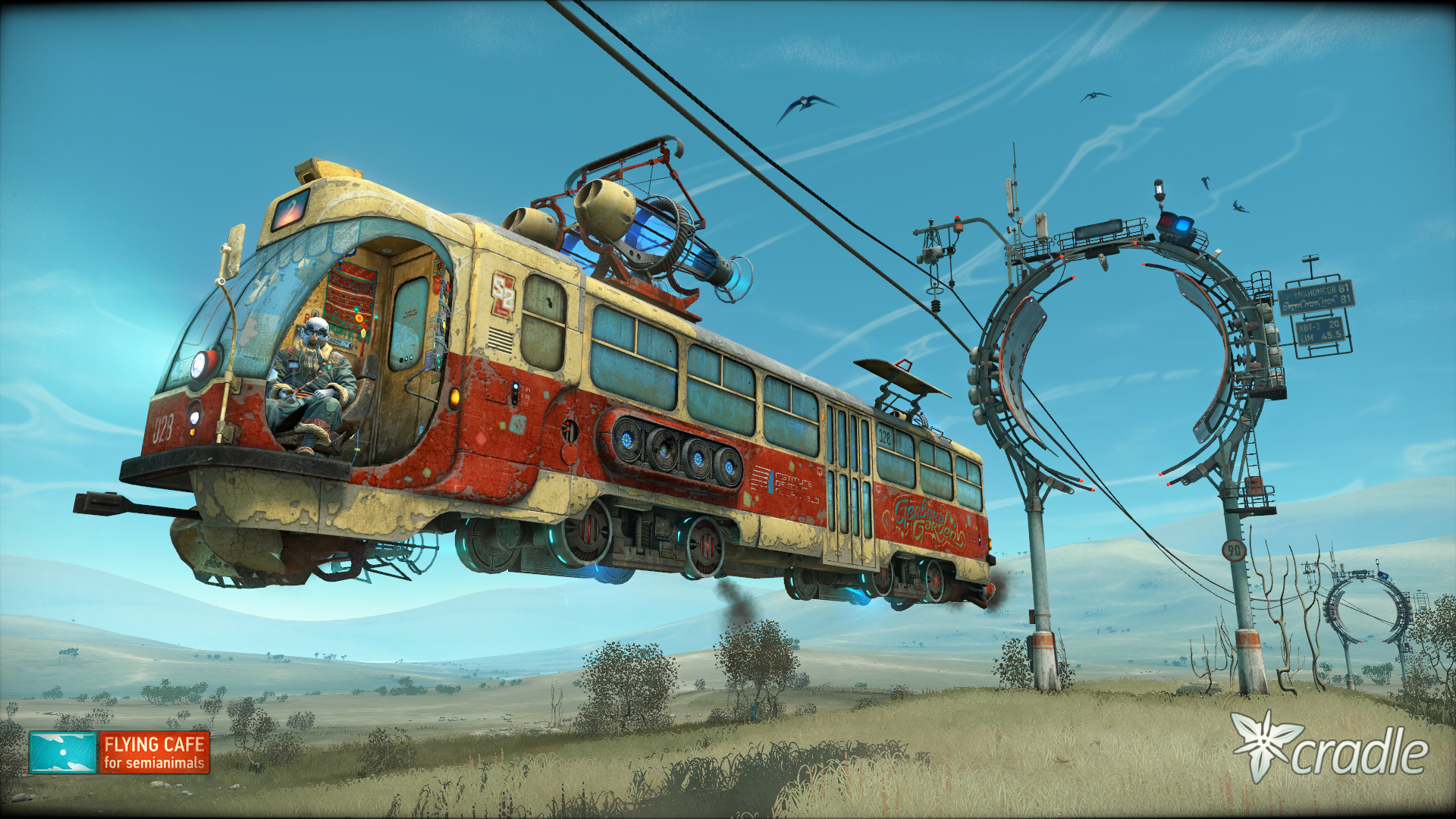
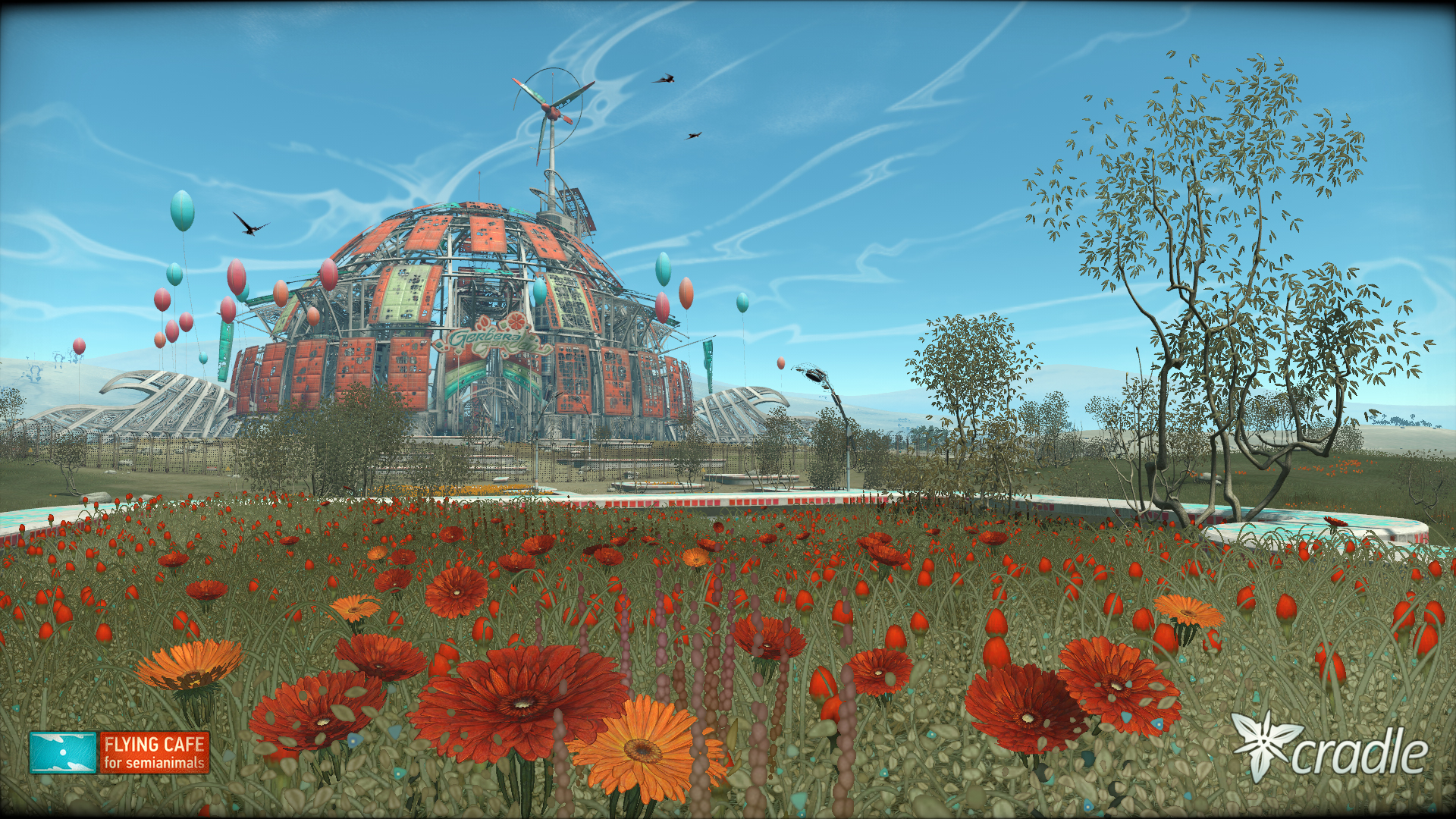
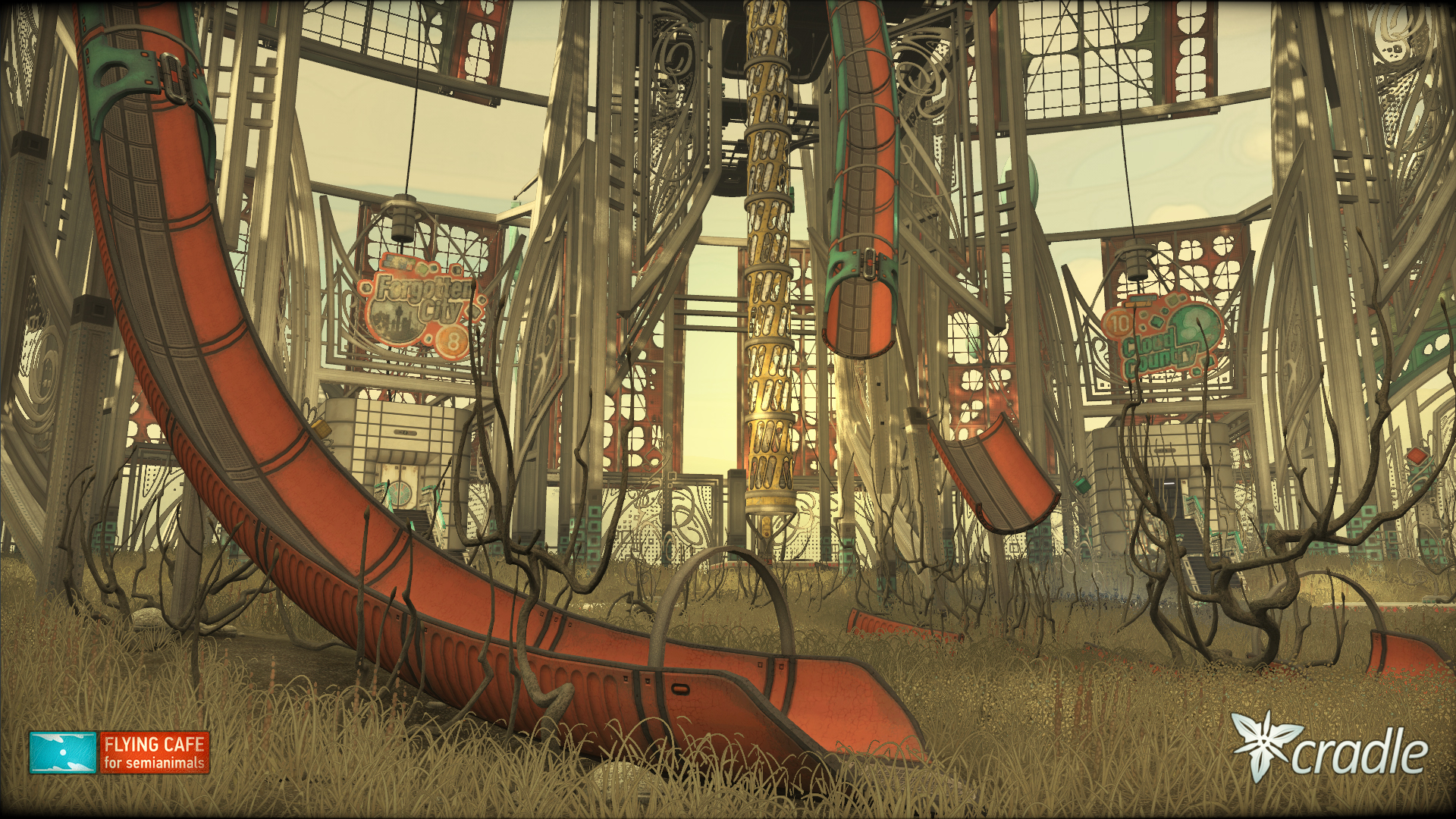
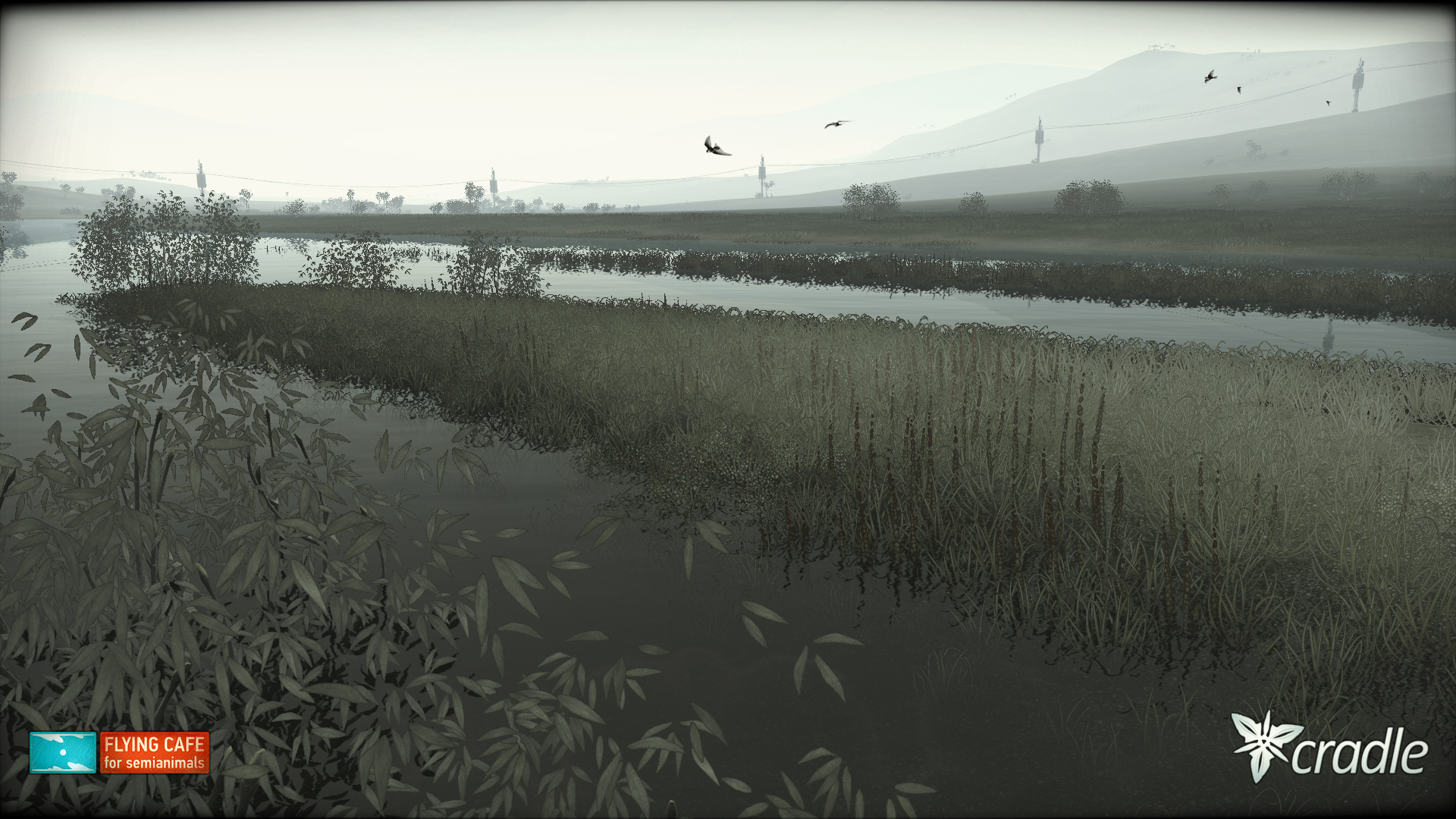
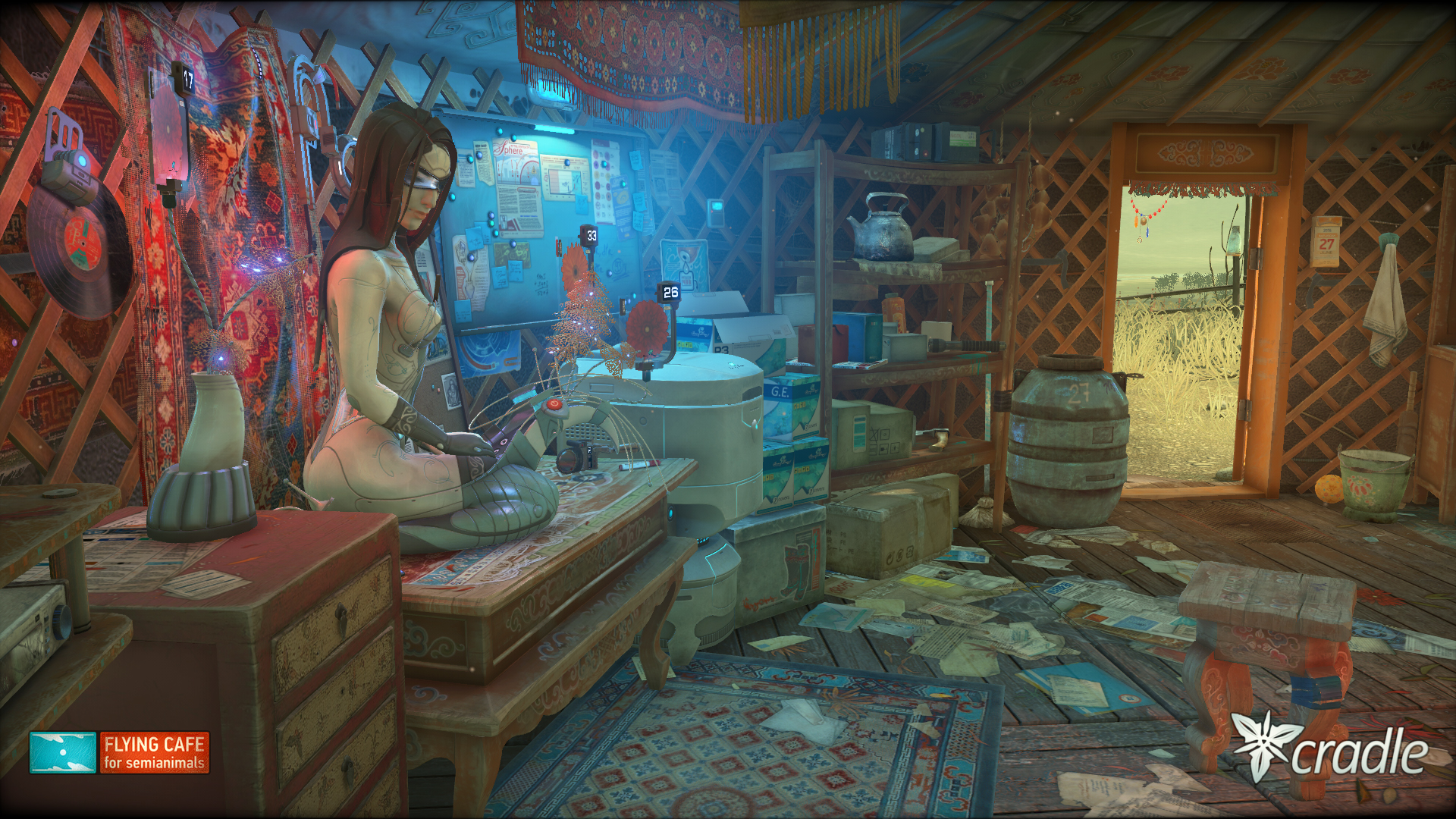
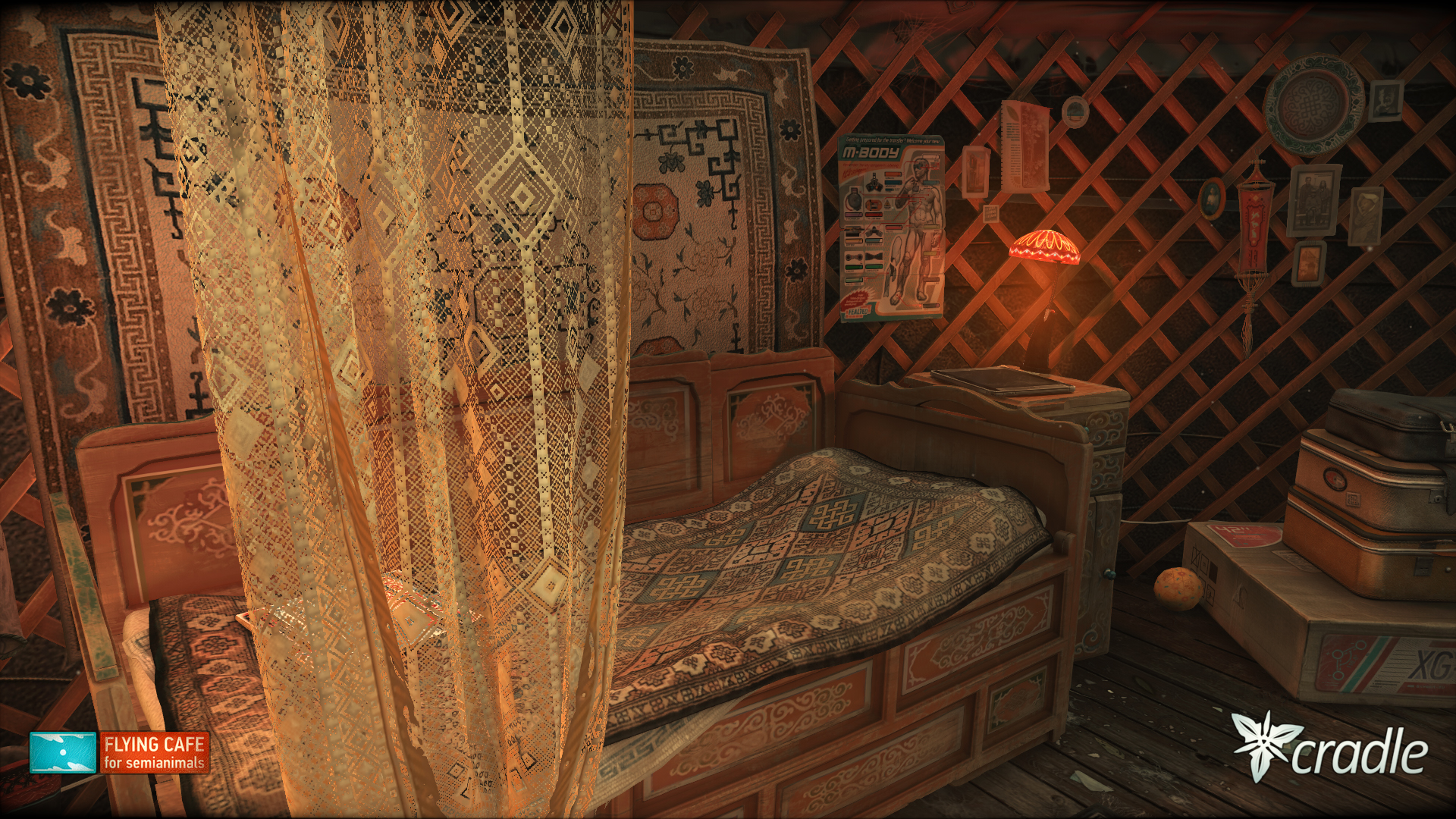
Cradle is a first-person science-fiction adventure developed and published by the Ukrainian indie studio Flying Cafe for Semianimals. Released on Steam in 2015, the game stands out for its unusual setting, philosophical narrative, and emphasis on quiet exploration rather than traditional action gameplay. Rather than relying on combat or fast-paced mechanics, the experience is built around atmosphere, environmental storytelling, and slow discovery. It belongs to a category of narrative exploration games where curiosity and observation drive the player forward, and where the world itself gradually reveals the story. The game opens with an intriguing mystery. The protagonist awakens inside a traditional Mongolian yurt with little understanding of how he arrived there. Sharing the small dwelling is the inactive body of a mysterious mechanical woman whose systems appear to be malfunctioning. This strange introduction immediately establishes a sense of curiosity and unease. The player’s initial objective is to repair the android companion and help restore her functionality, but the situation quickly grows more complex as new questions emerge about who the protagonist really is, why the mechanical girl exists, and what kind of future world surrounds them. The setting of Cradle plays a major role in shaping the game’s identity. The entire adventure takes place on the vast Mongolian steppe, a quiet and windswept environment where ancient nomadic traditions coexist with futuristic technology. This unusual contrast between rustic yurts and advanced robotics creates an atmosphere that feels both grounded and surreal. In the distance lies an abandoned amusement park that becomes one of the central locations of the story. Its colorful yet decaying rides and attractions provide a haunting reminder of a past society that no longer exists, and exploring this strange park becomes one of the key ways the player uncovers the deeper narrative. Gameplay revolves around exploration and puzzle solving from a first-person perspective. The world is not enormous, but it is filled with objects and details that encourage players to look closely at their surroundings. Notes, photographs, electronic devices, and scattered personal belongings all contribute pieces to the game’s fragmented backstory. Much of the narrative is delivered indirectly through these environmental clues rather than through traditional cutscenes. This approach encourages players to interpret the story themselves, slowly assembling an understanding of the world’s history and the technological experiments that shaped it. The puzzles themselves vary in complexity. Some involve locating specific items or repairing mechanical devices, while others require interacting with unusual technology scattered throughout the world. A particularly distinctive feature of the game involves entering virtual environments within arcade-like machines found in the abandoned amusement park. These segments shift the gameplay into small platforming challenges that must be completed in order to unlock new parts of the story. While these puzzles add variety to the gameplay, they sometimes feel disconnected from the otherwise contemplative pace of the main exploration. One of the strongest aspects of Cradle is its visual design. The environments are richly detailed and filled with subtle storytelling elements that make the world feel lived in. The open steppe stretches endlessly beneath wide skies, emphasizing the isolation of the protagonist’s situation. Inside the yurt and other interior spaces, everyday objects such as tools, photographs, and pieces of technology hint at the lives of people who once inhabited the area. The contrast between the natural beauty of the landscape and the presence of futuristic machinery reinforces the game’s themes about humanity’s evolving relationship with technology. The game’s sound design and music contribute significantly to its atmosphere. Ambient sounds such as wind sweeping across the plains or distant mechanical hums create a quiet but slightly eerie mood. The musical score is understated and reflective, often blending gentle melodies with subtle electronic tones that reinforce the game’s science-fiction elements. These audio choices encourage players to slow down and absorb the environment rather than rushing through objectives. Narratively, Cradle explores several thought-provoking themes. The story touches on ideas such as transferring human consciousness into artificial bodies, the ethical consequences of advanced biotechnology, and the emotional complexities that arise when technology begins to blur the boundaries between human and machine. The relationship between the protagonist and the repaired android companion becomes central to these themes, raising questions about identity, memory, and what it truly means to be alive. However, the game is not without its shortcomings. The pacing can sometimes feel uneven, especially when the story moves from open exploration to more linear objectives directed by the mechanical companion. Some puzzle sequences—particularly those involving the virtual arcade environments—can become repetitive if encountered too frequently. Additionally, the overall length of the game is relatively short, with most players completing the experience in roughly four to six hours. As a result, the intriguing worldbuilding occasionally feels larger than the narrative itself. Despite these issues, Cradle remains a memorable and distinctive indie adventure. Its unique setting, philosophical themes, and atmospheric design create an experience that feels very different from mainstream adventure games. Rather than focusing on spectacle or high-energy gameplay, it invites players to explore a mysterious world at their own pace and reflect on the ideas presented within it. In the end, Cradle succeeds as a thoughtful science-fiction journey that emphasizes mood, curiosity, and introspection. While its gameplay systems may not always match the ambition of its story, the game’s originality and artistic vision make it stand out in the genre of narrative exploration games. Players who enjoy slow-paced adventures and reflective storytelling will likely find its strange world both fascinating and memorable. Rating: 8/10
Fairly interesting story, but if you're the type that likes any kind of closure i cannot recommend this. If you like the vibe of the game and have a few hours to burn i can recommend it. Though the puzzle/minigame part isn't all that hard i got stuck on one, but that is probably the most divisive part of the game. Luckily there are only a few of those. Personally i liked the worldbuilding and how a highly advanced / a bit of cyperpunk like society has invaded the Mongolian Steppes. There is a whole interesting mystery plot about you and the robot lady you have in your house, but while that is interesting it's fairly disjointed. One thing of note is that you have to start a new game to get the tutorial and if you're a goof like me and selected continue it just drops you at be beginning of the game. For the price dependent on your budget i would say it is fair to wait for a sale as the game itself for me without the breaks i took was only around the 3 hour mark.
Similar games
View all

Waking Mars
In 2097, life is discovered on Mars. When your mission of first contact becomes trapped by a cave-in, you must master the alien ecosystem to survive. Soon you stumble upon more than anyone expected, and with time running out, you will make a decision that determines the fate of a lost planet.

The Station
The Station is a first-person sci-fi mystery set on a space station sent to study a sentient alien civilization. Assuming the role of a recon specialist, players must unravel a mystery which will decide the fate of two civilizations.
The Fall
You are ARID, the AI of a high-tech combat suit crashed on a hostile planet. Your pilot is dying inside you. Your protocols demand you save him — but this world will force you to bend every rule you have. A dark sci-fi puzzle-adventure. Winner of Giant Bomb's Best Story award.
Aporia: Beyond The Valley
CRYNEGINE Indie Game of 2017. Featuring an incredibly detailed ancient world and a breathtaking soundtrack, Aporia: Beyond the Valley takes open world storytelling to new heights of adventure.
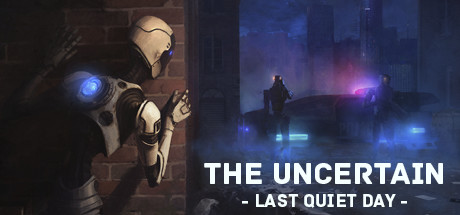
The Uncertain: Last Quiet Day
The Uncertain is an story-driven adventure game set in a post-apocalyptic world. Experience the mysterious vibe of each of carefully explored locations, solve diverse puzzles, make fateful decisions and discuss intriguing matters to find out the whole truth being kept from you.
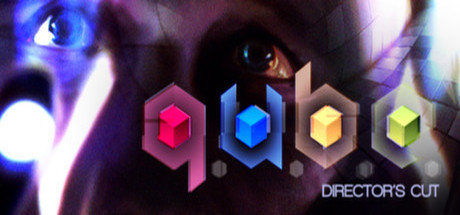
Q.U.B.E: Director's Cut
Q.U.B.E: Director's Cut is the definitive version of the brain-twisting first-person puzzler. Using special high-tech gloves to manipulate cubes in the environment, the player solves an array of conundrums - from physics-based challenges; to 3D jigsaws; to platform-based trials.
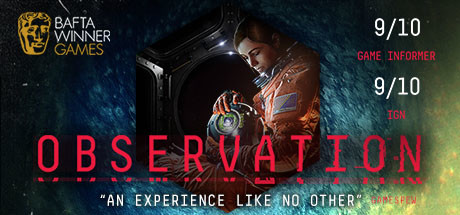
Observation
Observation is a sci-fi thriller uncovering what happened to Dr. Emma Fisher, and the crew of her mission, through the lens of the station’s artificial intelligence S.A.M.
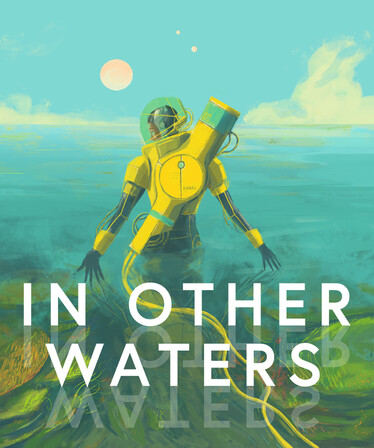
In Other Waters
Play as an Artificial Intelligence guiding a stranded xenobiologist through a beautiful and mysterious alien ocean. A non-violent sci-fi story, enter a world of wonder, fear and vulnerability, unraveling the history and ecology of an impossible planet. What will you discover together?
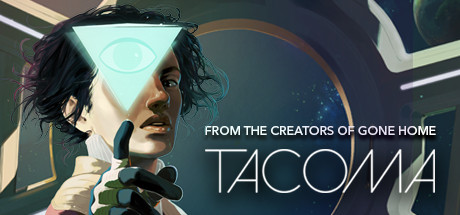
Tacoma
Tacoma is a sci-fi narrative adventure from the creators of Gone Home. Set aboard a high-tech space station in the year 2088, explore every detail of how the station’s crew lived and worked, finding the clues that add up to a gripping story of trust, fear, and resolve in the face of disaster.
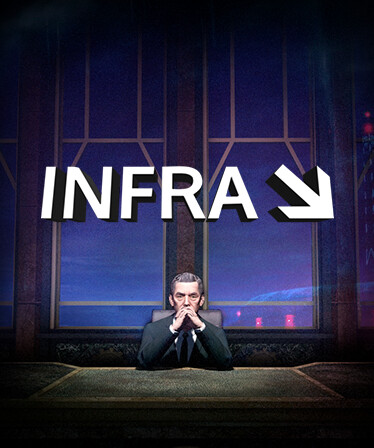
INFRA
INFRA puts you into the boots of a structural analyst on a routine mission. Quickly though, your task turns into a fight for survival, all caused by deep-rooted schemes of the past. Your tools are simple: your camera and the wits to navigate a labyrinth of debris.
Frequently Asked Questions
Cradle is currently priced at 12.99€ on Steam.
No, Cradle is currently not on sale. You can purchase it for 12.99€ on Steam.
Yes, Cradle received 1,382 positive votes out of a total of 1,955 achieving a rating of 6.86.
😐
Cradle was developed and published by Flying Cafe for Semianimals.
Yes, Cradle is playable and fully supported on Windows.
No, Cradle is not playable on MacOS.
Yes, Cradle is playable and fully supported on Linux.
This information about Cradle is not available yet.
This information about Cradle is not available yet.
No, Cradle does not support VR.
Cradle is a single-player game.
Yes, there is a DLC available for Cradle. Explore additional content available for Cradle on Steam.
No, Cradle does not support mods via Steam Workshop.
No, Cradle does not support Steam Remote Play.
Yes, Cradle is enabled for Steam Family Sharing. This means you can share the game with authorized users from your Steam Library, allowing them to play it on their own accounts. For more details on how the feature works, you can read the original Steam Family Sharing announcement or visit the Steam Family Sharing user guide and FAQ page.
You can find solutions or submit a support ticket by visiting the Steam Support page for Cradle.
Data sources
The information presented on this page is sourced from reliable APIs to ensure accuracy and relevance. We utilize the Steam API to gather data on game details, including titles, descriptions, prices, and user reviews. This allows us to provide you with the most up-to-date information directly from the Steam platform.
Additionally, we incorporate data from the SteamSpy API, which offers insights into game sales and player statistics. This helps us present a comprehensive view of each game's popularity and performance within the gaming community.
Last Updates| Steam data | 22 September 2026 17:07 UTC |
|---|---|
| SteamSpy data | 15 October 2026 04:02 UTC |
| Steam price | 26 October 2026 20:07 UTC |
| Steam reviews | 22 October 2026 09:51 UTC |
If you'd like to dive deeper into the details about Cradle, we invite you to check out a few dedicated websites that offer extensive information and insights. These platforms provide valuable data, analysis, and user-generated reports to enhance your understanding of the game and its performance.
- SteamDB - A comprehensive database of everything on Steam about Cradle
- SteamCharts - Analysis of Cradle concurrent players on Steam
- ProtonDB - Crowdsourced reports on Linux and Steam Deck Cradle compatibility

Game modes
Features
Online players
0
Developer
Flying Cafe for Semianimals
Publisher
Flying Cafe for Semianimals
Release
24 Jul 2015
Platforms
Clicking and buying through these links helps us earn a commission to maintain our services.