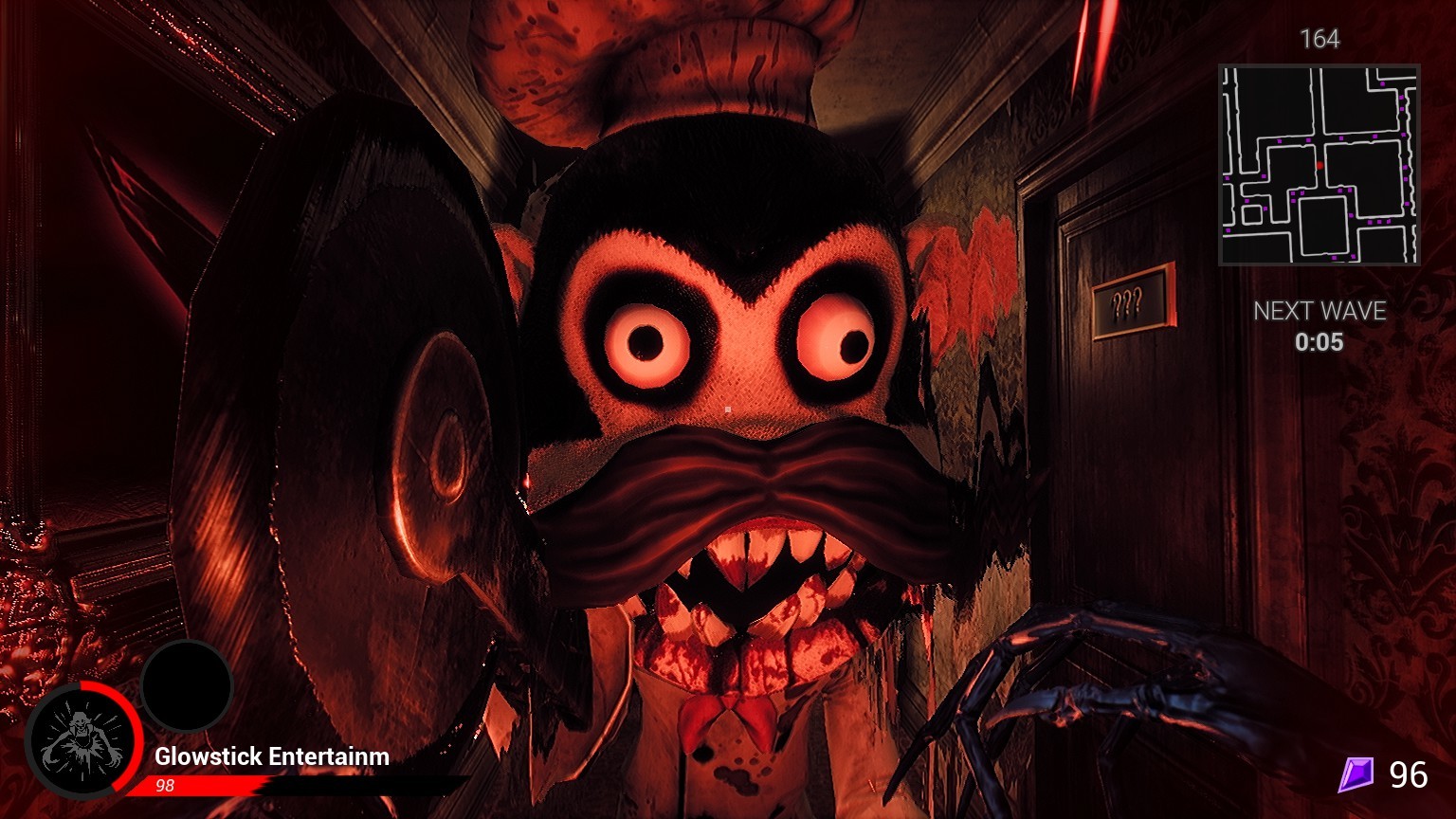
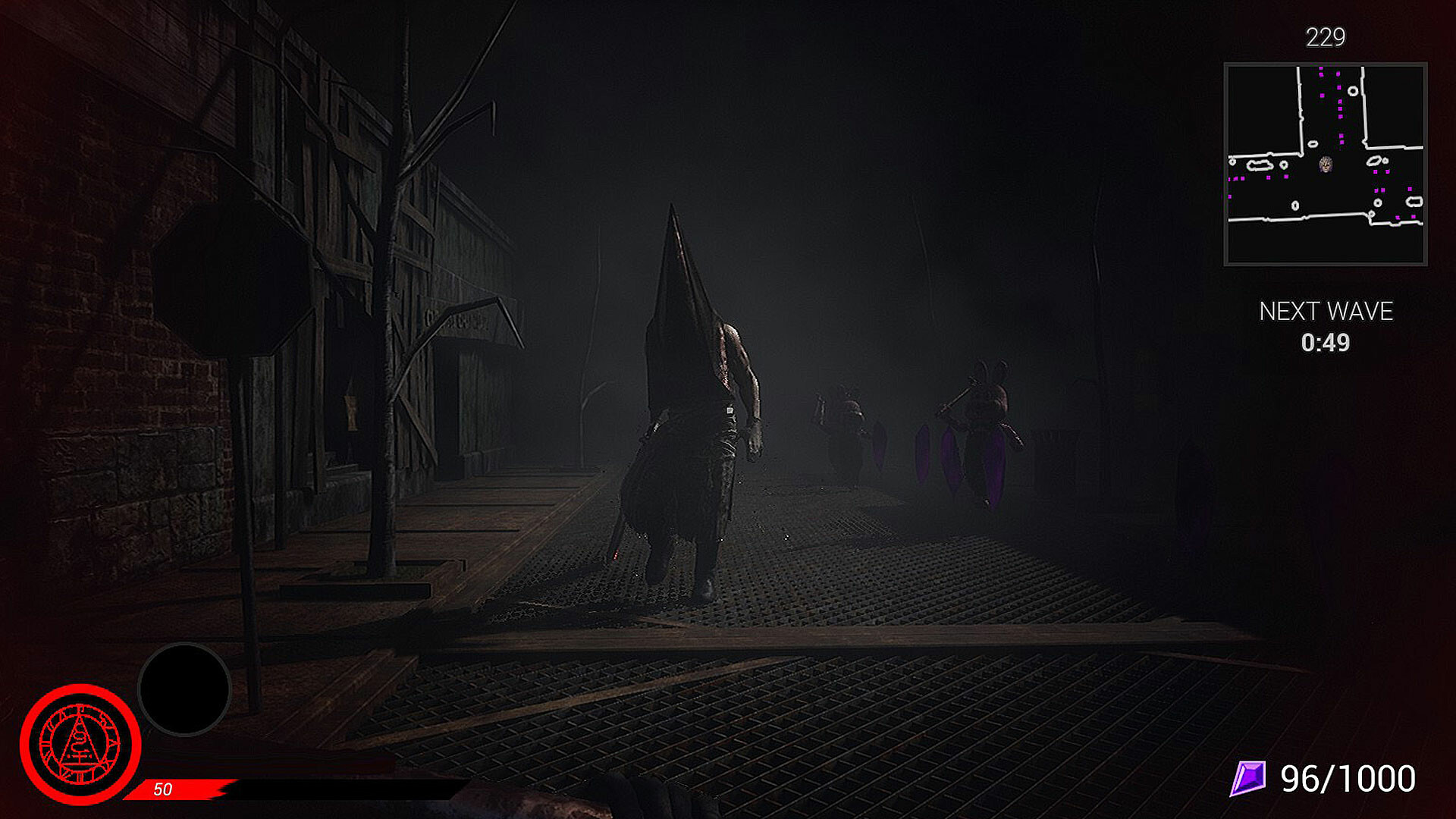
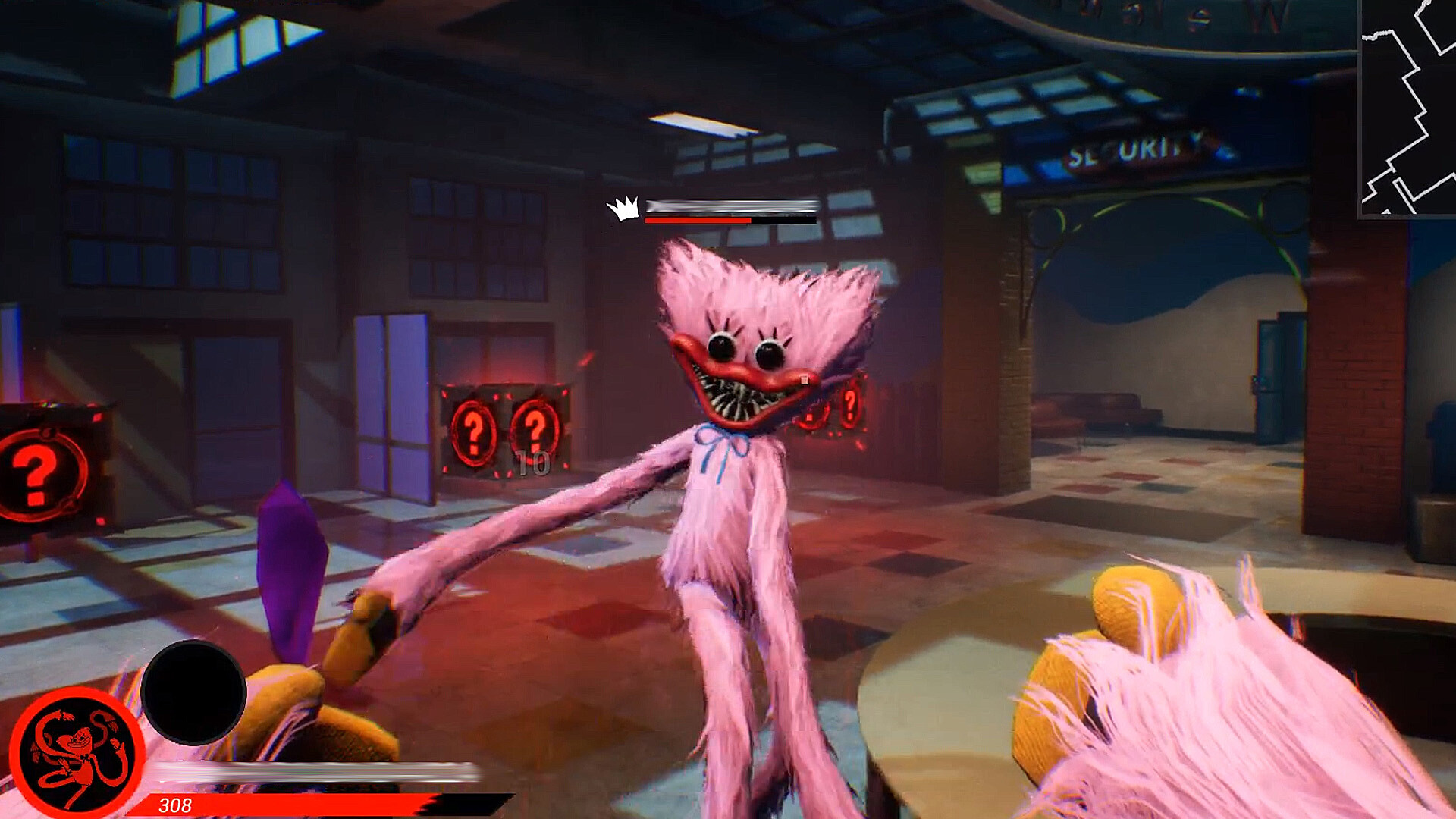
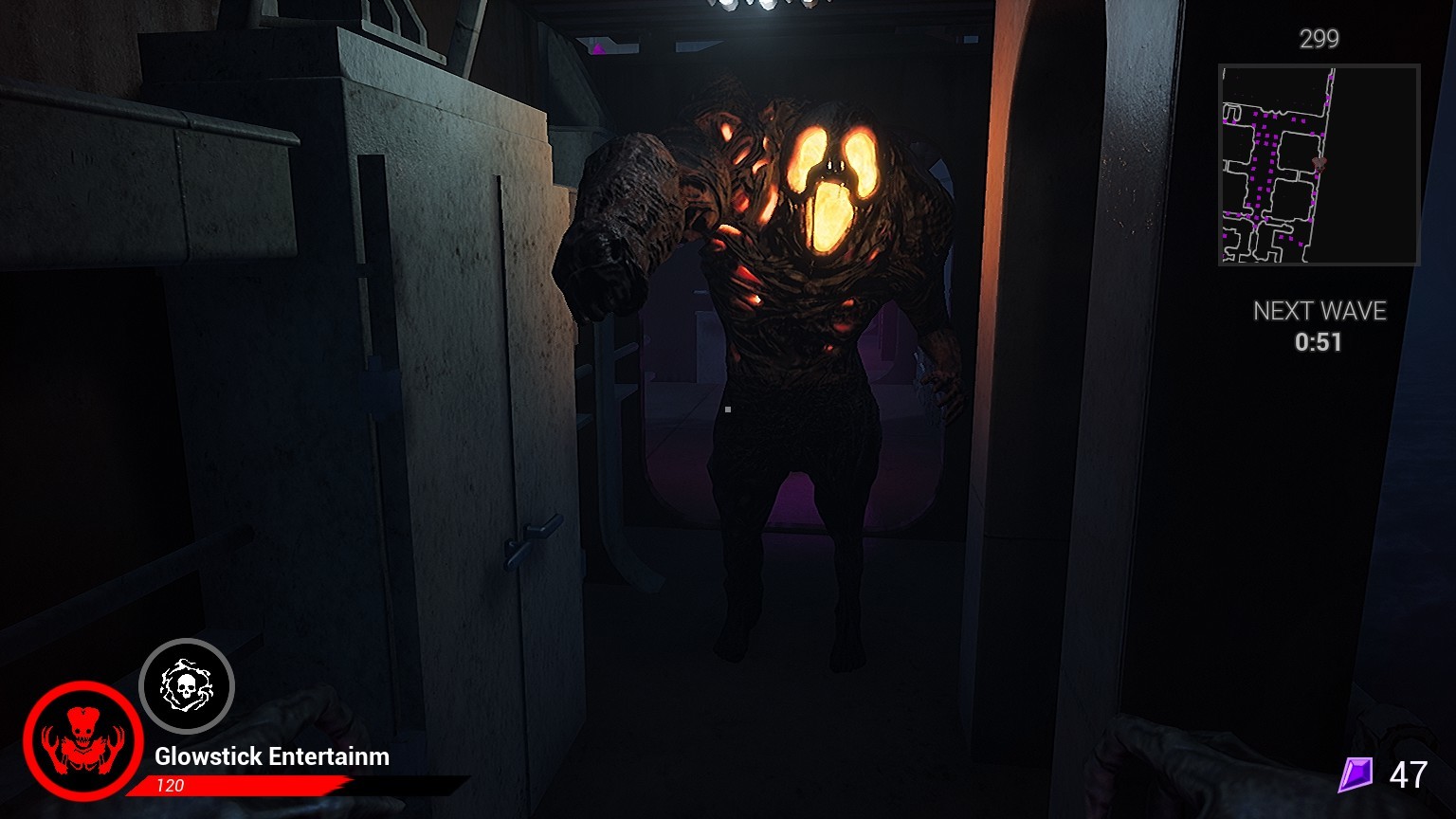
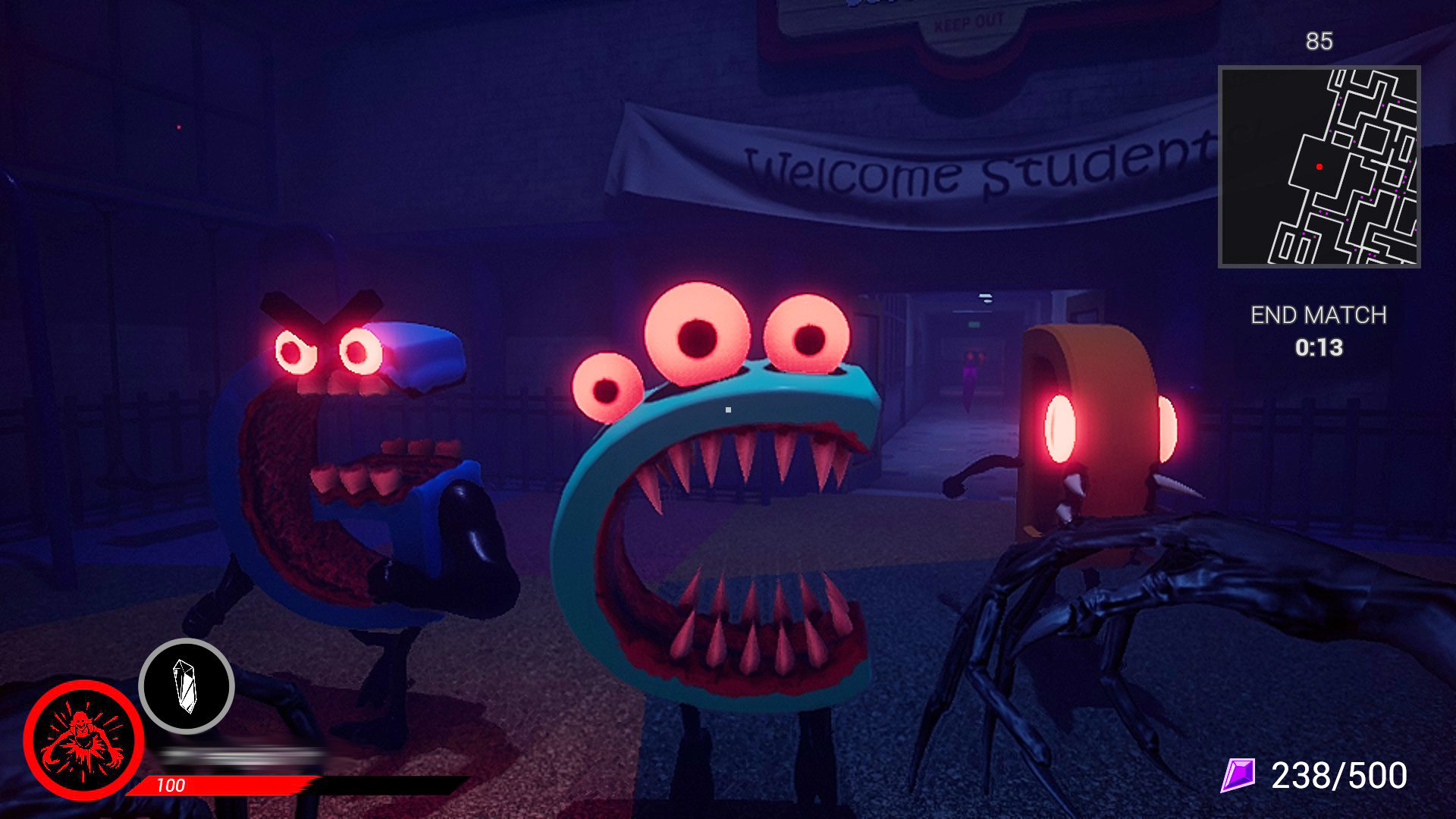
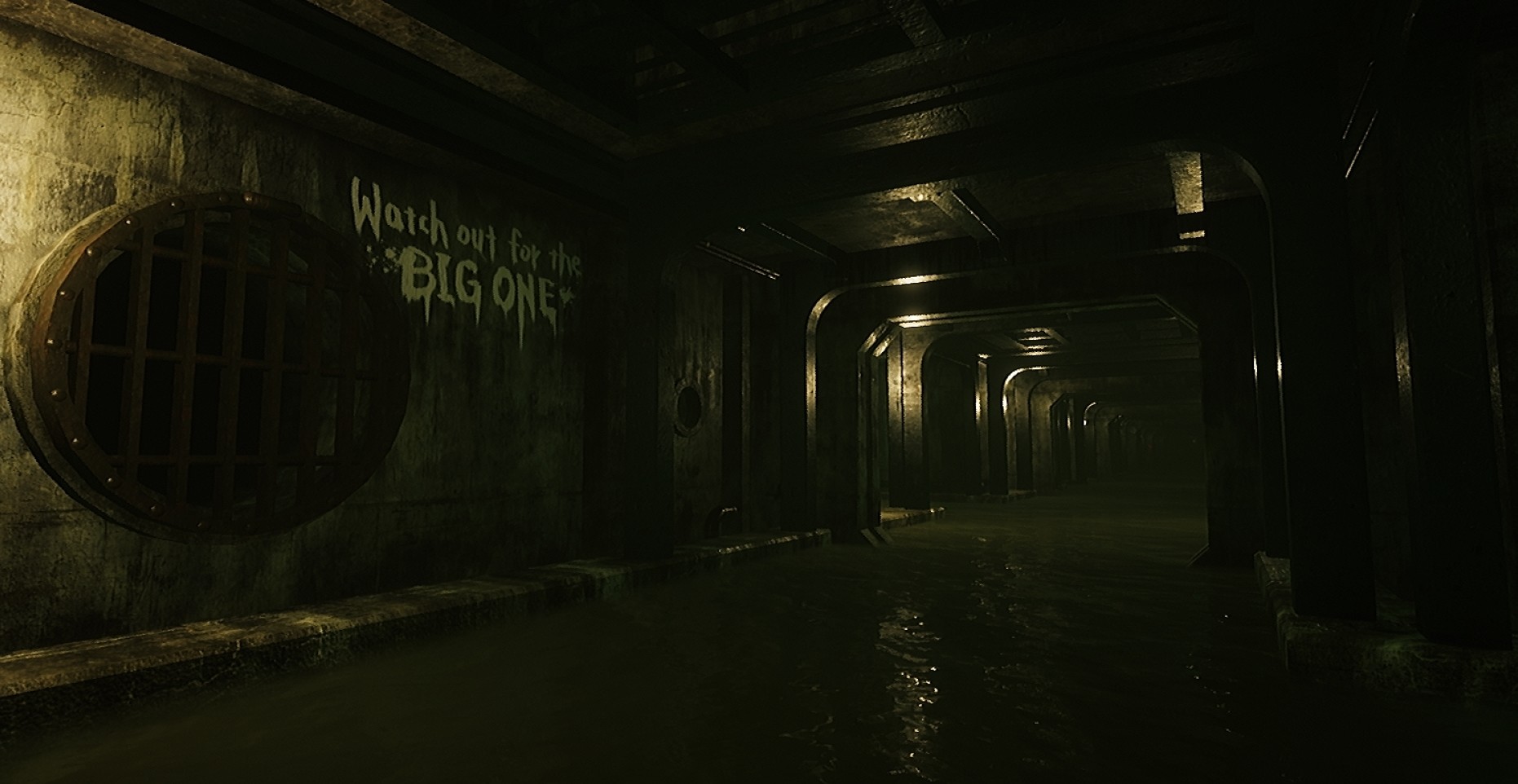
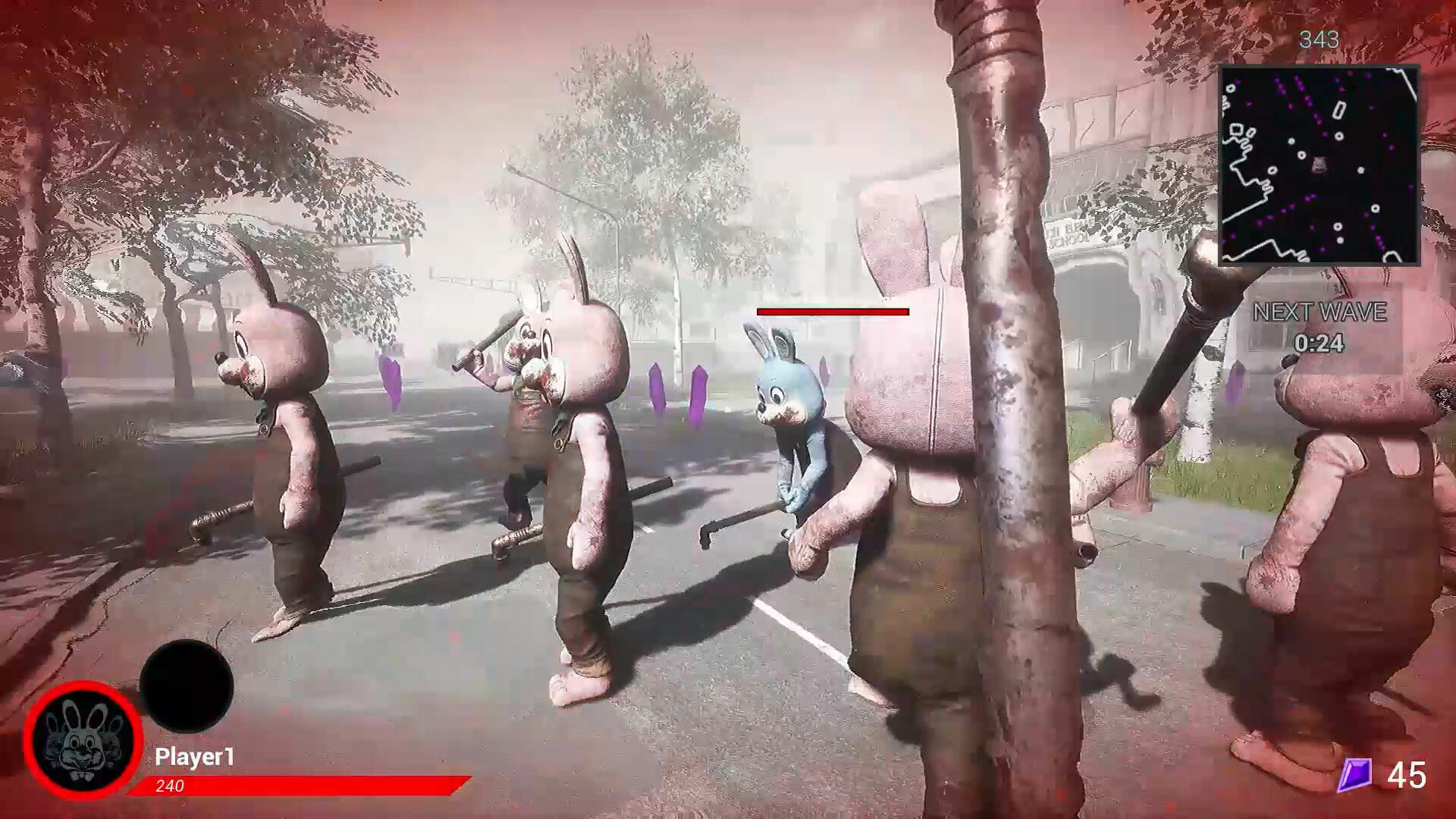
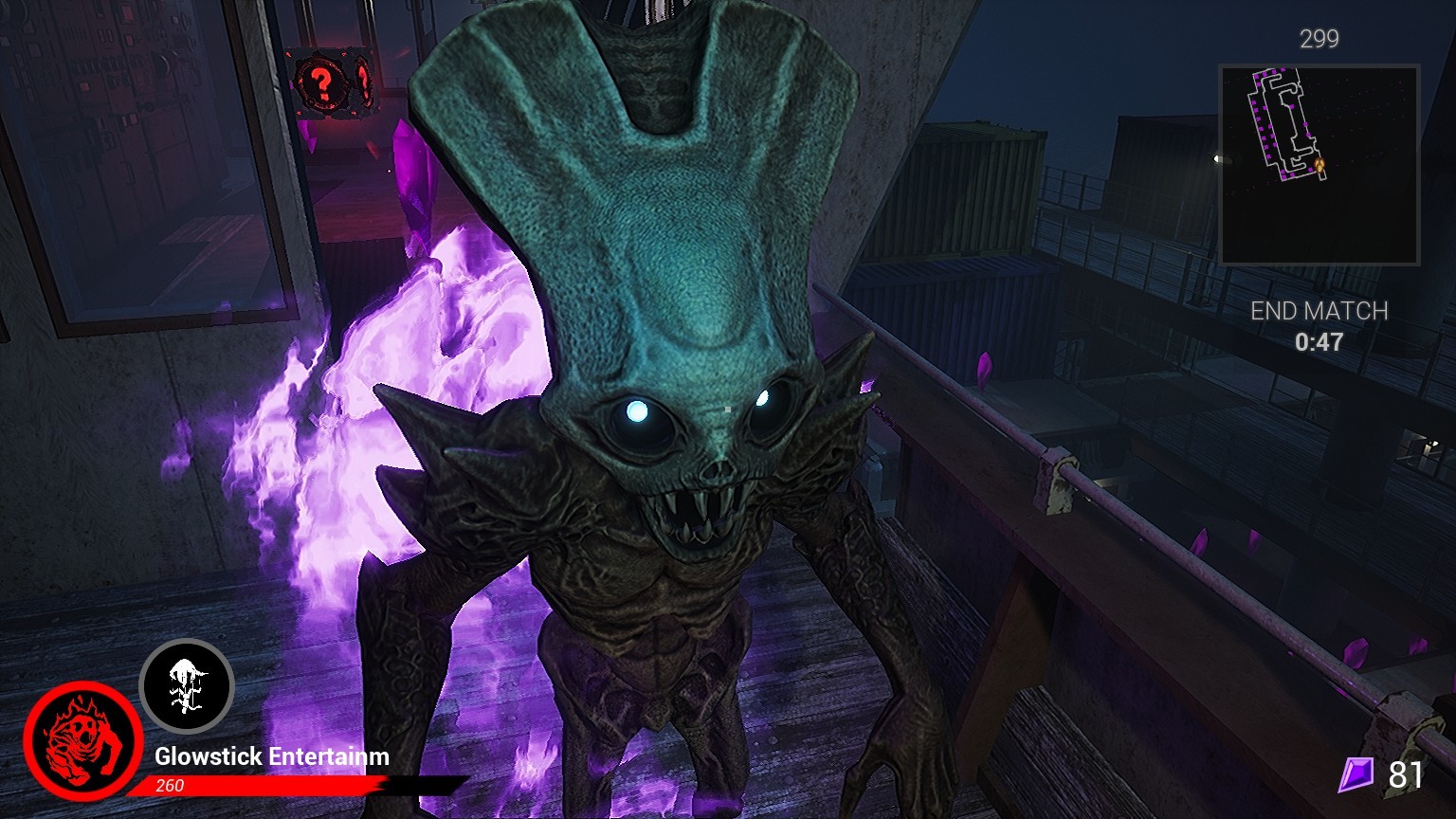
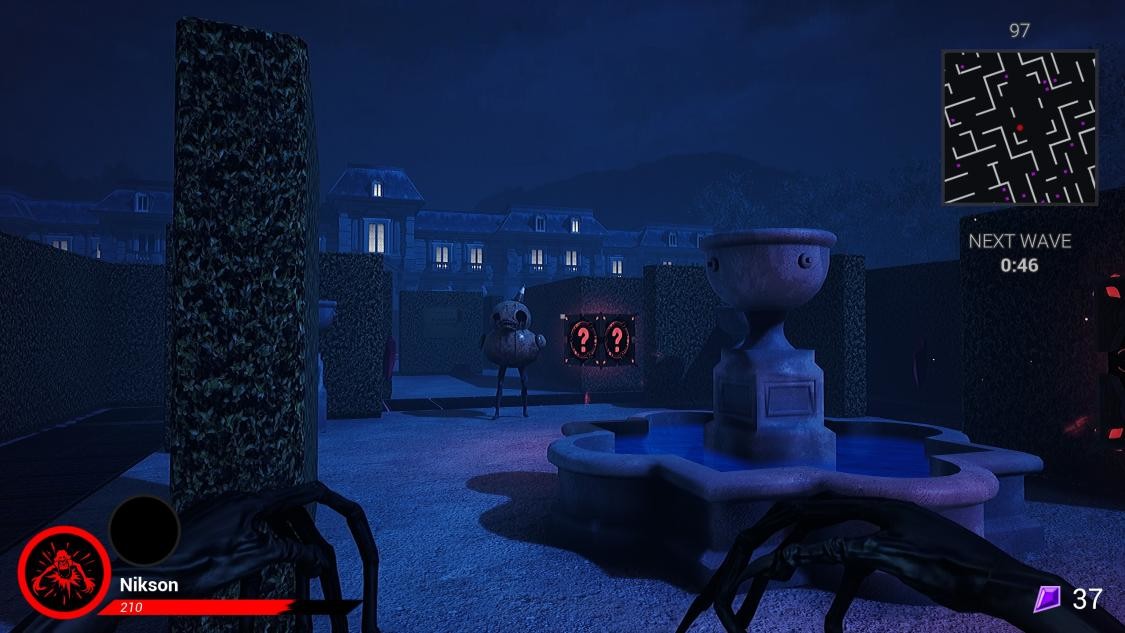
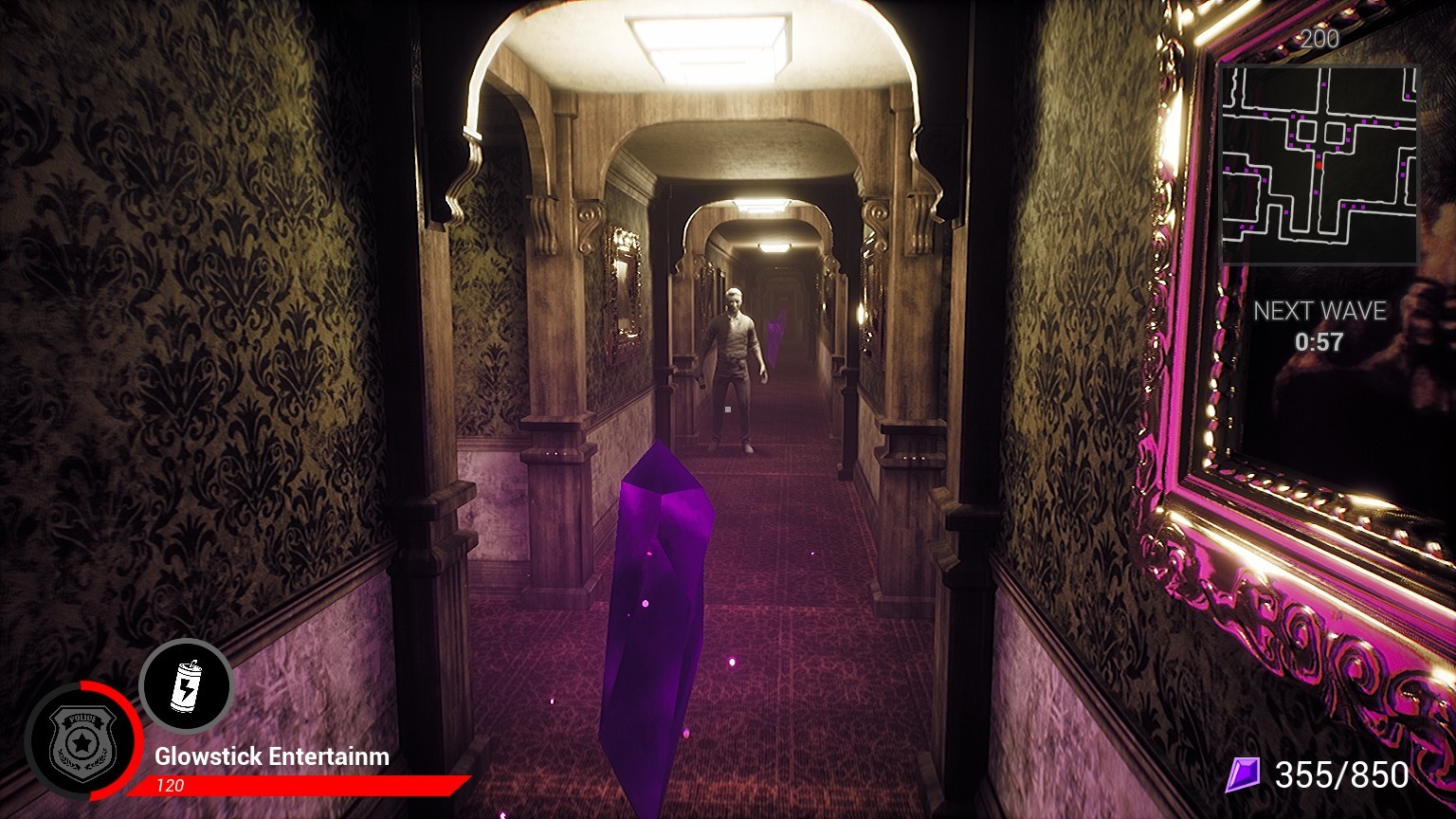
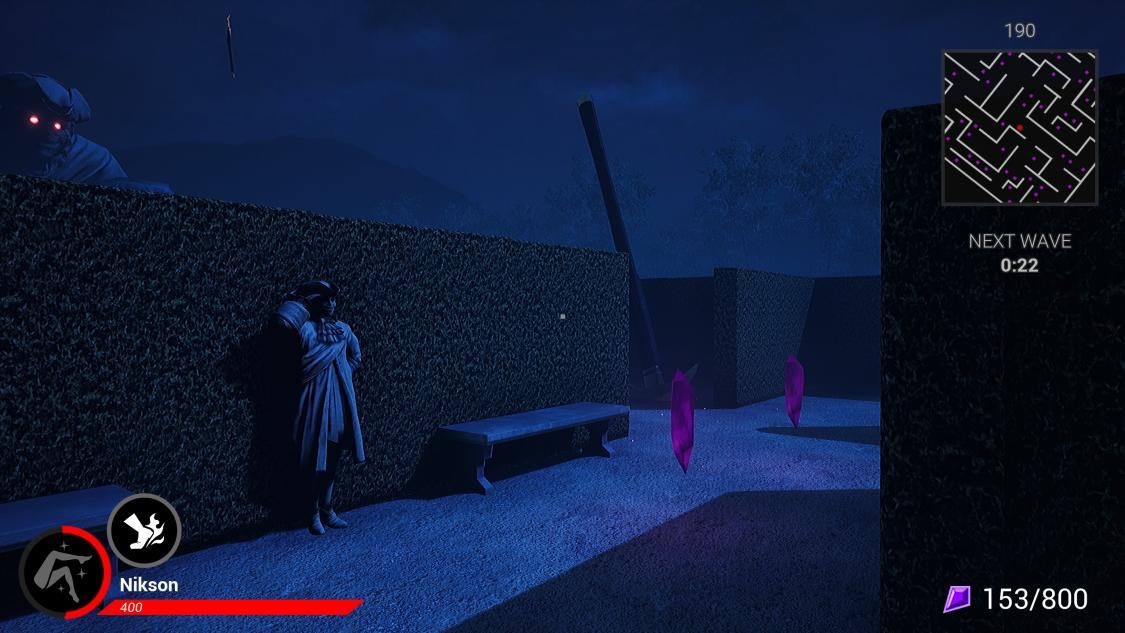
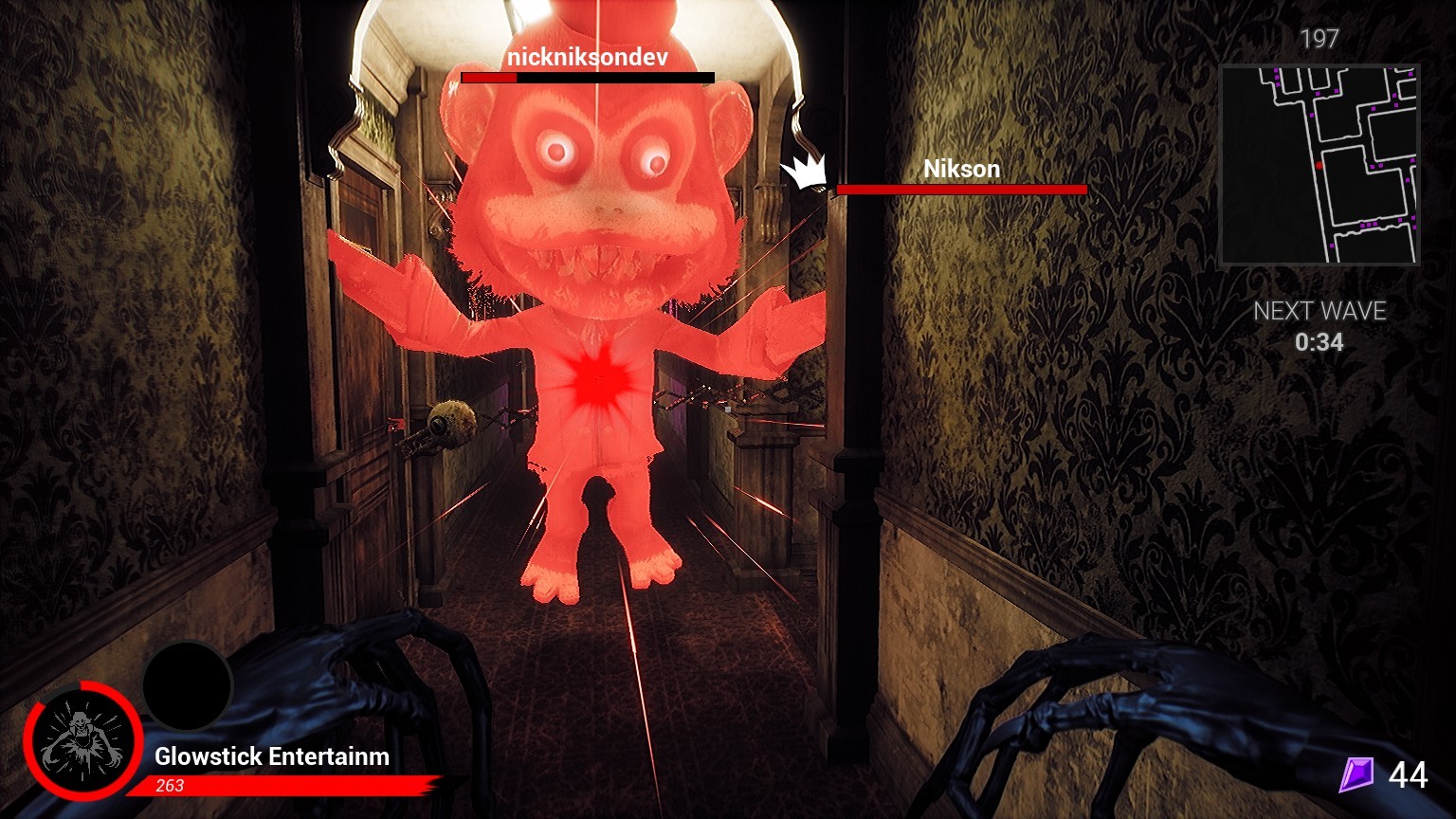
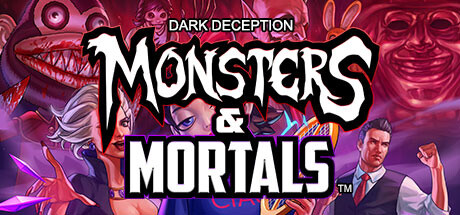
Dark Deception: Monsters & Mortals, developed and published by Glowstick Entertainment, transforms the sinister world of the original Dark Deception into a fast-paced multiplayer experience that mixes horror, strategy, and action. Unlike the original, which focused on a single player trapped in maze-like nightmares, this entry invites players to step into both sides of the conflict—mortals and monsters—across a variety of modes. It’s an ambitious concept that combines the thrill of survival with the chaos of competition, creating a hybrid of maze-chase gameplay and asymmetrical horror combat. Glowstick Entertainment set out to craft a game that balances tension with accessibility, offering both longtime fans of the series and newcomers a chance to experience its twisted charm in a new, social format. At its core, Monsters & Mortals is structured around several distinct game modes that keep the experience varied. Maze Escape is the most recognizable to fans of the franchise: four mortals must collect a set number of soul shards scattered across a maze before escaping, all while being relentlessly hunted by one or more monsters. The tension escalates as players race to complete objectives, triggering traps and power-ups along the way. Shard Mayhem, on the other hand, removes mortals from the equation entirely, pitting monsters against each other in a competitive free-for-all where they fight to gather the most shards. Soul Collection adds another layer of unpredictability—players start as mortals, but the lowest scorer at the end of each round transforms into a monster, shifting the balance of power mid-game. Each mode builds on the same foundation of frantic movement and resource collection but adds just enough variation to keep players on edge. The game’s atmosphere is one of its strongest features. Glowstick Entertainment retains the unsettling visual style that made the original Dark Deception memorable—neon corridors, flickering lights, distorted laughter, and an uneasy sense that danger could be lurking just around the next turn. Every maze is meticulously designed to capture both dread and excitement, and the environments manage to blend horror aesthetics with arcade-like energy. The character designs also deserve praise, particularly the monsters, who are both grotesque and exaggerated in ways that make them stand out. The sound design is equally effective: eerie music cues, sudden roars, and footsteps echoing down corridors all serve to heighten tension. Despite its competitive nature, Monsters & Mortals never loses the sense of dread that defines the Dark Deception series, creating a tone that’s simultaneously creepy and playful. Gameplay mechanics are straightforward but effective, merging the accessibility of a multiplayer arena game with the adrenaline rush of survival horror. Each character—whether mortal or monster—has unique abilities that alter the flow of a match. Mortals tend to rely on agility, traps, and strategy, while monsters boast raw power and specialized attacks. The result is a dynamic interplay between evasion and aggression, where quick thinking often determines victory. Power-ups scattered across the map can grant temporary boosts or devastating abilities, adding another strategic layer to the chase. The controls are intuitive, and matches are short enough to encourage replayability, making it easy to jump in for quick sessions without feeling fatigued. Despite the simplicity of its mechanics, the game can become surprisingly intense, especially when the balance shifts suddenly and players are forced to adapt on the fly. However, while the concept is clever, execution issues hold the experience back from reaching its full potential. One of the most frequent complaints from players concerns the matchmaking system and the difficulty of organizing games with friends. Because there’s no dedicated party system, coordinating matches often requires workarounds or sheer luck to land in the same lobby. Additionally, the relatively small player base can make finding consistent matches difficult, particularly outside peak hours. Balance issues between characters have also been a recurring problem; certain monsters can dominate the field depending on the mode, leading to frustration among players seeking fair competition. The developers have released updates and patches over time to address these concerns, but maintaining equilibrium in an asymmetrical multiplayer game is a constant challenge, and Monsters & Mortals still struggles with consistency in that regard. Despite these shortcomings, the game remains a creative and enjoyable experiment. The core idea—merging a horror maze with competitive multiplayer—works well in concept and often succeeds in practice, especially when playing with friends or in an active community. Each match can swing from comedic chaos to nerve-wracking terror in seconds, capturing the unpredictable spirit of both party games and horror titles. The inclusion of crossover DLCs featuring characters from other indie horror franchises adds novelty and replay value, appealing to genre fans who enjoy seeing familiar faces in new contexts. Even when technical or balance issues arise, there’s a sense of passion behind the project that makes it easy to appreciate what Glowstick Entertainment attempted to achieve. Ultimately, Dark Deception: Monsters & Mortals stands as a bold reinterpretation of the series’ formula, transforming its claustrophobic tension into social, competitive fun without losing its macabre charm. It’s a game that thrives on chaos, laughter, and adrenaline rather than sheer fear, offering an experience that’s as much about unpredictable moments as it is about victory. While it may lack the polish and stability of larger multiplayer titles, it compensates with originality, atmosphere, and personality. For fans of asymmetrical horror games or those who simply want something different from traditional shooters or survival titles, Monsters & Mortals delivers a distinct and often thrilling experience that proves horror can be both terrifying and entertaining when shared with others. Rating: 7/10
Expand the review